
Nissan May Team Up with Foxconn to Keep Oppama Factory Alive
 JohnJul 09, 2025, 10:37 AM
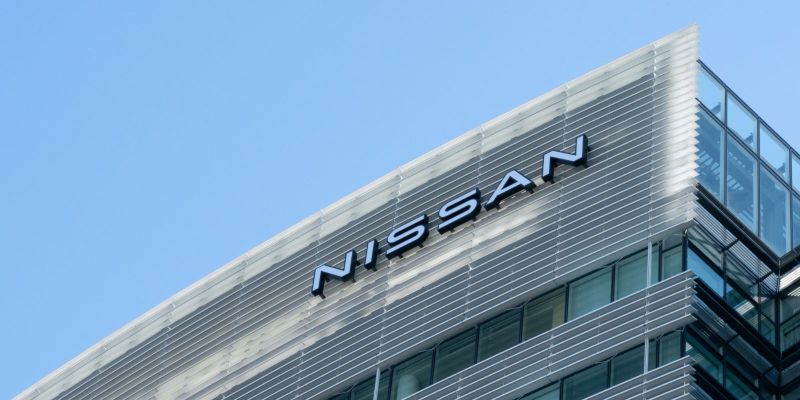
【PCauto】Nissan’s Oppama plant in Kanagawa, home to about 3,900 workers, is facing the threat of closure. The factory has long struggled with low capacity use, putting it on the chopping block.
Foxconn Could Join Forces with Nissan in a Surprise EV Partnership
Amid growing concerns from local authorities and pressure to secure jobs, Nissan has reportedly entered talks with Foxconn to explore a possible partnership focused on electric vehicle production. The move marks a surprising turn, especially given that both Nissan and much of Japan’s auto industry had previously turned down collaboration offers from Foxconn.
Reports suggest that the main idea being discussed is for Foxconn to use Nissan’s existing Oppama facilities to produce electric vehicles under contract. For Nissan, this could help boost plant utilization and avoid a shutdown. For Foxconn, it’s a chance to break into Japan’s automotive manufacturing scene and expand its presence in the EV contract production market.
What’s Behind Nissan’s Change of Heart
Back in 2022, Nissan wasn’t confident in Foxconn’s ability to build cars. While Foxconn was well known for making electronic devices, it had little experience with full vehicle production. The strict safety standards and complex supply chains in the auto industry posed big challenges. At the time, Nissan preferred to push forward with electrification on its own. Its first all-electric SUV, the Ariya, was developed and built in-house.
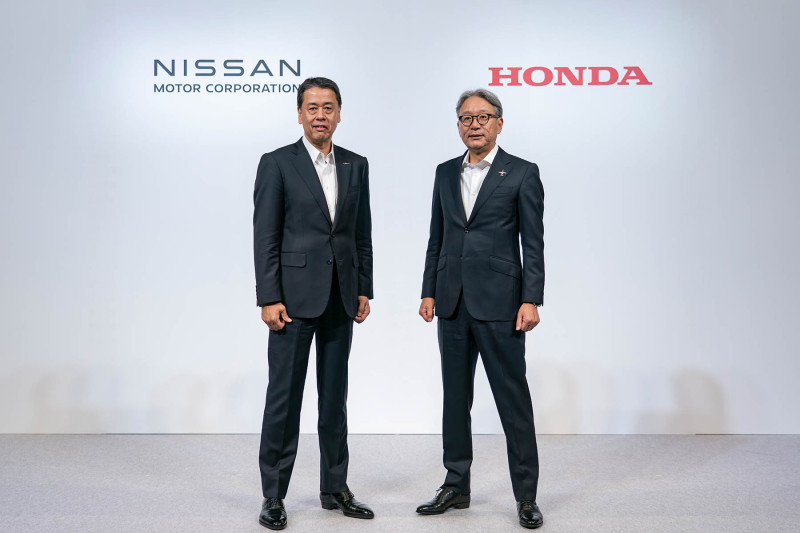
But shifts in the market have pushed Nissan to rethink its strategy. The issue of low capacity at the Oppama plant is becoming harder to ignore. Shutting it down would mean relocating 3,900 workers and could have a serious impact on the local economy.
At the same time, Foxconn has been moving fast into the EV space over the past three years. In 2020, it launched the MIH open EV platform, bringing in more than 500 suppliers, including Qualcomm and CATL. In 2022, it bought the Lordstown plant in the U.S. to gain real-world production experience. It also signed a deal with Fisker to build the PEAR electric SUV and set up a joint venture factory in Thailand. Step by step, Foxconn has been building its EV manufacturing capabilities.
Foxconn Is Still Eager to Make the Partnership Happen
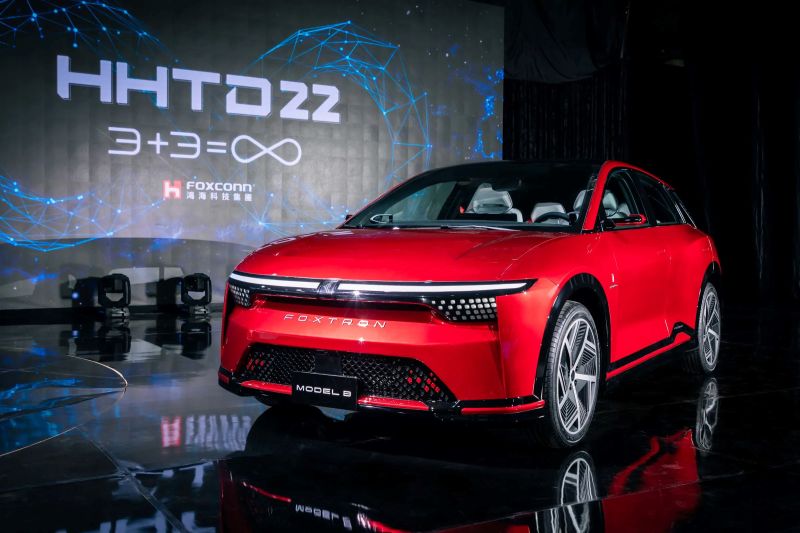
Even after being turned down several times, Foxconn is still eager to enter the auto industry. Their MIH platform lets Nissan share modular chassis and battery tech, which helps cut R&D costs a lot. Foxconn also promises to tap into its global supply chain to keep production reliable. This offer is especially attractive to Nissan as it faces financial challenges moving toward electric vehicles.
Technical Integration Challenges Still Loom Over Negotiations
Foxconn must prove it can meet Nissan’s quality control standards, especially in critical areas like safety testing and durability checks. The two sides also need to address how to align their production processes. At Foxconn’s Lordstown plant, production runs at about six vehicles per hour, while traditional automakers typically produce around 60 per hour. Employee relocation remains a sensitive topic, as it’s still unclear if the current workforce can adapt to Foxconn’s system.
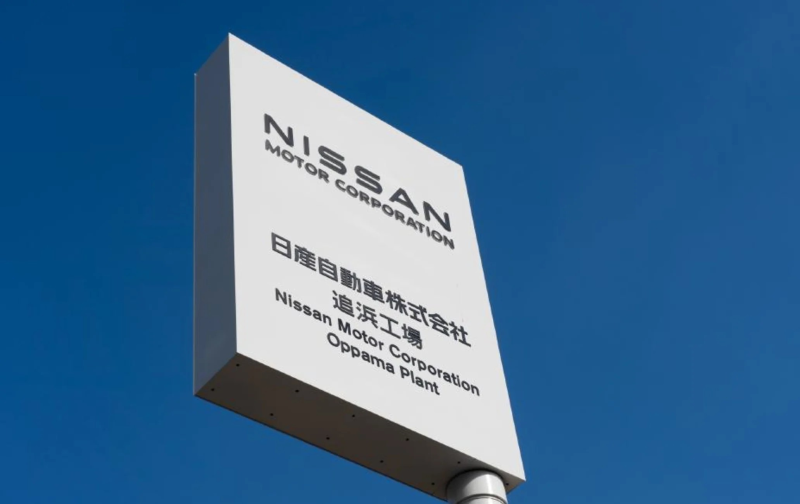
If the deal goes through, the Oppama plant will become Foxconn’s first car manufacturing base in Japan and create a new revenue stream for Nissan. Success depends on whether both sides can work together effectively on manufacturing standards, technology sharing, and workforce management. Talks are still underway, and details about the partnership model and timeline have yet to be made public.
If any infringement occurs, please contact us for deletion










Popular Cars
Model Year
Car Compare
Car Photo