
Chery launches an electric pickup truck Rely R08 that resembles the Hilux, and it's even cheaper
 JohnJan 29, 2026, 05:47 PM
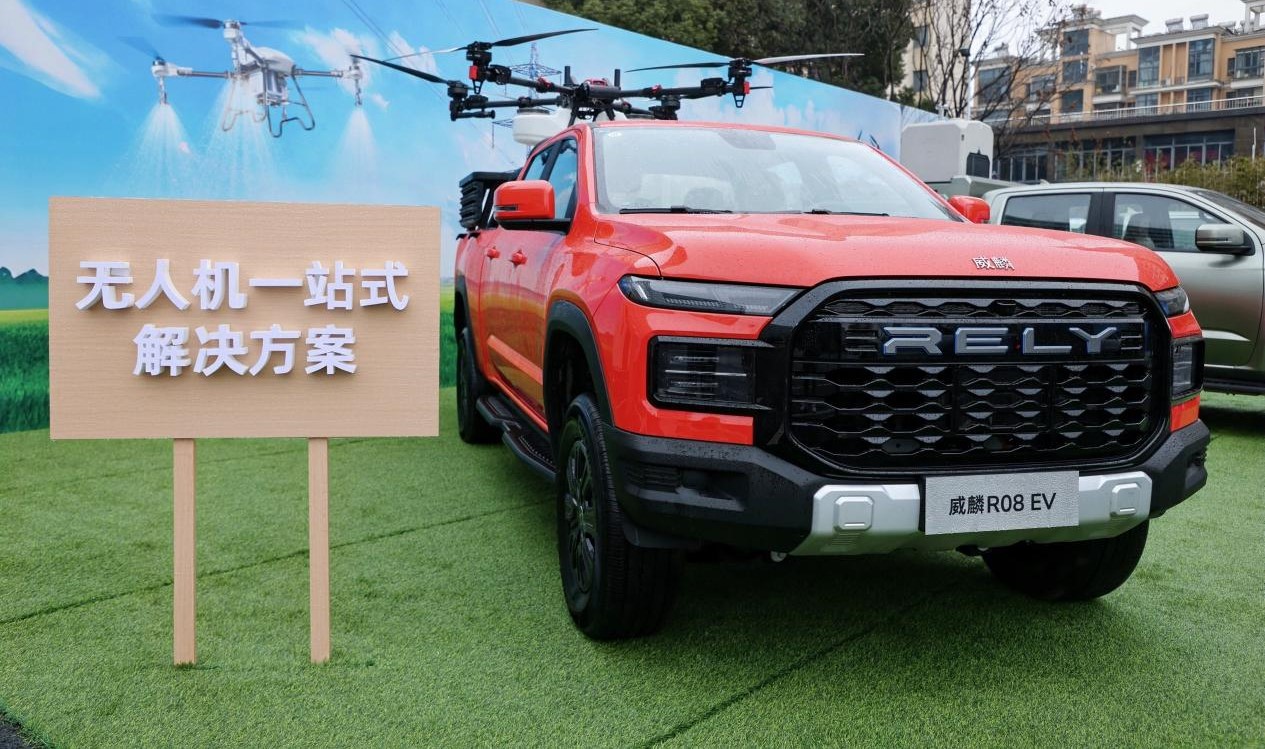
【PCauto】Chery recently officially launched and released the Rely R08. This electric pickup marks the first core model of Chery's revived Rely sub-brand.
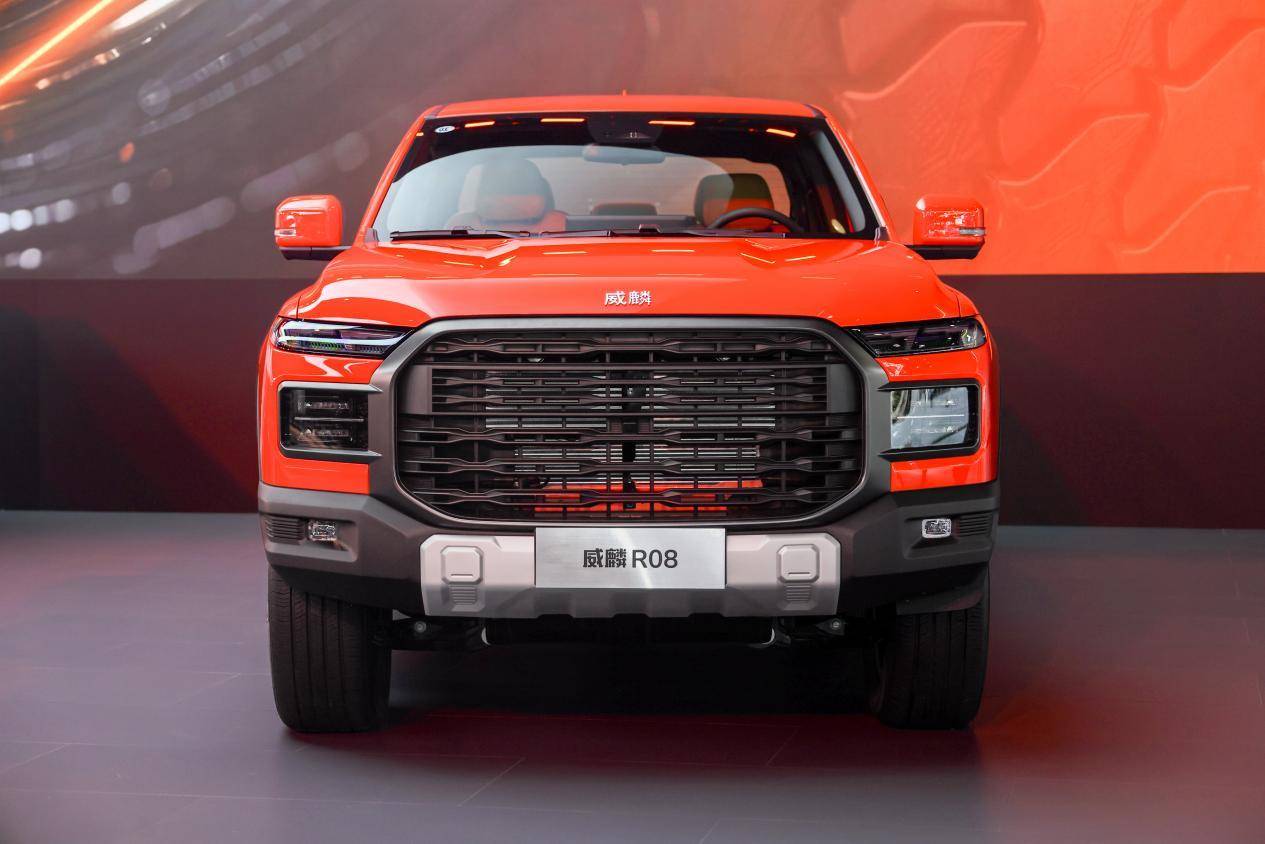
Without much pre-launch hype or a complicated story, the R08 entered the market directly, sparking widespread discussion because of its striking resemblance to the Toyota Hilux.
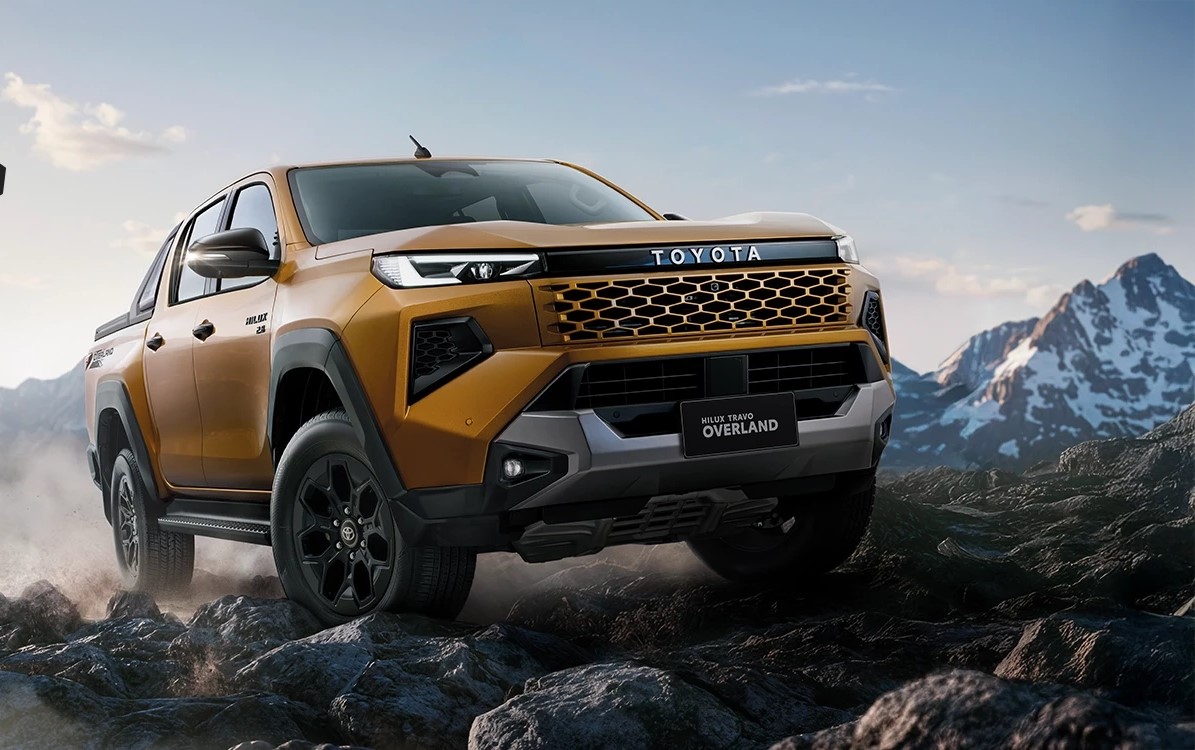
On closer inspection, its front grille, headlight contours, and bumper design are strongly reminiscent of the Hilux.
Its side profile features simple, straight lines and near-identical proportions to the Hilux. The cargo bed length and rear design further invite comparison to this Japanese utility icon.
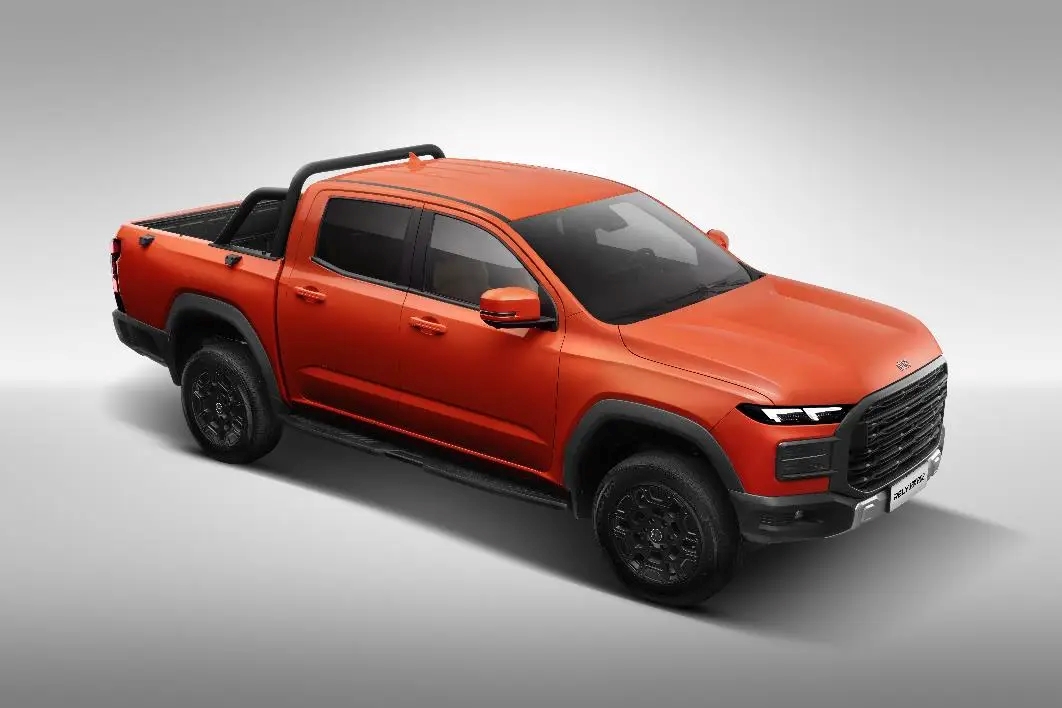
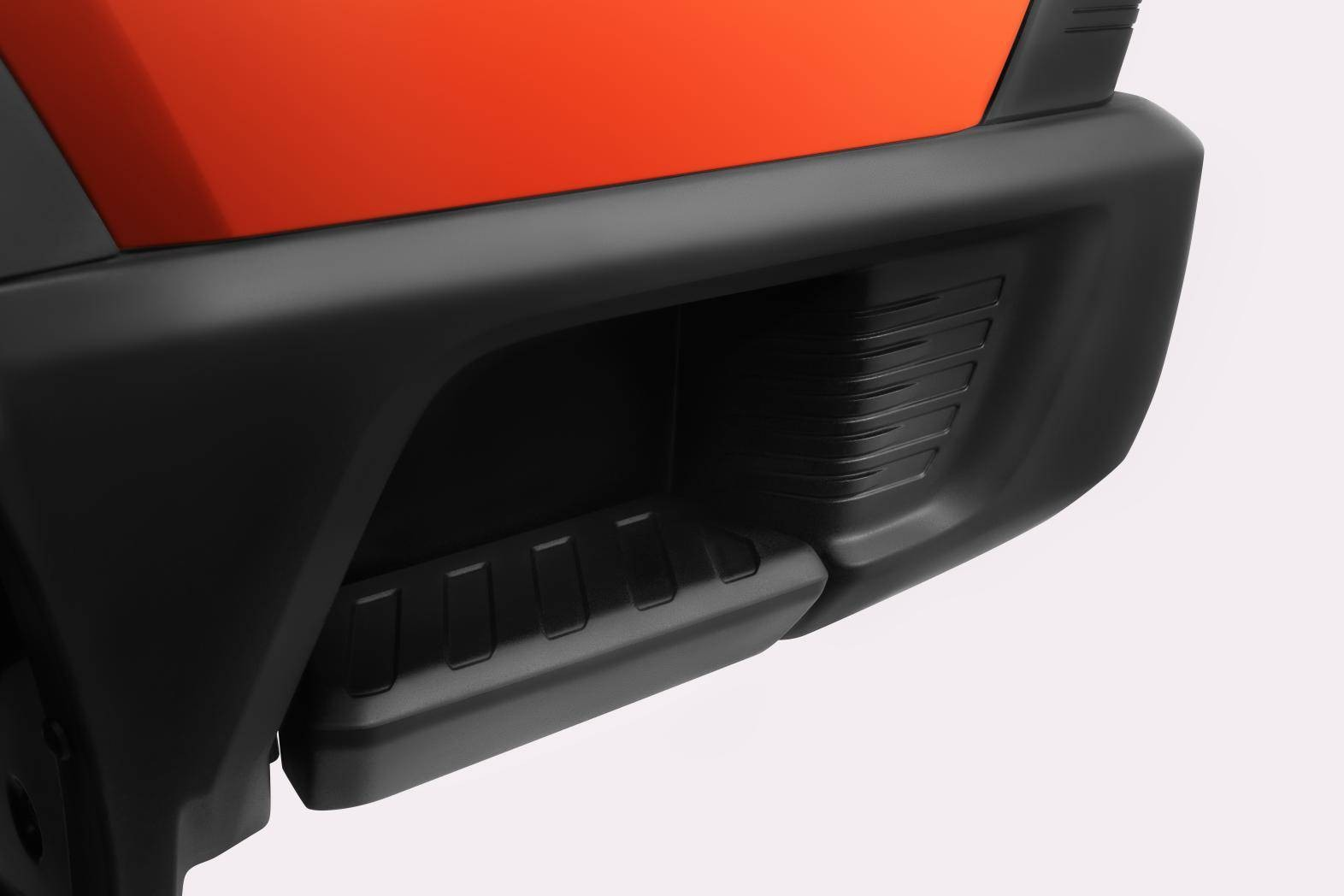
Overall, it projects an aura of durability and reliability—key visual qualities long associated with the Hilux.
Both models use a body-on-frame ladder chassis. The R08 offers a towing capacity of about 2.5 tonnes, and its standard and long-bed versions feature a reasonable design, making it suitable for agricultural, construction, or outdoor scenarios.
Limited by battery layout, the Hilux Travo-e has a towing capacity of about 1.6 tonnes, with more conservative payload figures. In terms of practicality, the R08 clearly has an advantage when it comes to heavy loads or towing demands.
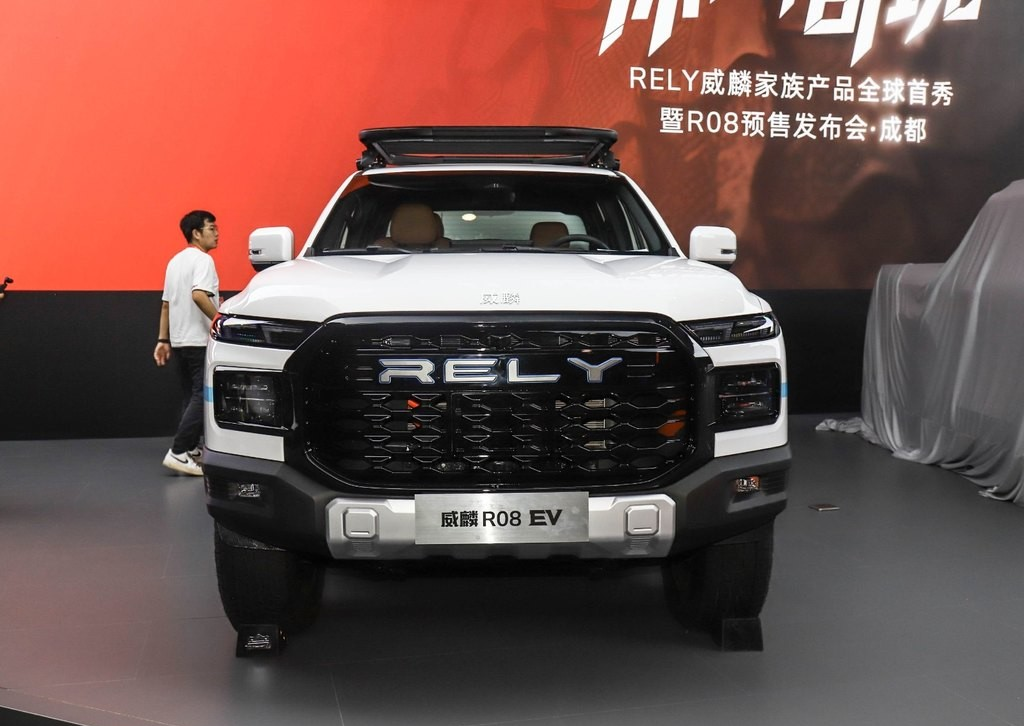
Furthermore, the R08 also excels in terms of power performance. The R08 is available in rear-wheel-drive and dual-motor four-wheel-drive variants.
The rear-wheel-drive variant produces around 201 hp, while the four-wheel-drive variant delivers a combined output of approximately 402 hp, with 0-100 km/h acceleration in about 5 seconds. This performance is notably superior to the Hilux Travo-e’s rear-wheel-drive variant, which produces roughly 197 hp.
For heavy loads, steep slopes, or muddy roads, the four-wheel-drive system of the R08 provides stronger escape capabilities and acceleration performance.
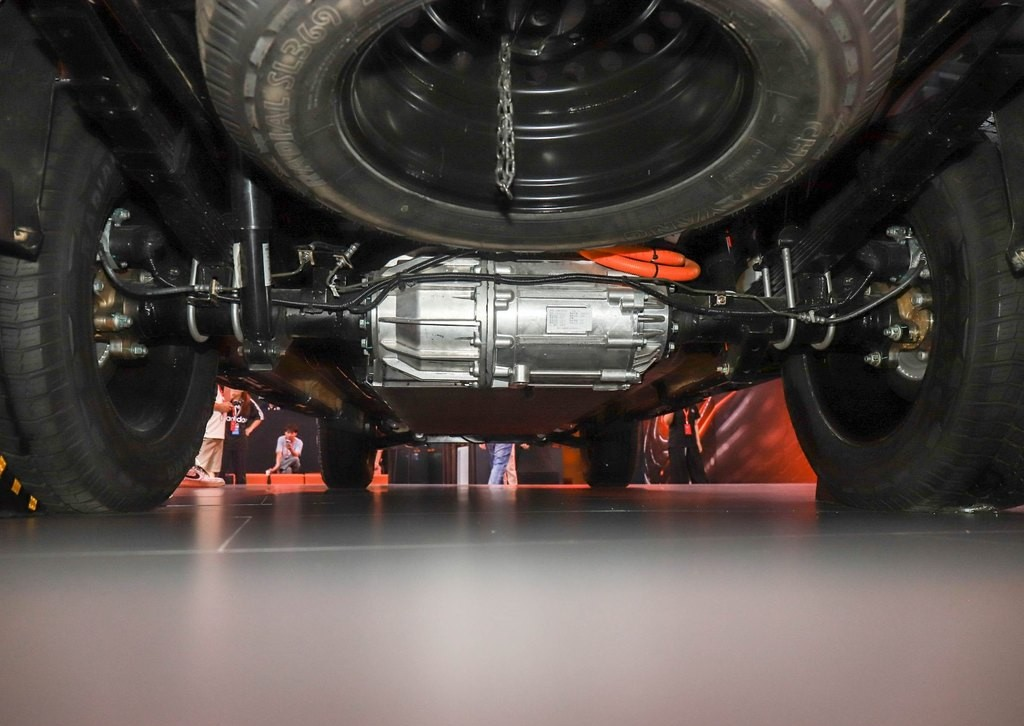
The high-end R08 is equipped with an approximately 88 kWh battery pack, offering a CLTC range of up to 510 km, while the mid-range 66.5 kWh battery delivers 405 to 505 km—a significant advantage over the Hilux.
The Hilux Travo-e has a battery capacity of about 59 kWh, with an NEDC range of approximately 300 km. Even accounting for differences in testing standards, the R08 still leads in terms of practicality for inter-city transportation, fieldwork, or long-distance travel.
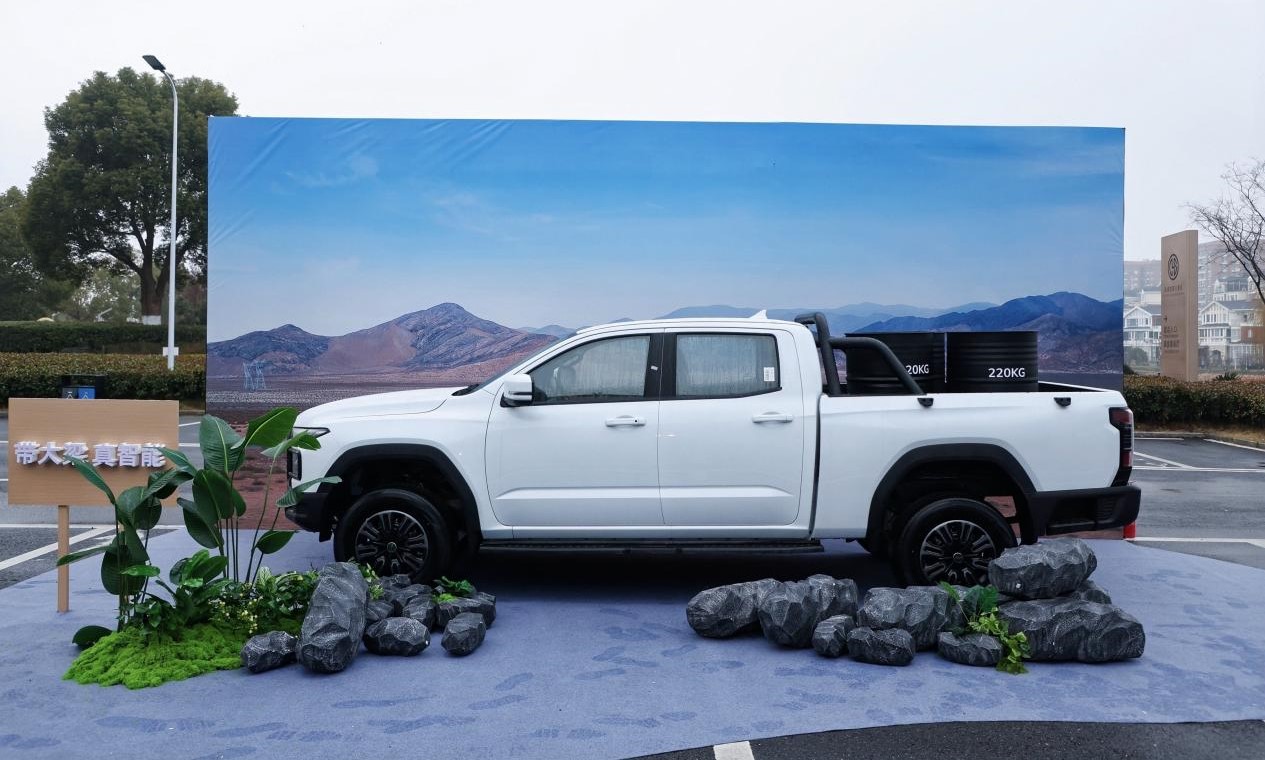
The R08’s “mobile power station” function is another standout feature, with a single outlet delivering up to 6 kW, capable of powering industrial-grade welding machines, electric drills, or large drones.
In contrast, the Hilux Travo-e's output power is generally 2–3 kW, which can only meet the needs of lightweight equipment or household appliances. This makes the R08 more productive on construction sites, farms, or outdoor scenarios.
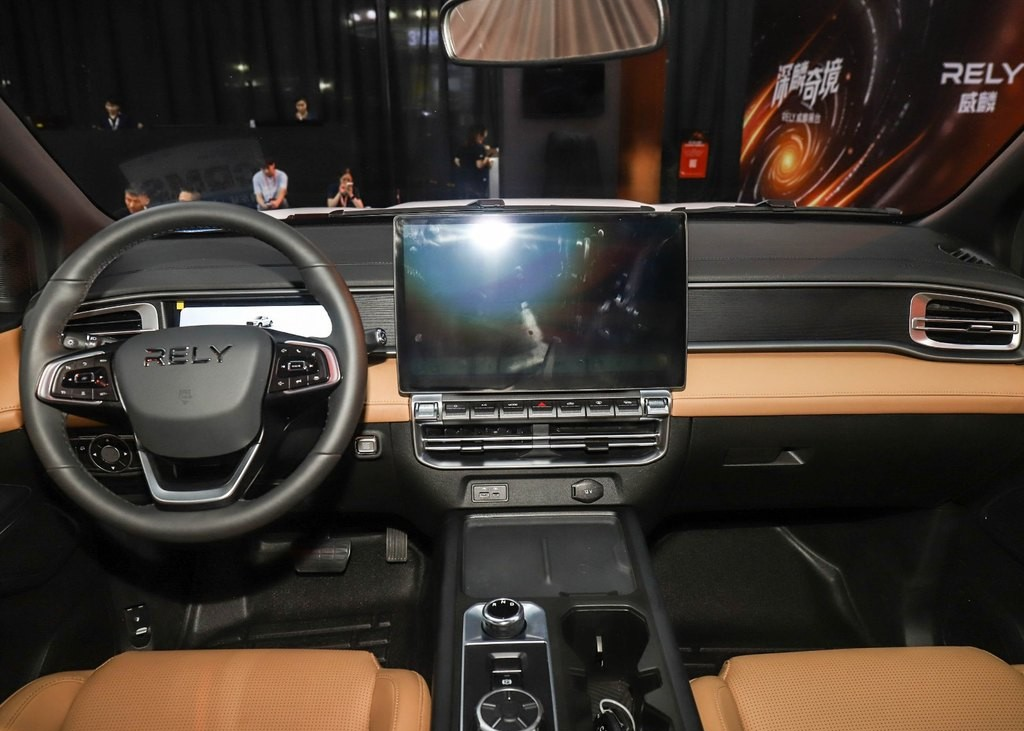
In addition to its practicality, the R08 also boasts high-tech configurations. The high-end R08 features a 15.6-inch central touchscreen, an L2-level driver-assistance system (including ACC, lane-keeping, and AEB), and a 360° panoramic camera system.
The Hilux Travo-e’s interior remains decidedly utilitarian, with a simpler feature set. The R08's design demonstrates its ability to retain the core functions of a pickup truck while also considering a modern driving experience.
Taking all these advantages into account, the R08 is also competitively priced, with prices in China ranging from approximately RM 73,000 to RM 90,000. This price is even lower than the Hilux's entry-level price!
Although Chinese pickup brands are less numerous than their SUV or sedan siblings, competitive models like the R08—with their strong pricing and specifications—are poised to challenge established players like the Toyota Hilux and Ford Ranger, mirroring the competition seen in other EV segments.
If any infringement occurs, please contact us for deletion






Popular Cars
Model Year
Car Compare
Car Photo