
Ford officially launched a 3.0L supercharger kit for Mustang and F-150, with a maximum output of 810hp
 MichaelMar 05, 2026, 10:39 AM
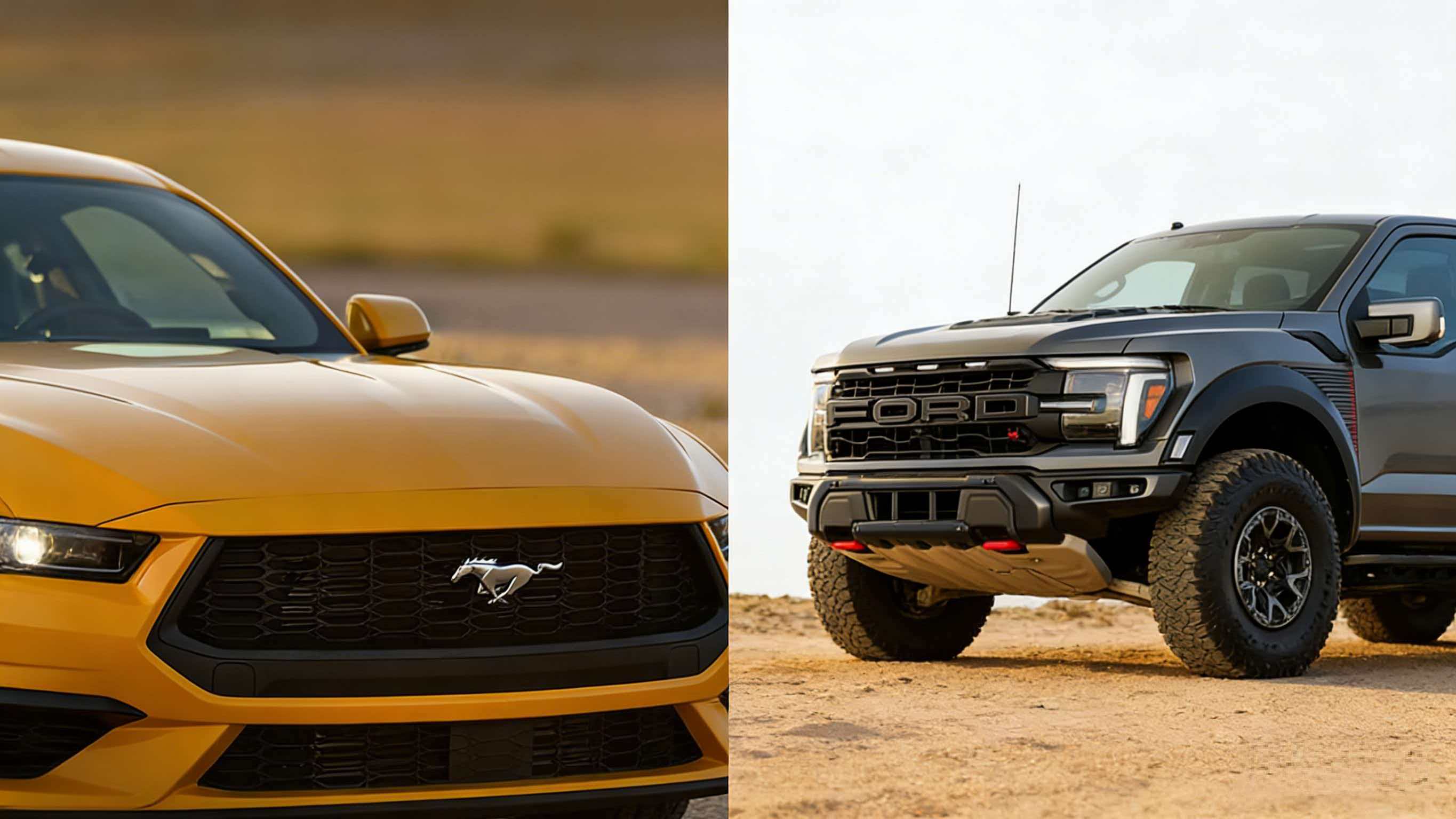
[PCauto] Ford recently made a big move by launching a 3.0-liter supercharger kit officially supported for the 5.0L Coyote V8-powered Mustang and F-150. After the upgrade, the Mustang’s maximum horsepower can reach 810 HP, while the F-150 can achieve approximately 700 HP.
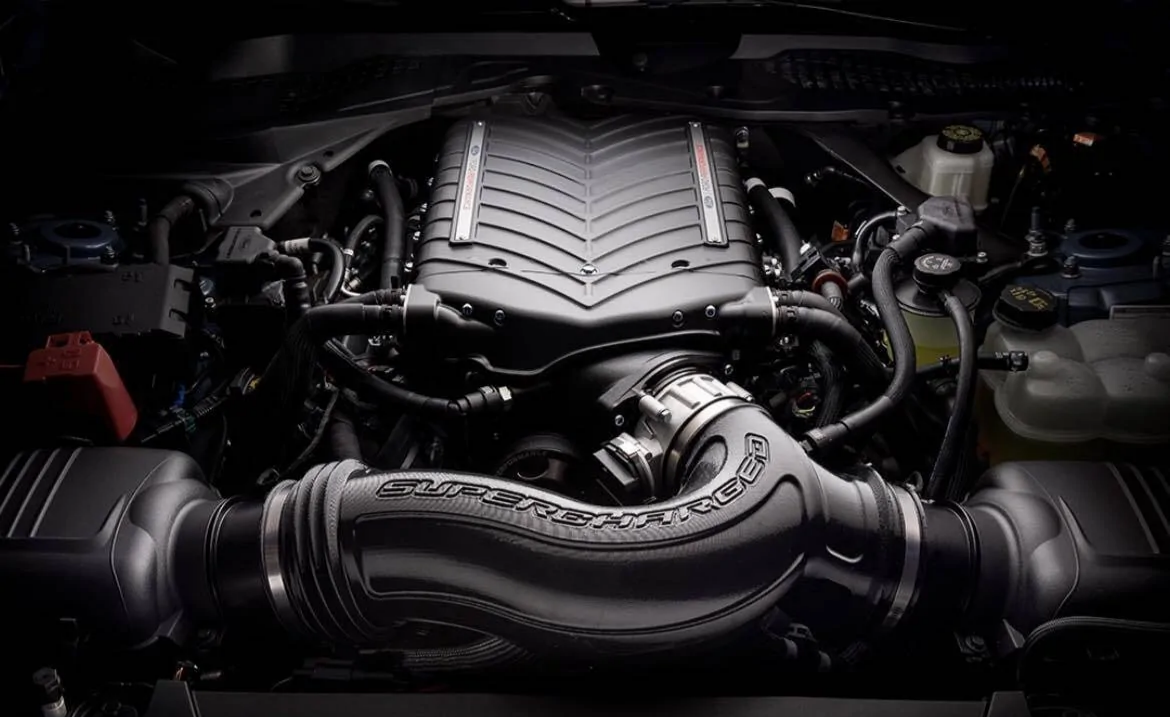
However, it is crucial to mention that this supercharger kit is not third-party aftermarket parts usually seen. It was jointly developed by Ford Performance and Whipple Superchargers and can be installed through Ford's official dealerships. Most importantly, the original factory warranty remains valid after installation.
To be honest, this point is more noteworthy than the horsepower figures themselves, as no one wants to lose the factory warranty for the sake of pursuing power.
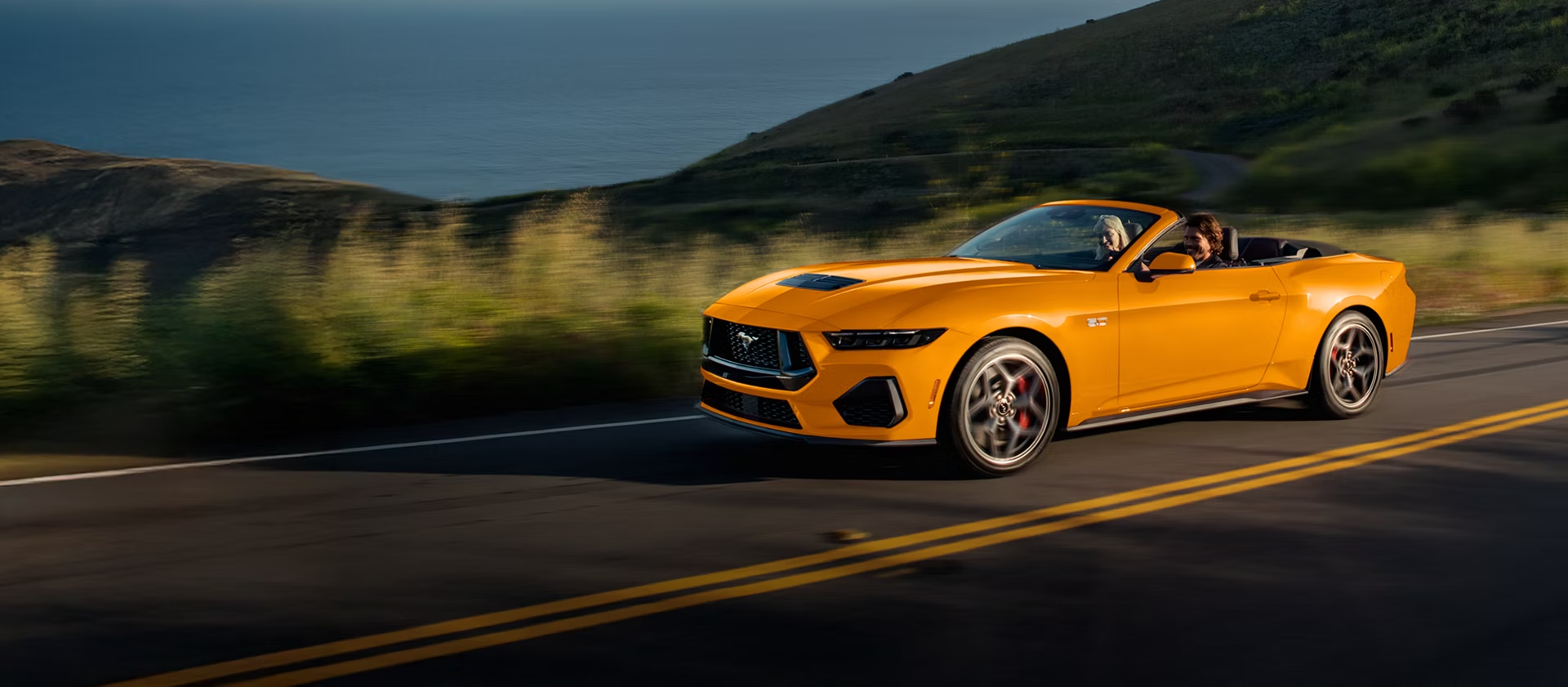
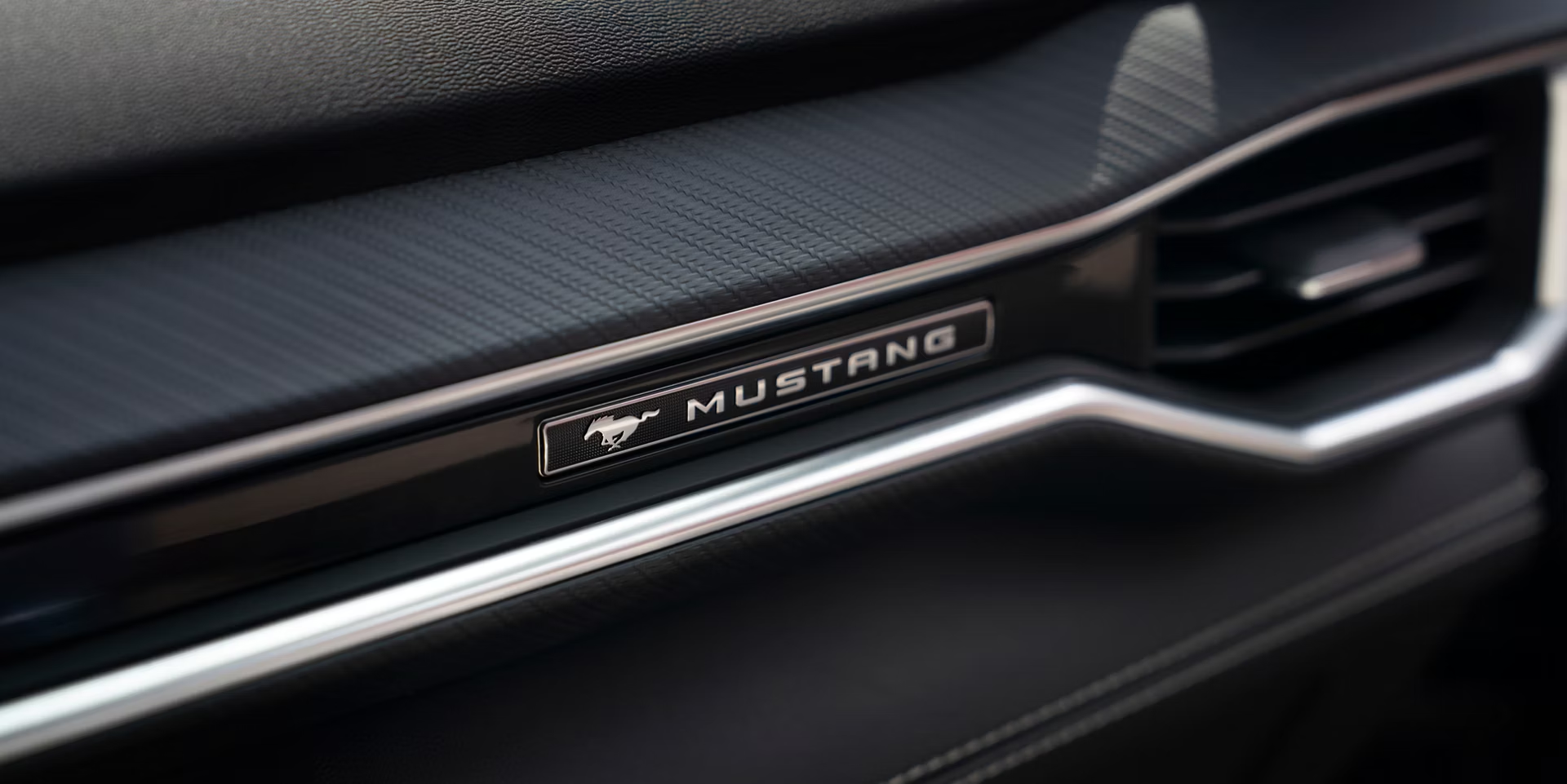
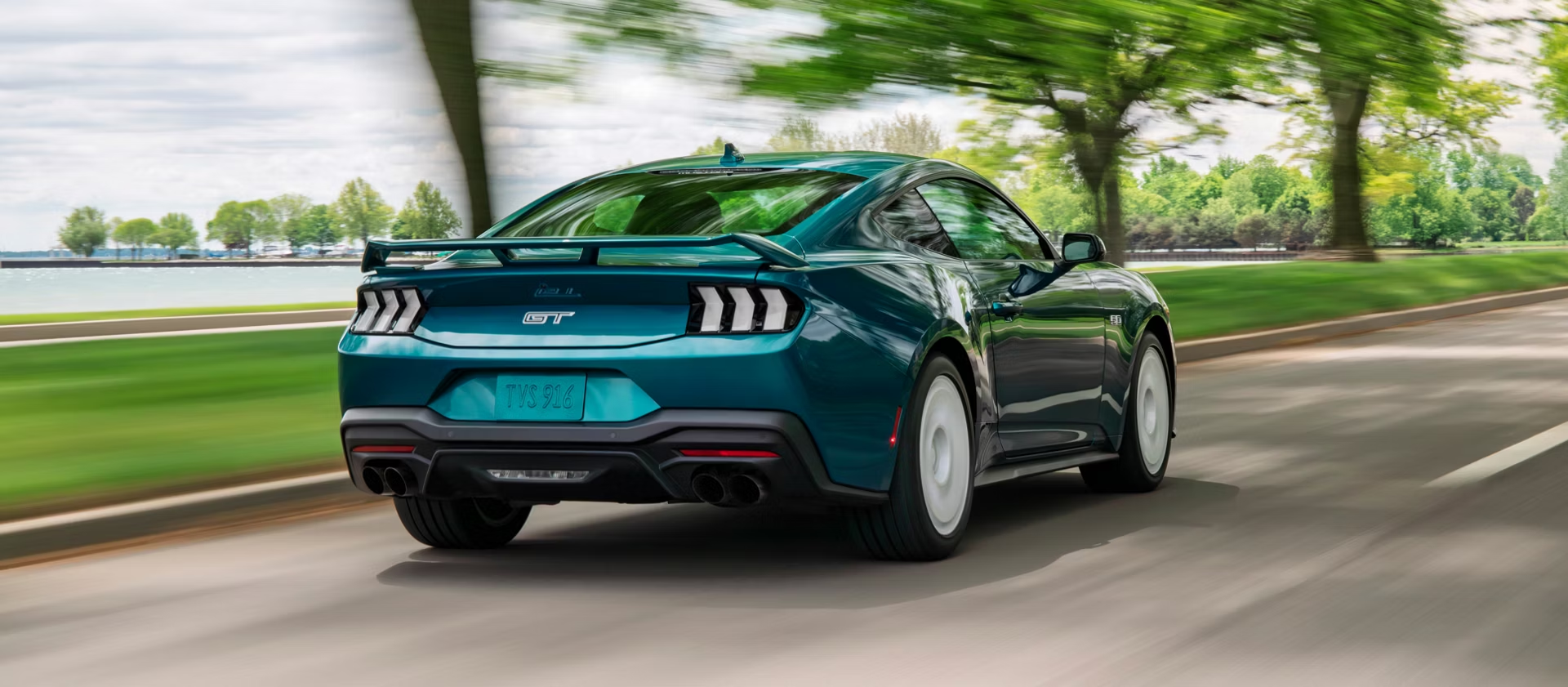
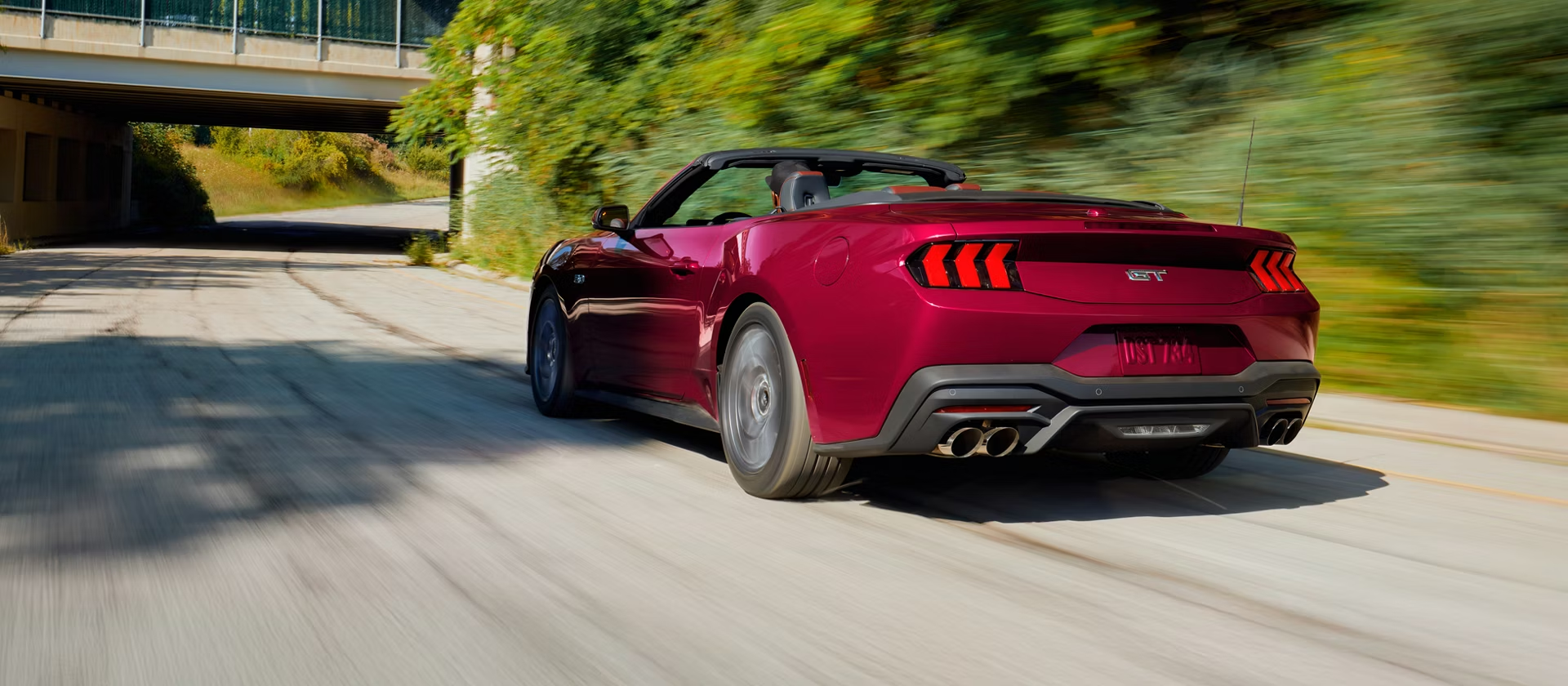
Let's first talk about the performance of the Mustang. If you opt for the active exhaust version, it can deliver a maximum of 810 horsepower and 615 lb-ft of torque; even with the standard exhaust, it still has 800 horsepower.
Compared to the factory's 480 to 500 horsepower naturally aspirated output, that's nearly double the power—which means double the thrill when you step on it. Just thinking about it gets the adrenaline going.
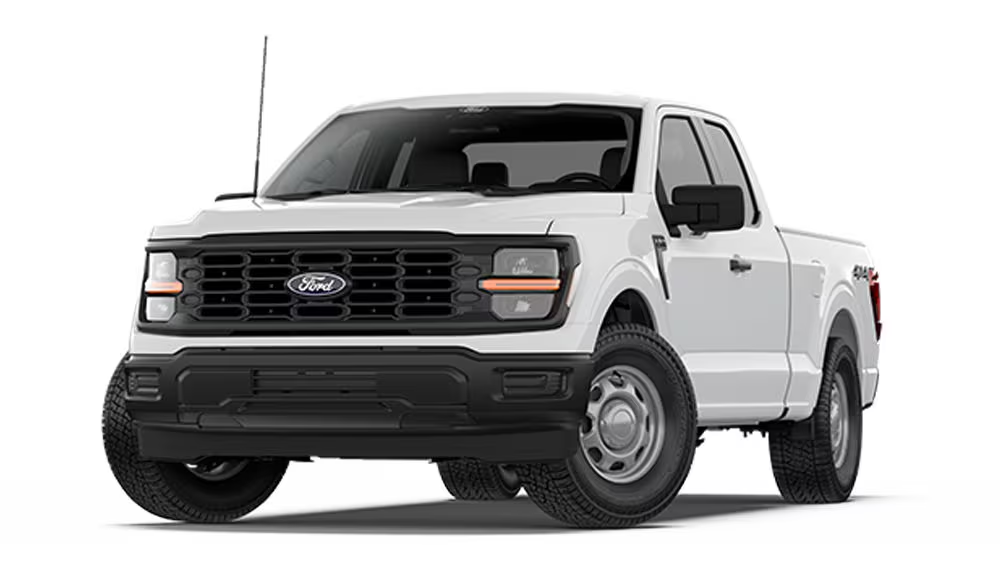
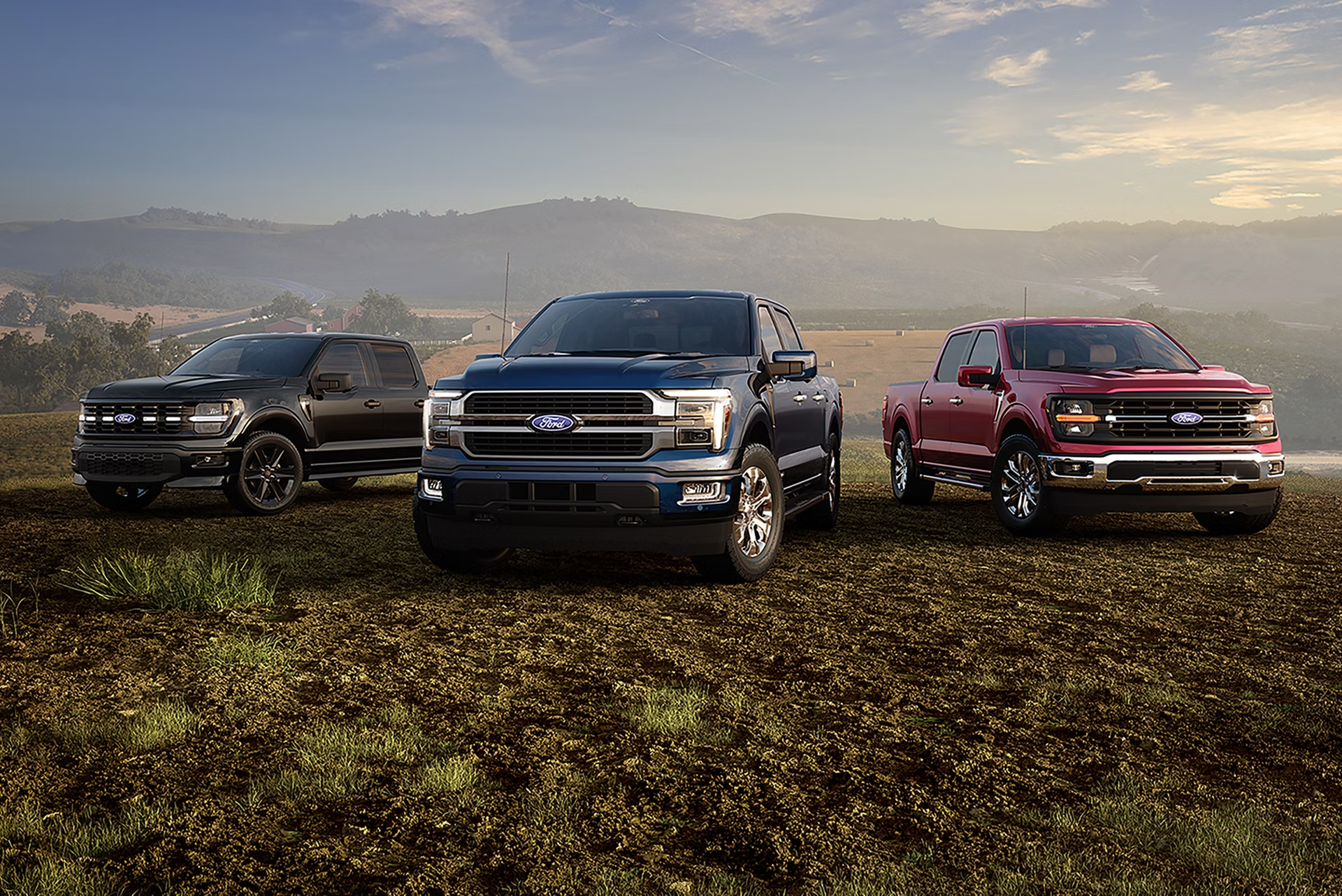
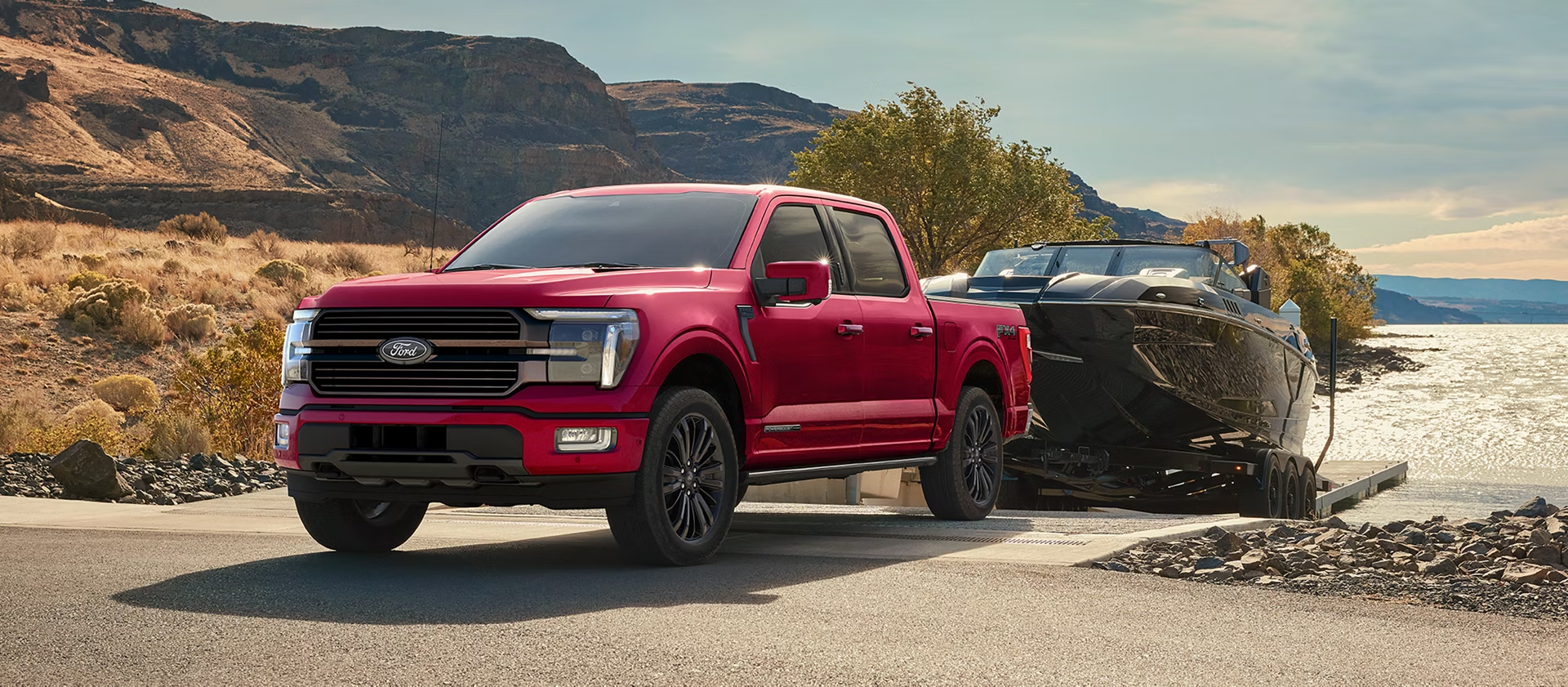
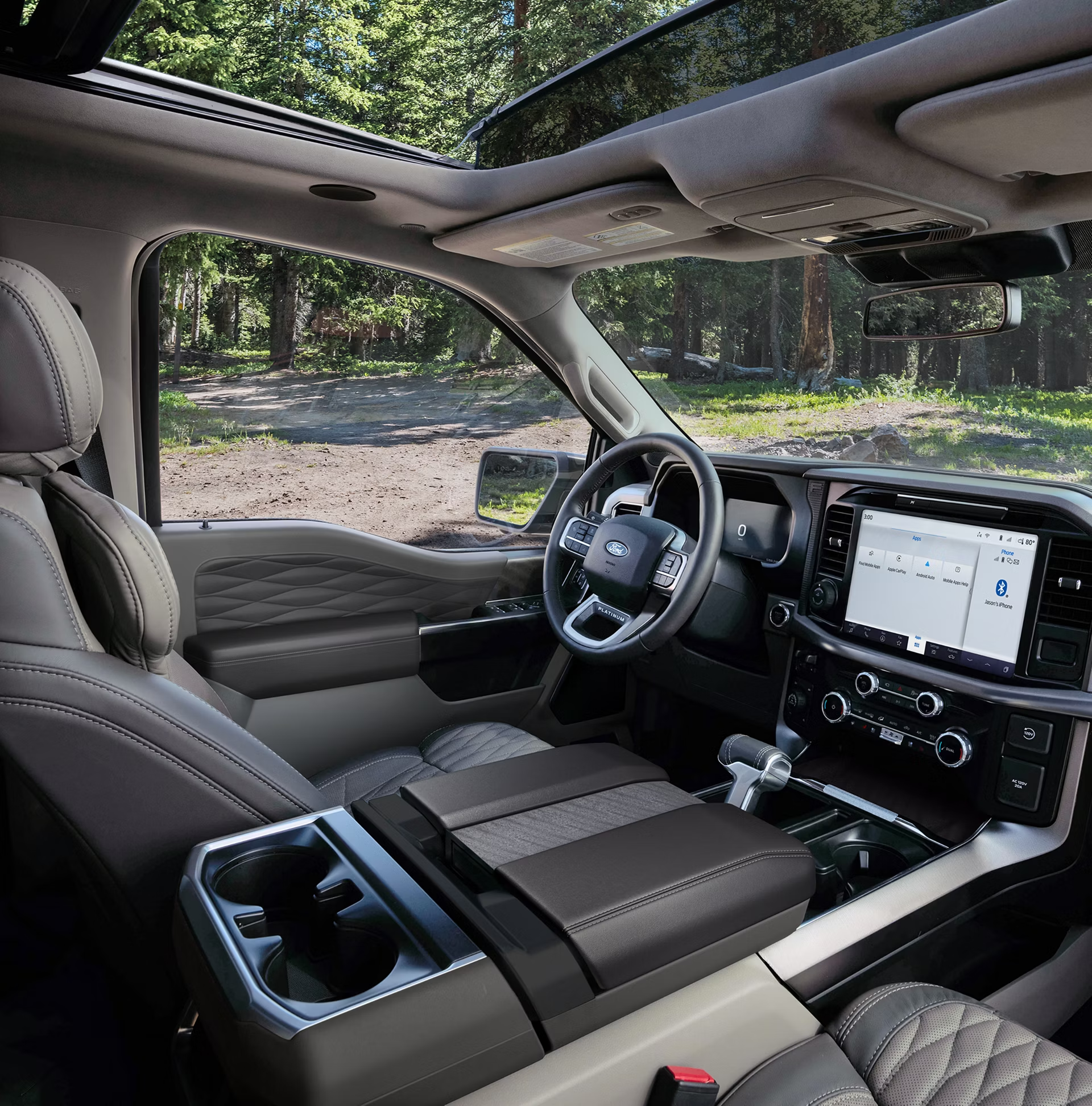
Now let's look at the F-150. After installing the same set of 3.0L twin-screw superchargers, its 5.0L V8 engine can produce about 700 horsepower and 590 lb-ft of torque.
The thing is, the F-150 is a full-size pickup truck, typically used for hauling goods and off-road driving, and this power level already exceeds daily usage needs. It is likely that the upgraded version will attract those who aim for a fast-driving experience, even with a pickup truck.
In addition, the configuration of the entire supercharging system is very practical, including the sixth-generation 3.0L Whipple supercharger, dual-channel intercooler, upgraded throttle and fuel injection system, as well as an exclusive ECU tuning tool.
The official also mentioned that this system has undergone rigorous durability testing. As long as the conditions are met, it comes with a 3-year or 36,000-mile warranty, which gives owners more peace of mind when upgrading.
Furthermore, from a technical perspective, mechanical supercharging is different from turbocharging. It is directly driven by the crankshaft, resulting in highly linear power output without the noticeable lag commonly associated with turbocharging.
This characteristic matches well with the inherently high-revving 5.0L naturally aspirated V8 engine. After upgrading, the car retains its original driving feel, without becoming difficult to control due to the increased power.
Actually, for many Mustang and F-150 owners, the desire for more power is a natural part of ownership. In the past, the only option was to go to third-party modification shops, but this often resulted in the loss of the original factory warranty. If issues occurred after the modification, subsequent repairs could become very troublesome.
This time, Ford has directly incorporated high-power upgrades into its official system. To put it bluntly, it has formalized this type of demand from car owners. Dealer installations, factory professional tuning, while keeping the warranty intact, essentially reduces the risks for car owners when modifying their vehicles.
Now, the global automotive market is moving toward electrification, and Ford itself is promoting electric vehicles such as the Mustang Mach-E and F-150 Lightning. However, it must be said that in markets like North America, traditional V8 models still have many loyal fans, and the demand remains stable.
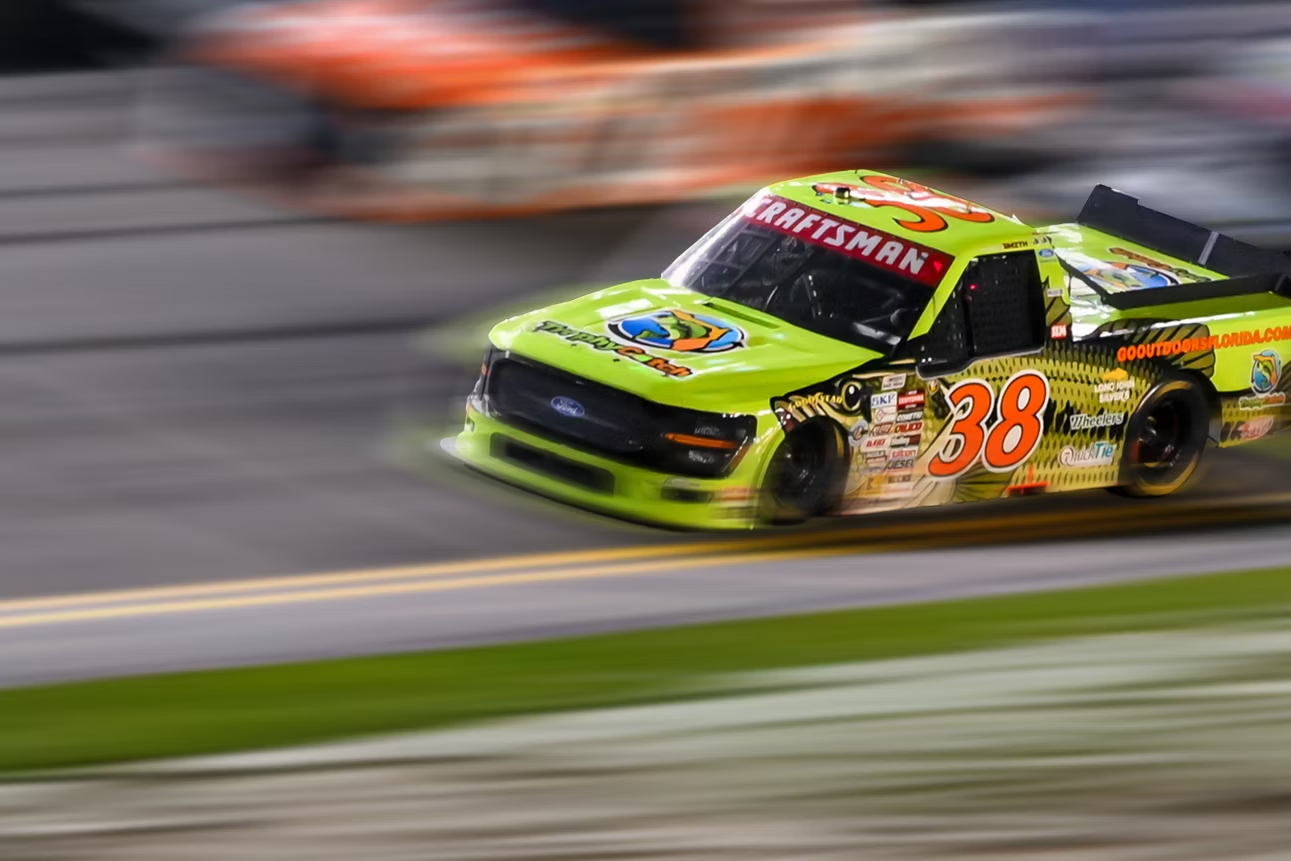
This supercharger solution does not actually change Ford's overall direction of transitioning to electrification. Instead, it seems to cater to users who prefer traditional performance cars during this transition period.
Mustang and F-150 are core models of Ford. Enhancing their performance within the scope allowed by regulations to meet the needs of these users is actually a very reasonable strategy.
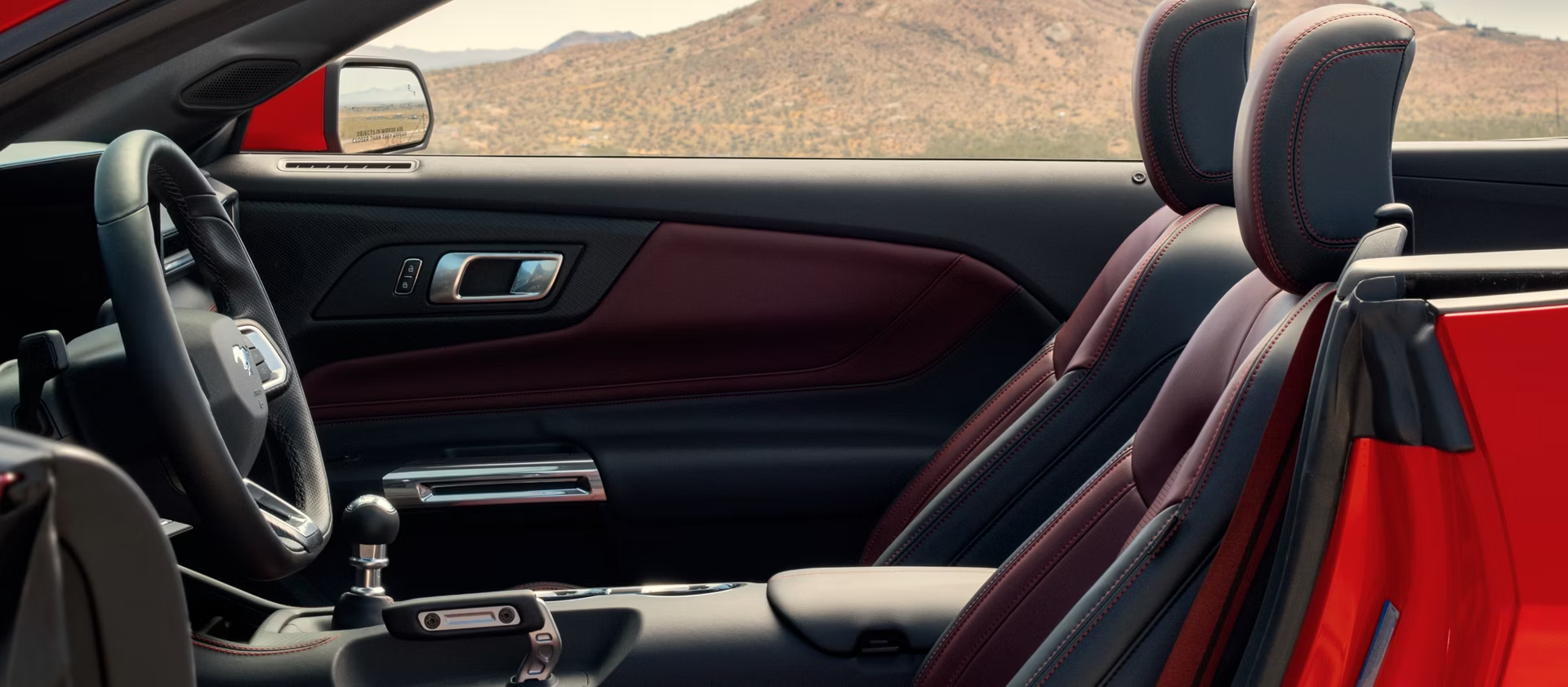
Of course, it must also be objectively stated that power levels in the range of 800 horsepower mean higher fuel consumption, as well as increased tire wear and subsequent maintenance costs—not all owners will choose to upgrade.
PC view
Ford's introduction of this supercharger kit this time seems more like a product supplement rather than an impulsive move. It has not deviated from the large trend toward electrification, but during this transition phase, it provides a compliant and reliable upgrade path for consumers who insist on choosing internal combustion engine performance cars.
If any infringement occurs, please contact us for deletion





Popular Cars
Model Year
Car Compare
Car Photo