
Honda N-BOX becomes the best-selling car in Japan in 2025, with Toyota Yaris ranking second
 JohnJan 14, 2026, 04:48 PM
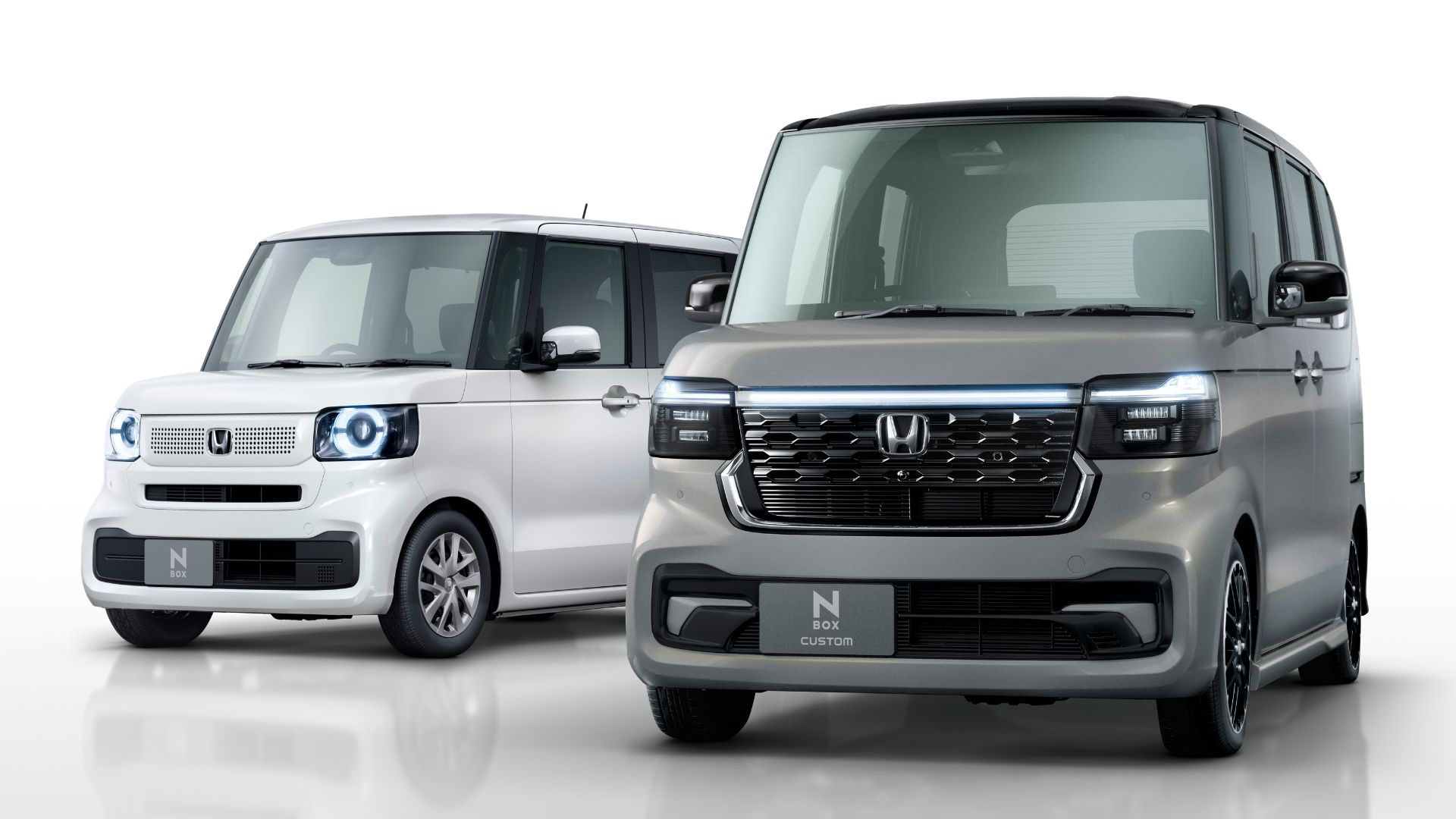
【PCauto】Buoyed by easing supply-chain constraints and a full recovery in production capacity, Japan’s total new-car sales reached 4.566 million units in 2025, marking a 3.3% increase over 2024.
Sales rankings released by the Japan Automobile Manufacturers Association (JAMA) show Toyota reasserting its dominance in the conventional passenger-car segment, while Daihatsu has rebounded from its production-halt scandal.
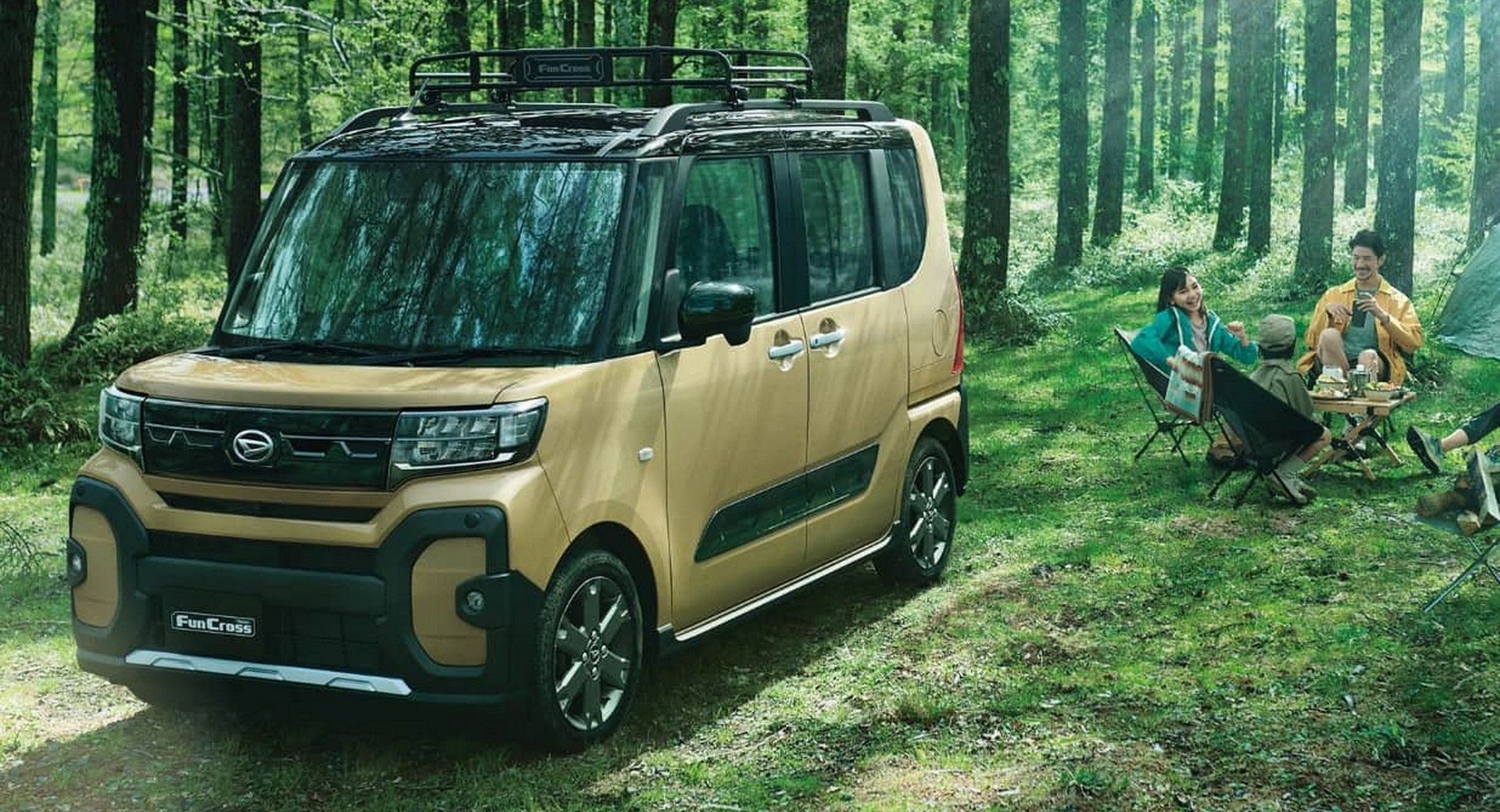
The 2025 passenger-vehicle registration rankings underline Toyota’s strong market position.
Toyota captured eight of the top ten sales spots, led by the Toyota Yaris. This classic compact emerged as the best-selling conventional passenger car with 166,533 units sold, displacing the 2024 leader, the Toyota Corolla (138,829 units).
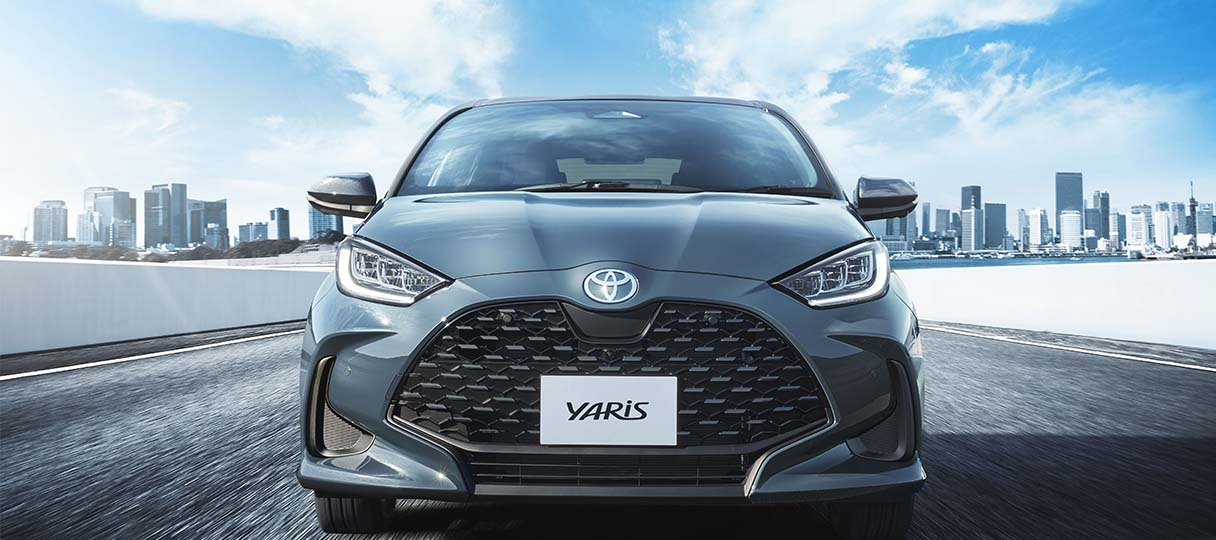
It should be noted, however, that the Yaris ranks second in overall vehicle sales. The top spot belongs to the Honda N-BOX, a kei car (K-Car), which sold 201,354 units in 2025 – its 11th consecutive year as the overall sales leader. Its December sales of 15,570 units also made it the top-selling model for the month.
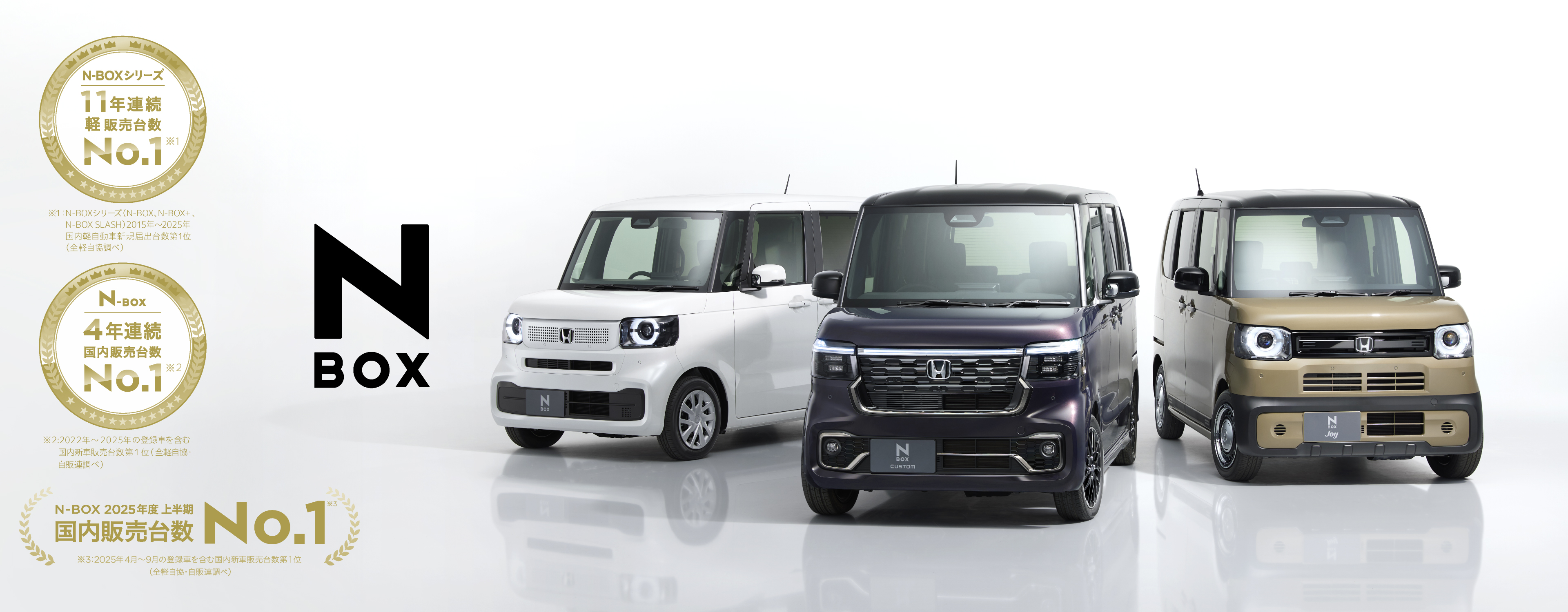
The K-Car segment, emblematic of Japanese automotive culture, accounted for roughly 35–40% of total sales in 2025.
Owing to its excellent space efficiency and dependable quality, the N-BOX remains a staple in Japanese households for daily mobility.
The second-best-selling K-Car is the Suzuki Spacia, with annual sales of 165,589 units.
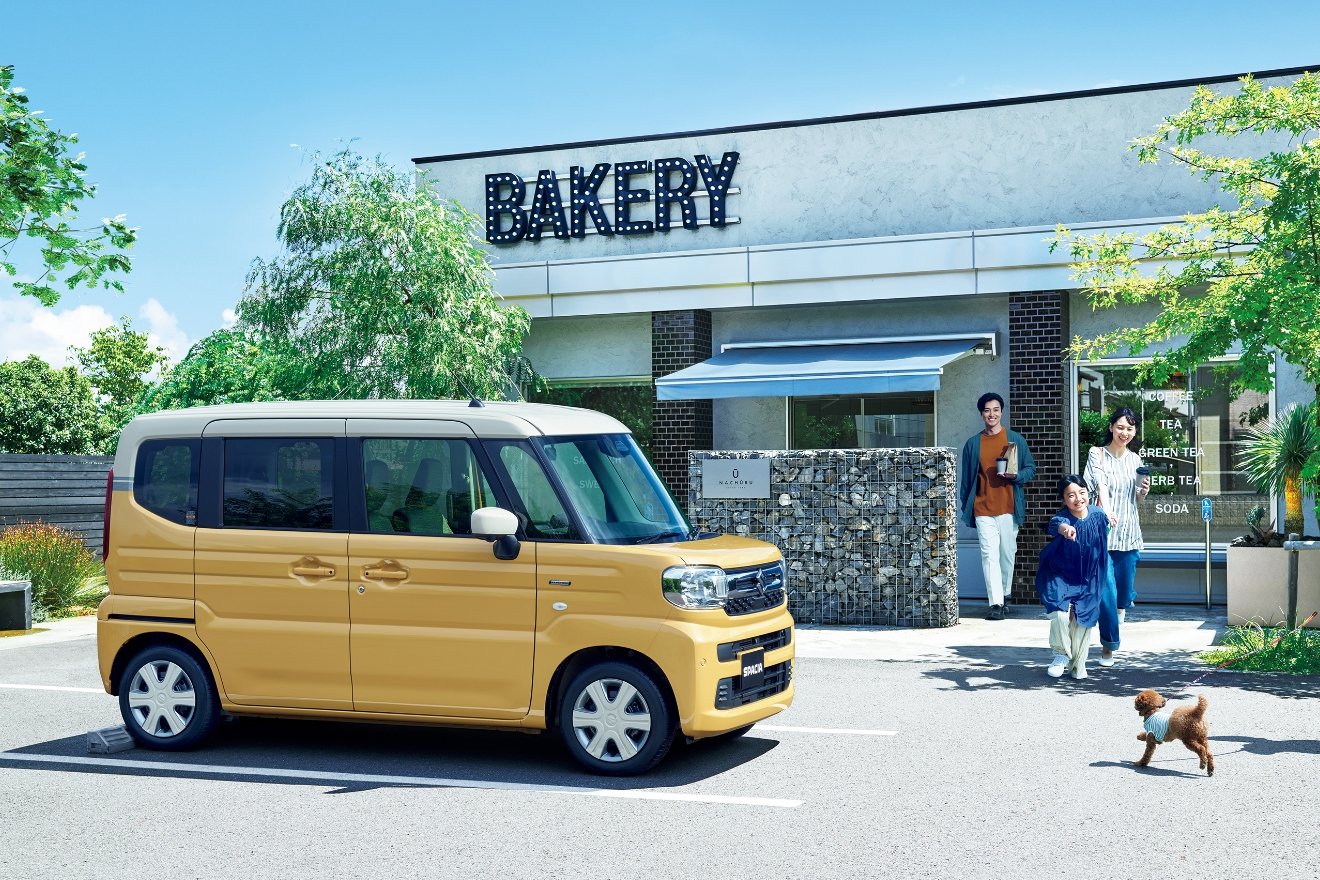
This model appeals particularly to young urban families, thanks to its innovative high-roof design that delivers interior space on par with a small MPV.
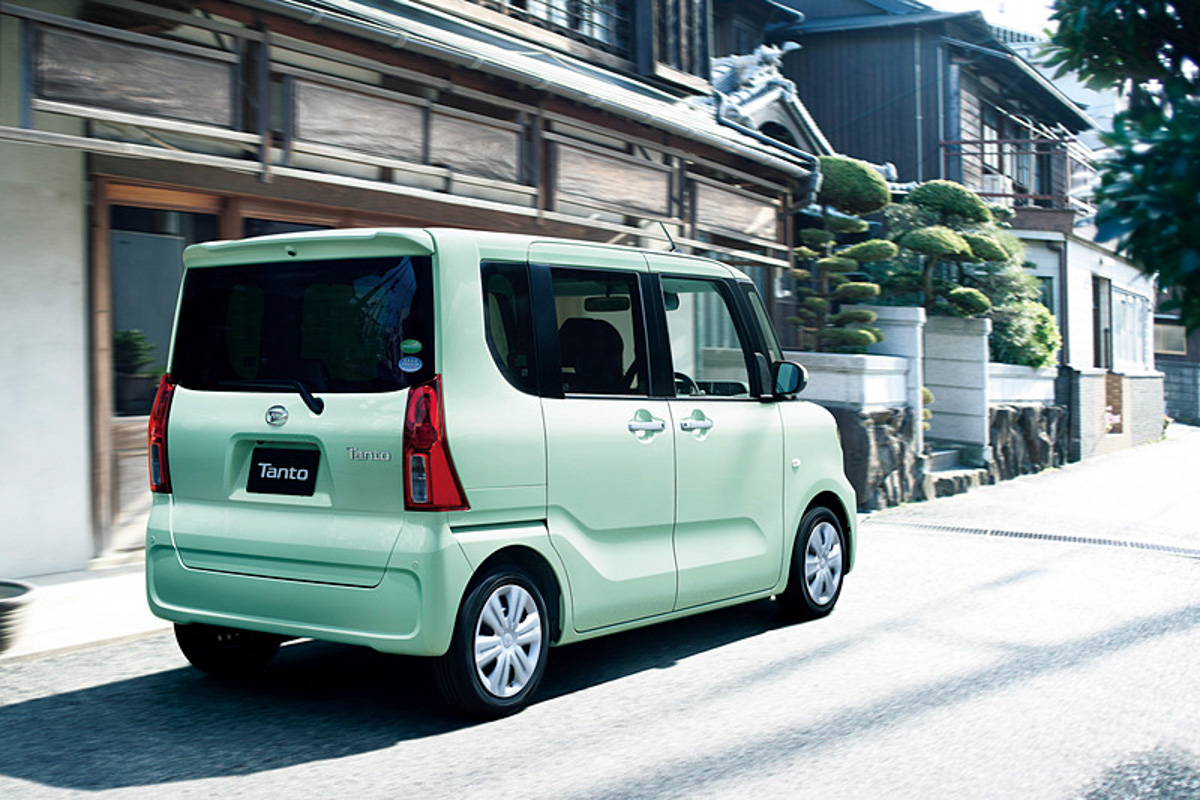
Ranking third is the Daihatsu Tanto, with 124,619 units sold.
Following a collision-test data-falsification scandal in 2024, Daihatsu’s 2025 sales surged by 46% year-on-year, providing a notable boost to the Toyota Group’s overall performance in Japan.
Two K-Car models – the Daihatsu Move and Tanto – were the main drivers behind this sales recovery.
The rankings also highlight the growing popularity of hybrid electric vehicles (HEVs) in the Japanese market.
Figures indicate that hybrids accounted for 33.8% of new-car sales in Japan, while battery-electric vehicles (BEVs) remained below a 2% share.
Although electric-vehicle brands such as BYD achieved growth exceeding 60% in 2025, their absolute sales volumes remain modest.
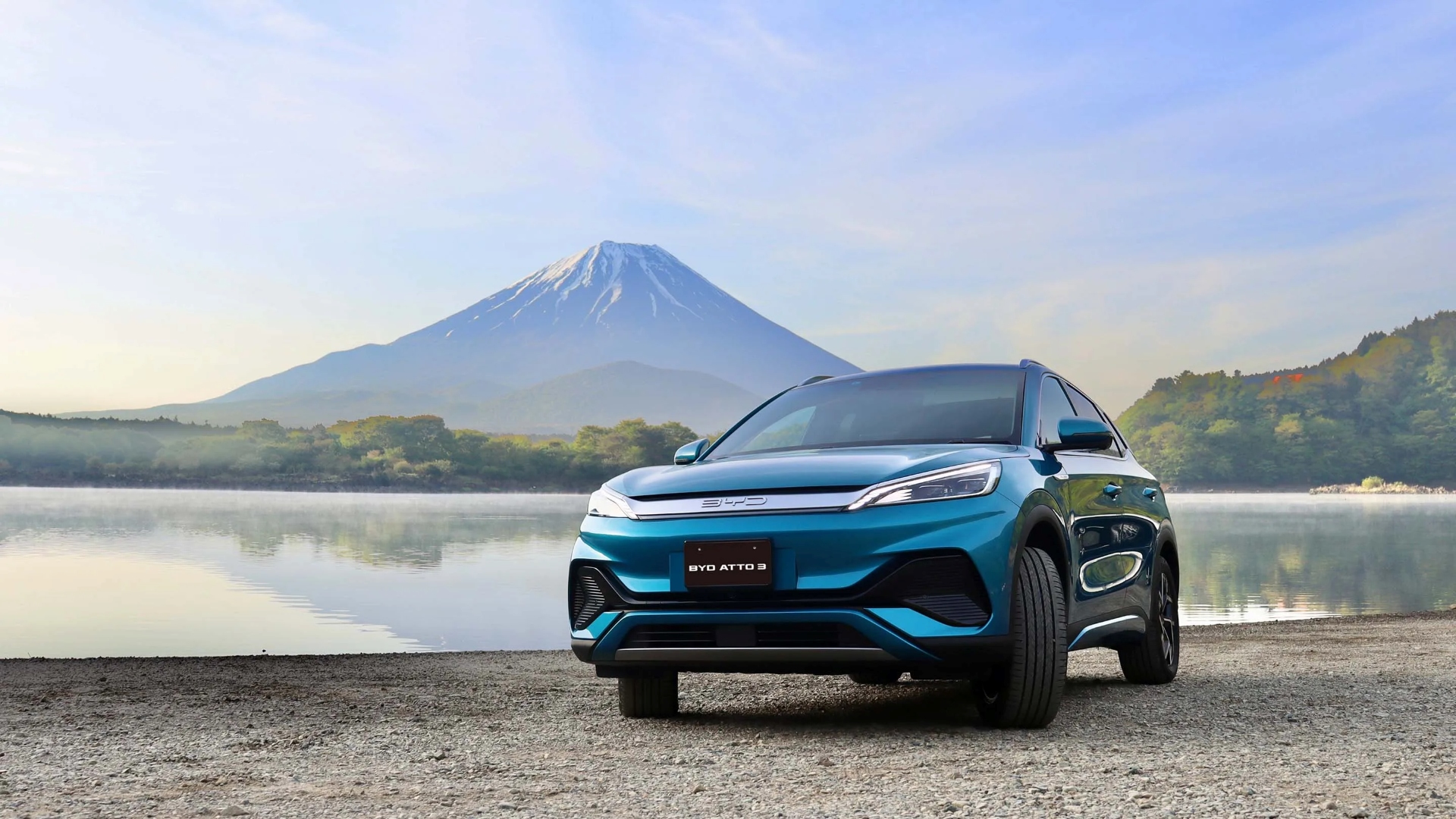
Nevertheless, after Chinese automakers surpassed their Japanese rivals in global sales for the first time, competitive pressure is prompting brands such as Honda and Nissan to accelerate their electrification roadmaps.
Honda plans to introduce a K-Car based on a new dedicated electric platform by 2026, while Toyota is intensifying local promotional efforts for its bZ series of electric vehicles.
If any infringement occurs, please contact us for deletion










Popular Cars
Model Year
Car Compare
Car Photo