
In February, BYD's sales in the Japanese market reached 466 units, a year-on-year increase of approximately 2.1 times.
 WilliamMar 10, 2026, 05:12 PM
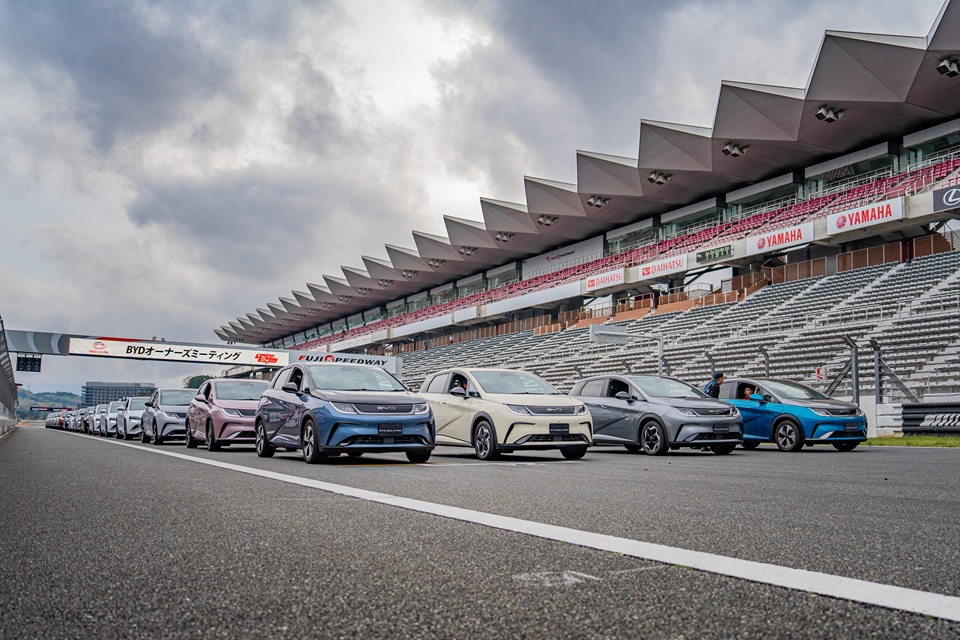
[PCauto] According to the February 2026 statistics released by the Japan Automobile Importers Association (JAIA), BYD sold 466 cars in Japan, compared to 221 vehicles sold in the same period last year, this figure has approximately doubled by 2.1 times.
While most imported brands tread water, BYD's sales have doubled—a standout result that commands attention.
The current Japanese imported car market is still dominated by the traditional German automotive giants. Mercedes-Benz, BMW, and Volkswagen firmly occupy the top rankings.
However, if you take a closer look at this list, you will find that BYD, ranked 23rd, is climbing up with an unstoppable momentum.

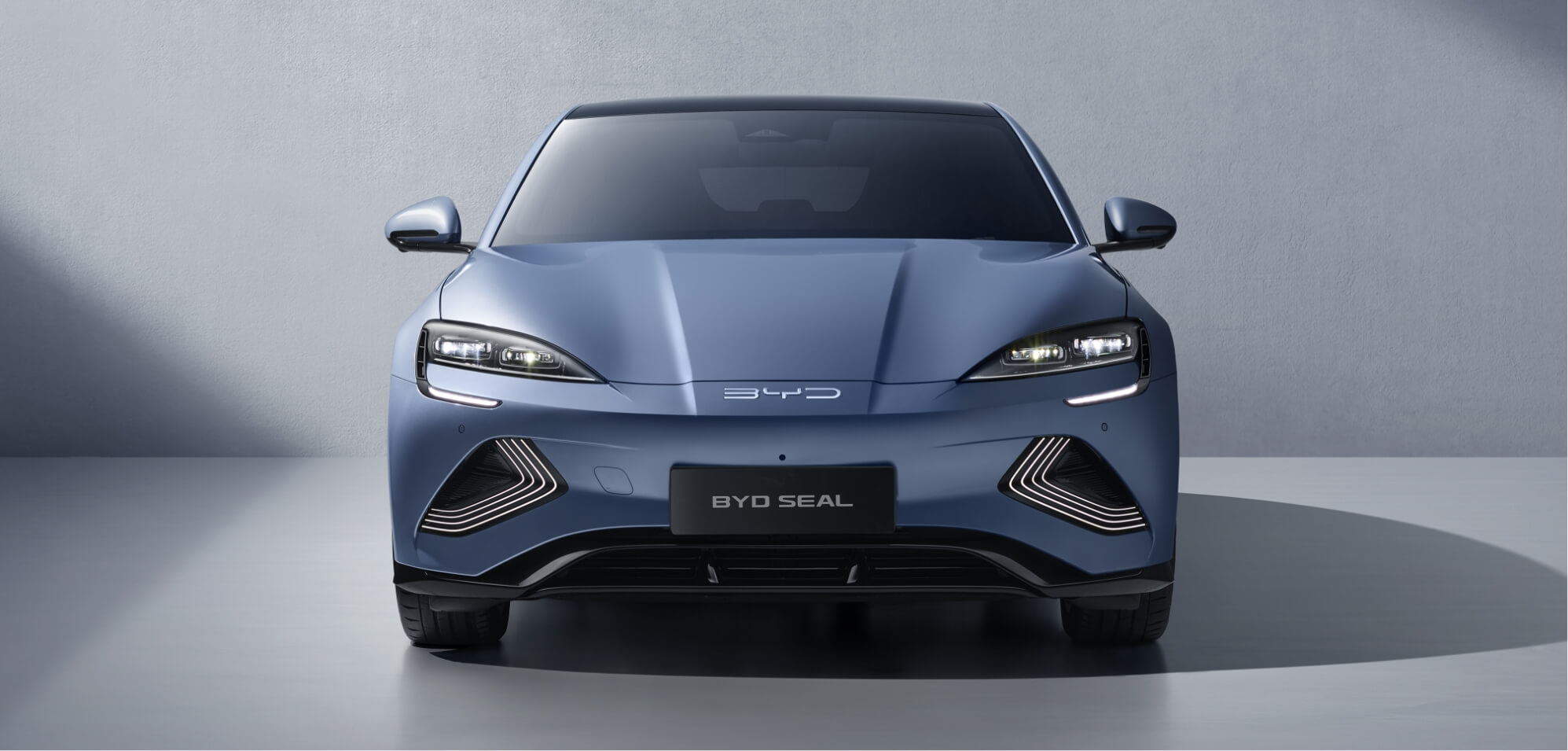
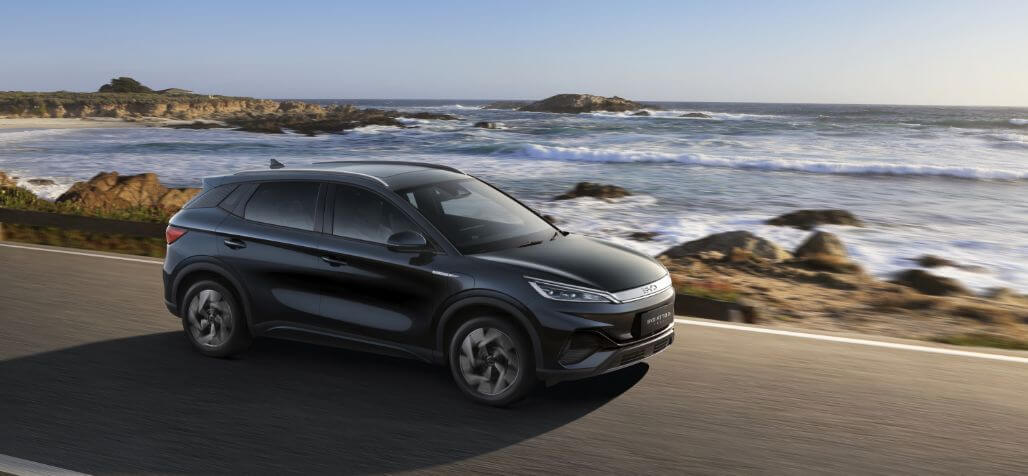
BYD has launched three main models in the Japanese market: the compact SUV ATTO 3, the agile compact car Dolphin, and the performance-oriented pure electric sports sedan Seal.
Among them, Seal starts at approximately 5.28 million yen in Japan, which translates to roughly 132,000 MYR based on real-time exchange rates. At this price, with substantial government subsidies, it has already entered the budget range of mainstream Japanese family car purchases.
To be honest, just having a good value for money is not enough to sell cars in Japan. Local consumers have almost obsessive demands for brand services and offline outlets.
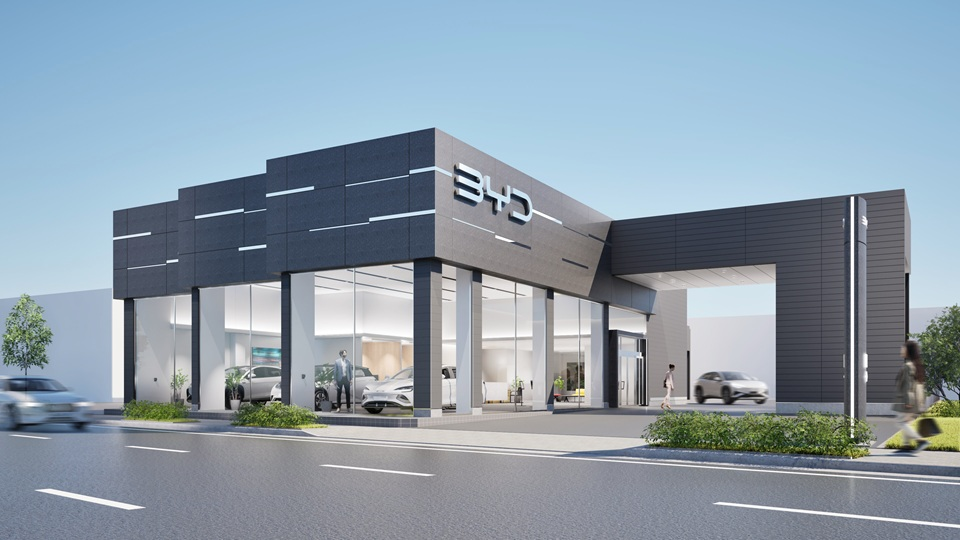
BYD took a smart approach: instead of following Tesla's online-only model, it rolled out physical stores across Japan.
By the end of 2025, BYD has already opened nearly 70 showrooms. Although still falling short of the initial target of 100 stores, this "build first, sell later" strategy has clearly earned the trust of many conservative car buyers.
After all, for Japanese buyers—especially the older generation, being able to find a service center near their home is far more important than having a screen filled with fancy tech.
However, we must objectively consider the challenges behind these 466 units. Japan is an extremely unique K-Car (lightweight car) kingdom, where box-shaped models like Daihatsu Move or Honda N-Box occupy over 40% of new car sales.
Currently, although BYD's product line performs well internationally, even the ATTO 3 appears somewhat large in Japan's narrow alleys and limited parking spaces.
This is also why the 2.1-fold growth is certainly gratifying, but it is still unable to reach the core of the Japanese market. If it cannot secure a share in the mini electric vehicle sector, BYD's ceiling in Japan may soon be reached.
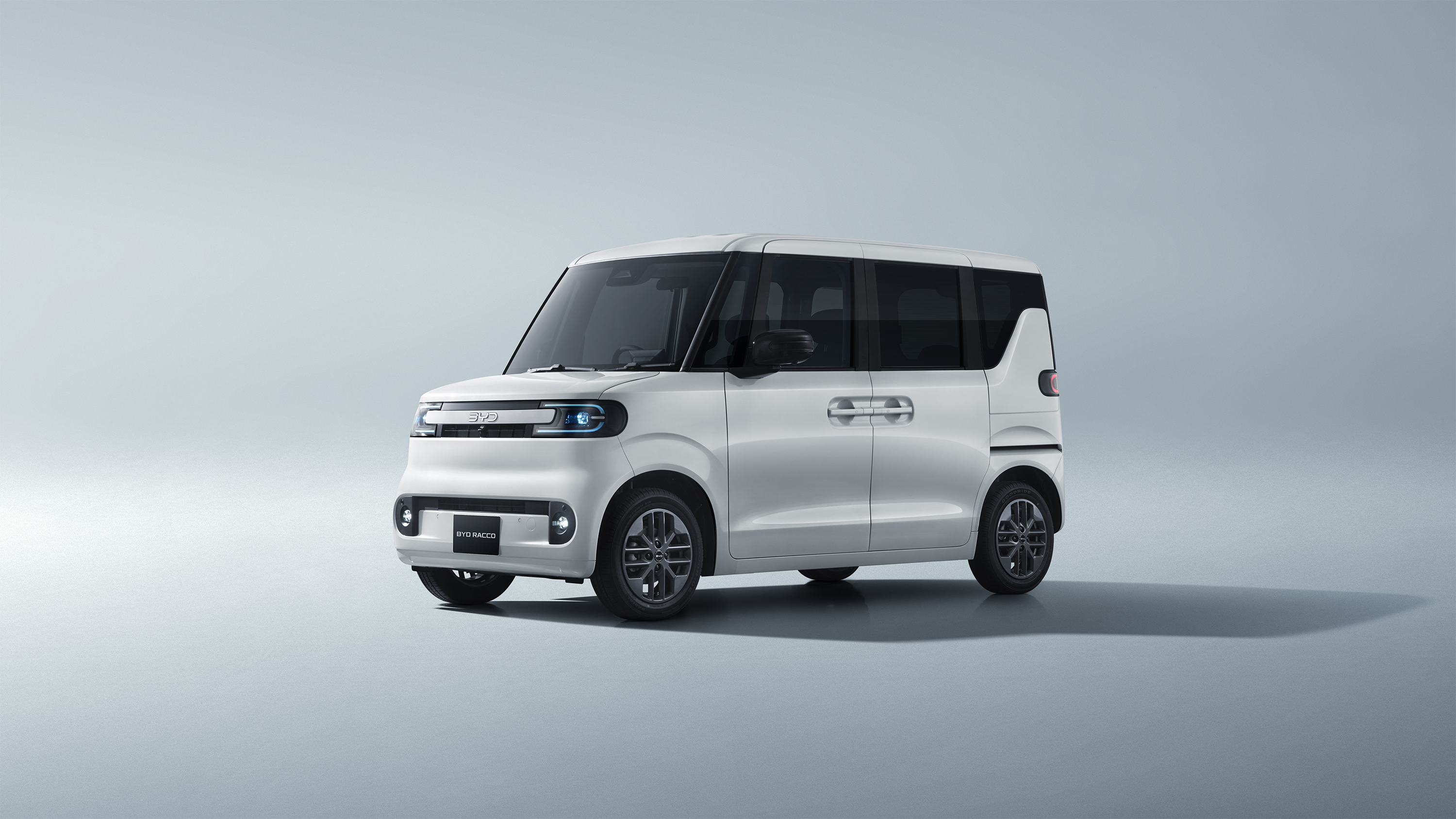
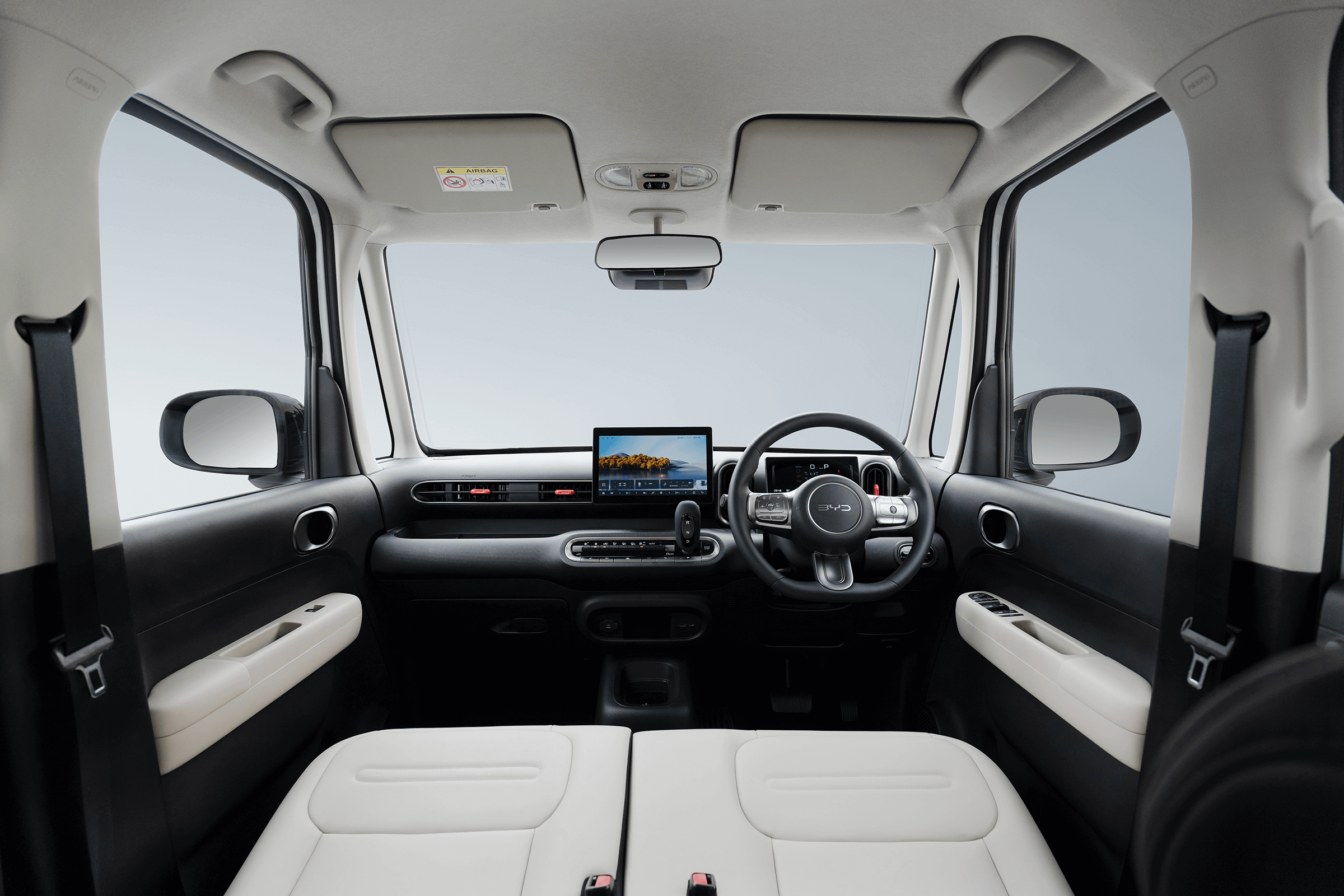
The turning point might come this summer. BYD has already announced plans to launch a light pure electric vehicle named Racco.
This car is almost tailor-made for the Japanese market, not only strictly designed to adhere to the K-Car specifications but also borrowing spatial design advantages from Japan's best-selling models, which has drawn dissatisfaction from Suzuki.
Of course, Japanese domestic manufacturers are not to be underestimated either.
With the Japanese government raising the maximum subsidy for new energy vehicles to 1.3 million yen (approximately 33,000 MYR), domestic brands like Nissan and Mitsubishi are aggressively pushing pure electric K-Cars.
Every step of BYD's growth now essentially means taking market share straight from the jaws of industry giants.
Japanese consumers still have stereotypes about Chinese brands, and rebuilding this trust takes time and requires tens of thousands of real owners to use their word-of-mouth to smooth things over.
If any infringement occurs, please contact us for deletion



Popular Cars
Model Year
Car Compare
Car Photo