In order to reduce traffic fatalities, the U.S. requires that new cars sold must be equipped with AEB before September 2029

Kevin WongMay 07, 2024, 10:53 AM
Recently, the National Highway Traffic Safety Administration (NHTSA) in the United States stated that by September 2029, all brand-new passenger cars and trucks sold in the United States must be equipped with Automatic Emergency Braking Systems (AEB). This timeline has been extended by two years compared to the original plan; whereas some car manufacturers with smaller production volumes may be allowed to reach the standard before September 2030. This action is to ensure that vehicles can brake automatically when the driver does not brake, which aims to reduce the casualties of traffic accidents.
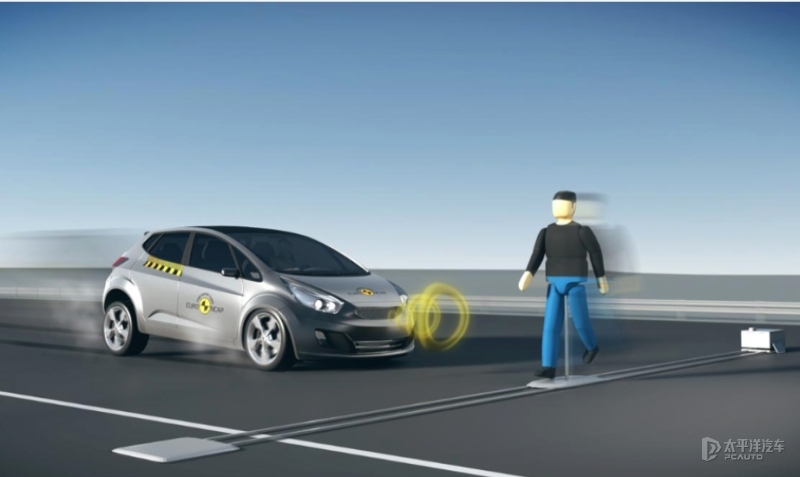
It is reported that the new regulations will require the AEB to detect pedestrians during both day and night. All passenger cars and trucks are capable of stopping and avoiding collisions with the vehicle in front when the speed is within 62 miles per hour. When a collision with the front vehicle is imminent, and the vehicle's speed is within 90 miles per hour, the braking system needs to brake automatically. And when a pedestrian is detected, the system can be activated at speeds below 45 miles per hour.
In 2023, the number of traffic deaths in the United States decreased by 3.6%, which marked the second consecutive year of decrease. However, this number is still much higher than pre-pandemic levels and surpassed the numbers for any year from 2008 until the start of the COVID-19 pandemic. In 2022, the number of pedestrian deaths increased by 0.7%, reaching 7,522, the highest figure since 1981.
If any infringement occurs, please contact us for deletion
Trending News

Perodua Traz VS Ativa, which one is more worth buying?
Traz, as a newly launched mid-sized SUV, offers more spacious room and mainstream power compared to small SUVs, but its pricing appears slightly higher than that of Ativa. Ativa, on the other hand, is Perodua's long-time best-selling small SUV with more affordable pricing and a balanced combination of power and tech features.

Perodua Myvi and Bezza may undergo major upgrades in 2026
After the update, the Bezza will no longer be just a low-cost alternative but a core model in the Perodua system with greater market competitiveness and brand premium potential. The upgrade of the Myvi is not to be unconventional but to strengthen the brand and market, ensuring that the Myvi continues to maintain its irreplaceable position in the new round of product competition.

Perodua Traz VS Toyota Yaris Cross, where does the Traz fall short?
Before the official launch of the Perodua Traz, market expectations were actually very high because it shares the same DNGA platform as the Toyota Yaris Cross. However, sharing the same platform does not equate to the same experience, and the Traz's final performance has indeed been disappointing. Perhaps it is precisely because of the delayed launch that it has almost no competitiveness in the current competitive environment.

Will the Toyota Yaris Cross come to Malaysia? If it comes, how much will it sell for?
The launch of Perodua Traz indicates that the market size of small SUVs in Malaysia has been expanding in recent years. However, the question naturally shifts back to Toyota. As a brand with the most comprehensive product line and a strong foundation in both the SUV and hybrid sectors, will Toyota choose the Yaris Cross to participate in this small SUV competition?

Why is the Toyota Sienna so popular with so many people?
In Malaysia, most family MPVs choose Toyota Alphard, Vellfire, or Kia Carnival. These models each have their advantages in luxury, space, or brand influence, but models that truly balance large space, multifunctional practicality, fuel efficiency, and reliability are rarely seen.
Popular Cars
Model Year
Car Compare
Car Photo