
Lotus Eletre Test Drive: Betrayal or Evolution of the Brand?
 JamesJun 16, 2025, 12:27 PM
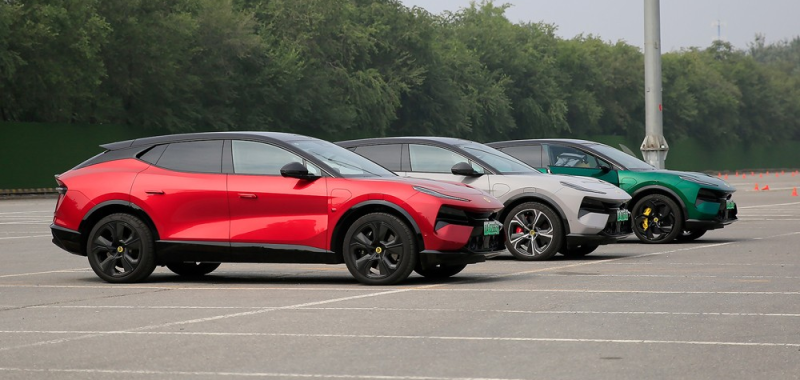
【PCauto】Since its establishment in 1948, lightweight design has been a core philosophy of the Lotus brand. Throughout the design and production process, from the body structure to the powertrain, its focus has always been on how to reduce weight as much as possible without compromising performance. By utilizing advanced materials such as carbon fiber and innovative engineering techniques, the vehicle's weight has been consistently minimized.
Lightweighting: A Longstanding Philosophy of Lotus
Born in 1996, the Lotus Elise featured an aluminum chassis weighing just 68 kg—lighter than a typical sedan door. Its removable hardtop was made of Kevlar and could be lifted with one hand, while even soundproofing material was removed to reduce weight. With a curb weight of only 900 kg, the 1.8L naturally aspirated version of the Elise achieved a lap time of 8 minutes and 15 seconds in 2004, outperforming the contemporary 3.2L Porsche Boxster.
In addition, models like the Exige and Evora Sport 410 also achieved weight reduction through various means, such as adopt lightweight aluminum chassis, carbon fiber components, and optimized body structures. However, Eletre is an exception, which is an electric SUV launched in March 2022, with a curb weight of 2600kg—over 600kg heavier than the Tesla Model Y (1992kg). Of course, the Eletre is also significantly larger than the Model Y.
Carbon Fiber & Aerodynamics Enhance Eletre's Performance
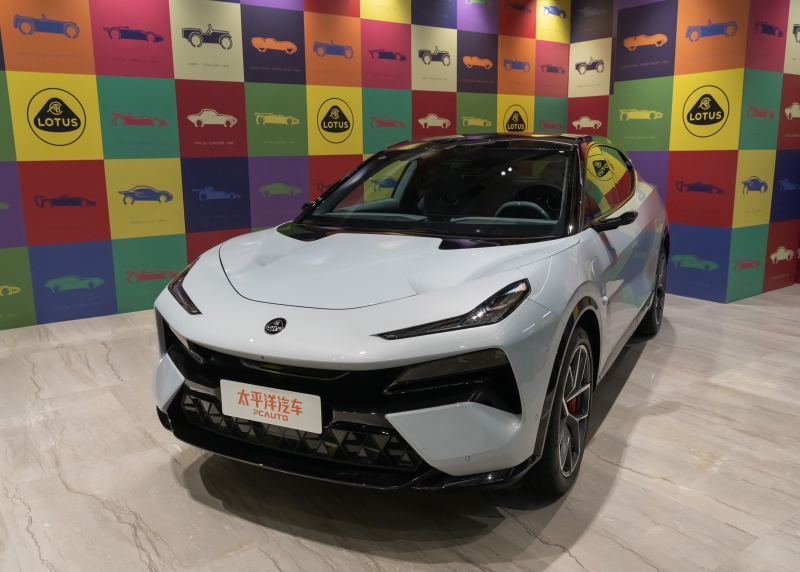
We had an opportunity to experience the Lotus Eletre R+. As Lotus' first electric vehicle, its weight may exceed expectations, but Lotus is striving to enhance its driving performance through aerodynamics.
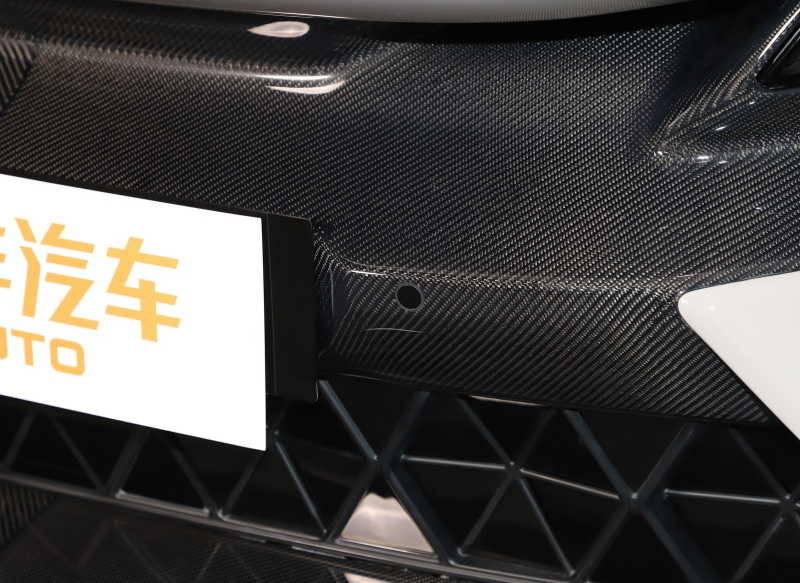
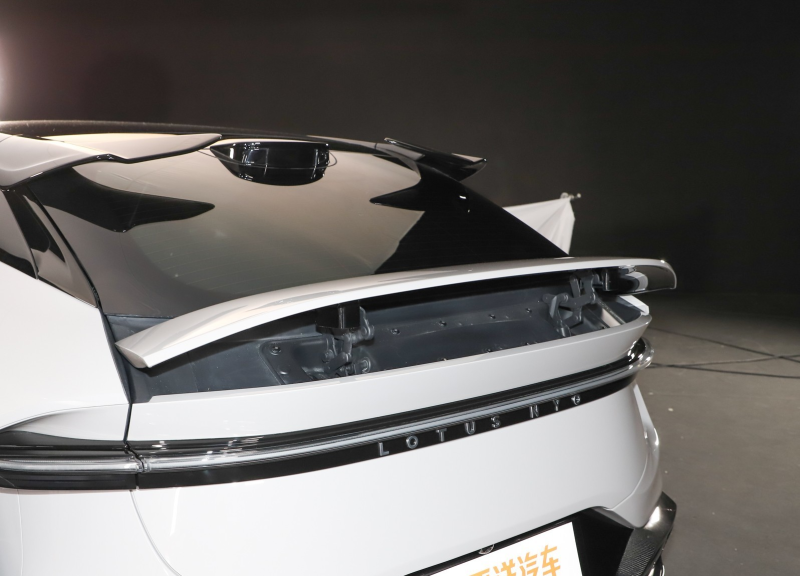
Most areas of Eletre's body are covered with carbon fiber, and the front grille is made of proprietary SMC composite material. The car has seven hidden RaceAero air channels and an active rear spoiler that automatically rises when the speed exceeds 90 km/h. When the triangular matrix of the active grille opens, airflow is channeled to the braking system and battery pack. This results in an ultra-low drag coefficient of 0.26 and 90 kilograms of downforce, equivalent to the weight of three adults firmly pressing the vehicle to the ground during high-speed cornering.
Inside, the cabin is equipped with four digital screens and a 29-inch AR-HUD. The 15.1-inch floating OLED display runs the HYPER OS system developed on the Unreal Engine, while the dual Snapdragon cockpit platform ensures smooth operation.
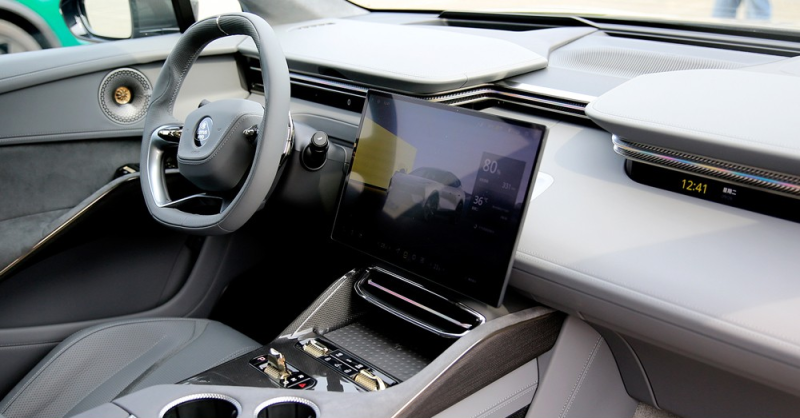
Physical buttons are retained, and the air conditioning knobs are made of liquid metal material. The sports seats provide effective lateral support during cornering. However, the lidar produces noticeable mechanical noise when operating.
Test Drive Experience of Eletre
Activating the exclusive Track mode, the front and rear dual permanent magnet synchronous motors delivered a maximum power output of 905 horsepower under the 800V high-voltage architecture. Actual test showed a 0-100 km/h acceleration time of 2.95 seconds, with peak torque of 985 N·m transmitted through a 2-speed gearbox.
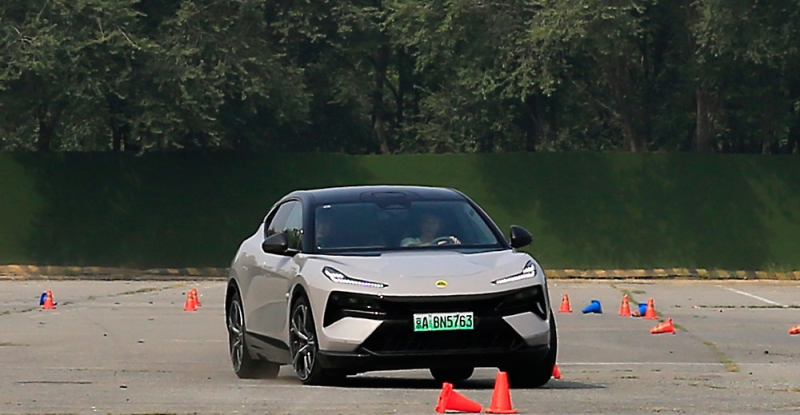
The 10-piston carbon ceramic braking system achieved an impressive 100-0 km/h braking distance of 32.7 meters. During continuous cornering tests, the 6D Intelligent Chassis System demonstrated coordinated performance: the dual-chamber air suspension adjusted damping in real-time, and the rear-wheel active steering system reduced the turning diameter to the level of a compact sedan. However, during intense driving, wind noise in the front wind tunnel area was quite noticeable.
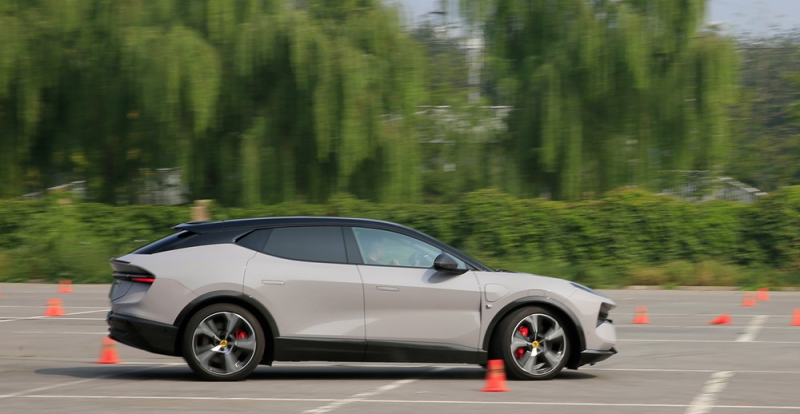
In real-world testing, the vehicle showed an energy consumption of approximately 28 kWh/100km during intense driving in Sport mode, with the displayed range deviating by about 15% from actual performance. In Comfort mode, highway range was extended to 480 kilometers. Using a 650kW liquid-cooled supercharging station, a 10% to 80% recharge can be completed in 20 minutes.
The Eletre's Weight: Not Necessarily a Drawback
The Eletre demonstrates unique driving dynamics in the electric SUV segment, with its precise steering and cornering stability carrying forward Lotus' performance DNA. Although the Eletre is very heavy, thanks to the battery pack, its center of gravity is also very low. Combined with its aerodynamically optimized exterior design, the vehicle provides remarkable confidence for drivers when cornering.
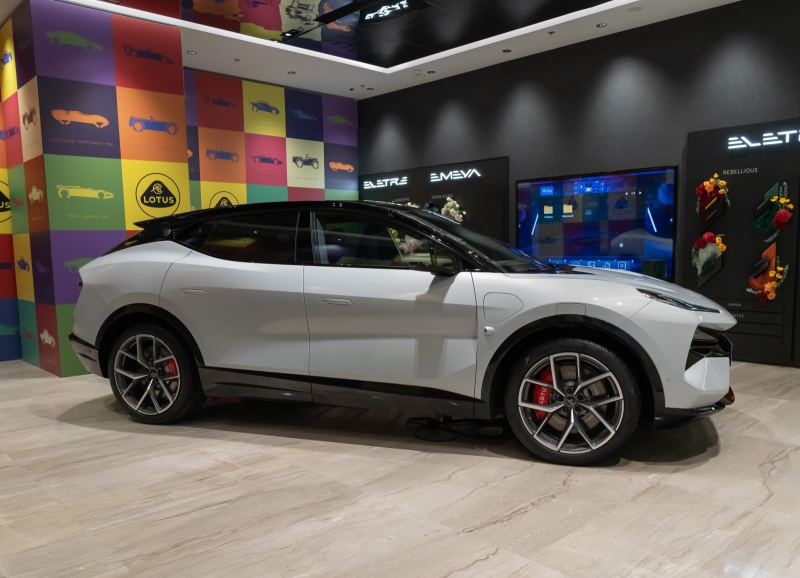
Lotus made a smart move by choosing an SUV rather than a sedan as its first electric vehicle—the added weight is justifiable. As compensation, Lotus incorporated extensive aerodynamic enhancements into the Eletre. However, as a premium electric vehicle, there remains room for improvement in wind noise suppression and range calibration.
If any infringement occurs, please contact us for deletion










Popular Cars
Model Year
Car Compare
Car Photo