
Jaecoo J7 Fuel Consumption: Is It Really a "Petrol Eater" in KL Traffic?
 RobertMar 04, 2026, 05:21 PM
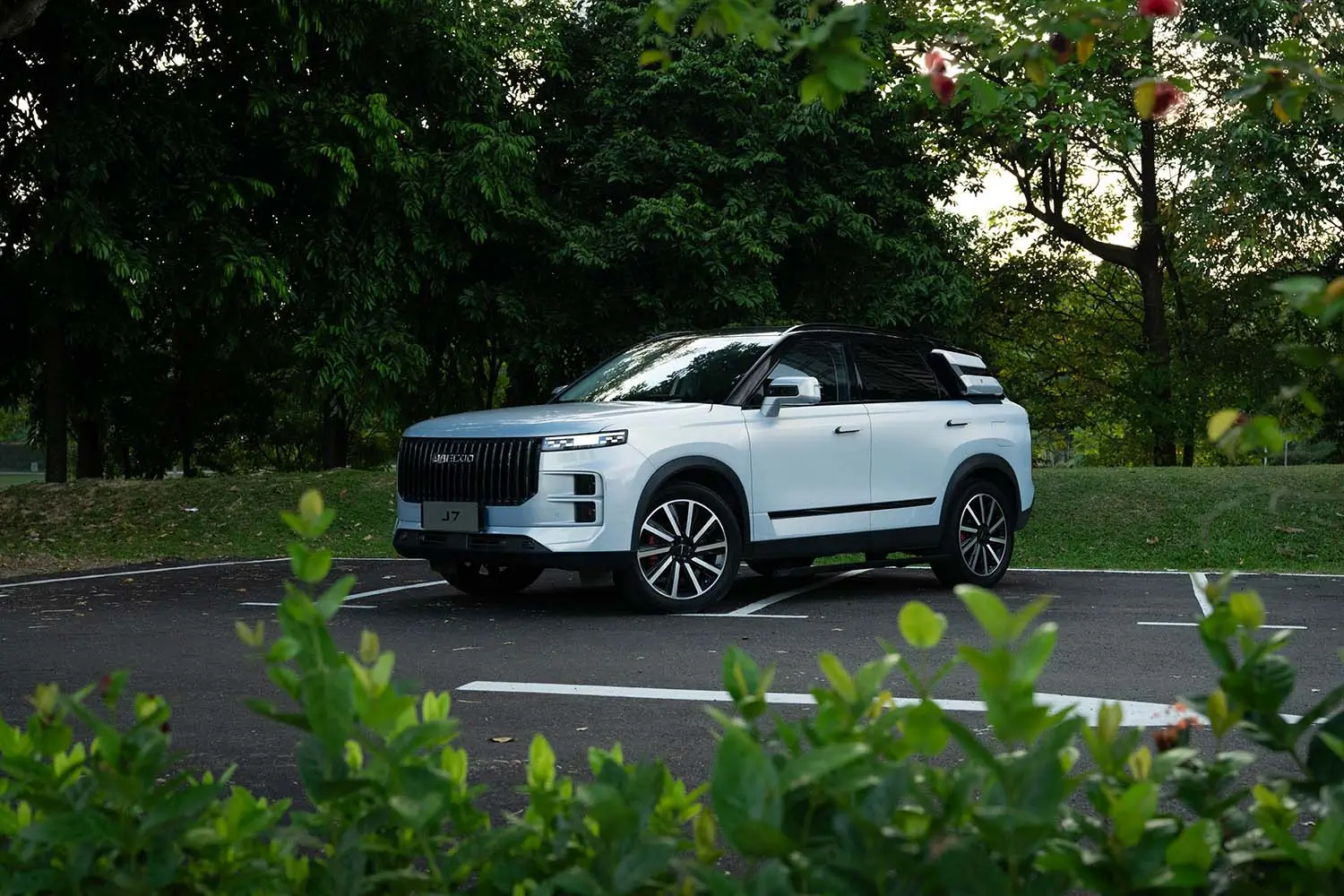
[PCauto] When considering an SUV purchase, fuel efficiency is often the foremost concern for most owners. Jaecoo J7 has been touted as a model balancing power and economy since its launch. However, a drive through the streets of Kuala Lumpur (KL) quickly reveals a significant gap between the officially claimed 7.0L/100km and real-world experience.
According to owners, in Kuala Lumpur's stop-and-go traffic, the 2WD variant typically returns 8.5L--9.2L/100km, while the AWD version can use as much as 9.5L--10.5L/100km. For urban driving, these consumption figures translate to a practical range of only about 500 to 550 km on a full tank.
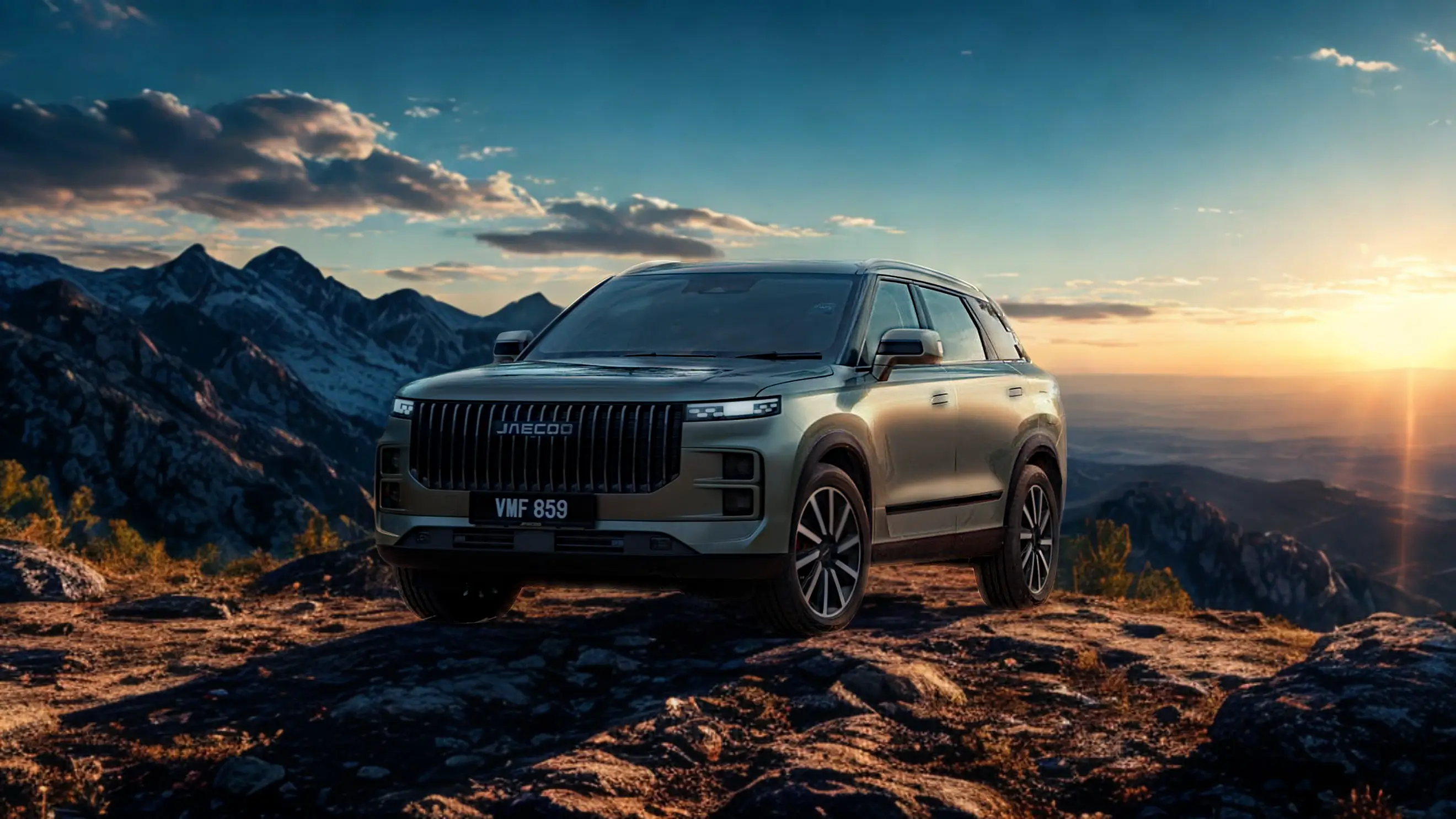
Although the J7 AWD boasts a larger 57-litre fuel tank (compared to the 2WD's 51 litres), its increased kerb weight and the inherent energy losses of the all-wheel-drive system at low speeds contribute to higher consumption.
Furthermore, the 7-speed dual-clutch transmission (7DCT) tends to hunt between lower gears in KL's traffic, leading to additional fuel use.
Engaging Eco Mode, despite resulting in slightly sluggish acceleration, can effectively lower urban fuel consumption by approximately 0.5L/100km.
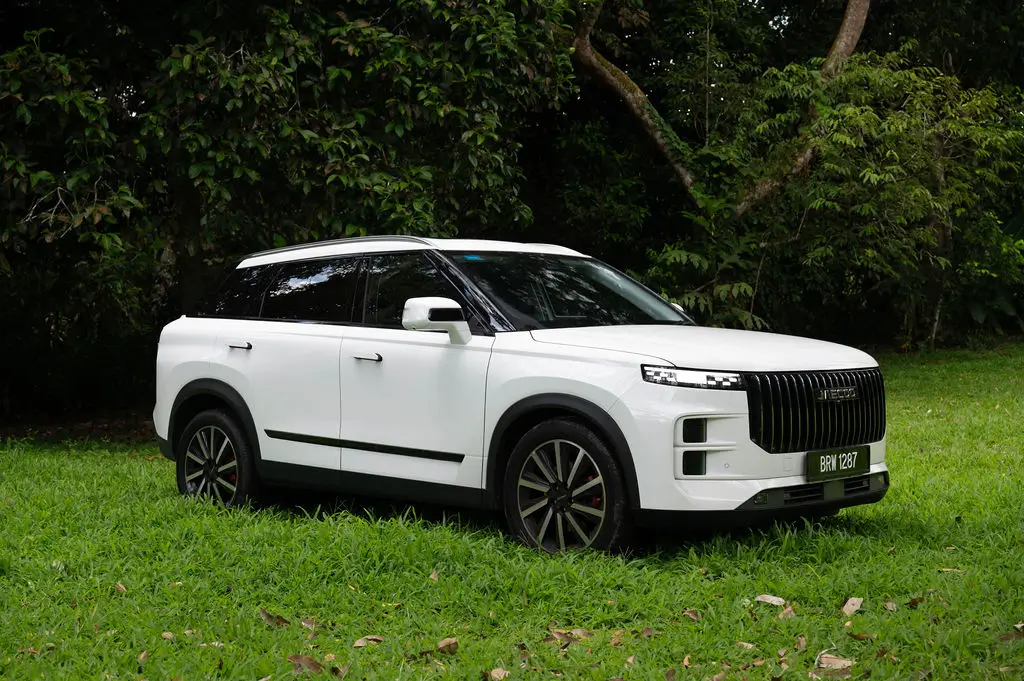
The factory-fitted 19-inch tyres on the J7 have a recommended pressure of 230--250 kPa. Under-inflated tyres increase rolling resistance, which many owners pinpoint as a key culprit for higher fuel consumption.
Therefore, regularly checking tyre pressure and appropriately switching driving modes are straightforward measures to mitigate range anxiety related to fuel anxiety.
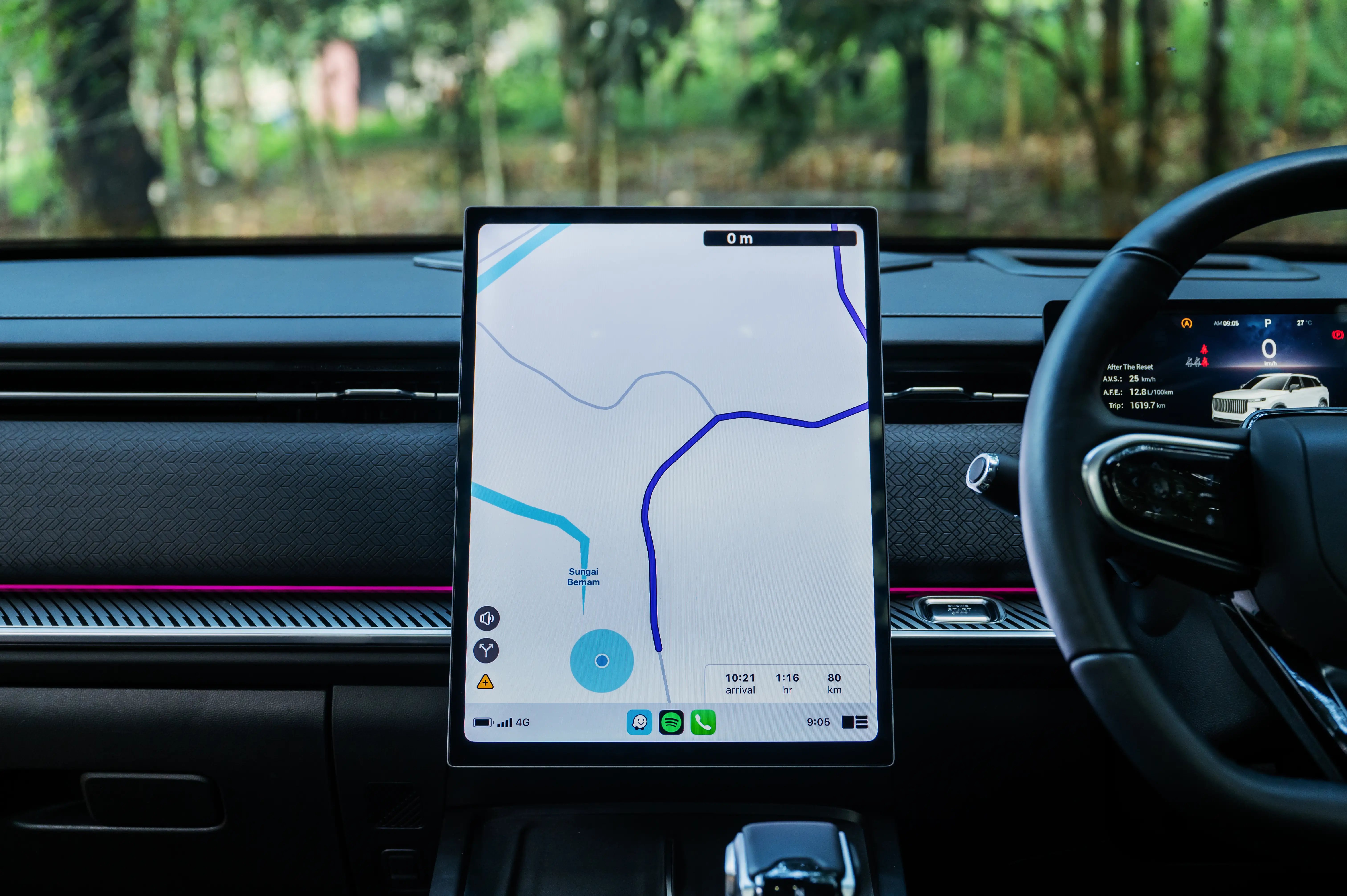
In contrast, the PHEV (Plug-in Hybrid Electric Vehicle) variant changes the game entirely. Launched in Malaysia in 2026, the J7 PHEV boasts an official combined fuel consumption figure of just 4.7L/100km, though real-world city driving can see this drop to between 3.5L and 5.5L/100km.
For KL commuters with a typical daily commute of around 30 km, this means the potential for near-zero fuel consumption in daily use. The DC fast-charging function of the PHEV also makes daily charging more convenient: the battery can be charged up to 80% during lunchtime.
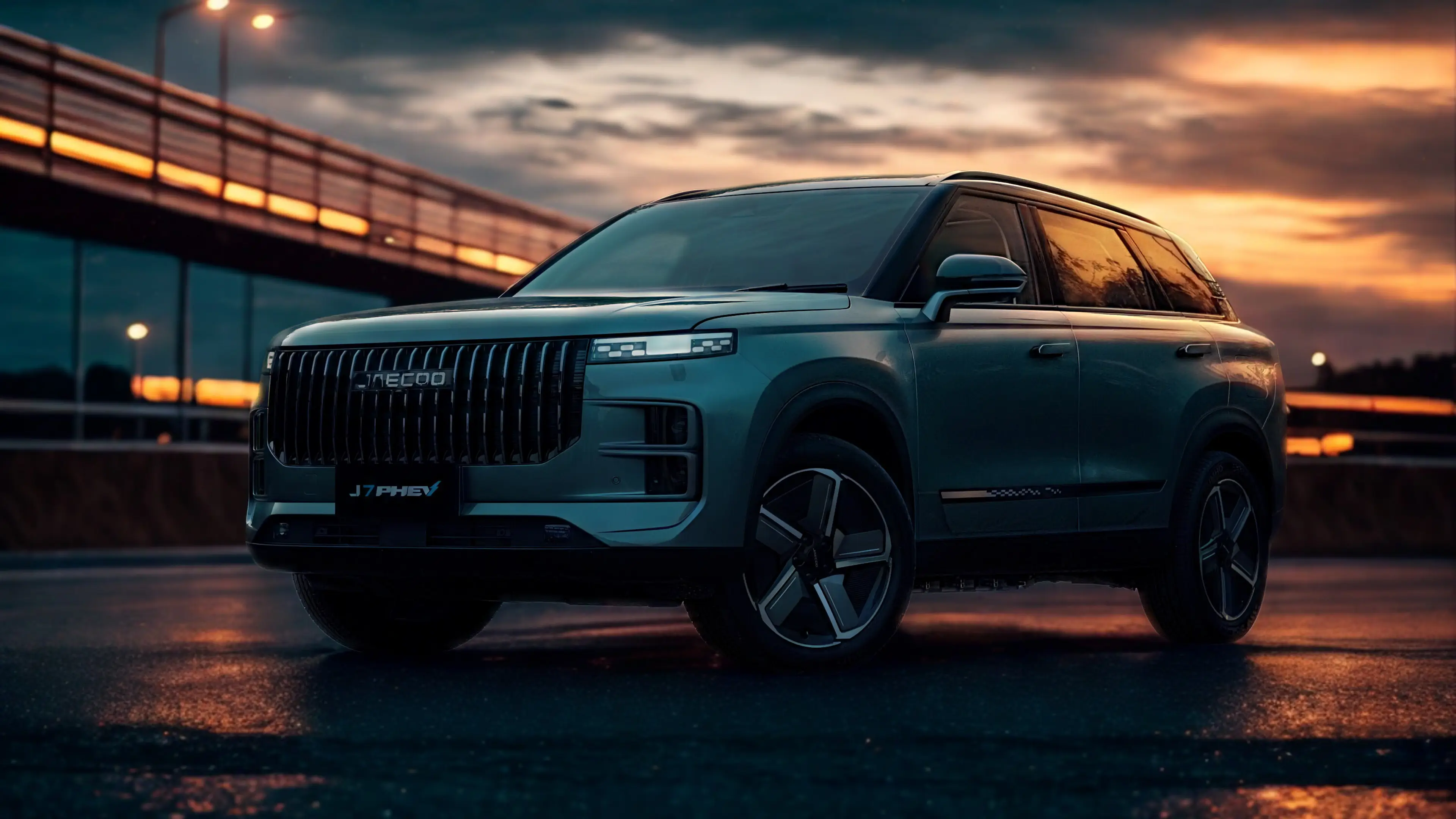
In terms of everyday driving experience, the differences between the PHEV and the petrol version go beyond fuel consumption. For instance, in KL's congestion, the conventional AWD petrol model can exhibit frequent gear shifts and slight juddering. In contrast, the PHEV operating in EV mode provides a smoother, quieter start-off, significantly reducing driver fatigue and stress.
Additionally, the PHEV version also shows clear advantages when compared to competitors in the same class, such as the Haval H6.
Although the H6 employs a hybrid (HEV) system, its all-electric range is more limited. This makes it less capable than the J7 PHEV of running solely on electric power for extended periods in urban settings, a key factor in reducing both fuel expenses and road tax liability.
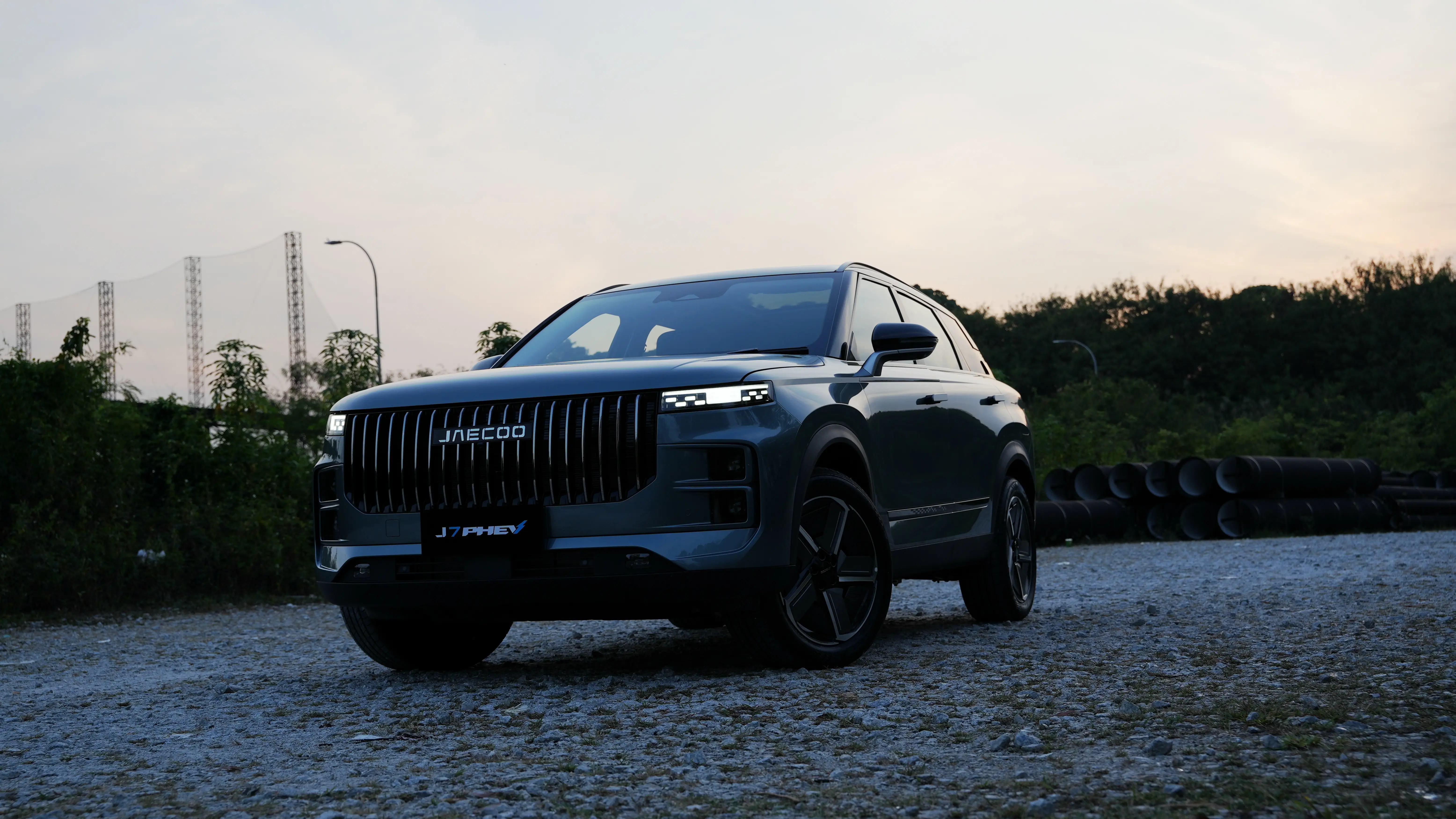
Ultimately, for owners particularly sensitive to running costs, understanding the vehicle's inherent technical characteristics is crucial. The J7's large-diameter wheels, dual-clutch transmission, and AWD system mean it is difficult to fully achieve the official fuel consumption figures in congested urban environments.
This discrepancy does not indicate a fault with the vehicle per se, but rather illustrates the typical "gap between official and real-world figures." Adopting sensible driving habits, maintaining correct tyre pressures, and making judicious use of Eco or EV modes can all contribute to significantly improved fuel efficiency.
If any infringement occurs, please contact us for deletion










Popular Cars
Model Year
Car Compare
Car Photo