
Malayan Banking Berhad: Electric cars are reshaping the automotive industry in Malaysia
 Kevin WongMar 13, 2025, 09:52 AM
[PCauto] Malayan Banking Berhad (Maybank) recently stated in a report that, driven by the growing wave of EV entrants, the Malaysian automotive industry is undergoing a significant transformation.

The report noted that the Malaysian automotive sector is witnessing a surge in new enterprises and fresh investments, primarily fueled by electric vehicles. Consequently, Maybank believes this signals the onset of profound change within the industry.
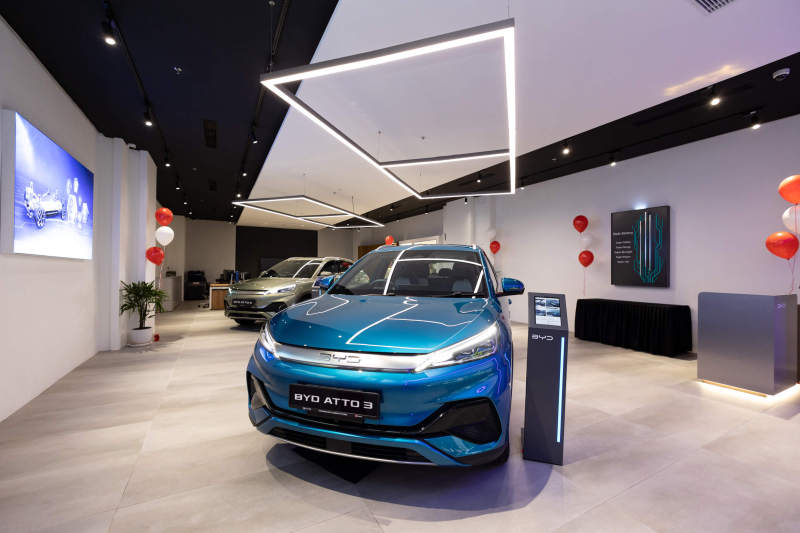
Maybank explained that previously, investment trends in Malaysia's electric vehicle sector were largely confined to the downstream supply chain, such as distributors. However, this year, the bank anticipates a shift toward increased investments in the electric vehicle assembly segment, particularly as the incentives for CBU begin to phase out.
Accordingly, Maybank expects three potential scenarios to emerge in Malaysia's electric vehicle landscape. First, there may be a rise in local procurement; second, SKD (semi-knocked-down) vehicle assemblies could become more prevalent; and third, some auto brands, especially those with insufficient local sales volume, might exit the domestic market.
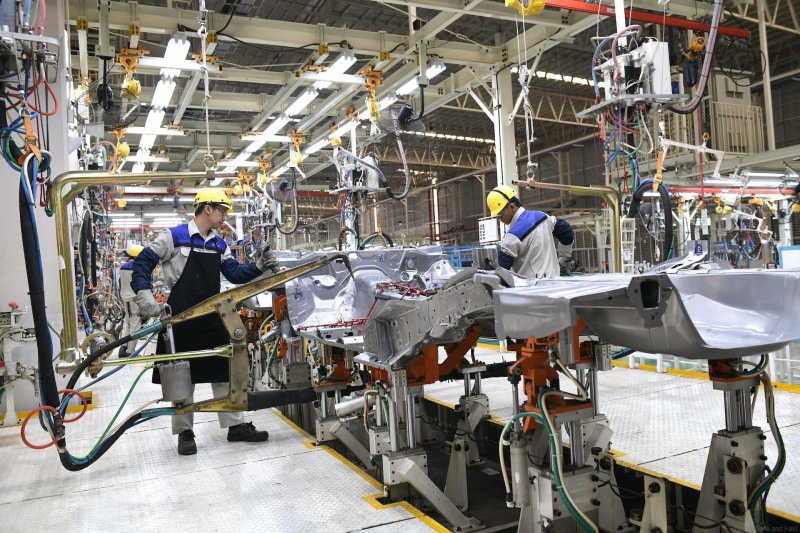
For the automotive sector, the most affected segment is likely to be the auto parts industry. Given that the components for electric vehicles differ from those in conventional combustion engines, this presents a significant opportunity for Malaysian auto parts suppliers to innovate and transform. It is worth noting that the country’s automotive supply chain is somewhat fragile. Although Perodua and Proton command a large share of the market, the supply of critical parts is predominantly dominated by foreign companies.
Seizing the momentum brought about by electric vehicles, Perodua and Proton is required to gradually phase out outdated suppliers and develop robust, domestic supply networks to reinvigorate the auto parts industry.
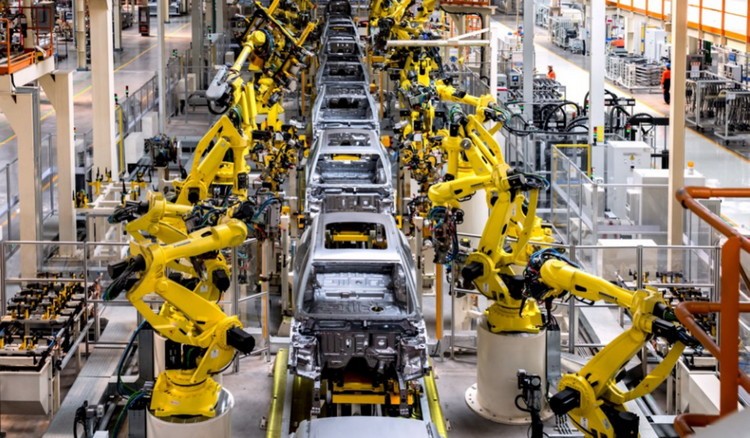
However, the local auto parts manufacturing sector is also facing existential challenges. In addition to established Japanese players, an increasing number of Chinese auto parts companies are making inroads into Malaysia. For example, Changzhou Tenglong Auto Parts Co., Ltd., a manufacturer of automotive thermal management systems, has announced an additional investment of US$20 million to establish its headquarters in Malaysia. Meanwhile, Jiangsu Smartwin Electronics Technology Co., Ltd., which produces automotive LCD instruments and related electronic products, is investing US$30 million to set up a wholly owned subsidiary. Presently, the preferred investment regions among Chinese enterprises include Perlis, Perak, Pahang, and Johor.
Electric vehicles introduce both risks and opportunities to the Malaysian automotive industry. If effectively leveraged, the domestic sector could reduce its reliance on foreign investments and solidify its position within the global automotive market.
If any infringement occurs, please contact us for deletion










Popular Cars
Model Year
Car Compare
Car Photo