
MINI launches three new JCW models, introducing the electric JCW for the first time
 WilliamFeb 06, 2026, 11:43 AM
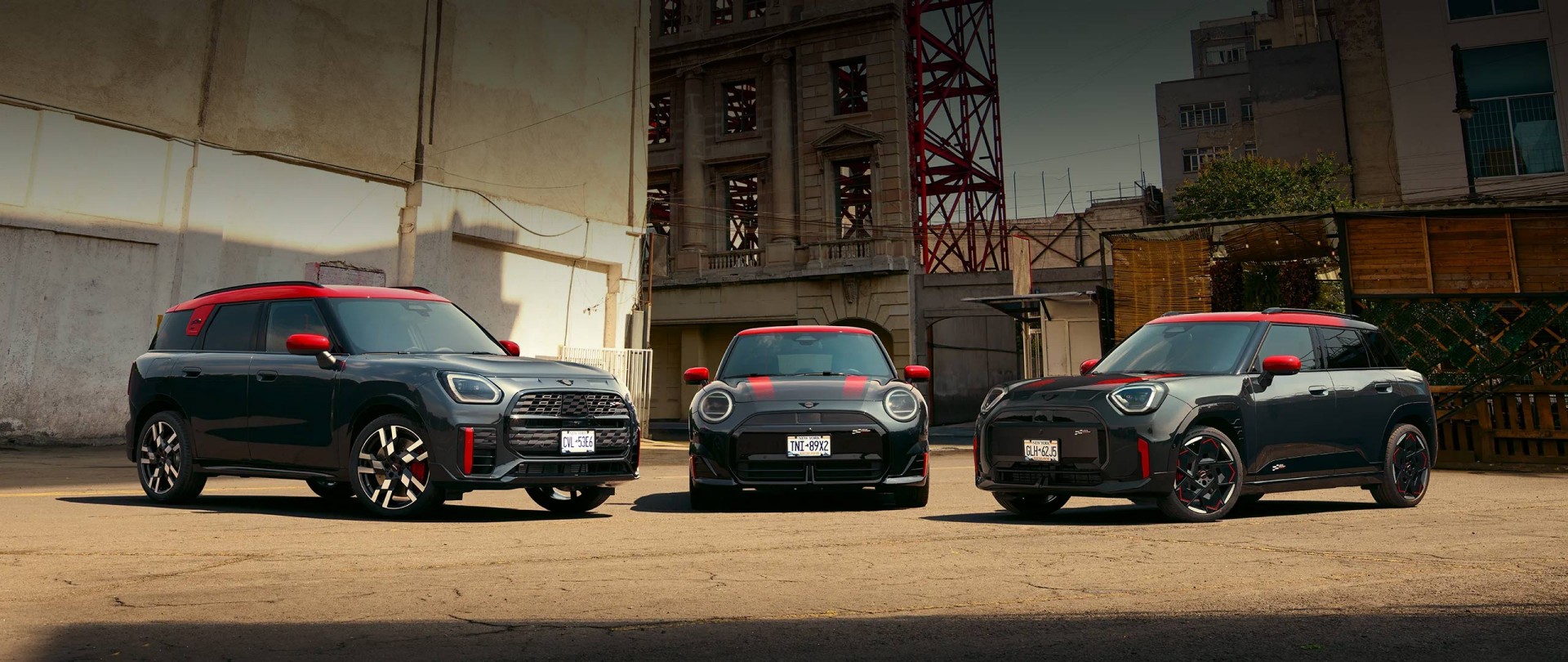
【PCauto】BMW Group Malaysia has officially launched three new JCW models, covering both fuel-powered and all-electric powertrains, and even introduced a new Aceman all-electric SUV version. This launch is not only a showcase of new cars but also a way for MINI to declare, in its own way, that its high-performance sub-brand has formally stepped into the electrification era.
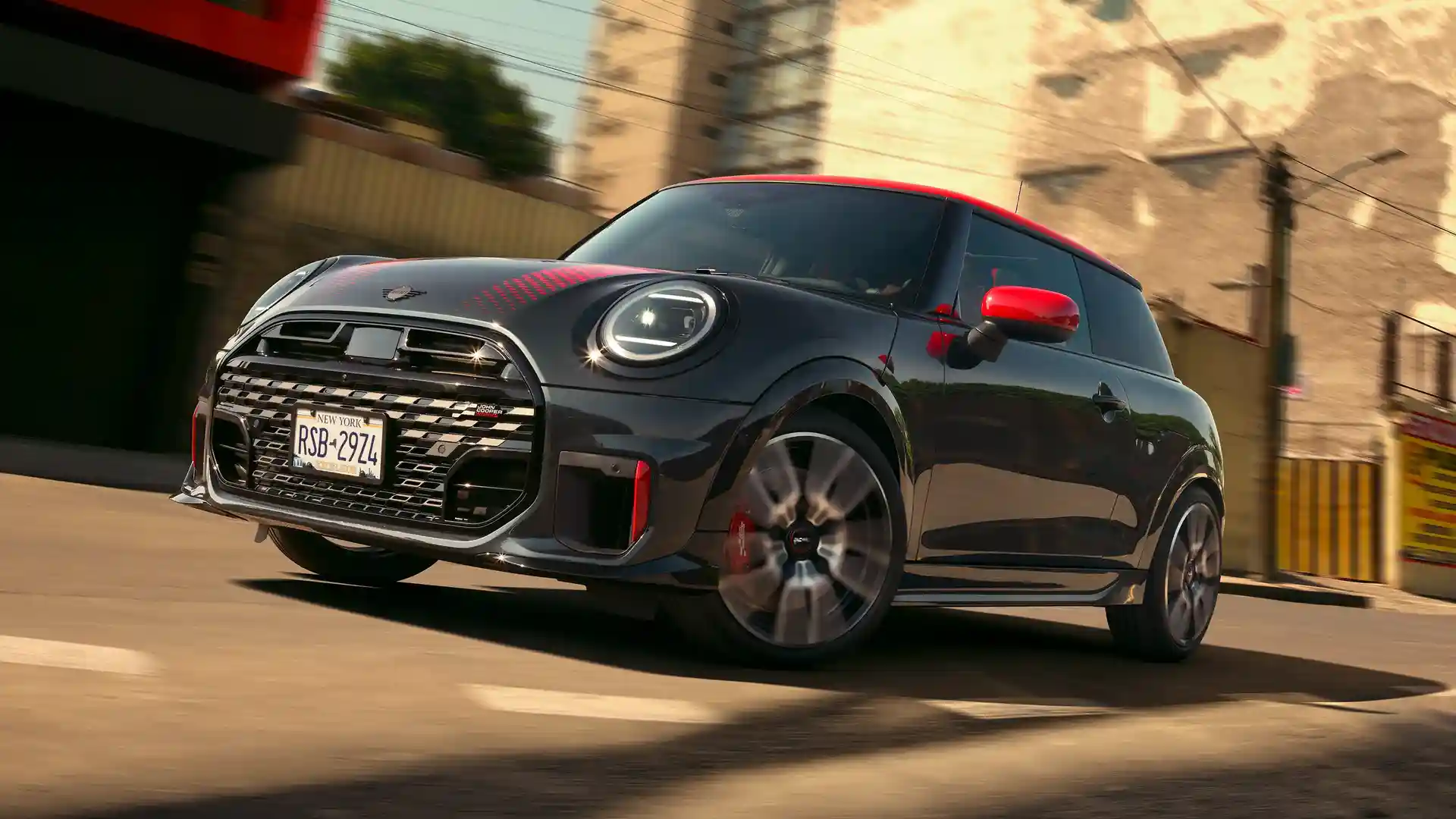
First up is the most traditional offering, the JCW 3-Door petrol version (F66). It's equipped with a 2.0-litre four-cylinder turbocharged engine, producing 231 hp and 380 Nm of torque. It can accelerate from 0-100 km/h in 6.1 seconds and has a top speed of 250 km/h. These figures may not be class-leading by today's standards, but for JCW purists, they represent an adequate and authentic package.
It is priced at around RM330,988. This price includes warranty and servicing. Although not particularly affordable, it aligns with its positioning as an imported high-performance small car.
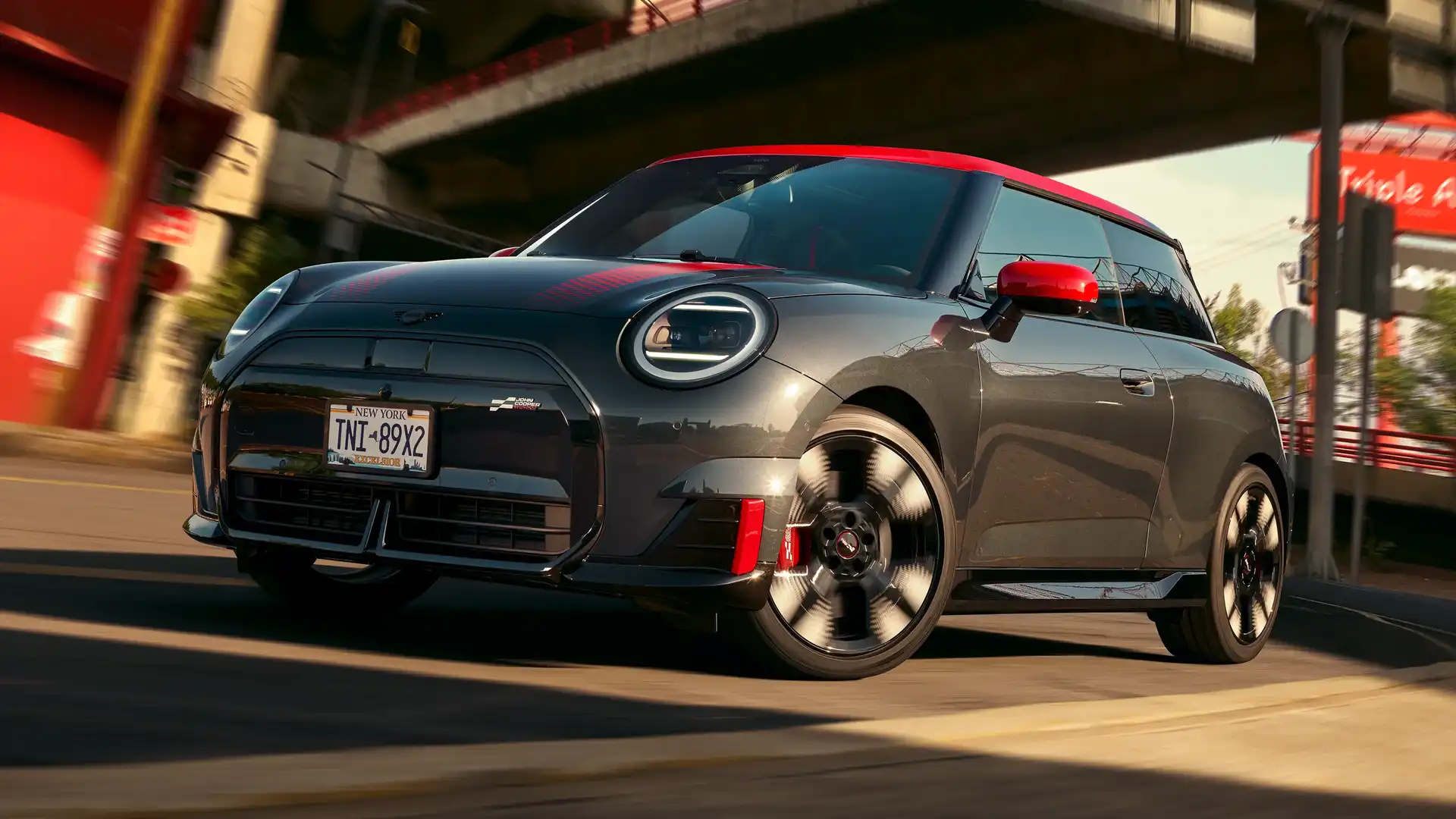
The real headline-grabber, however, is the JCW 3-Door all-electric version (J01). Priced at only around RM225,188, nearly RM100,000 less than the petrol version.
This all-electric model features a front-mounted single motor paired with a 54.2 kWh battery. It delivers 258 hp (190 kW) and 350 Nm of torque, enabling a 0-100 km/h sprint in 5.9 seconds—that’s 0.2 seconds quicker than the petrol variant. Its WLTP-rated range of 371 km is more than sufficient for daily city commutes.
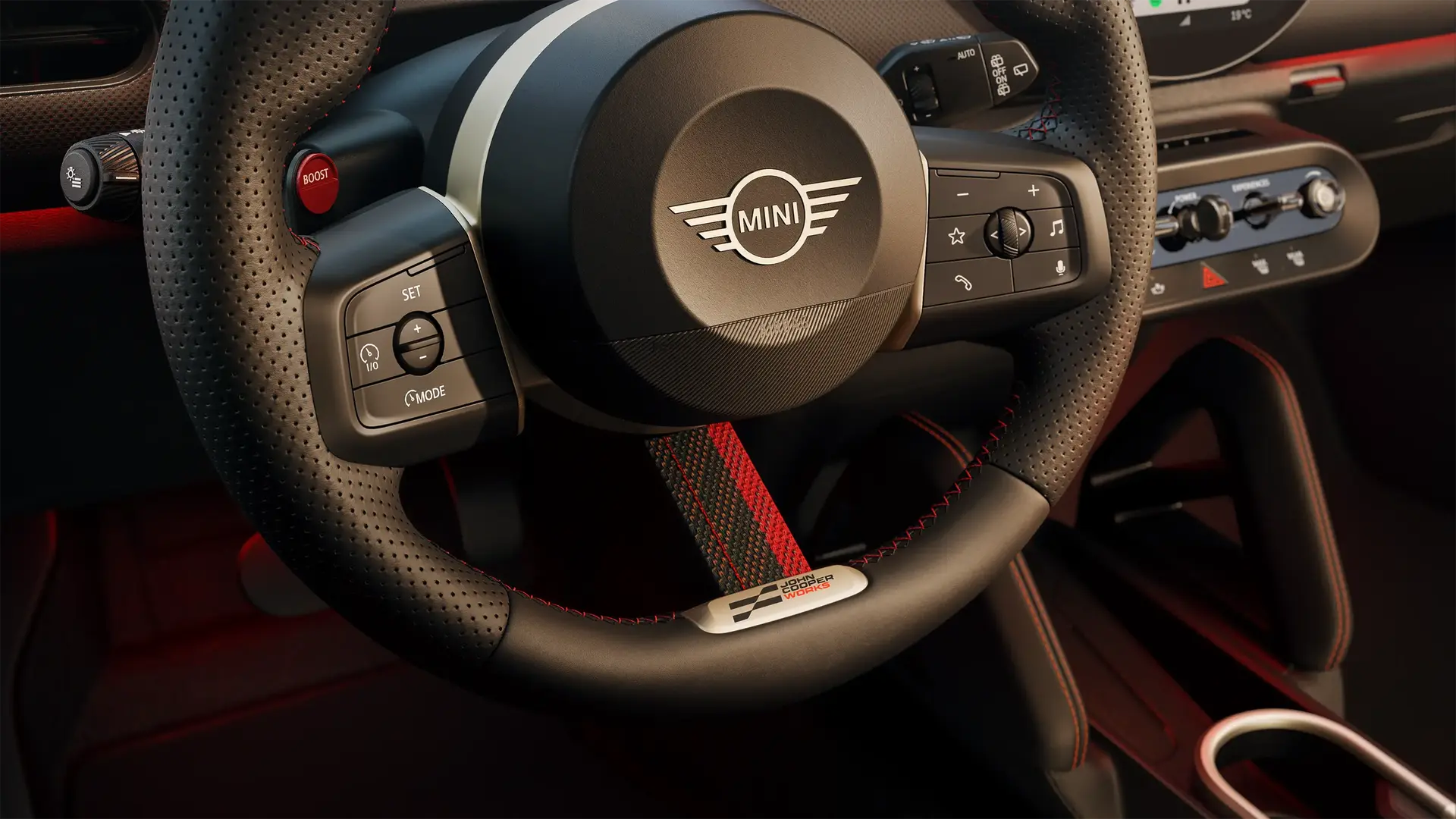
More importantly, it retains the sporty genes of JCW despite the shift to electrification. A masterstroke is the Boost paddle on the steering wheel. Pressing it releases an extra 20 kW (about 27 hp) burst of power, delivering instant acceleration thrust for overtaking and effectively compensating for the typical high-speed plateau of EVs.
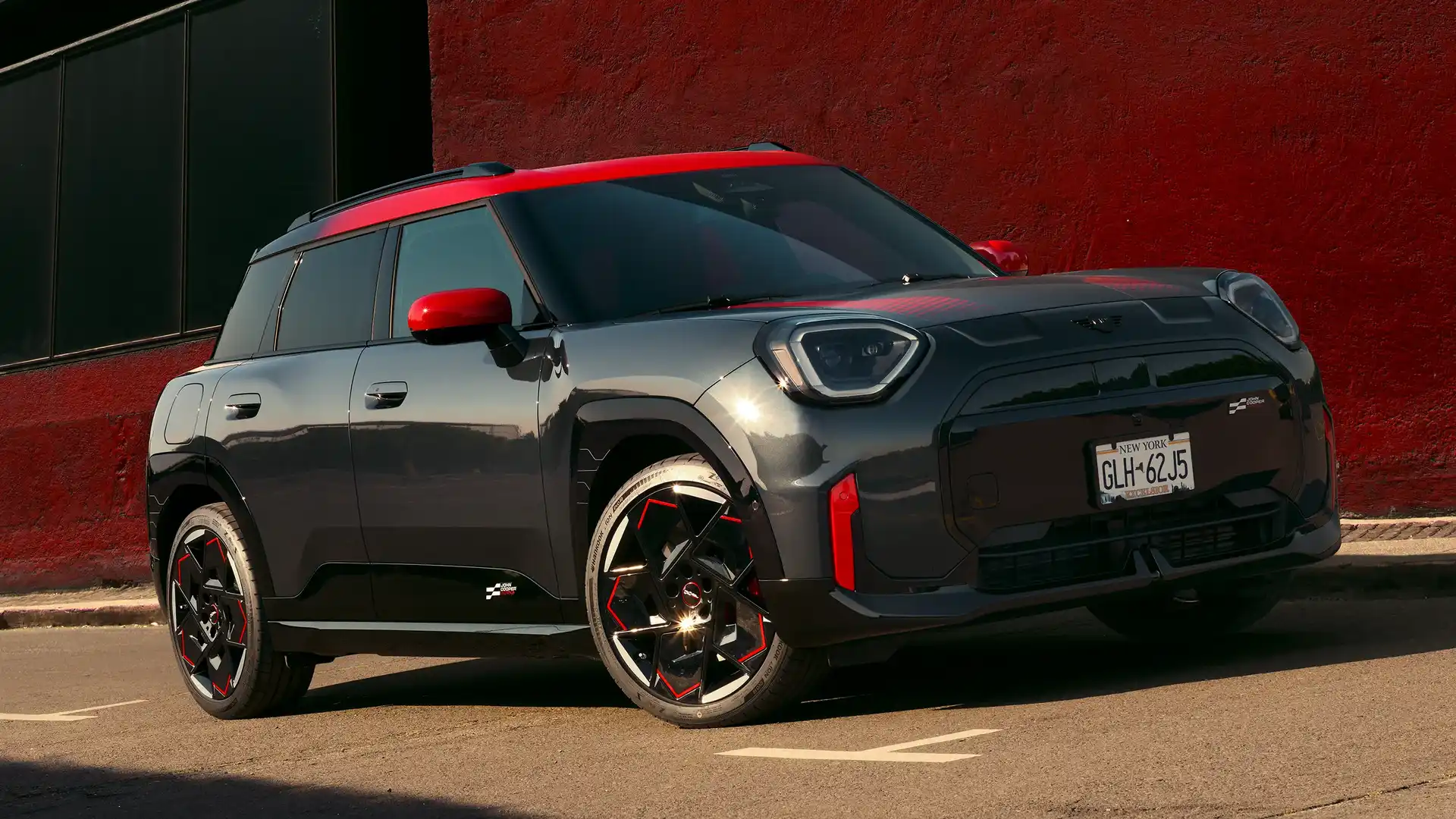
The newly added JCW Aceman all-electric SUV (J05) represents MINI\'s foray into practicality.
As a compact all-electric crossover SUV, it shares its powertrain with the 3-Door electric variant: a 258 hp motor paired with a 54.2 kWh battery. This enables a 0-100 km/h time of 6.4 seconds and a WLTP range of 355 km. While slightly less than the 3-door electric version, it excels in offering more flexible space, with a 5-seat layout that balances individuality and family use.
It is priced at around RM241,188, slightly higher than the 3-door electric version. The price difference is mainly reflected in the SUV body structure and practical configurations. The suspension tuning is slightly stiffer than the regular Cooper but softer compared to the 3-door version.
Despite their differing powertrains, all three models uphold the exclusive JCW identity that is central to the brand's soul.
The red and black sporty interior, JCW-exclusive sport seats, large-sized wheels, and aggressive aerodynamic kits make its unique identity obvious at a glance.
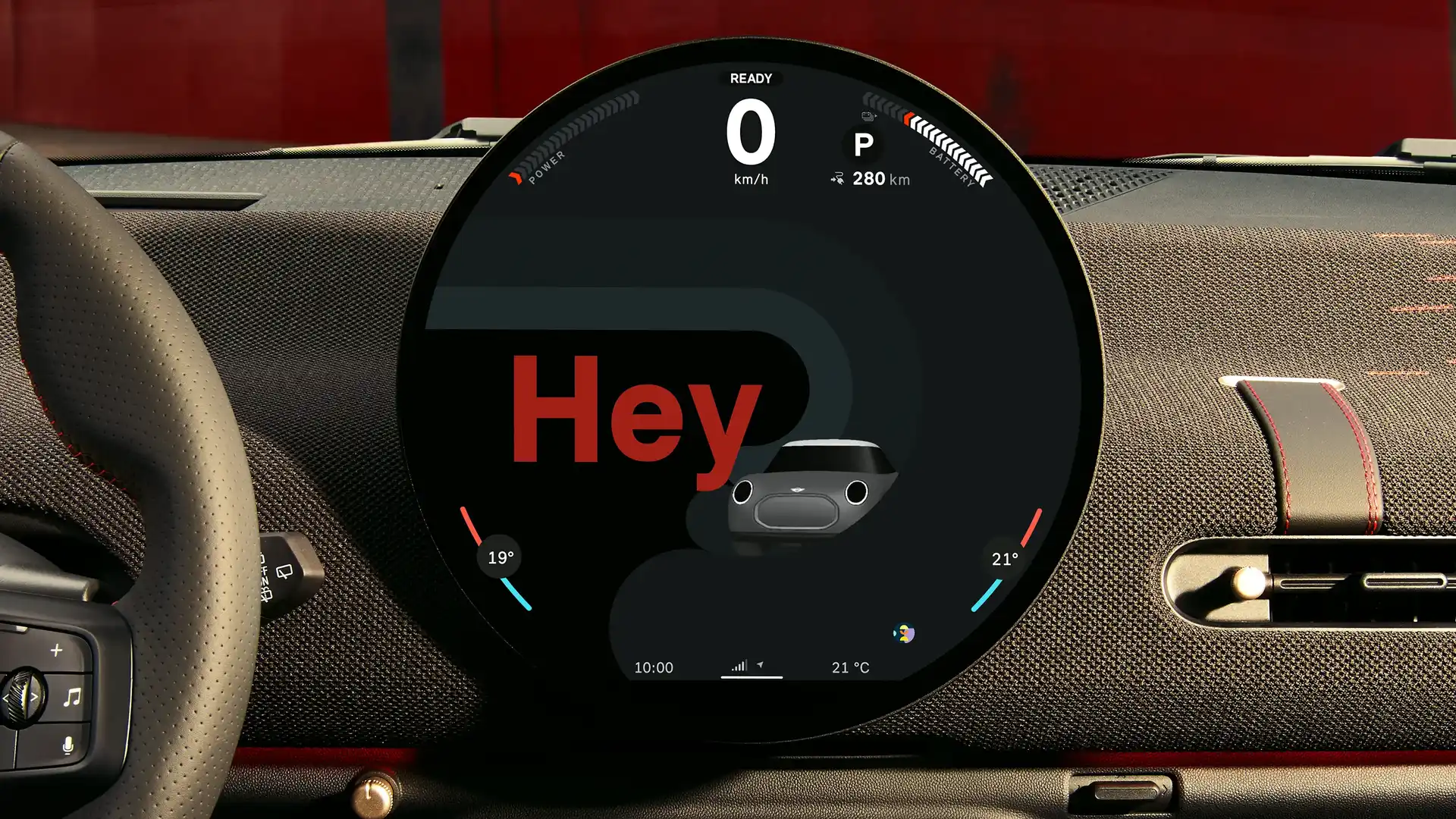
The standard 240mm circular OLED central control screen, equipped with the MINI Operating System 9, features a dedicated Go-Kart mode that enhances the sense of ceremony. When activated, it switches the screen to a black and red racetrack-themed interface, and the in-car sound effects simulate an exhilarating driving roar, allowing you to feel the racing DNA even in all-electric models.
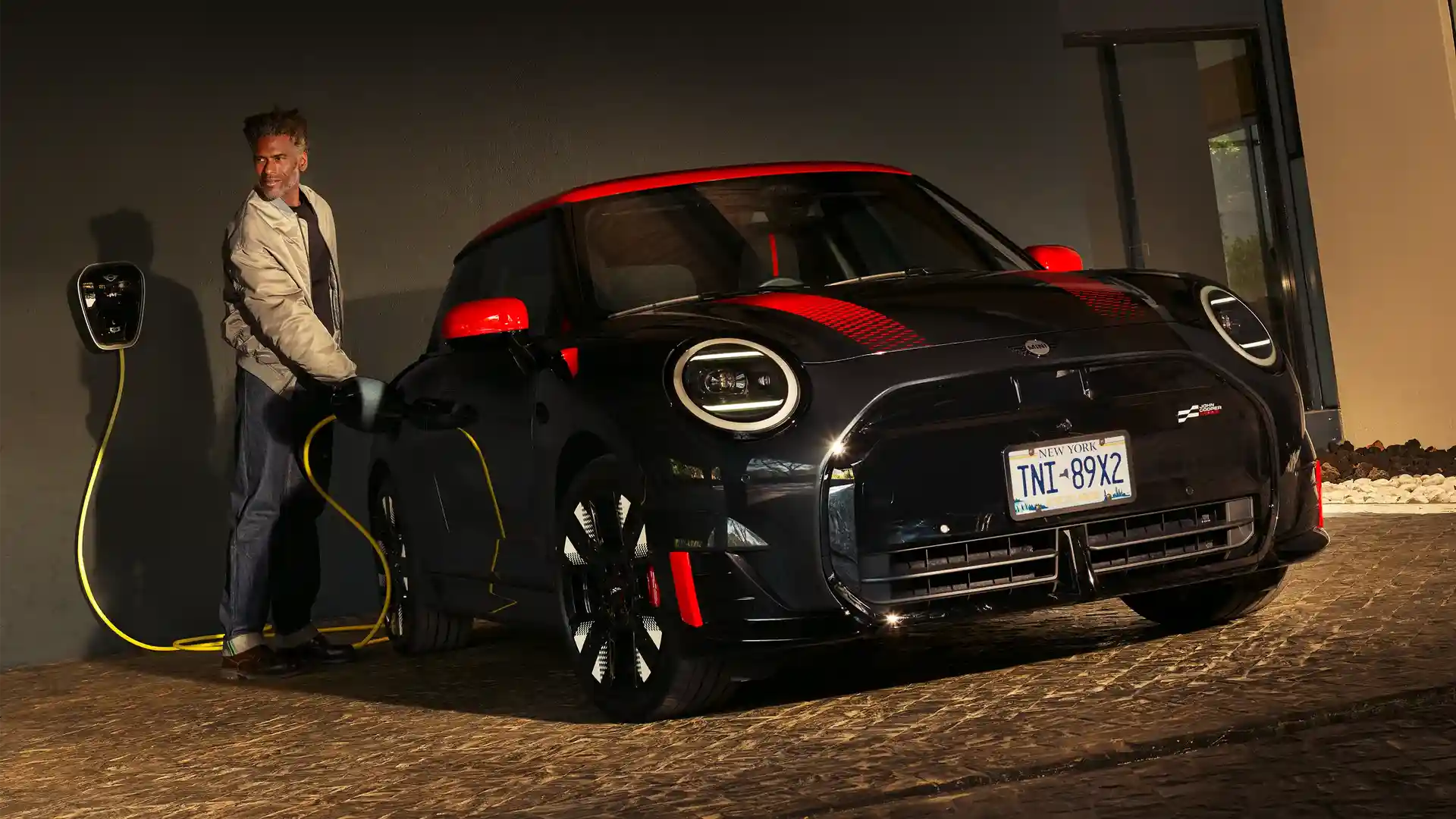
The all-electric model supports DC fast charging of up to 95 kW. While this charging speed isn't class-leading, thanks to the moderate battery capacity, it only takes about 30 minutes to charge from 10% to 80%.
Prospective buyers of the electric versions should note, however, that the government has ended tax incentives for Completely Built-Up (CBU) electric vehicles effective January 2026. Only existing models on sale will continue under the old policy. This means that for units registered after the policy change, the on-the-road price of the electric versions could see a significant increase.
Additionally, the all-electric JCW tips the scales at 1,655 kg, making it nearly as heavy as a Mercedes-Benz C-Class. Although the low center of gravity design compensates for the impact of the weight, during spirited driving, its physical limits will be reached sooner than in the petrol-powered version. This is an inevitable problem for electric performance vehicles.
If any infringement occurs, please contact us for deletion







Popular Cars
Model Year
Car Compare
Car Photo