
Proton announces future model plans for the AMA platform, the new car price will not exceed RM80,000
 RobertJan 28, 2026, 12:15 PM
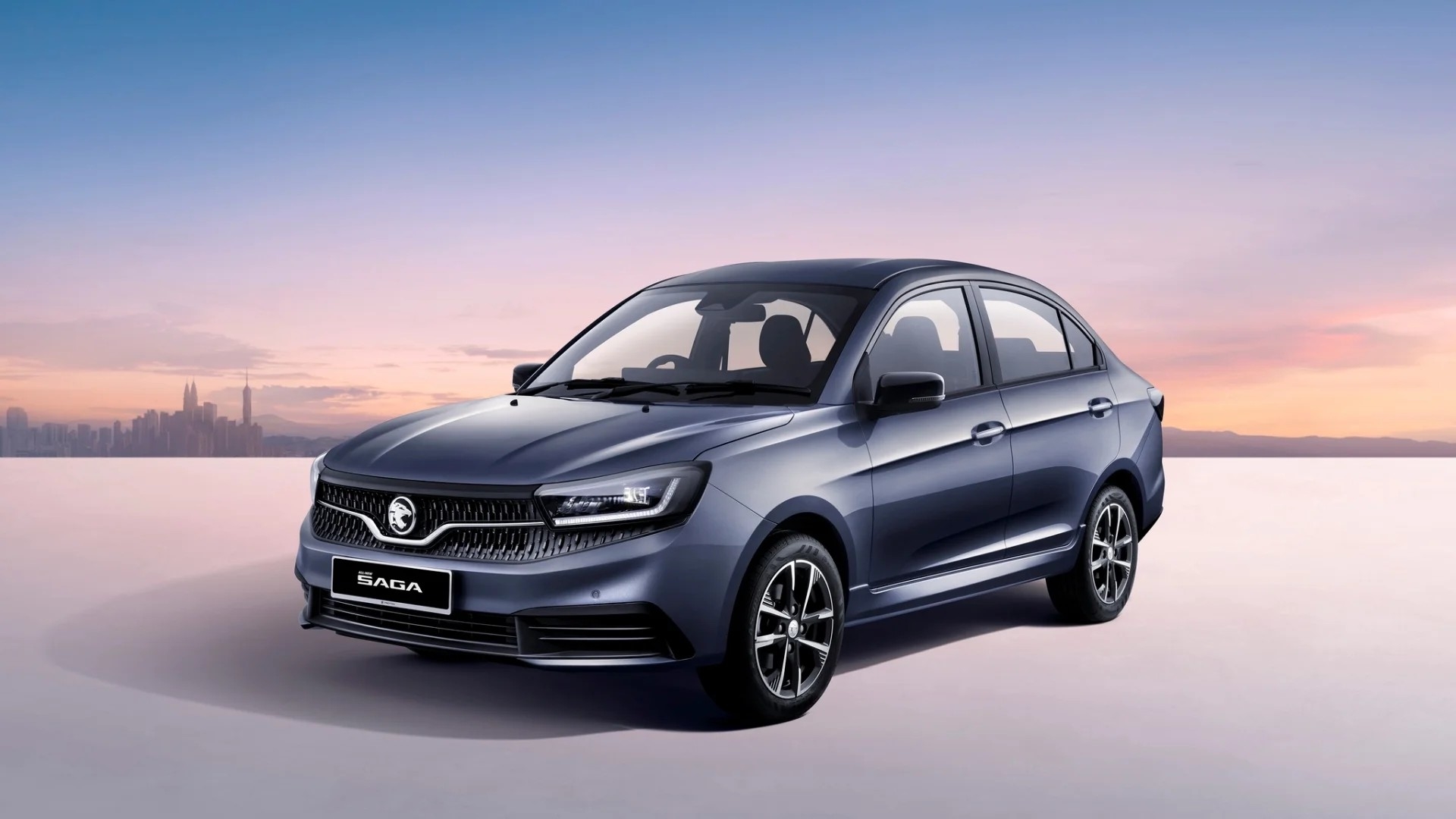 【PCauto】Proton’s first model based on the new AMA (Advanced Modular Architecture) platform—the 2026 Saga MC3—has officially entered its delivery phase.
The launch of this model signifies that Proton’s longstanding PIES lineup (Persona, Iriz, Exora, Saga) is now being gradually phased out following its renewal.
As the core of Proton's technological transformation, the AMA platform was jointly developed by Proton's Hangzhou Bay R&D Center and the Malaysian domestic team. It was designed to address the shortcomings of older platforms, such as insufficient flexibility, high costs, and outdated technology.
The AMA platform’s most notable characteristics are its high flexibility and compatibility. It is designed to underpin multiple vehicle types across A- and B-segments, including sedans, hatchbacks, SUVs, and MPVs, achieving a parts commonality rate of 70% to 80%. This feature significantly reduces the cost of vehicle development and production.
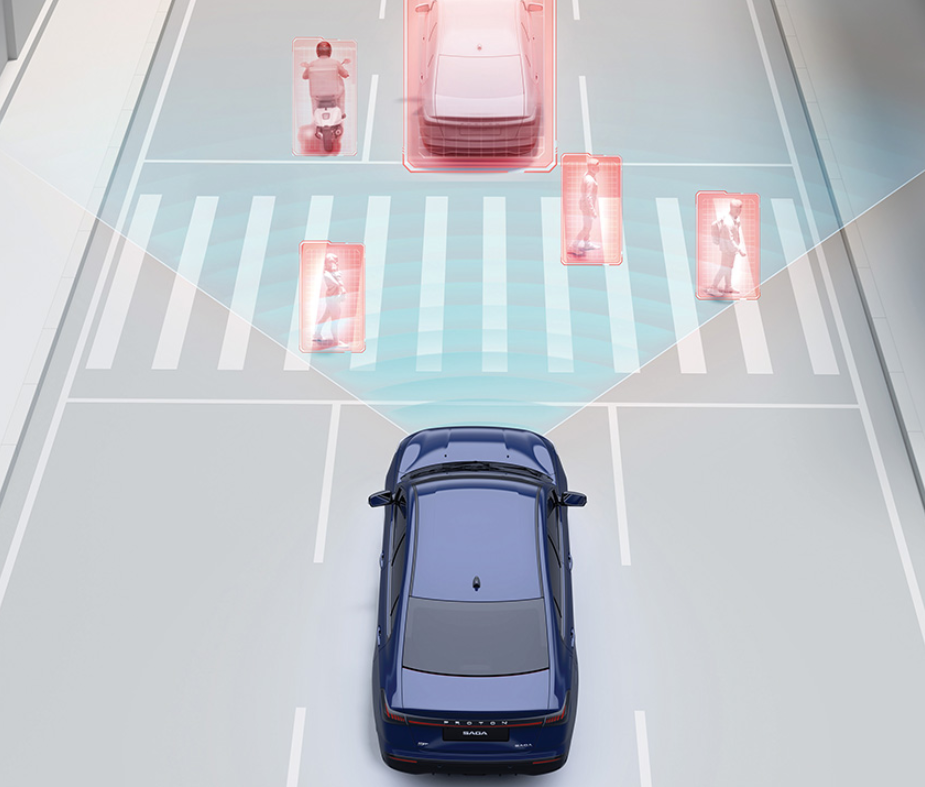
Compared to Proton’s older platforms, the AMA platform offers a 25% improvement in torsional stiffness and features native support for Level 2 advanced driver-assistance systems (ADAS), representing a leap forward in both safety and intelligent driving capabilities.
Unlike the previous reliance on Geely’s BMA platform for models like the X50 and X70, the AMA is Proton’s own exclusive architecture. This grants the brand greater autonomy in product definition and cost control, reducing its dependence on external technology.
The 2026 Saga MC3 (codenamed AMA01), as the inaugural product of the AMA platform, was officially launched at the end of 2025. Its upgraded product capabilities and pricing strategy fully reflect Proton's positioning of "Affordable and Practical Global Cars."
The Saga MC3 is priced between RM 37,990 and RM 48,990, maintaining Proton's consistent affordable pricing strategy while achieving a comprehensive upgrade in core configurations. The entire lineup is powered by a 1.5L i-GT four-cylinder naturally aspirated engine (shared with the X50 but sans turbocharger), delivering a maximum output of 118 to 120 PS and a peak torque of 150 Nm. This completely replaces the long-used 1.3L power unit, significantly improving power output and driving smoothness.
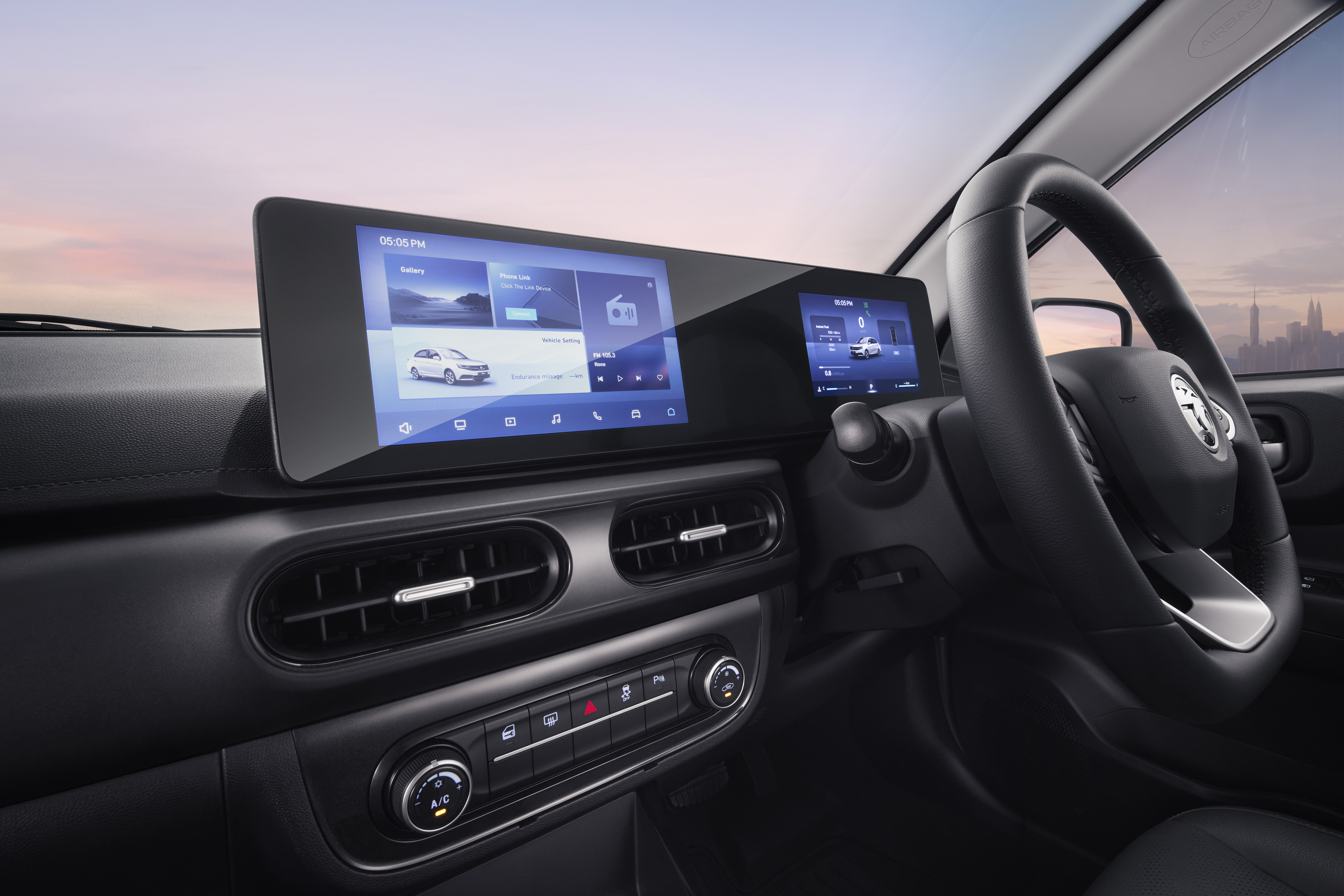
The Saga MC3 debuts a 16-inch integrated dual-screen setup (7-inch digital instrument cluster + 9-inch touchscreen) in its class, supporting wireless Apple CarPlay and Android Auto, offering a smart cabin experience comparable to higher-grade models.
The top-spec Saga MC3 is equipped with a Level 1 ADAS suite—including AEB (Automatic Emergency Braking) and FCW (Forward Collision Warning)—and has received a four-star ASEAN NCAP safety rating, significantly enhancing safety performance compared to previous models.
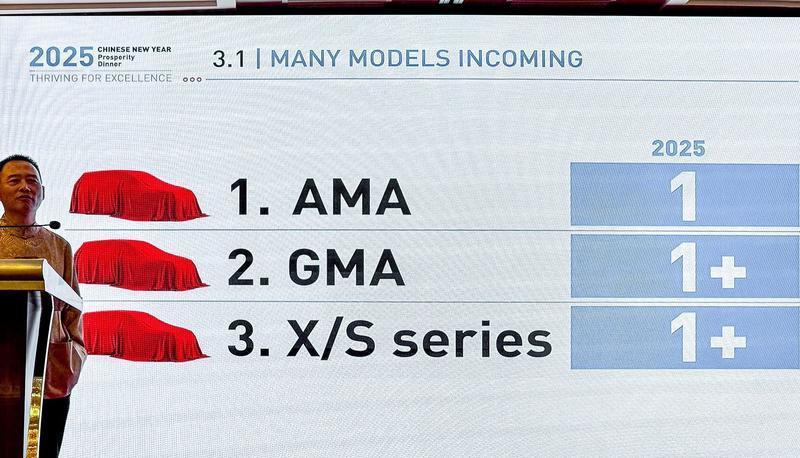
Following the successful launch of AMA01, Proton has outlined a clear roadmap for model iterations, gradually completing the full replacement of the PIES product line while also advancing hybrid and smart technology deployments.
AMA02, as the successor to the Iriz, is positioned as a B-segment hatchback. Market rumours suggest it may revive the classic Iswara nameplate. Targeting young consumers, it is expected to feature enhanced handling and an HEV (hybrid electric vehicle) variant to meet Southeast Asia’s increasingly stringent emission standards.
AMA05 and AMA06 focus on the 7-seater practical vehicle market, filling the gap left by the Exora’s discontinuation. One of these models has been confirmed to be equipped with e.MAS 7 PHEV (plug-in hybrid) technology derived from the AMA platform and will feature a single-speed DHT transmission provided by Horse Powertrain across the entire range.
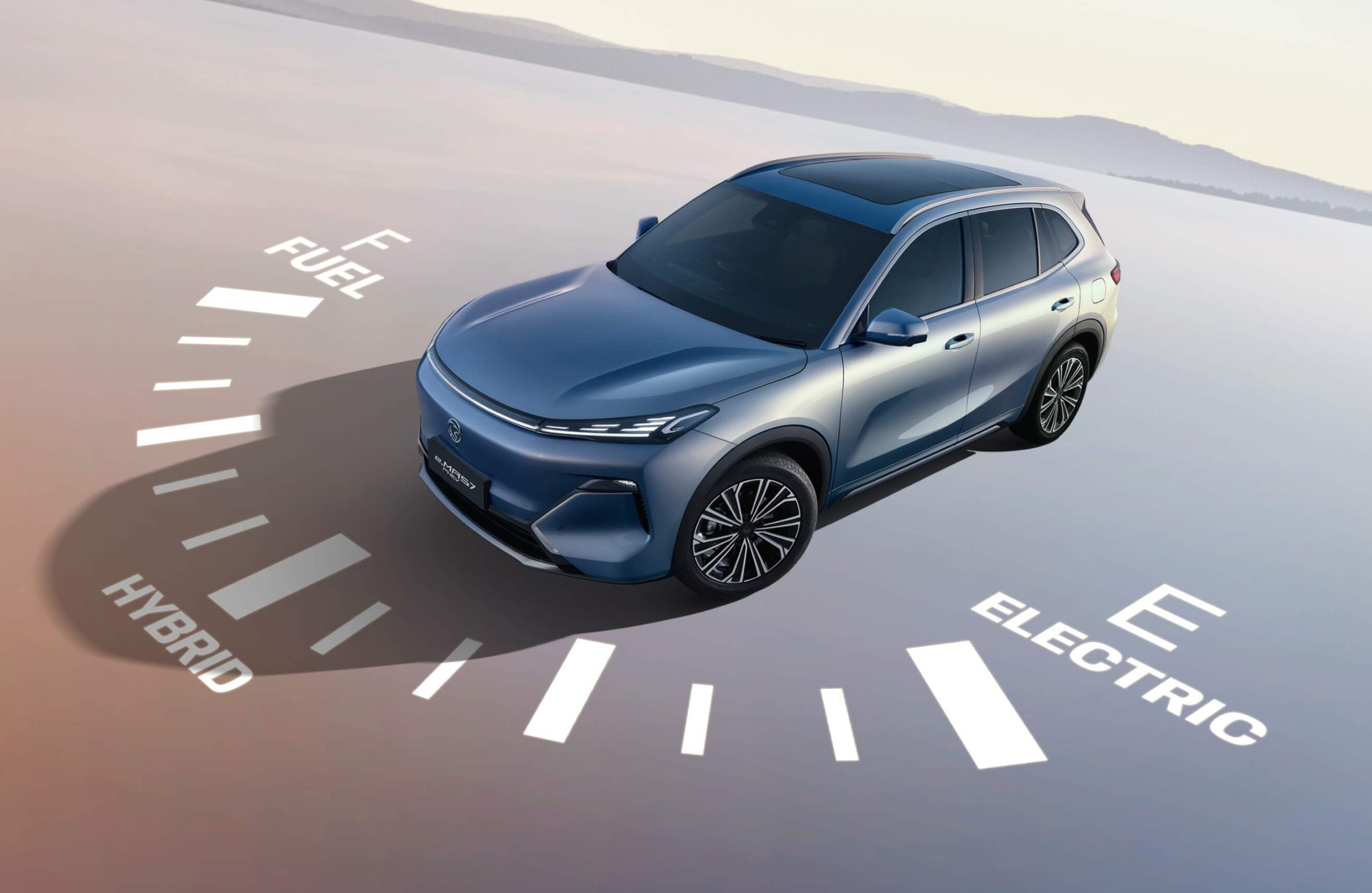
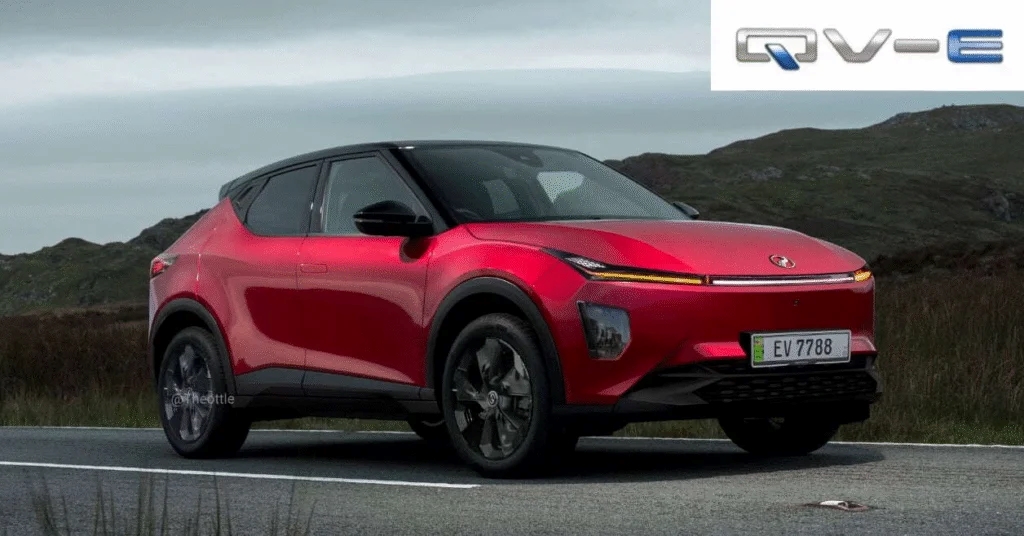
Proton has explicitly capped the starting price of its upcoming models below RM 80,000, a move that inevitably draws comparisons with Perodua’s first electric vehicle, the QV-E.
The QV-E enters the market with a price tag of RM 80,000 (excluding the battery subscription fee), aiming to capture the budget electric vehicle market but has faced criticism from the market.
With 201 hp, a 445 km NEDC range, and a battery subscription service, the Perodua QV-E targets consumers in the early stages of the EV transition. However, by positioning its hybrid models within the same price bracket, Proton is creating direct competition by leveraging a different technological pathway.
It is noteworthy that the core competitiveness of the AMA platform lies not only in its chassis architecture but also in the upgraded electronic and electrical (E&E) architecture, which features the ACO Tech intelligent cockpit system, optimised for the Southeast Asian market. Future models, starting from the AMA02, are expected to support advanced voice control.
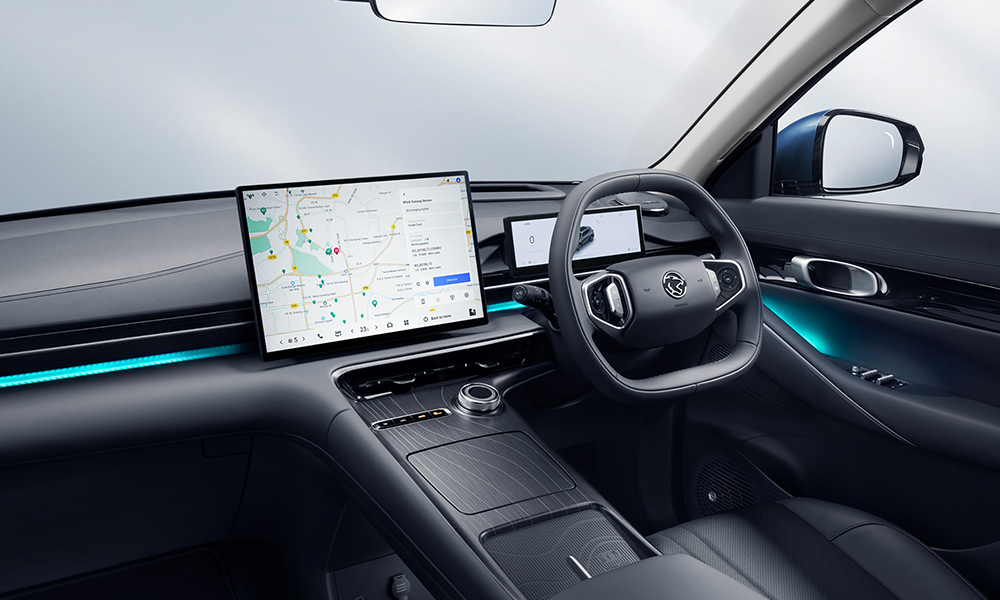
Although the Saga MC3 is only equipped with Level 1 ADAS, its platform hardware is pre-wired for a “one-camera, three-radar” sensor suite, providing the basis for future models to be upgraded to Level 2 ADAS (including ACC adaptive cruise control and LKA lane keeping). This strategy allows Proton, within the RM 80,000 price range, to counter Perodua’s QV-E electrification push with its hybrid models while also gaining an edge with more advanced intelligent features.
With the full implementation of the AMA platform, the official announcement has confirmed that the Persona will be discontinued within 2026. To fill the resulting gap in the B-segment sedan market, Proton plans to introduce an S70 1.5L NA variant. Positioned as an entry-level B-segment vehicle, it will supplement the product matrix and form a coordinated layout alongside the AMA platform models.
If any infringement occurs, please contact us for deletion









Popular Cars
Model Year
Car Compare
Car Photo