
Proton Saga orders exceed 30,000 units, how will Perodua Bezza respond?
 Kevin WongDec 09, 2025, 02:01 PM
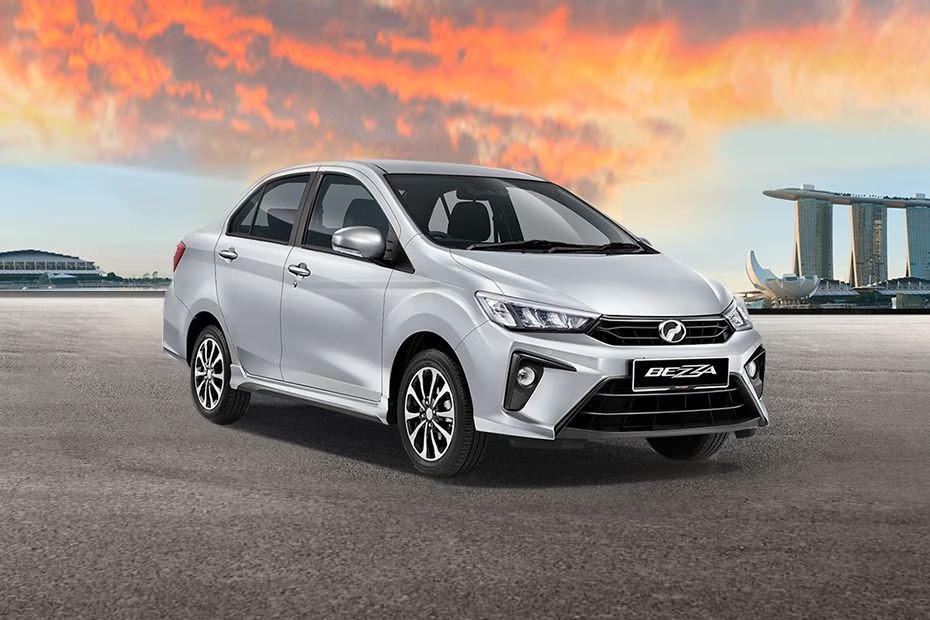
[PCauto] The new-generation Saga, with its more modern appearance, upgraded interior, and higher configuration, received 30,000 orders in a short period after its launch. Against this backdrop, consumers have naturally turned their attention to Perodua.
Perodua, a manufacturer long dominant in compact sedan sales, is now under industry scrutiny regarding a potential Bezza facelift to address rising competition.
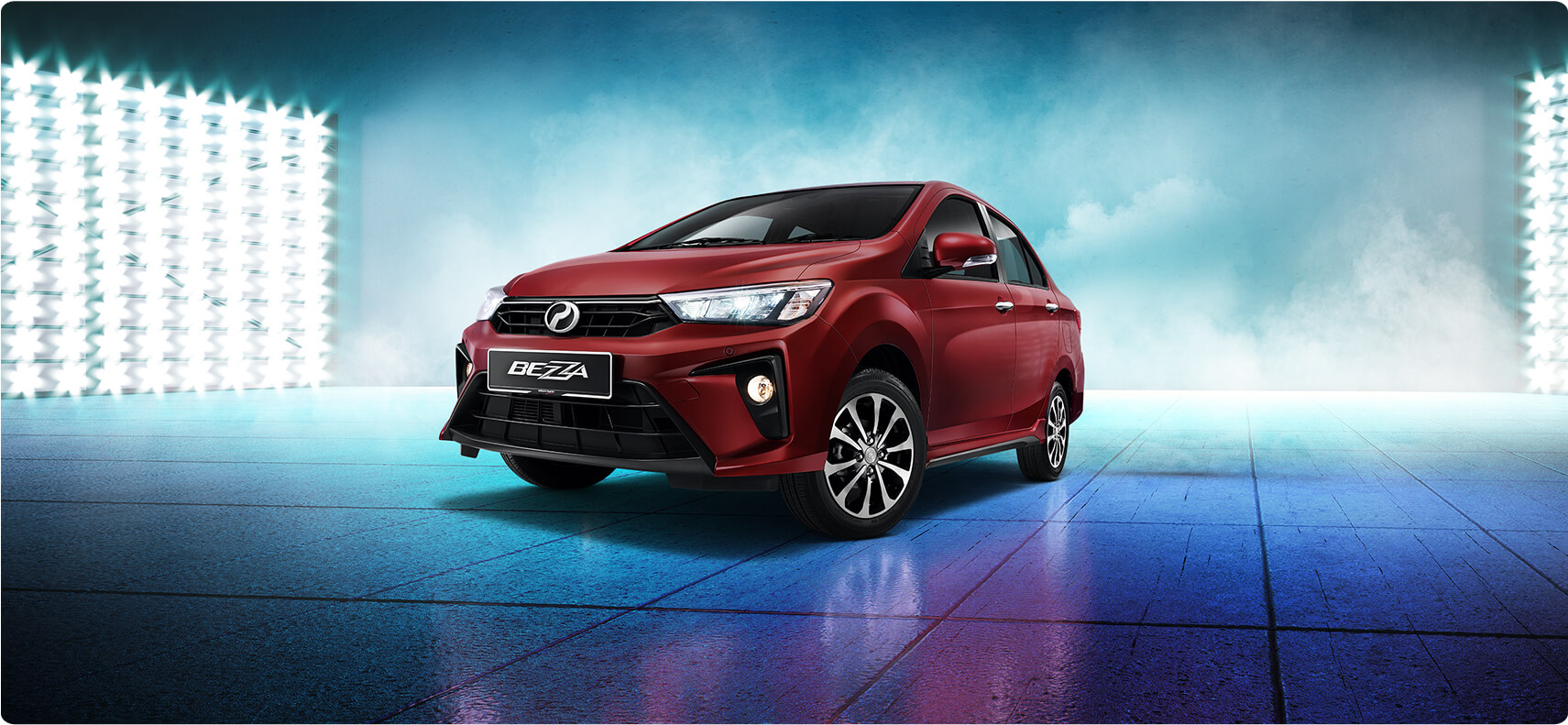
Differences Between the Proton Saga and Perodua Bezza
In Malaysia, Proton Saga and Perodua Bezza have always played an important role as "national sedans" (entry-level sedan / affordable sedan) for many years. However, the two models differ significantly in market positioning and target audiences. It is precisely these differences that give each of them their competitive advantages and determine their core value propositions.
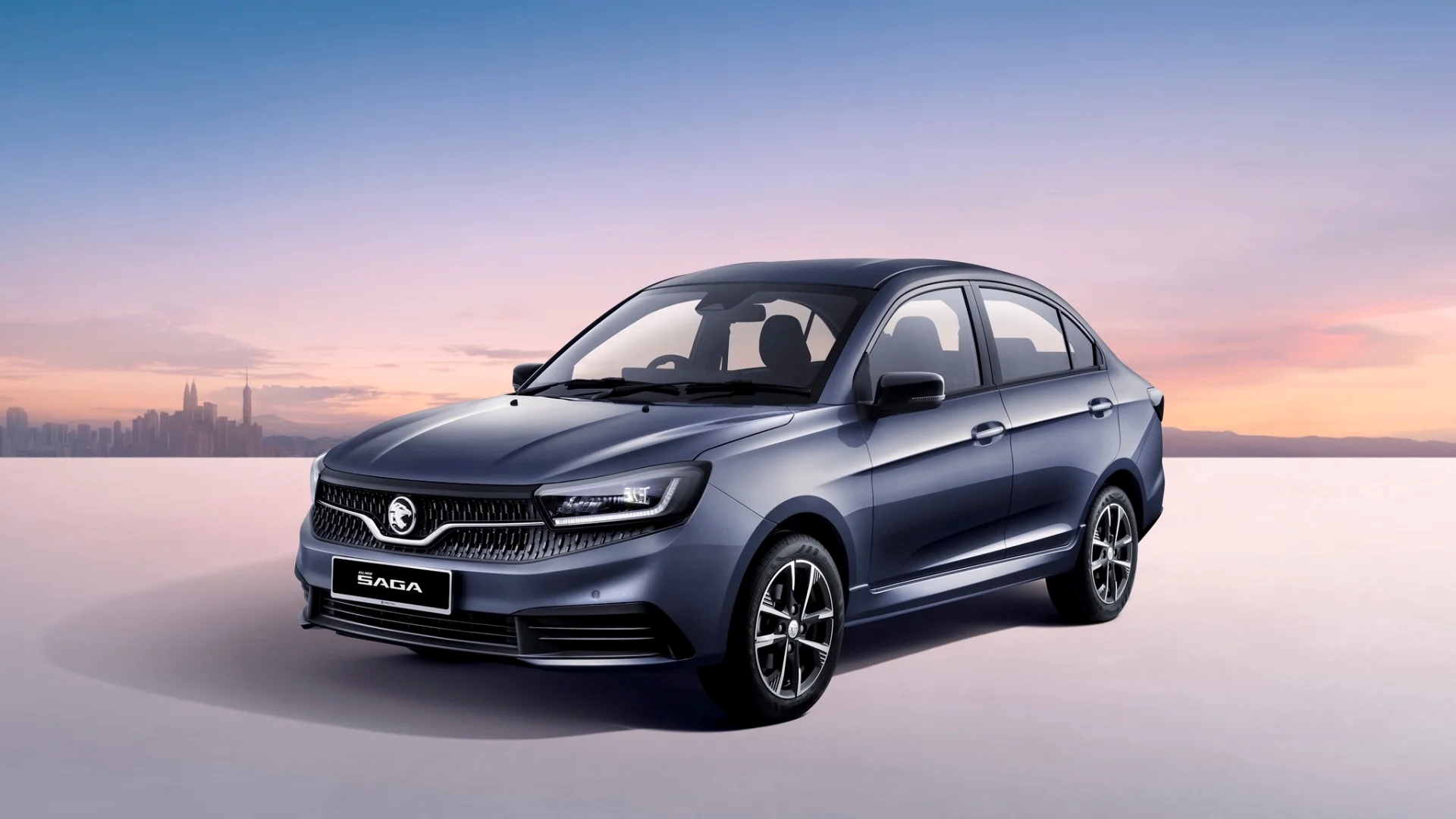
The new Saga focuses on stronger power and a more balanced driving experience
Departing from the traditional commuter car mold, the new Saga distinguishes itself with a larger displacement and higher power output. This focus, coupled with an engine and mechanical setup finely tuned for driving comfort, makes it an attractive proposition for buyers seeking both reasonable pricing and confident performance.

Beyond its powertrain, the Saga also receives continuous upgrades to its interior, features, and overall driving experience. This positions it away from traditional entry-level cars and towards a value proposition emphasizing high cost-effectiveness and a more comprehensive package. Consequently, the Saga is not merely a commuter sedan but also an ideal choice for buyers with slightly higher expectations for comfort and features.
Bezza is the representative of economy, low cost, and practicality
The Perodua Bezza has long been renowned for its "economy, low fuel consumption, and low maintenance costs." It is the top choice for many Malaysian families, first-time car buyers, budget-conscious users, and e-hailing/grab/ride-share drivers.
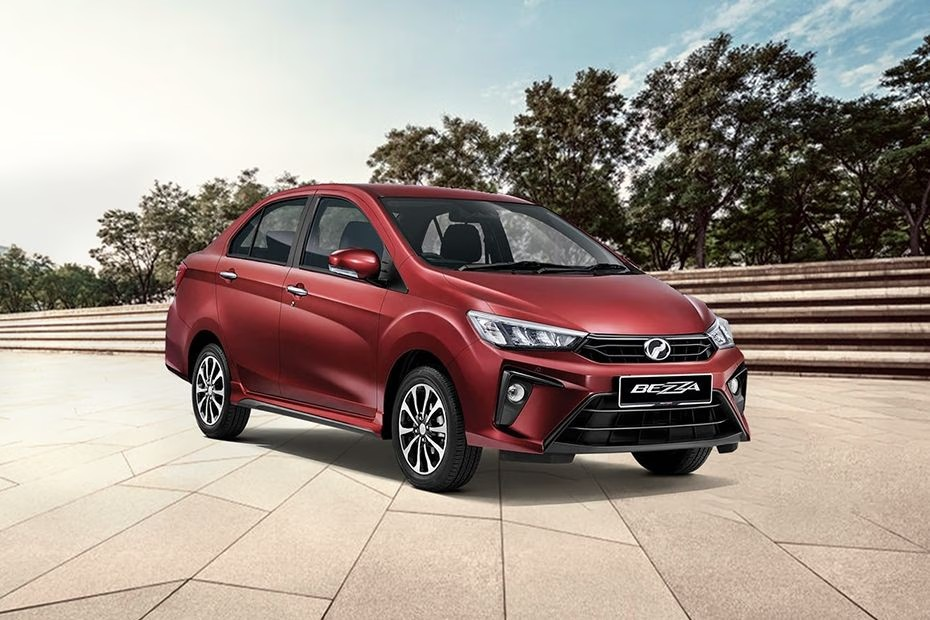
According to 2025 registration and sales data, the Bezza firmly remains at the top of the sales rankings.
For many users, buying a car is not just about affordability but also about economic usage and low maintenance costs afterward.
With its strong fuel economy, low repair and maintenance costs, and overall low cost of ownership, the Bezza cements its appeal to buyers prioritizing economy at purchase and in daily use. This consistent, no-frills positioning underpins its durable market appeal and strong sales performance.
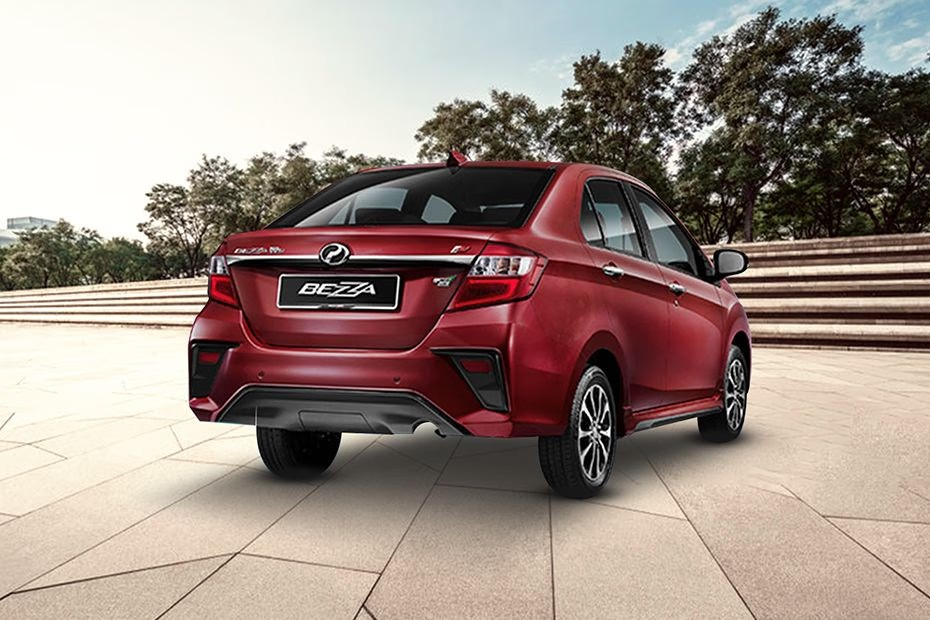
Driving Experience of the New Saga and Bezza
In terms of powertrain, the all-new Proton Saga and Perodua Bezza continue to reflect the contrast between performance-oriented and fuel efficiency-oriented designs. However, this generation of the Saga sees a larger upgrade, making the driving experience difference between the two models even more apparent.
The Saga's 1.5L Engine Delivers Noticeably Stronger Power
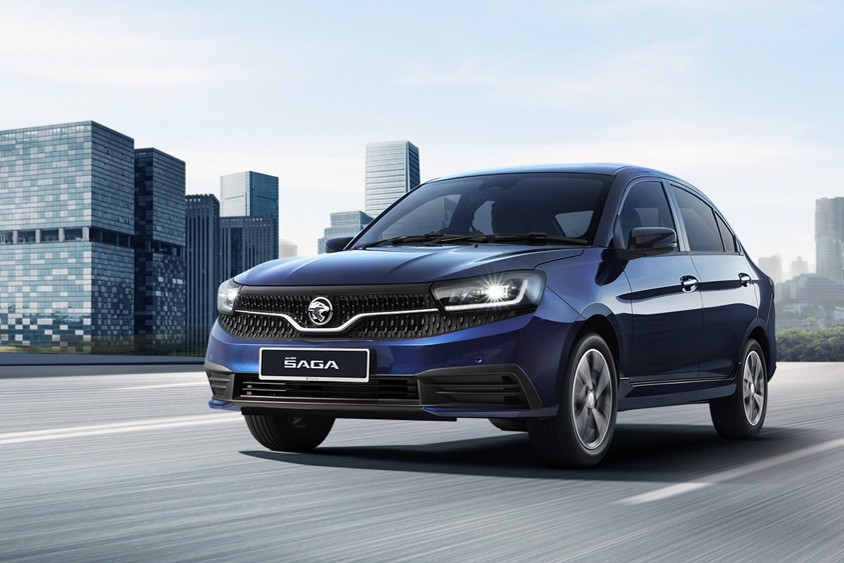
One of the most significant changes in the new Saga is the introduction of a 1.5L four-cylinder naturally aspirated engine, delivering an output of 120 PS and 150 N·m. This is an impressive level among entry-level sedans.
For daily driving, such power provides smoother starts, easier acceleration, and a more effortless experience during highway cruising.
Even when fully loaded (with 4–5 passengers and luggage), the Saga maintains smooth acceleration without requiring excessive throttle input. When dealing with uphill roads or climbing elevated highways, the torque output from the 1.5L engine makes it easier to maintain speed, reducing gear shift hesitation. During high-speed overtaking, the Saga offers more solid acceleration performance, making the transition from 80 km/h to 110 km/h quicker and more stable.
The Bezza's Power is Weaker But Its Lightweight Body Excels in Fuel Efficiency and Agility
In contrast, the Perodua Bezza's power setup is more conservative, and its 1.3L engine output is noticeably weaker than that of the new Saga.
However, due to the lighter body of the Bezza and the transmission tuned for fuel efficiency, it still exhibits good agility in urban driving.
For typical low-speed city driving, the Bezza's power proves adequate, particularly with a light load. The resulting acceleration feels nimble and effortless, making it well-suited to urban commutes.
Under greater demand, however, the Bezza's limitations become more evident — particularly when fully loaded, as acceleration noticeably tapers off. On inclines, the engine noise intensifies, necessitating a deeper throttle application. Similarly, during highway overtaking, drivers must plan well ahead due to a perceptible lack of power reserve.
The Bezza's advantage, however, is clear: its lightweight structure allows it to lead its class in fuel efficiency, making long-term usage costs very low. This is also the main reason why it is a top choice for many high-mileage e-hailing drivers.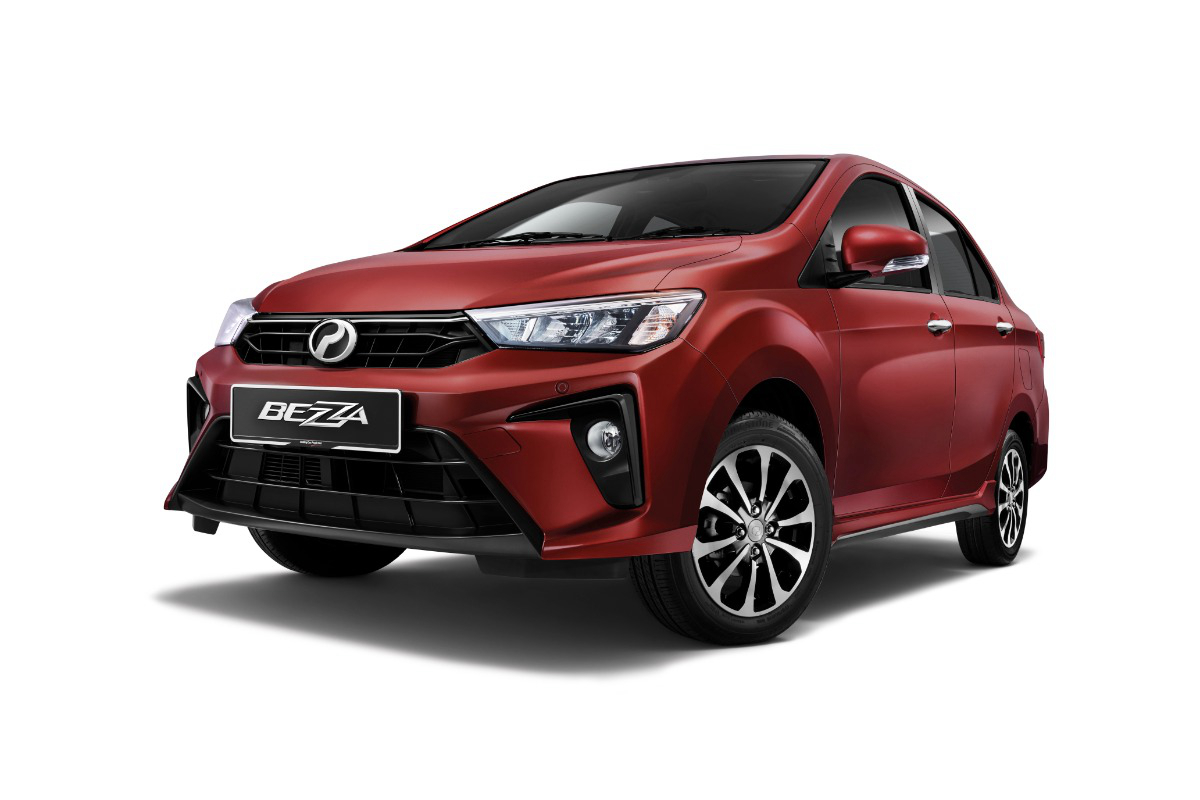
The Technological Evolution of the New Saga Compared to the Pragmatism of Bezza
In the latest facelift, the all-new Proton Saga has clearly emphasized the enhancement of its technological appeal and everyday convenience.
Whether in exterior lighting or interior systems, the Saga aligns more closely with current mainstream standards for compact sedans compared to the previous generation, such as more refined LED projector headlights, a more streamlined multimedia system, and the highly sought-after Apple CarPlay / Android Auto support.
These configurations may seem simple, but they precisely meet the needs of young users: reliable navigation, seamless phone connectivity, and an overall more modern user experience.
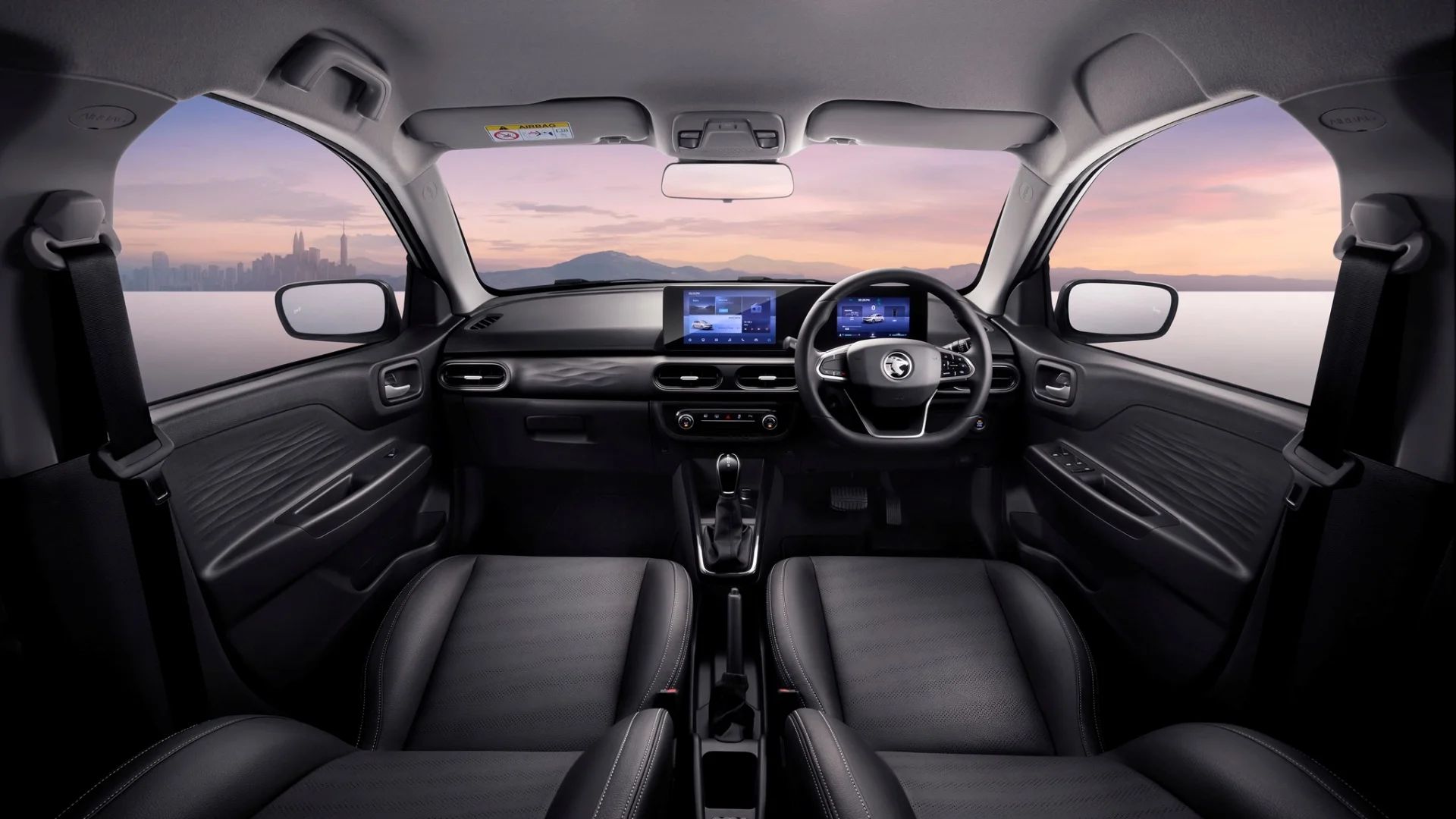
In contrast, the Perodua Bezza's configuration philosophy is highly practical. Its equipment is not usually considered luxurious but is absolutely sufficient for daily use. Bezza focuses more on cost control and ease of maintenance, so its lighting, infotainment systems, and convenience features are more traditional.
However, Perodua has mastered the art of optimizing space and user experience. Thus, despite its lack of advanced tech features, the Bezza remains compelling by excelling in the fundamentals: outstanding fuel efficiency, proven reliability, and straightforward maintenance.

In terms of safety, the differences between the two models further reflect their respective brand strategies.
While the new Saga maintains standard safety specifications — including stability control (ESC), a basic airbag complement, and common active safety features — it has not yet widely adopted AEB (Automatic Emergency Braking).
On the other hand, the Bezza continues Perodua's strong safety focus. Its high-spec models come equipped with A.S.A. (Advanced Safety Assist), a suite that includes AEB, forward collision warning, and low-speed emergency braking, and it boasts commendable ASEAN NCAP test results.
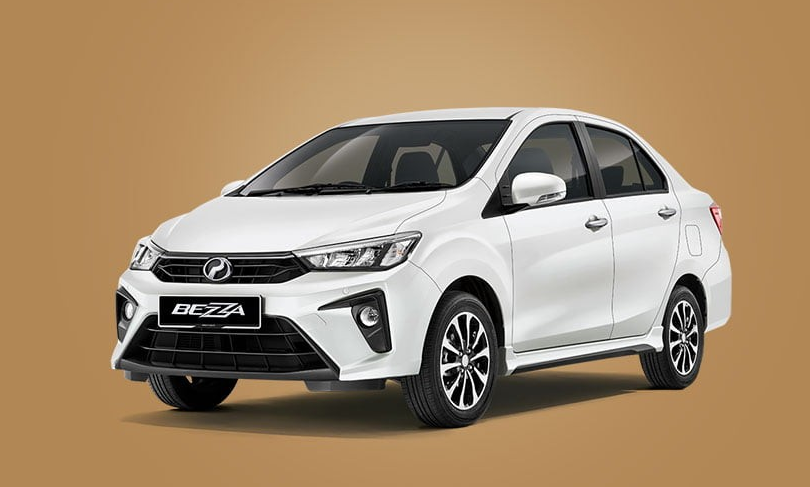
Will the Bezza undergo a major facelift to compete with the new Saga?
With the latest generation of the Saga offering significant upgrades in appearance, powertrain, and technology features, its price remains in the range of approximately RM 38,900-RM 44,990, making it stand out due to its more compelling value for money among similarly priced products.
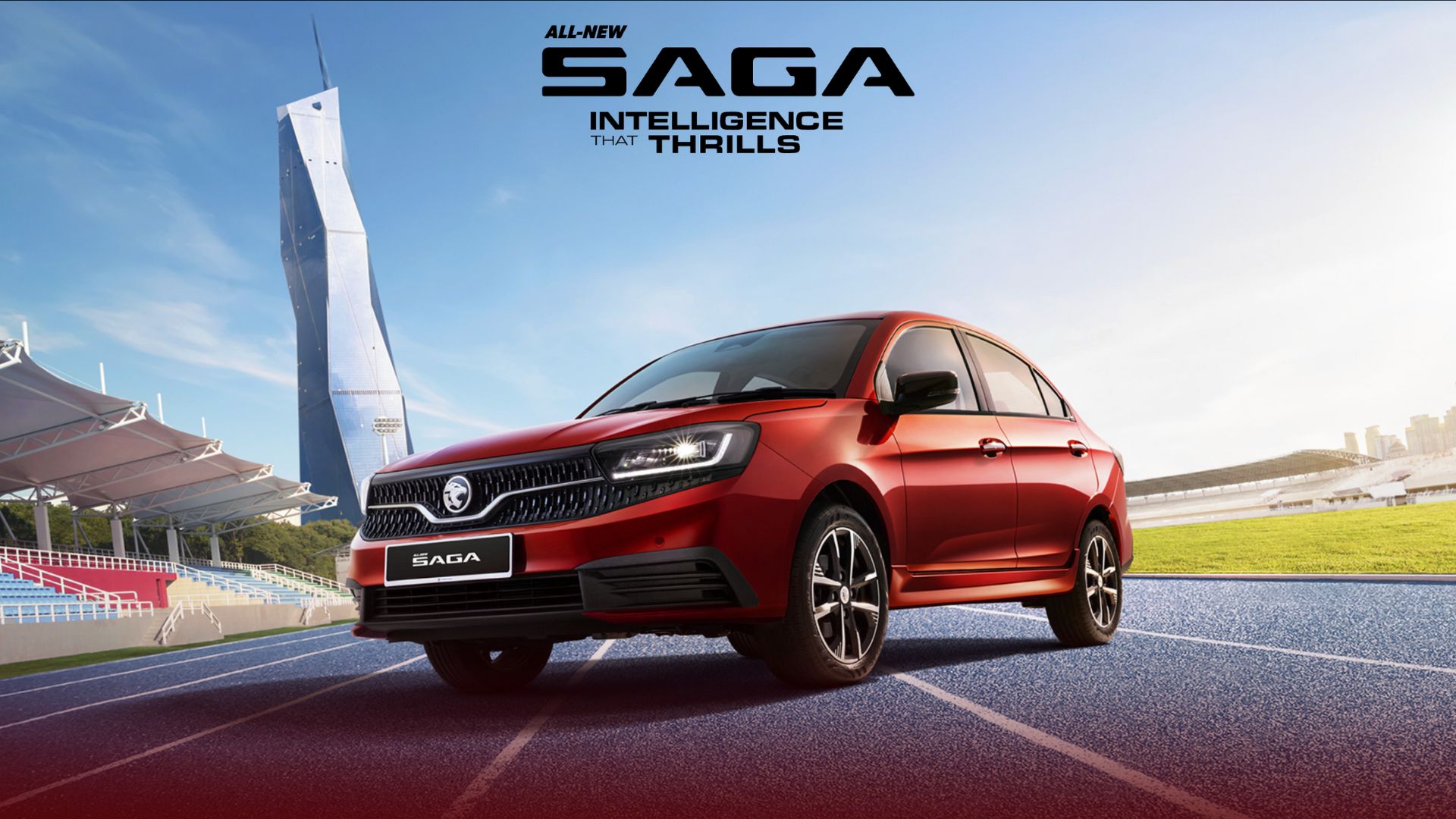
The new Saga has gained noticeable traction, and at the same time, industry attention has quickly shifted to whether Perodua Bezza will undergo a facelift or a new-generation update.
Given that the Bezza is in the later phase of its product lifecycle, an update has become imperative. While its sales momentum persists, the model clearly requires modernization to effectively counter the significant advancements presented by the new Saga.
In the past, Perodua has consistently launched minor facelifts or technology upgrades in response to intensified market competition. Consequently, there is widespread public belief that the Bezza is highly likely to receive updates, whether these involve minor adjustments to the powertrain, upgrades to the A.S.A. safety suite, enhancements to in-car technology, or a more comprehensive update to its exterior and interior design.
If any infringement occurs, please contact us for deletion




Popular Cars
Model Year
Car Compare
Car Photo