
Proton X50 meets its true competitor? A comprehensive comparison with Chery Omoda 5
 AshleyDec 24, 2025, 10:59 AM
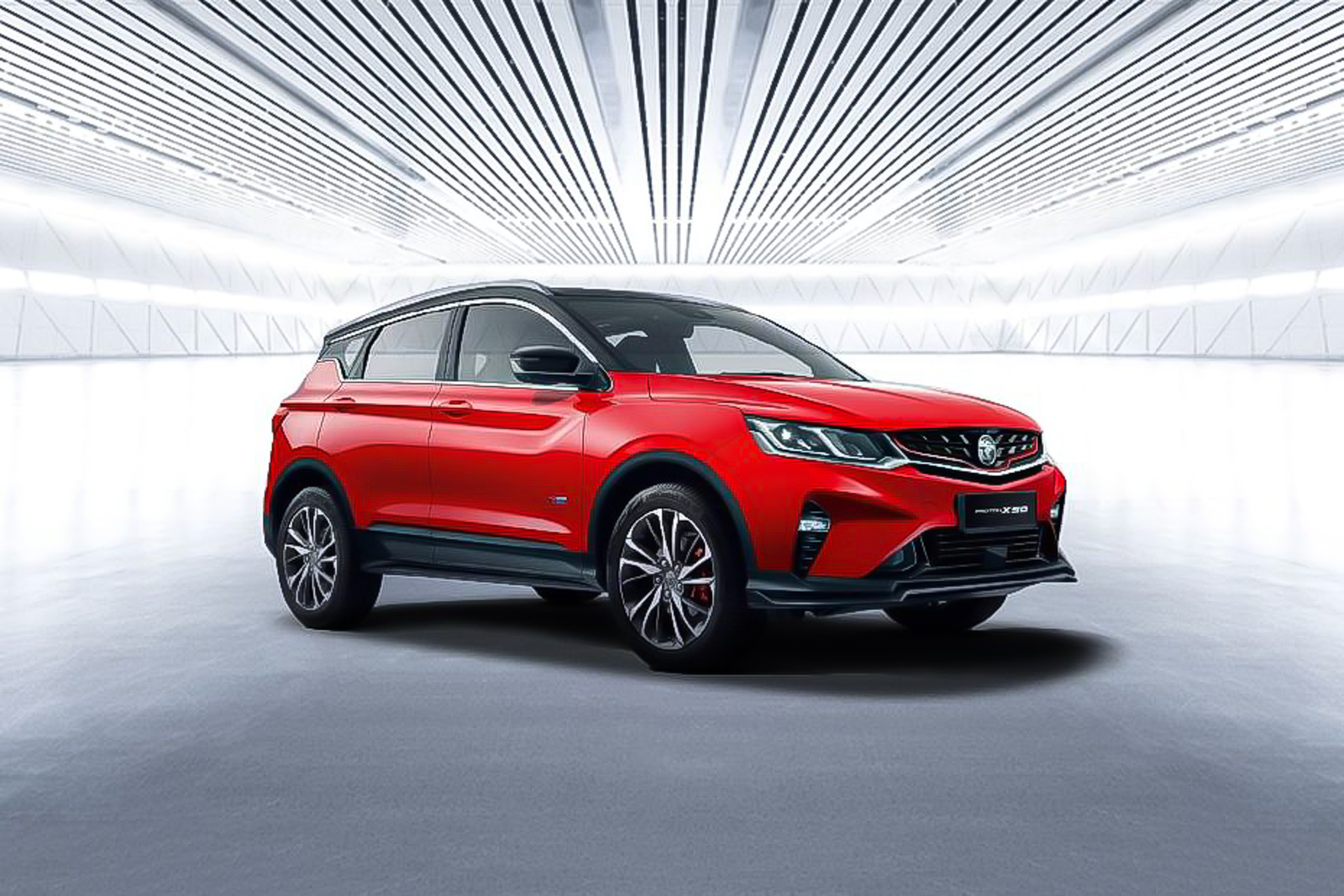
【PCauto】Since its launch, the Proton X50, backed by Geely's technology, has long maintained the top position in B-SUV sales. According to the latest market statistics, in the first three quarters of 2025, the Proton X50 retained its position at the top of the B-SUV rankings with cumulative sales of 21,154 units, achieving a year-on-year growth of 24.4%.
However, Chery, a brand that returned to the Malaysian market less than two years ago, has shown remarkable growth momentum.
Within just the first five months of 2024, the Omoda 5 achieved 5,800 registered units. By 2025, Chery's overall market share had risen to around 5th place nationwide, with sales growth at one point exceeding 130%.
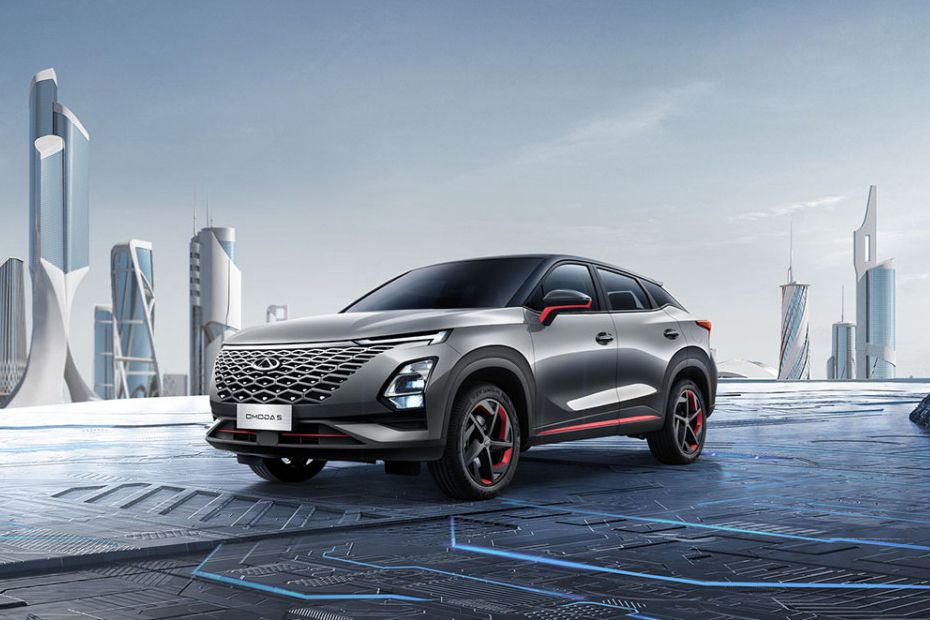
This growth evidently challenges the Proton X50's market dominance. Consequently, many consumers are now weighing their options: should they choose the Proton X50 or the Chery Omoda 5?
Comparison of Exterior Design Between Proton X50 and Chery Omoda 5
The Proton X50 and Chery Omoda 5 take two completely different design approaches in terms of visual language.
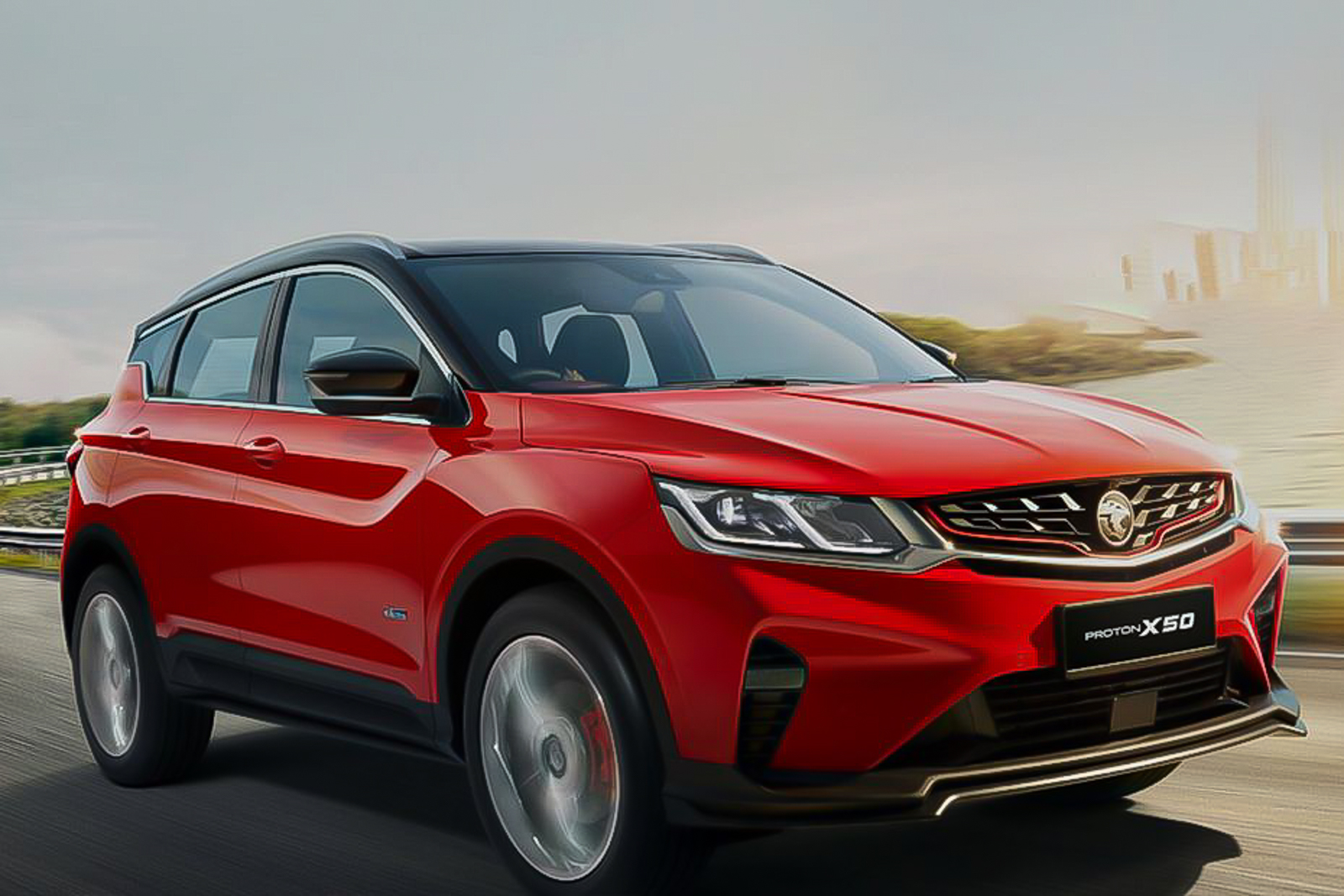
The X50 adheres to classic SUV proportions, with sharp lines and a robust, firm appearance, giving an overall impression of solidity and reliability.
The biggest advantage of this design is that it is easily accepted by most people. Whether you're a young person just stepping into society or part of a middle-aged group with a family and career, the exterior of the X50 will not appear out of place.
It is a timeless design that ensures you won't grow tired of it due to outdated aesthetics over the next five to eight years. It's the kind of evergreen design that won't ever be considered ugly.
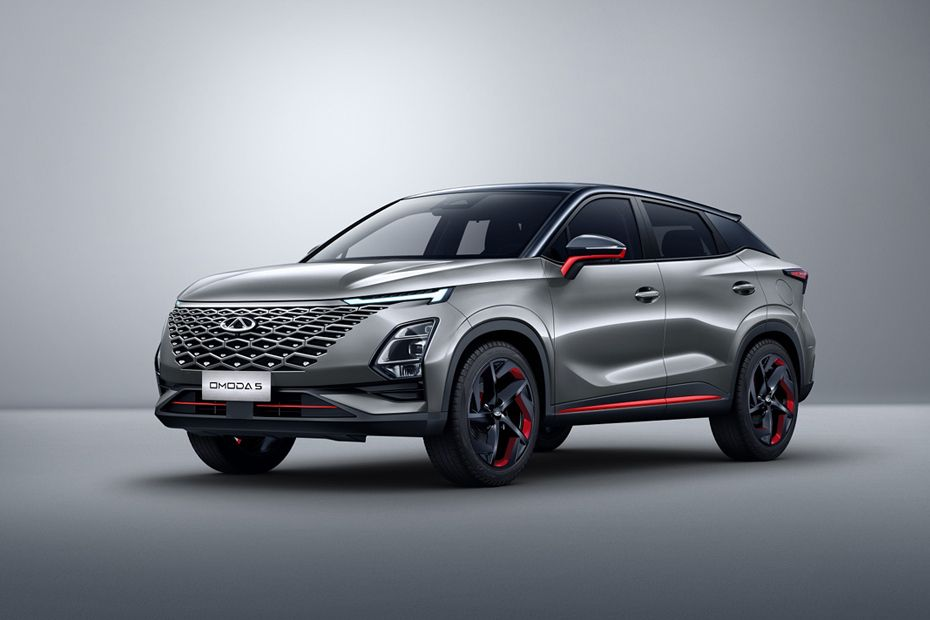
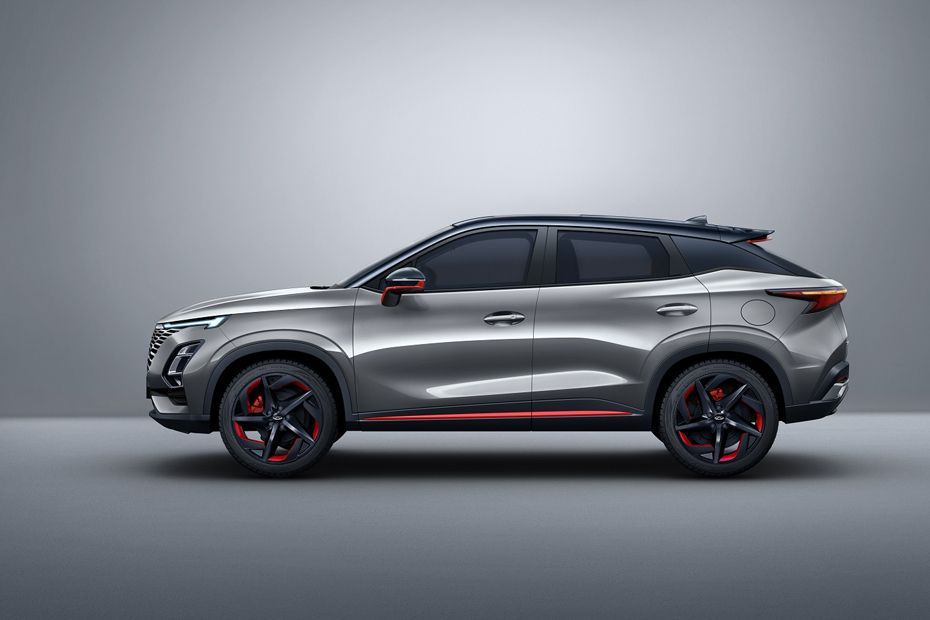
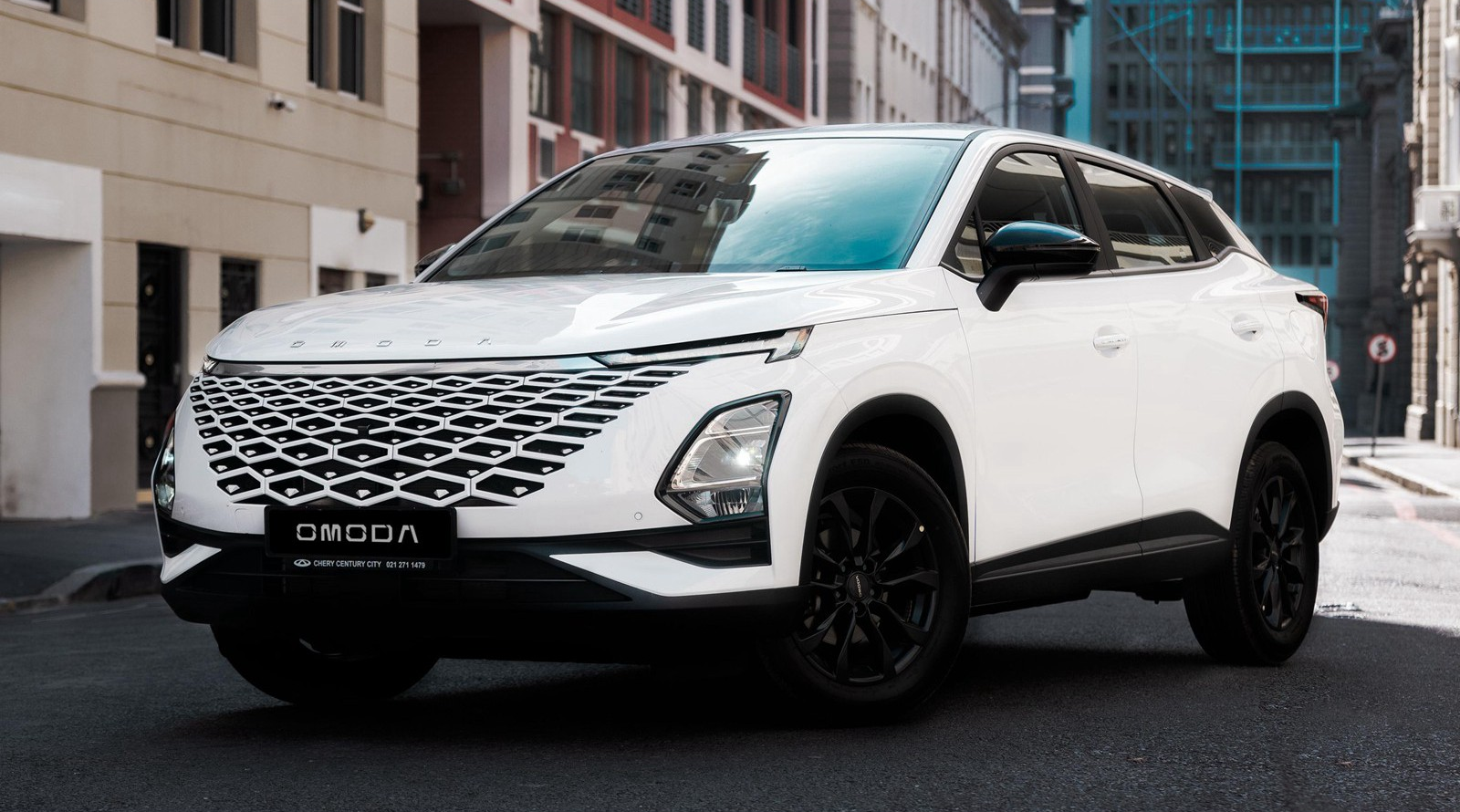
In contrast, the Chery Omoda 5 adopts a futuristic, radical design. It completely abandons the traditional grille layout of cars, adopting a large area of boundaryless matrix grille, paired with a highly recognizable split T-shaped daytime running light, giving it an extremely high level of recognition in traffic.
The most striking feature is its sharply sloping coupe-style roofline (Coupé SUV style). While this design imparts the vehicle with a strong sense of power and dynamic tension, it also leads to polarized aesthetic evaluations.
Those who like it would consider it a pioneering trendsetter of its time, but conservative consumers might feel its visual focus is too exaggerated, or even a bit overdone.
In terms of exterior dimensions, the Omoda 5 holds a marginal advantage. Although the Omoda 5 is approximately 70mm longer, 30mm wider, and has a 30mm longer wheelbase, these numbers do not entirely translate into a clear advantage in perceived interior space.
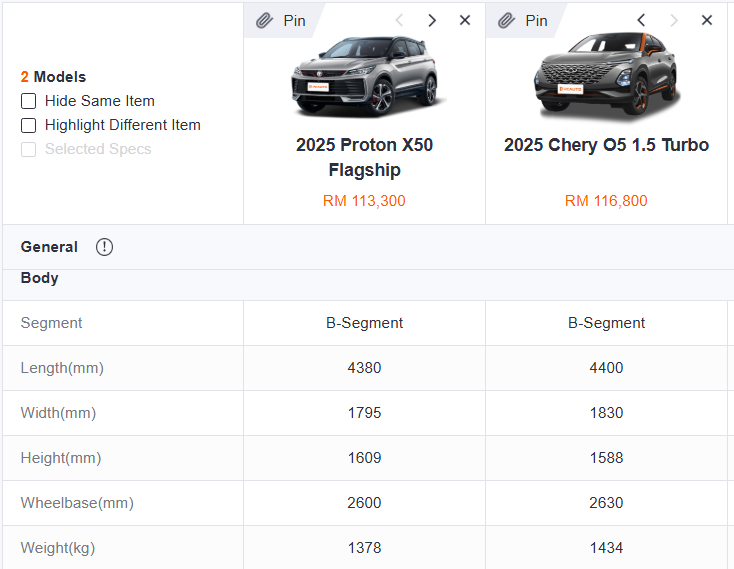
Because the Omoda 5 pursues a low and sporty stance, it is noticeably lower than the X50's 1,609mm. This difference of about 2 centimeters in height, combined with the fastback design, makes the Omoda 5 visually appear wider and lower, but in terms of actual internal vertical space, it feels more cramped.
Interior Comparison of Proton X50 and Chery Omoda 5
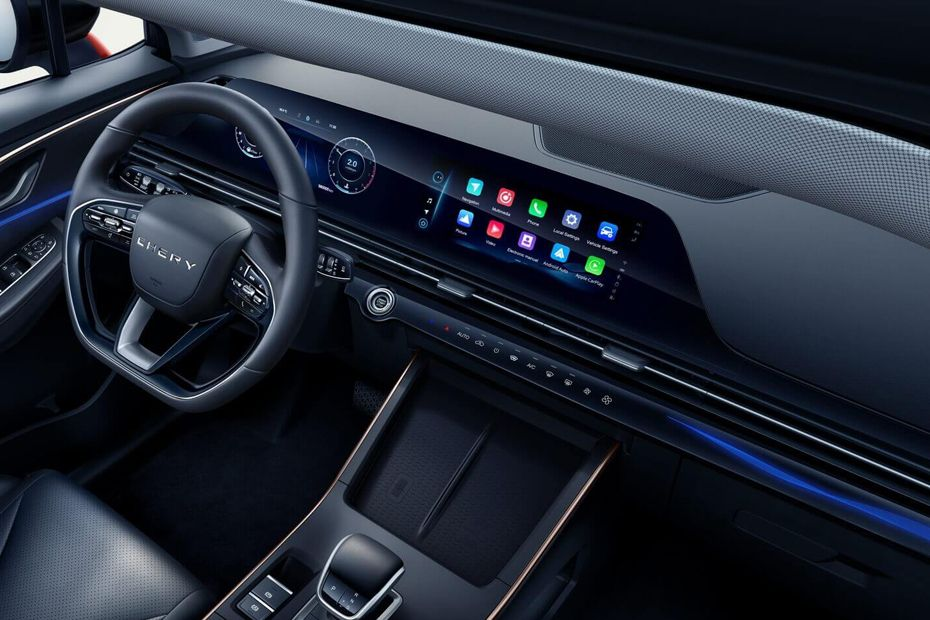
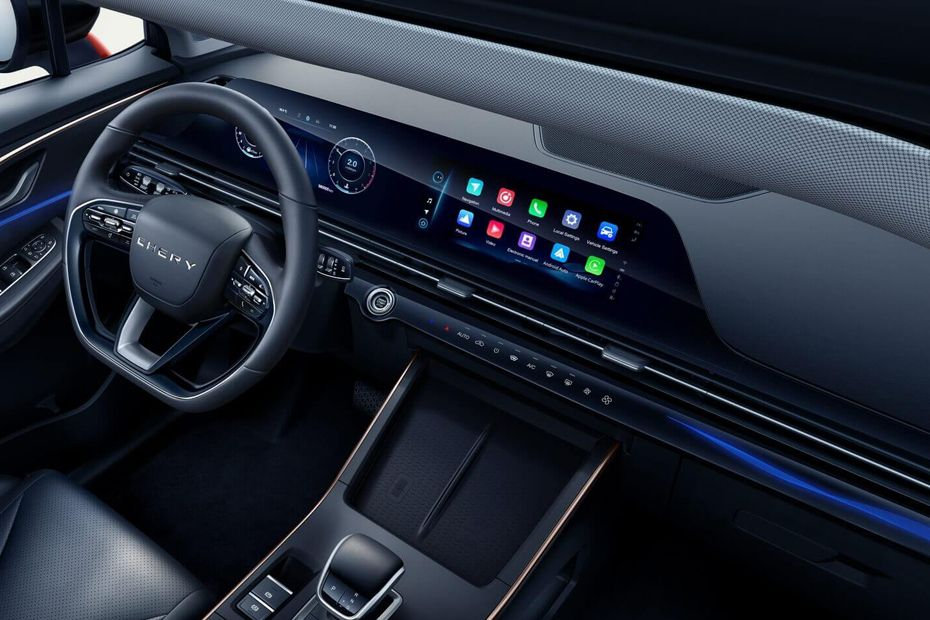
While the Omoda 5 does not excel in interior space, its cabin features and configuration hold a clear advantage. Upon entering the Omoda 5's cabin, one is immediately drawn to the dual-connected screens. The design that spans the center console, paired with minimal physical buttons, creates a sense of technology far beyond vehicles in the same price range.
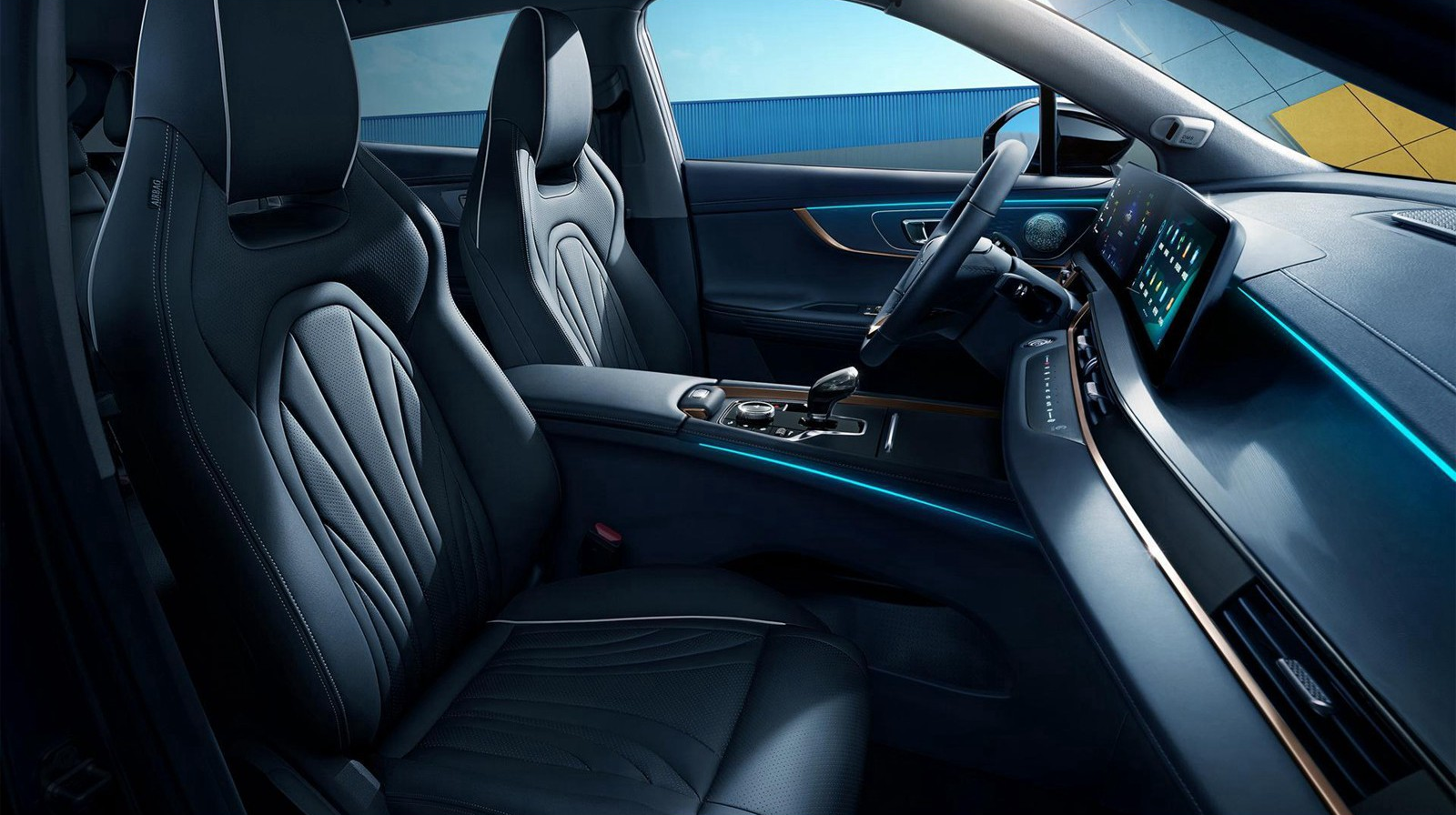
Additionally, with multi-color ambient lighting and integrated sports seats, the Omoda 5 has very strong "first impression appeal" in the showroom, instantly attracting young buyers who pursue trends and desire a lifestyle surrounded by a sense of technology.
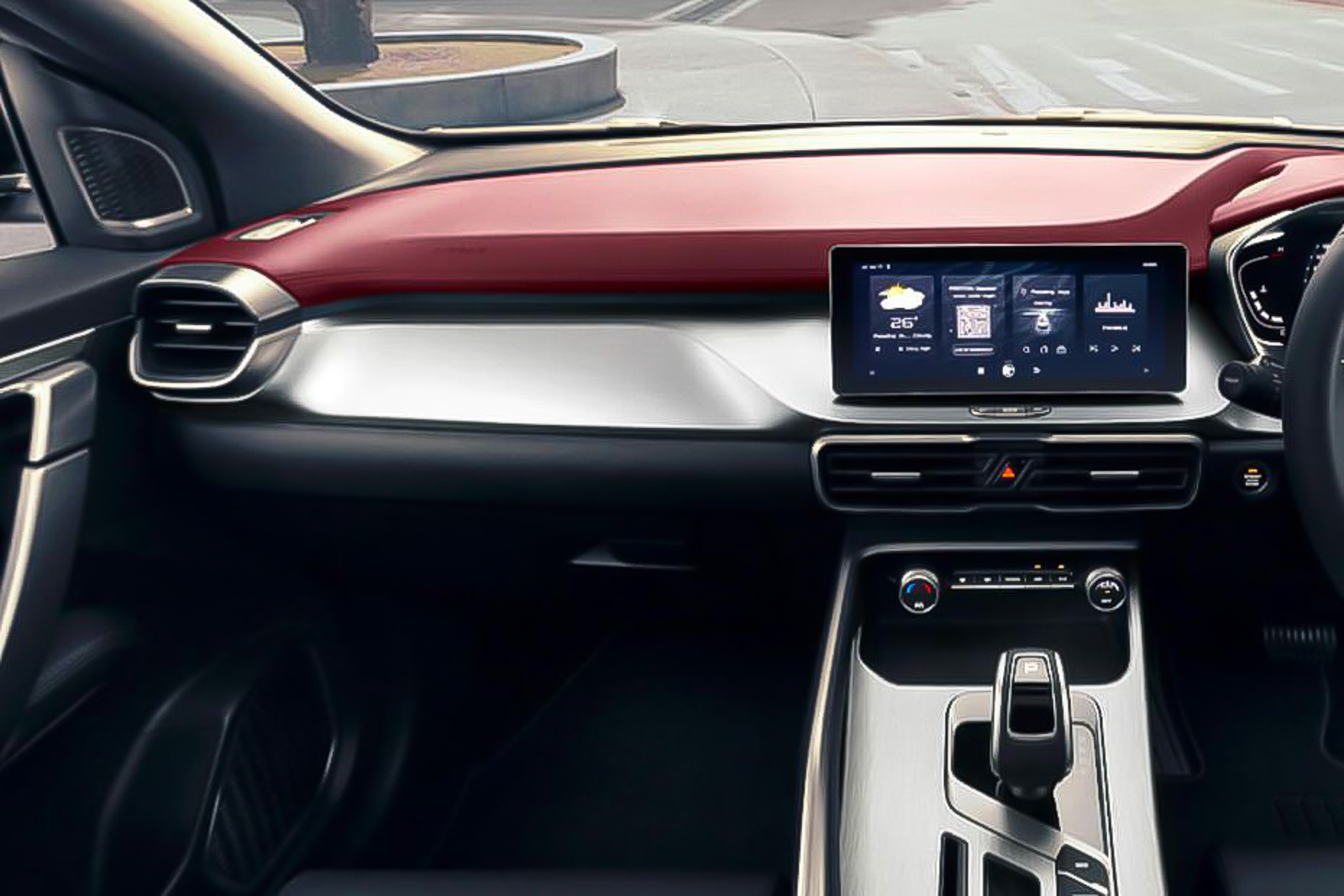
In contrast, the interior of the Proton X50 appears more traditional and mature. Although it lacks an exaggerated dual screen, thanks to the red and black contrasting materials and brushed metallic trim, it still maintains a good sense of refinement.
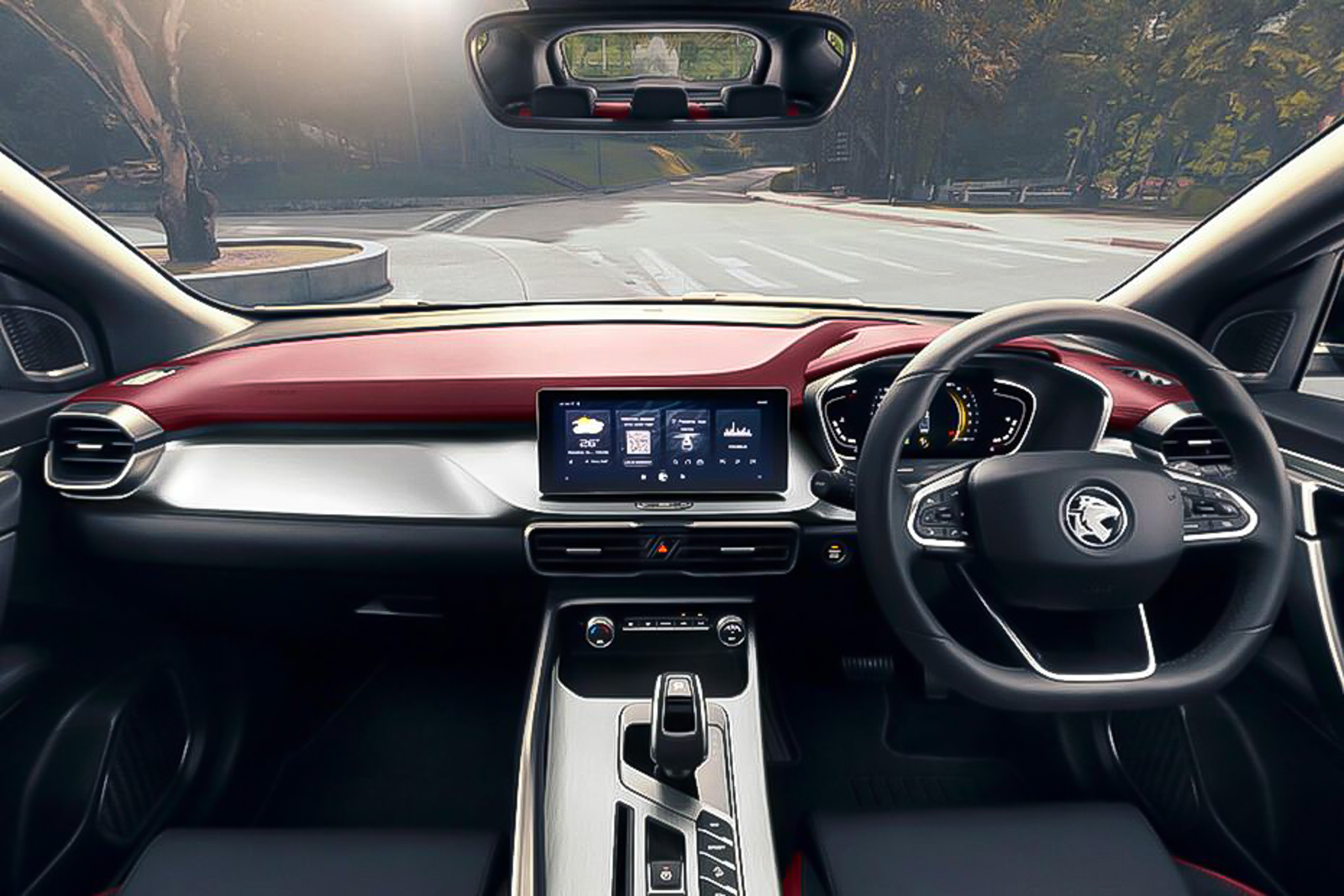
The X50's interior design follows a clear, driver-centered logic, retaining essential physical air conditioning knobs and shortcut buttons.
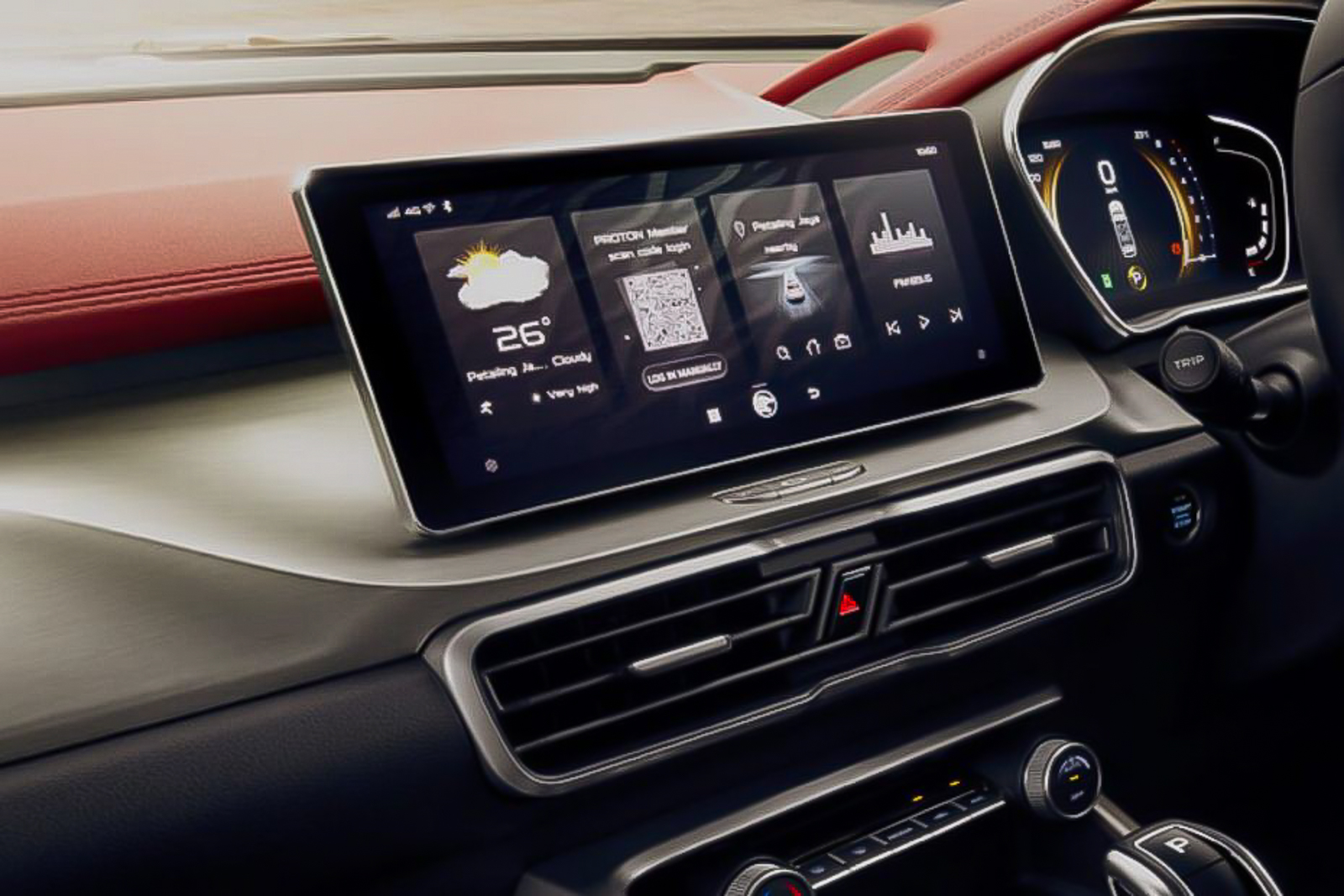
While this design may not appear as striking as the Omoda 5's in photographs, during actual driving, the driver can operate by muscle memory without having to search through layers of screen menus for functions.
Configuration Comparison Between Proton X50 and Chery Omoda 5
The Omoda 5 comes with a comprehensive list of features. It offers rare features for this class like ventilated seats; during long drives, it comes with an 8-speaker Sony audio system to enhance sensory enjoyment.
These tangible features give the Omoda 5 an edge in terms of cost-performance.
The interior layout of the X50 adopts a large amount of brushed metal trim and soft-touch plastic materials. The retention of physical air conditioning control buttons ensures that drivers do not need to look away to navigate screen menus while driving, which is particularly advantageous under complex road conditions.
The X50's UI interface may not be as visually striking as the Omoda 5's, but its system responds swiftly, supported by iterations based on feedback from tens of thousands of users, ensuring stability and smooth functionality over time.
In terms of Advanced Driver Assistance Systems (ADAS), the Omoda 5 is nearly fully equipped, offering 16 auxiliary functions, including Rear Collision Warning (RCW) and Door Open Warning (DOW).
However, the ADAS advantage of the X50 lies in its fine-tuned calibration. Proton engineers conducted tens of thousands of kilometers of local optimization to adapt to common Malaysian scenarios, such as frequent close-range motorcycle weaving and irregular lane markings.
Its Adaptive Cruise Control (ACC) acceleration and deceleration logic is very close to the linearity of human drivers, avoiding abrupt jerks and offering a sense of sophistication developed from local data.
Differences in power performance between Proton X50 and Chery Omoda 5
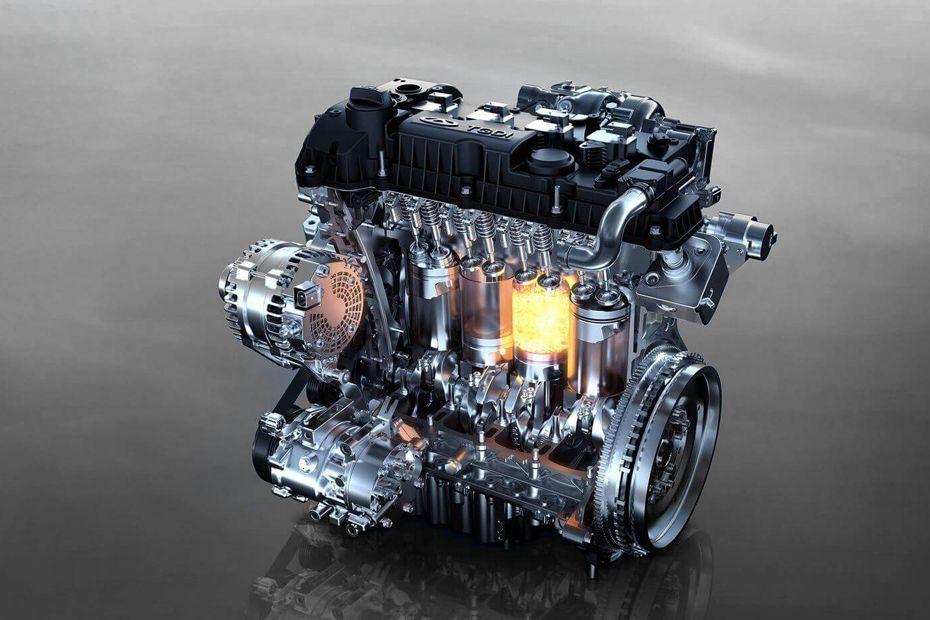
The updated Proton X50 is equipped with a comprehensively upgraded 1.5T four-cylinder engine, significantly enhancing its competitiveness.
In recent years, although Geely's 1.5TD three-cylinder engine has excelled in performance, consumer concerns about vibration issues and long-term durability have always lingered.
The 2025 X50 (RC version) has addressed the slight vibration at idle by switching to a four-cylinder layout, completely alleviating the psychological concerns of conservative buyers.
In terms of performance, the X50 maintains a relatively aggressive approach in its class, delivering a maximum horsepower of 177PS and peak torque of 255Nm. Paired with a sporty-tuned 7-speed wet dual-clutch transmission (DCT), it offers swift downshifting and a strong sense of power delivery.
In situations requiring frequent overtaking and lane changes, the X50's responsiveness and acceleration remain benchmarks in the B-SUV segment.
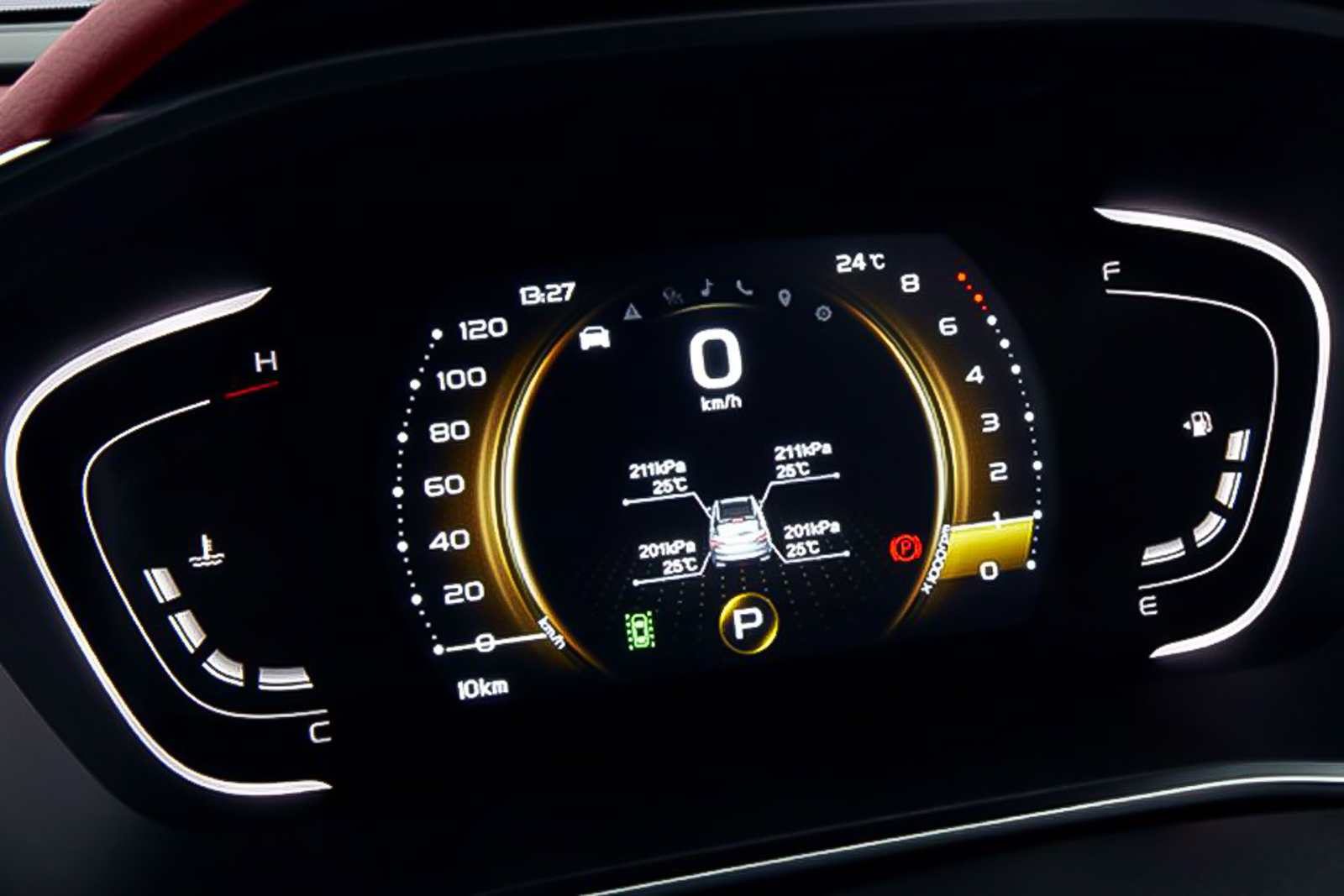
In contrast, Chery Omoda 5 takes a much gentler approach in its powertrain positioning. Although it is also equipped with a 1.5T four-cylinder engine, the Omoda 5's official specifications (156PS/230Nm) clearly indicate no intent to compete with the X50 in extreme performance.
Chery has matched it with a CVT gearbox (simulating 9-speed), which leans towards energy efficiency and smoothness. Its overall logic is very conservative, aiming to provide a silky-smooth, seamless commuting experience.
During the bustling rush hour in Kuala Lumpur, the Omoda 5 behaves like a thoughtful commuting companion, with light and seamless power transitions, avoiding the slight jerking sensation typical of a DCT.
However, if you try to seek driving excitement on mountain roads or highways, the physical characteristics of the CVT determine that its response under high load will be slightly sluggish. It is more inclined towards rhythmic linear acceleration rather than instantaneous explosive thrust.
If you have a long daily commute, frequently drive on highways, and value steering precision through corners as well as feedback on turn exit, the X50 with its return to a four-cylinder engine arguably offers the most compelling proposition in this price segment.
On the other hand, the Omoda 5 is more suitable for those who are purely urban commuters. If you are buying a car for a comfortable and smooth commute, do not have extreme demands for power, and care more about comfort and quietness during stop-and-go traffic, the power combination of the Omoda 5 is completely sufficient, even offering more delicate smoothness at low speeds.
Proton X50 vs. Chery Omoda 5: Which one offers more reassuring after-sales service?
Beyond its four-cylinder engine, the Proton X50's greatest advantage lies in its extensive service network. As a national brand, Proton has over 150 3S/4S service centers across Malaysia, making it nearly effortless to find an authorized service center or purchase original parts, whether you're in a bustling urban area or a remote small town.

However, as a challenger, the Chery Omoda 5 is clearly aware of consumer concerns, so it offers the most robust after-sales service: an extended warranty policy providing a 7-year or 150,000 km comprehensive vehicle warranty, and for the engine, a "10-year or 1,000,000 km" extended warranty option.
For buyers wary of repair costs, expensive parts, or the brand's potential market exit, this ten-year warranty commitment is highly persuasive. This policy directly mitigates concerns about the relatively sparse service network—a common challenge for new brands—and reassures buyers that long-term ownership costs are predictable, given the manufacturer's contractual commitment.
In summary, the Proton X50 continues to be a reliable and well-rounded choice in the B-SUV segment. If you prioritize cutting-edge technology, bold styling, and a long-term warranty commitment, the Chery Omoda 5 emerges as a compelling alternative.
If any infringement occurs, please contact us for deletion







Popular Cars
Model Year
Car Compare
Car Photo