
Suzuki's first pure electric vehicle, the e Vitara, starts delivery in Japan, competing with BYD ATTO 3
 JohnJan 30, 2026, 11:07 AM
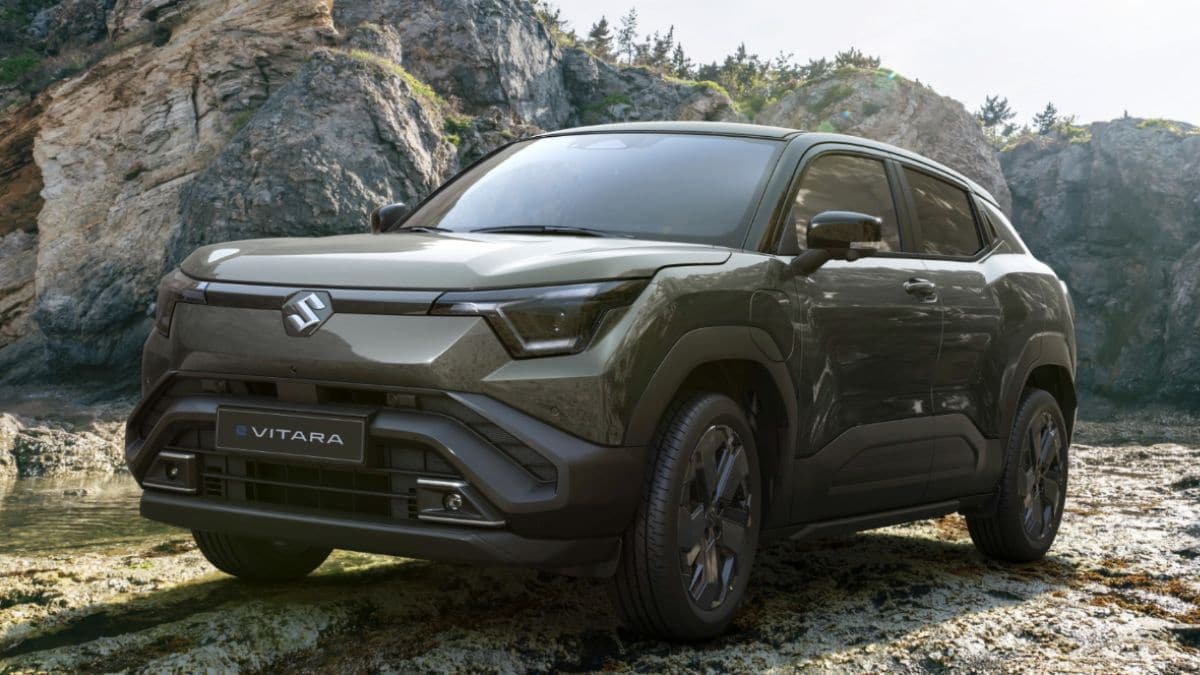
[PCauto] On 16 January 2026, Suzuki officially launched and began deliveries of its first global all-electric strategic model, the e Vitara, in Japan. Known for popular small cars like the Swift and Jimny, the brand has now made its official entry into the pure electric vehicle (EV) market.
The e Vitara is built on the new HEARTECT-e platform. The 61 kWh 2WD variant achieves a maximum WLTC range of up to 516 km, while the 4WD variant achieves 444 km. Combined with the light off-road capability afforded by its ALLGRIP-e electronic all-wheel-drive system, the e Vitara upholds Suzuki’s traditional strengths.
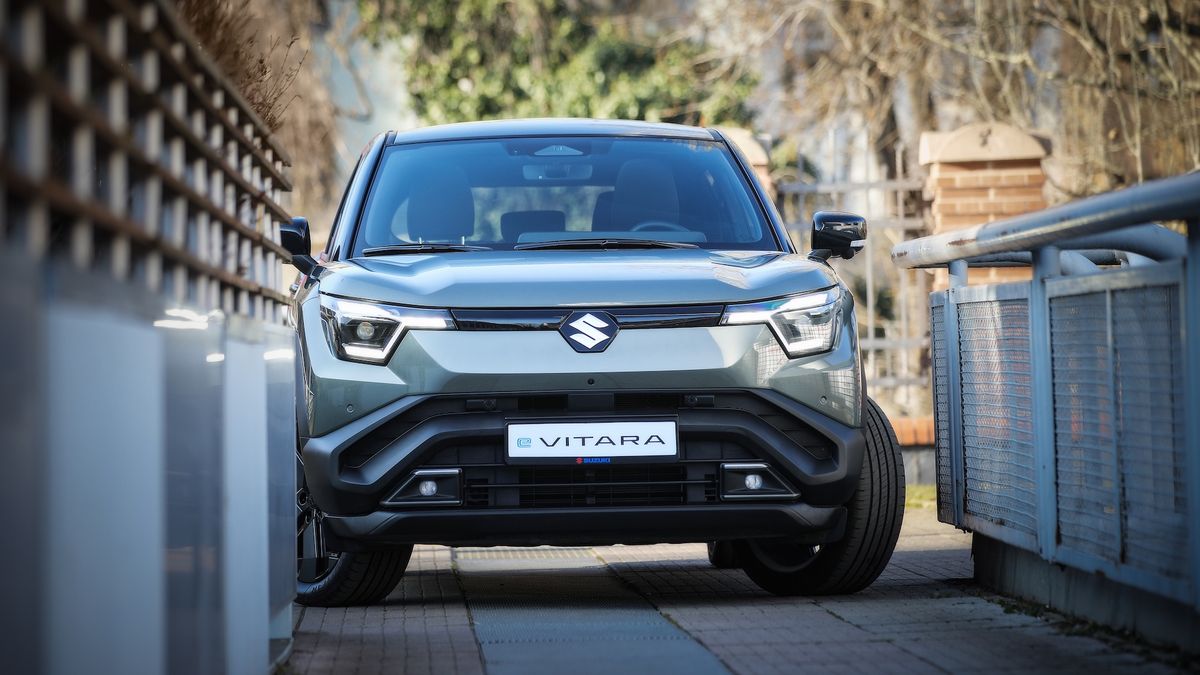
Crucially, it is Suzuki’s first model equipped with Level 2 ADAS, featuring automatic emergency braking and collision warning. These additions bring it in line with mainstream safety standards. DC fast charging from 10% to 80% state of charge takes just 45 minutes.

Positioned as a global model, the e Vitara has a clear launch strategy: Japan first, followed by Europe, India, and over 100 other countries and regions. Its decision to establish a production base in India also aligns with Suzuki’s “Make in India, Sell Globally” strategy.
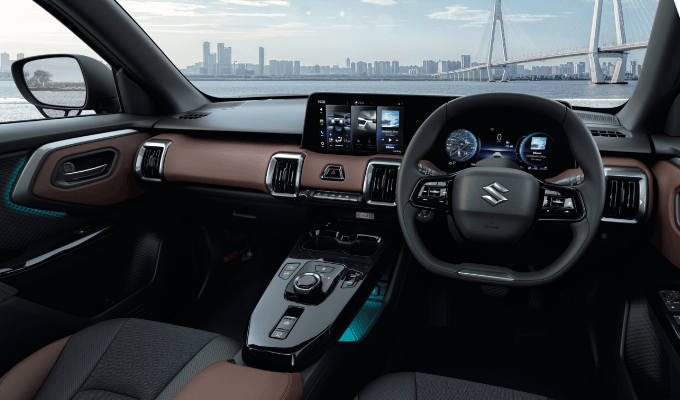
In the Japanese market, it faces competition from models like Nissan Ariya and Toyota bZ4X. Globally, however, the BYD Atto 3 is an unavoidable rival, as it is currently one of the best-selling compact electric SUVs worldwide.
Interestingly, the e Vitara uses BYD-supplied battery cells, with both models utilising lithium iron phosphate (LFP) chemistry.
A side-by-side comparison reveals that the e Vitara and Atto 3 have distinctly non-overlapping areas of strength.
In terms of performance, the Atto 3’s 60.5 kWh version (204 hp, 0–100 km/h in 7.3 seconds) outperforms the e Vitara’s 61 kWh variant (184 hp, 0–100 km/h in 7.9 seconds). In urban commuting, its response during overtaking and lane changes is also quicker.
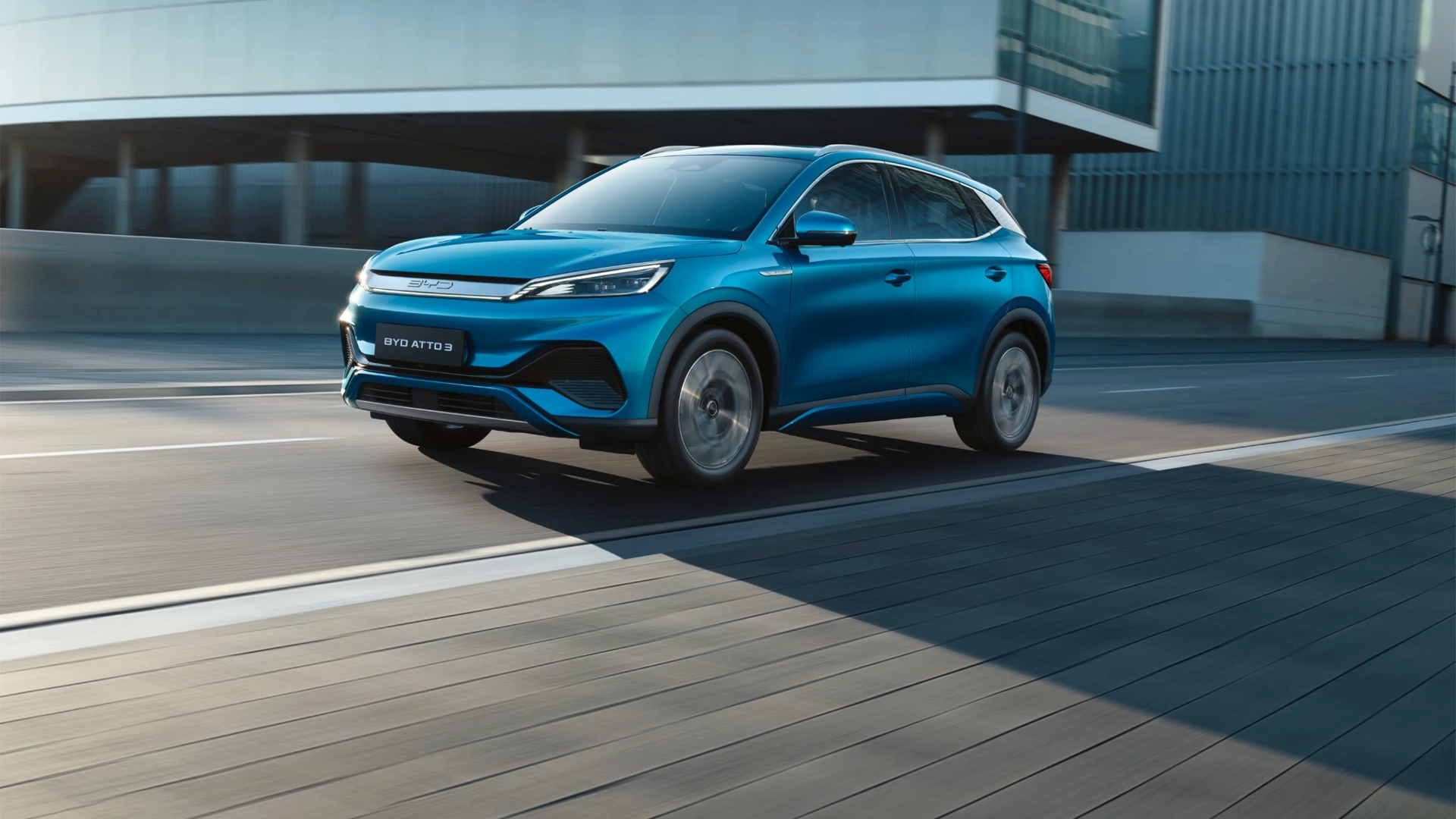
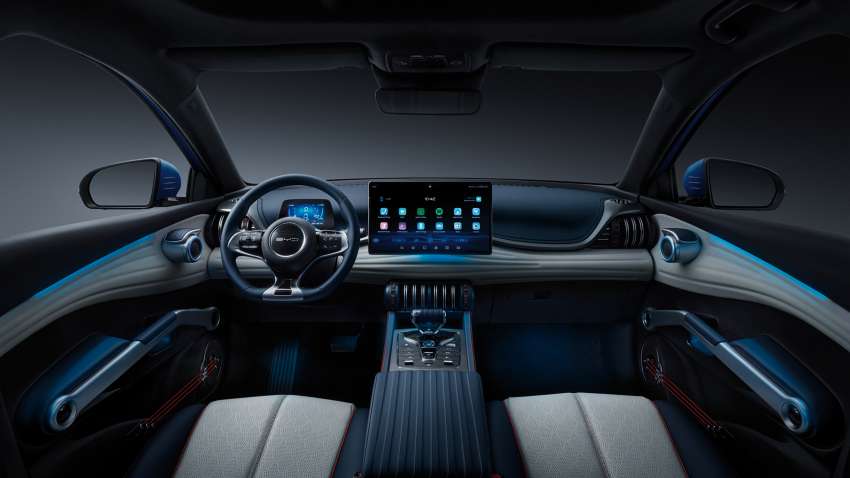
In terms of space, Atto 3's 2720 mm wheelbase is slightly larger than e Vitara's 2700 mm. Additionally, its gym-themed avant-garde interior, rotatable large touchscreen, and rich smart ecosystem help the Atto 3 stand out in terms of intelligence and cabin premium feel, appealing more to younger consumers.
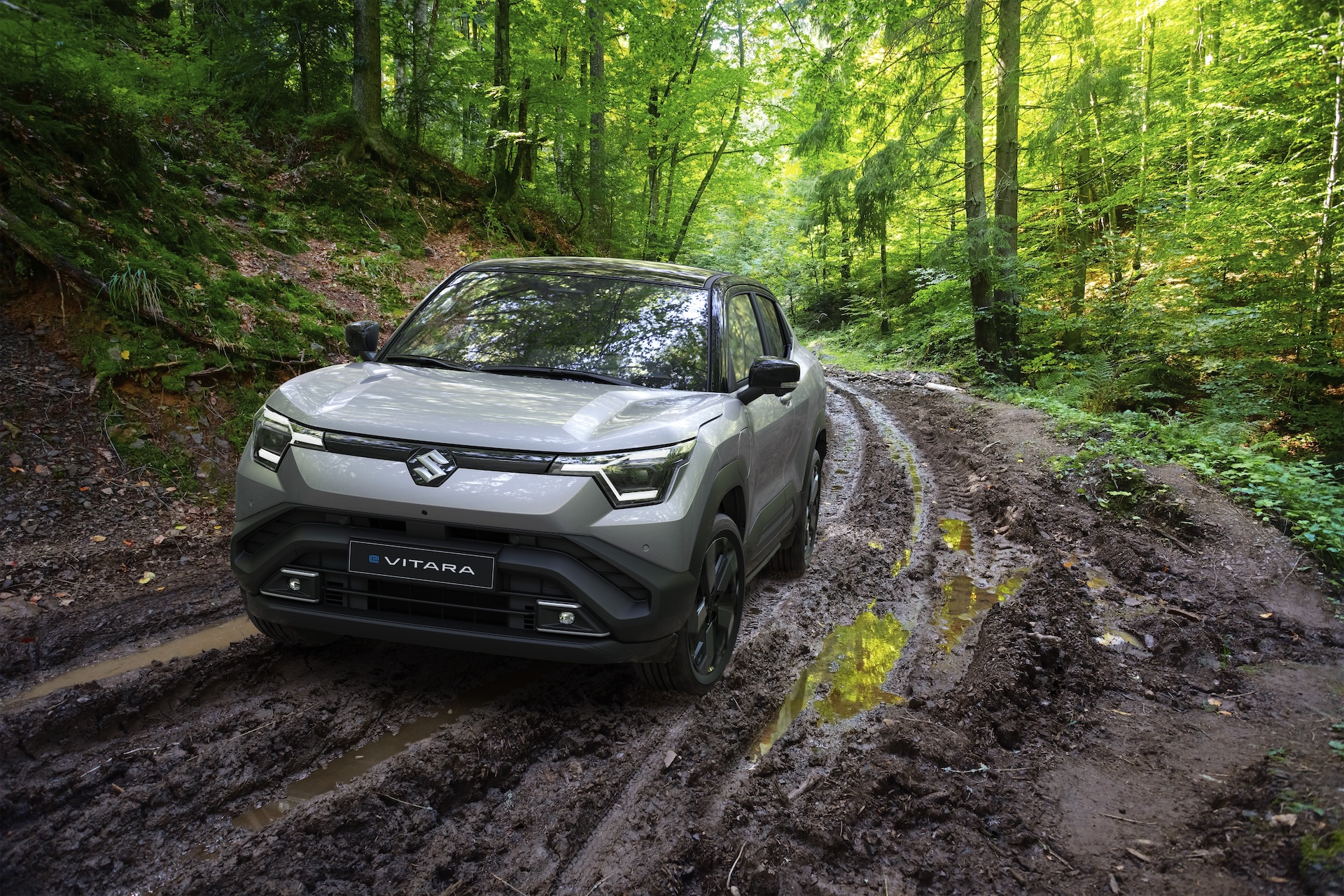
However, the e Vitara holds a key advantage: its available four-wheel-drive system. The ALLGRIP-e system’s Trail mode enhances traction in rain, snow, or on light rough terrain—an advantage the front-wheel-drive-only Atto 3 cannot match.
Suzuki’s years of chassis-tuning experience give the e Vitara a steering feel and solidity that will appeal to traditional drivers. The retained physical buttons are also more conducive to blind operation than touchscreen controls.
In terms of range, the e Vitara’s 61 kWh variant offers a WLTC range of 450–500+ km, slightly better than the Atto 3’s 420–480 km. For users who value consistent range performance, this is a significant advantage.
Additionally, Suzuki’s extensive global service network and well-earned reputation for mechanical durability provide added assurance for conservative buyers.
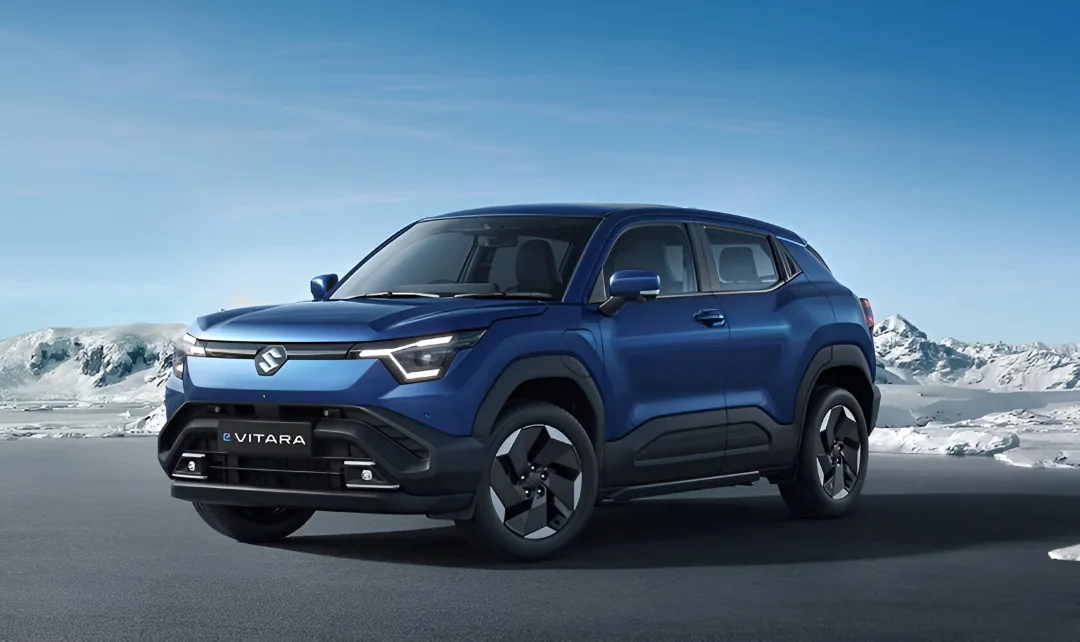
On price, the two are closely matched. The e Vitara's starting price in Japan (¥3,993,000) is slightly lower than the Atto 3's (¥4,180,000). When combined with Suzuki’s durability credentials, its value proposition is compelling.
If any infringement occurs, please contact us for deletion










Popular Cars
Model Year
Car Compare
Car Photo