
Tesla FSD v13.2.9 Rolls Out, Easing the Stringency of Driver Monitoring System
 MichaelMay 19, 2025, 05:06 PM
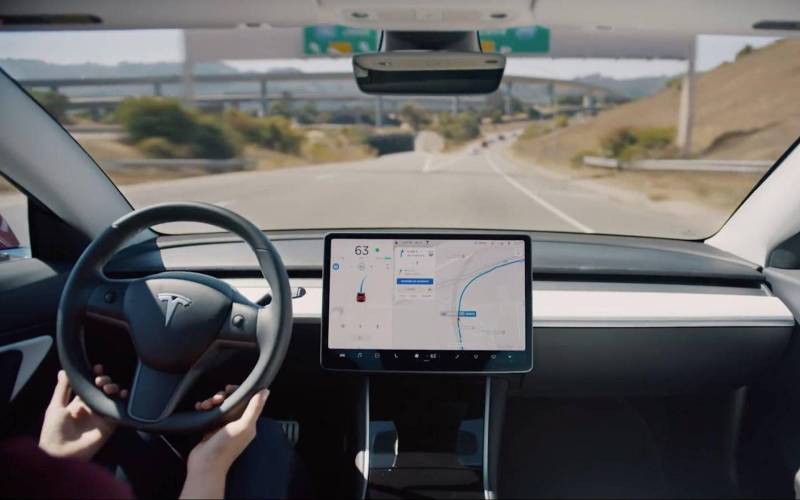
【PCauto】 Recently, Tesla has updated its Full Self-Driving (FSD) feature to address concerns raised by owners about the overly strict nature of the driver monitoring system.
Previously, when using the FSD feature, if a driver briefly took their eyes off the road—such as to adjust the climate control or change the adaptive cruise control setting—the vehicle's built-in camera would quickly issue a warning, reminding them to focus back on the road.
While this feature is designed to ensure driving safety, many owners felt that making these adjustments while using FSD is safer than when manually driving, making the frequent alerts seem excessively harsh.
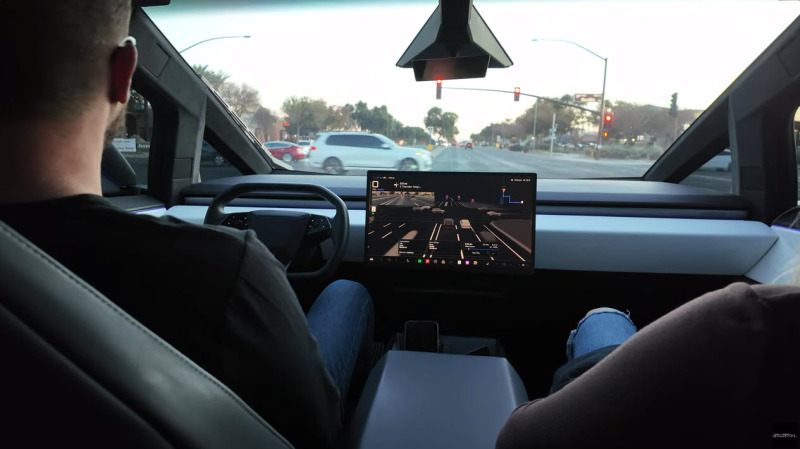
Previously, Tesla CEO Elon Musk acknowledged the feedback from owners regarding the frequency of these warnings, admitting that the alerts were indeed too frequent.
One owner stated on the X platform that simply glancing at the screen to add a navigation waypoint would trigger a warning, expressing that this was their biggest unsatisfaction with FSD. Musk responded, “You’re right.”
Tesla is now rolling out FSD version 13.2.9, and feedback from owners suggests that one of the improvements may involve adjustments to the driver monitoring system, extending the grace period before warnings are issued, making them less stringent in reminding drivers.
Many owners reported that the new version has a more lenient approach to driver monitoring, no longer issuing warnings as frequently as before. While monitoring is crucial to prevent misuse of the FSD feature, the previous overly strict warning system had indeed caused inconvenience for drivers.
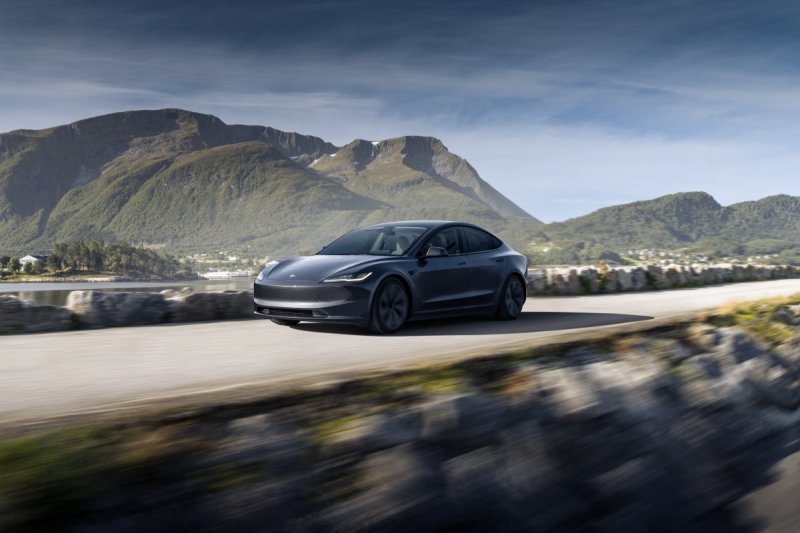
Currently, Tesla is the only automaker in the world committed to a pure vision approach for autonomous driving technology, also relying on this pure vision strategy for driver monitoring.
According to the operation logic of Tesla FSD (V12.3.6), when the driver activates the “supervised” mode, they are not required to keep their hands on the steering wheel but must maintain their gaze focused on the road through the vehicle's camera. If the system detects that the driver’s eyes have strayed for more than five seconds, a warning will trigger, and accumulating five violations will result in the direct suspension of the FSD feature for the remainder of the trip.
This purely visual approach poses certain challenges in detecting driver distraction behaviors: the previously mentioned tendency for excessive sensitivity in monitoring.
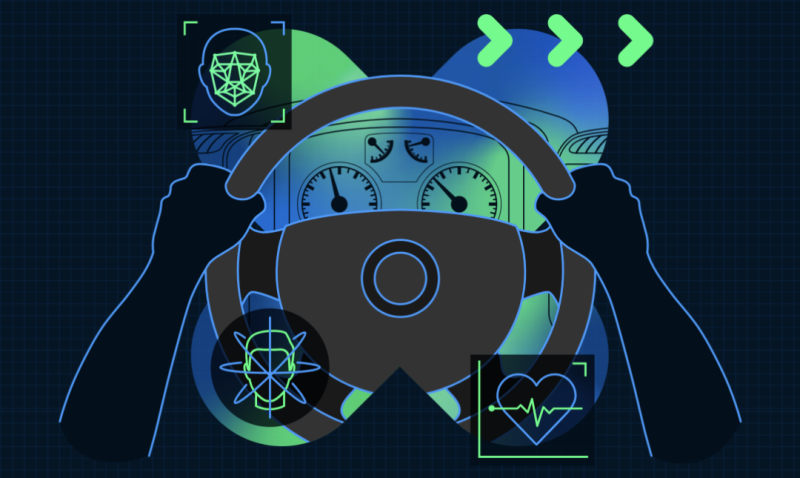
Unlike Tesla’s reliance on a pure vision approach for driver monitoring, automotive brands from China, such as HUAWEI and Xpeng, utilize a combination of additional hardware for monitoring. For instance, HUAWEI’s ADS 3.0 employs capacitive sensing in the steering wheel and foot movements for detection, while Xpeng’s XNGP integrates data from interior cameras and LiDAR for gesture interactions, which do not trigger monitoring alerts.
If any infringement occurs, please contact us for deletion




Popular Cars
Model Year
Car Compare
Car Photo