
Tesla's Rising Stock vs Robotaxi's Traffic Violations
 MichaelJun 24, 2025, 05:50 PM

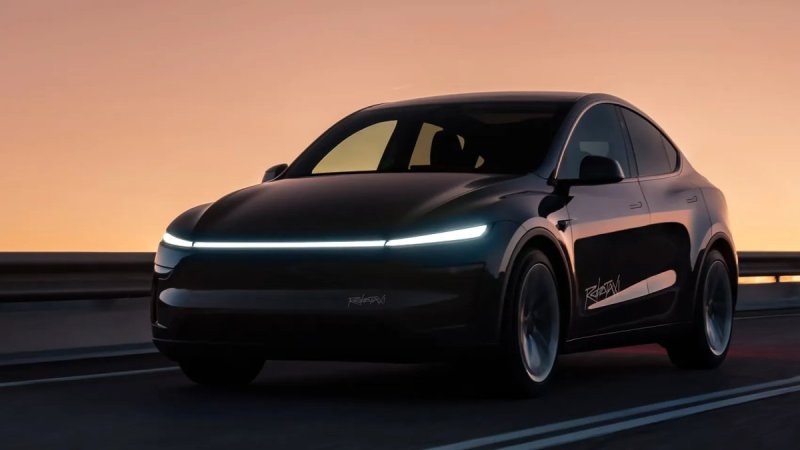
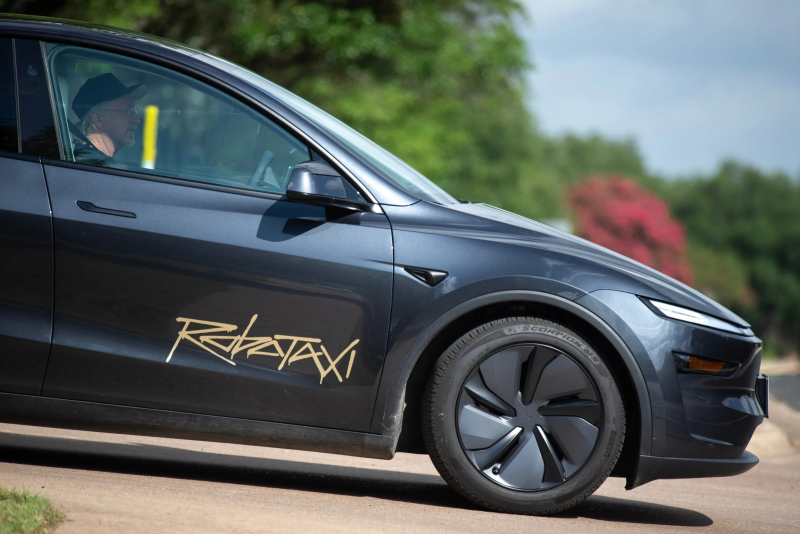
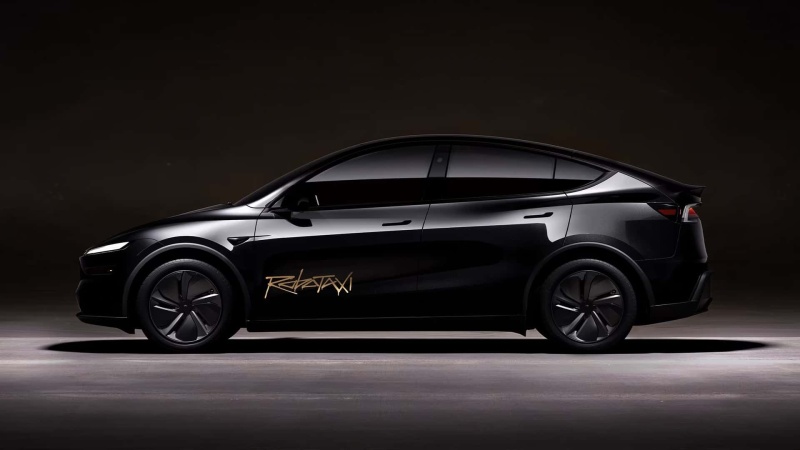
【PCauto】On June 22, 2025, Tesla officially launched its Robotaxi service in Austin, Texas. There are 10 to 35 autonomous taxis converted from Model Y vehicles, operating from 6 AM to midnight with each ride priced at $4.20 (approximately RM20).
The Model Y Robotaxi is equipped with a vision-only FSD (Full Self-Driving) system and features a safety officer in the front passenger seat. Moreover, the steering wheel and brake pedals have been removed. Elon Musk announced on social media that Robotaxi shows "the culmination of a decade of technological development," emphasizing that the initial inclusion of safety officers is a transitional measure, with the ultimate goal being fully autonomous driving.
Tesla Stock Price Surged by 11% on the Second Day of Robotaxi Launch
Investors appear to have shown confidence in Tesla's prospects of making profits from its autonomous driving technology, so that Tesla's stock rises 8.23% to close at $348.68, adding approximately $63 billion in market value in a single day.
The stock surge reflects not just investor’s optimism about Robotaxi's potential, but also their appreciation for Tesla's cost-effective, lidar-free approach, in which each Robotaxi conversion costs about 60% less than the industry average.
Model Y Robotaxi Has Early Problems
Just 24 hours after its launch, controversial videos began circulating on social media. One clip posted by a blogger shows a Model Y Robotaxi traveling at 35 mph (approximately 56 km/h) in a residential area with a 30 mph (about 48 km/h) speed limit. Another video, recorded by a local resident, captures a vehicle hesitating in a left-turn lane, then suddenly making a right turn and mistakenly entering the opposite lane for about 15 meters.
Some passengers also complained about Robotaxi suddenly braking without reason, causing occupants to be hit by the front seats. These videos have garnered over 2 million views within 48 hours, sparking public concerns about Robotaxi’s safety.
Robotaxi's Unreliable Performance Raises Regulatory Controversy
On June 23, the National Highway Traffic Safety Administration (NHTSA) formally intervened, invoking Section 30166 of the Vehicle Safety Act to require Tesla to submit complete operational data of Robotaxi . An NHTSA spokesperson emphasized: "Manufacturers must demonstrate that their vehicle systems consistently meet safety standards in real-world road environments." The swift response from regulators reflects the core issue in autonomous vehicle commercialization, which is the mismatch between the pace of technological innovation and established safety verification systems.
The debate over technological approaches quickly appears. Tesla insists that Robotaxi’s pure vision-based approach can address its environmental adaptation issues through software updates, citing Q1 safety reports claiming FSD's accident rate is ten times lower than human drivers.
However, Carnegie Mellon Professor Philip Koopman points out: "In conditions such as heavy rain or intense light, camera recognition accuracy may drop by up to 40%, which highlights the redundancy value of lidar." Comparative data shows Waymo's lidar-equipped fleet in Phoenix requires 3.7 times fewer manual interventions per million miles than Tesla's test figures.
Capital Market Split on Tesla's Autonomous Future
UBS raises its valuation of the Robotaxi business to $350 billion but maintains a "Sell" rating, with analysts believing the current stock price already reflects expectations for the next five years; However, Morningstar's Seth Goldstein predicts large-scale deployment of Robotaxi won't occur until 2028.
This divergence of views is reflected in the stock performance: Tesla's stock market volatility was narrowed to 2.3% on June 24, indicating investors are beginning to reassess its short-term risks.
Three Main Issues Are Now Discussed
- whether NHTSA's investigation findings will influence the national regulatory framework of autonomous vehicle;
- whether Tesla will accelerate the launch of its steering-wheel-free Cybercab to address current vehicle design limitations;
- whether the vision-only solution can enhance Robotaxi’s road adaptability through emergency OTA updates.
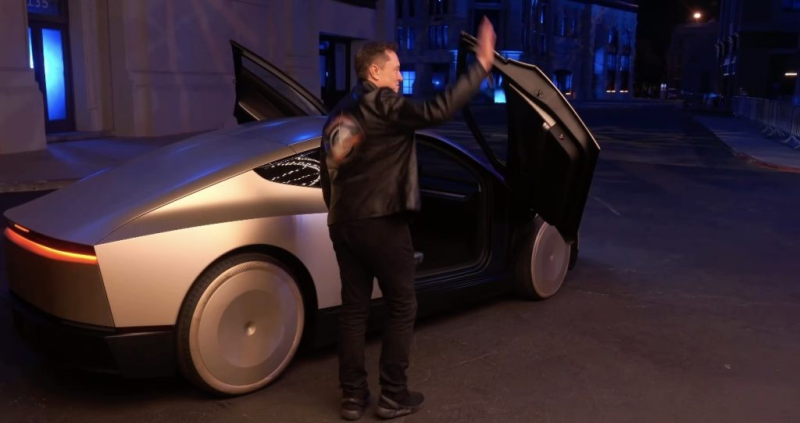
Despite these ongoing issues, Model Y Robotaxis continue operating in Austin, with each vehicle's driving data contributing new insights to this debate over technological approach.
If any infringement occurs, please contact us for deletion




Popular Cars
Model Year
Car Compare
Car Photo