
In Malaysia, How Much Road Tax and Warranty Fee does it Cost to Own a Model Y?
 MichaelFeb 02, 2026, 06:08 PM
Starting from 2026, Malaysia has introduced a brand-new road tax system for electric vehicles, moving away from simple exemptions and instead charging based on motor output power in blocks. As a fan of the Tesla Model Y, I tried to break this down into the most basic and realistic cost analysis: how much will you need to pay annually? What costs can the official warranty cover for you?
Therefore, this article, based on the latest policies and Tesla's official warranty terms, will help you calculate these numbers clearly.
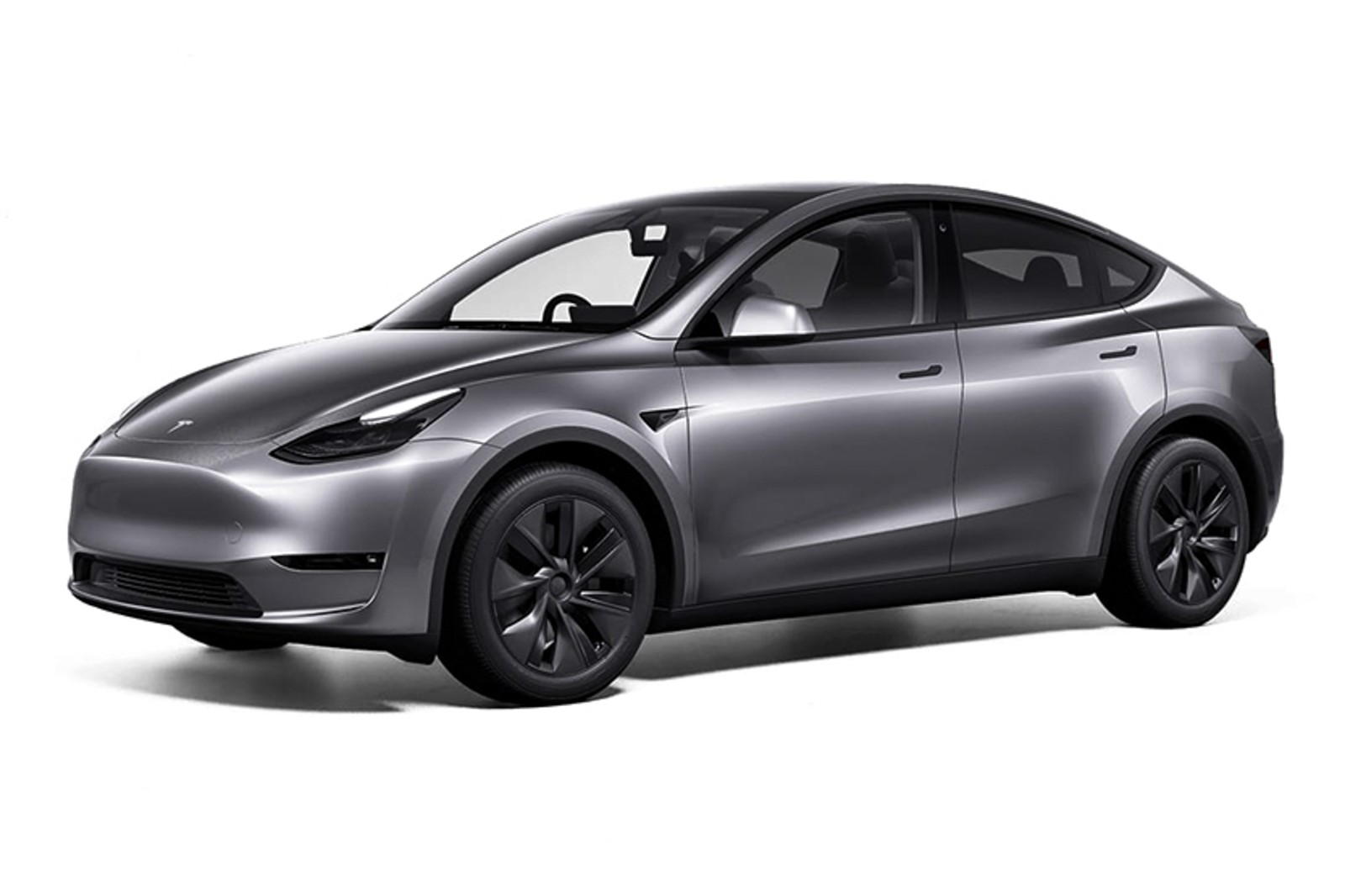
[PCauto] Starting from January 1, 2026, Malaysia's new electric vehicle (EV) road tax framework will officially be implemented. It will no longer be based on engine displacement but rather determined by motor output power (kW).
At first glance, this seems a bit complicated, but on further reflection, this approach essentially ties motor power to vehicle performance, creating fairer tax distinctions between light commuter cars and high-performance SUVs.
| Power Band | Motor Output Range (kW) | Base Rate (RM) | Increment per 9.99 kW Block (RM) | Max Tax for Band (RM) |
|---|---|---|---|---|
| 1st | 0.001 – 100.0 | 20.00 | 10.00 | 70.00 |
| 2nd | 100.1 – 210.0 | 80.00 | 20.00 | 280.00 |
| 3rd | 210.1 – 310.0 | 305.00 | 30.00 | 575.00 |
| 4th | 310.1 – 410.0 | 615.00 | 50.00 | 1,065.00 |
| 5th | 410.1 – 510.0 | 1,140.00 | 100.00 | 2,040.00 |
| 6th | 510.1 – 610.0 | 2,165.00 | 150.00 | 3,515.00 |
| 7th | 610.1 – 710.0 | 3,690.00 | 200.00 | 5,490.00 |
| 8th | 710.1 – 810.0 | 5,715.00 | 250.00 | 7,965.00 |
| 9th | 810.1 – 910.0 | 8,240.00 | 300.00 | 10,940.00 |
| 10th | 910.1 – 1,010.0 | 11,265.00 | 350.00 | 14,415.00 |
| 11th | 1,010.1 and above | 20,000.00 | / | 20,000.00 |
In other words, this new policy categorizes EVs based on their power levels and applies progressive taxation in fixed blocks within different ranges.
For example, EVs with output in the 210.1–310.0 kW range are subject to a base tax rate of approximately RM305–RM575/year; higher power ratings will fall into higher tax brackets.
Overall, the annual road tax under the new policy ranges from a minimum of RM20 to a capped amount for extreme high-performance vehicles.
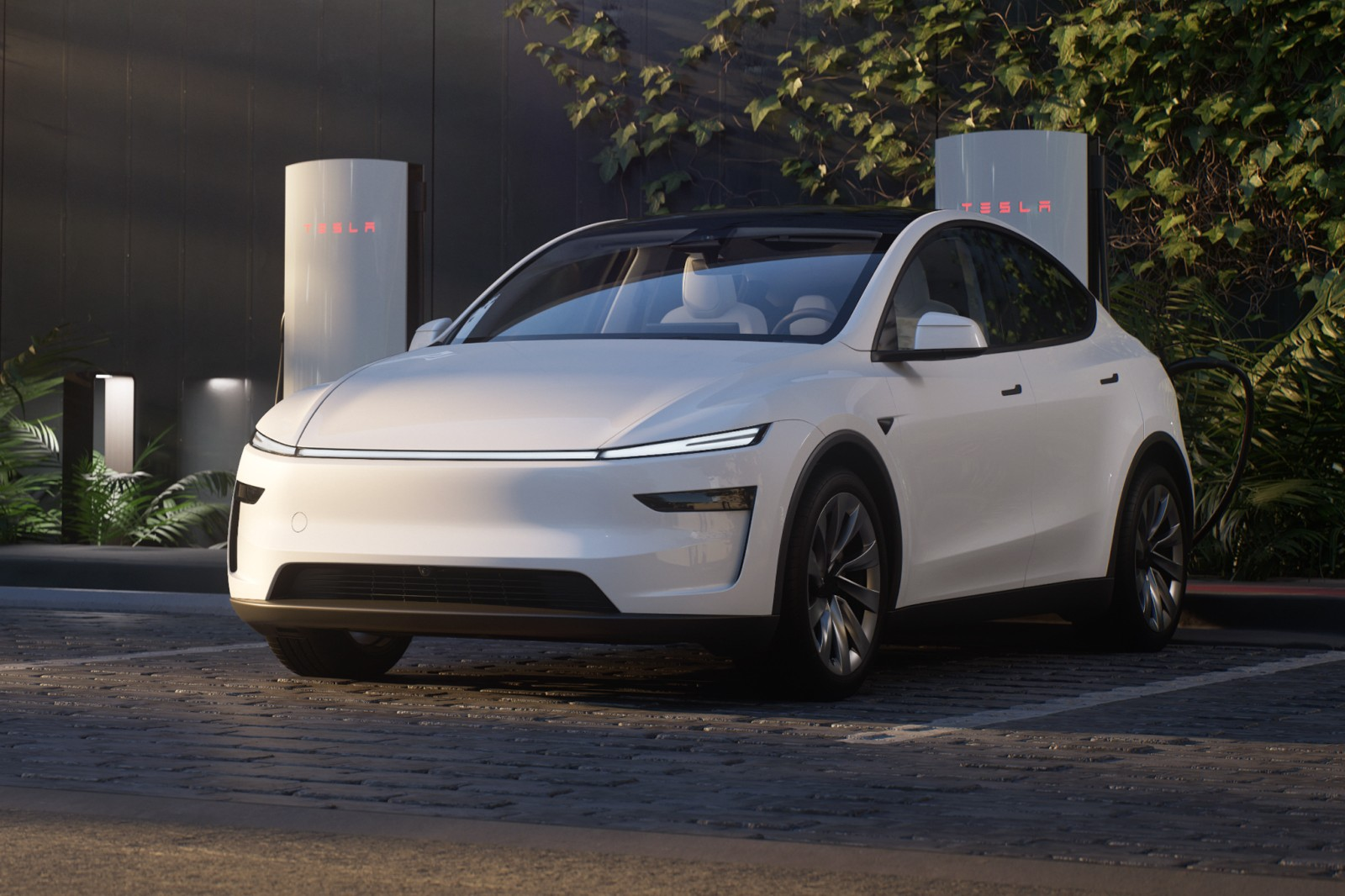
Now let's take a look at one of our most highly-followed models, the Tesla Model Y. The motor output varies across different versions, so naturally, the tax fees also differ. Based on publicly available market estimates:
- The motor power of the Model Y RWD is around 220 kW, with an annual road tax of approximately RM305/year;
- The Long Range AWD version has a more powerful motor, costing around RM1,015/year;
- The Performance version, being even more powerful, has a higher tax fee of around RM1,600/year.
These figures undoubtedly increase costs compared to the tax-exemption period in the past, but they are not particularly high compared to traditional large-displacement fuel vehicles. Moreover, under the new policy, even when comparing road taxes for electric vehicles and fuel cars based on power, most mid-power electric vehicles remain within a manageable expense range.
With this calculation, if you are someone who drives on highways every day or frequently takes two or three friends out of town, you will need to prepare a larger budget for road tax when choosing a high-performance Model Y. However, if it's just for daily commuting, choosing the RWD version shows that the difference is actually not as significant as one might imagine.
Apart from road tax, another topic that is not often discussed but is very important for long-term owners is warranty and maintenance costs.
One thing that needs to be clarified here is that many car enthusiasts, when comparing EVs and fuel-powered cars, consider warranty costs as a fixed annual expense, which is not entirely accurate.
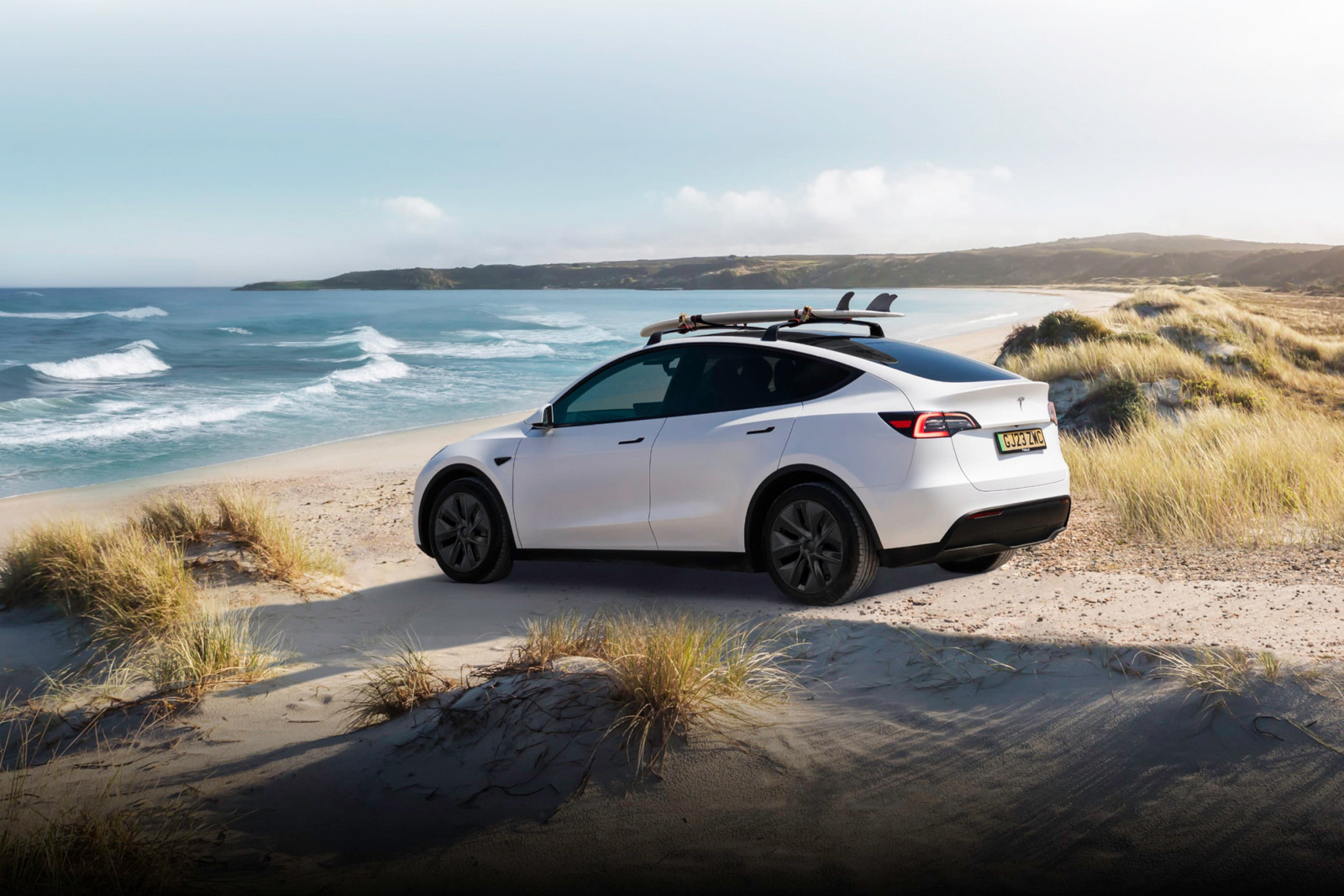
Tesla officially offers the Model Y warranty in several aspects: a basic vehicle warranty that covers 4 years or 80,000 km, while the battery and drive unit are covered for 8 years or 160,000–192,000 km (the specific duration depends on the model version). During this period, if there are issues covered under the warranty terms, there is no additional charge as per the official policy.
Simply put, if it is within the standard warranty period and the issue is recognized as a defect or malfunction by the manufacturer, you do not need to spend hundreds or thousands of Malaysian Ringgit annually to renew the warranty like traditional fuel-powered cars. Essentially, the cost for warranty appears as zero on paper.
And the actual expenses that may arise are for items not covered by the warranty, such as tires, brake pads, windshield wipers, and other everyday wear-and-tear components, as well as part replacements after the warranty expires. This is especially true for costly components like the battery pack, which, if replacement is needed after 7-8 years, could be a significant expense (this is a common issue with electric vehicles, not unique to Tesla).
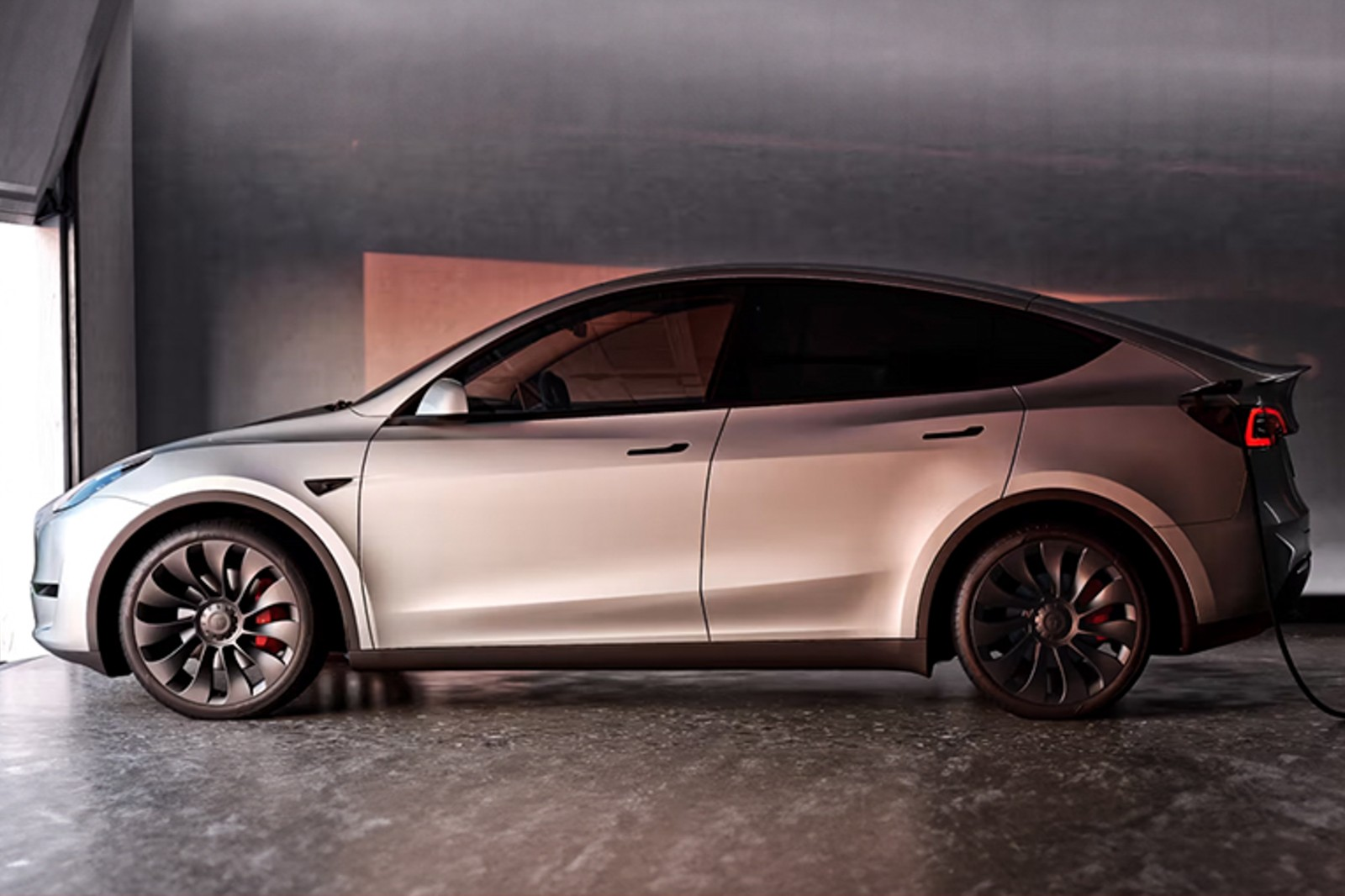
A reminder here: many car owners have doubts about Tesla's after-sales service, which is actually more related to personal experience, parts supply, and service center coverage density. The official warranty only explains what is covered, which does not necessarily mean that the repair process will be easy or fast. Practical experience and the actual service network situation will both affect the final costs.
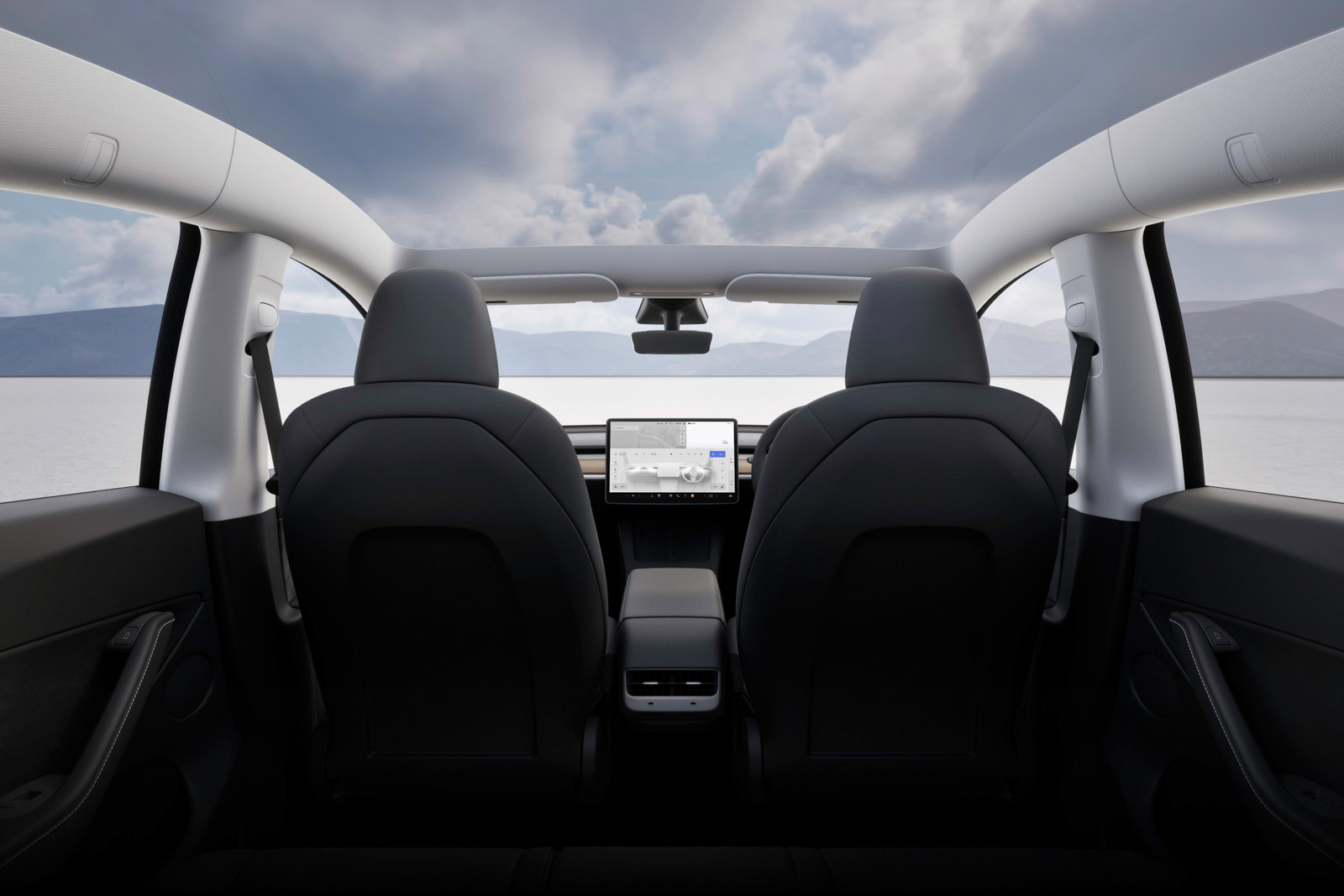
After discussing so much, to put it simply, after 2026, the fixed expenses of maintaining a Model Y will definitely include road tax as a part of your annual bill. However, its amount is clear and predictable.
What truly makes people nervous is not how much to pay every year, but the potentially massive expenses from repairs or maintenance after the warranty period. Road tax is a small, fixed cost, while major repairs beyond the warranty are the hidden, unpredictable giants.
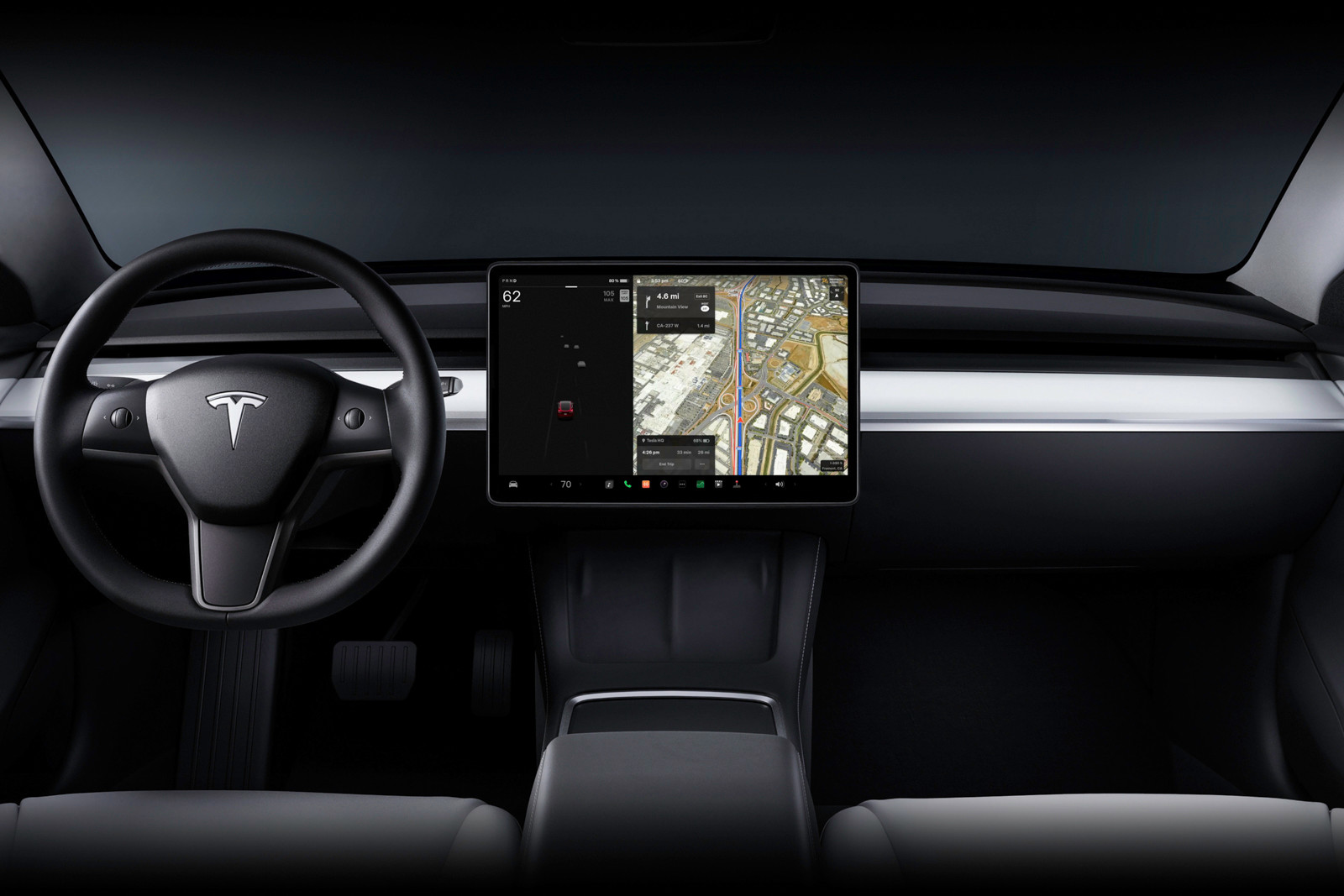
Finally, some might say: "Will the new road tax make EVs less attractive?" From the current observations, the new calculation method is actually more transparent and reasonable. Charging electric vehicles based on performance tiers might not necessarily be a bad thing for the market overall. The key is still about how you use and view these long-term costs, rather than just focusing on the starting price.
For most consumers, calculating expenses is not just about figuring out whether something is expensive or not, but understanding exactly where every penny is being spent. From this perspective, the 2026 Malaysian EV bill might actually be worth more deliberate consideration than one might imagine.
If any infringement occurs, please contact us for deletion









Popular Cars
Model Year
Car Compare
Car Photo