
The Xpeng P7+ EREV will soon debut in China, boasting a maximum range of 1,550 km
 WilliamJan 12, 2026, 10:18 AM
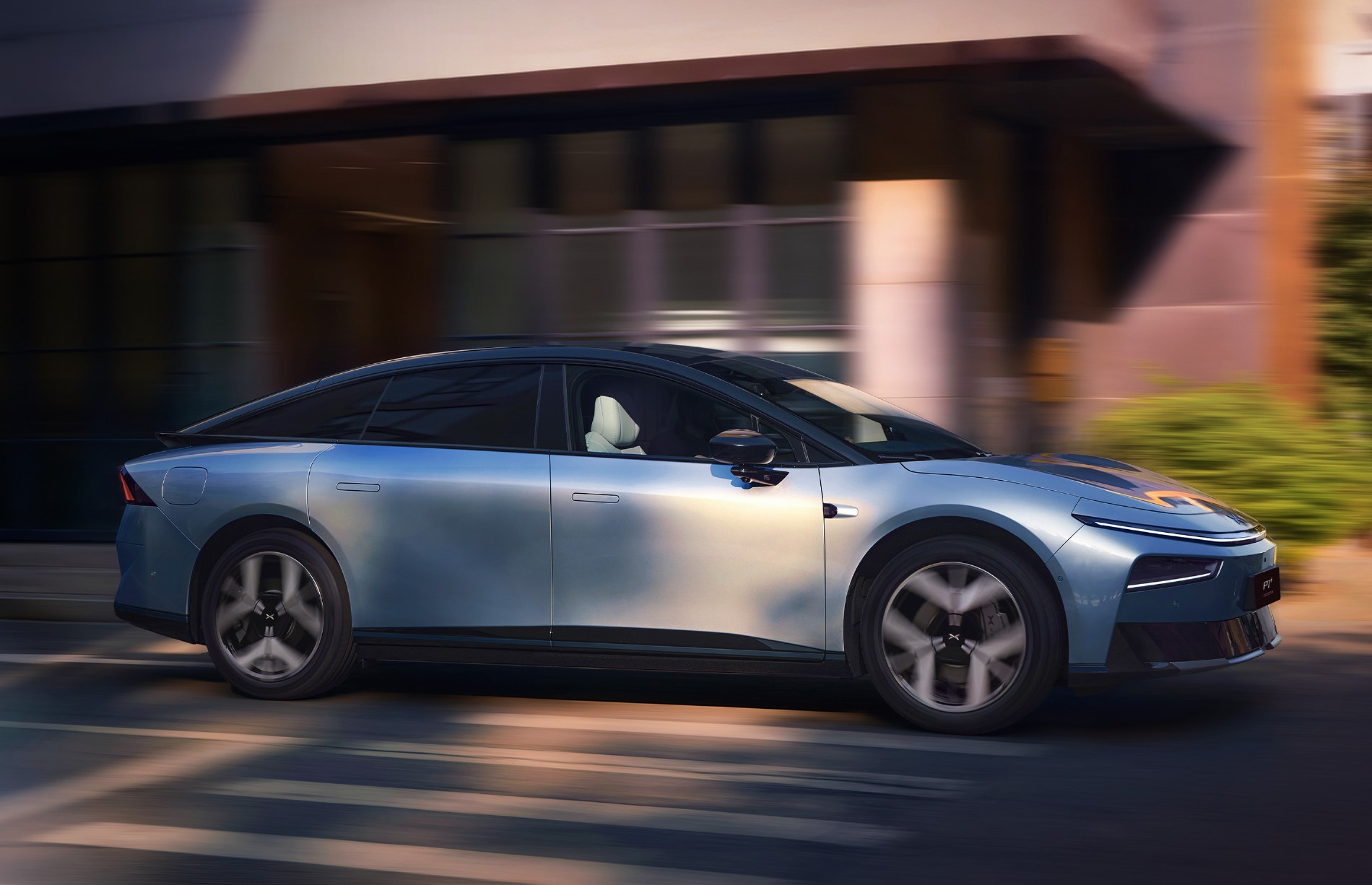
[PCauto] Recently, the 2026 Xpeng P7+ EREV has become a focus of attention among new models. Unlike Xpeng’s previous product strategy of offering only pure electric versions, this generation of the P7+ introduces extended-range electric vehicle (EREV) technology for the first time. Xpeng officially refers to it as the “world’s longest pure electric range extended coupe.”
The key highlight of the P7+ EREV is its remarkable range . The total cruising range reaches 1,550 km, while its pure electric range alone can extend up to 430 km even without engaging the range extender.
This figure significantly exceeds the pure electric capability of most mainstream extended-range sedans on the market. As a result, the P7+ EREV can offer an experience akin to that of a pure EV in daily commuting, while still retaining the flexibility required for long-distance travel.
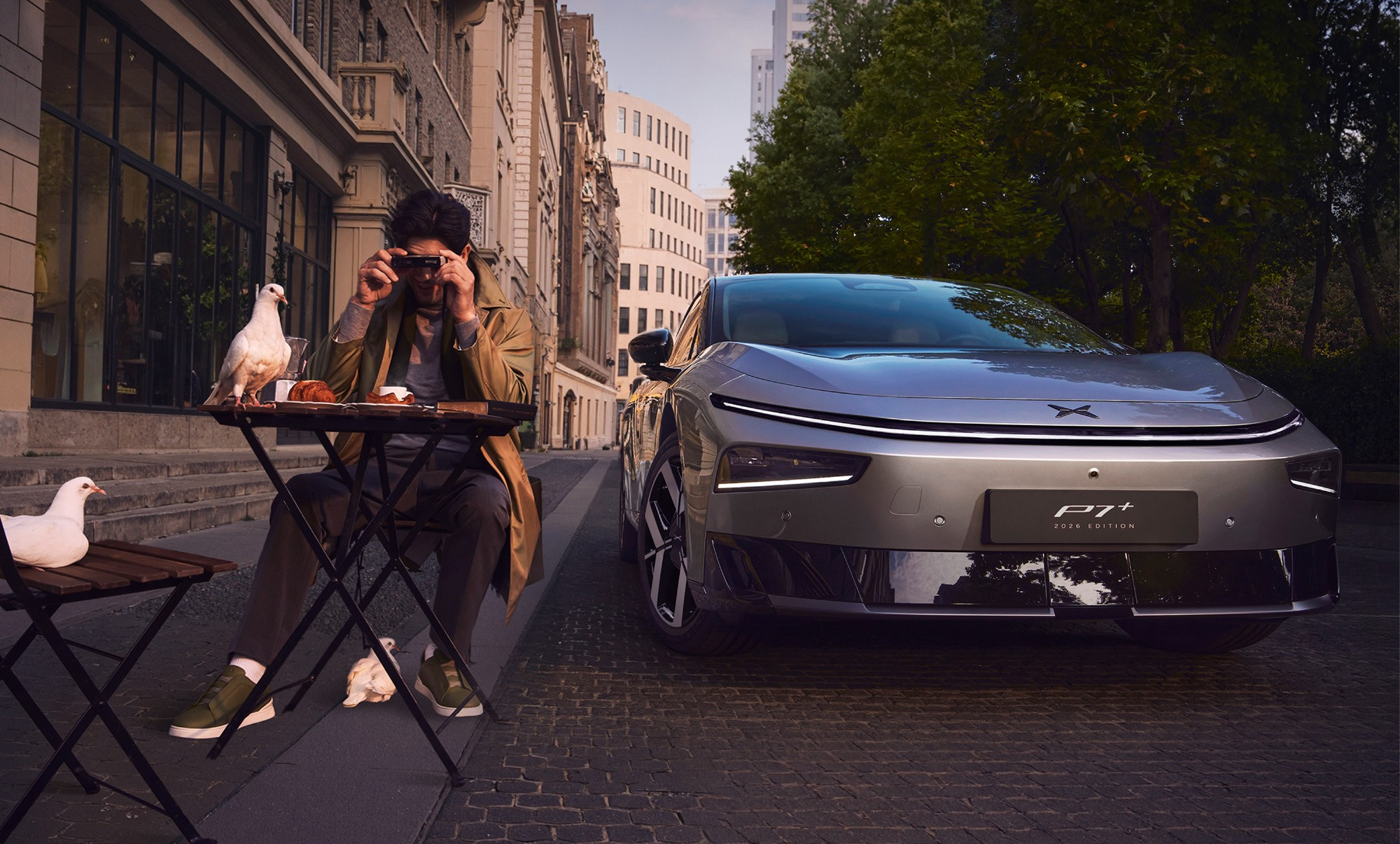
The Xpeng P7+ EREV adopts an 800V high-voltage platform combined with a 5C super fast-charging battery. Within the extended range technology framework, Xpeng continues to emphasize high-voltage fast charging as a technical priority, emphasizing recharging efficiency rather than relying solely on switching between fuel and electricity.
As a result, the engine system primarily serves to extend the driving range, rather than altering the vehicle's core electric-driven usage logic.
The P7+ EREV is equipped with a 1.5T engine with a maximum power output of 110 kW, used only for electricity generation; the vehicle is driven solely by an electric motor with a maximum power output of 180 kW.
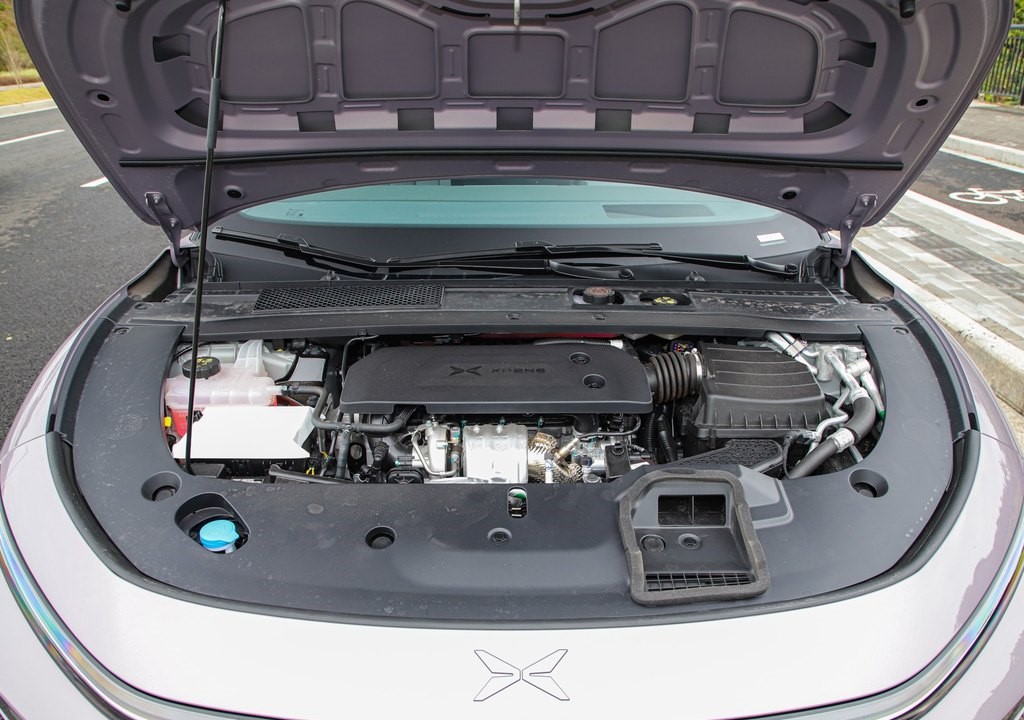
The battery uses a 49.2 kWh lithium iron phosphate battery, achieving a relative balance between energy density, cost control, and durability.
This approach sets the P7+ EREV apart from the "strong hybridization" range-extended models currently in the market in terms of its technological approach.
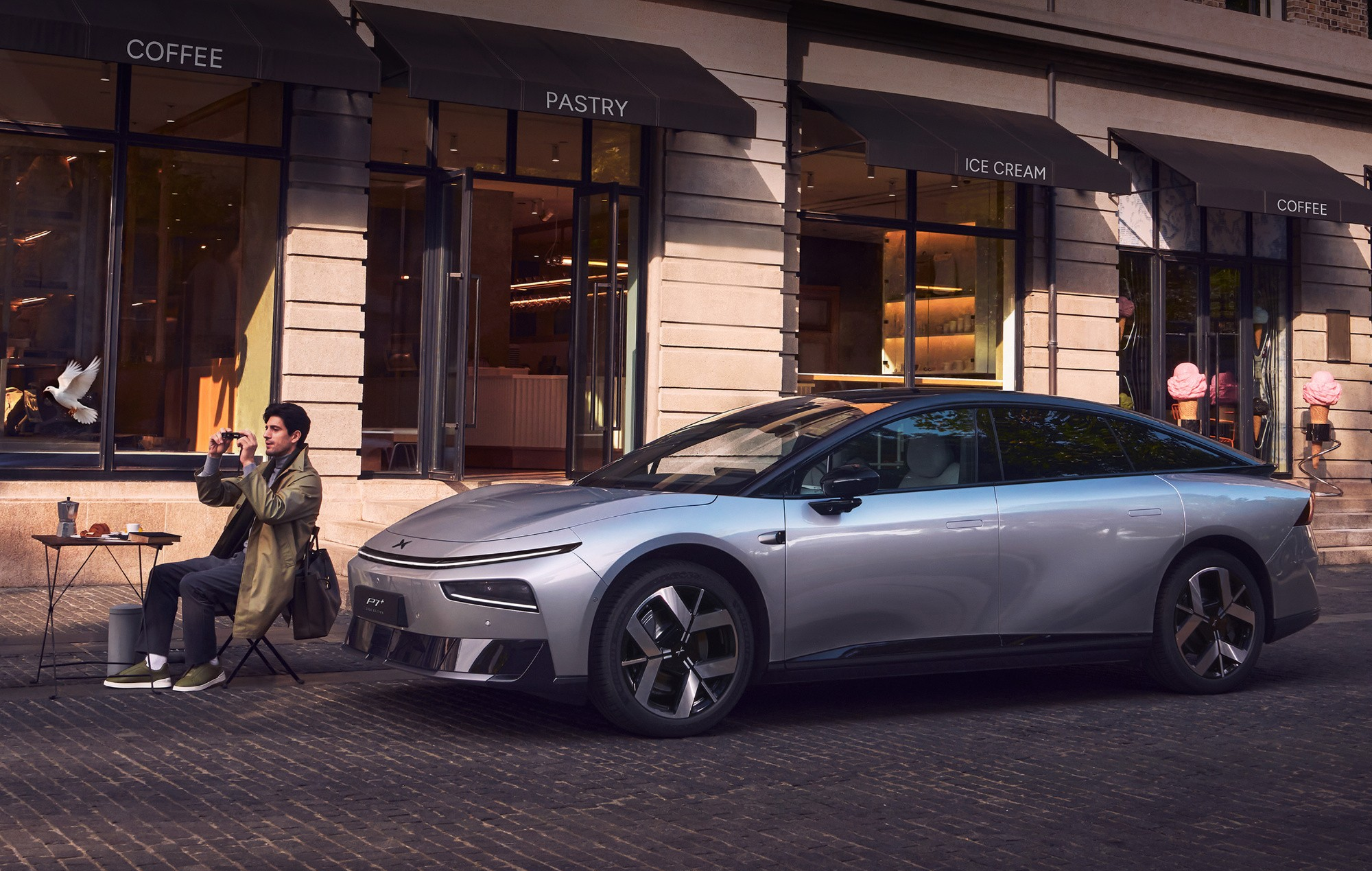
In terms of design, the P7+ EREV remains highly consistent with the existing pure electric version. The vehicle measures 5,071 × 1,937 × 1,512 mm, with a wheelbase of 3,000 mm, placing it firmly in the mid-to-large sedan segment.
Exterior changes are primarily focused on functional refinements, such as a redesigned front bumper to improve cooling efficiency and accommodate the range-extender system.
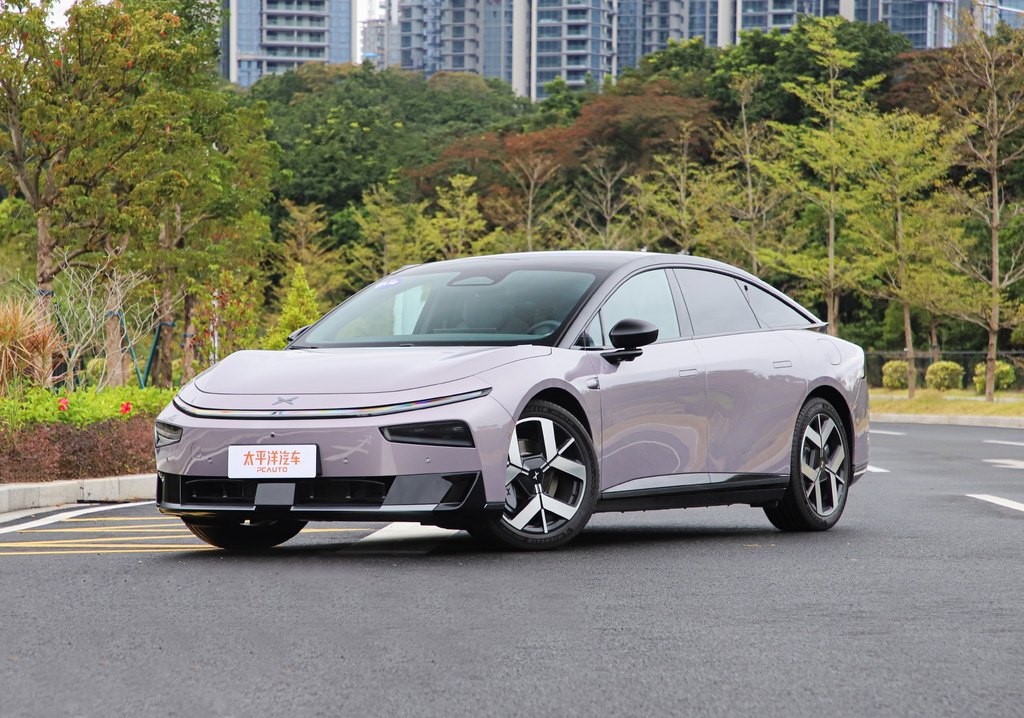
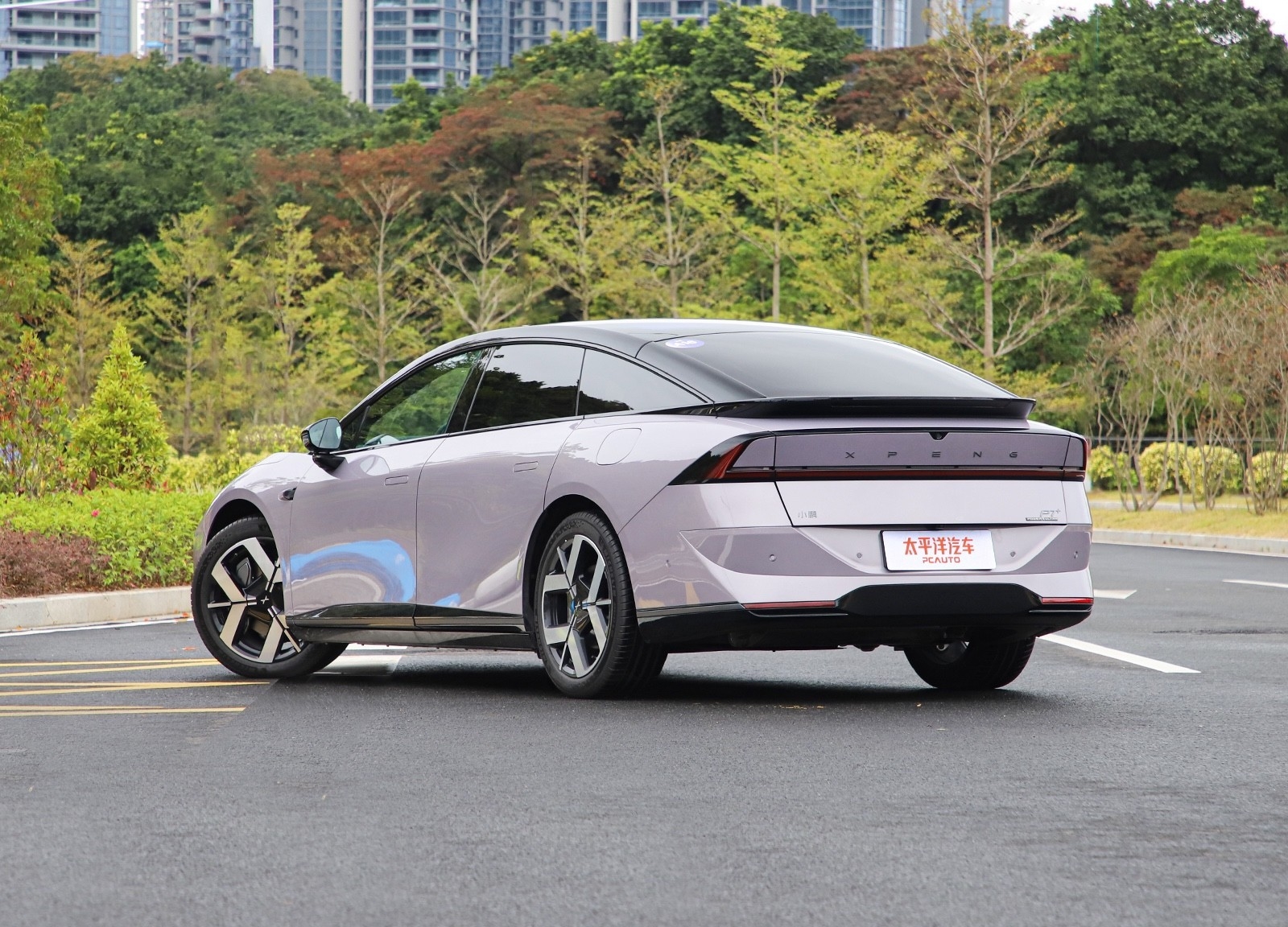
At the rear, the taillight cluster adopts a newly designed ring-shaped layout and integrates auxiliary driving status indicators, further enhancing the vehicle’s intelligent and high-tech attributes.
Overall, the design continues to emphasize low aerodynamic drag and a technology-oriented aesthetic, rather than deliberately highlighting differences in powertrain configuration.
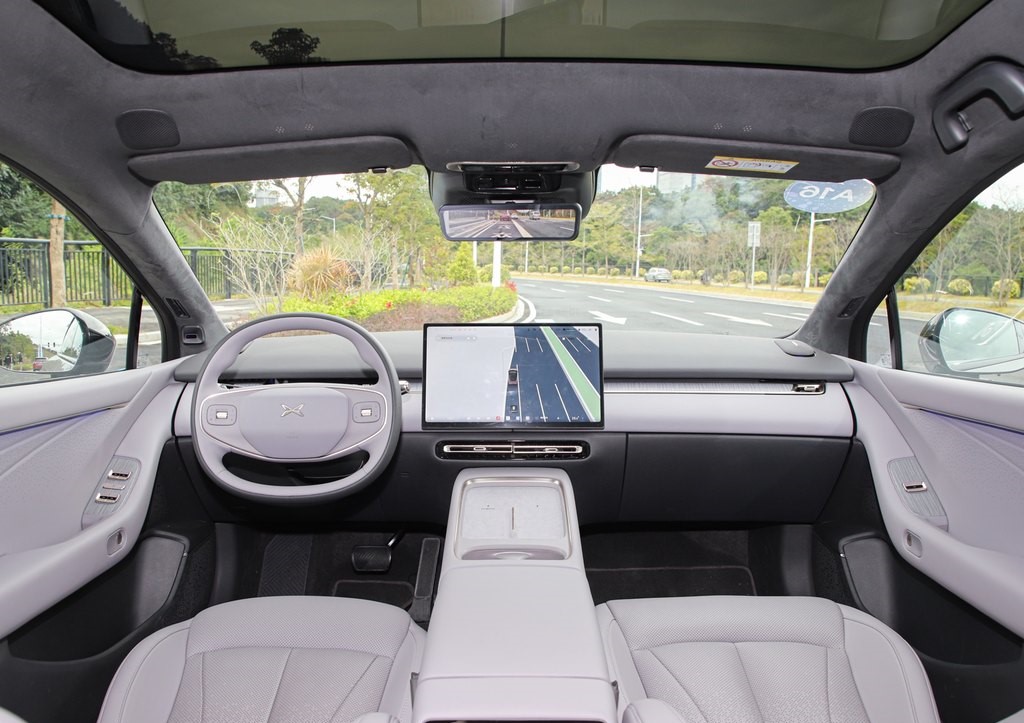
Notably, Xpeng has repeatedly stressed that the 2026 P7+ should not be considered a simple “annual facelift.” Alongside the launch of the EREV variant, the vehicle has reportedly received 104 experiential upgrades, with a modification rate of 36 percent.
The introduction of the P7+ EREV is clearly aimed at catering to an evolving market demand. In regions where charging infrastructure remains inconsistent and cross-regional long-distance travel is common, pure electric solution may not cover all real-world usage scenarios.
From HEV to BEV, and now to EREV, China’s electric vehicle market continues to evolve. From the earlier range-extended IM LS6 (with a pure electric range of 450 km and a total range exceeding 1,500 km), to the newly introduced Xpeng P7+ EREV, as well as the upcoming Xpeng G7 EREV and X9 EREV, this trend appears to reinforce the idea that, at least for now, automobiles cannot yet be completely divorced from the internal combustion engine.
If any infringement occurs, please contact us for deletion










Popular Cars
Model Year
Car Compare
Car Photo