
ASEAN NCAP Safety Ratings Update: Malaysian Models Overly Reliant on Touchscreens Should Be Cautious
 RobertSep 18, 2025, 11:26 AM
When you drive a car through the morning rush hour traffic in Kuala Lumpur and reach out to the touch screen to adjust the air conditioning temperature, you may not realize that this action is affecting your driving safety—more importantly, it could directly impact the vehicle's safety rating in the future.
According to industry authorities, following the announcement by Euro NCAP to penalize vehicles overly reliant on touchscreen controls starting in 2026, the ASEAN New Car Assessment Program (ASEAN NCAP) also plans to enhance the evaluation of vehicle human-machine interaction safety in its 2026–2030 upgrade program.
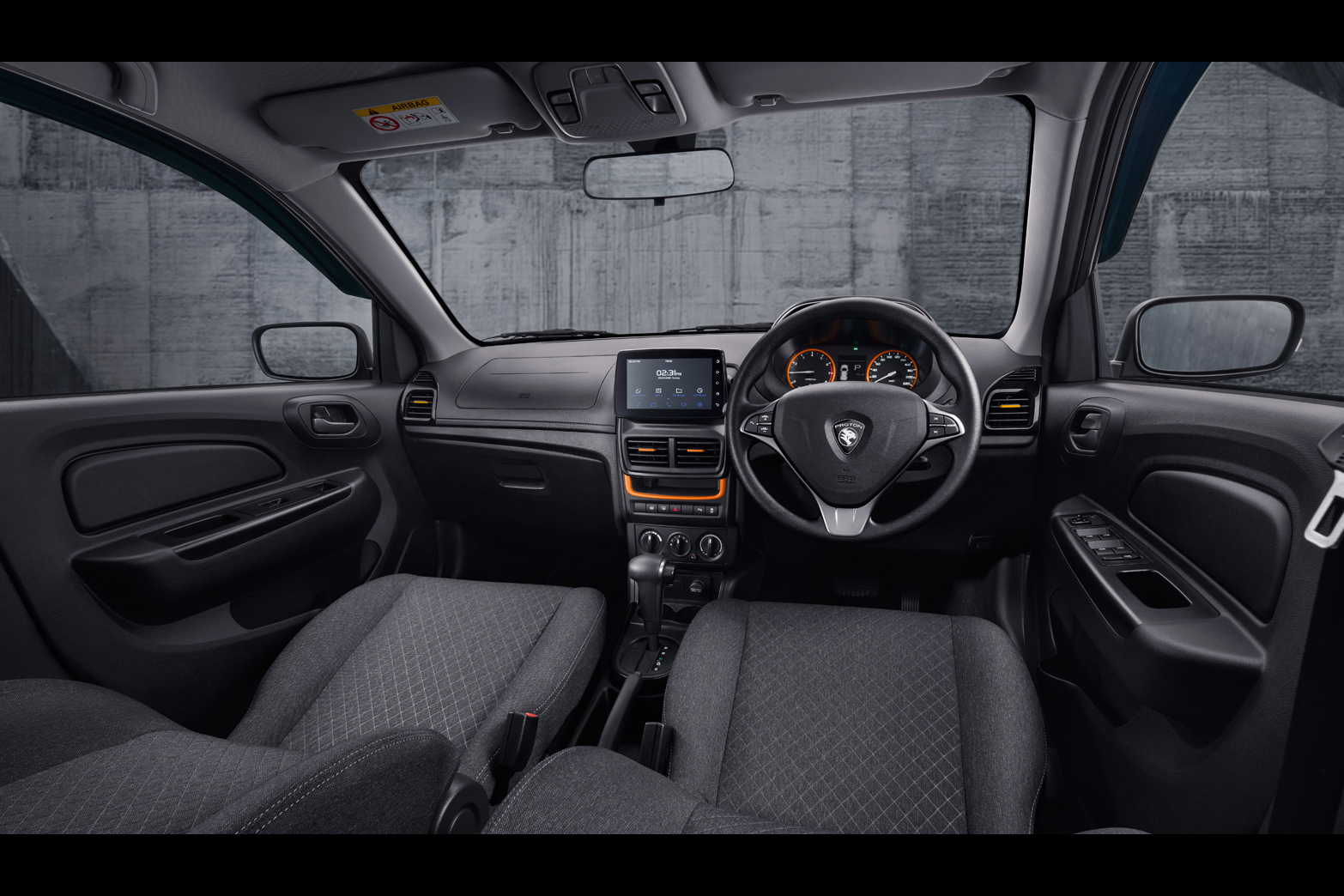
As the largest passenger car market in ASEAN, Malaysian consumers have long considered safety their top priority when buying a car. Research data shows that the weight of safety factors in local consumers' car-buying decisions far exceeds that of features and price.
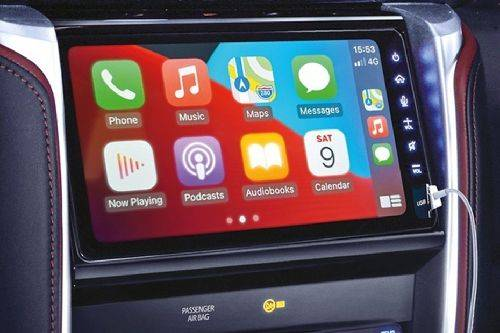
The Impact of Touchscreen Operations on Driving Safety
Tests conducted by a professional institution in the United Kingdom found that drivers take an average of 13.6 seconds to complete basic functions through a touchscreen, with even the best-performing models requiring 4.8 seconds. In real driving scenarios, this is equivalent to driving blind for 33 meters at a typical city speed of 60 km/h in Malaysia, and just 2 seconds of distraction is enough to cause a fatal accident.
Even more astonishing, research by the Transportation Research Laboratory (TRL) confirmed that the level of distraction from using a touchscreen exceeds that of driving under the influence of alcohol or cannabis, with the time taken to adjust the air conditioning being twice as long as physical buttons and tuning the radio taking up to eight times longer.
ASEAN NCAP stated that the upcoming new safety plan will focus on optimizing the protection system for adult passengers.
Although specific evaluation standards for touch screens have not been explicitly mentioned yet, referring to the pioneering policies of the European NCAP, the ease of use and safety of vehicle control systems will inevitably be included in the scoring dimensions. This means that vehicles in the Malaysian market that have removed physical buttons and rely entirely on touch screens may face the risk of downgraded safety ratings in the future.
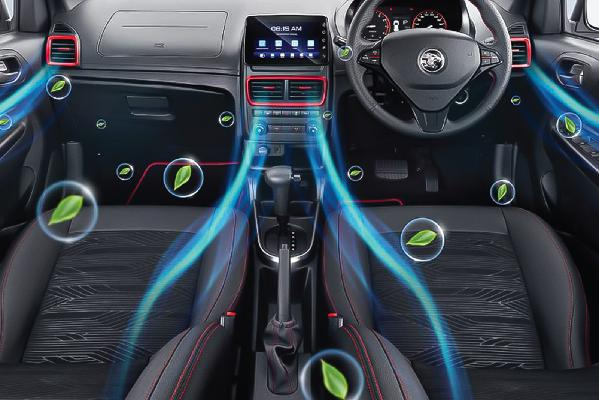
Market dissatisfaction with car manufacturers reducing physical buttons has long existed
It is worth noting that signs of reflection have already emerged in the market. Globally, over 90% of drivers express dissatisfaction with pure touch screen designs, prompting some car manufacturers to reintroduce physical buttons.
This trend aligns closely with the practical demands of Malaysian consumers—while pursuing a sense of advanced technology, local users place greater importance on ease of operation and safety during driving.
For consumers, reevaluating the practical value of touch screen configurations when purchasing a car is essential. It is recommended to prioritize models that retain physical buttons for core functions or are equipped with advanced voice control systems to avoid compromising safety for flashy designs.
When reviewing ASEAN NCAP star ratings, in addition to crash test results, attention should be paid to the scoring details related to human-machine interaction (to be released soon).
The development of automotive technology must ultimately be based on safety.
With the upgrade of safety rating standards, the Malaysian automotive market is ushering in a "back to basics" technological reform. Only those models that genuinely balance technology with safety will be able to stand firm in future competition. For consumers, understanding the "safety over coolness" logic of car buying is essential for making wise decisions.
If any infringement occurs, please contact us for deletion










Popular Cars
Model Year
Car Compare
Car Photo