
Toyota Harrier: The Perfect Blend of Fuel Efficiency and Premium Comfort
 JamesApr 23, 2025, 10:28 AM
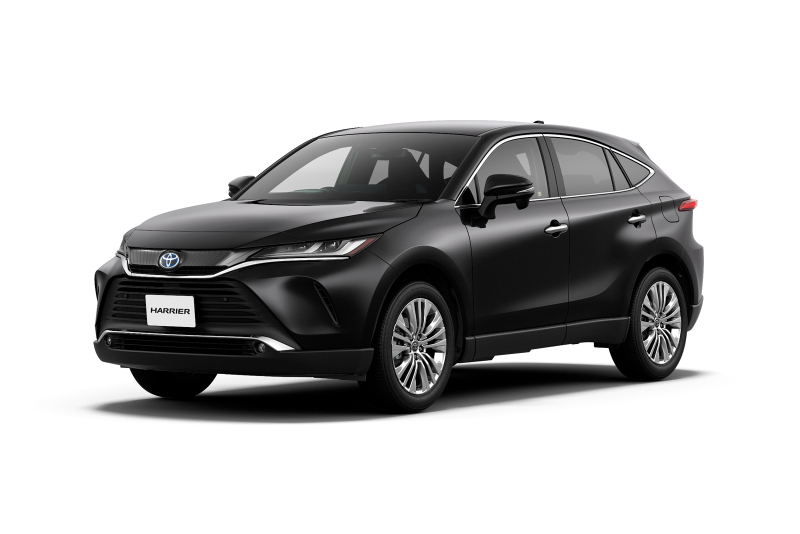
【PCauto】As the best-selling model of Toyota, the Toyota Harrier has garnered market recognition for its classic design and excellent cost-effectiveness. Externally, the Toyota Harrier retains Toyota's understated elegance while incorporating some modern style elements. Inside, it boasts a comprehensive array of features to meet everyday needs. In terms of driving experience, the Toyota Harrier offers stable performance and responsive handling, making it suitable for a variety of driving preferences. Today, with its perse configurations and competitive pricing, the Toyota Harrier has become an ideal choice for many consumers. In the following sections, we will provide a detailed overview of the available models and pricing for the Toyota Harrier, helping you gain a better understanding of this vehicle.
Price of the Toyota Harrier
The Toyota Harrier offers 2 sub-models:
• D2023 Toyota Harrier 2.0 Luxury, is priced at RM274,000.
• D2023 Toyota Harrier 2.0 Luxury SE, is priced at RM277,000.
Prices of different year models of the Toyota Harrier
Regarding the Toyota Harrier, other model years are still available on the market:
• DToyota Harrier 2021, starting at RM249,707
• DToyota Harrier 2018, starting at RM234,510
Exterior design of the Toyota Harrier
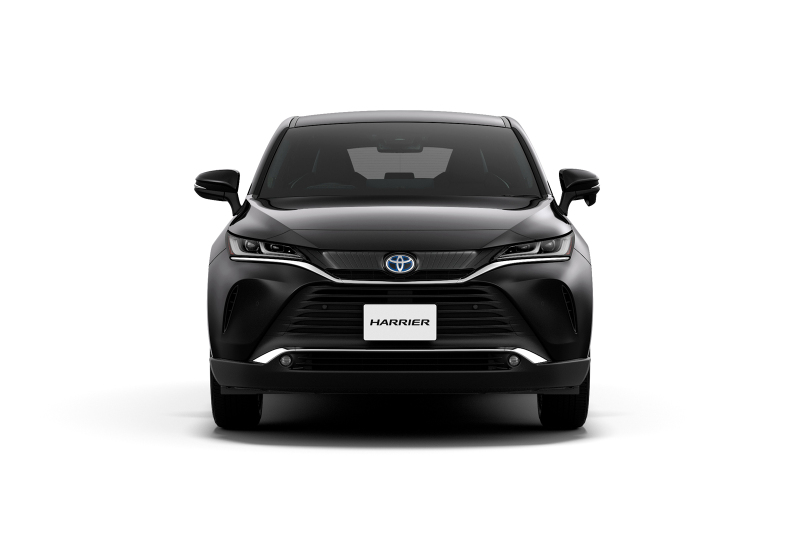
The exterior dimensions of the Toyota Harrier are 4740 × 1855 × 1660 mm, with the 2690 of mm, which not only provide the vehicle with a spacious interior but also stand out prominently in its class. The Toyota Harrier} performs well both in visual appeal and practical usage experience.
The design philosophy of the Toyota Harrier strikes a clever balance between elegance and practicality, showcasing a unique style and quality.
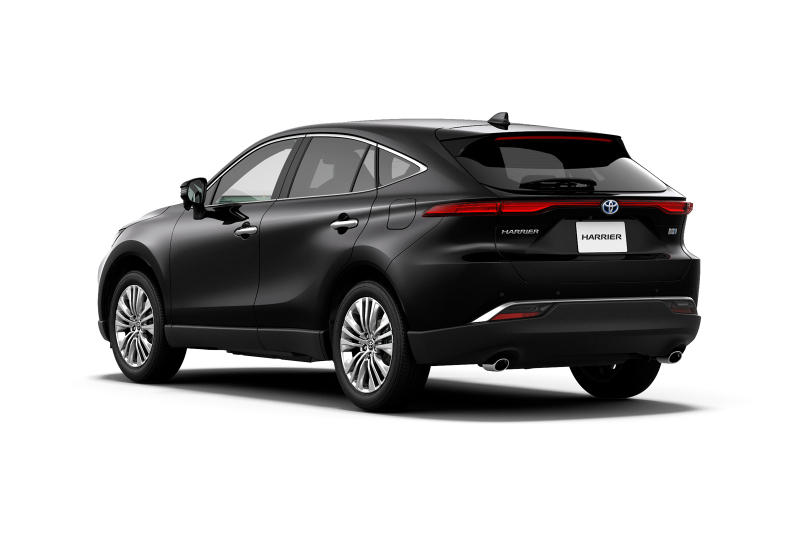
At the front, the Toyota Harrier features clean lines and prominently sized air intakes, complemented by slender LED headlights that create a subtle yet luxurious aura. The grille, adorned with chrome accents, seamlessly integrates with the LED headlight clusters on either side, enhancing the overall coherence and distinctiveness of the front fascia.
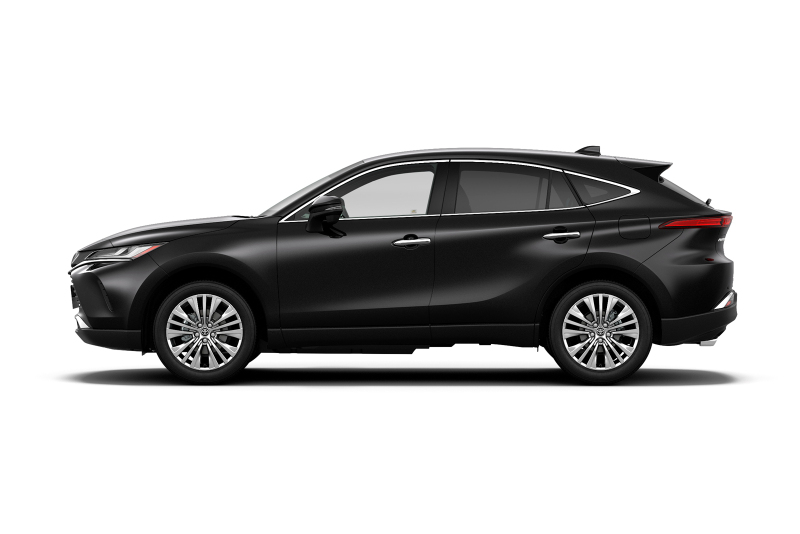
From the side view, the Toyota Harrier boasts smooth body lines, with a high waistline paired with a flowing roofline that outlines an elegant and dynamic silhouette. Chrome trim around the windows adds a touch of sophistication, while the concave design of the side skirts harmonizes with the lines around the front and rear wheel arches, giving a more three-dimensional feel to the body. Additionally, the Toyota Harrier is equipped with 18 inch wheels, elevating its visual appeal.
At the rear, the Toyota Harrier stands out with its simple taillights and a well-rounded rear shape, featuring a hidden exhaust design that further enhances the vehicle’s refinement. The continuous taillight strip is a highlight, utilizing LED lighting to create a uniform and delicate light effect when illuminated, enhancing the visual attraction of the rear.
Overall, the exterior design of the Toyota Harrier reflects quality in its attention to detail, with an overall shape that aligns with modern aesthetics, combining beauty and functionality to meet the needs of perse users.
Driving experience of the Toyota Harrier
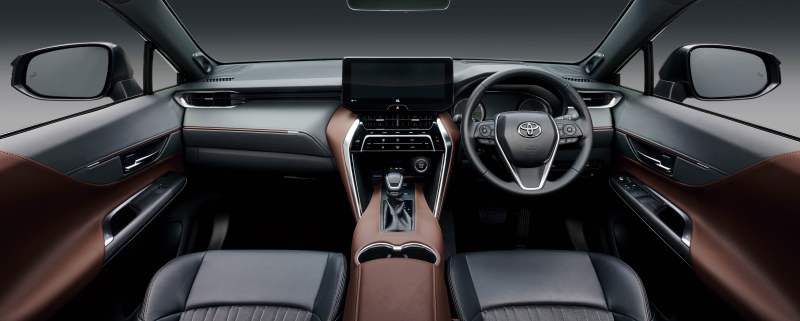
The powertrain of the Toyota Harrier delivers exceptional performance. Equipped with a 2.0L 4-cylinder engine, this engine produces a maximum power output of 127.2 kW and peaks at a torque of 203 N·M, achieving its maximum torque output at 4900 RPM. Complementing this engine is a CVT transmission, which offers smooth shifts and quick responsiveness, ensuring efficient power transfer. The vehicle employs a Front Wheel drive system, providing stable power delivery whether on city streets or rugged mountain roads. Additionally, the Toyota Harrier boasts a combined fuel consumption of 6.5 L/100 km, highlighting its impressive fuel efficiency and confirming its outstanding power performance, making it suitable for various driving scenarios.
Fuel consumption of the Toyota Harrier
The Toyota Harrier minimum fuel consumption is 6.5/100 km, and the Toyota Harrier highest fuel consumption is 6.5/100 km, depending on the model. According to toyota official data, here’s a breakdown of the fuel consumption for various Toyota Harrier models:
• 2023 Toyota Harrier 2.0 Luxury fuel consumption is 6.5 L/100km
• 2023 Toyota Harrier 2.0 Luxury SE fuel consumption is 6.5 L/100km
| Fuel Type | Transmission | Manufacturers Claim |
|---|---|---|
| Petrol(1987cc) | CVT | 6.5L/100km |
Chassis of the Toyota Harrier
The chassis design of the Toyota Harrier emphasizes a balance between handling and comfort. The vehicle utilizes a MacPherson front suspension and a Double Wishbone rear suspension; this combination provides optimal support while effectively handling road imperfections to ensure a stable driving posture across various conditions. In terms of the braking system, the Toyota Harrier is equipped with Ventilated Disc front brakes and Ventilated Disc rear brakes that provide significant stopping power, responding swiftly to the driver’s braking needs. Additionally, the tire specifications are 225 / 60 R18, delivering excellent grip while also minimizing road noise, thus enhancing ride comfort for both the driver and passengers.
After gaining a detailed understanding of the Toyota Harrier, you likely have a clear grasp of its cost-effectiveness. With a starting price of RM234,510, it offers a competitive pricing advantage in the market, while its performance also meets the needs of daily use. If you find this vehicle intriguing, why not visit a dealership for a test drive? This will allow you to experience its performance firsthand and determine if it aligns with your expectations.
If any infringement occurs, please contact us for deletion







Popular Cars
Model Year
Car Compare
Car Photo