
Toyota Starlet plans to return in 2027, the new car will be developed based on the TNGA-B platform
 Kevin WongMar 06, 2026, 04:26 PM
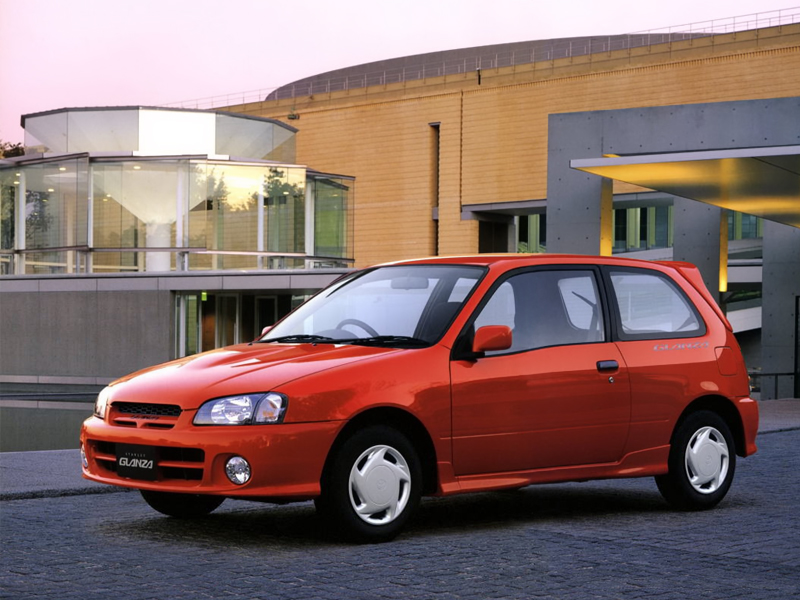
[PCauto] If you remember the JDM small cars of the 1990s, the name Toyota Starlet will surely be familiar.
Known for its agility and durability, this compact hatchback bowed out in 1999 to make way for the Yaris, and then faded from the scene for years.
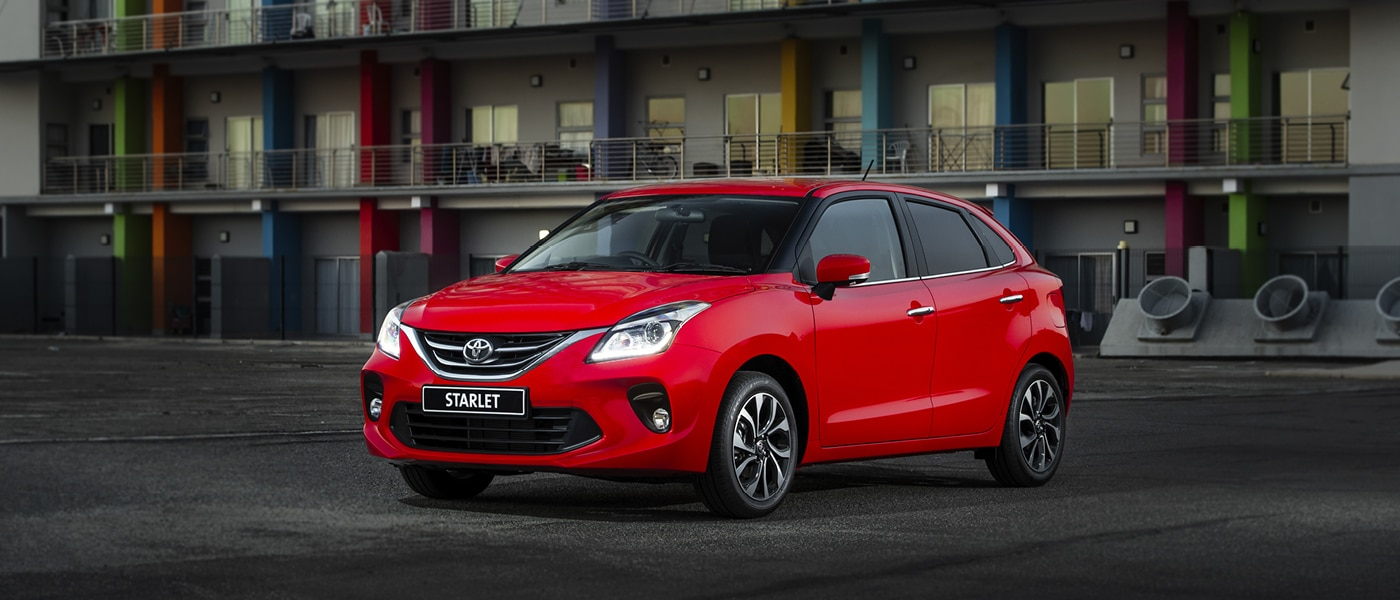
In recent years Toyota has kept the Starlet name alive in markets like South Africa by "rebadging" the Suzuki Baleno, to car enthusiasts, this is merely a soulless rebadge product.
However, based on the information we currently have, the true Starlet is making a comeback.
Toyota is planning to release a brand-new entry-level hatchback in 2027, and it is highly possible that the iconic Starlet name, which has been dormant for 27 years, will be revived to fill the market gap left by the discontinuation of the Passo and Boon.
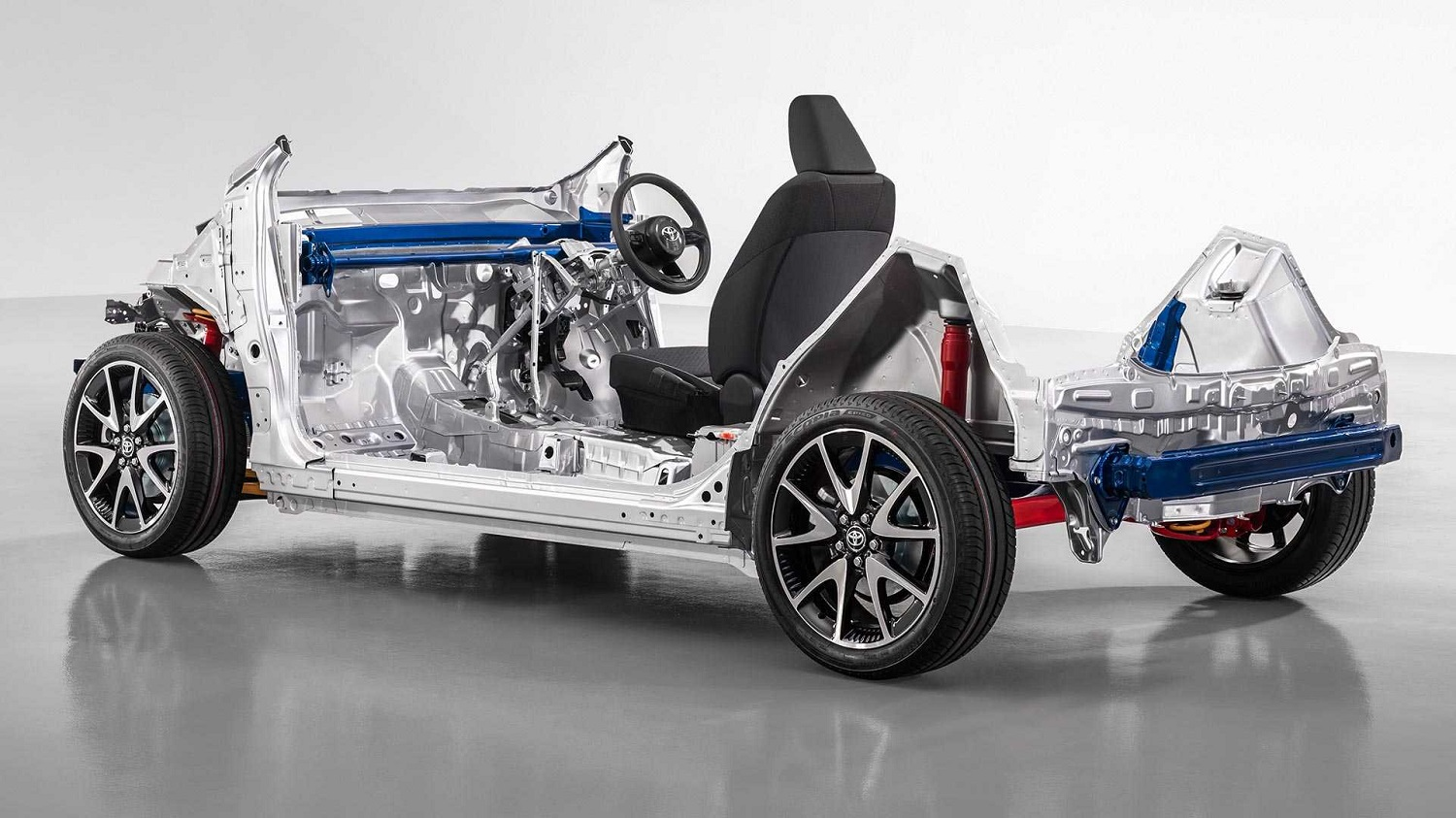
Starlet will be developed based on the TNGA-B platform
The most intriguing detail about this Starlet comeback lies in the change of its platform architecture. Initially, the development of this car was led by Daihatsu, utilizing the cost-cutting DNGA platform.
However, following the massive safety collision test scandal at Daihatsu, Toyota has clearly lost patience with handing over full control.
To restore brand reputation and ensure the rigidity and driving performance of the vehicle, the new generation Starlet is confirmed to switch to Toyota's pureblood TNGA-B platform.
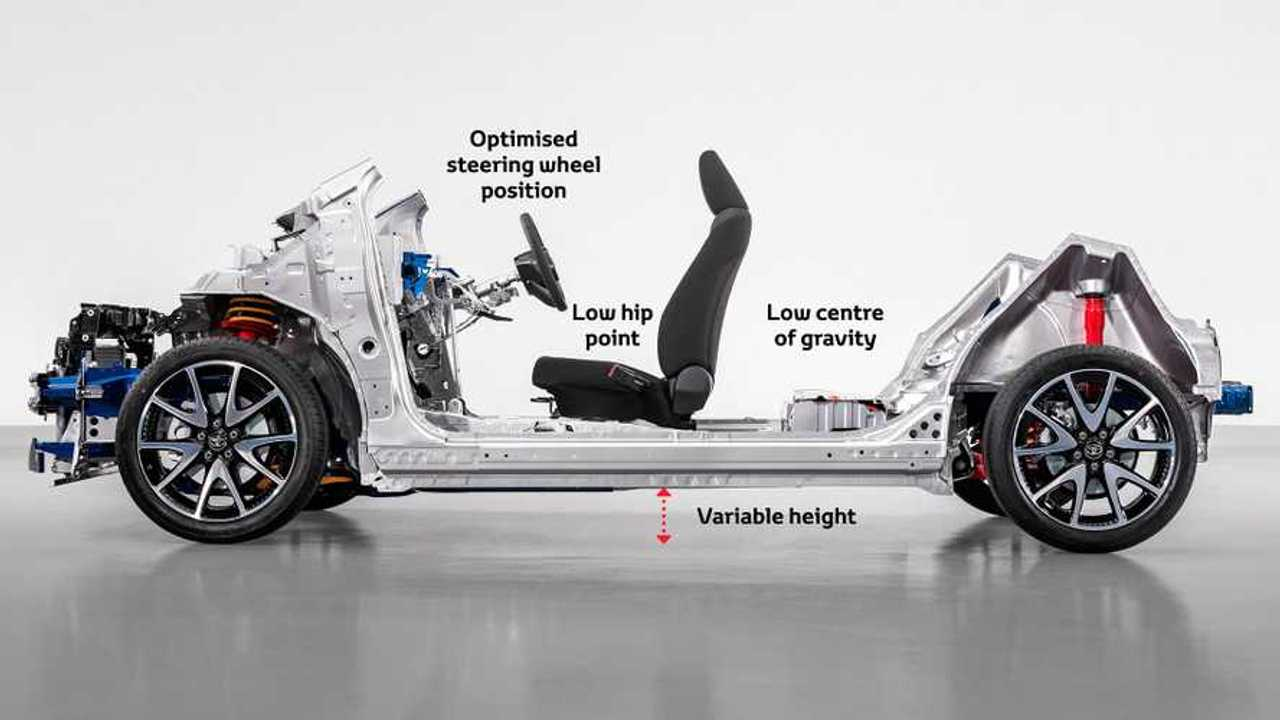
Although this will undoubtedly increase development costs, it is definitely good news.
This means that this entry-level small car, positioned below the Yaris, will have the same technical genes as the Yaris and even the GR Yaris.
In terms of body size, the new Starlet is expected to have a total length of about 3,850 mm.
This figure is very subtle; it is about 150 mm longer than the Aygo X currently sold in Europe, but nearly 100 mm shorter than the standard version of the Yaris. This size makes it truly maneuverable on crowded urban streets.
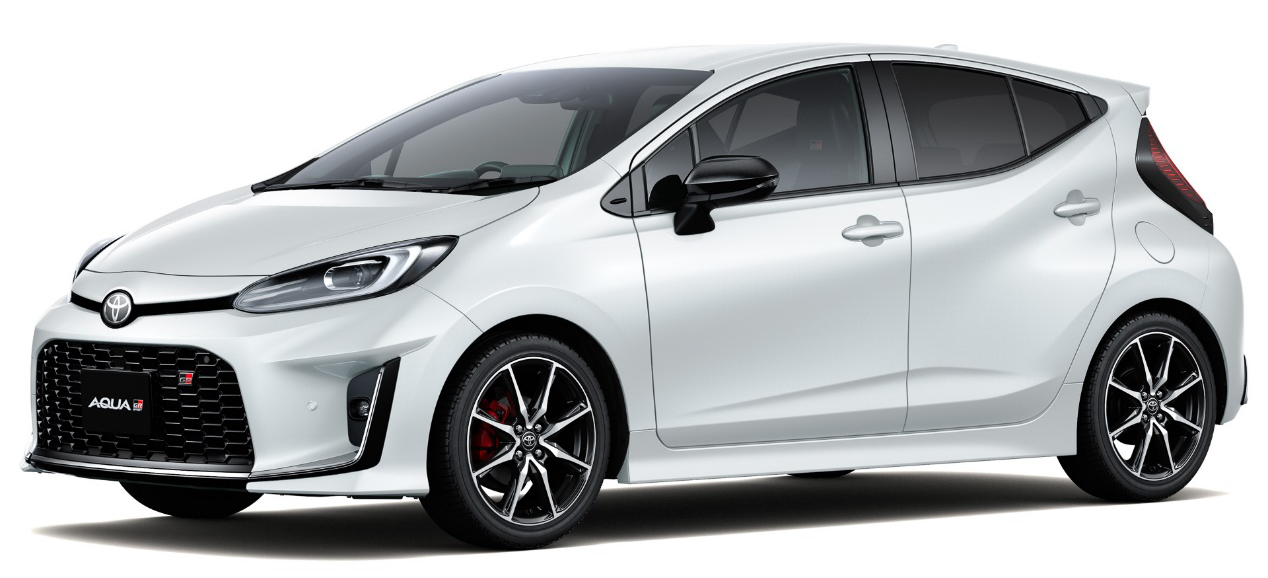
Equipped with 1.3T Power
If it's only intended to be an ordinary commuter car, there seems to be no need for Toyota to use TNGA. The real standout is the involvement of the GR division.
It is understood that Toyota is planning to develop a WRC Rally 4-compliant racing car based on the Starlet.
In order to meet the racing regulations, the civilian version of the Starlet is expected to be equipped with a 1.3-liter three-cylinder turbocharged engine derived from the powerful 1.6T engine of the GR Yaris.
Even with the power being relatively conservatively tuned, its maximum output is still expected to reach around 150 hp. Combined with less than 1,000 kg of weight, and a 6-speed manual or 8-speed automatic transmission, this small car's power-to-weight ratio is enough to make many so-called sporty hatchbacks feel ashamed.
Of course, as a regular commuting tool, the entry-level version will most likely be paired with Toyota's mature hybrid system to comply with increasingly stringent emission regulations.
How much will it cost?
When it comes to money, this is always the topic everyone cares about the most.
According to estimates in the Japanese market, the price of the regular version of the Starlet may be positioned in a very affordable range.
The base version is expected to be priced at around 2.2 million Japanese Yen (56,000 MYR).
Although the price will increase with the addition of various tariffs when entering the Southeast Asian market, as a small car wearing the Toyota badge and based on the TNGA platform, this threshold remains highly attractive.
Although the TNGA-B platform is good, its cost is not low. Toyota's decision to forgo the low-cost DNGA platform means the Starlet must differentiate itself in terms of product strength compared to regular economy cars to justify this added premium to consumers.
Additionally, facing the low-price offensive from Chinese brand electric vehicles, the sustainability of the Starlet's fuel/hybrid strategy is also in question.
But in any case, a brand dedicated to drivers is certainly unwilling to see streets filled only with monotonous box-like cars.
If any infringement occurs, please contact us for deletion






Popular Cars
Model Year
Car Compare
Car Photo