
Xiaomi SU7 2026 launch, equipped with V6s Plus motor, maximum range of 902 kilometers
 MichaelMar 20, 2026, 11:41 AM
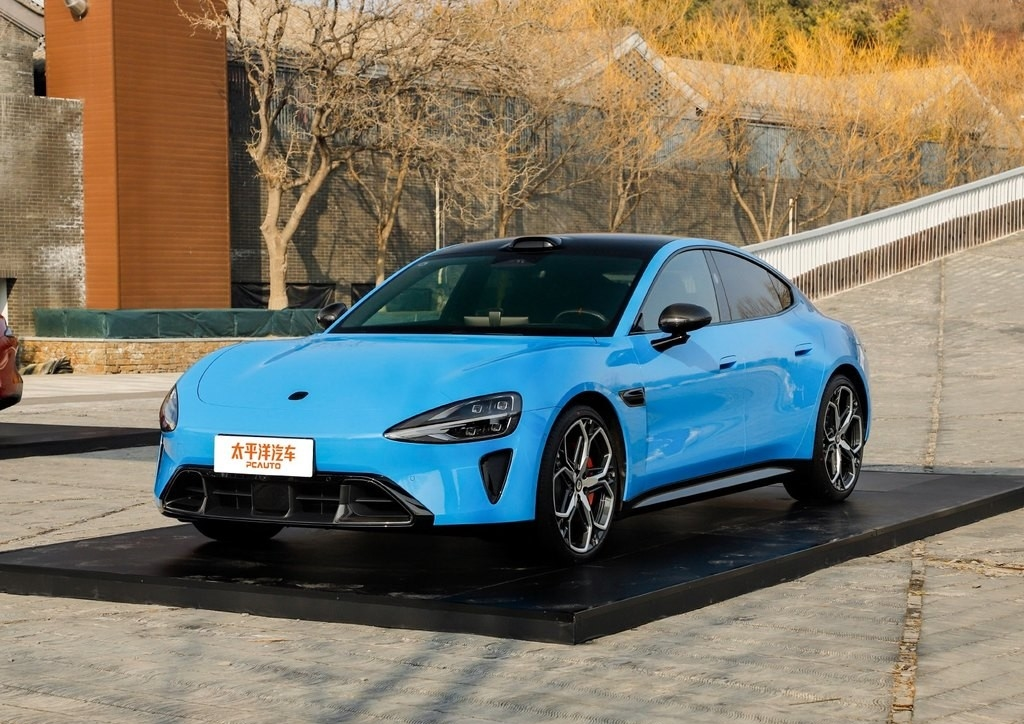
[PCauto] On the second anniversary of its first model, the SU7, Xiaomi Auto has officially unveiled the next‑generation SU7. Compared to the annual minor updates, this revision features significant improvements in the wider adoption of an 800V high-voltage platform, an increase in battery energy density, and mechanical quality optimization.
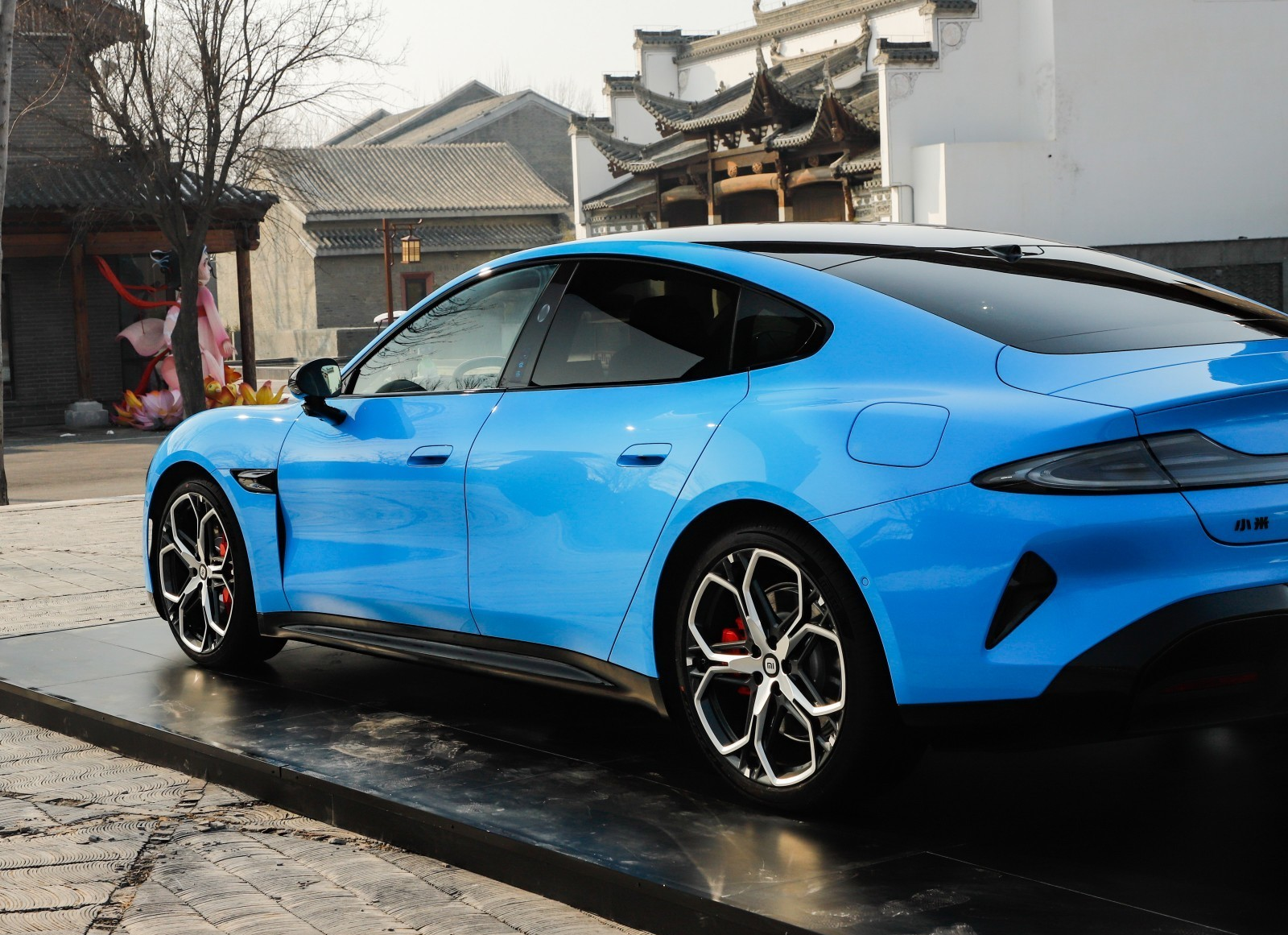
Exterior design remains unchanged
The next‑generation Xiaomi SU7 doesn't go for bold changes in exterior design. From the body proportions, it still maintains a length of 4,997 mm and a wheelbase of 3,000 mm. This low-slung coupe posture provides strong recognition in the current C-segment pure electric market.
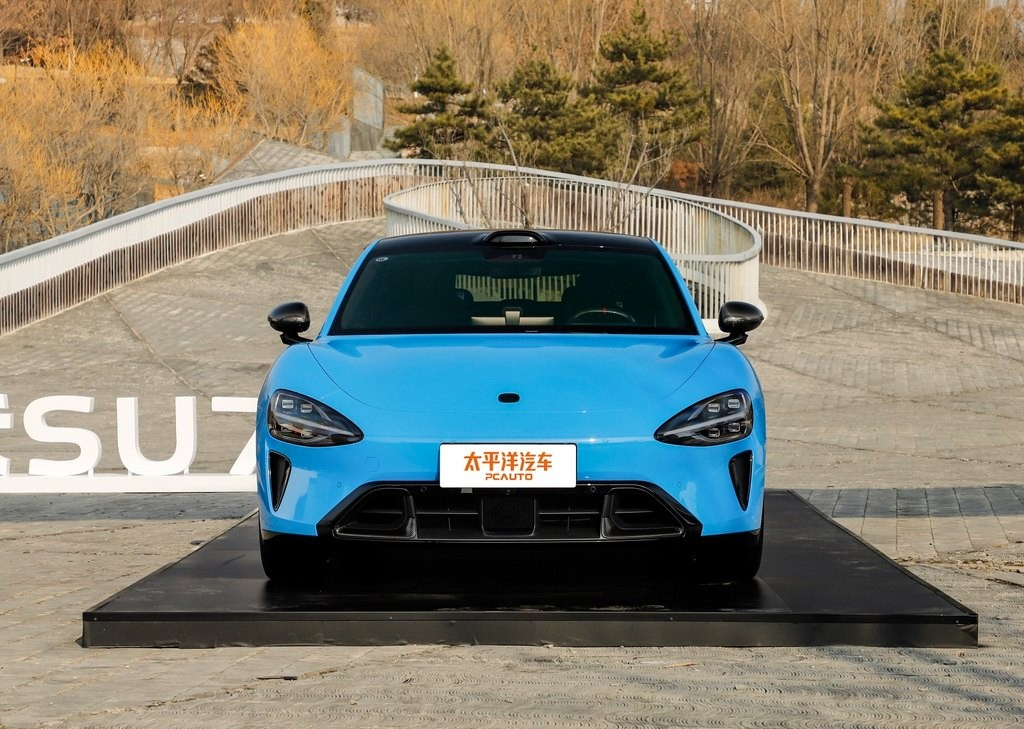
Exterior adjustments are mainly focused on the lower part of the front, where the internal structure of the air intake grille has been optimized to improve cooling efficiency during low-speed driving.
One noteworthy update is the integration method of hardware sensors.
The new vehicle incorporates the latest 4D millimeter-wave radar into the grille, alongside standard laser radar across all models. This signifies that Xiaomi has fully moved on from vision‑only or radar‑free experiments in its intelligent driving solutions.
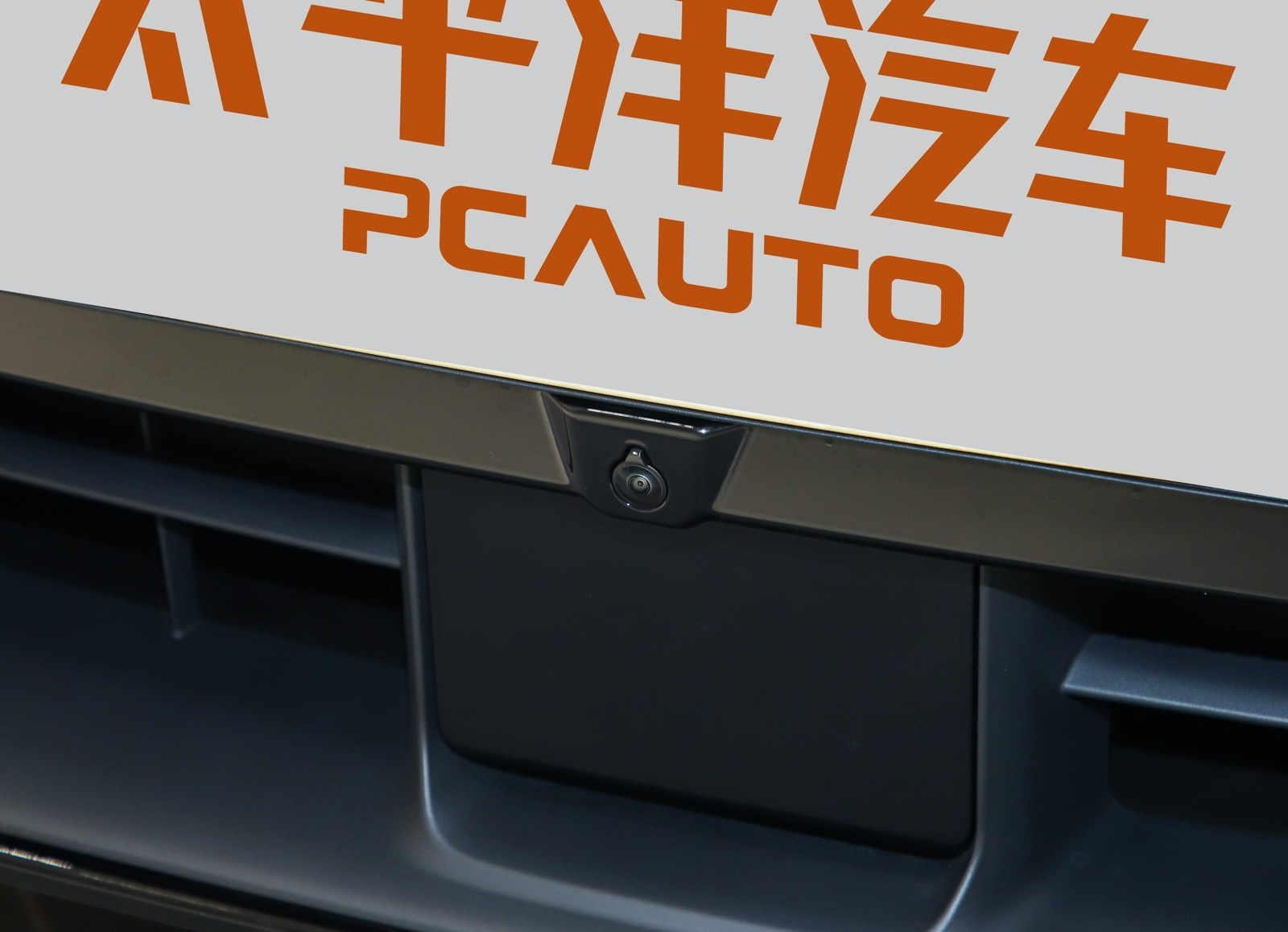
For users, this means that even entry-level models can have the same hardware foundation for active safety and perception capability in complex weather conditions as top-tier models.
Upgrading to the 800V High-Voltage Platform
In terms of mechanical quality, the core evolution of the new generation SU7 lies in its electric drive system. All models are now equipped with the HyperEngine V6s Plus motor, which reaches a rotational speed of 22,000 rpm.
While most urban commuters may not perceive a noticeable difference from increased peak power, the enhanced efficiency for high-speed cruising brought by the high-speed motor is indeed tangible.
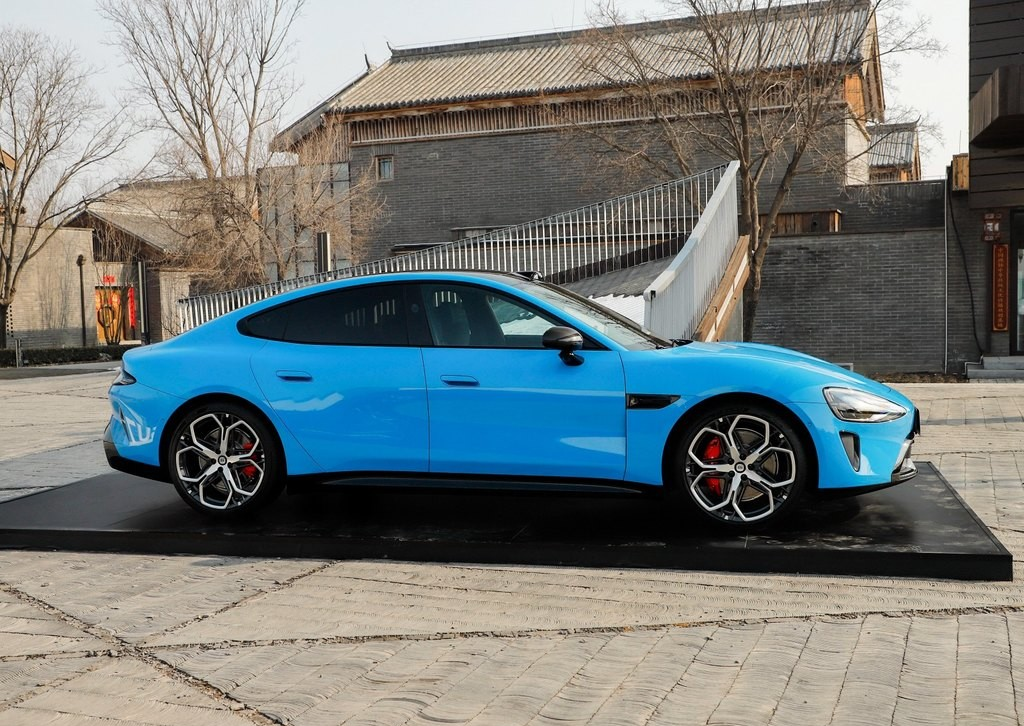
In terms of range, the Pro version boasts the longest range in this facelift. By optimizing the battery management system and reducing weight, its CLTC range has reached 902 km.
Meanwhile, the Max version continues to adhere to the high-performance route. With the support of the 897V high-voltage platform, tested charging power has further improved, theoretically enabling over 600 km of range to be replenished within 15 minutes.
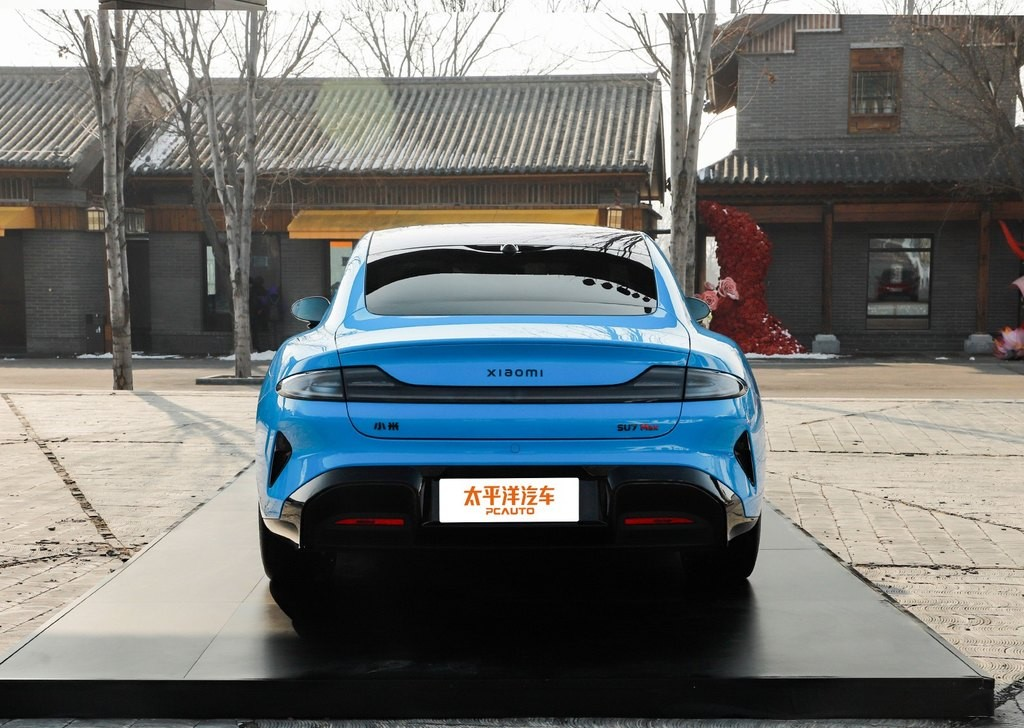
Dual-Chamber Air Suspension Becomes Mainstream
The initial version of the SU7 sparked considerable debate regarding the balance between handling and comfort.
For the 2026 model, Xiaomi seeks to provide a definitive answer through hardware upgrades.
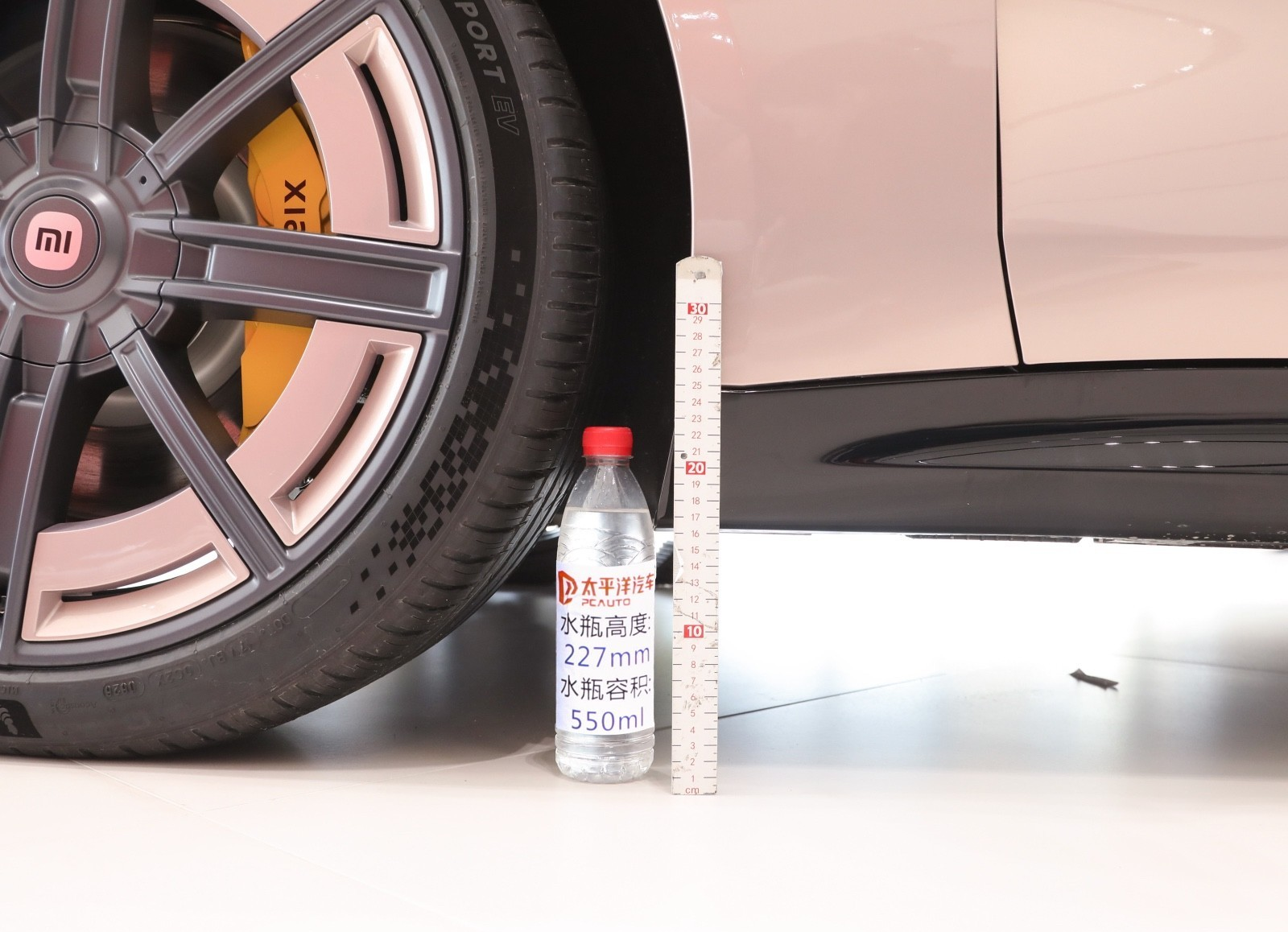
In addition to the entry-level Standard version maintaining the traditional coil spring, the Pro and Max versions now come standard with a closed dual-chamber air suspension.
Compared to the previous single-chamber design, the dual-chamber suspension allows for more delicate adjustments to spring stiffness, providing better body roll support during high-speed cornering and delivering a stronger damping quality on bumpy roads.
To complement this chassis system, the new car also features more refined tire configurations.
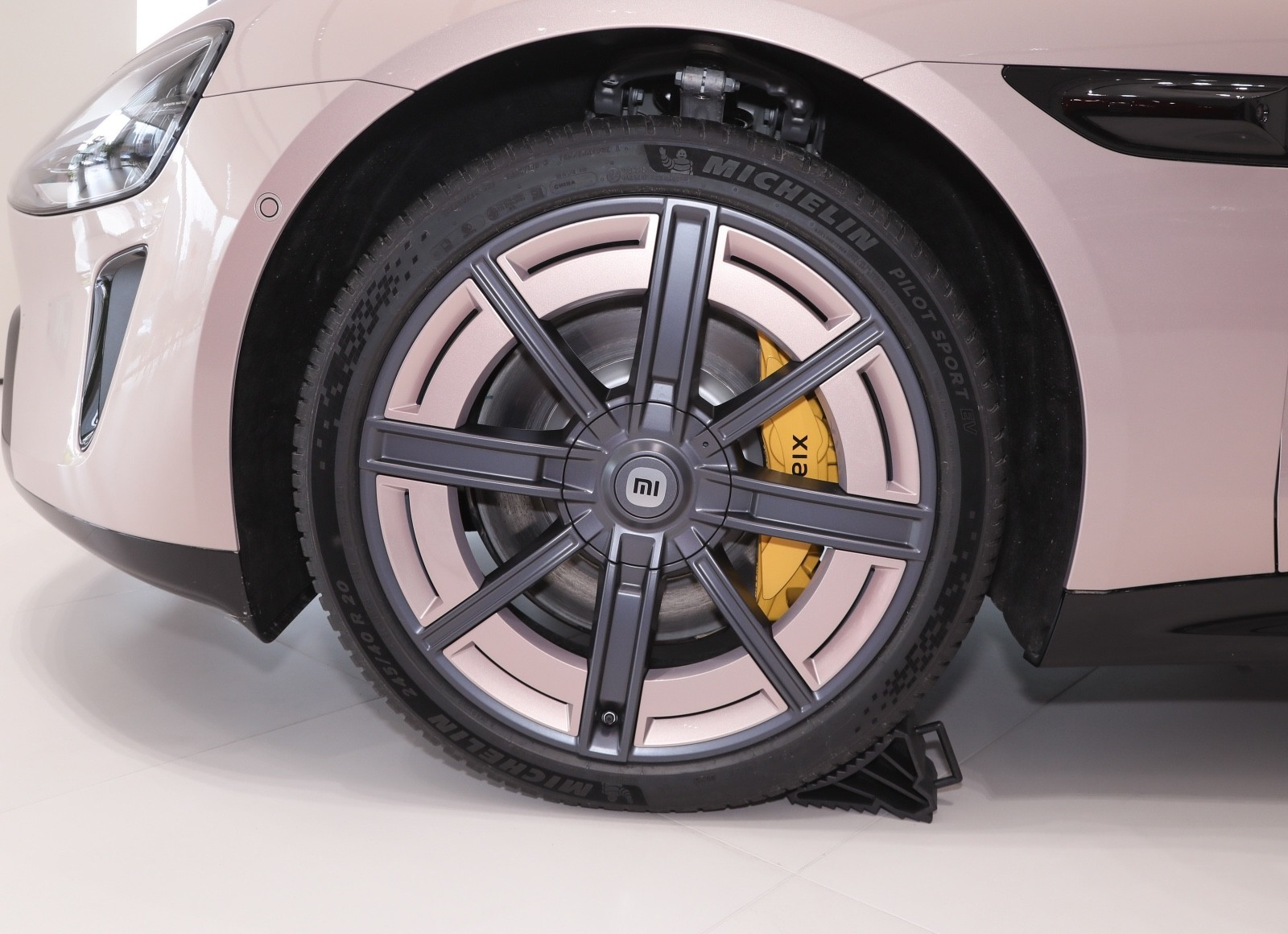
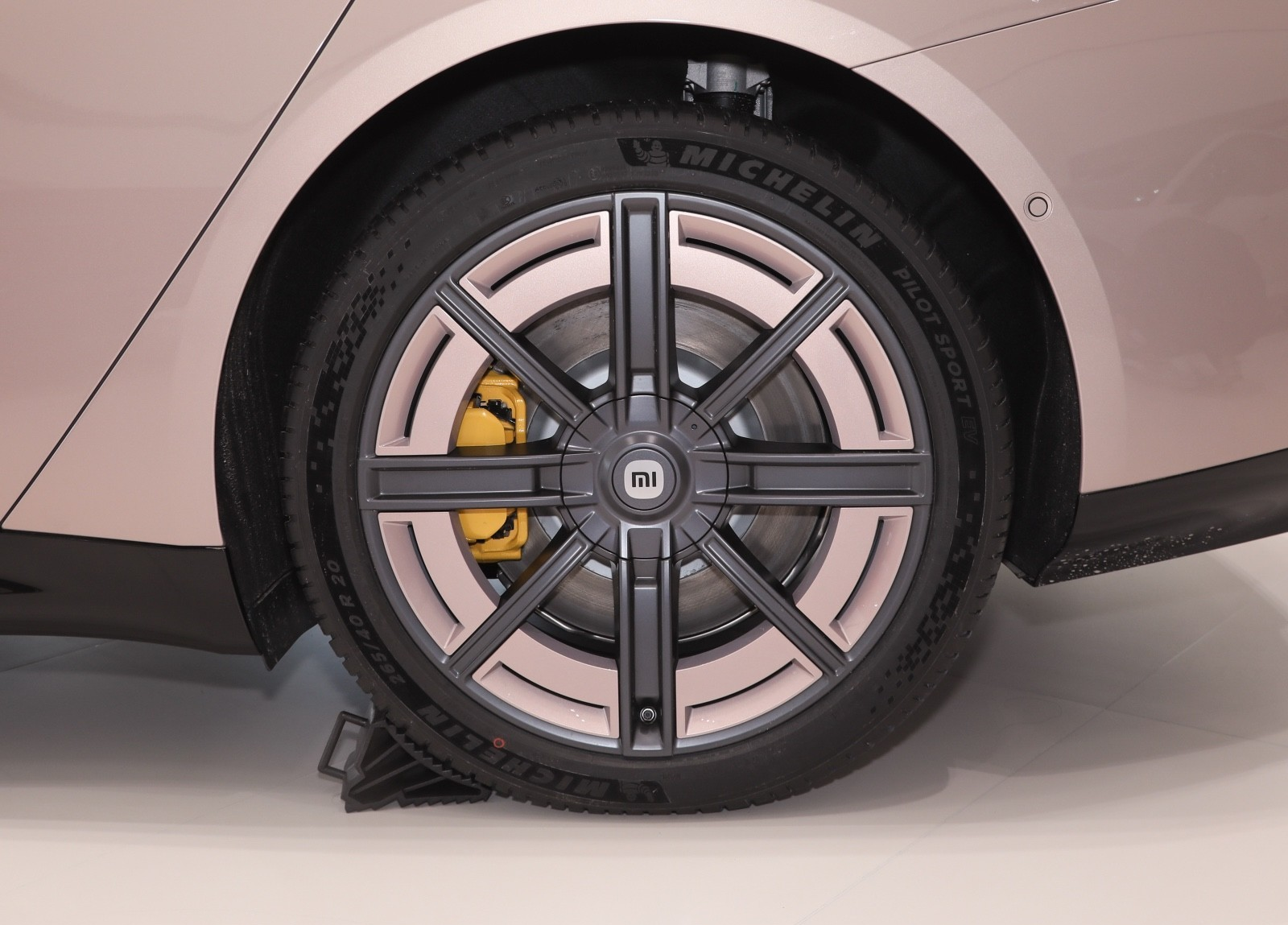
The entire series adopts a front-narrow rear-wide setup, a configuration typically found in high-powered rear-wheel-drive sports cars, aiming to optimize steering precision and ensure sufficient grip for the rear axle.
With the entire series equipped with front four-piston fixed brake calipers as standard, the new generation SU7 has essentially bridged the hardware gap in competing with traditional legacy sports sedans.
Improving Body Rigidity and Safety
In terms of safety, the new generation SU7 has been optimized based on previous user feedback.
The proportion of ultra-high-strength steel exceeding 2000 MPa in the body structure components has been increased, and distant airbags have been added.
Another small but important change is the redundancy logic of the mechanical door handles. In the event of extreme collisions causing power outages, the newly designed physical opening mechanism ensures that occupants can escape more quickly.
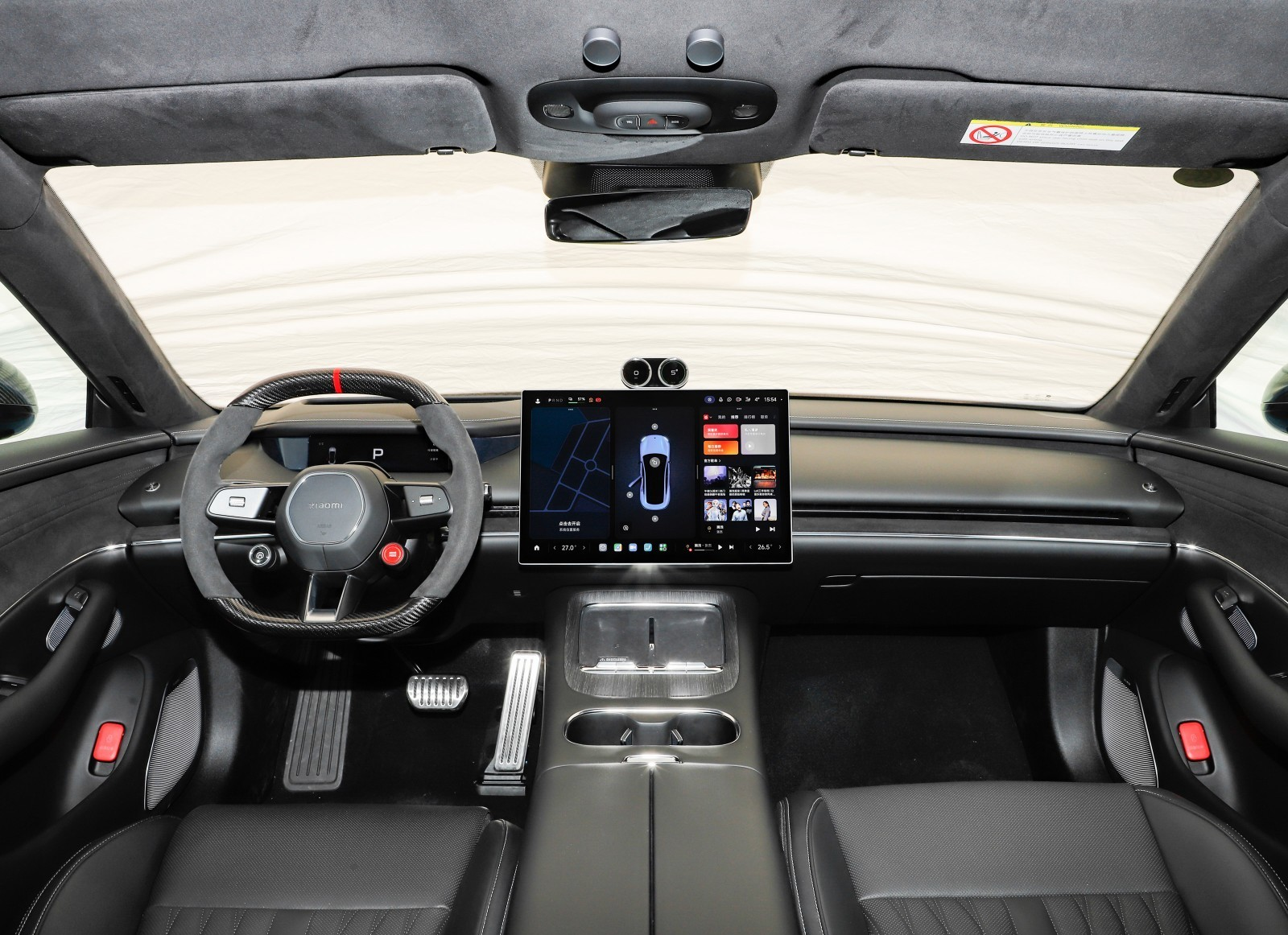
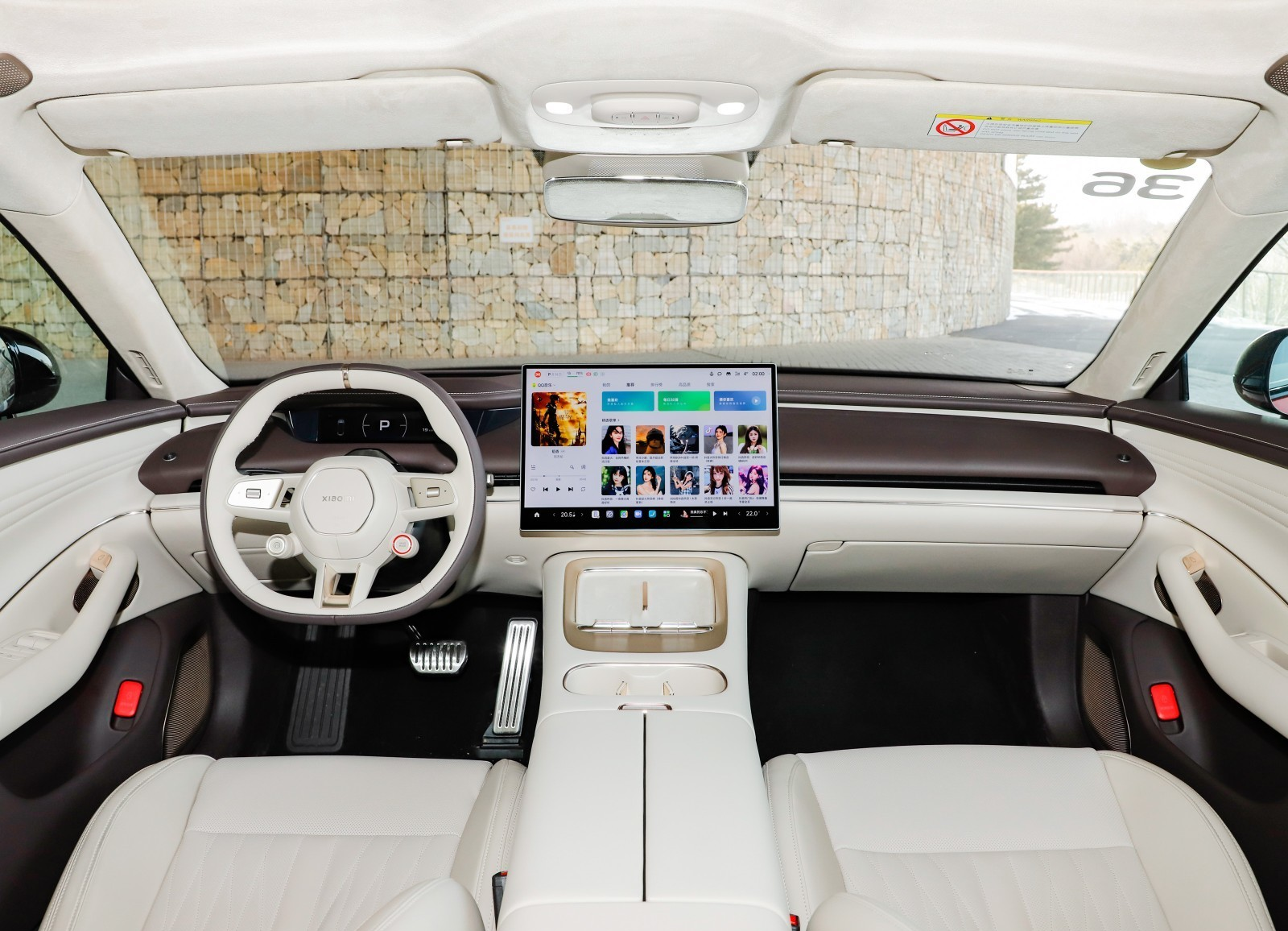
Inside the cabin, Xiaomi did not blindly pursue a fully touch-based interface.
On the contrary, the new car retains and optimizes the physical button interfaces below the center console. This design philosophy is not commonly seen in current Chinese brand models, and it allows users to install air conditioning adjustment or multimedia control knobs according to their driving habits.
Two years ago, the first-generation SU7 was launched and received 80,000 orders within just 24 hours of sales. To date, Xiaomi has delivered a total of 600,000 vehicles, of which 381,000 units were SU7.
If any infringement occurs, please contact us for deletion










Popular Cars
Model Year
Car Compare
Car Photo