
XPENG GX will be equipped with Bosch's new generation steer-by-wire system, ready for future L4 autonomous driving.
 LienMar 19, 2026, 02:27 PM
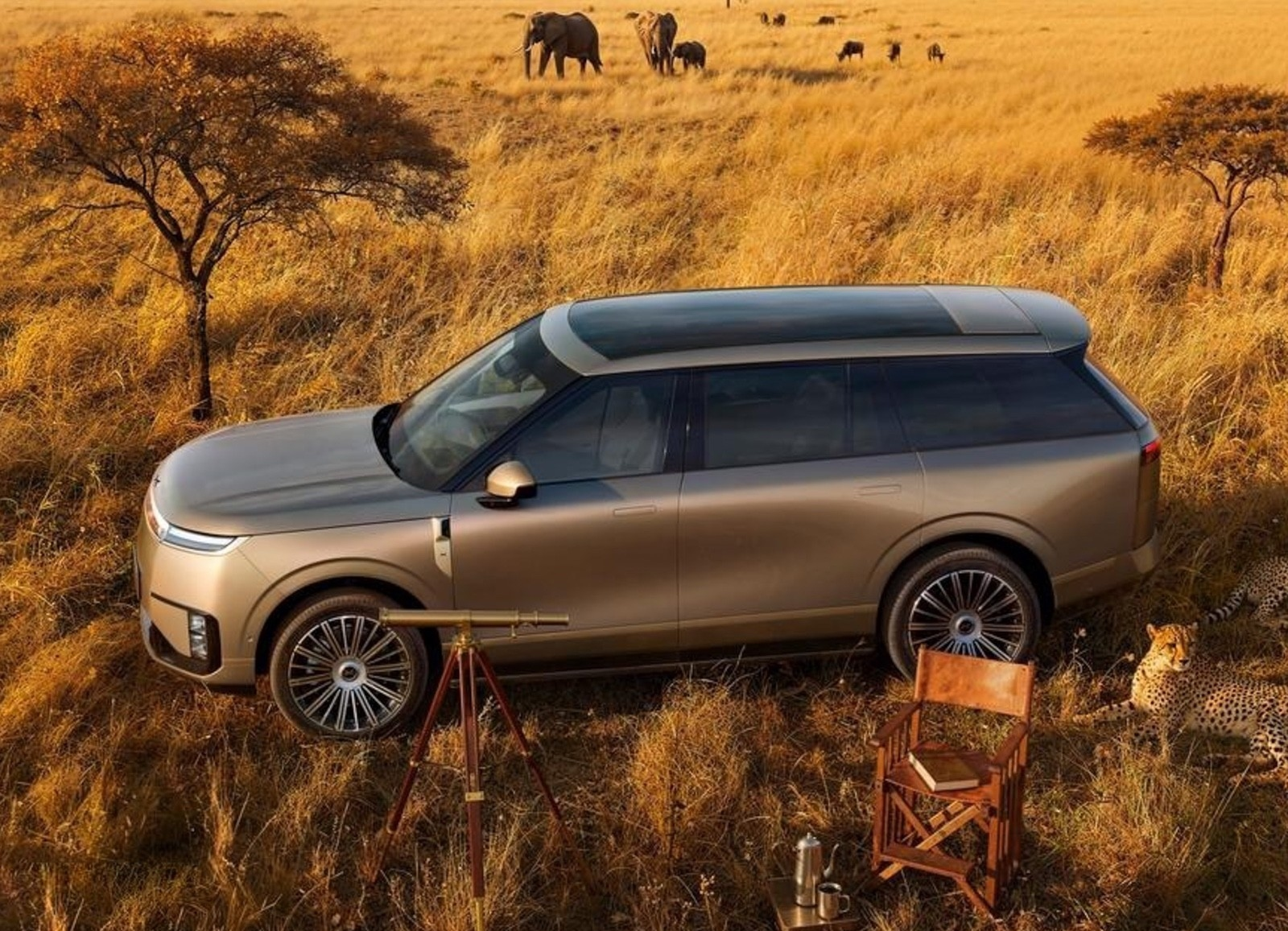
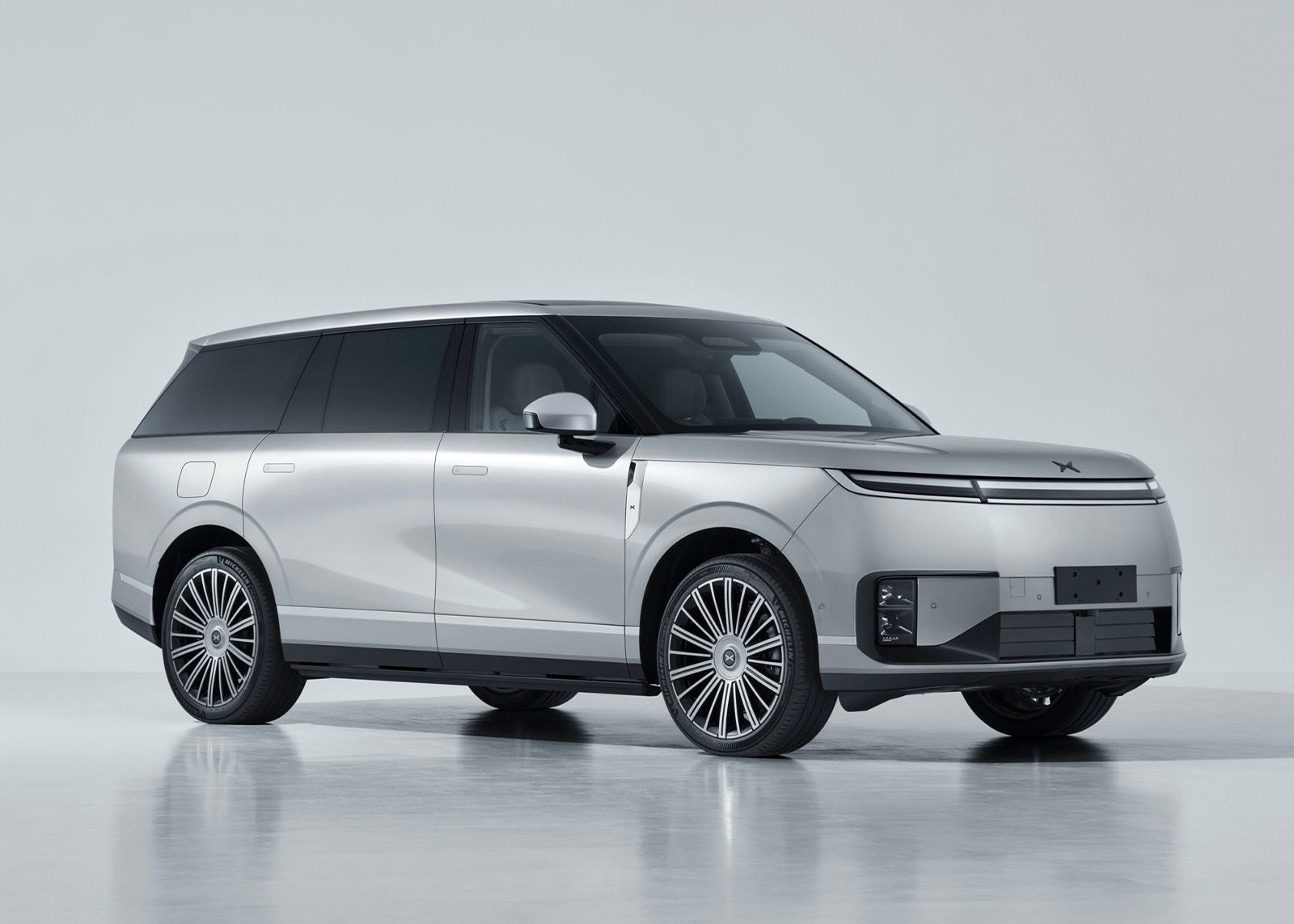
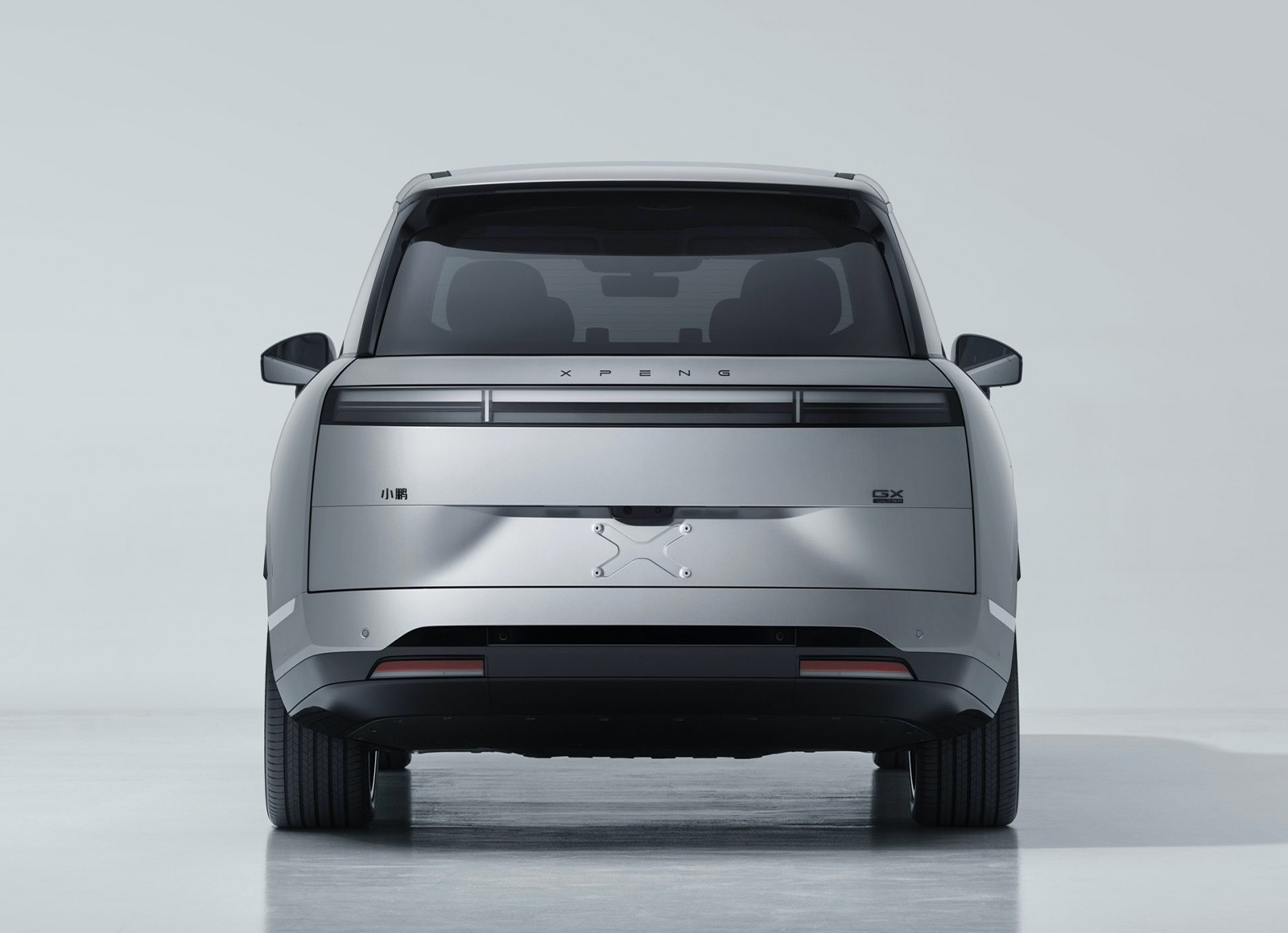
[PCauto] At the recently held XPENG Supply Chain Conference, XPENG announced that the GX will be equipped with Bosch's new-generation Steer-by-Wire system.
The so-called Steer-by-Wire essentially eliminates the physical mechanical connection (i.e., the steering column) between the steering wheel and the steering rack. Instead, it uses a system composed of sensors, an electronic control unit (ECU), and high-performance motors for signal transmission.
When the driver turns the steering wheel, the system captures the turning angle and force, converts them into electrical signals through algorithms, and controls the wheel angle directly using the front-end execution motor.
Bosch stated that this new-generation system integrates over 100 features and includes multiple redundancy architectures to ensure backup control capability even in the event of electronic system failures.
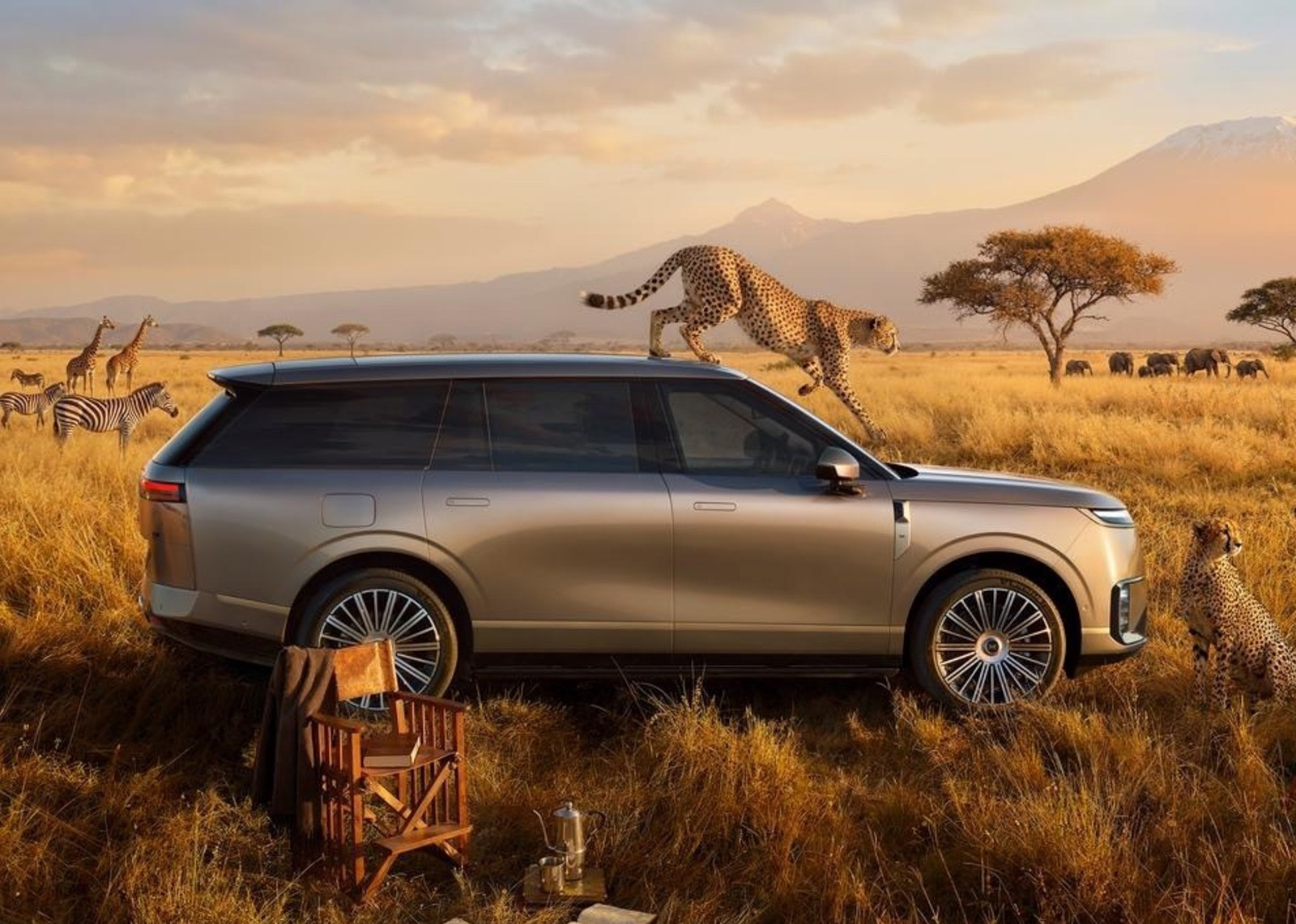
Steer-by-Wire unlocks more interior space.
For a giant vehicle with a length of 5,265 mm and a wheelbase of 3,115 mm, traditional mechanical steering systems often face issues such as fixed steering ratios, rigid feedback, and occupying cabin space.
With steer‑by‑wire, XPENG GX gains one immediate benefit: variable steering ratio.
When parking at low speeds or making U-turns, the driver can achieve a large turning angle by simply turning the wheel slightly, without having to repeatedly turn it fully.
While driving at high speeds, the system increases the steering ratio to enhance vehicle stability.
Furthermore, by eliminating the bulky steering column, the space under XPENG GX's dashboard is greatly freed up, giving designers the opportunity to create "extreme legroom."
More importantly, this hardware is compatible with L4-level autonomous driving. This means that in autonomous driving mode, the steering wheel can remain completely still, and in the future, when regulations allow, it can even retract and fold, transforming the driving seat into a fully-fledged mobile living space.
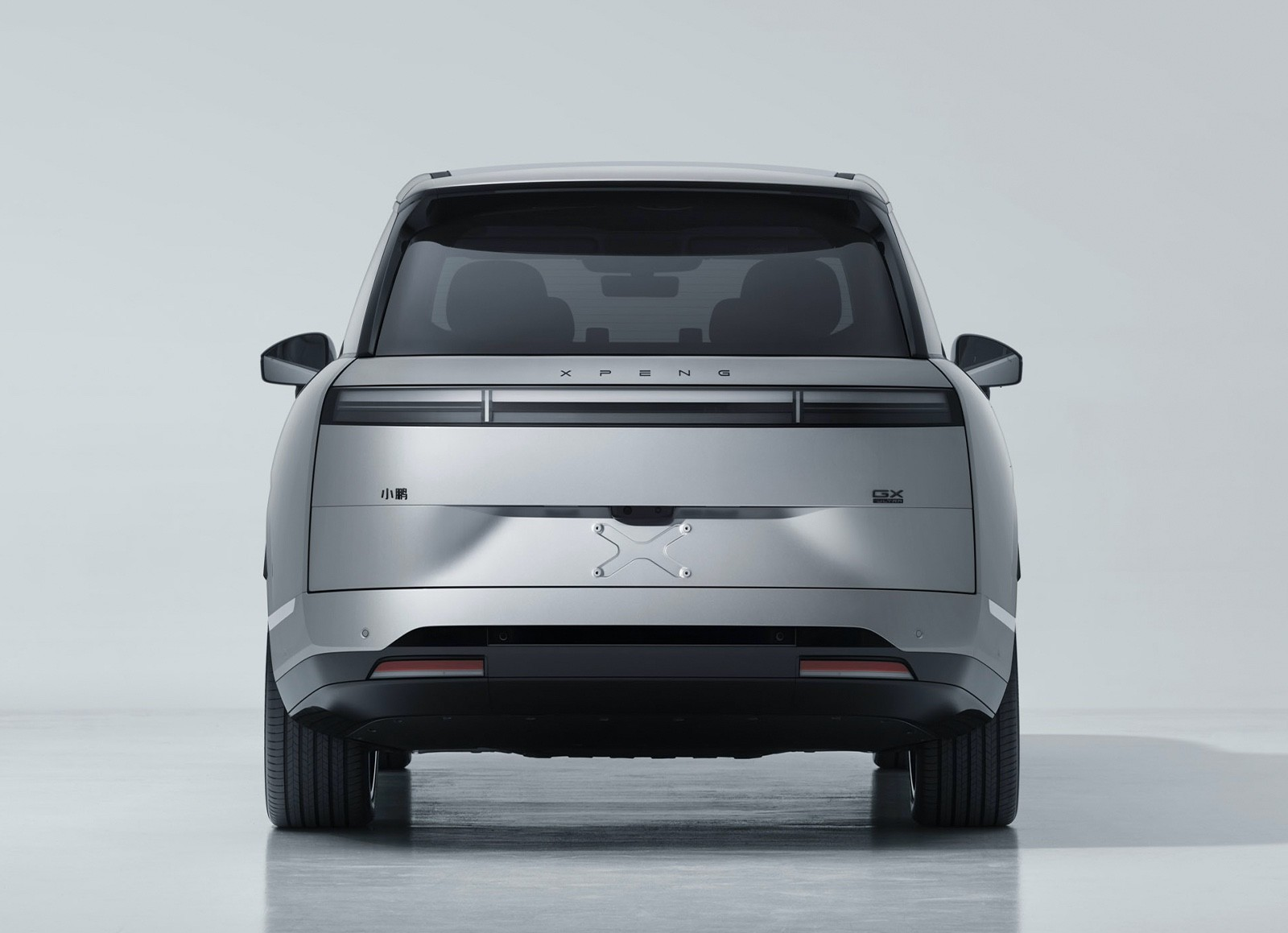
90% of XPENG GX's core components are supplied by world-class manufacturers
XPENG revealed at the conference that over 90% of the core components in the XPENG GX are supplied by world-class manufacturers. In addition to Bosch handling the steering system, industry giants like ZF have been deeply involved in its chassis tuning and component supply.
The GX is built on XPENG's latest SEPA 3.0 physical AI architecture, and in addition to the steer-by-wire system, it is also equipped with a rear-wheel steering system.
Considering its massive size, the addition of rear-wheel steering will significantly reduce its turning radius, addressing the issue of large SUVs being bulky difficult to drive.
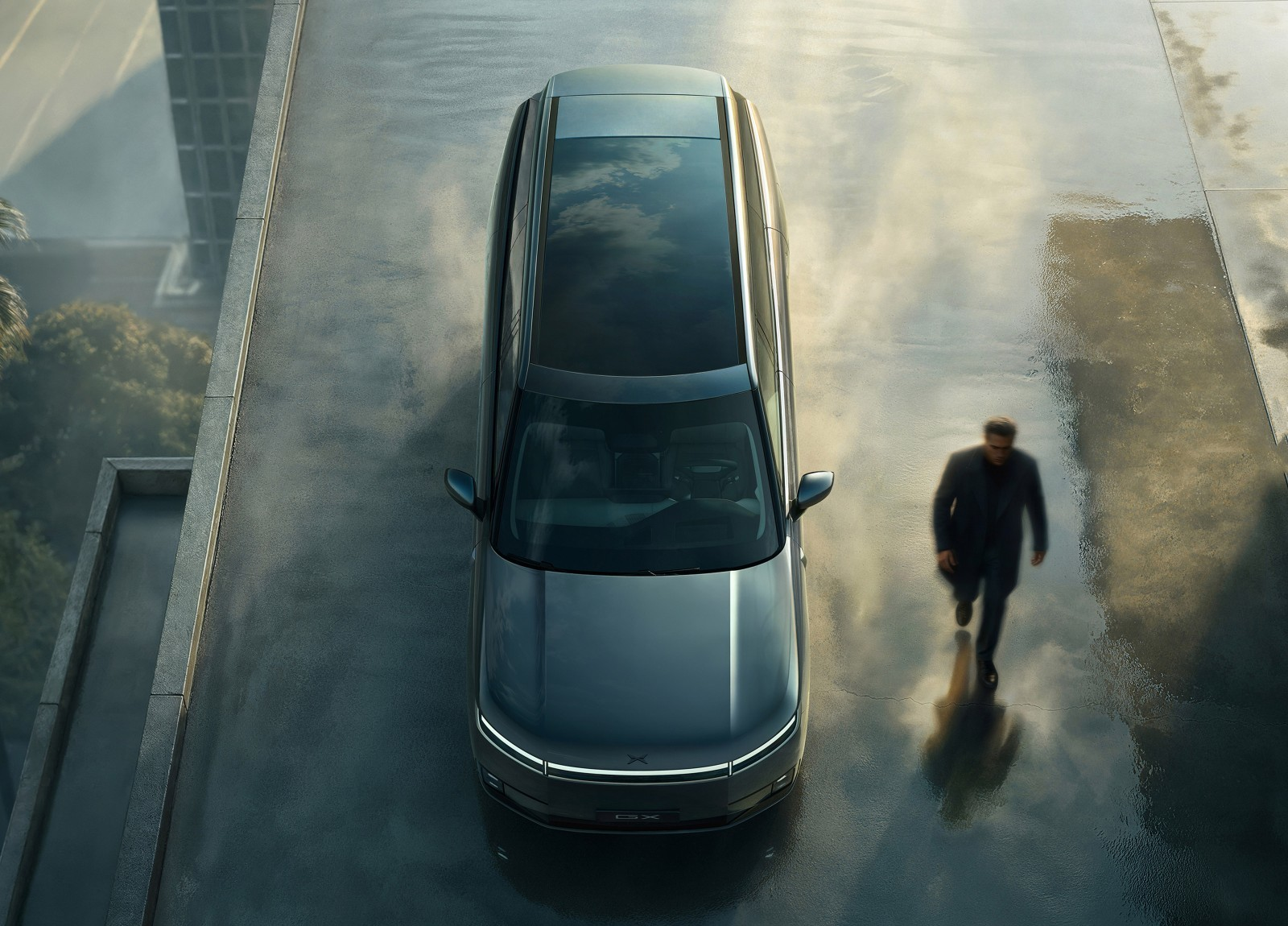
XPENG CEO He Xiaopeng previously stated that the goal of the GX is to solve the longstanding trade-off between space and handling in three-row SUVs.
This rich configuration level is not just for luxury but also to match XPENG’s proud End-To-End AI intelligent driving algorithm through hardware.
Creating Differentiated Competition with Li Auto and AITO
China's premium SUV market has long moved beyond a simple game of who offers the most space.
Li Auto L9 dominates the family market with its comfort-focused features, while the AITO M9 secures a leading position with HUAWEI's intelligent cabin and ADS intelligent driving system.
XPENG GX chooses to differentiate itself from these competitors at the chassis level.
While NIO has developed its own steer‑by‑wire system showcased on the ET9, XPENG's choice to collaborate with Bosch for mass production is clearly aimed at faster delivery and more mature cost control.
Currently, XPENG GX has entered the L4-level public road testing phase. The new car is expected to offer both BEV pure electric and EREV extended-range dual power versions, potentially providing a comprehensive range of over 1,000 km.
If any infringement occurs, please contact us for deletion










Popular Cars
Model Year
Car Compare
Car Photo