

2009 Bugatti Veyron public Review

 Share
Share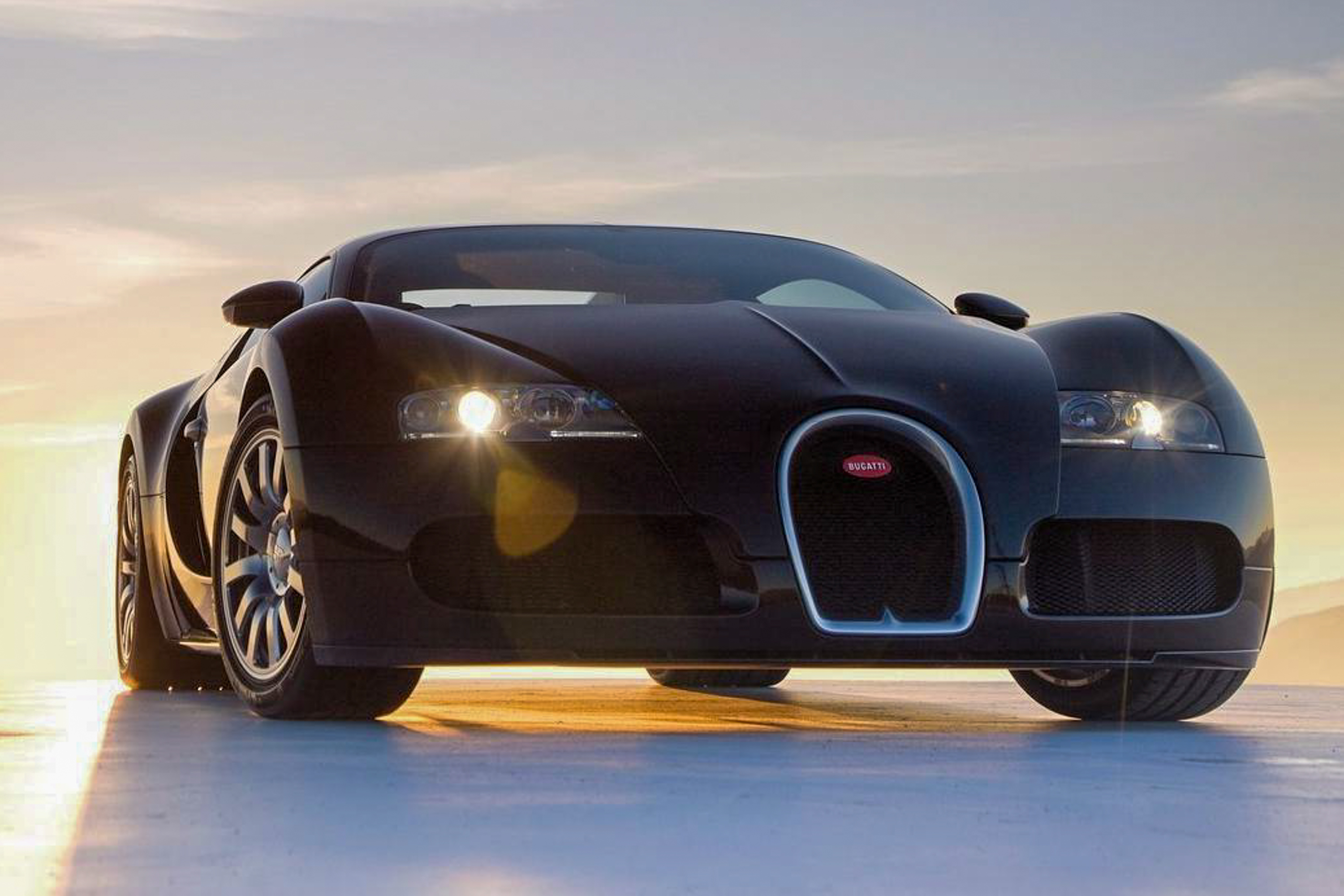
 Body Type
 Segment
 Capacity(L)
 Engine Power(PS)
 Engine Torque(Nm)
 Transmission
The supercar market in 2009 was still in the intense phase of the "speed competition," and the arrival of the Bugatti Veyron directly set the top speed threshold for mass-produced cars at over 400 km/h, making it the undisputed "king of speed" at the time. As a globally limited top-tier supercar, the Veyron is not only a culmination of technology but also a symbol of identity and ultimate performance. This review will comprehensively analyze this legendary car from static design to dynamic performance to see how it still captivates car enthusiasts 15 years later.
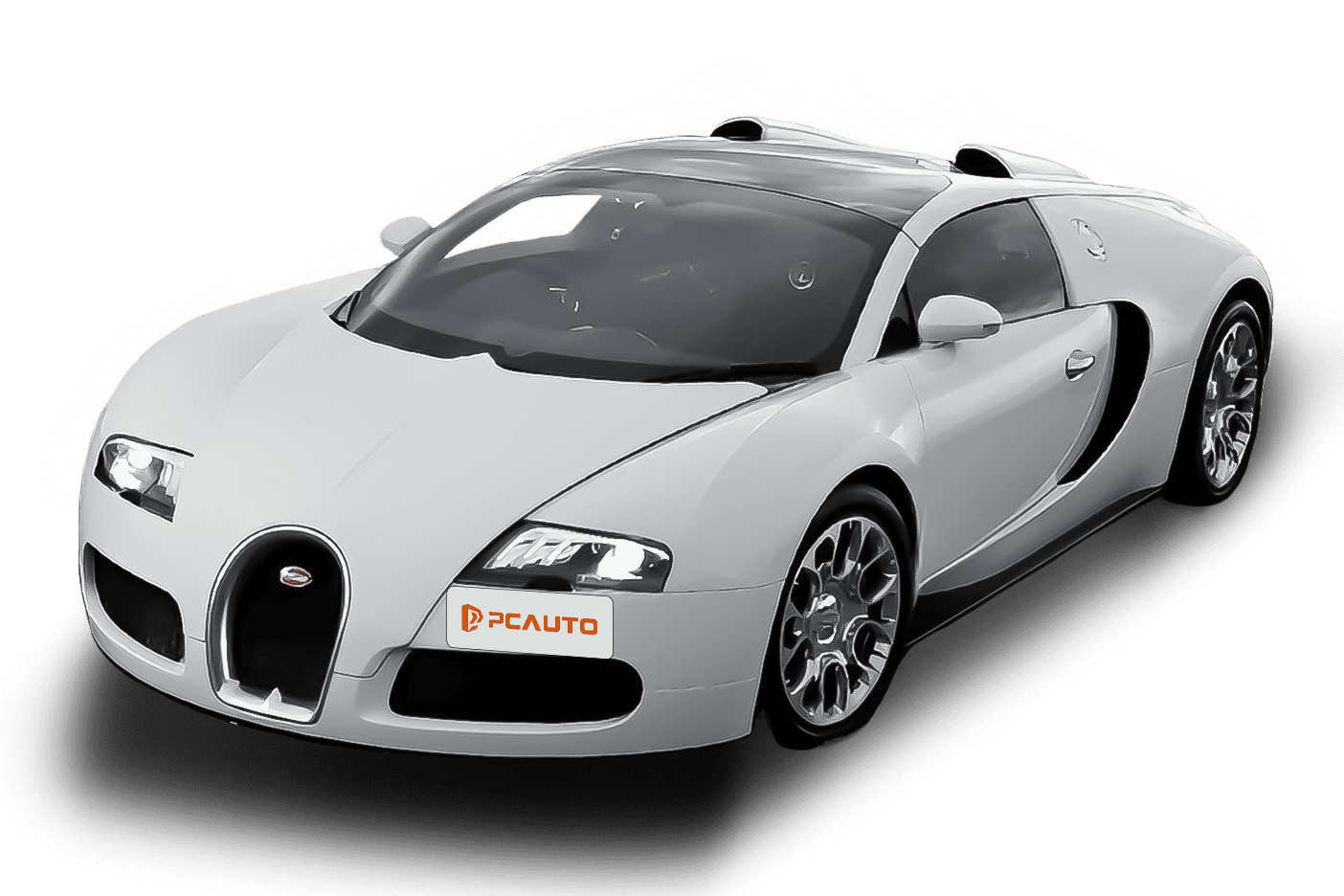
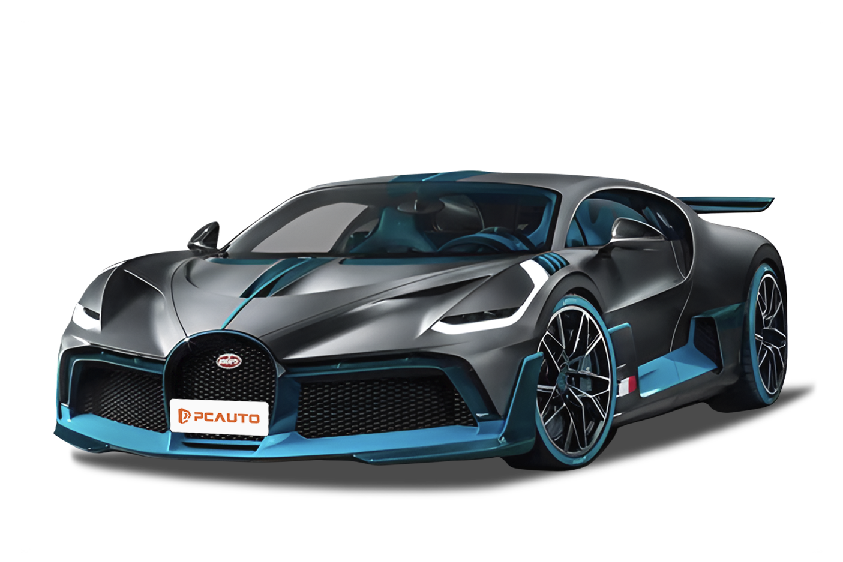
At first glance, it’s hard not to be impressed by the Veyron's aura. The car adopts a classic two-door coupe design with smooth and powerful lines, and its short front overhang and long wheelbase perfectly meet the aerodynamic demands of a supercar. The front face features round headlights paired with the iconic horseshoe-shaped grille, making it highly recognizable, while the Bugatti "EB" badge in the center of the grille highlights its prestigious identity. From the side, the unique C-shaped waistline runs from the front to the rear, complemented by 20-inch multi-spoke alloy wheels, further enhancing the sporty atmosphere. The rear design is equally stunning, with a quad circular exhaust layout that looks aggressive, while the adaptive rear spoiler automatically rises at high speed, improving aerodynamic performance and adding visual impact. In terms of lighting, the headlights use xenon light sources for excellent illumination, while the taillights use LED light sources, providing high recognition when lit at night.
Stepping into the cabin, the Veyron's interior equally showcases the luxury and technology of a top-tier supercar. The center console is wrapped in large areas of carbon fiber and Alcantara materials, giving it a delicate, premium feel. The three-spoke multifunction steering wheel is wrapped in leather, offering a comfortable grip, and integrates buttons for audio control, cruise control, and other functions, making operation convenient. The instrument panel adopts a traditional mechanical needle design, which, while lacking the futuristic feel of today’s fully digital dashboards, is clear and exudes a mechanical beauty. The center control area is equipped with a 7-inch touch screen, supporting navigation and Bluetooth connectivity, though its response speed and interface design seem somewhat outdated today. The seats are sports-style bucket seats with excellent wrapping capabilities, made of a leather and Alcantara combination. They not only provide outstanding support but also surpass most supercars in comfort.
As a two-door coupe, the Veyron's space performance naturally cannot compare to that of a family car, but it's relatively good among supercars. In terms of body dimensions, its length, width, and height are 4462mm/1998mm/1204mm, respectively, with a wheelbase of 2710mm. The front row provides ample space, and a person with a height of 180 cm sitting in the front can enjoy sufficient headroom and legroom. The rear seats, however, are relatively cramped and only suitable for short journeys or placing items. For storage space, the Veyron’s trunk capacity is 100L, which, although not large, can accommodate two carry-on suitcases. Additionally, the interior is equipped with multiple storage compartments, such as door panel storage slots and a central armrest box, offering decent practicality.
In terms of power, the Veyron is equipped with an 8.0L W16 quad-turbocharged engine, capable of delivering a maximum power of 1001 horsepower and a peak torque of 1250 N·m, paired with a 7-speed dual-clutch transmission. These performance figures remain astonishing even today, and the actual driving experience is adrenaline-inducing. At launch, simply pressing the accelerator deeply unleashes an instant explosion of torque, delivering a strong push-back sensation. The 0-100 km/h acceleration takes just 2.5 seconds, while 0-200 km/h acceleration is completed in only 7.3 seconds, and the top speed reaches 407 km/h, making these achievements rare even by today’s standards. In terms of driving modes, the Veyron offers Standard, Sport, and Track modes, with the engine’s responsiveness and the transmission’s shifting logic varying across the modes. In Standard mode, the vehicle’s power output is relatively mild, suitable for everyday driving; whereas in Sport and Track modes, the engine becomes more responsive and the transmission shifts more quickly, providing an extreme driving experience.
In terms of handling, the performance of the Veyron is equally outstanding. The steering wheel is precise with minimal play and provides clear road feedback, allowing the driver to accurately grasp the vehicle's driving trajectory. The suspension system adopts a front double wishbone and rear multi-link independent suspension and is tuned on the stiffer side, providing excellent support. Even when cornering at high speeds, the body remains stable with minimal body roll. However, the stiffer suspension also results in reduced comfort when dealing with bumpy roads, as vibrations from the road are transmitted relatively directly to the cabin. Regarding braking performance, the Veyron is equipped with carbon-ceramic brake discs, offering excellent braking capability—it only takes 31 meters to come to a stop from 100 km/h, showcasing its exemplary performance.
As a top-tier supercar, the Veyron's driving comfort stands out among its peers. Although the engine roar can be quite loud upon startup, the interior noise during daily driving is impressively controlled, with wind and tire noises suppressed to reasonable levels. The seat comfort is also commendable; despite being sporty bucket seats, the cushioning is soft enough to ensure long drives without causing fatigue. However, due to the stiff suspension tuning, vibrations inside the car are noticeable when passing over speed bumps or uneven roads, which somewhat impacts overall comfort.
In summary, the 2009 Bugatti Veyron is a legendary supercar that perfectly combines extreme performance with luxury and comfort. It not only delivers astounding power and handling performance but also exhibits a rare sense of luxury and comfort among its class of supercars. While its tech features and fuel efficiency may not match modern vehicles, it remains a dream car for countless enthusiasts because of its performance and brand value. Compared to its contemporaries, the Veyron's strengths lie in its terrifying power and relatively balanced performance, while its weaknesses are its high price tag and maintenance costs.
This car is ideal for consumers who pursue extreme performance, value brand identity, and possess significant financial capability. Whether for daily driving or track experiences, the Veyron offers unparalleled driving pleasure. If you are a true car enthusiast and aspire to own a vehicle representing the pinnacle of automotive engineering, then the Veyron is undoubtedly your top choice.
Fifteen years later, the Veyron remains a legend in the world of supercars. It not only symbolizes speed but also serves as a milestone in automotive technology. Although it has been out of production for many years, its influence persists, becoming a timeless classic in the hearts of countless car fans. If you have the opportunity to own one, cherish it, because it is not merely a car but also a piece of art.
Bugatti Veyron Car Compare

More Bugatti Reviews
Cars With Similar Price And Features
1
Rank in Convertible
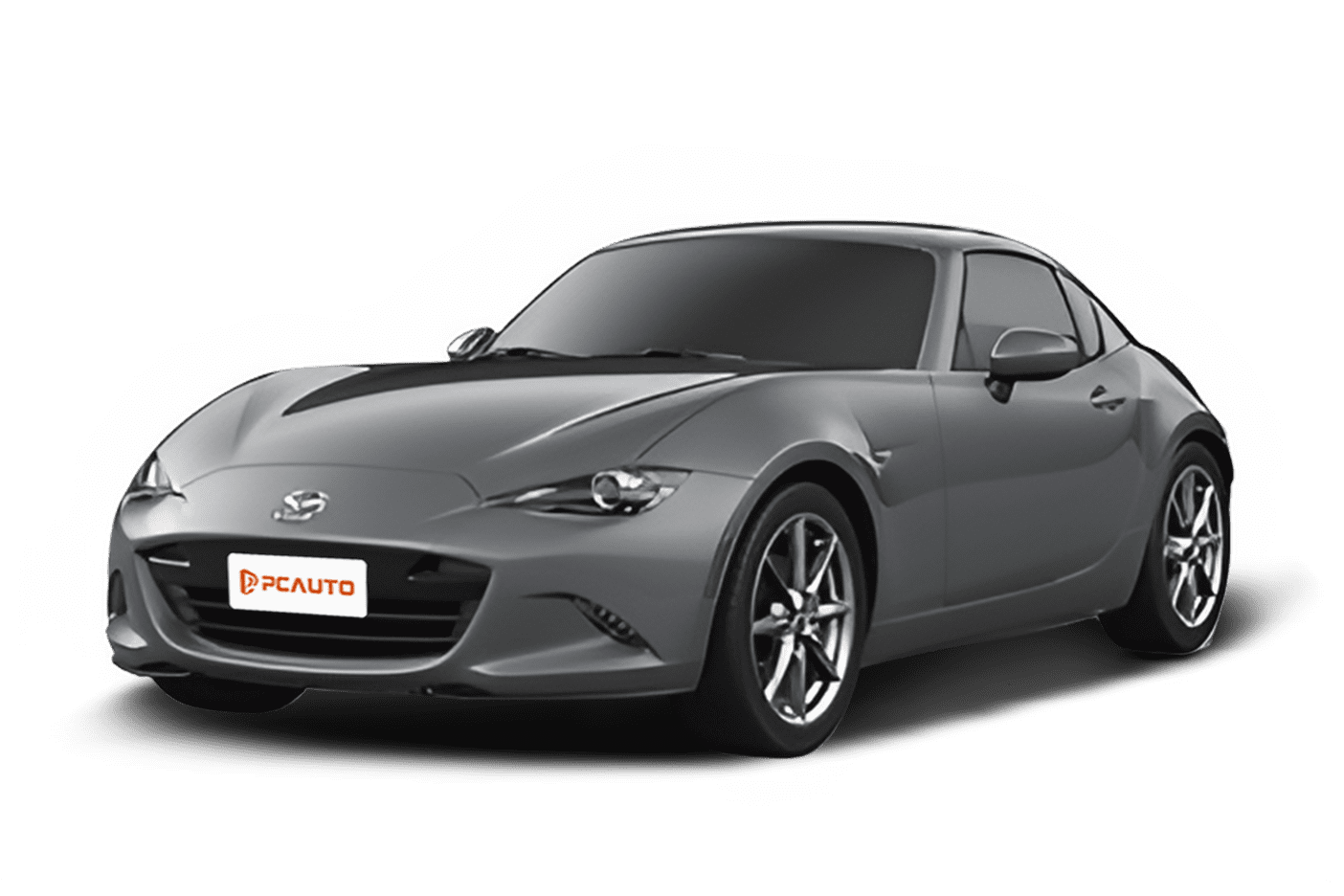
2025 Mazda MX-5 RF 2.0 MT is a hardtop manual sports car with precise handling and pure driving pleasure, balancing daily practicality with mountain road excitement, continuing the "Jinba Ittai" experience.
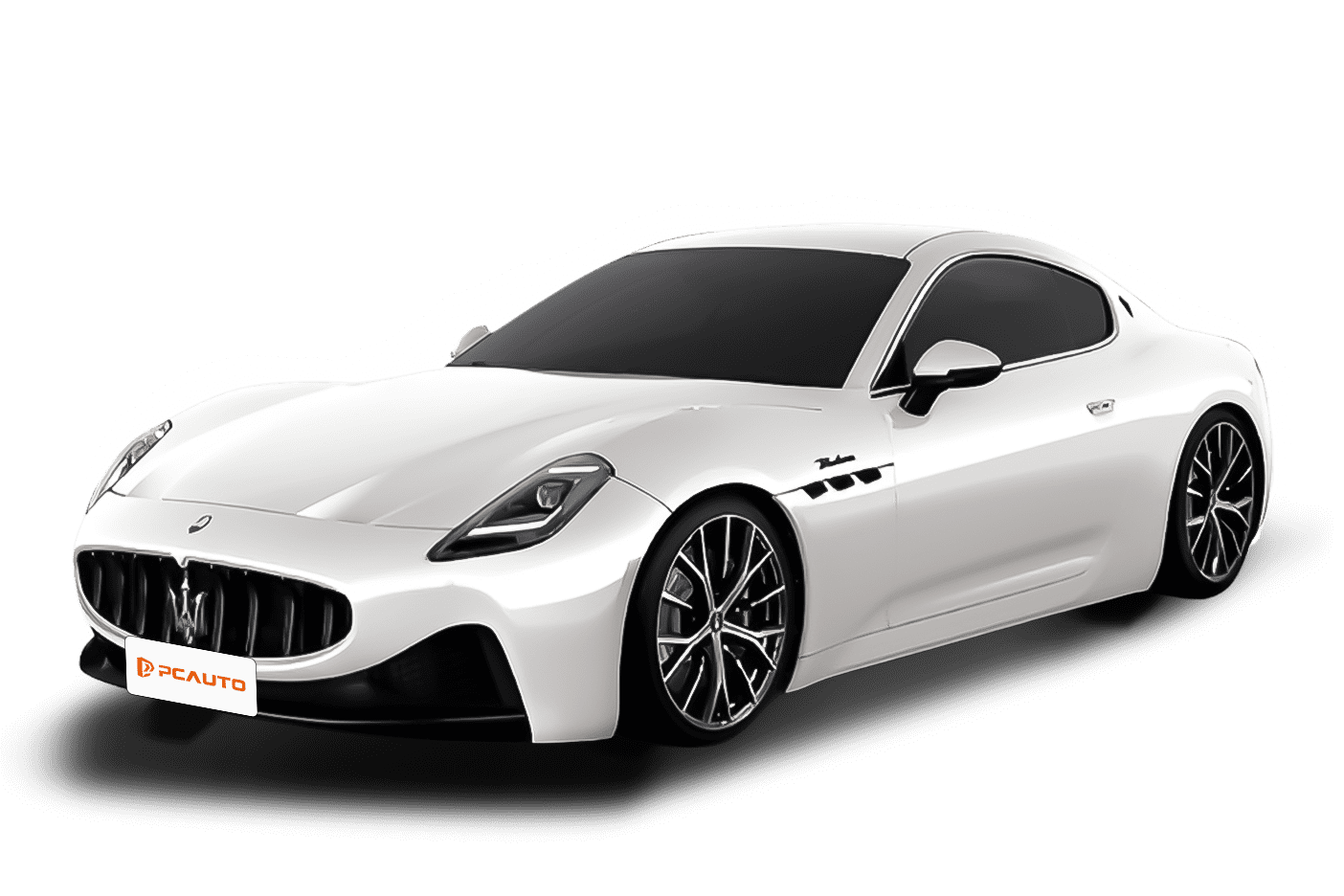
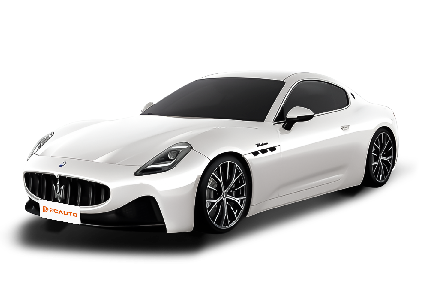
2024 Maserati GranTurismo Modena is a luxurious GT that combines 490PS performance, all-wheel drive, and practical space, defining a new experience for luxury two-door cars with a balanced performance suitable for daily driving.

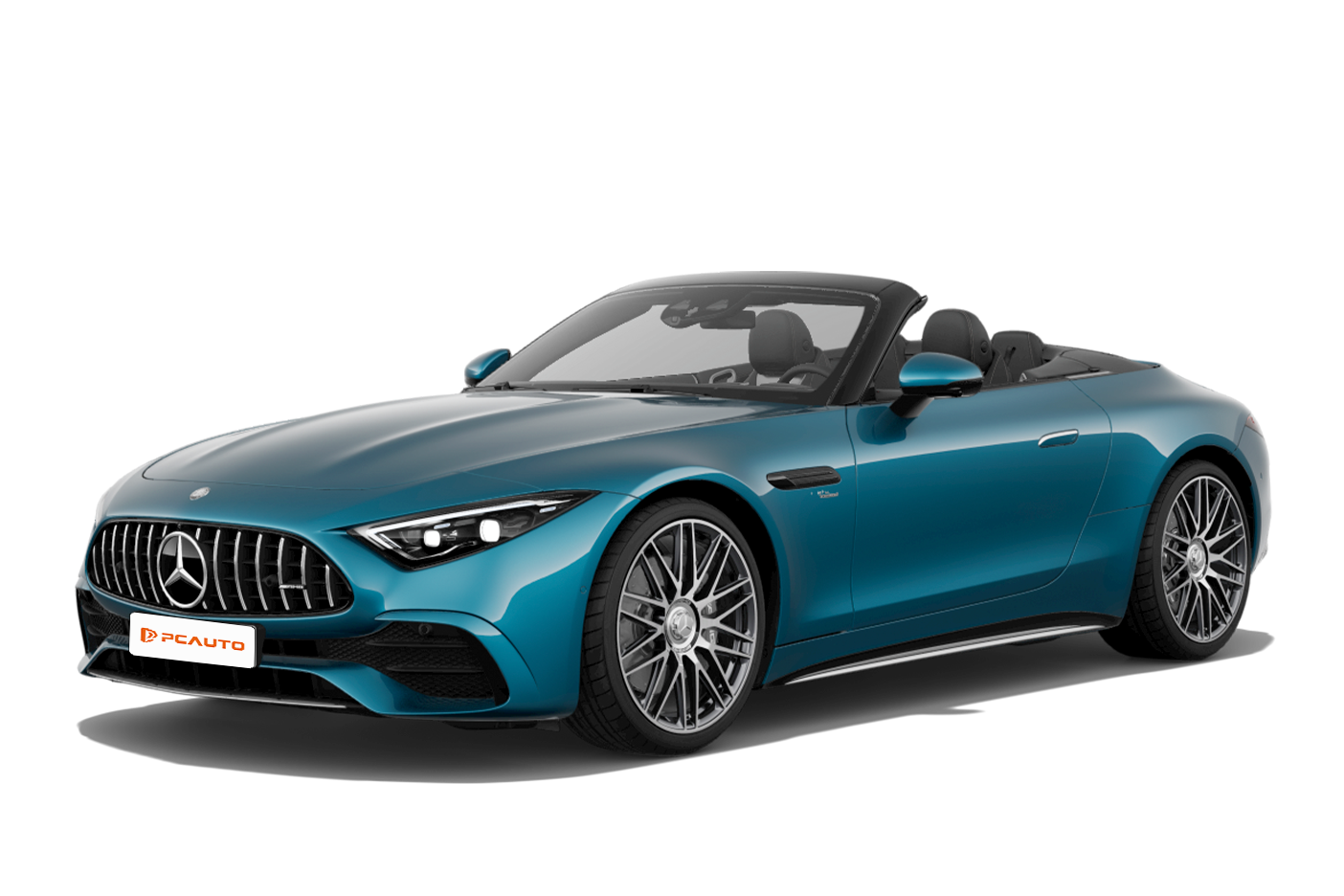
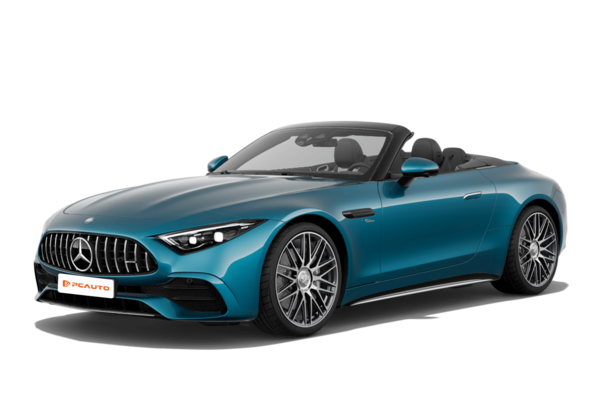
2025 Mercedes-Benz AMG SL-Class 63S E Performance achieves a super strong output of 816PS with a 4.0T V8 + plug-in hybrid system, balancing 2.9-second 0-100 km/h performance and short-distance pure electric commuting, setting a benchmark for luxury hybrid GT sports cars.
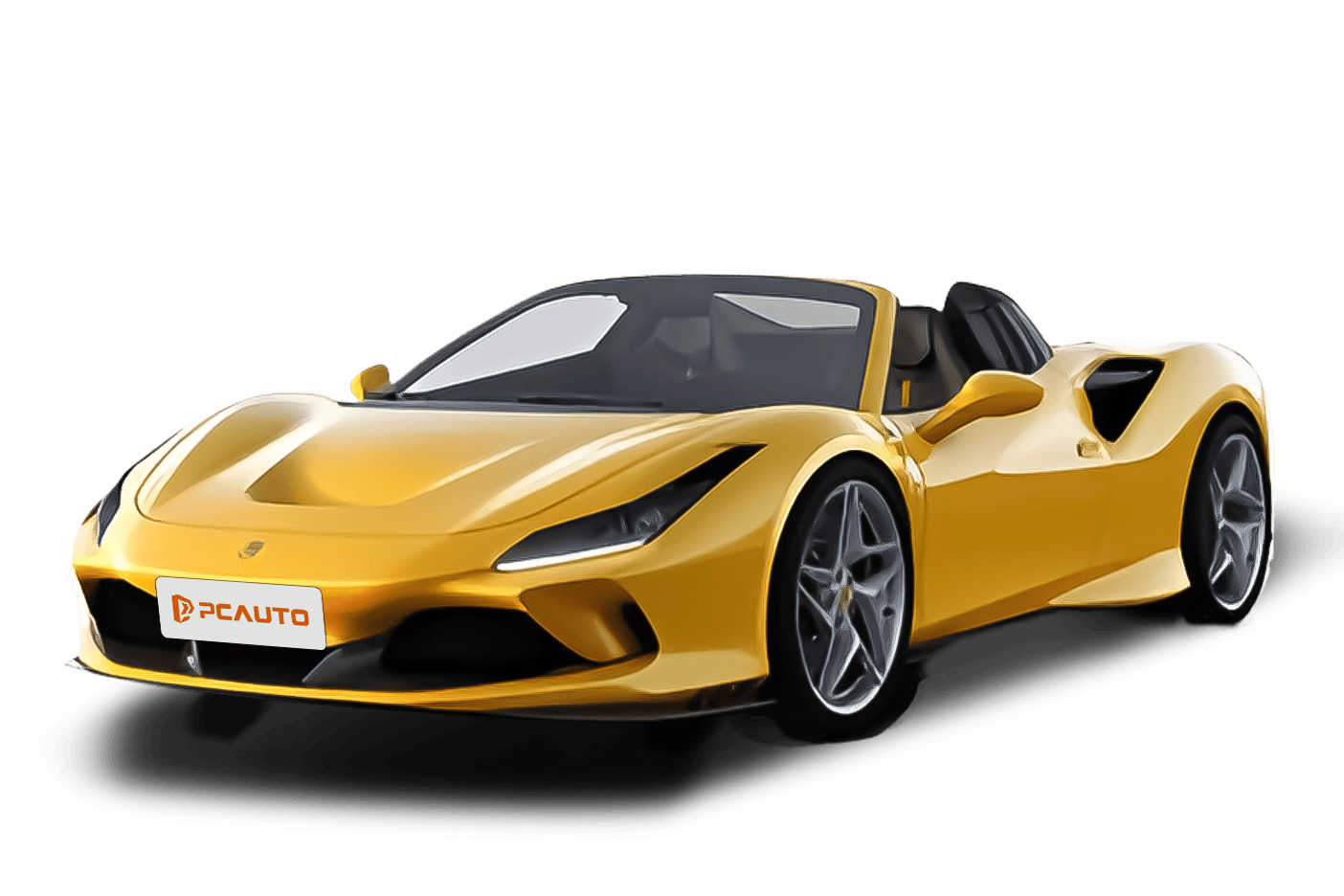
2020 Ferrari F8 Spider is a track-level supercar with 720 horsepower strong power and a hardtop convertible, balancing everyday practicality with track passion, featuring an eye-catching aerodynamic design.