

2018 Mazda 2 Sedan 1.5 GVC Mid-spec (Soul Red Crystal) Review

 Share
 Segment
 Body Type
 Capacity(L)
 Engine Power(PS)
 Transmission
 Driven Wheels
In the current B-Segment sedan market, competition remains fierce. Consumers not only value the economic practicality for daily commuting but also have higher demands for rich configurations. The 2018 Mazda 2 Sedan 1.5 GVC Mid-spec features Soul Red Crystal paint as its visual highlight and is equipped with the GVC (G-Vectoring Control) system, a technology rarely seen in models of this segment, sparking curiosity about its actual performance. The core purpose of this test drive is to evaluate whether it meets the needs of Malaysian consumers in terms of static experience, dynamic driving, and daily practicality.
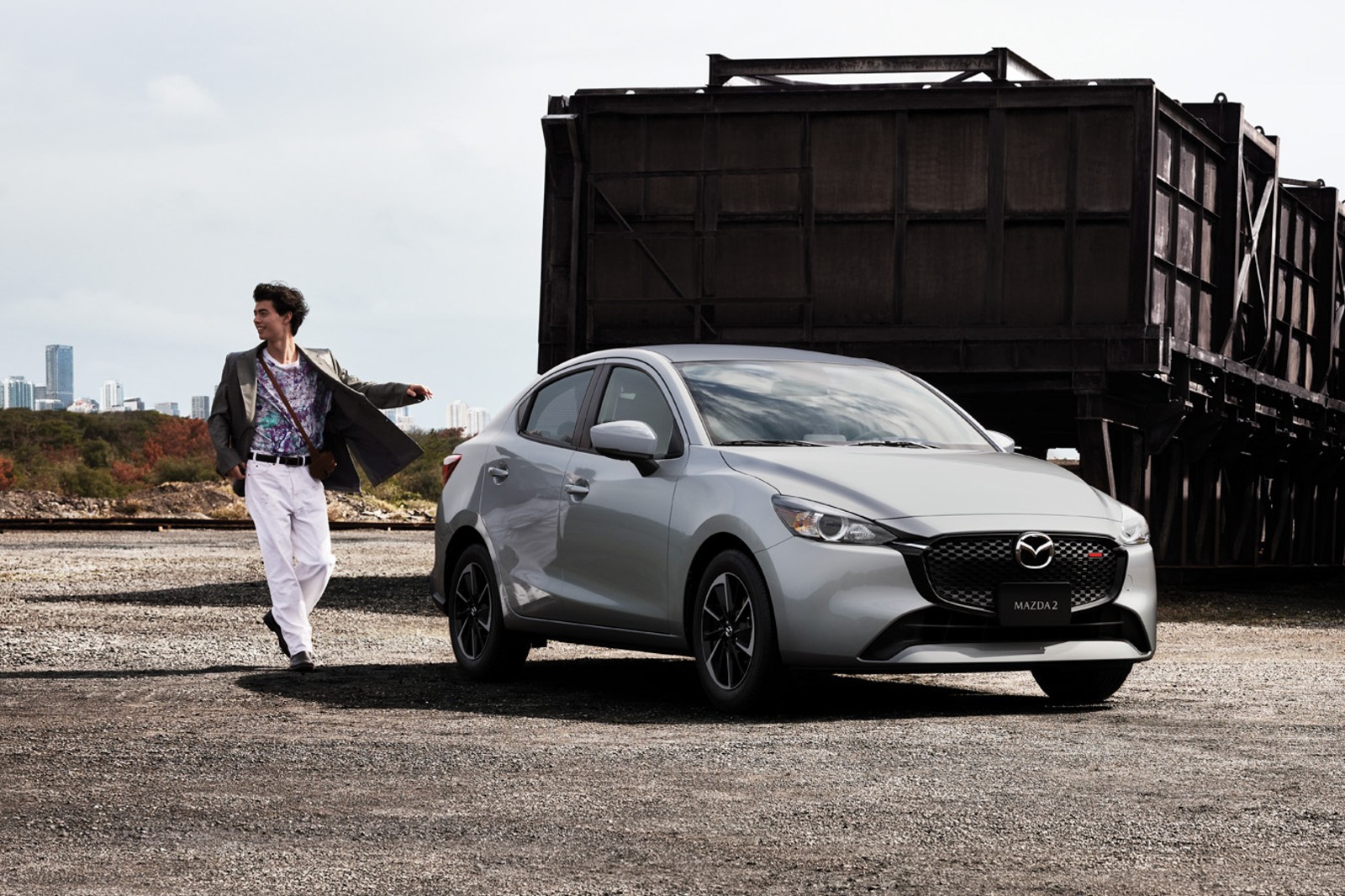
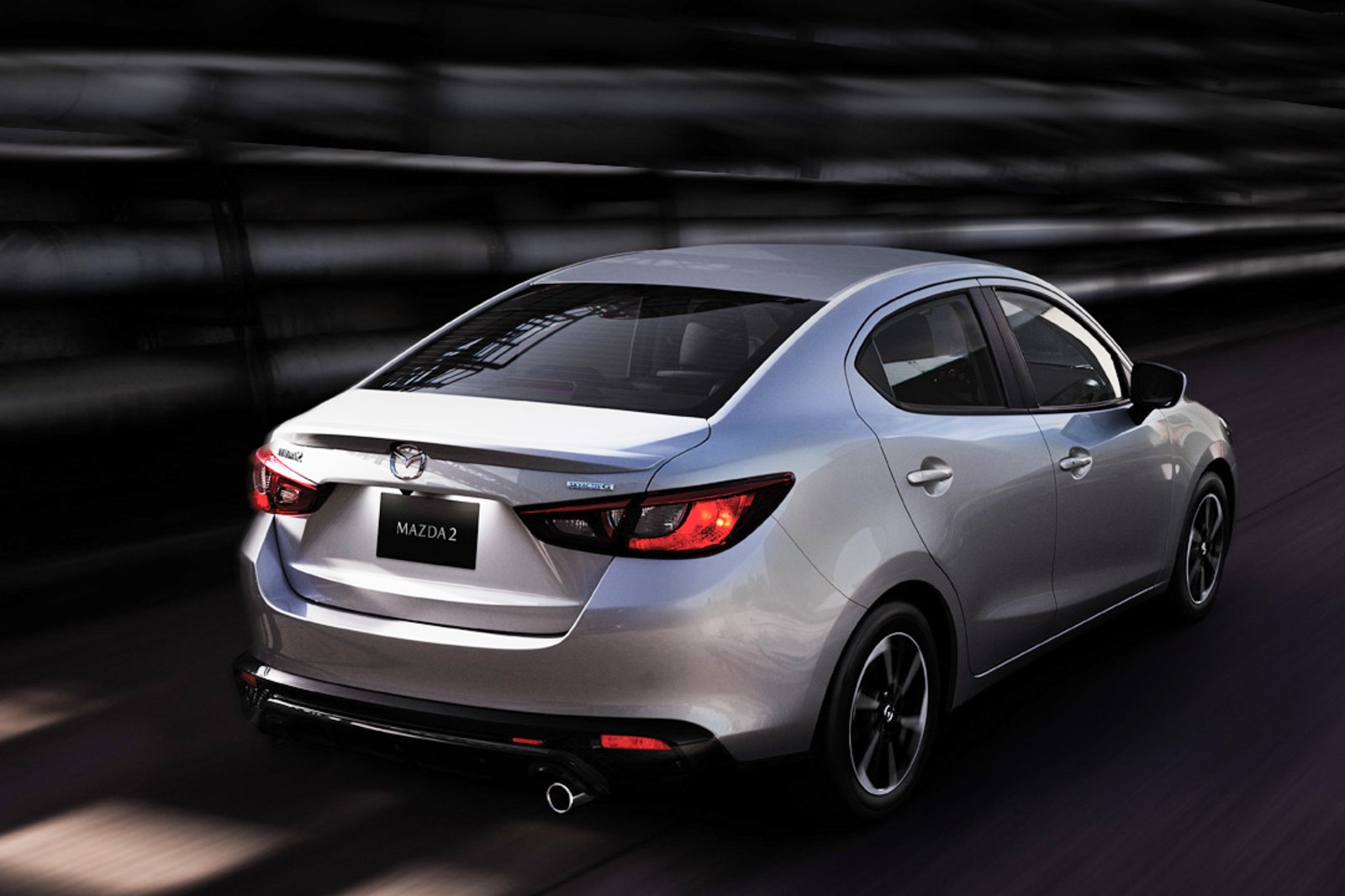
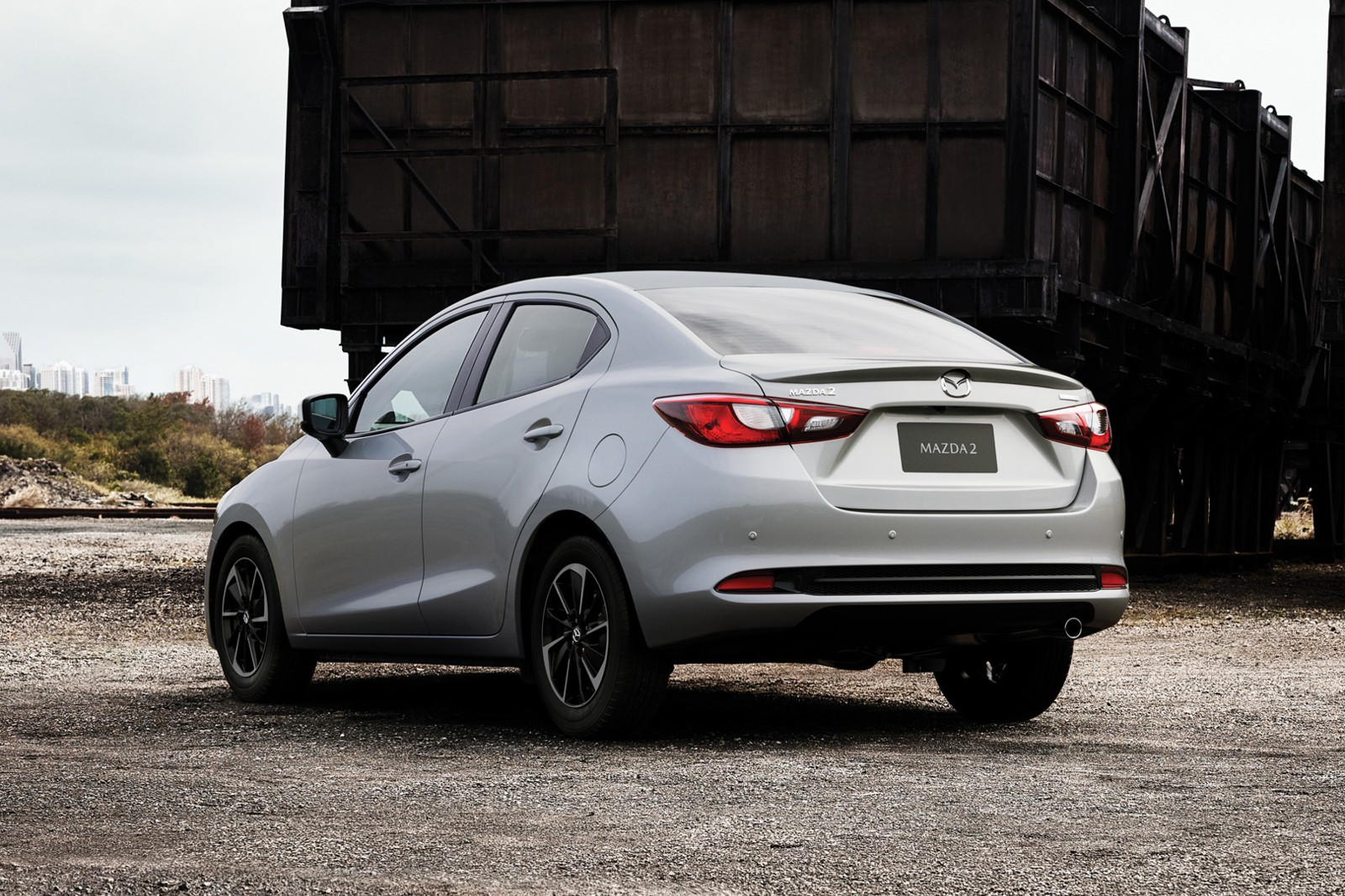
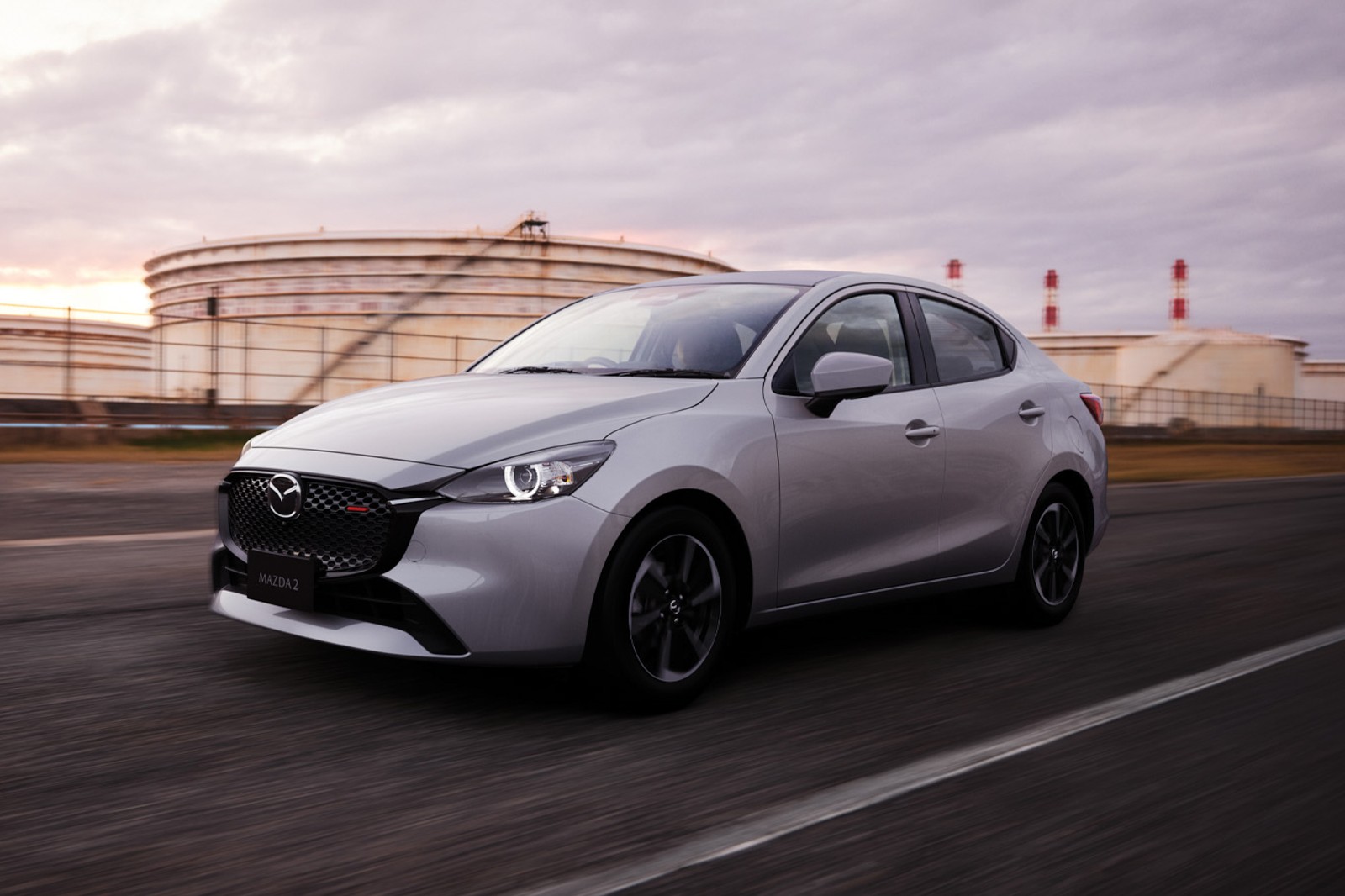
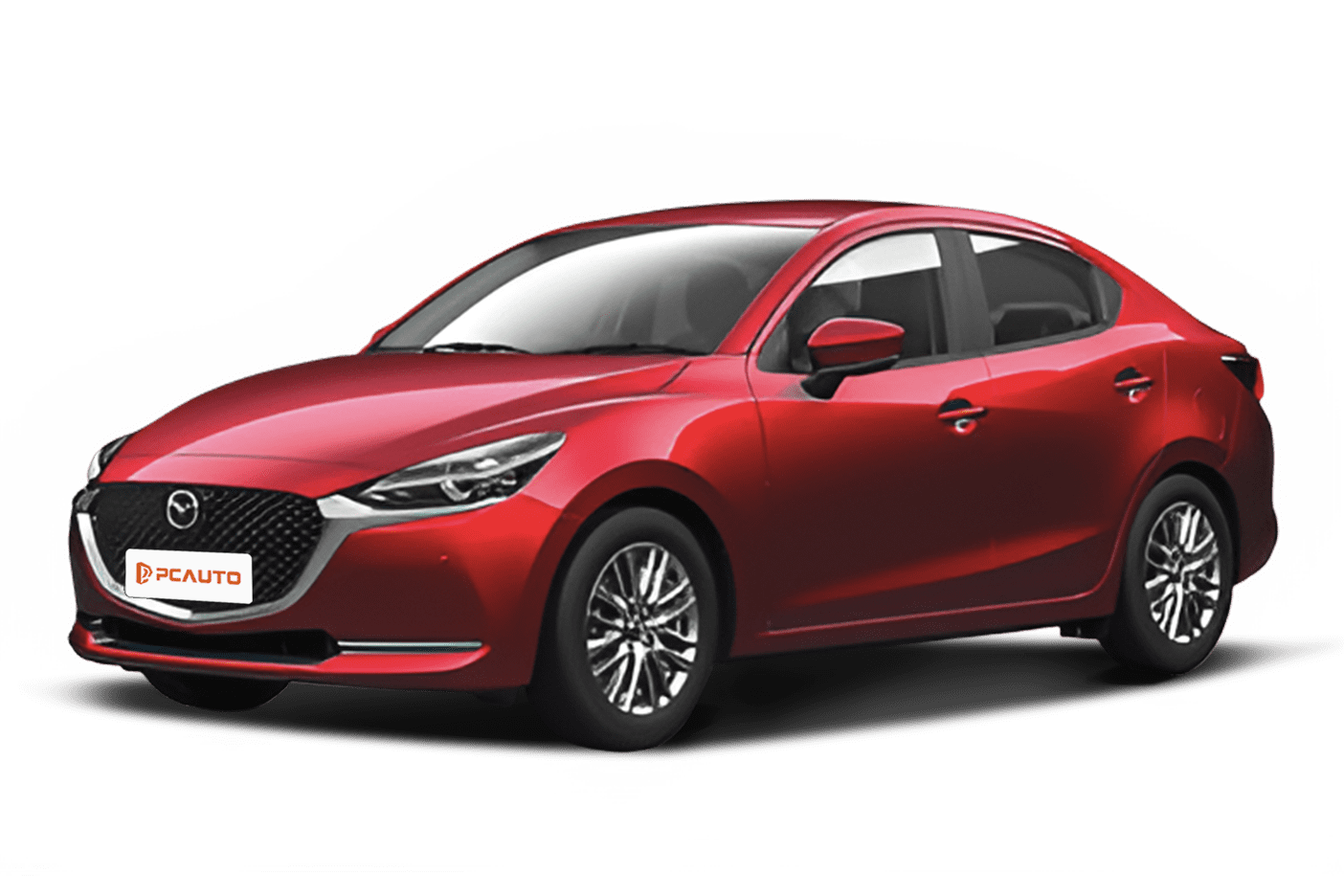
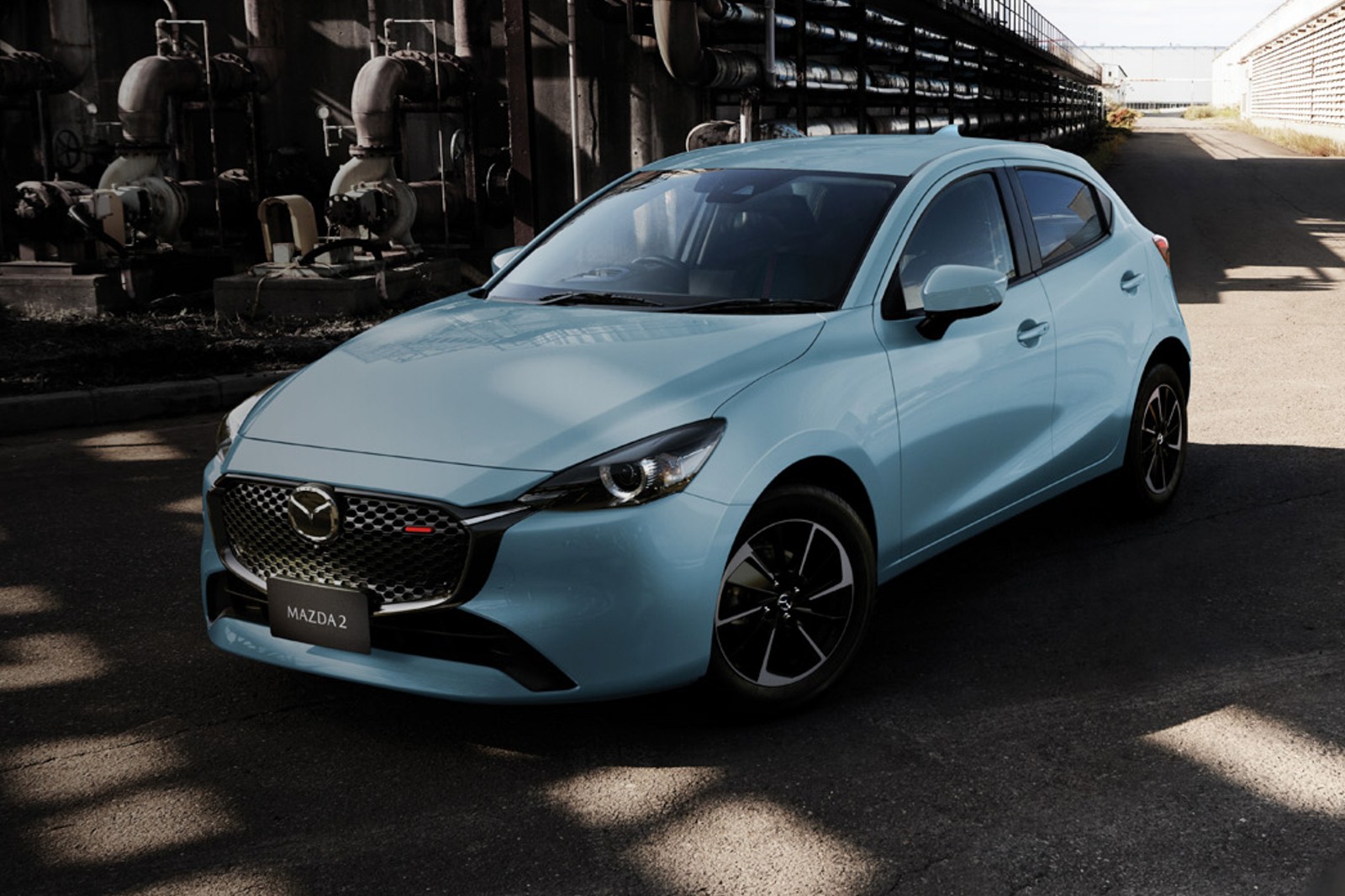
In terms of exterior design, the overall style of this Mazda 2 Sedan leans toward youthful sportiness. The front features a family-style shield-shaped grille, connected with chrome trim to the halogen headlights on both sides, enhancing its visual width. The trapezoidal air intake at the lower part of the front bumper, along with round fog lamps, further emphasize its sporty feel. The body side lines are smooth, with a distinct waistline running from the front fender to the rear. The 15-inch wheels have a standard design but complement the compact feel of the car. At the rear, the horizontal layout tail lights, though equipped with halogen light sources, offer decent recognizability when illuminated. The small ducktail design on the trunk lid adds a hint of sportiness to the rear. Undoubtedly, the most eye-catching feature is the Soul Red Crystal paint, which displays delicate variations in gloss under sunlight, giving the car a more refined quality.
Once inside the car, the interior predominantly utilizes a black color scheme. The upper part of the center console is made of hard plastic, but texture treatment reduces the sense of cheapness, while the door panels are wrapped in soft materials, improving the tactile feel. The center console layout is simple, with a 7-inch floating touchscreen (standard on the tested model and a typical configuration for the Mid-spec trim, despite not being separately listed in the configuration sheet) located at the top. Below it are traditional physical buttons and knobs, with a clear operational logic and a low learning curve. The multifunctional steering wheel adopts a three-spoke design, with volume adjustment and call answering buttons on the left, and cruise control settings on the right. The steering wheel also comes standard with paddle shifters, adding a touch of driving fun. In terms of configurations, the head-up display (HUD), which shows speed, RPM, and other information, stands out, enhancing driver convenience. Other standard features include keyless entry and start, as well as front and rear parking camera systems, making daily use quite user-friendly. However, the manual single-zone air conditioning and fabric seats (standard for the Mid-spec trim) slightly fall short in terms of luxury.
As for space performance, the body dimensions are 4320mm in length, 1695mm in width, and 1495mm in height, with a wheelbase of 2570mm, placing it within the mainstream range of the B-Segment. The front seats support manual adjustments, and a passenger with a height of 175cm sitting in the front has about a fist of headroom and sufficient legroom. For the rear seat space, passengers of the same height will have about two fists of legroom, but headroom is slightly tight, leaving about four fingers of space. The trunk capacity is 410L, with a regular internal shape that can easily accommodate two 20-inch suitcases. The rear seats can fold down in a 60:40 split, expanding the space to fit longer items, which adds to its practicality. For storage compartments, the door storage pockets, center armrest box, and glove compartment all have relatively standard capacities. The front row is also equipped with a 220V/230V power outlet, making it convenient for charging external devices.
Dynamic driving section, this Mazda 2 Sedan is equipped with a 1.5L naturally aspirated engine, delivering a maximum power of 116PS/6000rpm and a maximum torque of 148N·m/4000rpm (torque data is added, as it is a common parameter for this engine but not specified in the configuration sheet), paired with a 6-speed automatic transmission with manual mode. The power response during start-up is relatively swift, the throttle pedal calibration is linear, and a light press can deliver decent power output, suitable for congested urban conditions. During acceleration, the engine can deliver maximum torque at 4000rpm, with moderate mid-range acceleration performance. Overtaking requires a deeper press on the throttle; the gearbox downshifts actively, offering a certain power reserve. However, high-speed acceleration abilities (above 100km/h) weaken. The inclusion of the GVC system is a key highlight, as it adjusts engine torque to optimize wheel load distribution, noticeably enhancing the vehicle's stability when cornering and improving understeering conditions, resulting in more solid handling performance.
As for the chassis, the front suspension is a MacPherson independent suspension, and the rear suspension is a torsion beam non-independent suspension (a common configuration for B-Segment cars). The suspension tuning leans towards sportiness, with less thorough absorption of road bumps. When passing over speed bumps, noticeable vibrations are transmitted into the cabin. However, it provides good support in corners, and body roll is well-controlled. The steering wheel offers precise handling with minimal dead zones and moderate feedback strength, making it intuitive to drive. In terms of the braking system, both front and rear are equipped with ventilated disc brakes, with responsive braking and a linear pedal feel. During emergency braking, the vehicle’s posture remains stable.
Regarding fuel efficiency, after combined testing in urban congestion and highway cruising conditions, the fuel consumption averages about 6.5L per 100km. It runs on 92-octane gasoline, and its fuel economy is slightly above average among its peers. In terms of noise control, engine noise is not noticeable at low speeds, but wind and tire noise gradually increase at high speeds, though still within an acceptable range. The seats offer decent support, providing adequate lumbar support for long drives, with moderate overall comfort for passengers.
To summarize, the key strengths of the 2018 Mazda 2 Sedan 1.5 GVC Mid-spec lie in the handling improvements brought by the GVC system, rich configurations (such as HUD and front/rear cameras), and the texture of the Soul Red Crystal paint. Compared with competitors like the Toyota Vios, its handling is more prominent, but its rear passenger space and fuel efficiency are slightly inferior. Against the Honda City, it offers better value for money in terms of configuration, though its power performance slightly lags behind.
This car is suitable for young consumers who value driving pleasure and practical configurations. It can handle daily commutes or short weekend trips. However, for families with multiple members, the rear passenger space might feel a bit cramped. Overall, the 2018 Mazda 2 Sedan 1.5 GVC Mid-spec is a B-Segment sedan that stands out for its handling and configuration, catering to users who resist compromising on the driving experience.
Mazda 2 Sedan Car Compare
Mazda 2 Sedan Loan Calculator
More Mazda Reviews
Cars With Similar Price And Features
6
Rank in Sedan
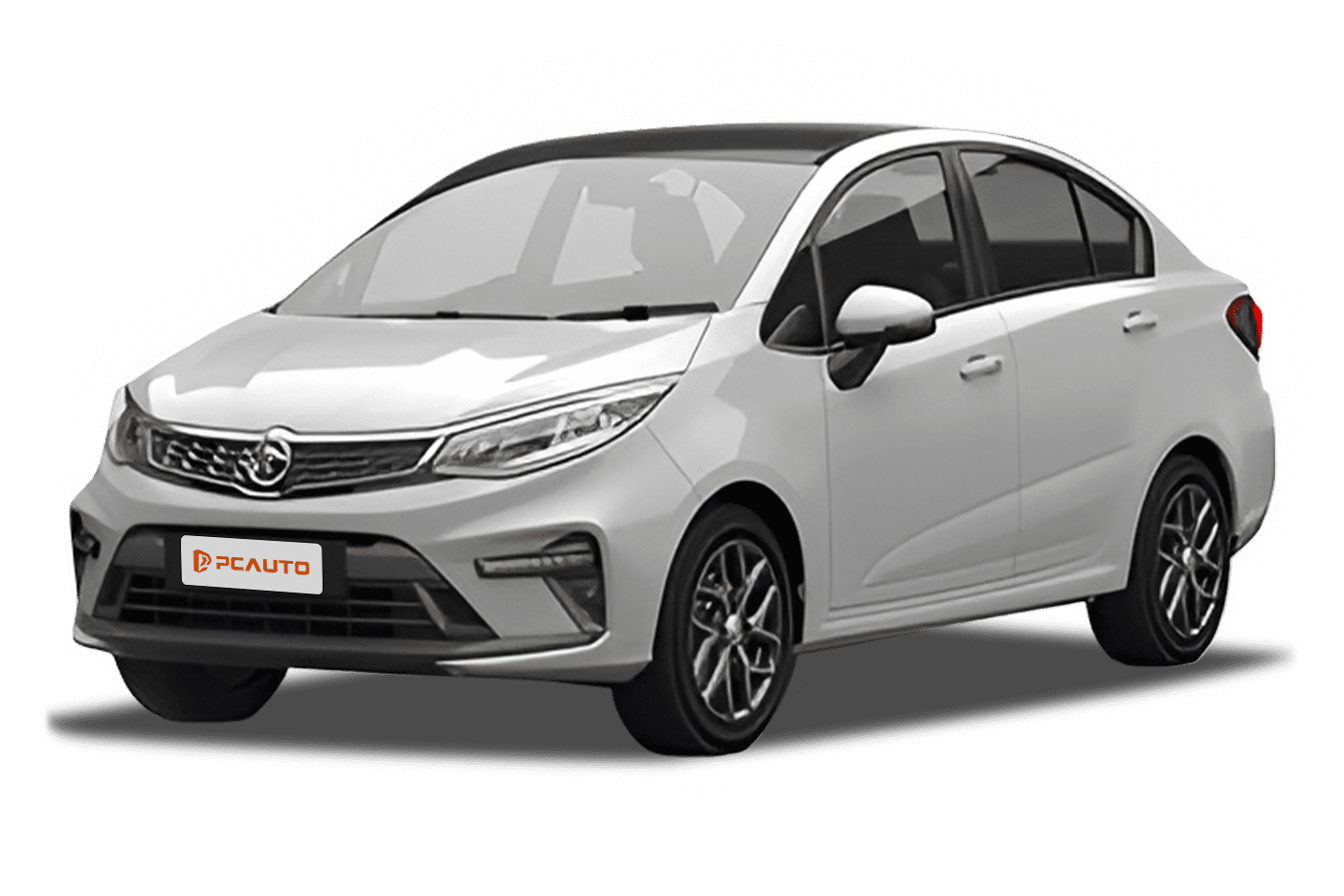
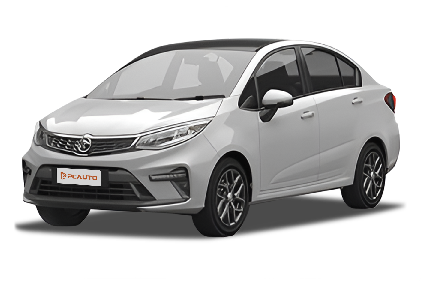
2023 Proton Persona 1.6 Standard CVT is an affordable, safety-configured entry-level family sedan with practical space, balancing daily commuting and family needs.
18
Rank in Sedan
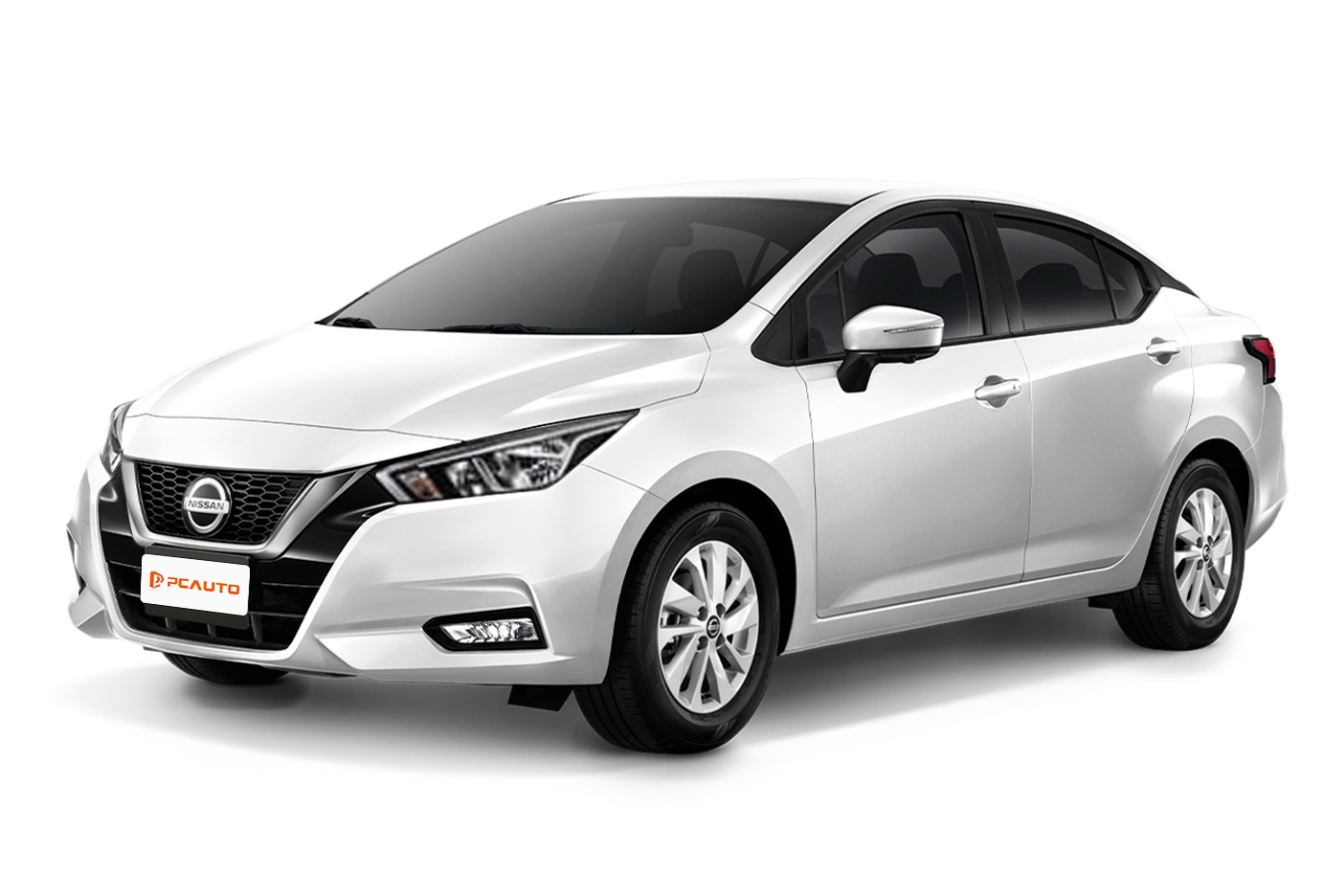
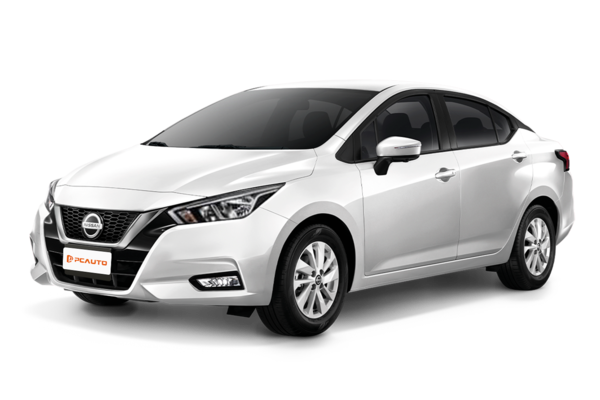
The 2024 Nissan Almera 1.0L Turbo VL is an affordable, practical, fuel-efficient, and well-equipped mid-size family sedan designed for consumers who value hassle-free commuting and family needs.
4
Rank in Sedan
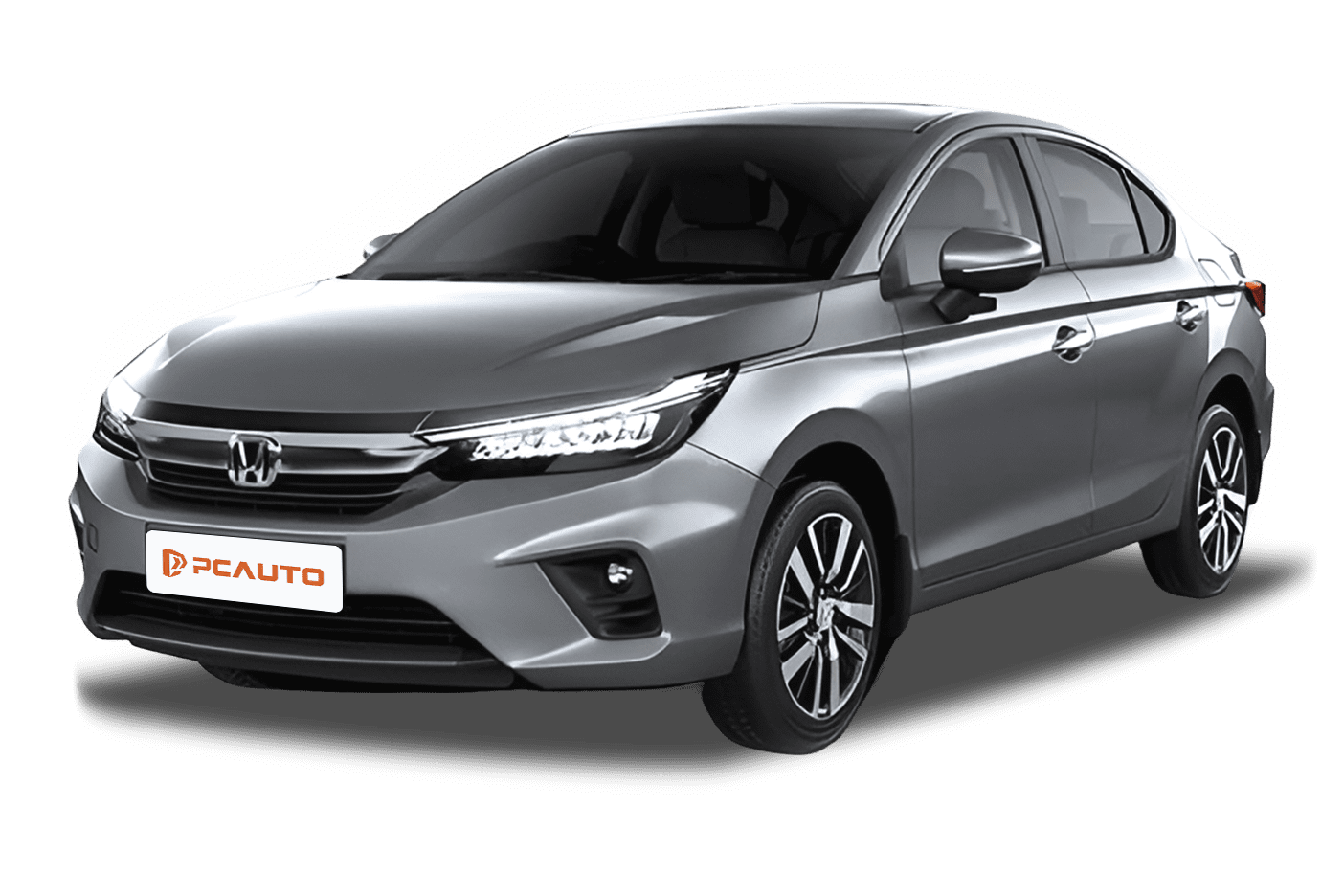
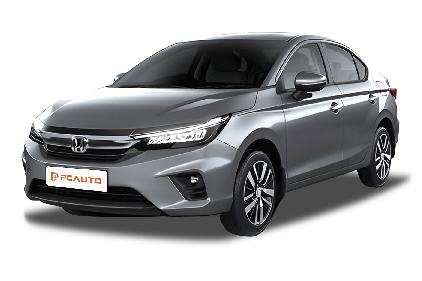
2023 Honda City 1.5 S, as an entry-level B-segment sedan, offers advanced L2 driving assistance and 6 airbags at an affordable price. With practical space and excellent fuel efficiency, it is a high-value choice for family users.
5
Rank in Sedan
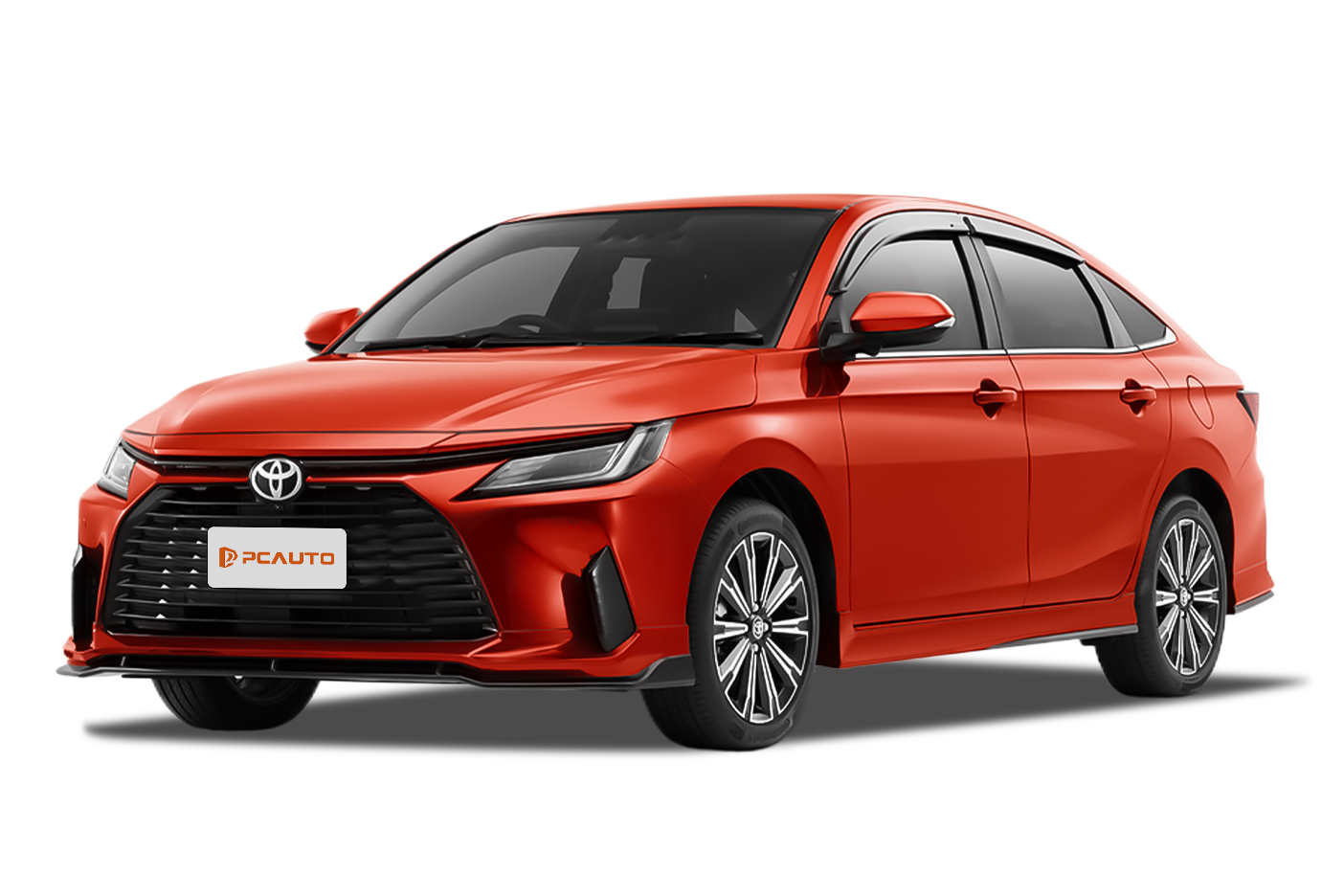
2023 Toyota Vios 1.5E AT, as a mid-range model in the facelift, with features such as the TSS Intelligent Safety System, HUD, and other high-end features being made available, along with balanced space and fuel efficiency, making it a high-value B-segment sedan choice in Malaysia.