

2018 Mazda 2 Sedan 1.5 Sedan GVC Mid-spec Review

 Share
Share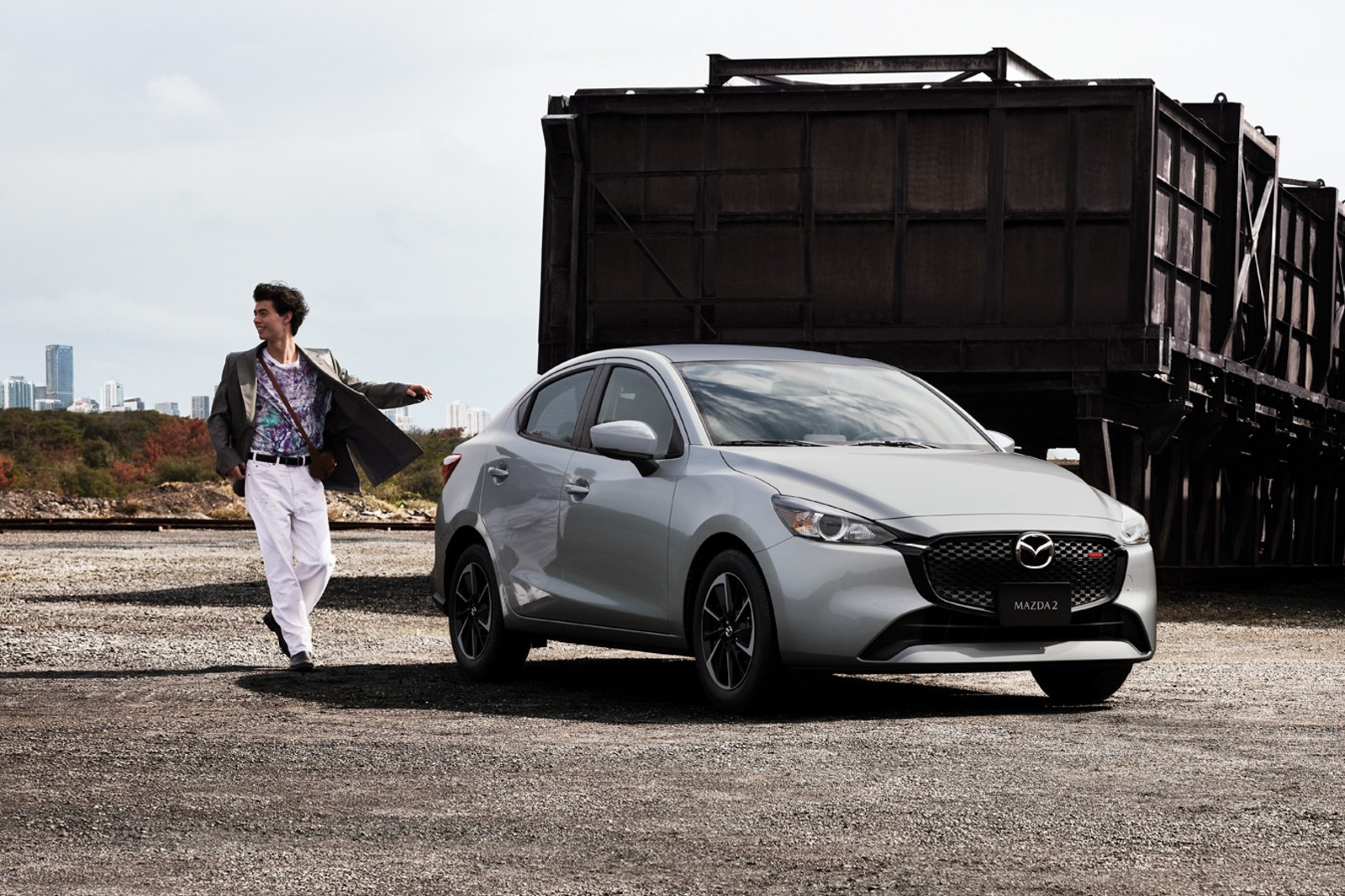
 Segment
 Body Type
 Capacity(L)
 Engine Power(PS)
 Transmission
 Driven Wheels
In Malaysia's B-segment sedan market, the balance between economic practicality and driving enjoyment has always been a core concern for consumers. The 2018 Mazda 2 Sedan 1.5 GVC mid-trim version highlights "KODO Design" and "SkyActiv Technology" as its selling points, targeting family users and young office workers who value driving quality. This test drive will focus on evaluating its GVC system's actual performance, spatial practicality, and configuration cost-performance ratio to provide references for the target audience.
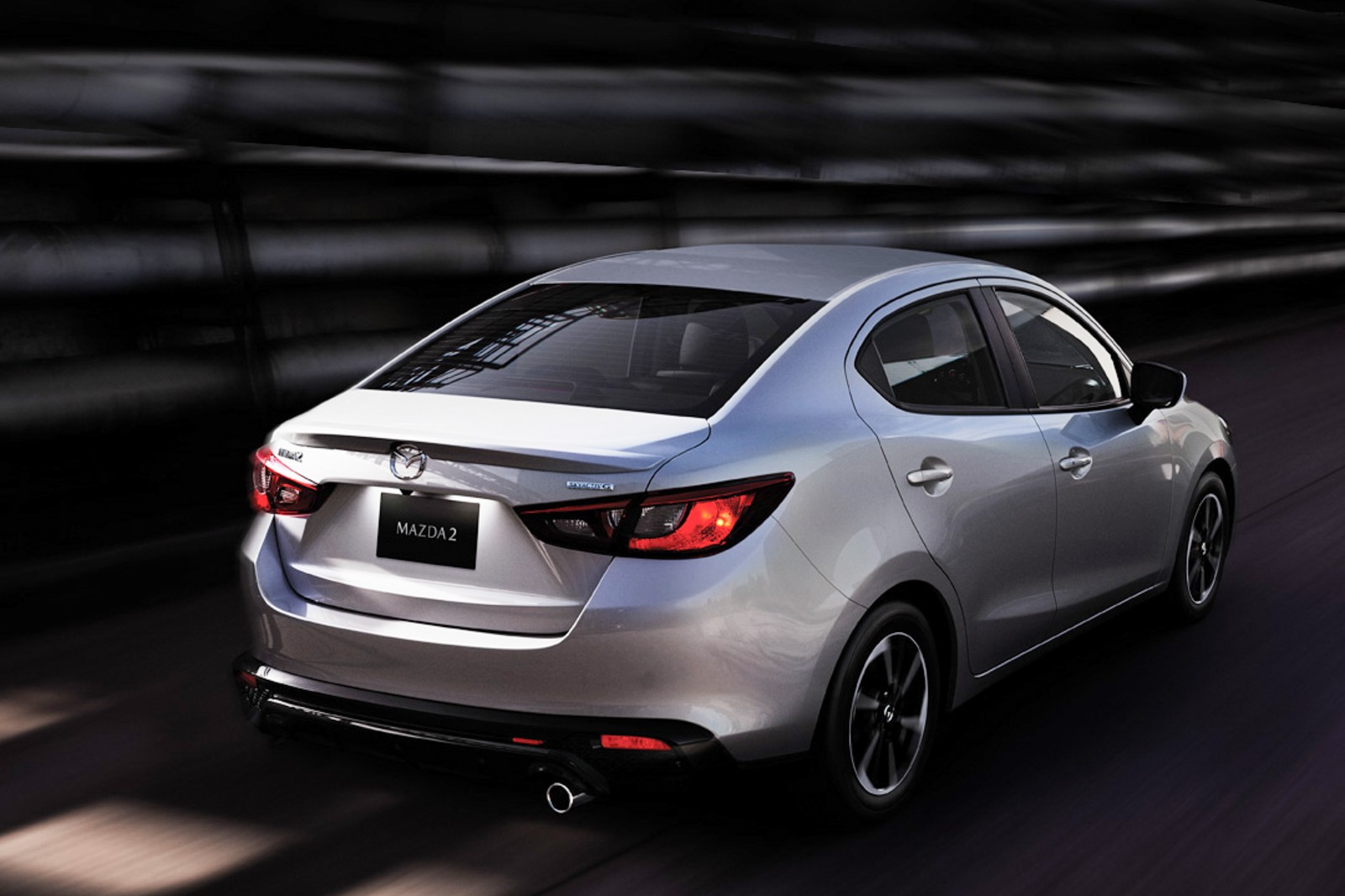
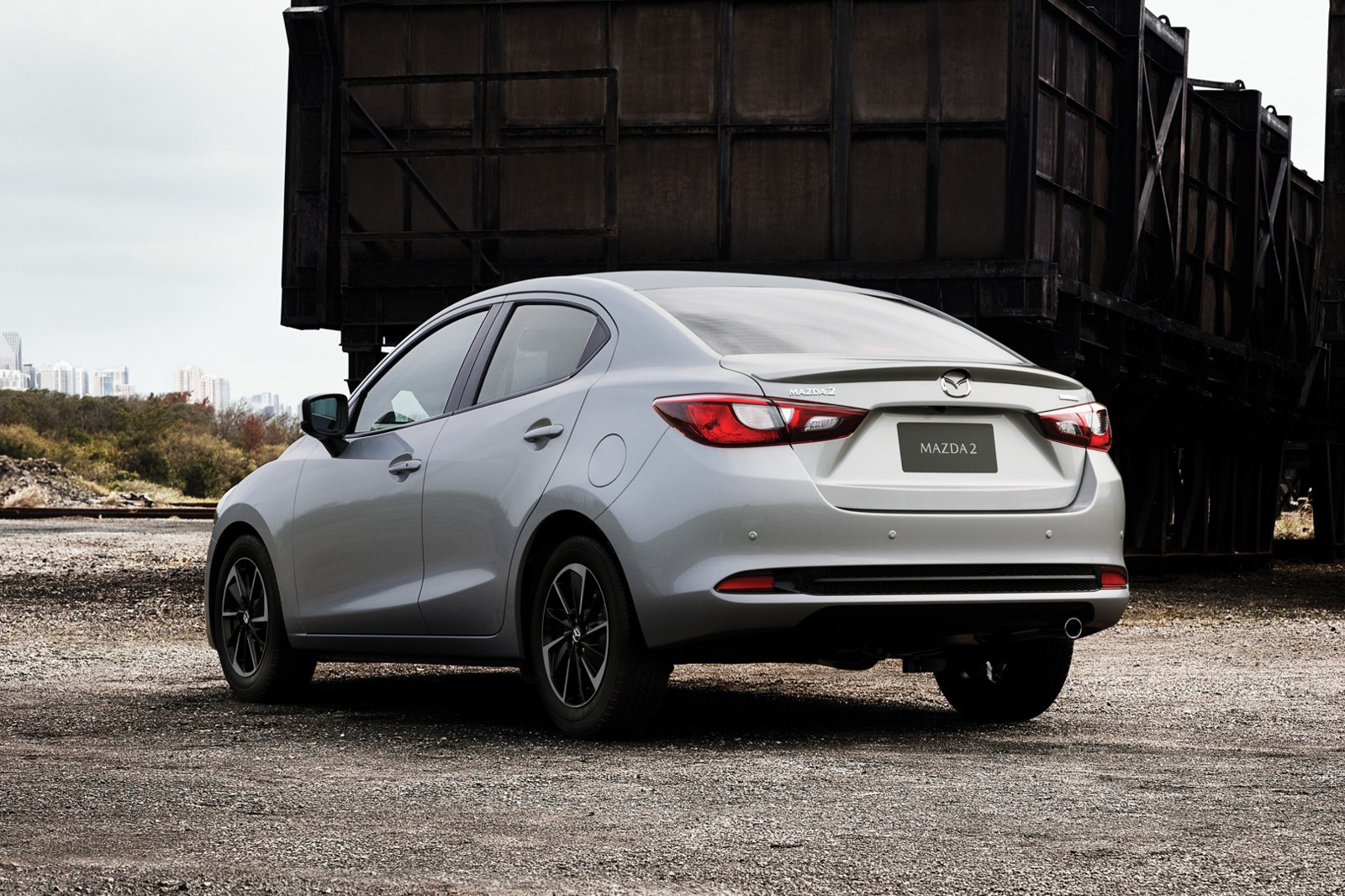
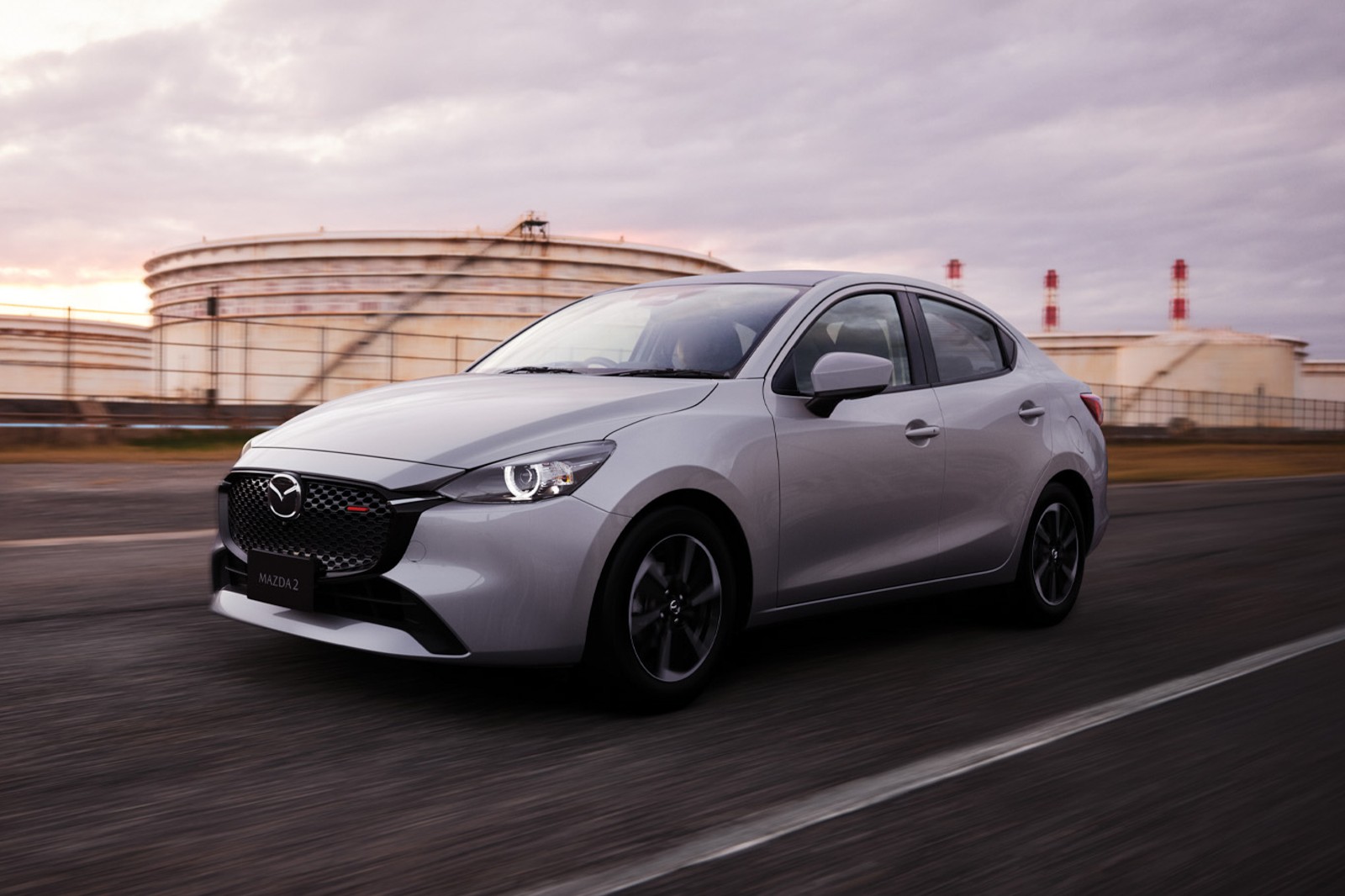
The vehicle's exterior continues Mazda's family-style "KODO" design language, with a front face adopting a shield-shaped grille paired with chrome accents, connected to sharp halogen headlights. The LED daytime running lights are bar-shaped, offering high recognition when illuminated. The body side features smooth lines, with a waistline running from the hood to the rear enhancing its muscular feel. The 15-inch multi-spoke wheels have a simple design, paired with 185/65R15 tires that balance comfort and grip. The rear design is rounded, with LED taillights echoing the front face. Chrome accents under the rear bumper enhance its refined appearance, while a small spoiler on the trunk lid adds a sporty touch.
The interior is predominantly black, with the center console wrapped in soft-touch materials, providing a good tactile feel. The multifunction steering wheel supports adjustments for tilt and telescopic positions, with integrated controls for volume, Bluetooth calls, and more on the left side, making it convenient to operate. The instrument cluster uses an illuminated analog design with clear displays, featuring a small LCD screen in the center that shows fuel consumption, speed, and other information. HUD head-up display is standard, capable of projecting data such as speed and navigation, enhancing driving safety. The central area is equipped with a 7-inch touchscreen, supporting Apple CarPlay and Android Auto, with quick response times. The front seats are manually adjustable with moderate support, and the rear seats can be folded at a 60:40 split to extend trunk space. The trunk has a regular capacity of 410 liters, meeting daily storage needs.
In terms of space performance, the vehicle measures 4320mm in length, 1695mm in width, and 1495mm in height, with a wheelbase of 2570mm, placing it at the mainstream level for B-segment cars. The front row provides approximately a fist and two fingers of headroom, with ample legroom. For rear-row passengers 175cm tall, the headroom is about a fist, and legroom is two fists, sufficient for daily family use. Storage spaces are abundant, with door panel storage slots accommodating bottles, a center armrest box, and a glove compartment of moderate capacity. The front row also features a 220V power outlet, convenient for rear passengers to charge devices.
For performance, it is equipped with a 1.5L naturally aspirated engine, delivering a maximum power of 116PS/6000rpm and a maximum torque of 154N·m/4000rpm, paired with a 6-speed automatic transmission. Power output is smooth during start-up, offering sensitive throttle response, and there is no turbo lag during low-speed driving. During mid-to-high-speed acceleration (80-120km/h), pressing the accelerator deeply prompts the transmission to downshift actively, with linear power output satisfying overtaking needs. The GVC G-Vectoring Control system makes minute adjustments to the engine torque during cornering, reducing the number of steering corrections and enhancing handling stability.
The chassis adopts a front MacPherson strut and rear torsion beam suspension, tuned towards sportiness while considering comfort. When passing over speed bumps or uneven roads, the suspension effectively filters out jolts, keeping the vehicle stable without obvious bouncing. Steering is precise with minimal play, and at high speeds, the steering wheel remains steady, instilling confidence. The braking system performs well, with front ventilated disc brakes and rear solid disc brakes. The braking distance is moderate, and the pedal feel is linear.
The fuel consumption test shows that the fuel consumption in urban conditions (congestion + slow traffic) is approximately 6.8L/100km, on highways (100-120km/h) it is about 5.5L/100km, and the combined fuel consumption is 6.2L/100km. The fuel economy performs excellently among vehicles of the same class. In terms of noise control, the engine noise at idle is relatively low, and wind noise and tire noise are adequately suppressed at high speeds, ensuring in-car conversations are not affected.
In terms of safety features, it comes standard with 2 airbags, ABS, vehicle stability control, reversing radar + front and rear cameras, hill start assist, etc., meeting daily safety needs. However, compared to competitors in the same class, such as the Toyota Vios or Honda City, the number of airbags is relatively fewer, which is a shortcoming.
Overall, the 2018 Mazda 2 Sedan 1.5 GVC mid-trim version offers a balanced performance in driving quality, fuel economy, and practical space. The GVC system enhances driving pleasure, making it suitable for family users who value the driving experience. However, the safety features (only 2 airbags) and technology features (no adaptive cruise control) are relatively weak. It is recommended that the manufacturer add these configurations in future updates. If you have a limited budget, prioritize driving fun and fuel economy, and don’t have high space requirements, this car is worth considering.
Mazda 2 Sedan Car Compare
Mazda 2 Sedan Loan Calculator
More Mazda Reviews
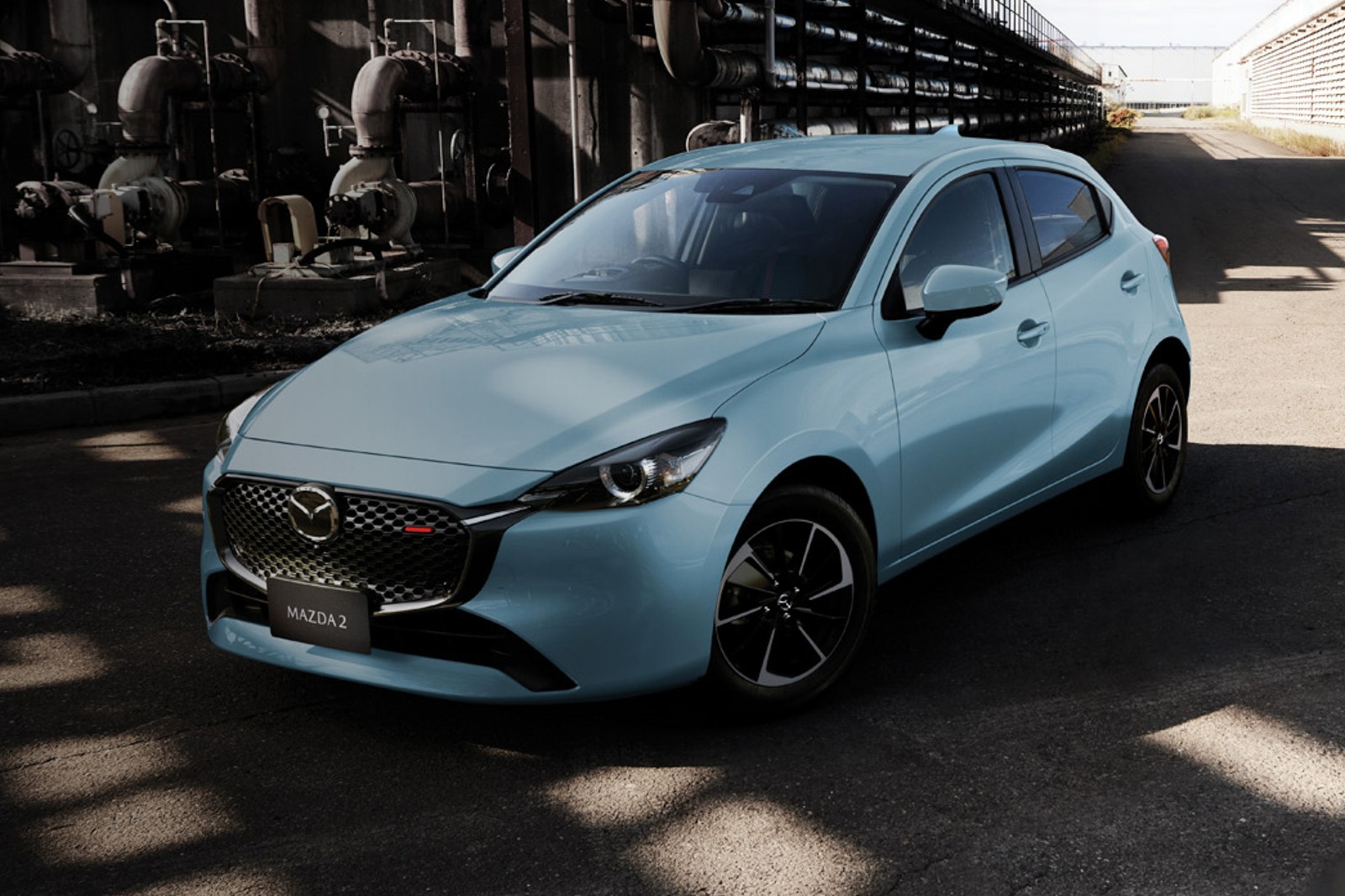
Cars With Similar Price And Features
6
Rank in Sedan
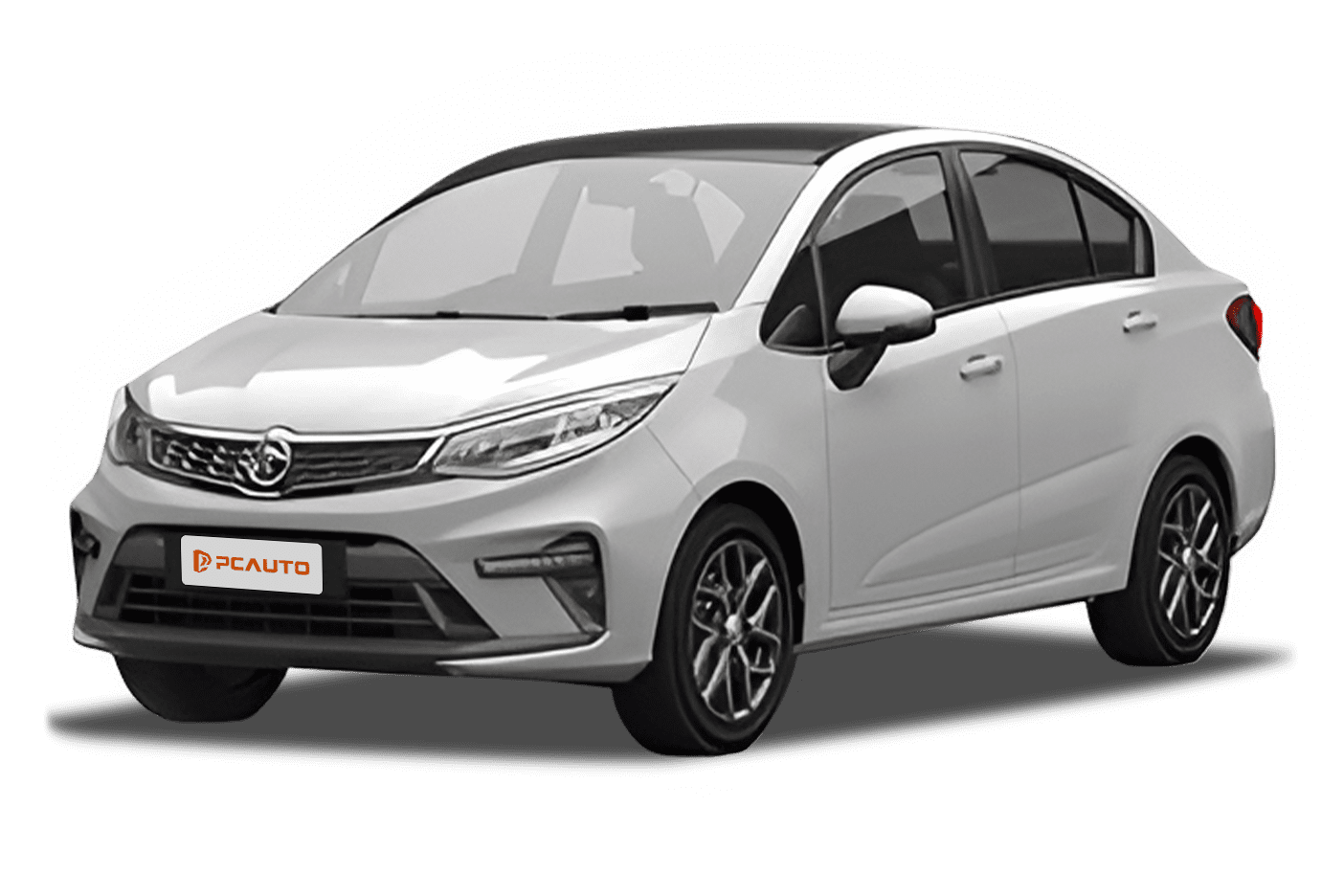
2023 Proton Persona 1.6 Standard CVT is an affordable, safety-configured entry-level family sedan with practical space, balancing daily commuting and family needs.
18
Rank in Sedan
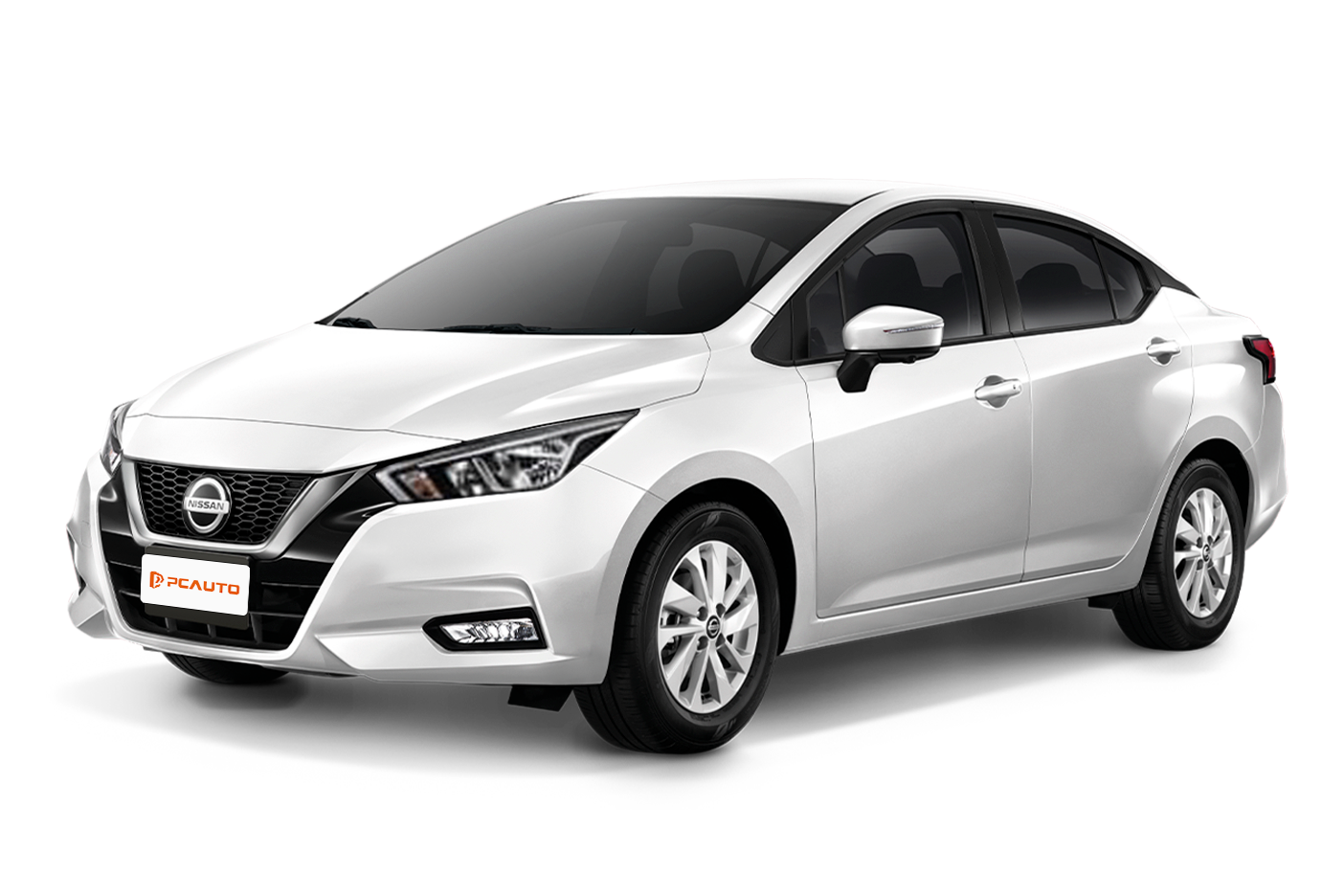
The 2024 Nissan Almera 1.0L Turbo VL is an affordable, practical, fuel-efficient, and well-equipped mid-size family sedan designed for consumers who value hassle-free commuting and family needs.
4
Rank in Sedan
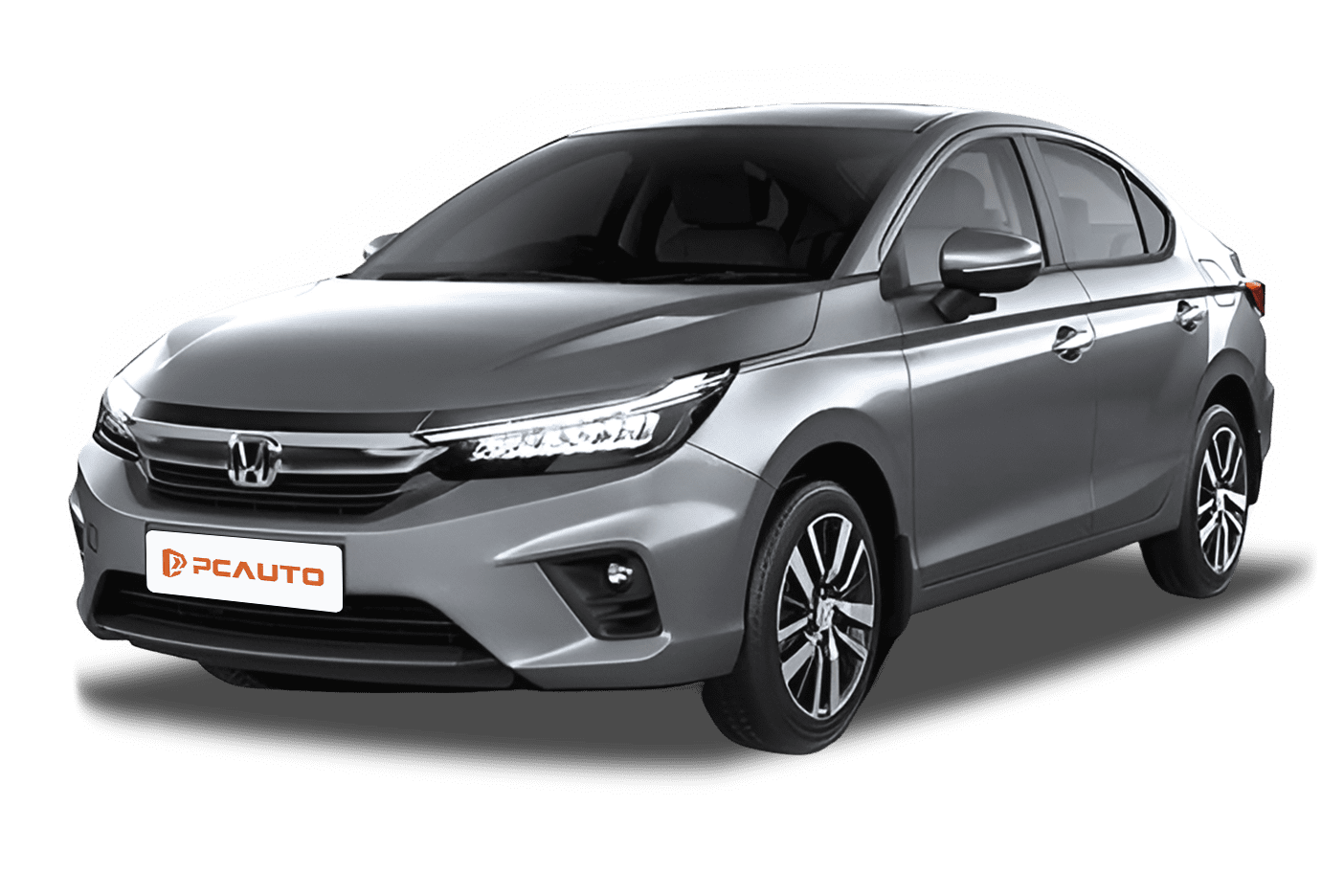
2023 Honda City 1.5 S, as an entry-level B-segment sedan, offers advanced L2 driving assistance and 6 airbags at an affordable price. With practical space and excellent fuel efficiency, it is a high-value choice for family users.
5
Rank in Sedan
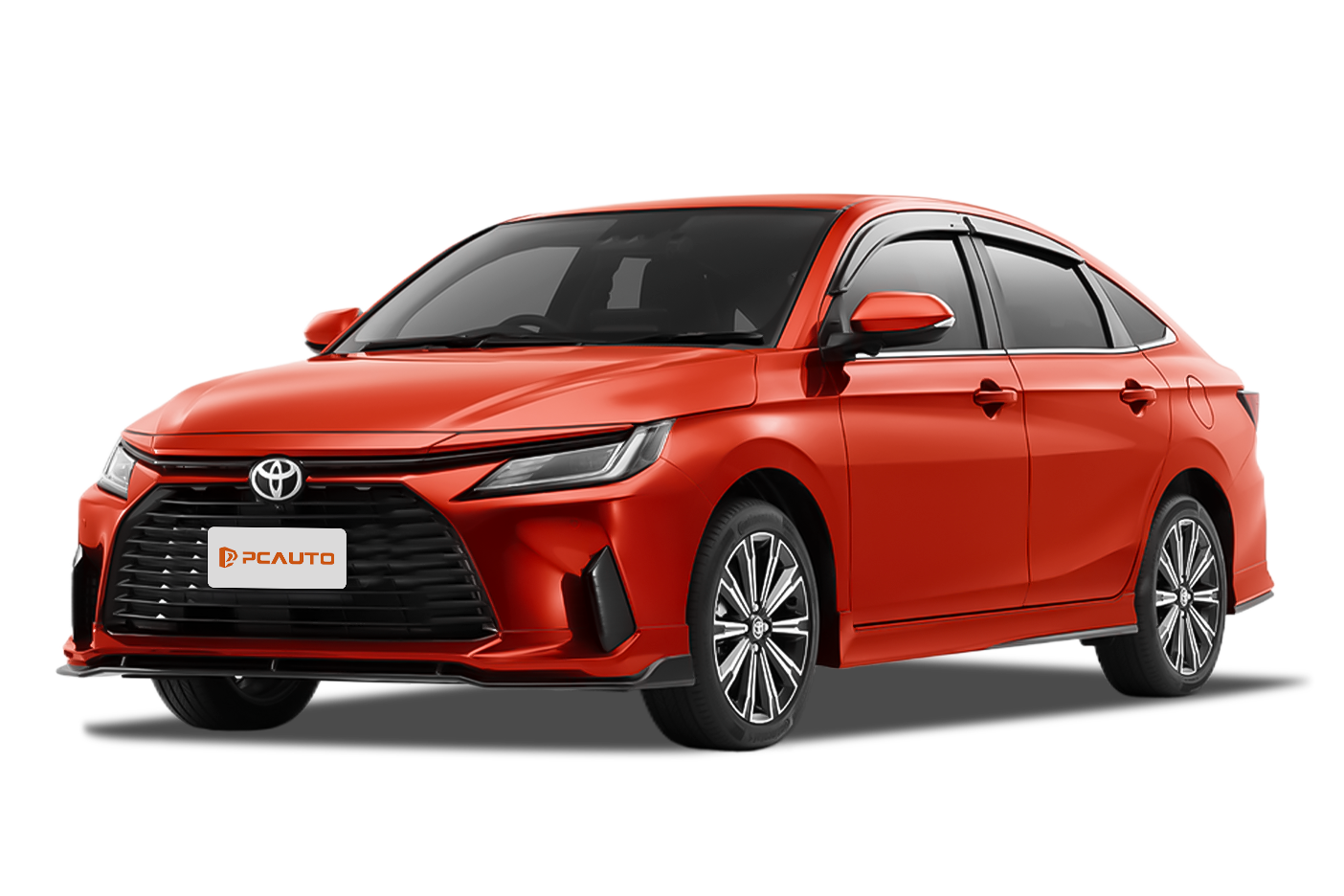
2023 Toyota Vios 1.5E AT, as a mid-range model in the facelift, with features such as the TSS Intelligent Safety System, HUD, and other high-end features being made available, along with balanced space and fuel efficiency, making it a high-value B-segment sedan choice in Malaysia.