
2018 Peugeot 2008 1.2 PureTech Review

 Share
Share
 Segment
 Body Type
 Capacity(L)
 Engine Power(PS)
 Transmission
 Driven Wheels
The B-Segment SUV market has always been a popular choice for family users and young professionals locally. Core requirements include adequate space, flexible handling, and fuel efficiency. As an early entrant in this market segment, the 2018 Peugeot 2008 1.2 PureTech highlights turbocharged performance, rich safety configurations, and flexible space. This time, through a real driving test, we examine whether it still holds competitiveness in today's market environment, focusing on three core dimensions: performance, practicality of space, and configuration value for money.
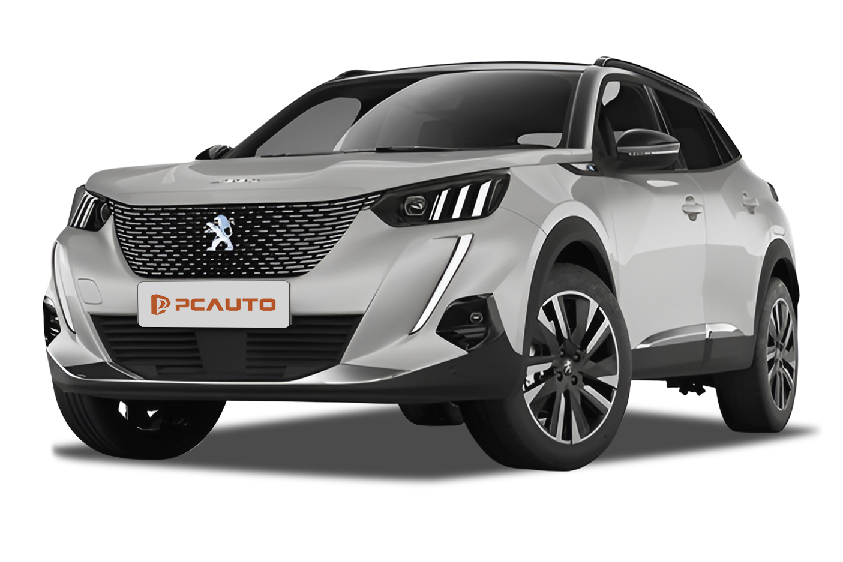
In terms of exterior design, the 2018 Peugeot 2008 retains Peugeot’s earlier family design language, showcasing a rounded and full style without overly aggressive lines. The front features a large trapezoidal grille adorned with chrome accents, complemented by sharp-shaped halogen and LED combination headlights. The automatic headlights and daytime running lights are convenient for everyday use. The side profile of the car presents smooth lines, with an inconspicuous waistline extending from the A-pillar to the rear, paired with 205/50 R17 tires for balanced visual proportions. At the rear, the LED tail lights adopt a horizontal layout, providing decent recognition when illuminated. Rear fog lights and reversing sensors come as standard, ensuring practicality. Overall, the exterior design is understated and functional, aligning with the aesthetic preferences of most family SUV users.
Sitting inside, the first impression is a neat layout. Materials predominantly consist of hard plastics, but critical areas like the steering wheel and door armrests are wrapped in soft-touch materials, offering an acceptable tactile experience. The center console is equipped with a 7-inch touchscreen, featuring a clear interface and smooth operations that reflect the mainstream standards of 2018. It supports basic multimedia and Bluetooth connectivity. The instrument panel adopts an electroluminescent analog design, providing clear displays for RPM, speed, and fuel consumption information. Configuration highlights include: the driver’s seat supports electric adjustment with memory function, allowing for easy posture adjustment during long drives; the dual-zone automatic air conditioning can independently control front and rear temperatures, and the rear row is equipped with air vents and power outlets to cater to rear passengers’ needs; keyless entry, rain-sensing wipers, and a single sunroof are all standard, enhancing everyday convenience.
In terms of space, the vehicle dimensions are 4159mm×1739mm×1556mm, with a wheelbase of 2538mm, reaching the standard level of B-Segment SUVs. Front-row seating is spacious, with a 175cm tall passenger still having a fist-width of headroom after adjusting the seat. The rear space is family-friendly, leaving two fist-widths of legroom and one fist-width of headroom for passengers of the same height, avoiding any sense of confinement. The rear seats support a 60:40 split-folding configuration, with trunk capacity expandable from 360L to a larger volume—storing strollers or suitcases is not an issue. Storage spaces have been thoughtfully designed, with door pockets that can hold two bottles of water, and ample capacity in the central armrest box and glove compartment for daily essentials.
In terms of dynamic driving, the 1.2T three-cylinder turbocharged engine delivers a maximum power of 112PS with peak torque available from 1500rpm, paired with an AT transmission. Acceleration is responsive at the start, and a gentle press of the accelerator can trigger the boost from the turbocharger, making it easy to follow vehicles in city traffic. Even after reaching 80km/h, power output remains linear, and overtaking is efficient with timely gear shifting when the accelerator is pressed deeply. The official 0-100km/h acceleration time is 10.3 seconds, meeting the needs of daily commuting and highway driving. There are two driving modes to select from: Eco and Sport. In Eco mode, throttle response is slower, focusing more on fuel economy, while Sport mode enhances throttle sensitivity and suits scenarios where occasional driving thrills are sought.
In terms of handling, the steering wheel is precise with minimal dead zone, allowing the driver to clearly feel the wheel trajectory when cornering, providing sufficient confidence to the driver. The front suspension adopts a MacPherson independent structure, while the rear suspension is a torsion beam non-independent setup (although not explicitly stated in the configuration list, this is a common structure among vehicles in this segment). It effectively absorbs minor bumps on city roads, with minimal body vibrations. When encountering speed bumps or uneven roads, the suspension transmits some road feedback but is not overly stiff, ensuring good comfort for rear passengers. The chassis is overall tuned for comfort while maintaining a certain degree of resilience. At high speeds, the vehicle feels stable without any floating sensation.
The fuel consumption performance meets expectations, with an official combined fuel consumption of 4.8L/100km. During actual test drives, urban roads registered around 6L/100km, while highway consumption dropped to about 5L/100km. With a fully filled 50L fuel tank, the range exceeds 800km, meeting the needs of long-distance travel. As for noise control, vibrations from the three-cylinder engine are not noticeable at idle speed, and cabin noise levels remain low. When the speed exceeds 100km/h, wind noise and tire noise increase slightly but remain within an acceptable range, not impacting conversations between passengers.
Safety features are a major advantage of the 2018 Peugeot 2008, which comes standard with 6 airbags (front dual airbags, side airbags, and front/rear curtain airbags), ABS, electronic stability control, hill-start assist, and ISO FIX child seat anchors. The safety levels are among the top in its class. In addition, features like engine start-stop technology and tire pressure monitoring (not explicitly stated in the configuration list but equipped in the test vehicle) further enhance driving safety.
In summary, the core strengths of the 2018 Peugeot 2008 1.2 PureTech lie in its balanced power performance, practical space design, and comprehensive safety features. Compared to competitors in the same segment, such as the early models of Honda HR-V or Toyota C-HR, it offers more responsive power delivery, better configuration, and a more competitive price (with an official price of RM 100,670 at the time). It is suitable for families prioritizing performance, safety, and practical use of space, especially households with children; the rear space and child seat anchors cater to their needs. It is also ideal for young professionals due to its agile handling and fuel efficiency, which are fitting for urban commutes.
Although the 2018 model is lagging behind newer models in terms of technological features (like advanced driving assistance), its comprehensive product strength still makes it competitive in the second-hand market. If you're on a limited budget and looking for a balanced vehicle for family use, this car is worth considering.
Peugeot 2008 Car Compare
Peugeot 2008 Loan Calculator
More Peugeot Reviews
Cars With Similar Price And Features
4
Rank in SUV
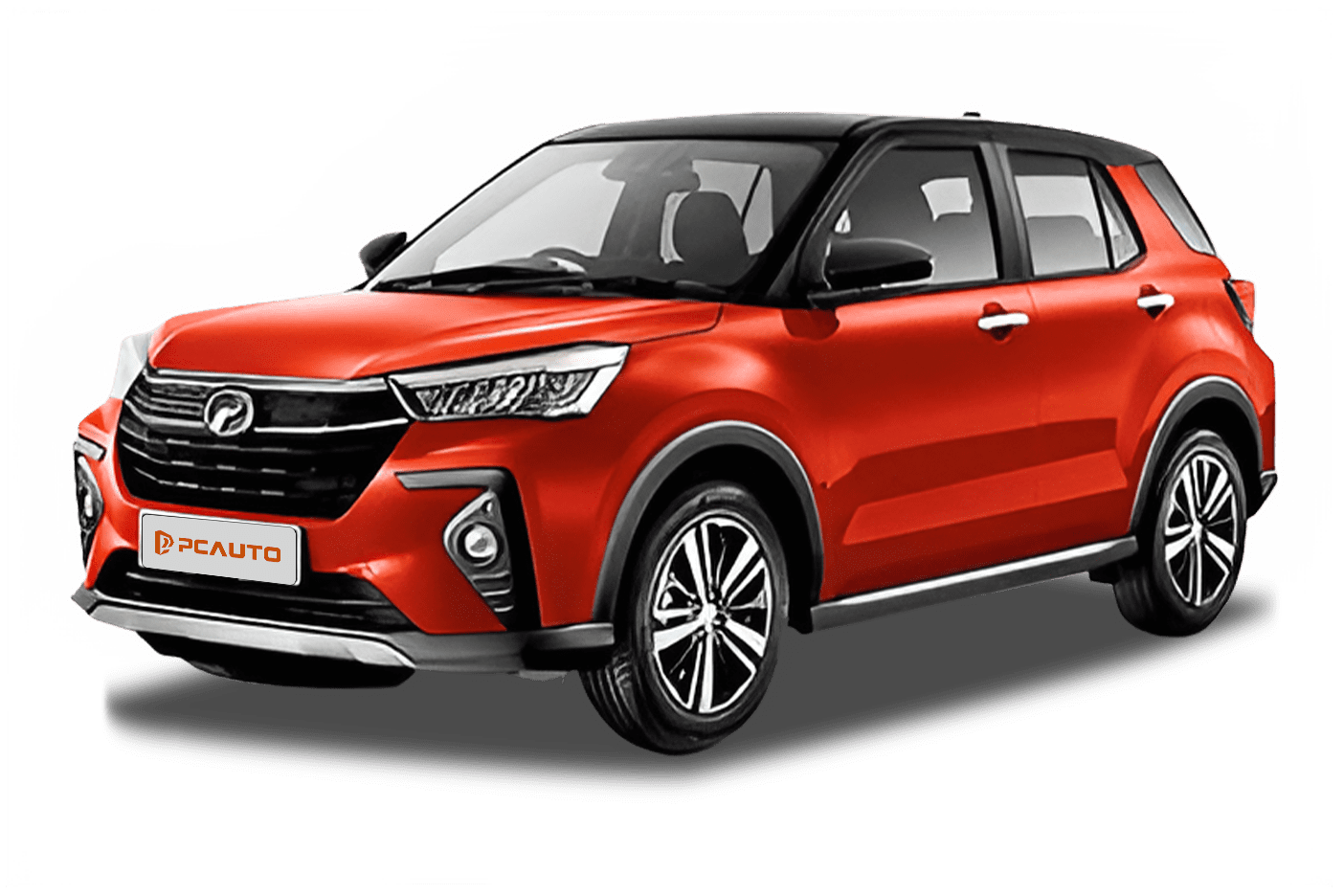
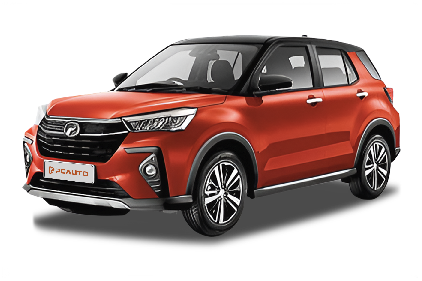
2023 Perodua Ativa 1.0L Turbo X, as a high-value-for-money entry-level B-SUV, meets the commuting and short-distance travel needs of family users with advanced safety features, practical space, and economical fuel consumption.
15
Rank in SUV
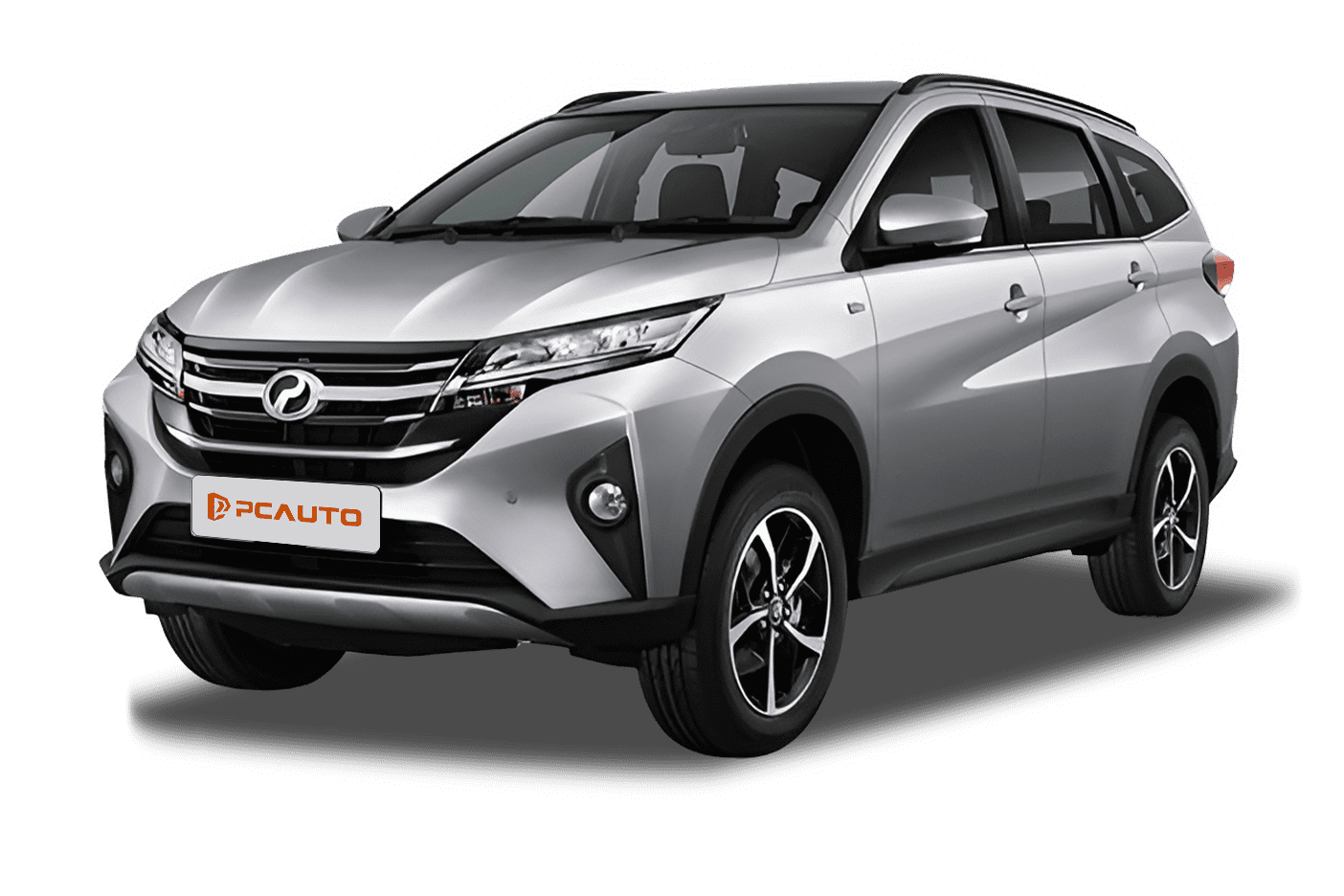
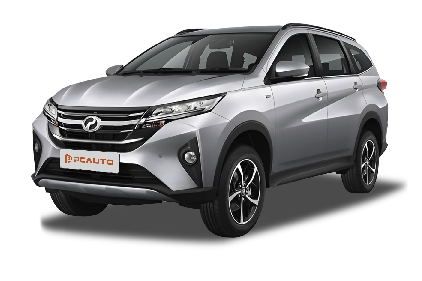
The 2023 Perodua Aruz 1.5L X is a high-value-for-money B-segment 7-seater SUV, offering 6 airbags and active safety systems as standard equipment for under RM63k. It balances practical space and daily commuting needs, making it a pragmatic choice for budget-conscious families.
3
Rank in SUV
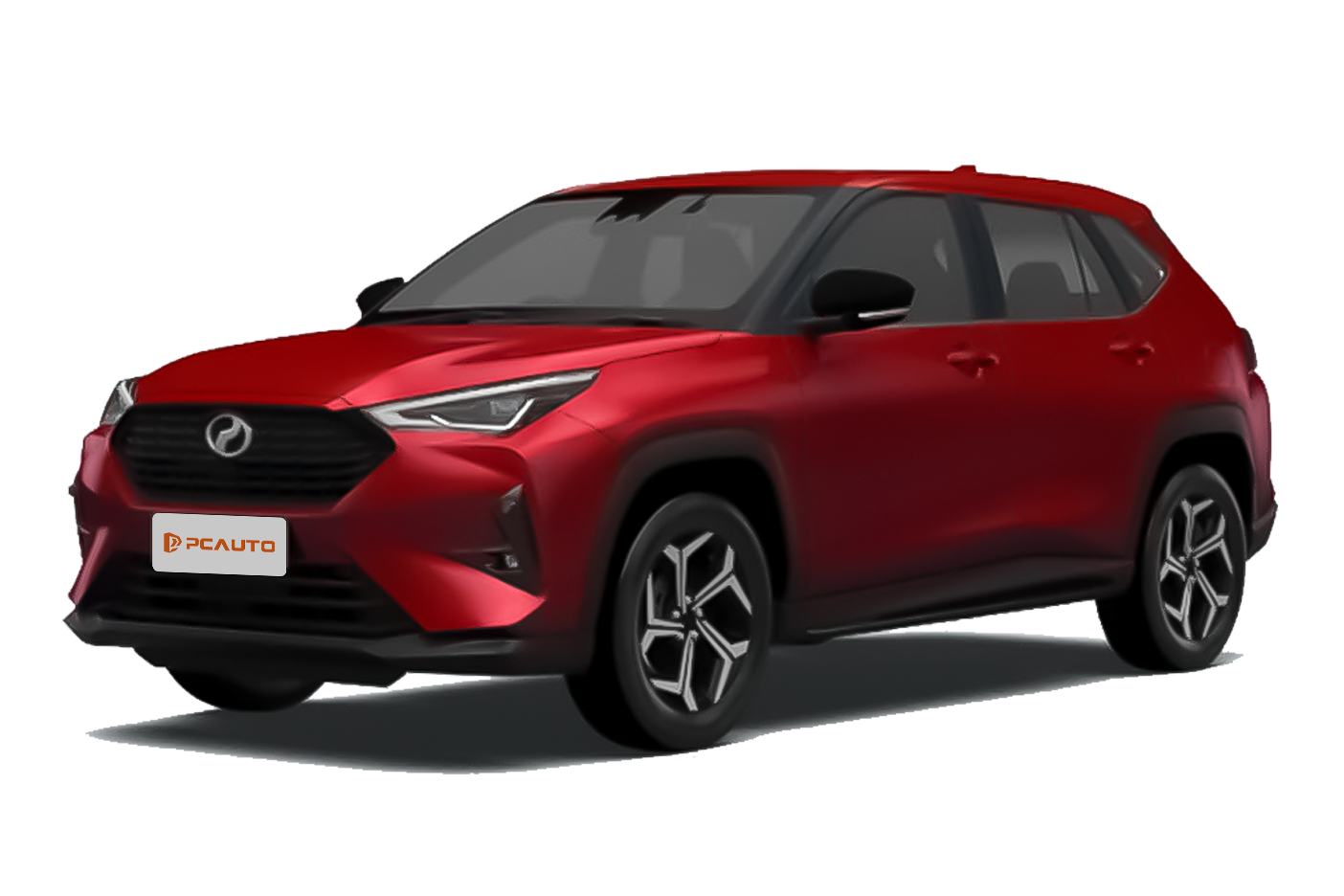
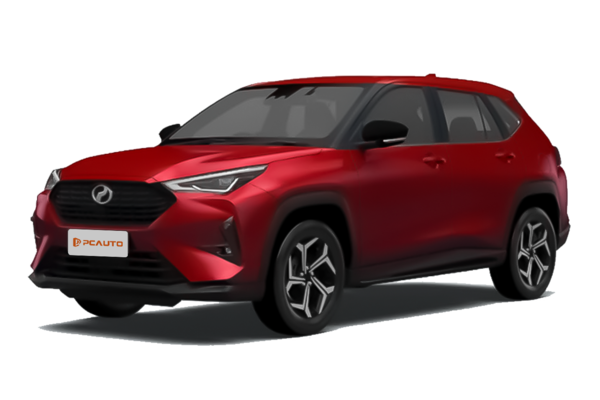
2025 Perodua Traz X, positioned as a B-segment SUV for family users, highlights advanced safety features, 210mm high ground clearance, and practical spaciousness as its main selling points, balancing flexibility and practicality.
2
Rank in SUV
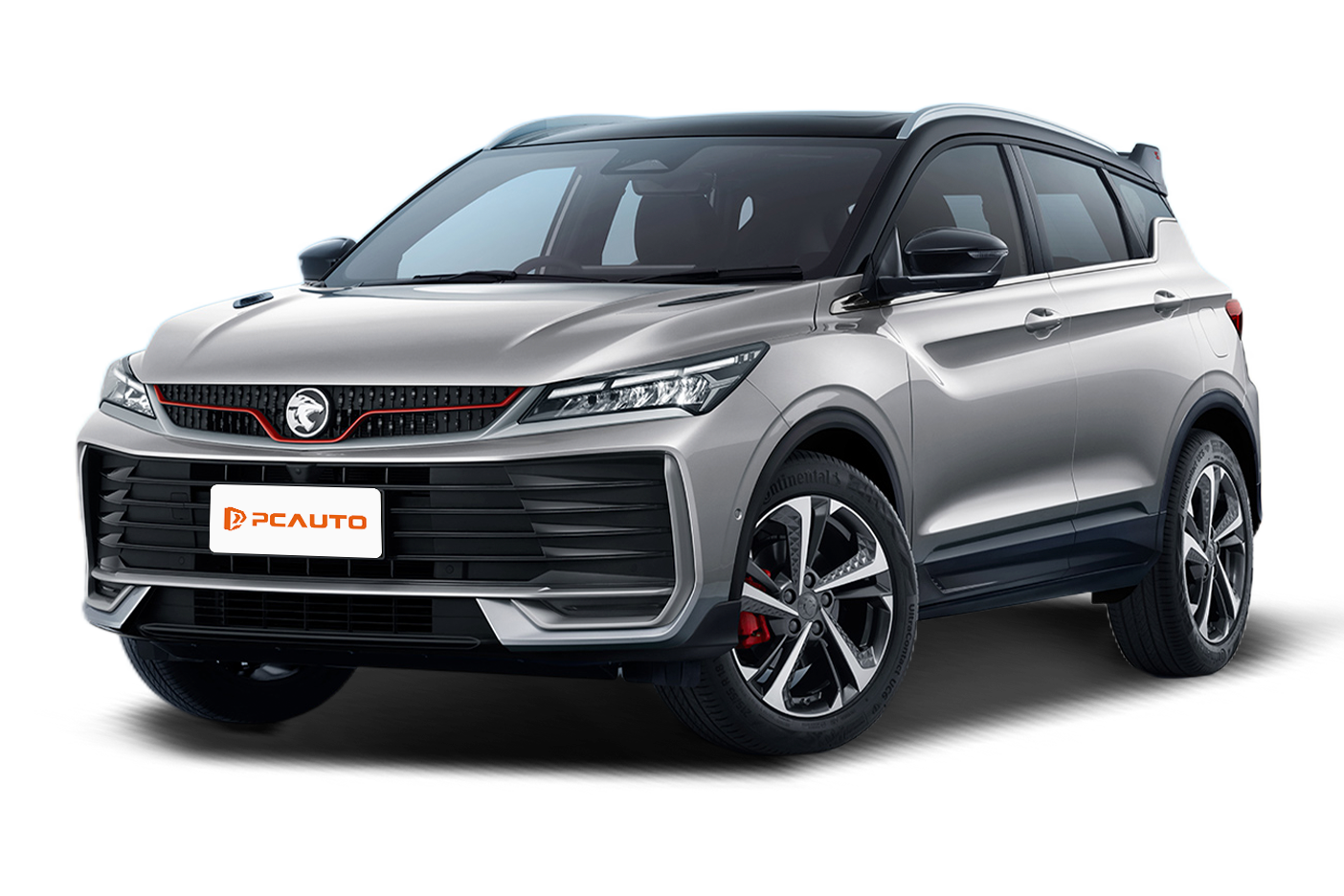
2025 Proton X50 Executive is an upgraded and price-reduced mid-size SUV that combines refined exterior, tech-savvy interior, powerful performance, and practical space, offering exceptional value for money.