

2018 Toyota Hilux Single Cab 2.4 MT 4x4 Review

 Share
Share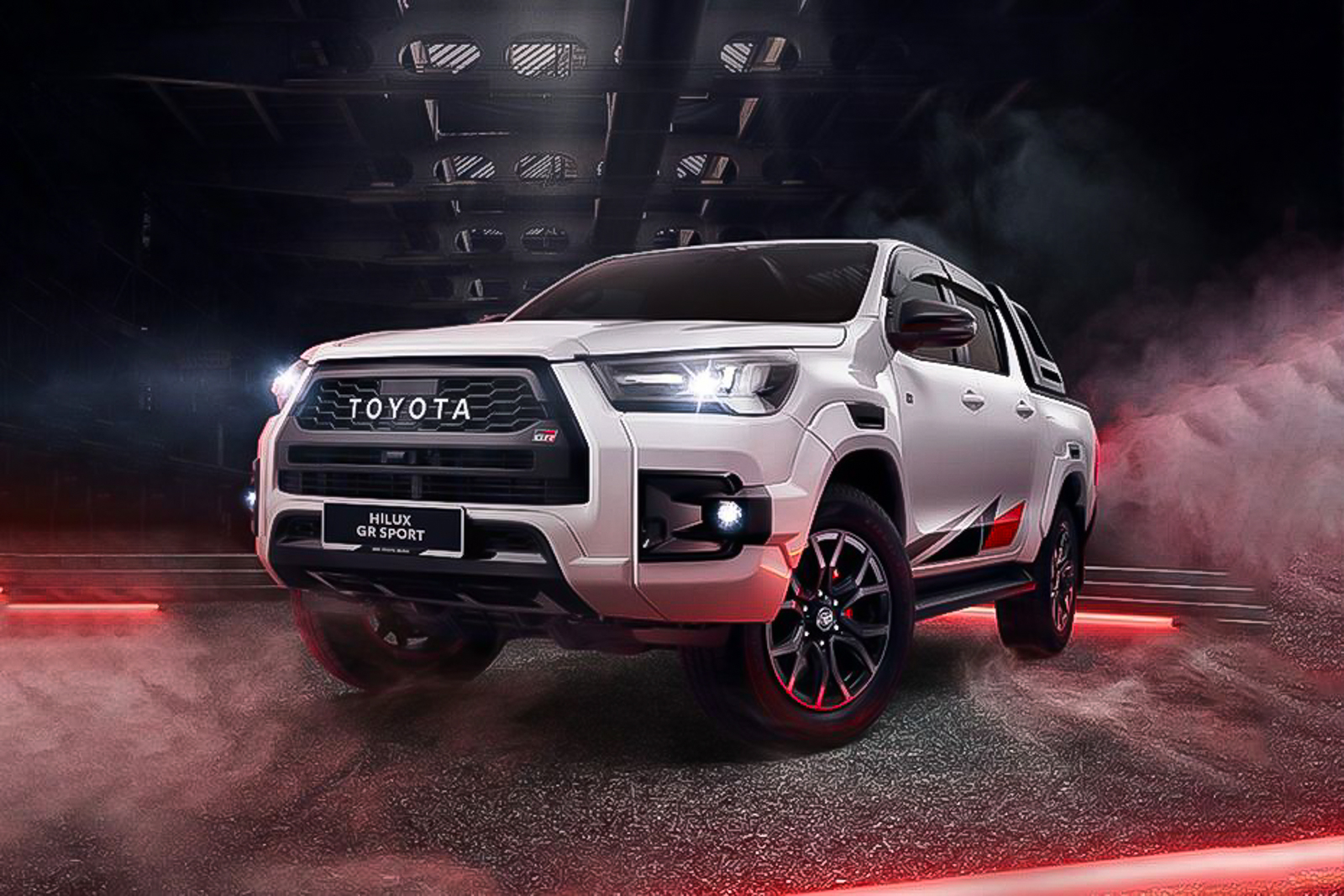
 Segment
 Body Type
 Capacity(L)
 Engine Power(PS)
 Transmission
 Driven Wheels
In the Malaysian commercial pickup market, durability and practicality have always been the core needs of users. The 2018 Toyota Hilux Single Cab 2.4 MT 4x4, as a popular model in this market segment, has attracted considerable attention with Toyota's consistent reliability and standard 4x4 drive system. In this test drive, we focus on two core questions: Does its static performance meet the daily cargo and short-distance ride requirements? Can its driving dynamics handle complex scenarios such as construction sites and rural dirt roads? Below, we analyze the performance of this vehicle based on actual experience.
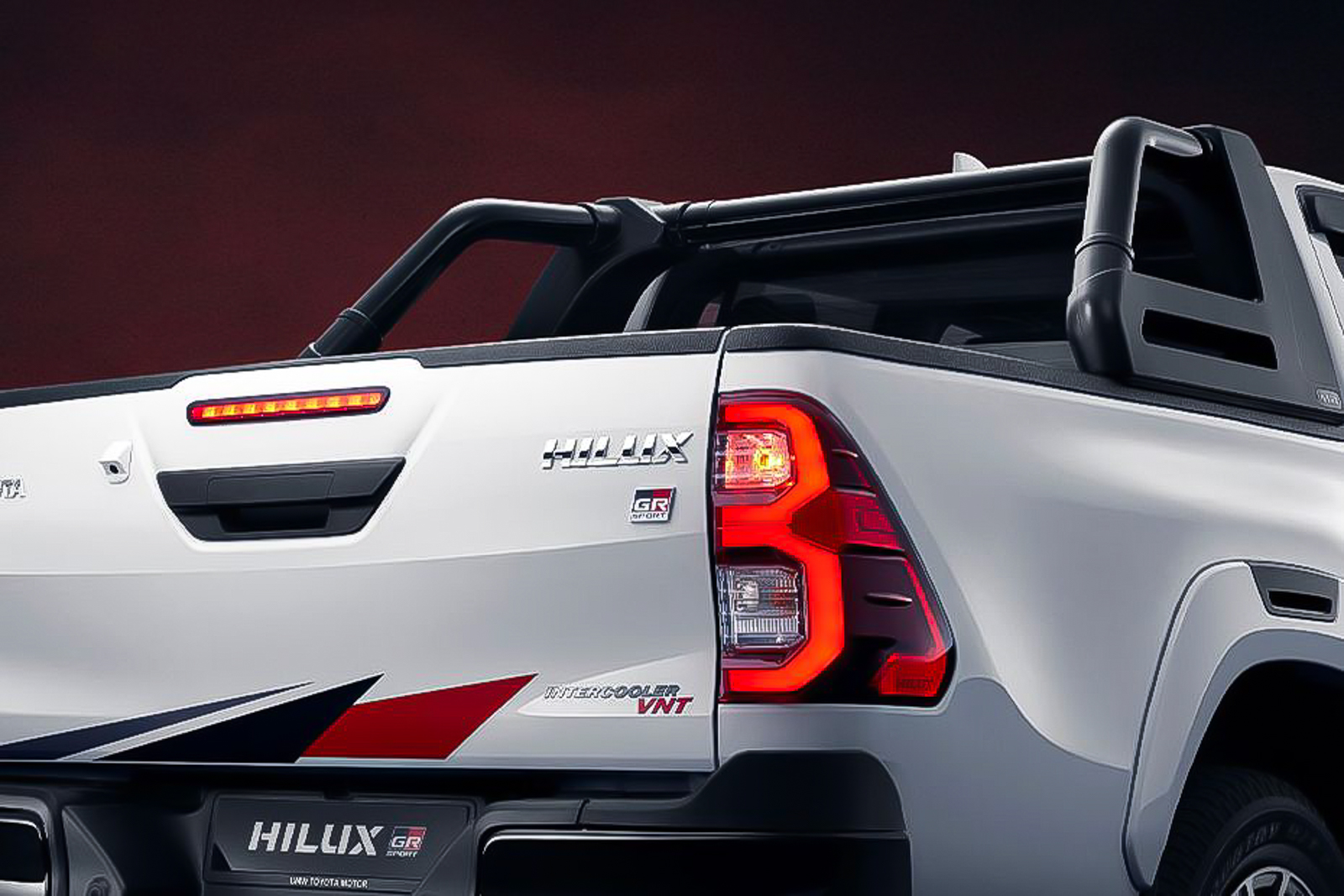
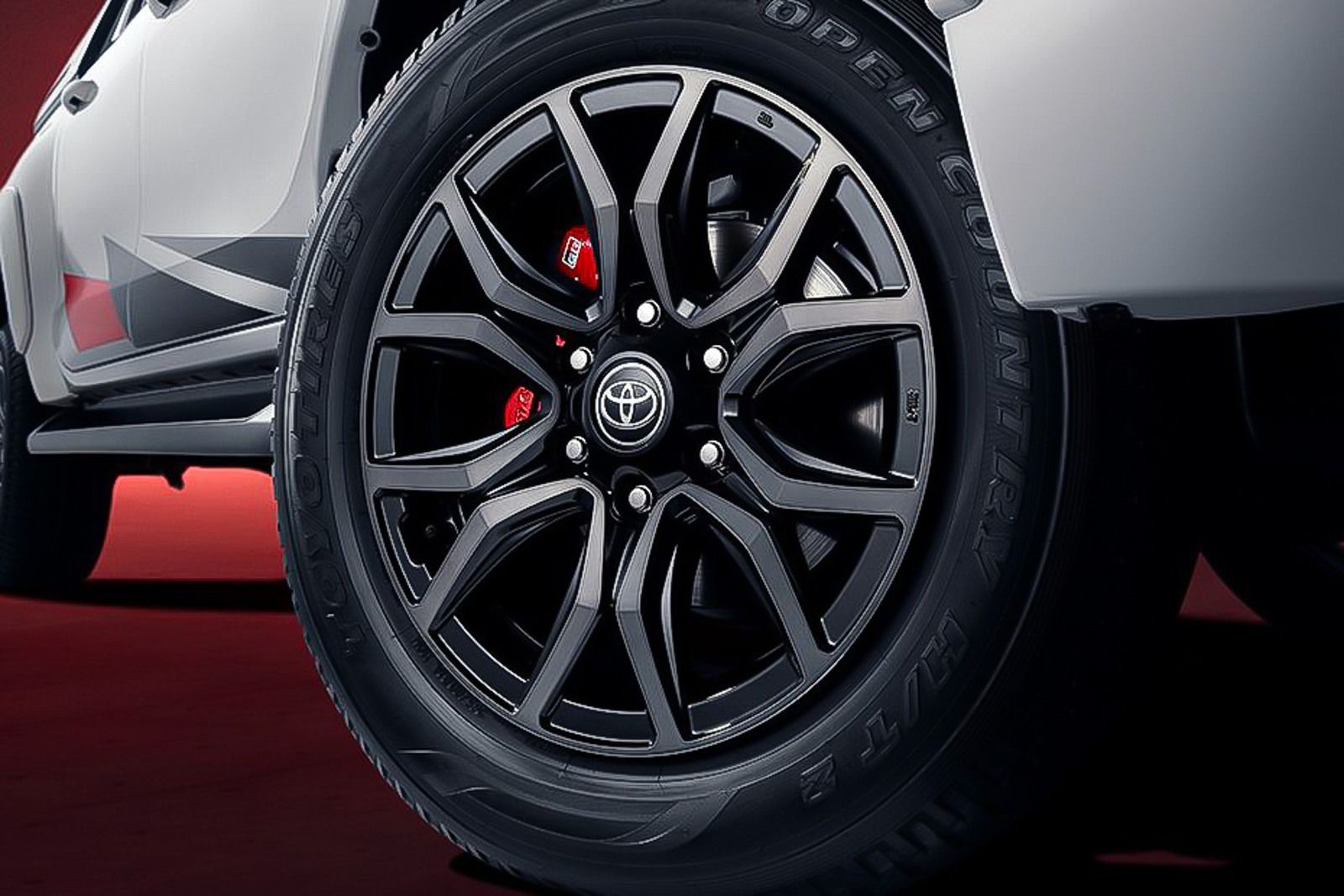
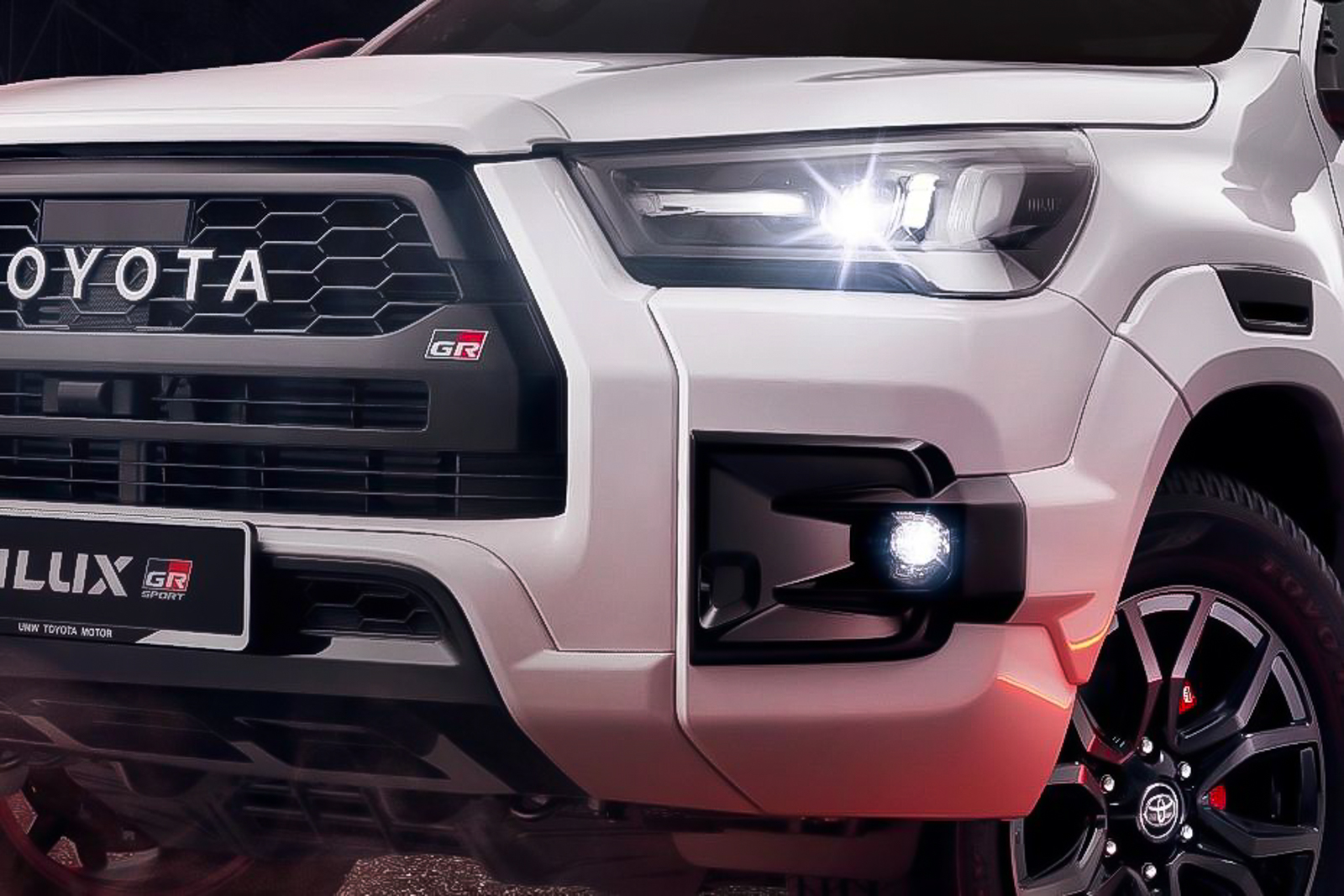
From the exterior, this single-cab pickup maintains the classic rugged style of the Hilux series, with overall straight and tough lines and no excessive flashy designs. The front face adopts Toyota's signature trapezoidal grille, paired with halogen headlights on both sides. Although there are no LED lights, the automatic headlight function can automatically turn on in tunnels or rainy days, which proves to be quite practical. The most noticeable feature on the side is the single-cab design, with a moderate-height cargo bed wall that makes loading and unloading goods convenient. The 16-inch steel wheels are paired with 205R16C tires, which have thicker sidewalls to better resist scratches on unpaved roads. At the rear, the standard fog light improves visibility in rainy or foggy weather, catering to the safety needs of commercial vehicles. The overall exterior feels highly functional, with no redundant design, prioritizing utility above all else.
Inside the cabin, the interior design revolves around simplicity and durability. The center console is made of hard plastic material which, although somewhat rigid to the touch, offers high scratch resistance, making it suitable for users frequently handling cargo. The instrument panel uses a backlit analog design, ensuring clear and intuitive readings for metrics such as RPM and speed, even under strong sunlight. The front seats are manually adjustable, with firm padding for adequate support during long drives, though comfort is average. However, for a commercial vehicle, this performance is within expectations. In terms of configuration, the manual air conditioning system allows quick cabin temperature adjustments, and the 220V/230V power outlet is a highlight, making it convenient for connecting small tools or charging devices. As for safety features, three airbags (driver, passenger, knee) and an ABS anti-lock braking system come standard. The forward collision warning function alerts the driver in emergencies, enhancing driving safety. However, the door locks use traditional mechanical keys, without a remote control feature, which might be slightly inconvenient for daily use.
Regarding space, the vehicle measures 5270mm in length, 1800mm in width, and 1795mm in height, with a wheelbase of 3085mm. The single-cab front row provides ample passenger space—with a driver of 175cm in height, both the headroom and legroom offer plenty of clearance after seat adjustment. Although specific dimensions of the cargo bed are not provided, the single-cab design results in a longer bed, accommodating longer cargo. The interior storage space is not particularly abundant, with a small compartment under the center console suitable for storing items like phones or receipts, while the door panel storage slots can hold a bottle of water. Overall, the spatial layout is entirely service-oriented towards the "cargo-first" positioning, ensuring short-distance rides feel comfortable without being cramped and the cargo capacity meets most commercial use cases.
In terms of power, the 2.4L naturally aspirated diesel engine produces a maximum output of 150 PS, with a maximum torque that kicks in at 1600 rpm, paired with a 5-speed manual transmission. During take-off, the clutch offers a clear engagement point, allowing even novice drivers to adapt quickly. The low torque output at 1600 rpm enables the vehicle to start briskly when unloaded or lightly loaded, and it can handle slight inclines without frequent gear changes. After switching to 4x4 mode, the vehicle's passability significantly improves. On muddy or bumpy roads, power distribution is even, and wheel slippage rarely occurs. The transmission shifts gears smoothly, with moderate shift travel; however, at high speeds, the RPM for the fifth gear is relatively high, which increases engine noise.
The handling and chassis performance align with the positioning of a rugged pickup truck. The front suspension adopts a double wishbone independent suspension, while the rear suspension is a leaf spring structure (although not specifically mentioned in the configuration table, single-cab pickups are generally equipped with leaf springs). When driving on paved roads, the suspension's filtering of minor bumps is average, and the road feel is relatively clear; when facing speed bumps or larger potholes, the rear suspension's leaf springs provide sufficient support without excessive bouncing, though comfort is compromised. The steering wheel has a relatively heavy turning effort, and the steering accuracy is acceptable. When cornering, the body roll is kept within a reasonable range with no noticeable wobbling. The braking system uses ventilated disc brakes at the front, with a medium pedal travel. The brake force is released linearly, and the body remains stable during emergency braking.
In terms of ride comfort, due to the diesel engine, vibrations and noise are more noticeable at idle compared to gasoline cars. However, during driving, wind and tire noise are well-controlled, and conversations inside the cabin are not much affected at speeds below 60km/h. Although the seats are on the harder side, lumbar support is adequate, making short trips not too tiring. The manual air conditioning has good cooling performance and can quickly reduce the interior temperature. It's worth mentioning that this vehicle has an excellent fuel consumption performance, with a combined fuel consumption of about 8.5L/100km when empty, and around 10L when fully loaded. The 80L fuel tank capacity offers a long driving range, reducing refueling frequencies.
Overall, the core advantages of the 2018 Toyota Hilux Single Cab 2.4 MT 4x4 lie in its durability, practicality, and off-road capability. The standard 4x4 drive system can handle most unpaved roads, and the low-end torque performance of the 2.4L diesel engine suits cargo carrying needs. Its safety configuration is at an upper-mid level among single-cab pickups in the same class. Compared with the Ford Ranger Single Cab in the same segment, it is more affordable, and Toyota's brand reliability is also more recognized by commercial users. However, its interior refinement and configuration richness are slightly inferior to some newer models.
This truck is best suited for commercial users who frequently need to transport goods and drive on unpaved roads, such as construction contractors, farmers, or small logistics companies. It doesn't offer many frills, focusing instead on practicality. Its reliability and durability are its biggest "selling points." If you need a pickup truck that can "handle tough jobs" and rarely breaks down, this Hilux Single Cab is a great choice.
In summary, the 2018 Toyota Hilux Single Cab 2.4 MT 4x4 is a "no-nonsense workhorse." It may not have many standout features, but it meets the core needs of commercial users in terms of durability, practicality, and off-road performance. It is a trustworthy choice in the Malaysian commercial pickup truck market.
Toyota Hilux Car Compare
Toyota Hilux Loan Calculator
More Toyota Reviews
Cars With Similar Price And Features
5
Rank in Pickup
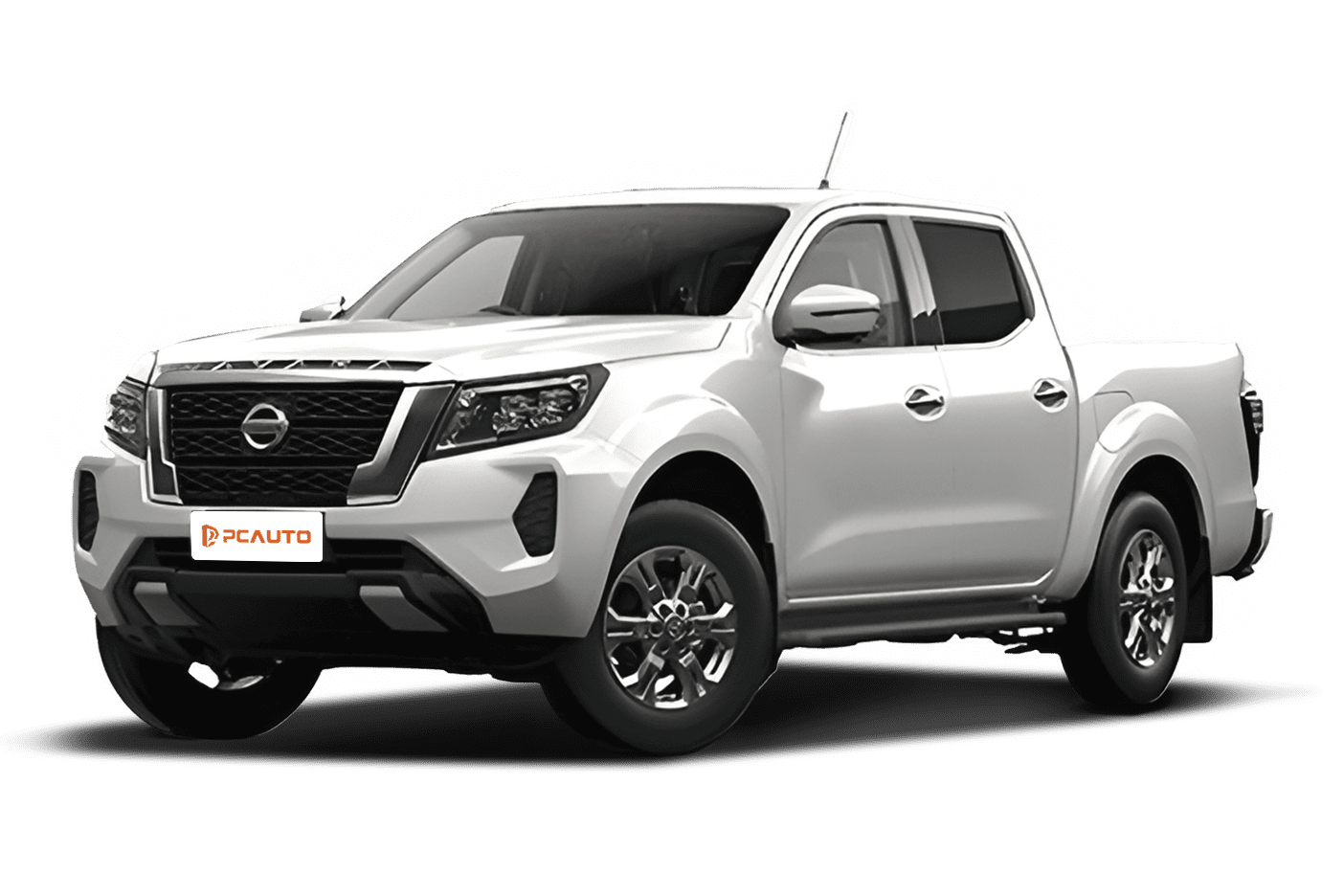
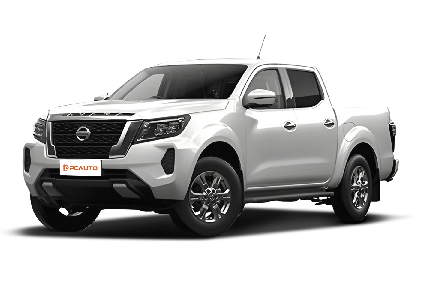
2023 Nissan Navara 2.5 VL Black Edition is a pickup truck that balances household comfort with light off-road capability, featuring exclusive black trims, a full suite of active safety features, and practical configurations, precisely catering to the needs of families and small business owners.
4
Rank in Pickup

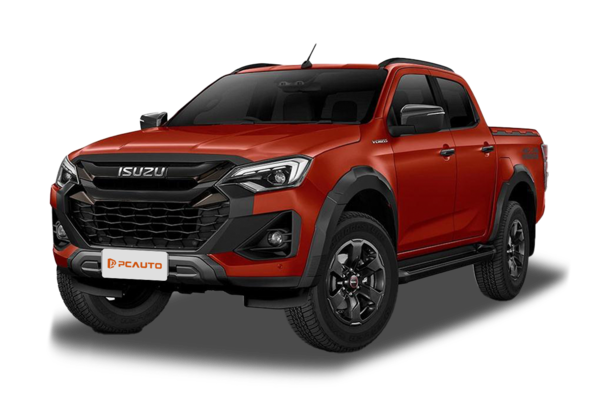
2025 Isuzu D-MAX 1.9L 4x2 Low Ride is an entry-level passenger pickup, offering a balance of practical space, reliable diesel performance, and fuel economy, suitable for family transport and small business cargo needs.
3
Rank in Pickup
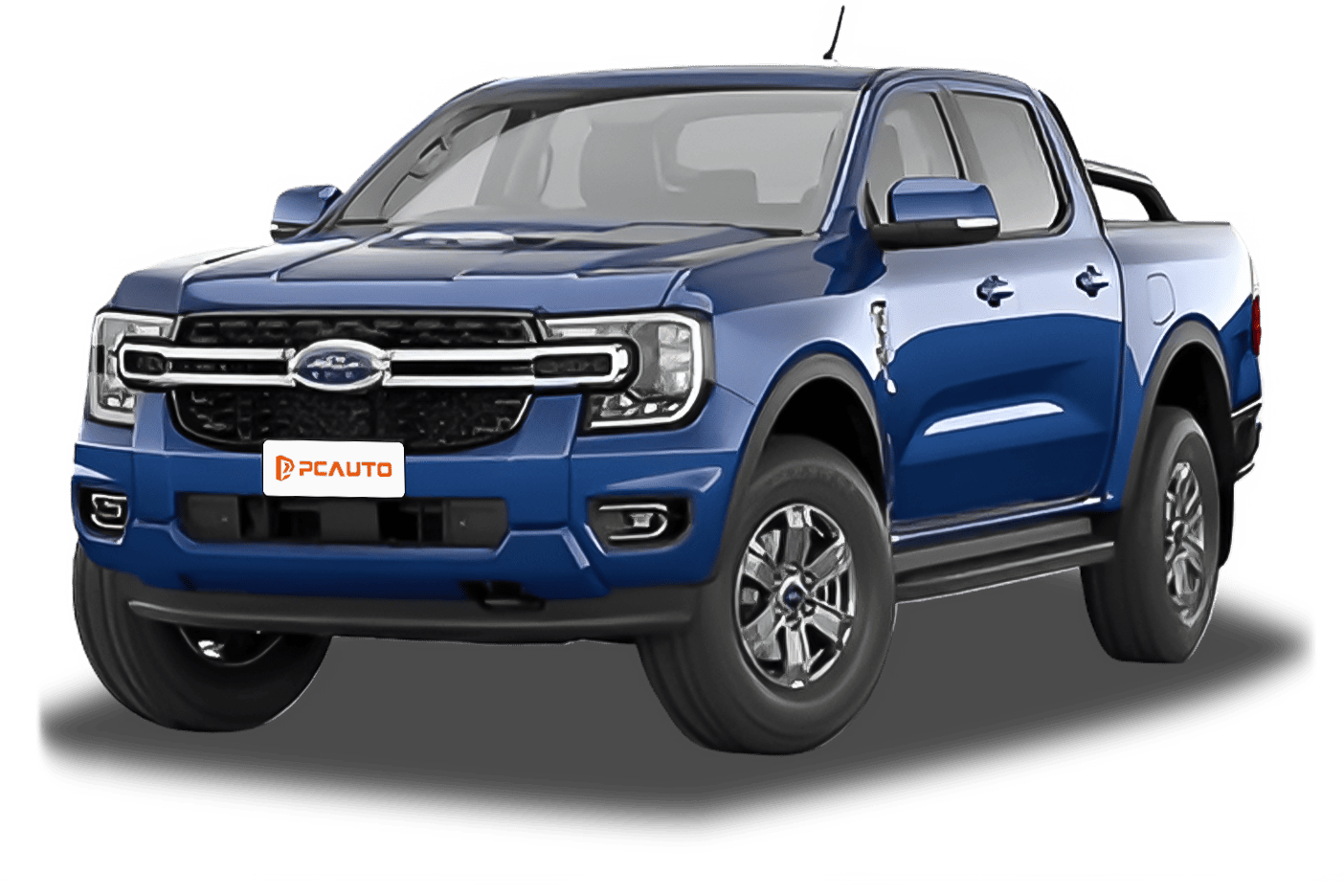
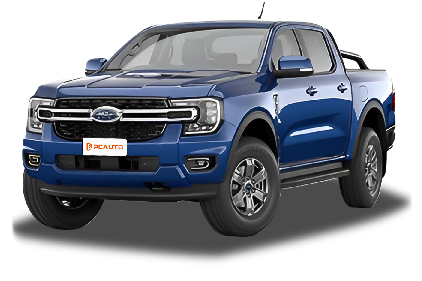
2023 Ford Ranger WildTrak is a mid-to-high-end pickup truck that balances the comfort of daily commuting with the practicality of cargo and off-road capabilities. It features powerful performance, ample space, and practical configurations, making it a versatile choice for both family and work scenarios.

2023 JMC Vigus Pro White Series 2.0L 4WD 8AT combines rugged design, practical features, and powerful diesel performance, balancing everyday durability and mild off-road needs, making it a high-value choice for pickup users.