
2019 Ferrari Monza SP1 V12 Review

 Share
Share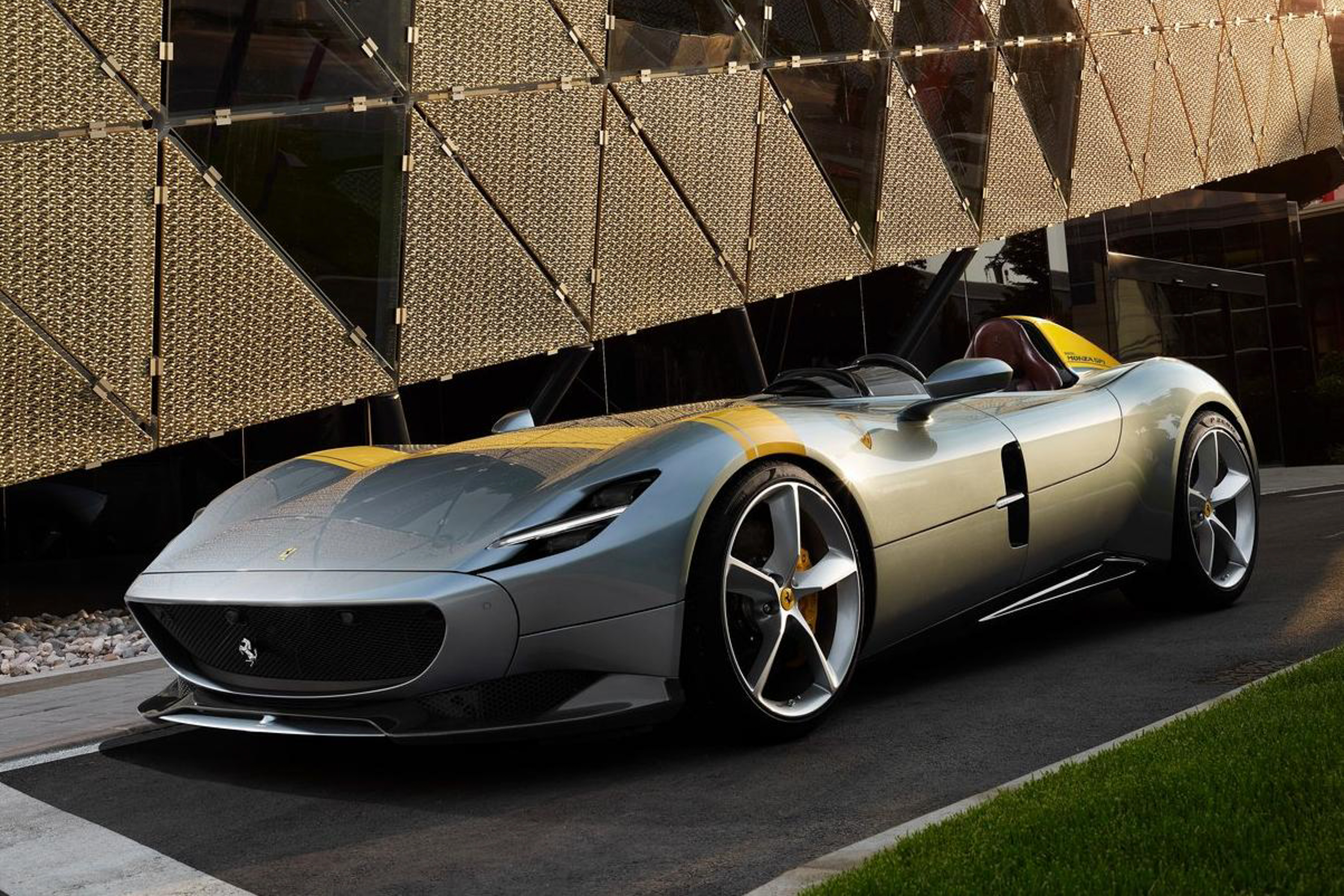
 Segment
 Body Type
 Capacity(L)
 Engine Power(PS)
 Transmission
 Engine Torque(Nm)
In the supercar market over the past two years, limited edition retro-style models have gradually become the focus of collectors and seasoned enthusiasts—they must retain the soul of classic design while incorporating contemporary top-tier power technology. The 2019 Ferrari Monza SP1 V12 is a representative of this niche: as the first model in the "Icona" series, it recreates the purity of the 1950s Barchetta race cars with a single-seat roadster layout while packing an 810-horsepower naturally aspirated V12 engine under the hood. This time, we had the opportunity to test the actual vehicle, and our main goal is to determine whether this product, combining "track soul + street legality," is merely a collectible showpiece best admired from afar or a driving machine that truly delivers an exhilarating driving experience.
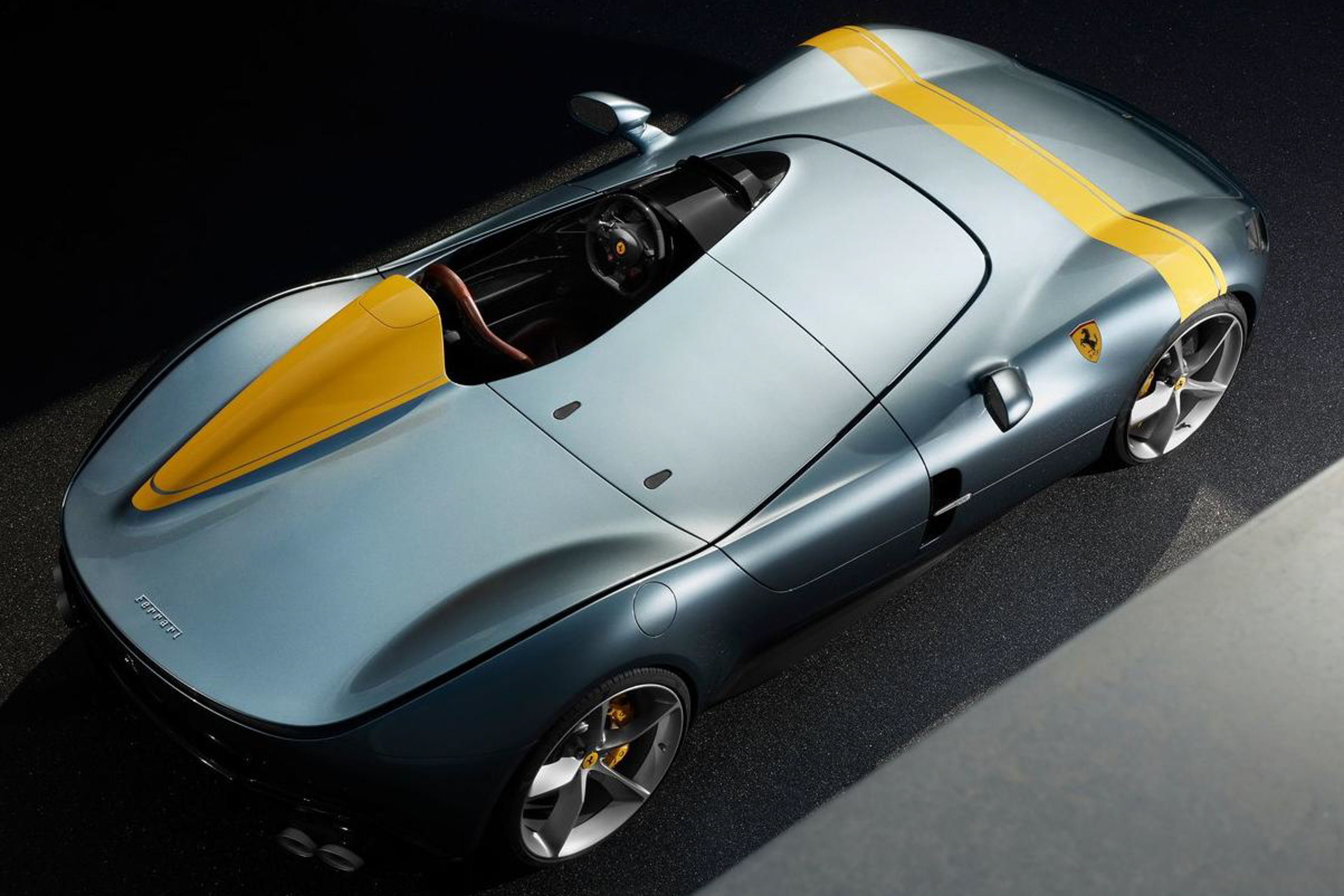
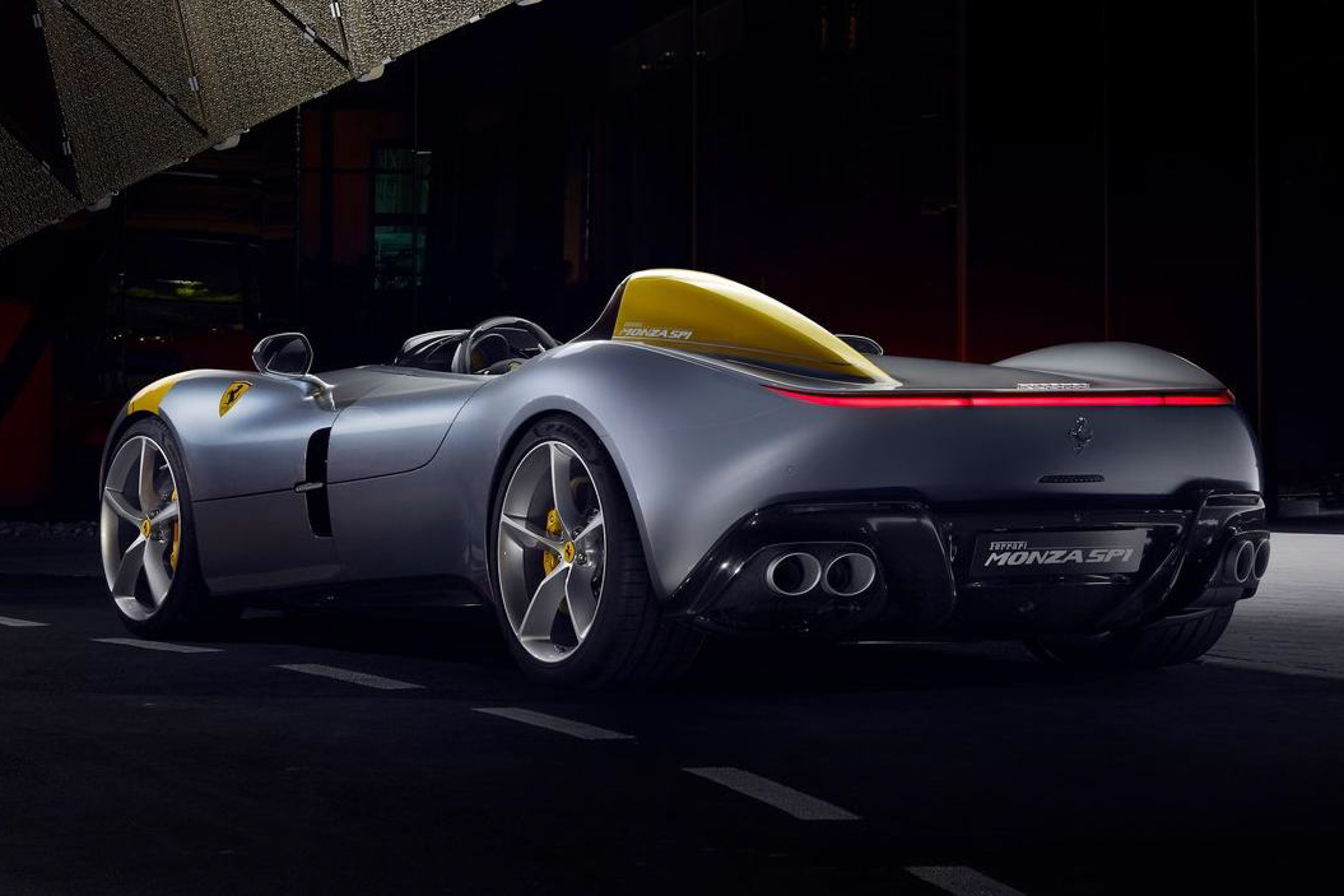
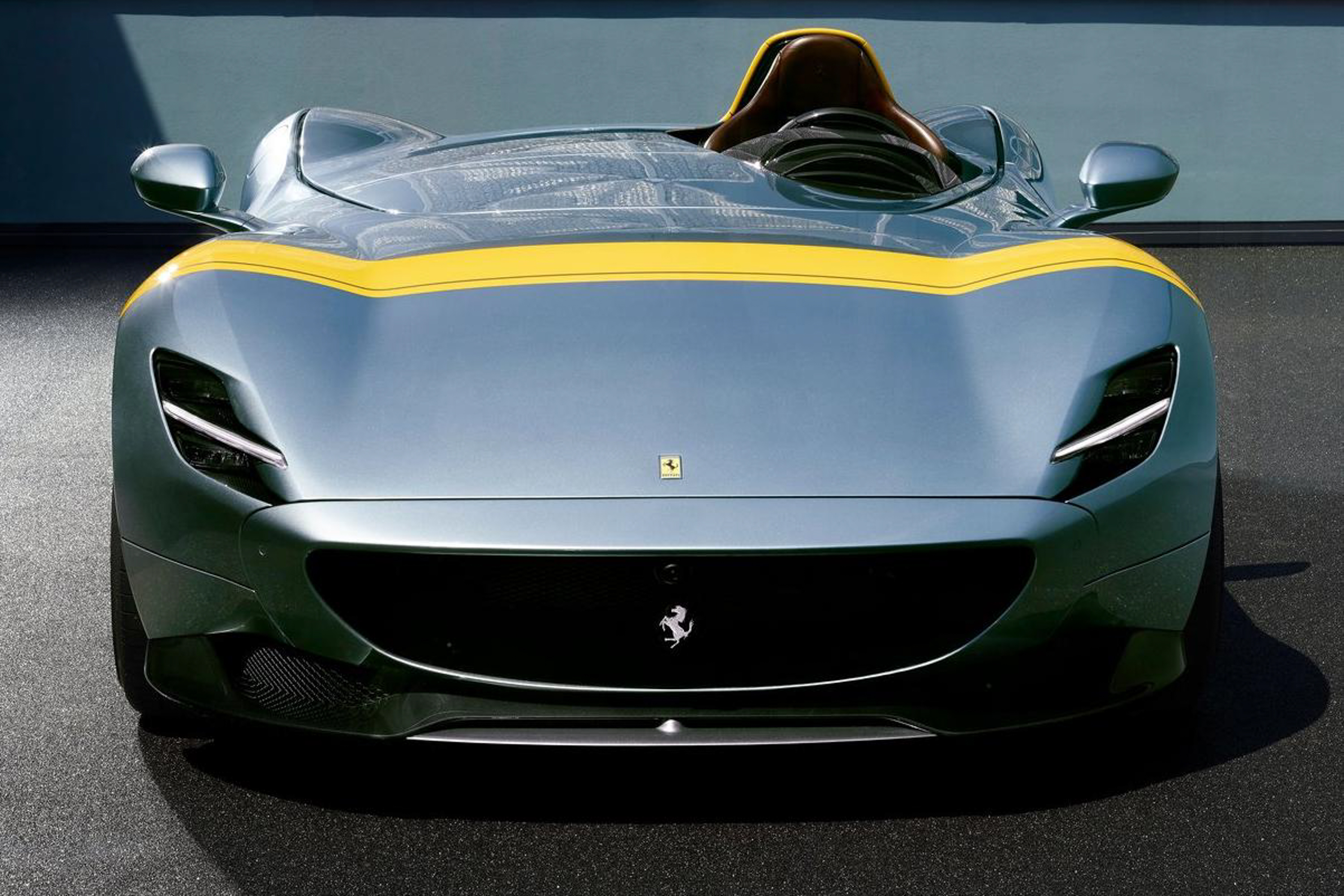
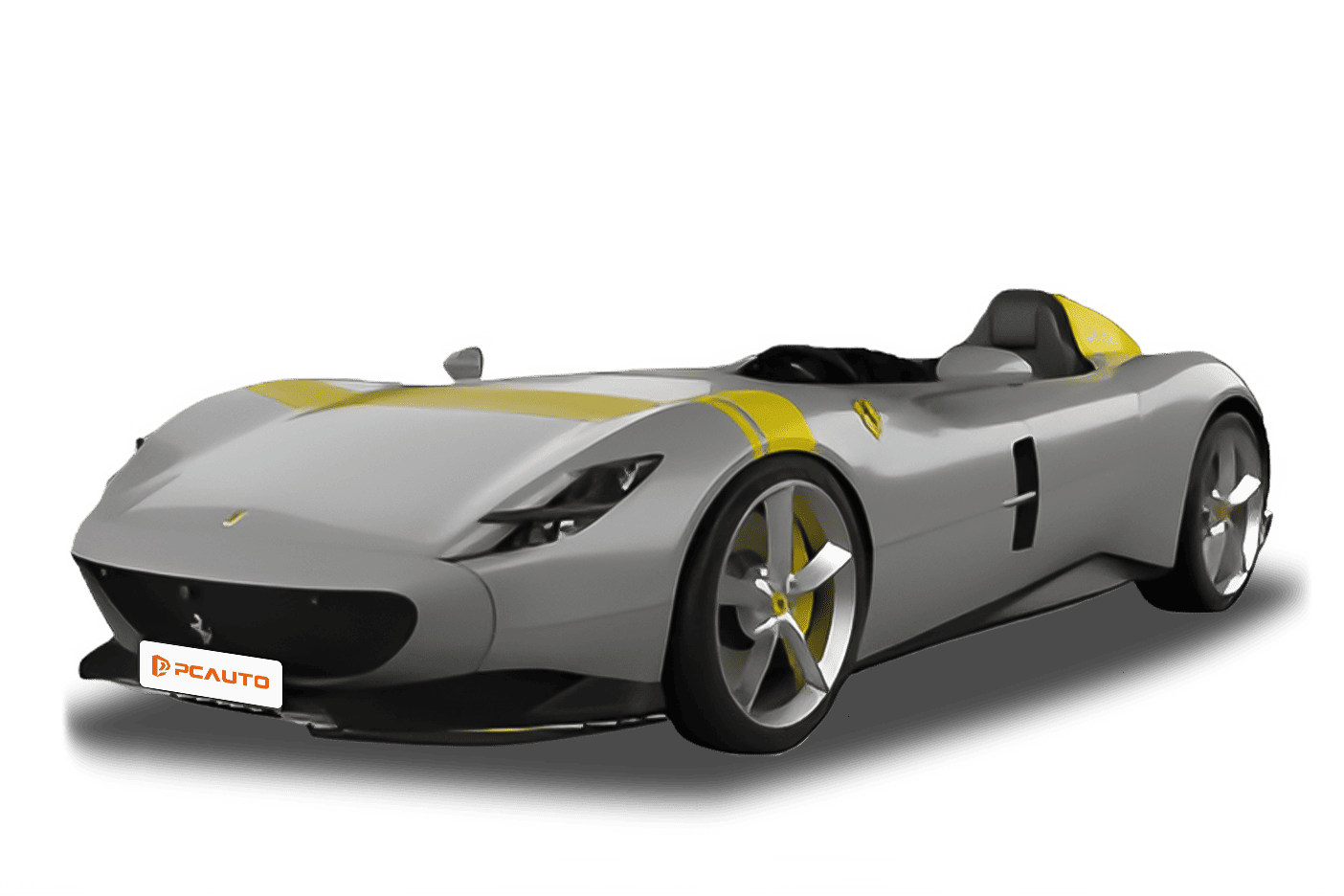
At first glance, the Monza SP1 exudes an "extreme minimalism" retro sports vibe. Its overall shape is low and flat, measuring 4657mm in length and 1155mm in height, making it more aggressive than the 812 Superfast on the same platform. The front fascia lacks complex surround designs and relies solely on a large trapezoidal intake grille and narrow LED daytime running lights on both sides to establish its identity. The mesh structure inside the grille and the carbon fiber trim on the front lip subtly hint at its performance orientation. The side profile is the most distinctive part: the single-seat layout shifts the cockpit entirely to the left, while the right side only retains a smooth waistline that extends from the front to the rear. Its 21-inch multi-spoke alloy wheels are paired with Pirelli P Zero Corsa tires—front 275/30 ZR21 and rear 315/30 ZR21—giving it a firmly planted visual stance. The rear design is equally restrained, forgoing a flashy spoiler and instead emphasizing performance with a rear diffuser and a quad-exit circular exhaust layout. The LED taillights adopt Ferrari's classic circular design, which is highly recognizable when illuminated. The exterior design has no superfluous embellishments; every line serves aerodynamics or retro heritage. Parked roadside, it commands almost 100% attention.
Sitting in the cockpit immediately conveys its "pure driving" philosophy. The interior completely abandons luxury features, with the central control area featuring only a 7-inch digital instrument display and a multi-function steering wheel—that's right, there isn't even a center console screen, as all information is concentrated on the instrument display, including speed, RPM, gear, and vehicle status. The steering wheel is a standard multi-function type, with the left side integrating the start button, driving mode selector (Wet/SPORT/RACE), and suspension adjustment buttons, while the right side has paddle shifters and multimedia control buttons, allowing all operations to be performed without taking your hands off the wheel. The materials used are primarily carbon fiber and Alcantara, and the seats are fixed carbon-fiber bucket seats with excellent cushioning. The seating position is extremely low, almost parallel to the ground. Although there is no electronic adjustment, the pedal and steering wheel position can be adjusted to accommodate drivers of different heights. Storage space is minimal: apart from a small compartment next to the driver's seat that can hold a phone, the front trunk can only fit a small backpack, making it clear that this car is not designed for daily commuting.
As soon as you start the engine, the roar of the 810-horsepower naturally aspirated V12 sends adrenaline surging through your veins—a deep growl at idle that transforms into a high-pitched scream above 3000 RPM, with a piercing sound at the 8500 RPM redline. According to the specifications, the 6.5L V12 engine delivers a maximum power output of 810PS (at 8500 RPM) and a peak torque of 719 N·m (at 7000 RPM), paired with a 7-speed DCT dual-clutch transmission. Officially, it accelerates from 0-100km/h in just 2.9 seconds and reaches a top speed of over 300km/h. During actual driving, the SPORT mode provides an immediate sense of intense acceleration right from the start, with the transmission shifting so quickly that there’s virtually no hesitation. Below 3000 RPM, the power is already more than sufficient—on city streets, overtaking can be accomplished with a light press of the accelerator. Pushing above 5000 RPM, the power surge feels endless, with the high-end acceleration being more linear and ferocious compared to turbocharged vehicles.
The handling is absolutely top-notch and on the level of a premium supercar. The steering wheel is precise with virtually no slack, and you can clearly feel the feedback from the road when turning. The suspension system features double wishbone front suspension and multi-link rear suspension, combined with an adaptive damping system. In SPORT mode, the support is extremely strong, with minimal body roll during cornering, and it remains stable even at higher cornering speeds. During our test on a mountain road with continuous turns, the Monza SP1 displayed excellent tracking, with sufficient tire grip and almost no signs of slipping. When encountering bumpy roads, the suspension quickly absorbs fine vibrations, ensuring the driver does not feel discomfort — after all, it is still a road-legal vehicle, not excessively stiff to the point of being unacceptable. The braking system also performed excellently, with carbon-ceramic brake discs paired with large brake calipers achieving a braking distance of just about 30 meters from 100-0 km/h. The brake pedal has a linear feel, instilling great confidence.
Since it is a fuel-powered supercar, we focused on testing fuel consumption: in urban conditions with heavy traffic, fuel consumption is approximately 22-25L/100km; during highway cruising, it drops to 12-14L/100km; and under mixed conditions, the average fuel consumption is around 16.5L/100km, which is fairly consistent with the official figure of 16.1L/100km. For a 6.5L V12 engine, this is reasonable performance. Regarding noise control, due to the open-top design, wind noise becomes quite noticeable at high speeds, but the engine's growl completely overshadows it, turning it into an "enjoyment" instead. At low speeds, the cabin's quietness is surprisingly good, with no significant mechanical noise intruding.
In summary, the core advantages of the 2019 Ferrari Monza SP1 V12 are clear: first, the collectible value as part of the "Icona" series, with its limited production and retro design making it a toy for the few; second, the pure driving experience, featuring the roar of the naturally aspirated V12 engine, the focus of the single-seat layout, and the precise handling, all of which are designed for true driving enthusiasts; and third, its legality for road use, as it’s designed as a race car homage but is street-legal, unlike vintage cars that can only appear on tracks or in exhibitions. Compared to other retro supercars in the same category, such as the Aston Martin V12 Speedster, the Monza SP1 boasts more power and greater handling precision, though the single-seat layout does sacrifice practicality.
This car is clearly not made for ordinary consumers: it’s suited for true Ferrari fans, seasoned supercar collectors, or drivers seeking the ultimate driving experience — people who don't need this vehicle for grocery runs or daily commutes, but simply want it to deliver the purest driving pleasure on weekend mountain roads or track days. If you’re looking for a supercar that can balance daily usability, the 812 Superfast or SF90 would be more suitable; but if you want a "drivable work of art," the Monza SP1 is undoubtedly the ideal choice.
In one final sentence: the Ferrari Monza SP1 V12 is not a "practical car," but it is a car that "makes you forget practicality" — it redefines the purity of "driving pleasure" with its retro design and top-level performance.
Ferrari Monza SP1 Car Compare

More Ferrari Reviews
Cars With Similar Price And Features
1
Rank in Convertible
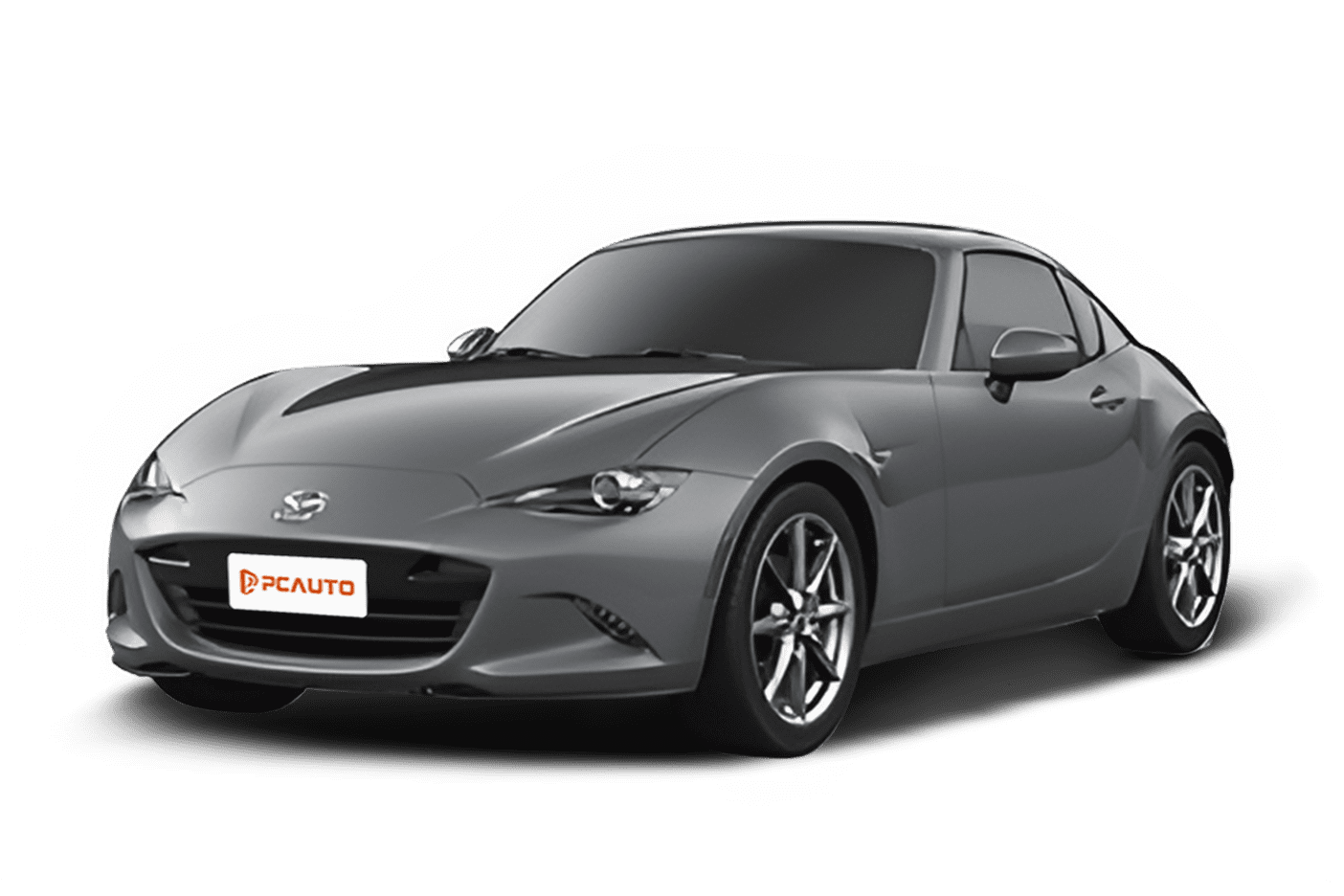
2025 Mazda MX-5 RF 2.0 MT is a hardtop manual sports car with precise handling and pure driving pleasure, balancing daily practicality with mountain road excitement, continuing the "Jinba Ittai" experience.
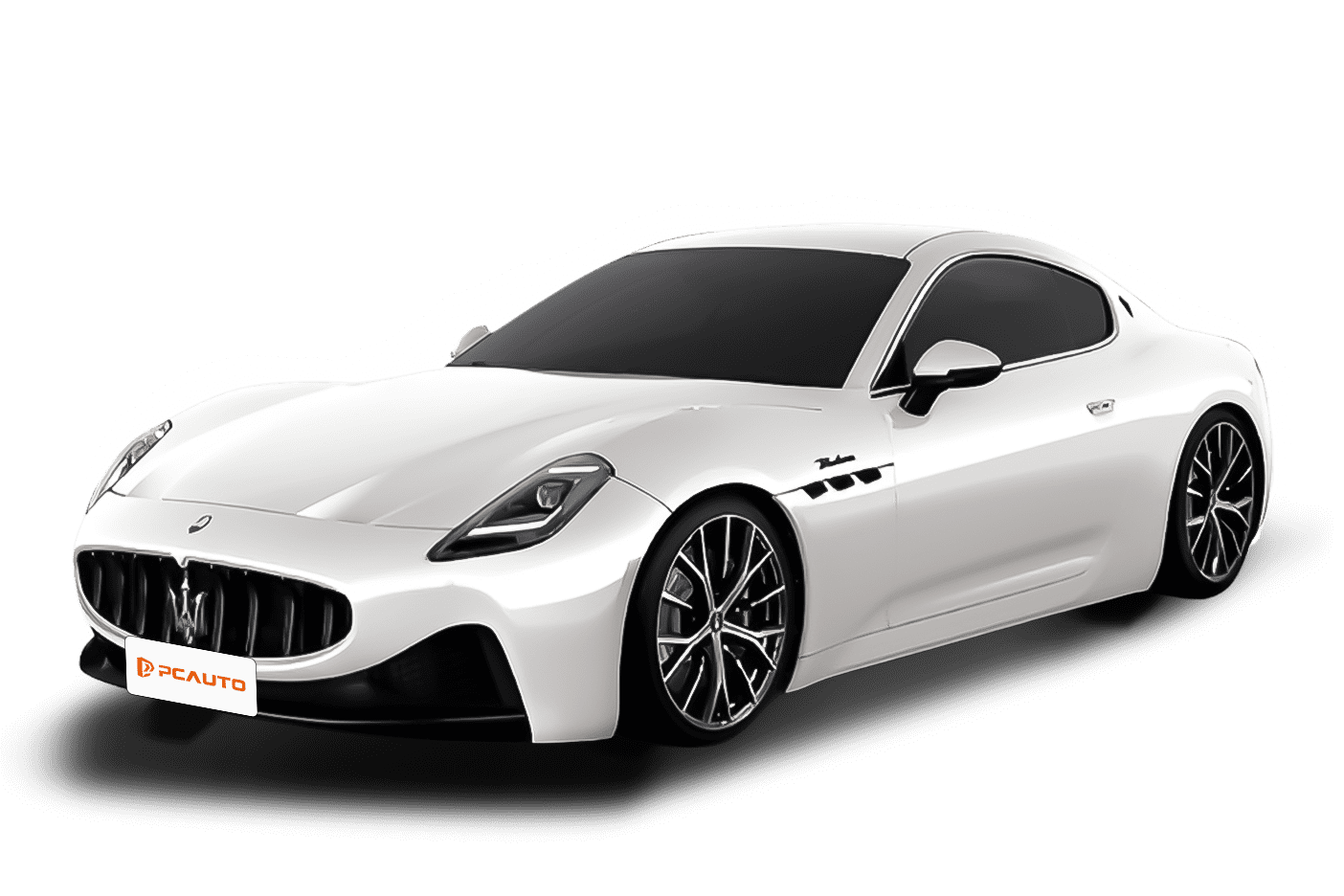
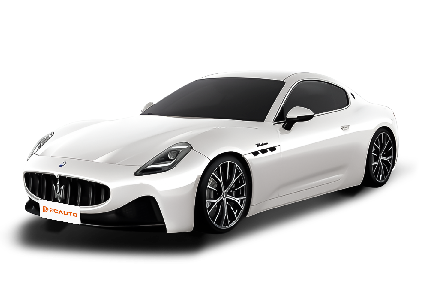
2024 Maserati GranTurismo Modena is a luxurious GT that combines 490PS performance, all-wheel drive, and practical space, defining a new experience for luxury two-door cars with a balanced performance suitable for daily driving.

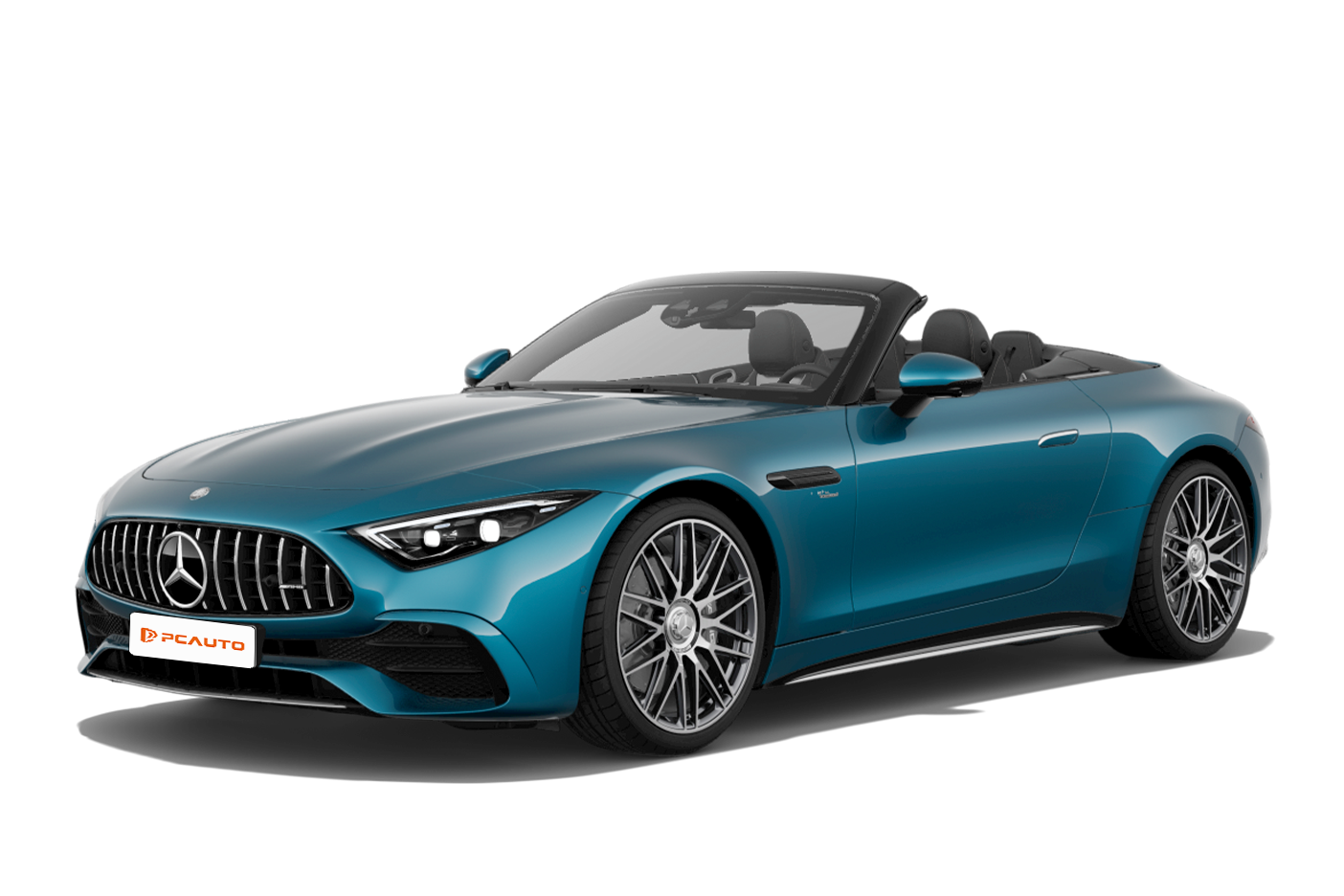
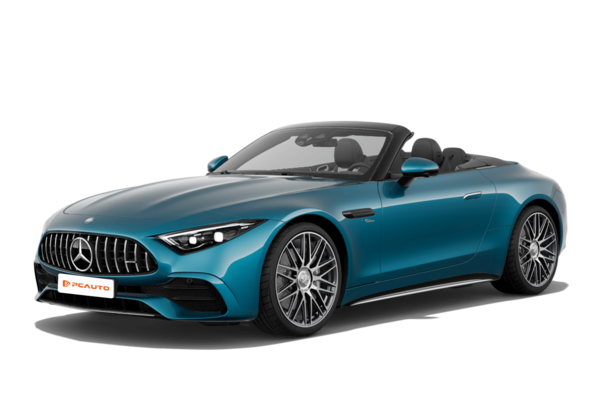
2025 Mercedes-Benz AMG SL-Class 63S E Performance achieves a super strong output of 816PS with a 4.0T V8 + plug-in hybrid system, balancing 2.9-second 0-100 km/h performance and short-distance pure electric commuting, setting a benchmark for luxury hybrid GT sports cars.
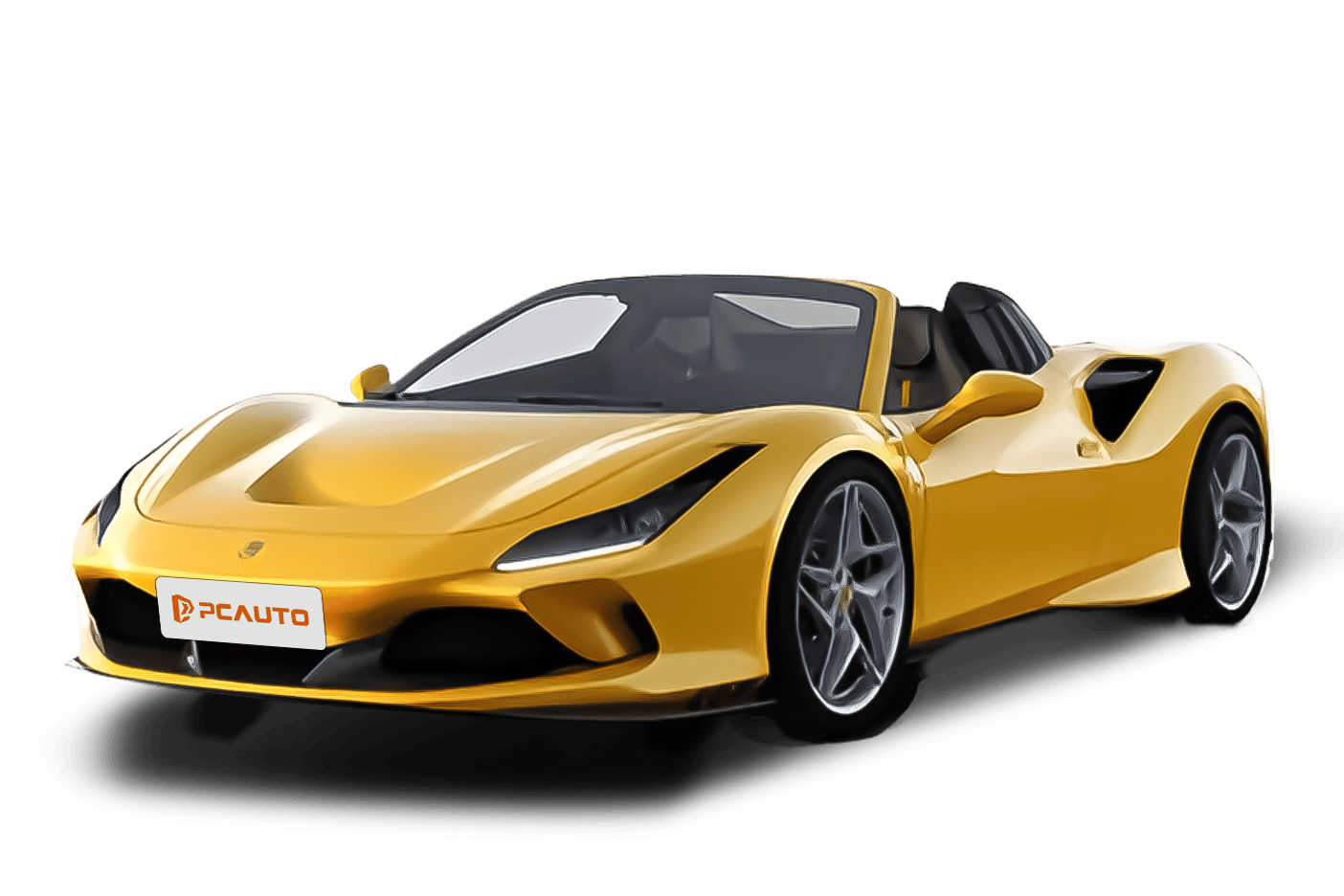
2020 Ferrari F8 Spider is a track-level supercar with 720 horsepower strong power and a hardtop convertible, balancing everyday practicality with track passion, featuring an eye-catching aerodynamic design.