
2019 Ferrari Monza SP2 V12 Review

 Share
Share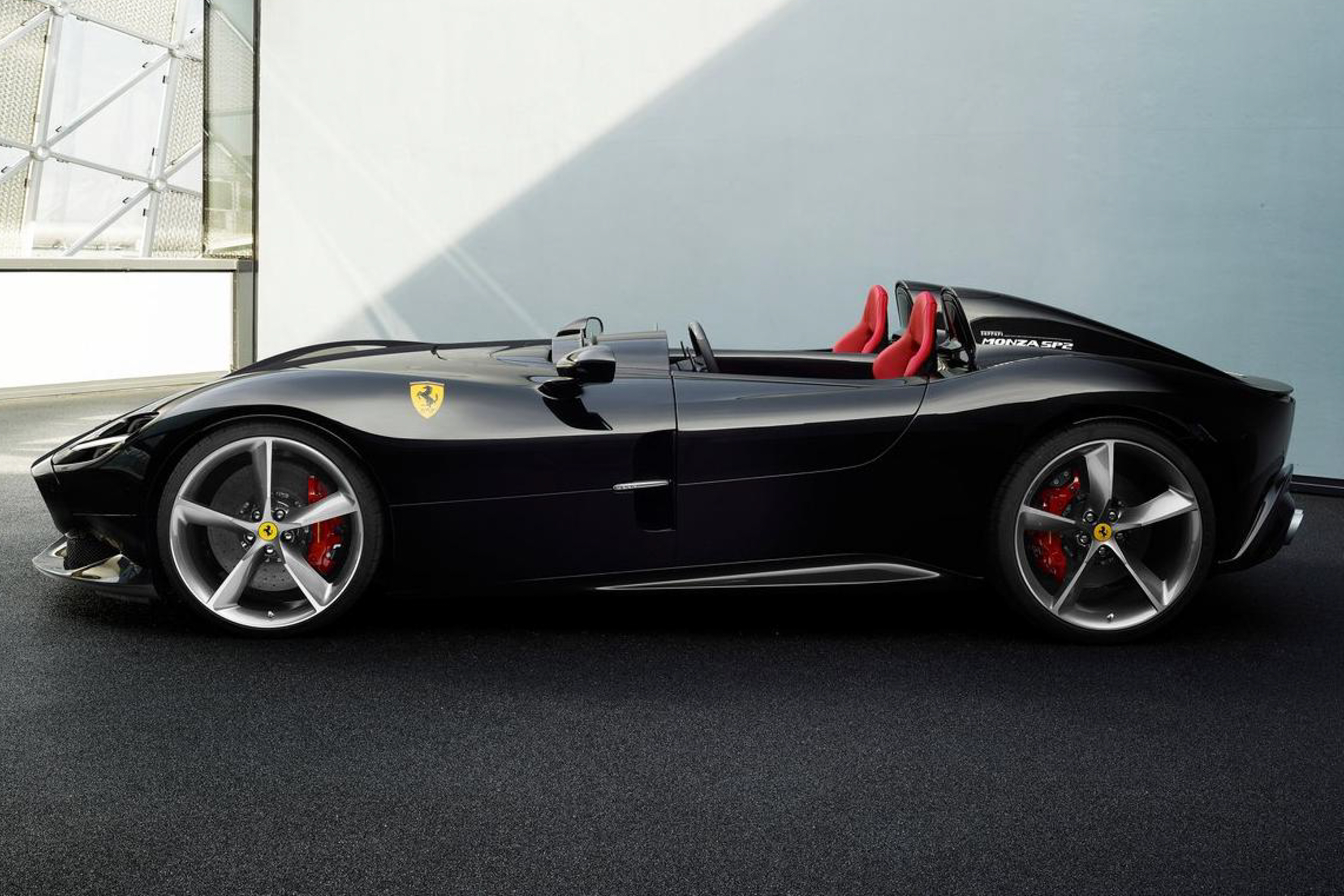
 Segment
 Body Type
 Capacity(L)
 Engine Power(PS)
 Transmission
 Engine Torque(Nm)
The Malaysian supercar market has maintained niche but stable demand in recent years. Consumers are no longer just pursuing brand allure but are paying more attention to the rarity of models and the purity of driving experience—the 2019 Ferrari Monza SP2 V12 is precisely the flagship targeting this niche market. As the first model in Ferrari's Icona series, it emphasizes "pure driving pleasure" with its roofless design, equipped with a 6.5L V12 naturally aspirated engine, achieving 0-100 km/h in just 2.9 seconds, a figure sure to get performance enthusiasts' hearts racing. This review will focus on whether its static design matches its "Icona" positioning and whether its dynamic performance can truly deliver a racing-level driving experience, providing a reference for potential collectors or high-end enthusiasts.
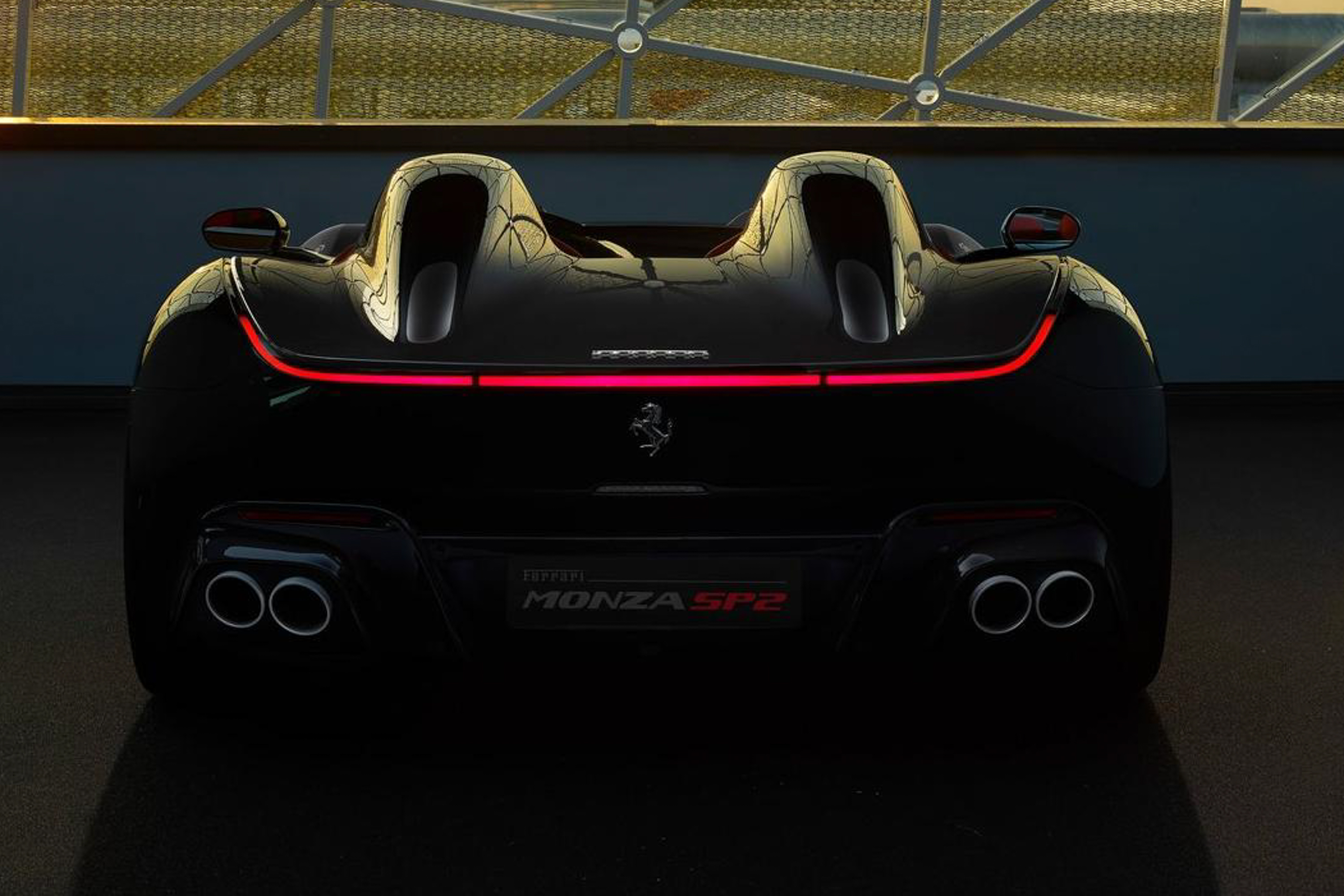
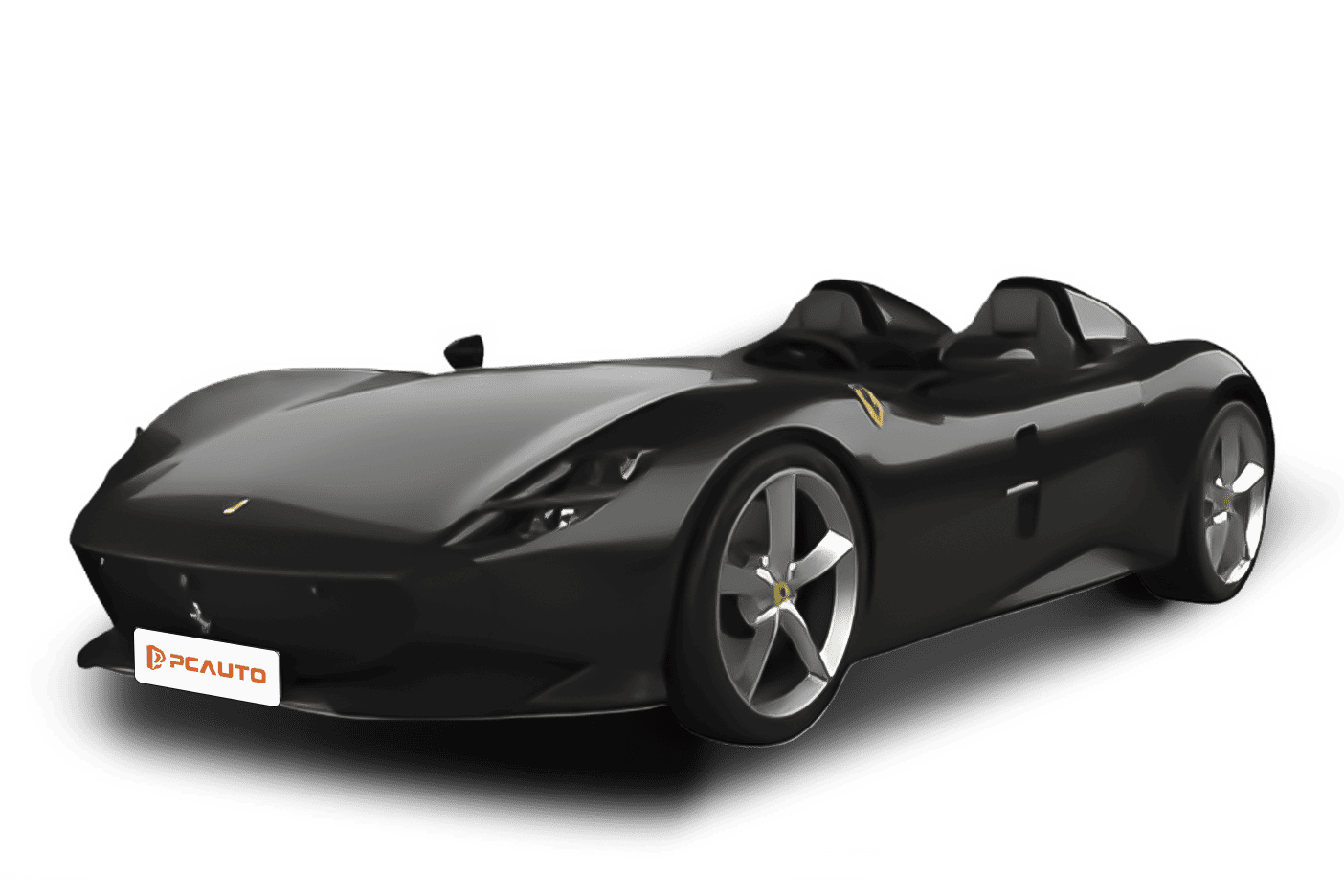
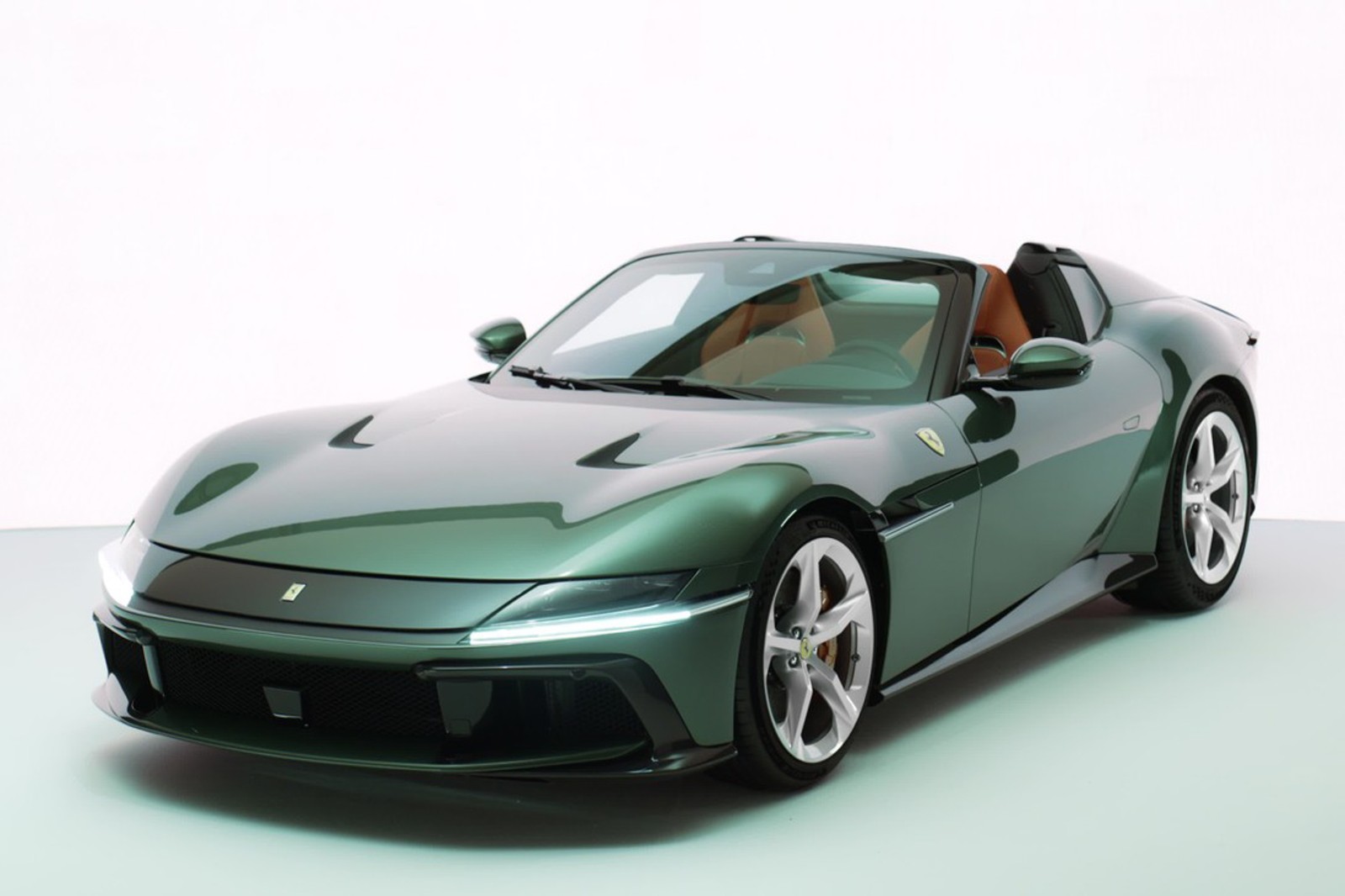
Upon first seeing the Monza SP2, the most intuitive feeling is its blend of retro and modern design. The car's overall lines are sleek and low-slung, with a size of 4657mm in length, 1996mm in width, and a height of only 1155mm, paired with 21-inch large wheels, creating a strong visual impact. The front adopts a classic oval-shaped grille with a black mesh structure inside the grille, flanked by slim LED daytime running lights, which echo Ferrari's traditional sports car design. The side profile of the car avoids excessive complex lines, with a powerful and clean waistline extending from the front fender to the rear. The muscular design around the rear wheel arches suggests its potent power. The rear design is compact, with horizontally arranged LED taillights complementing the diffuser and quad exhaust layout on both sides, giving it high overall recognition. Notably, its roofless design is not simply "removing the roof" but involves optimizing the body structure to reduce drag and ensure stability at high speeds—something that will be evident in subsequent dynamic tests.
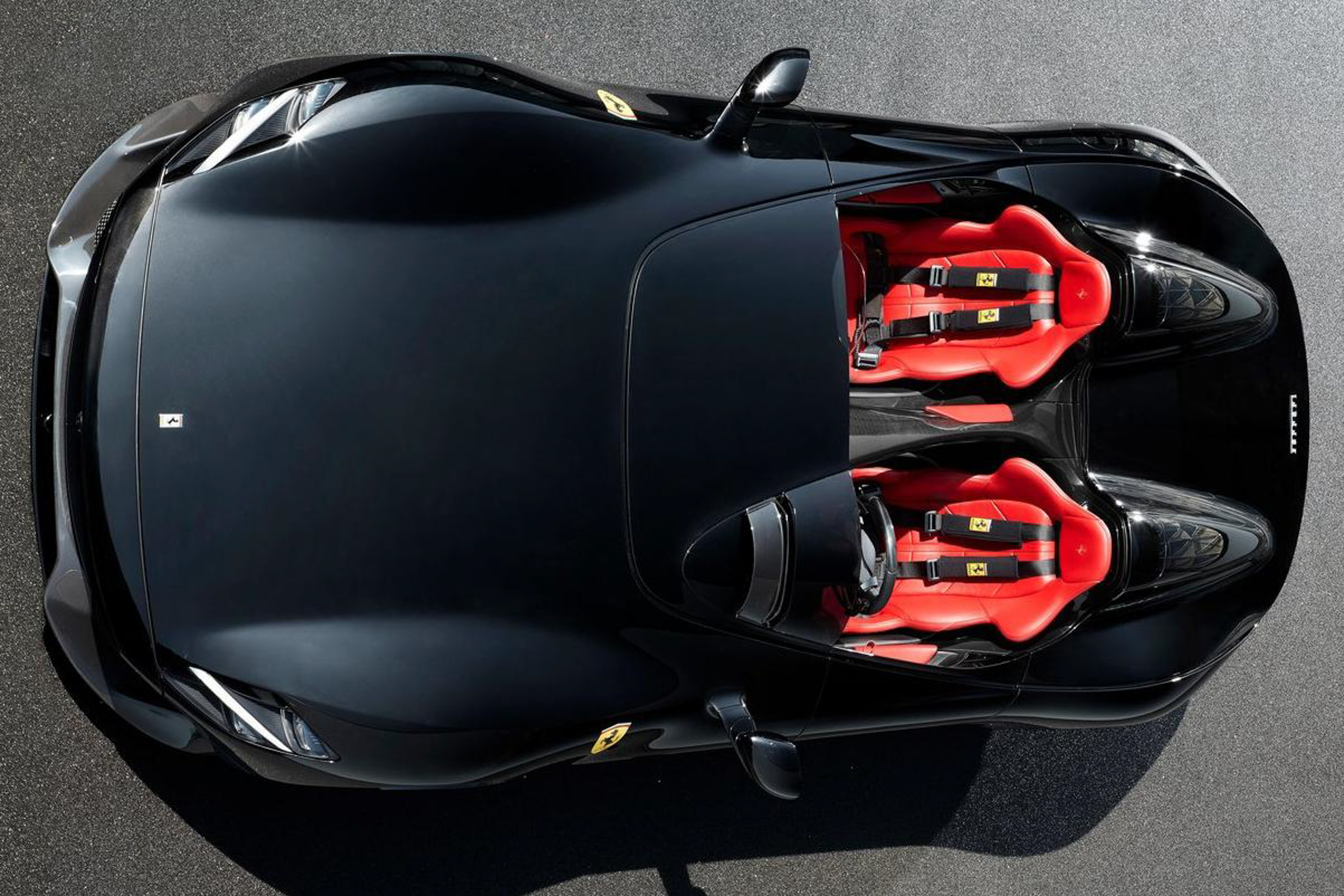
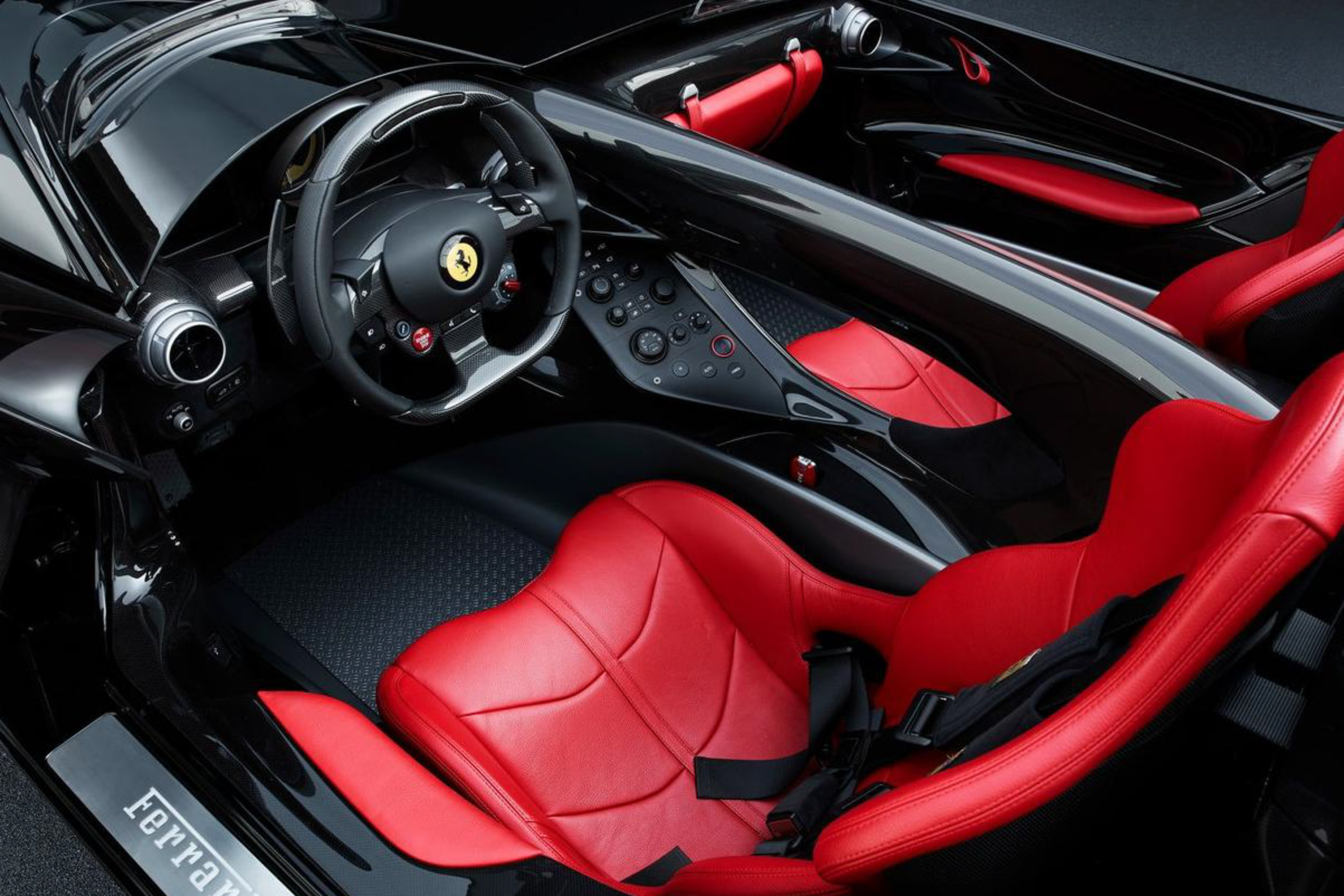
Upon entering the cabin, the sense of combat is palpable. The interior predominantly uses black, with extensive use of Alcantara and carbon fiber materials. Almost every touchable surface is either wrapped in soft-touch materials or carbon fiber panels, striking a fine balance between luxury and sportiness. The center console features a simple layout, equipped with a 7-inch touchscreen that supports CarPlay and basic navigation functions, with a clear operational logic, making it easy to use. A multifunction steering wheel comes standard, integrating the ignition button and drive mode selector on the left, while the right houses the paddle shifters—these work with the 7-speed DCT gearbox paired with the V12 engine. The paddles have short travel and crisp feedback, suitable for aggressive driving. The seats feature a sporty bucket design with excellent wrapping and ample support for the waist and legs, ensuring comfort even during extended drives. However, limited by the roofless design, storage space is quite scarce, with only a small compartment in the central armrest. Everyday practicality is almost negligible, making it more suitable for short trips or display collections.
In terms of performance, the 6.5L V12 naturally aspirated engine is the standout highlight. It delivers a maximum power of 810PS (8500rpm) and a maximum torque of 719N·m (7000rpm), figures that are top-tier among naturally aspirated engines. During actual driving, the power response at the start is direct; a light press on the accelerator results in an intense push-back sensation. Switching to "Race" mode further increases throttle sensitivity, with engine revs climbing extremely fast, and the 8500rpm redline is almost instantly reached. The exhaust note of the V12 engine leaves a deep impression—low-pitched and resonant at low speeds, high-pitched and sonorous at high speeds, perfectly fulfilling the desires of "naturally aspirated enthusiasts." The real-world 0-100 km/h test matches the official time of 2.9 seconds, and the 100-200 km/h acceleration takes only 6.8 seconds, demonstrating explosive power. However, limited by the characteristics of the V12 engine, its fuel consumption is on the higher side, with a combined fuel consumption of about 16.1L/100km, leading to relatively high daily usage costs.
Handling performance is equally impressive. The steering wheel is precise with minimal dead zone, every turn directly translates to the wheels, and the cornering precision rivals that of a race car. The suspension system adopts a front double-wishbone and rear multi-link structure, with a bias toward firmness. Its control of body roll during cornering is excellent—even when taking sharp turns at 120km/h, the car's posture remains stable with no noticeable body roll. However, the firm suspension performs average on bumpy roads, as vibrations are directly transmitted into the cabin when passing over speed bumps or uneven surfaces, compromising comfort. The braking system performs excellently, with 398mm front and 360mm rear carbon-ceramic brake discs, delivering quick and linear braking response without significant thermal decay after multiple consecutive stops, which provides a great sense of security.
The open-top design delivers a driving experience that's a double-edged sword. At high speeds, wind noise becomes evidently noticeable—starting at 80km/h, you can feel wind directly hitting your head, and at 120km/h, you'll need to raise your voice to communicate normally. However, this design also allows the driver to hear the V12 engine roar more clearly. Combined with the wrapping comfort of the seats, it creates a feeling of being on a racetrack. Additionally, the chassis aerodynamics optimization is well-executed. Even without a roof, the wind doesn't disrupt driving much at speeds under 180km/h, and the steering wheel remains stable. In terms of noise control, aside from wind noise, the engine noise is well suppressed at low RPM, ensuring that in-cabin conversations aren't affected, while the higher RPM sounds are "deliberately retained," consistent with the nature of a performance car.
Overall, Monza SP2's key strengths lie in the rarity of the "Icona" series, the purity of the naturally aspirated V12 engine, and the unique driving experience brought by the open-top design. Compared to similar models, it has few direct competitors—for instance, the McLaren Elva also features an open-top design, but the Elva uses a hybrid system, whereas the Monza SP2 sticks to a pure petrol V12, making it more appealing to "naturally aspirated enthusiasts." However, its limitations are also evident: poor practicality, high fuel consumption, and the open-top design making it unfit for driving in rainy conditions—all of which indicate that it is not a "daily driver" but rather suited for collectors, high-end players, or niche groups seeking "pure driving pleasure."
In summary, the 2019 Ferrari Monza SP2 V12 is a car "born for passion and joy." Its static design restores the retro charm of classic cars, while its dynamic performance fulfills all expectations of performance enthusiasts for a V12 engine. If you're a devoted Ferrari fan or looking to own a flagship sports car with collector value and driving pleasure, it's worth considering. However, if you need a supercar that "balances daily use," it might not be the right fit. Ultimately, the Monza SP2 is more like a "mobile work of art," using pure mechanical sensations and driving pleasure to interpret Ferrari's definition of the "Icona" series.
Ferrari Monza SP2 Car Compare

More Ferrari Reviews
Cars With Similar Price And Features
1
Rank in Convertible
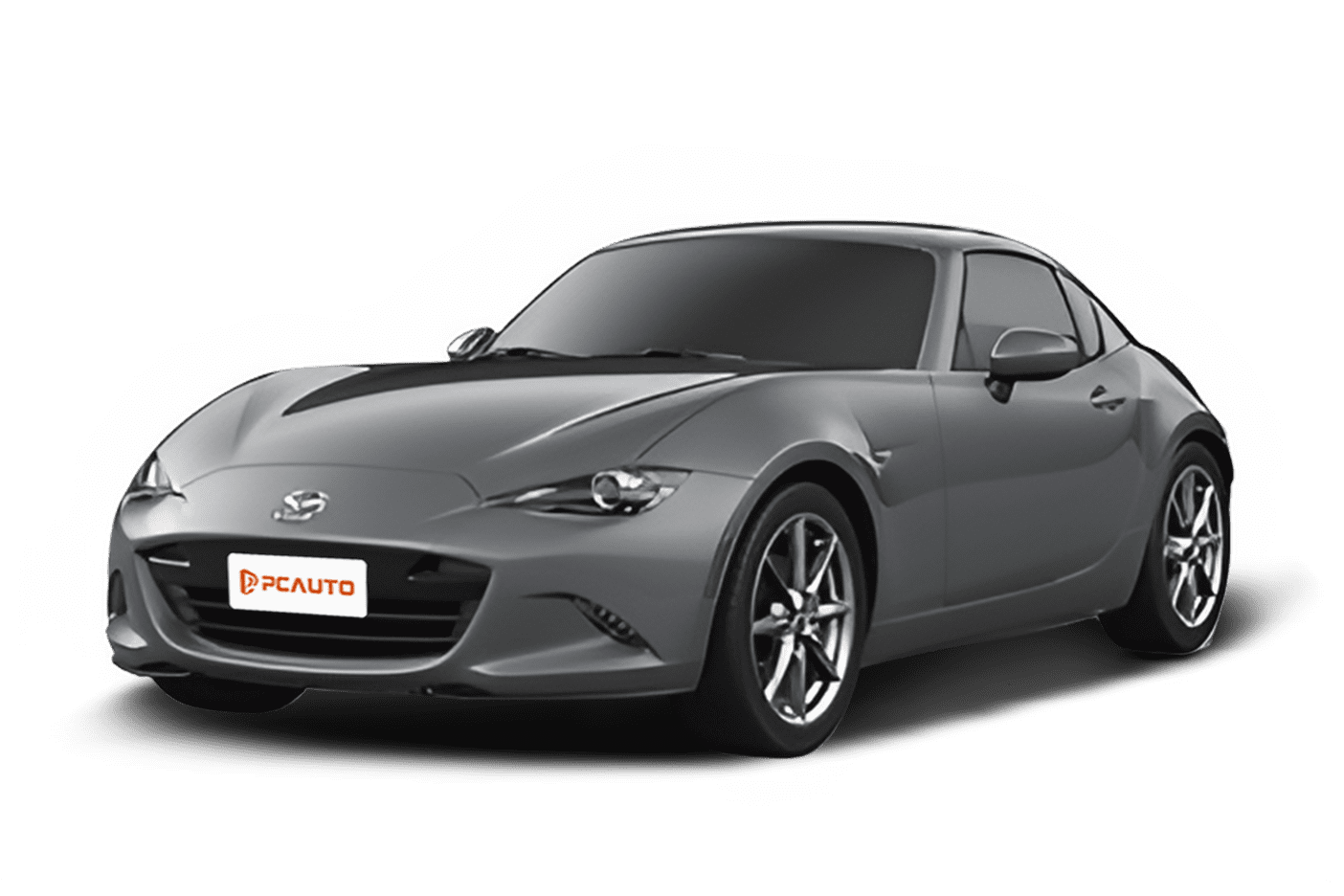
2025 Mazda MX-5 RF 2.0 MT is a hardtop manual sports car with precise handling and pure driving pleasure, balancing daily practicality with mountain road excitement, continuing the "Jinba Ittai" experience.
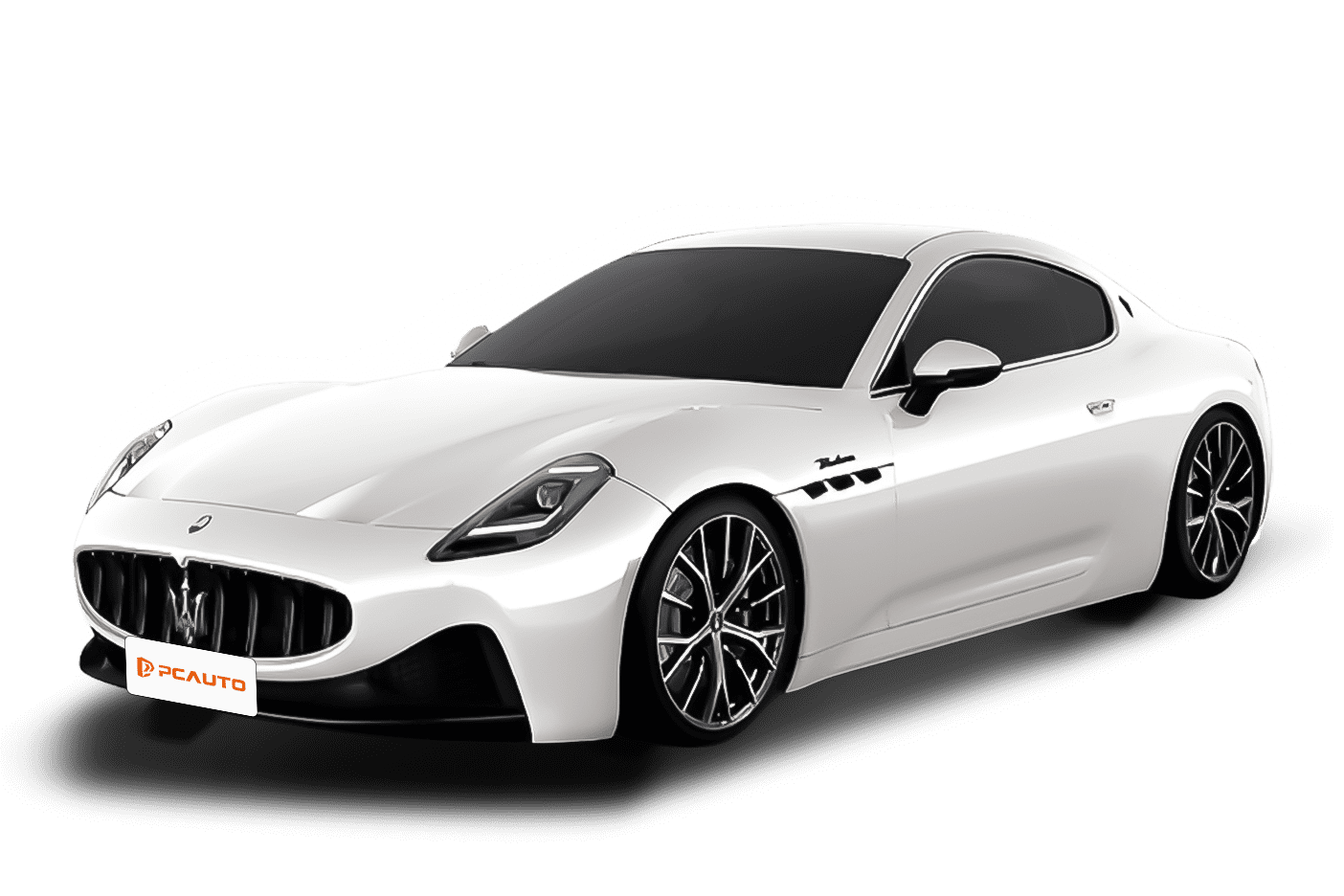
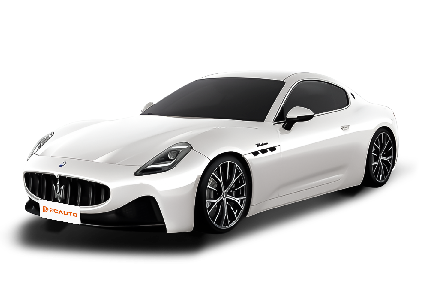
2024 Maserati GranTurismo Modena is a luxurious GT that combines 490PS performance, all-wheel drive, and practical space, defining a new experience for luxury two-door cars with a balanced performance suitable for daily driving.

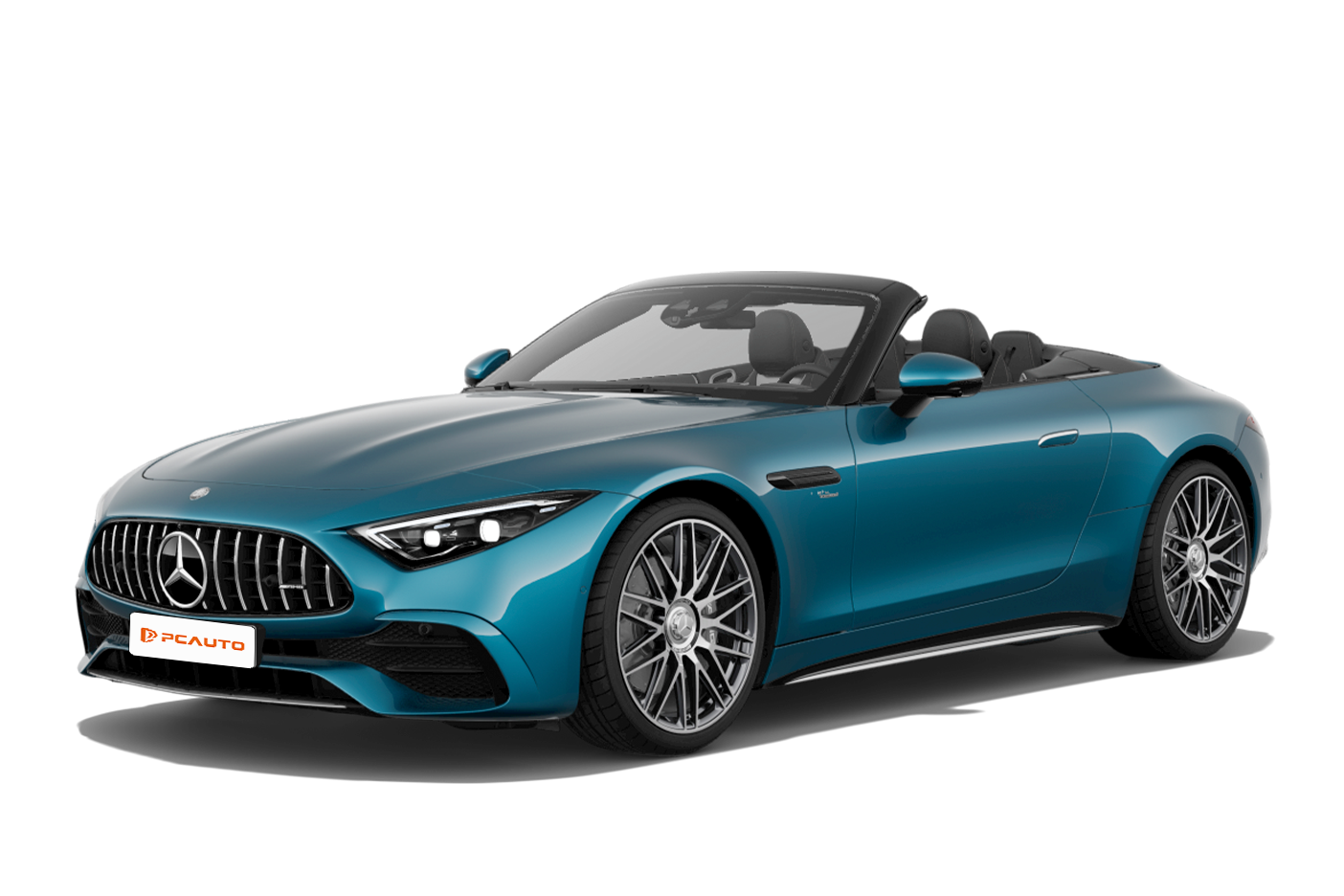
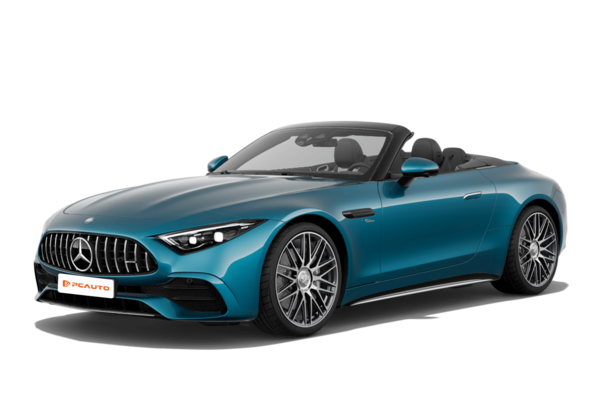
2025 Mercedes-Benz AMG SL-Class 63S E Performance achieves a super strong output of 816PS with a 4.0T V8 + plug-in hybrid system, balancing 2.9-second 0-100 km/h performance and short-distance pure electric commuting, setting a benchmark for luxury hybrid GT sports cars.
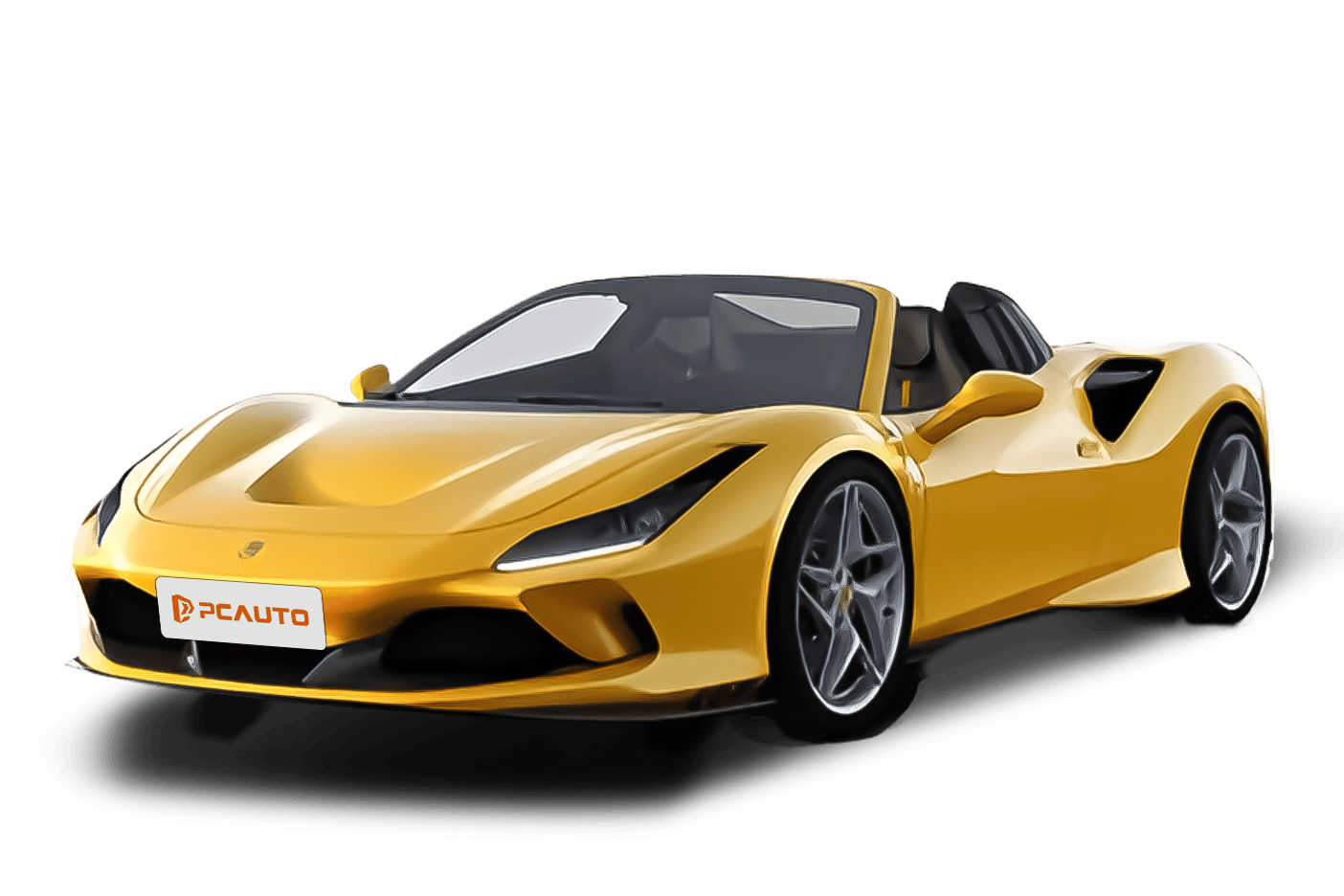
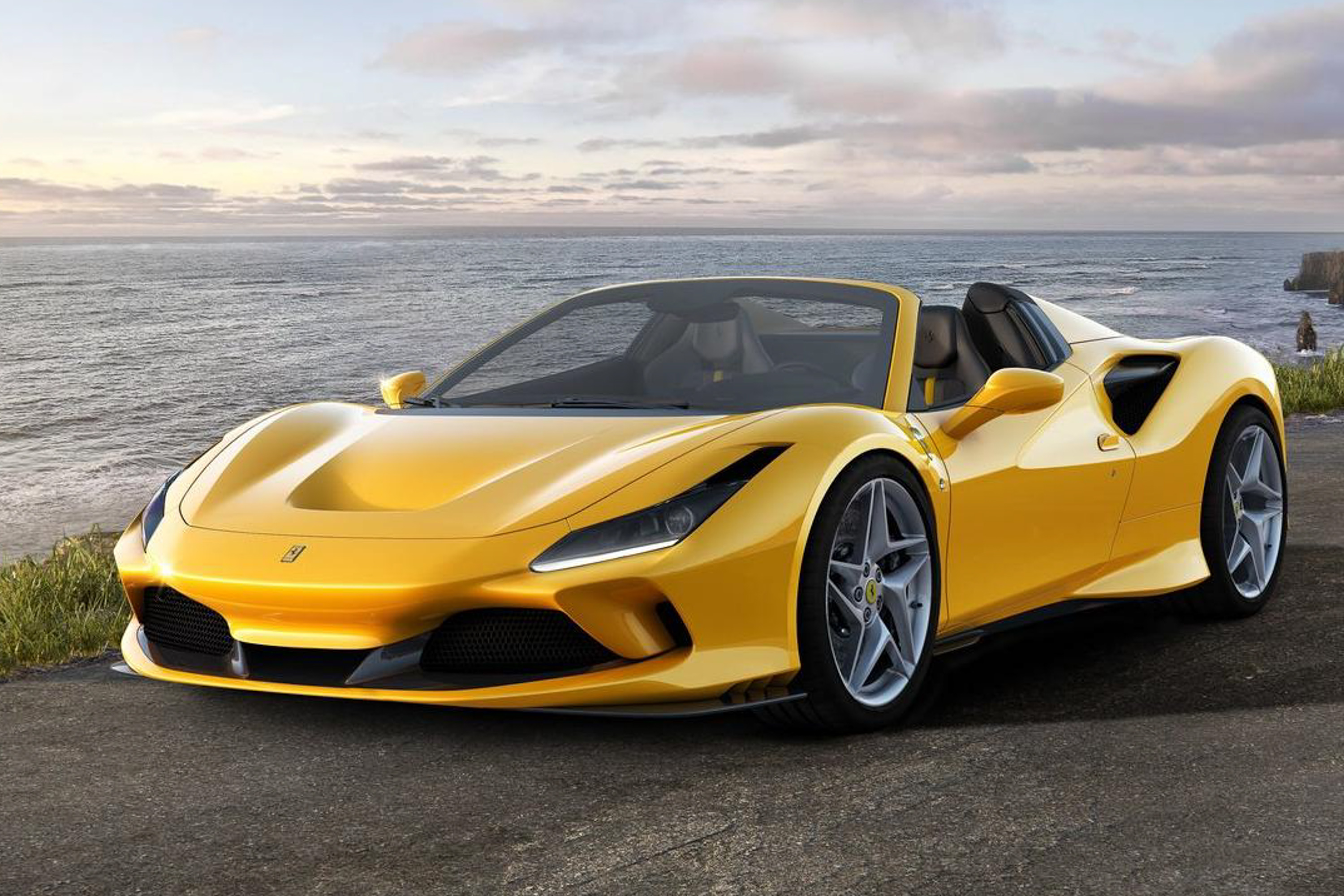
2020 Ferrari F8 Spider is a track-level supercar with 720 horsepower strong power and a hardtop convertible, balancing everyday practicality with track passion, featuring an eye-catching aerodynamic design.