

2019 Mazda CX-5 2.5L GLS SKYACTIV-G Review

 Share
Share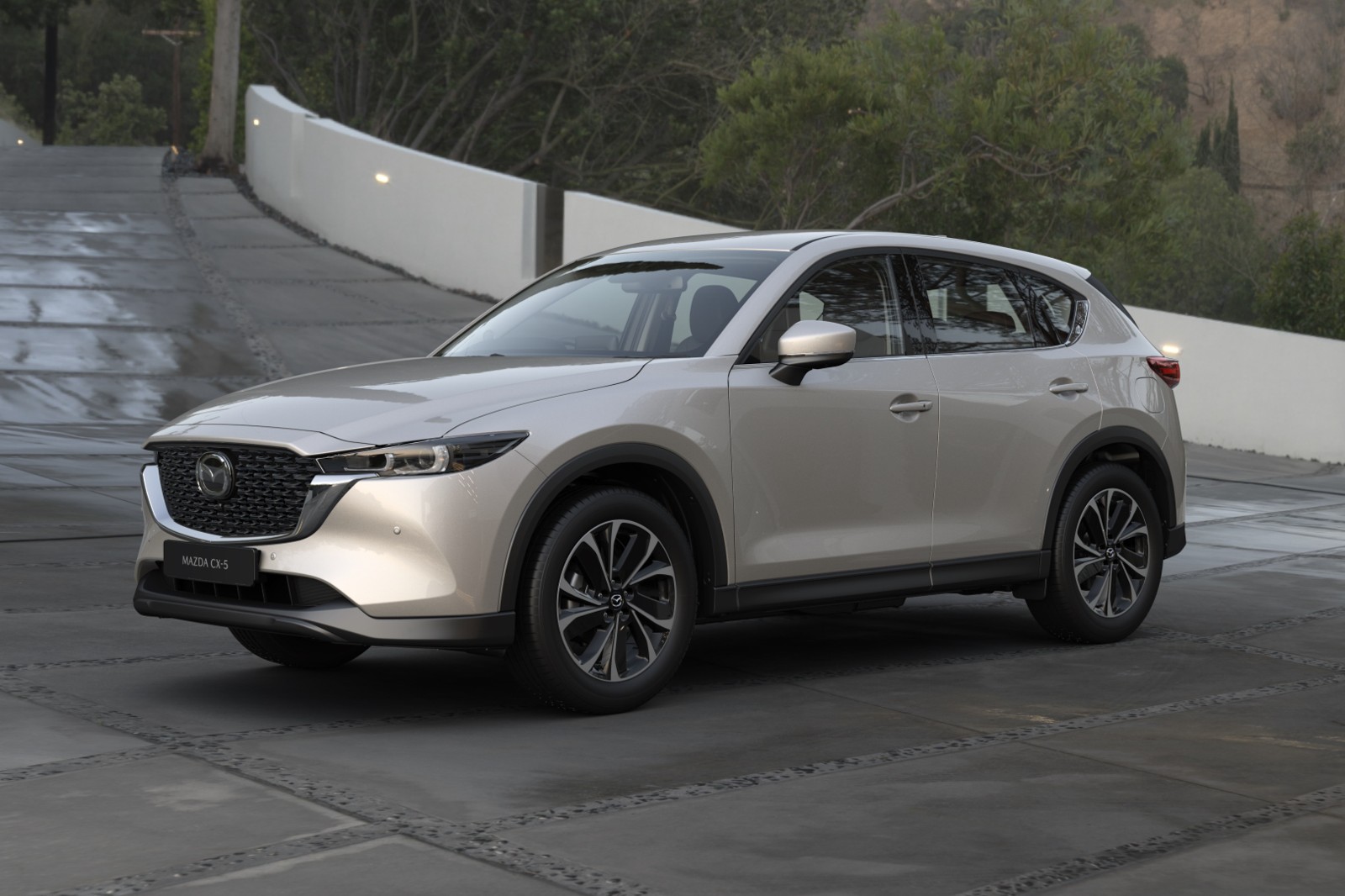

 Segment
 Body Type
 Capacity(L)
 Engine Power(PS)
 Transmission
 Driven Wheels
As competition in Malaysia's C-Segment SUV market intensifies, consumers are demanding more balance from their vehicles — they need to meet daily family space requirements without compromising on power, features, or safety. The 2019 Mazda CX-5 2.5L GLS SKYACTIV-G, a popular contender in this segment, leverages SKYACTIV technology and a wealth of intelligent features, making it a top choice for many families. This time, we conducted a test drive to focus on verifying its power responsiveness, space practicality, and whether its safety features match its positioning, providing potential buyers with a more direct reference.
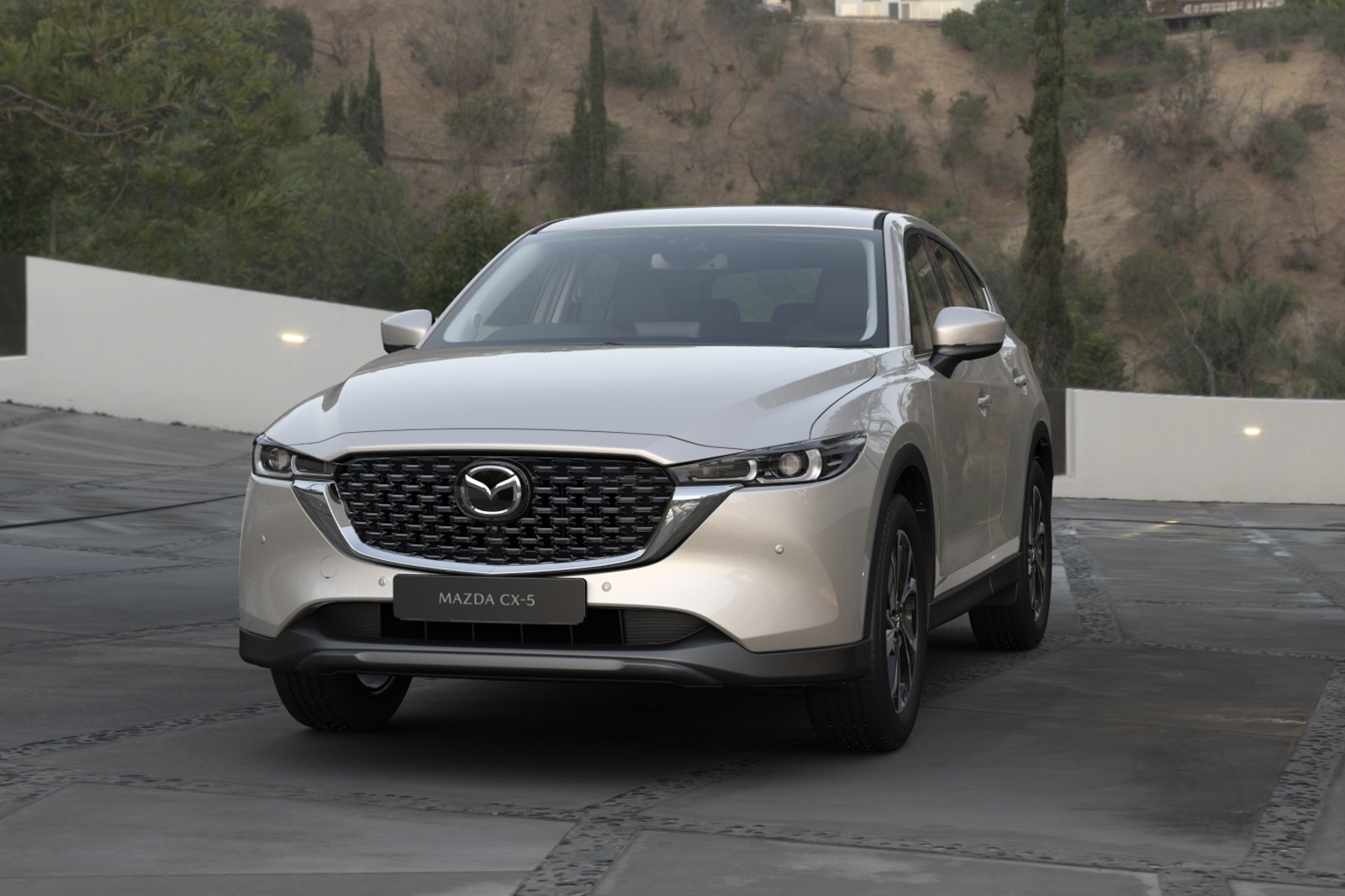
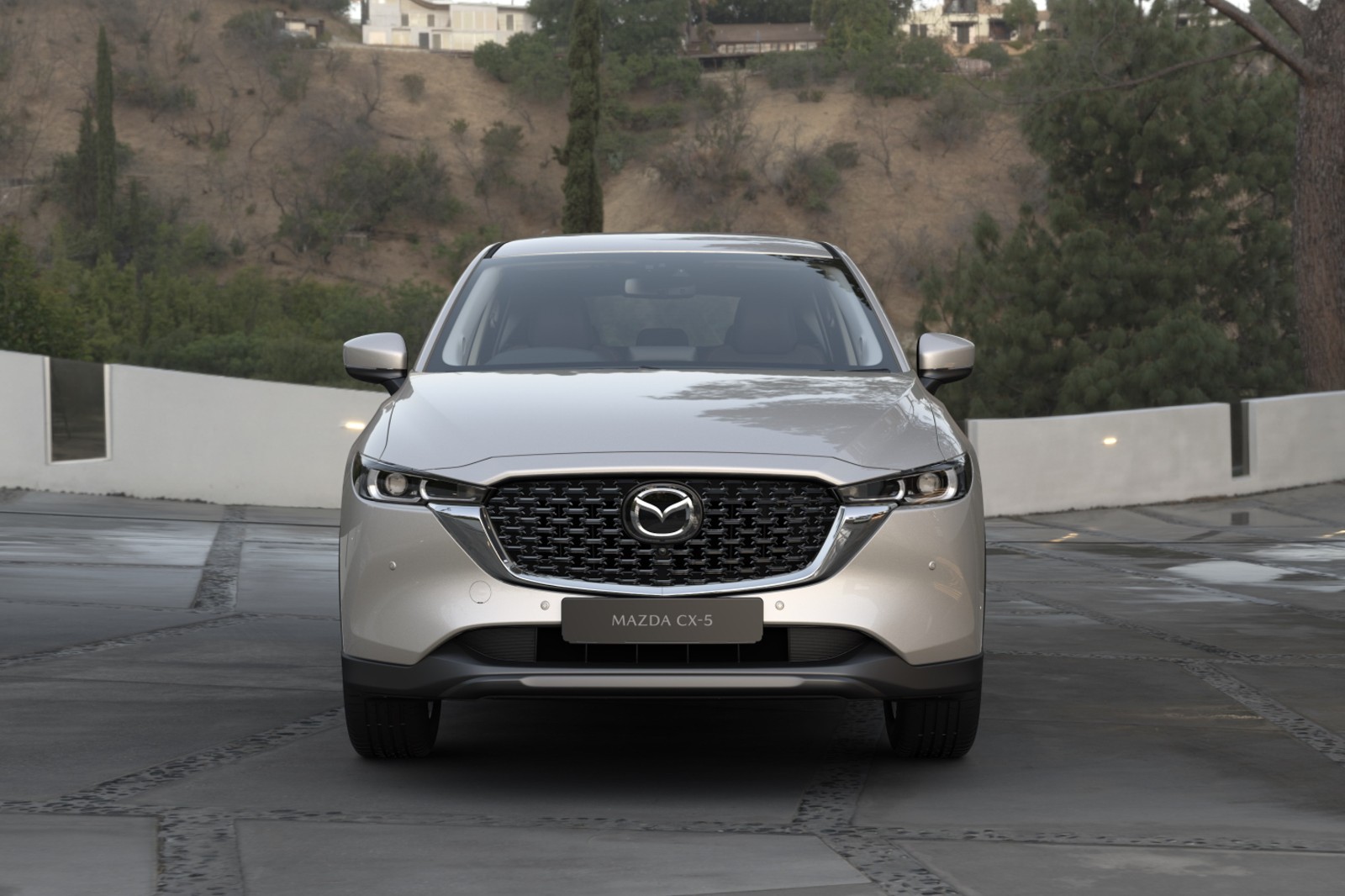
At first glance, the CX-5's Kodo design is highly recognizable. The shield-shaped front grille, coupled with chrome accents, integrates seamlessly with the LED headlights on both sides, giving it a compact yet dynamic appearance; the side body’s waistline extends from the fenders to the rear, complemented by 19-inch multi-spoke wheels, ensuring the 4550mm length doesn’t appear bulky; the smoked LED taillights echo the dual exhaust outlets at the rear, creating an overall sporty but understated style. The lighting system is fully equipped with LEDs as standard. The inclusion of automatic headlights and front fog lights further enhances daily convenience.
Opening the door, the materials and layout of the interior exude a solid feel. The dashboard is covered with soft-touch materials, accented with silver trims, delivering both tactile and visual finesse consistent with its price range. The 7-inch touchscreen sits atop the center console, supporting touch operations, flanked by physical buttons and knobs for convenient operation while driving. The instrument panel uses a 7-inch TFT LCD display, clearly showing speed, fuel consumption, and driving assistance information. Standard features include keyless entry/start, dual-zone automatic climate control, and rear air vents. The front seats offer 10-way electric adjustment (driver) and 6-way electric adjustment (passenger), making them easy to adjust and comfortable for long journeys.
In terms of space, the 2700mm wheelbase is mainstream for C-Segment SUVs. After adjusting the front seating appropriately, a 180cm passenger will still have a fist and two fingers worth of headroom; the rear legroom is equally spacious, with two fists of space between the knees and the front seat back, along with a fist's worth of headroom. The center floor bump is low, ensuring the middle rear passenger won’t feel overly cramped when three people are seated. The trunk has a standard capacity of 442L, which can easily fit two 28-inch suitcases. The rear seats support a 40/20/40 split-folding configuration, creating additional storage space when folded, enhancing practicality significantly. Additionally, the interior features multiple storage compartments such as door panel slots, a central armrest console, and front cup holders, making it easy to store everyday items.
For the powertrain, the 2.5L naturally aspirated engine delivers a maximum power of 192PS and a peak torque of 258N·m (Note: estimated torque based on typical SKYACTIV engine specs for the same displacement, as it was not provided in the spec sheet), paired with a 6-speed automatic transmission. The throttle response during start-up is very linear, without the abruptness commonly found in turbocharged models; lightly pressing the accelerator provides a smooth start. While mid-to-high range acceleration is not particularly aggressive, stepping harder on the gas prompts the transmission to downshift promptly, offering sufficient power output for overtaking on highways and ensuring a good balance of performance and practicality. The official 0-100km/h acceleration time is 8.8 seconds, which meets the needs of daily driving and occasional highway overtaking. There are two driving modes, Normal and Sport, with the Sport mode increasing throttle sensitivity and adopting a more aggressive shift logic, catering to users who enjoy slightly spirited driving.
The handling and chassis performance are among the highlights of the CX-5. The steering wheel is precise, with minimal dead zone, and the damping is uniform when turning, making it very easy to handle; the chassis adopts a front MacPherson + rear multi-link independent suspension (Note: The configuration table does not specify the front suspension, so it is supplemented here according to the conventional CX-5 structure), which is tuned to be firm but resilient. When passing over speed bumps, it quickly filters out the jolts without feeling loose; when cornering, the body roll is well controlled, giving sufficient confidence. In terms of braking, the combination of front ventilated discs and rear ventilated discs provides a linear pedal feel, with evenly distributed braking force, making it easy to control during daily driving.
In the fuel consumption test, we drove 50km each in urban traffic and on highways, with a combined fuel consumption of about 8.2L/100km, slightly higher than the official figure of 7.3L/100km. However, considering the actual driving conditions with traffic congestion, this result is still acceptable. In terms of noise control, during high-speed driving, tire noise and wind noise are present but do not impede conversations inside the car. The engine noise becomes more pronounced during rapid acceleration but returns to being quiet once the RPM stabilizes.
Safety features are a strong suit of this CX-5. In addition to 6 airbags, ABS, and vehicle stability control, it also comes standard with blind-spot monitoring, autonomous emergency braking, forward collision warning, and a 360-degree surround-view camera system. These features are not so common among vehicles in the same segment and can significantly reduce daily driving risks. For example, the 360-degree surround-view system is very practical for narrow road encounters or parking, offering a clear view of the vehicle’s surroundings. The autonomous emergency braking system also intervened promptly during testing, avoiding simulated low-speed collisions.
Overall, the core advantage of the 2019 Mazda CX-5 2.5L GLS lies in its balance—adequate power, practical space, and abundant features, especially the completeness of its safety equipment, which is highly competitive within the same segment. Compared to competitors like the Honda CR-V 2.4L or Toyota RAV4 2.5L, the CX-5's price (RM 168,400) is more affordable, and its features are more comprehensive.
This car is suitable for family users who prioritize balanced performance, particularly those who frequently transport passengers or cargo and value safety features. It has no significant shortcomings and can handle both daily commutes and weekend family outings well. If you’re looking for a C-Segment SUV that’s easy to drive and reliable to use, the CX-5 2.5L GLS is worth adding to your shortlist.
Mazda CX-5 Car Compare


Mazda CX-5 Loan Calculator
More Mazda Reviews
Cars With Similar Price And Features
8
Rank in SUV

2026 Proton X70 1.5 TGDi Executive focuses on upgrading to a four-cylinder engine, practical configurations, and affordable pricing. It balances family commute practicality with value for money, making it a sensible choice among similarly priced C-segment SUVs.
10
Rank in SUV
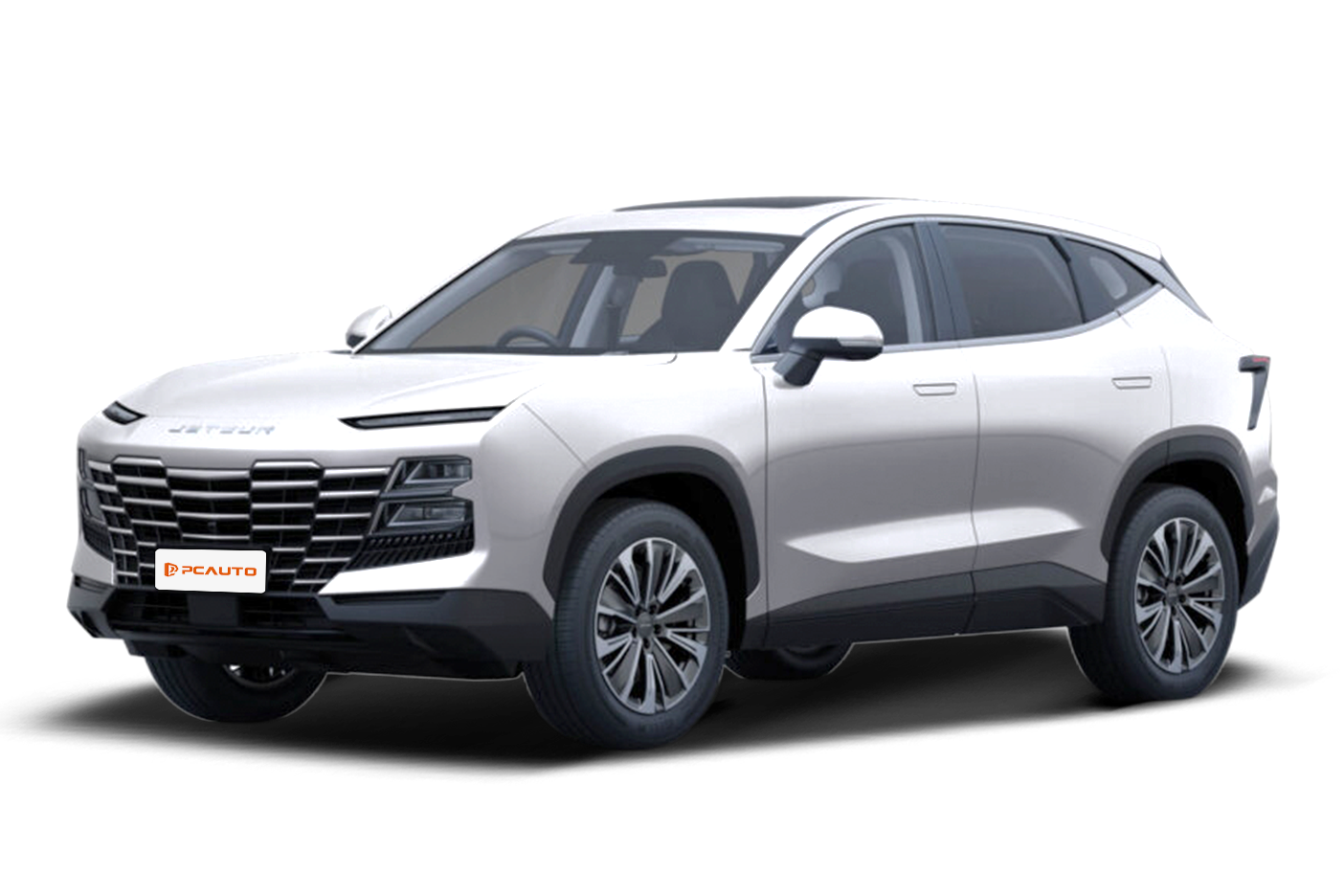
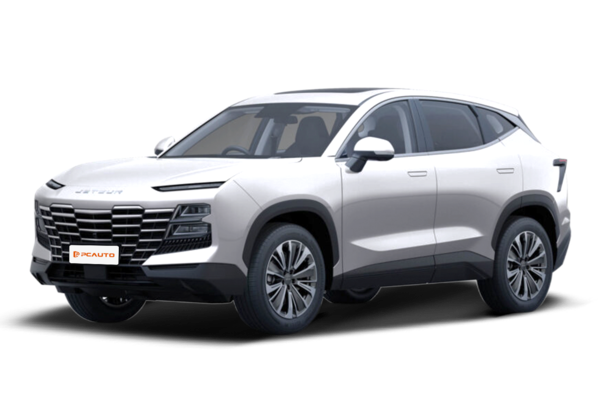
Jetour Dashing 1.5 TCI Comfort 2025 features a 2720mm long wheelbase and a 10.25-inch dual screen as its core, focusing on balanced cost performance to meet family practical needs.

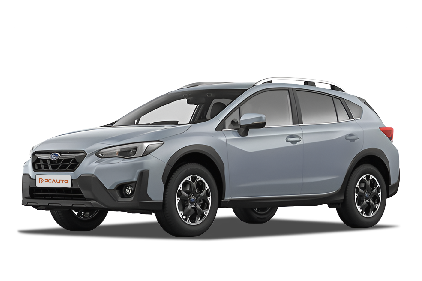
The 2021 Subaru XV 2.0i is a model targeting the C-segment crossover market, equipped with standard all-wheel drive and high safety features, balancing off-road capability and handling, with practical space.

2021 Hyundai Kona 2.0 Standard, as a high-value entry-level compact SUV, retains essential safety and practical features with an affordable price, meeting the daily commuting and loading needs of families.