

2019 Mitsubishi Triton Quest Review

 Share
Share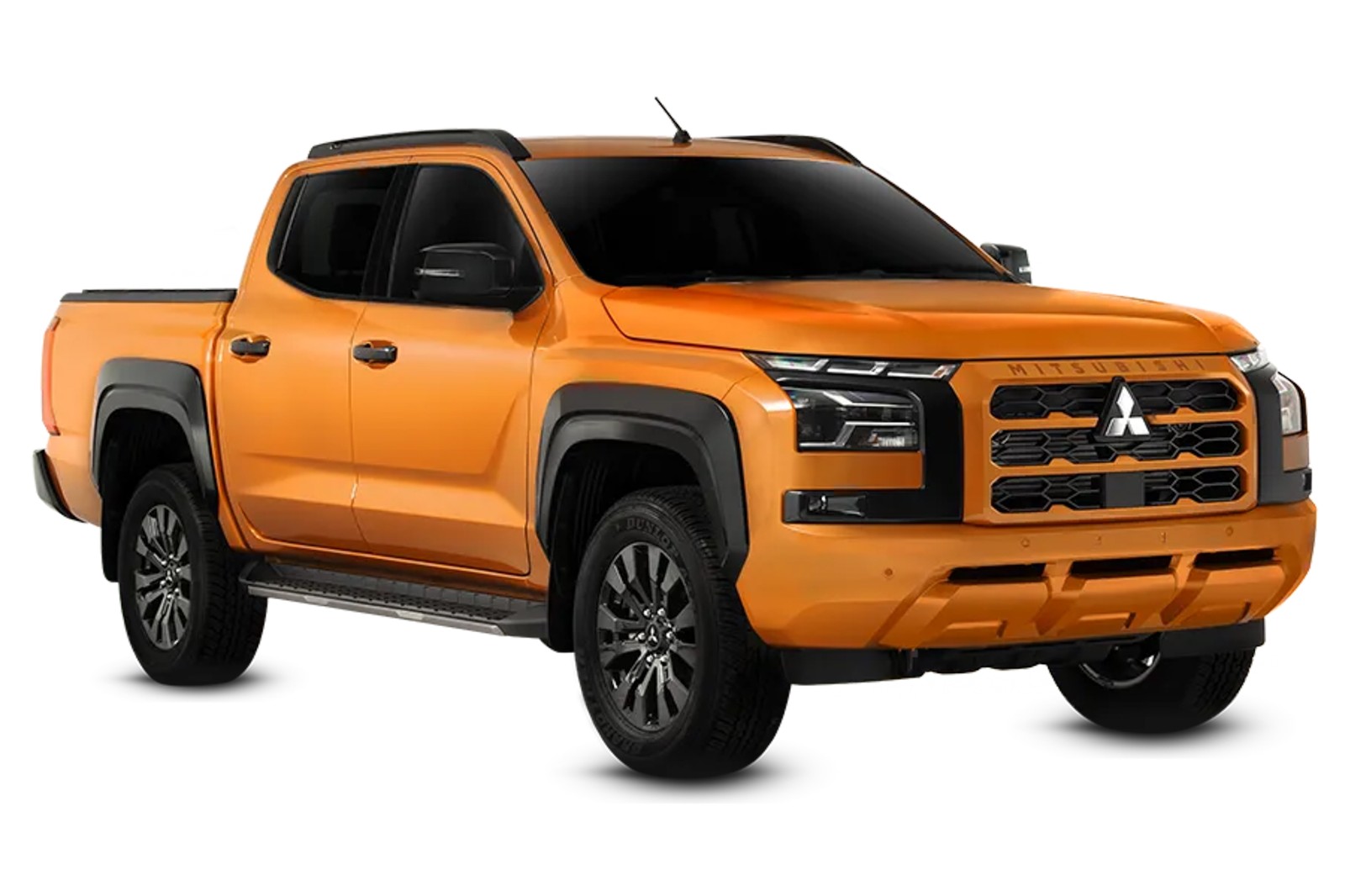
 Segment
 Body Type
 Capacity(L)
 Engine Power(PS)
 Transmission
 Driven Wheels
In the Malaysian pickup truck market, models that balance daily commuting and light cargo needs have always been the preferred choice for family users and small business owners, and the 2019 Mitsubishi Triton Quest is precisely targeted at this segment. With its affordable price (RM 78,890) and practical features as core selling points, this test drive focuses on evaluating whether its space performance, driving comfort, and overall utility match the needs of the target users.
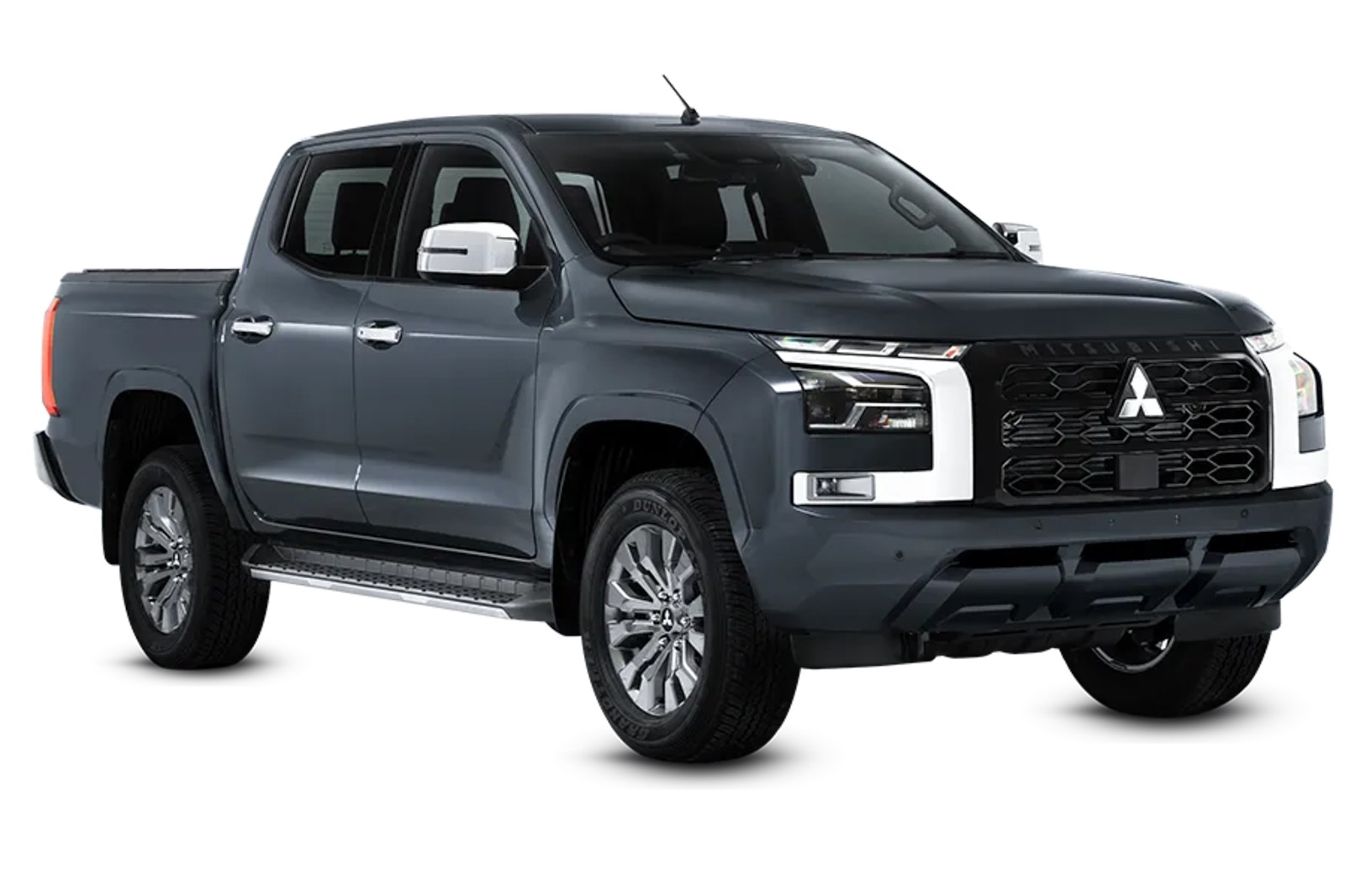
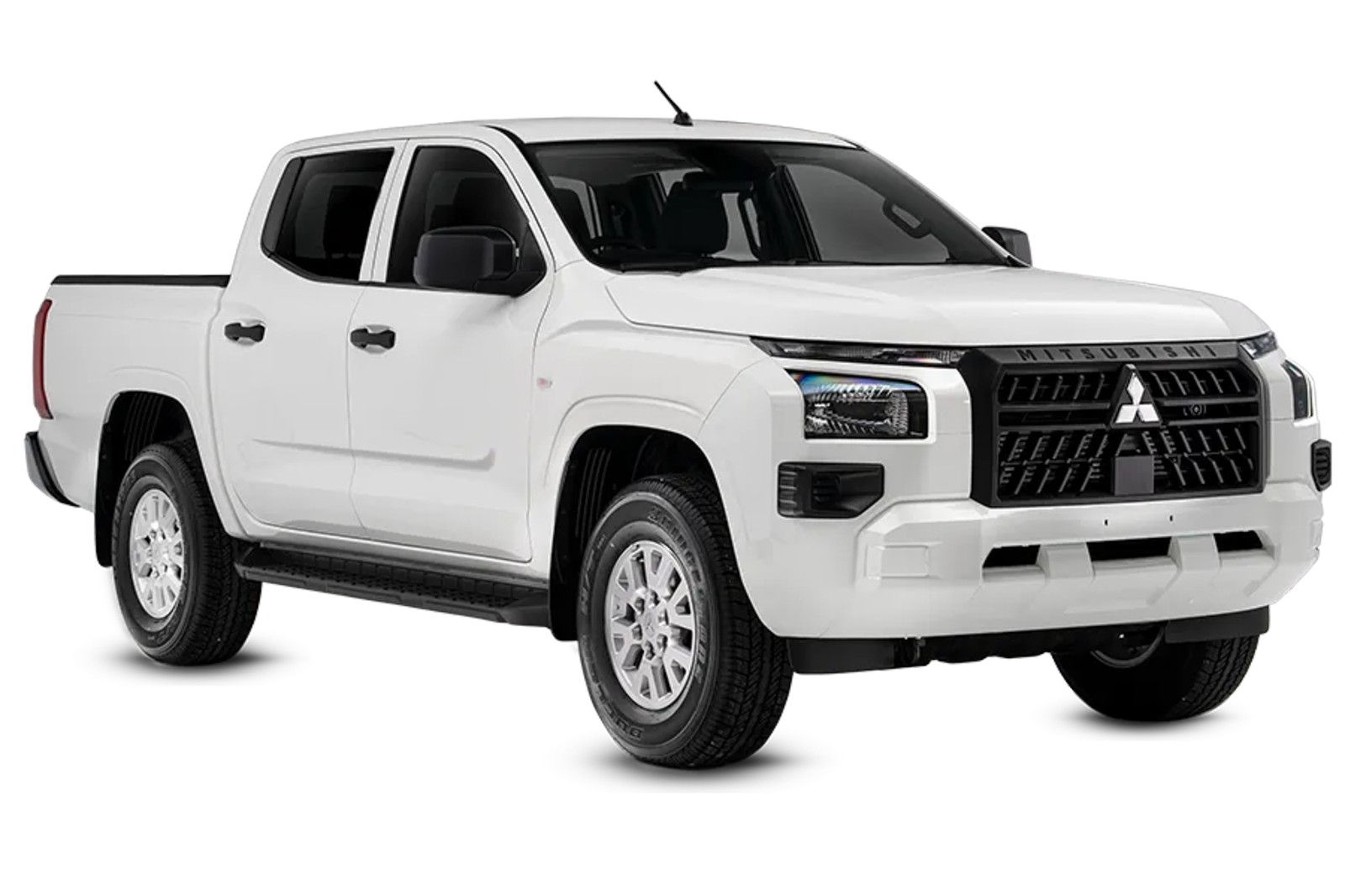
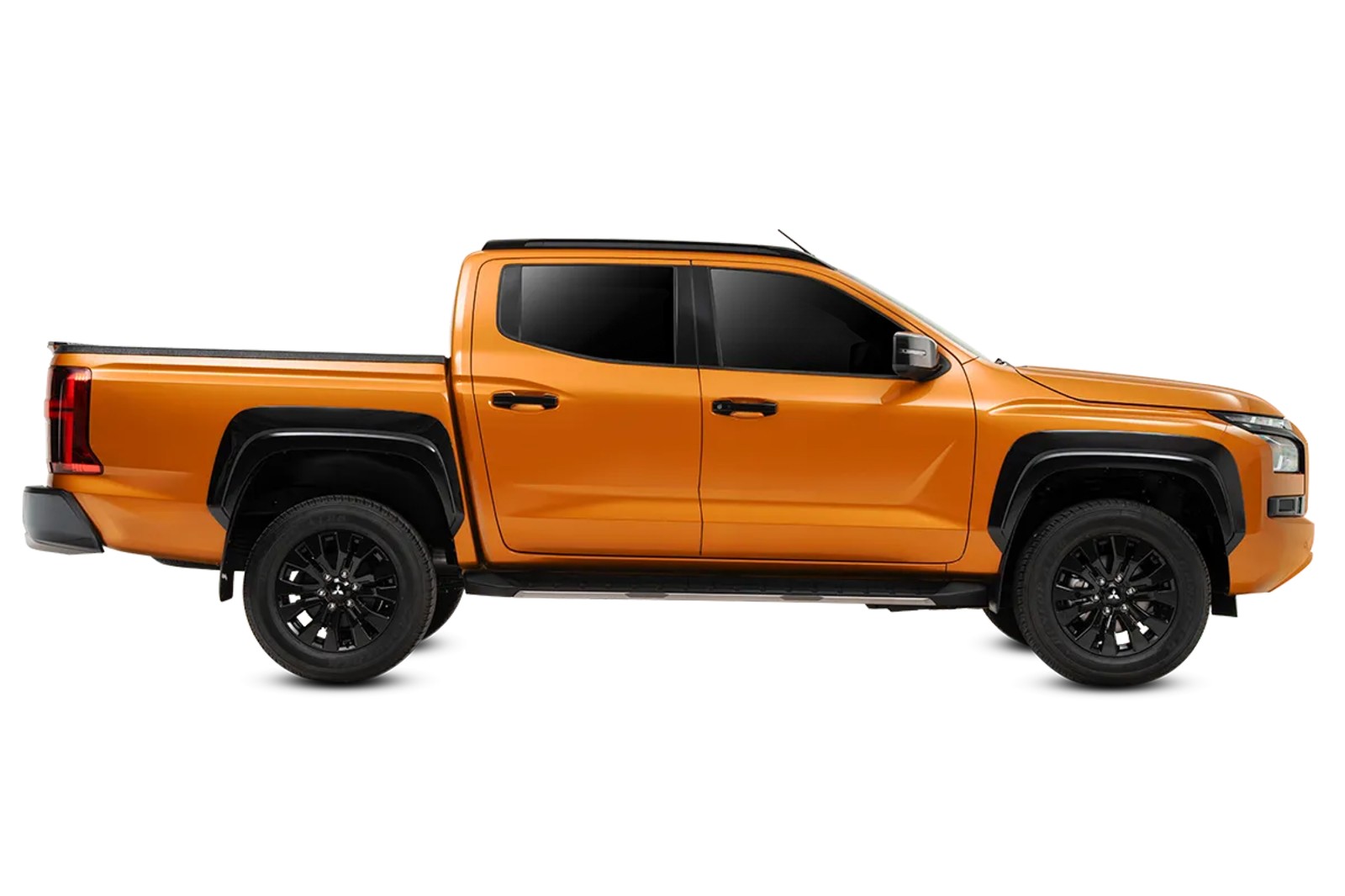
The exterior design of the Triton Quest continues the rugged style of the Triton series but leans more towards simplicity and practicality in terms of details. The front features a large black grille paired with rectangular halogen headlights, offering clear identification and aligning with the positioning of a utility pickup. The side profile features straight lines, and the 3000mm wheelbase ensures ample rear passenger space and cargo bed length. The rear is designed simply, with vertically oriented taillights seamlessly integrated into the body. The overall exterior is function-focused without excessive decorations, making it suitable for users who prioritize practicality over flashy appearances.
Inside, the interior is predominantly styled in dark tones, with plastic materials making up most of the design. However, the build quality is solid with no noticeable looseness. The dashboard layout is clear, with a 6.1-inch touchscreen at the center supporting basic multimedia functions and Bluetooth connectivity, operating smoothly. The seats are fabric-covered, with manually adjustable front seats. The cushioning and backrest support are moderate, making long drives less tiring. The rear seats feature a foldable center armrest, enhancing passenger comfort. Additionally, the standard ISO FIX child seat mounts meet the needs of family users. The front is equipped with single-zone manual air conditioning with intuitive rotary controls, capable of quickly cooling down even in Malaysia's hot weather.
Space performance is one of the highlights of the Triton Quest, with overall dimensions measuring 5220mm×1815mm×1655mm and a 3000mm wheelbase. The front seating area is spacious, leaving a fist-width headroom for a 175cm passenger after adjusting the seat. The rear legroom measures two fists, with headroom of one fist, allowing three passengers to sit without feeling cramped. Regarding storage, the front and rear door panels include storage slots that can hold water bottles, and there is a compartment below the dashboard for small items like phones. While the exact cargo bed dimensions are not specified, tests show it can easily fit two standard-sized suitcases or a small amount of cargo, meeting daily transport demands.
In terms of power, the Triton Quest is equipped with a 2.5L naturally aspirated diesel engine, delivering a maximum output of 110PS and maximum torque available at 2000rpm, paired with a 5-speed manual transmission. The initial power response is moderate, suitable for low-speed city driving. Upon pressing the accelerator deeply, torque is released around 2000rpm, improving acceleration slightly. However, when overtaking, it's necessary to allocate power reserves in advance. The all-wheel-drive system provides good stability on light off-road paths or wet roads on rainy days, but due to limited power figures, high-intensity off-roading is not recommended.
The handling and chassis performance are consistent with those of a typical pickup truck. The steering wheel has moderate weight with minimal play, offering precise control for daily driving. The front suspension uses a double-wishbone independent setup, while the rear suspension uses leaf springs. On paved roads, it absorbs small bumps adequately, but when going over speed bumps or uneven paths, the rear seats tend to experience more vibration, which is a common characteristic of pickup trucks. The braking system features ventilated discs at the front, with a linear braking response. During emergency braking, the body remains stable without notable forward tilting.
In the fuel consumption test, we drove 200km under urban road conditions (approximately 60% congestion) and highway conditions (approximately 40% cruising), with an average fuel consumption of 8.5L/100km. For a 2.5L diesel pickup truck, this performance is considered average. The fuel tank has a capacity of 75L, and when fully refueled, the range can reach about 880km, reducing the hassle of frequent refueling. In terms of noise control, the engine noise at idle is somewhat noticeable, but during driving, wind noise and tire noise are kept within an acceptable range, not affecting conversations inside the cabin.
In summary, the core advantages of the 2019 Triton Quest lie in its spaciousness, practical features, and affordable price. Compared to peers like the Toyota Hilux Standard or Ford Ranger XL, it comes with a lower price while offering standard features such as a touchscreen, power-folding mirrors, and rear armrests, making it highly cost-effective. Overall, it is suitable for family users for daily commuting, weekend trips, and it can also meet the needs of small business owners for light cargo transport, especially for budget-conscious consumers in need of a versatile vehicle.
Overall, the Triton Quest does not feature complex technological configurations or strong performance, but it strikes a good balance between space, practicality, and price. If you need a reliable, practical, and affordable pickup truck that can carry passengers and cargo, the 2019 Mitsubishi Triton Quest is a worthwhile option to consider. It is not a vehicle that pursues performance or luxury but is certainly a practical partner that meets daily needs.
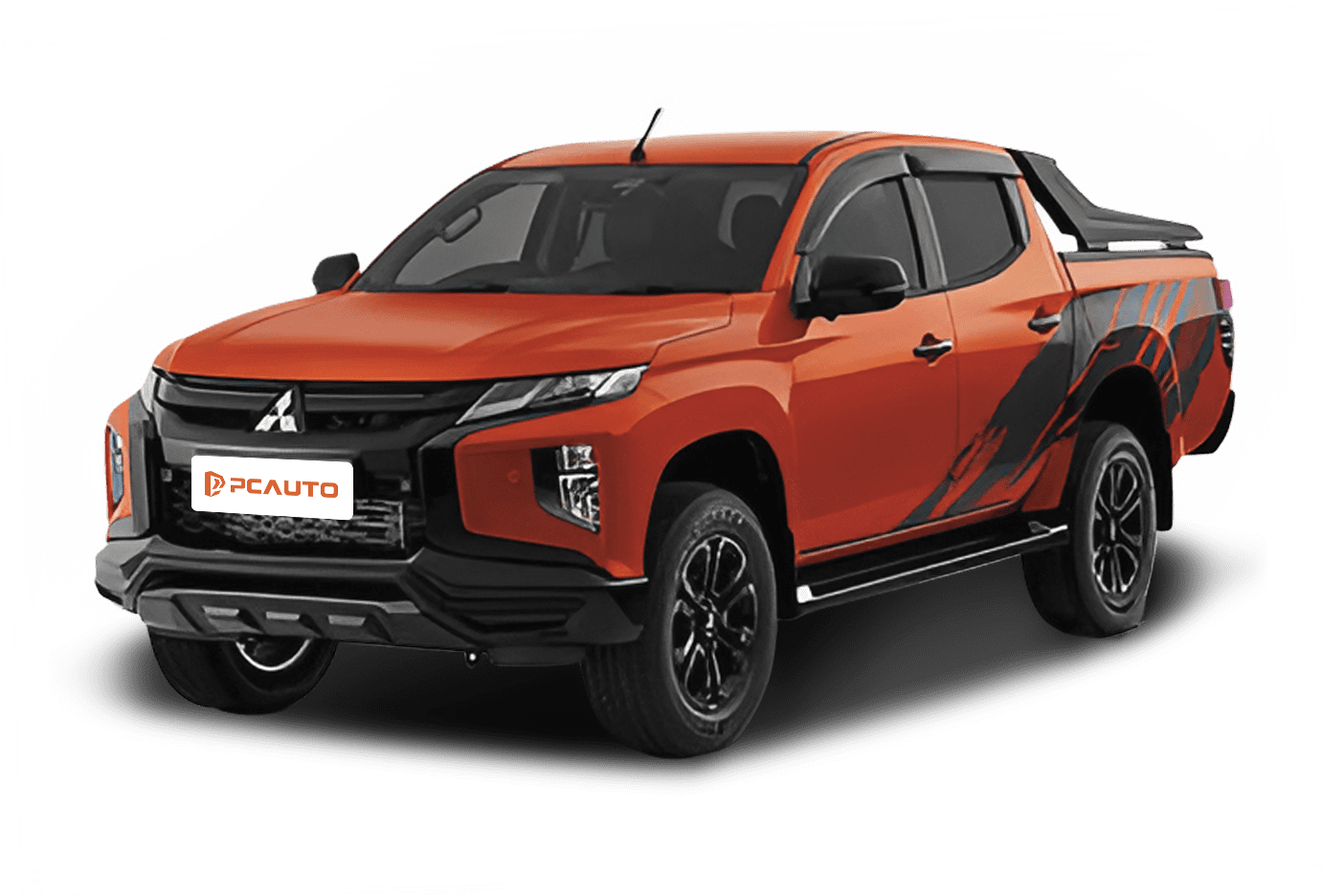
Mitsubishi Triton Car Compare
Mitsubishi Triton Loan Calculator
More Mitsubishi Reviews
Cars With Similar Price And Features
5
Rank in Pickup
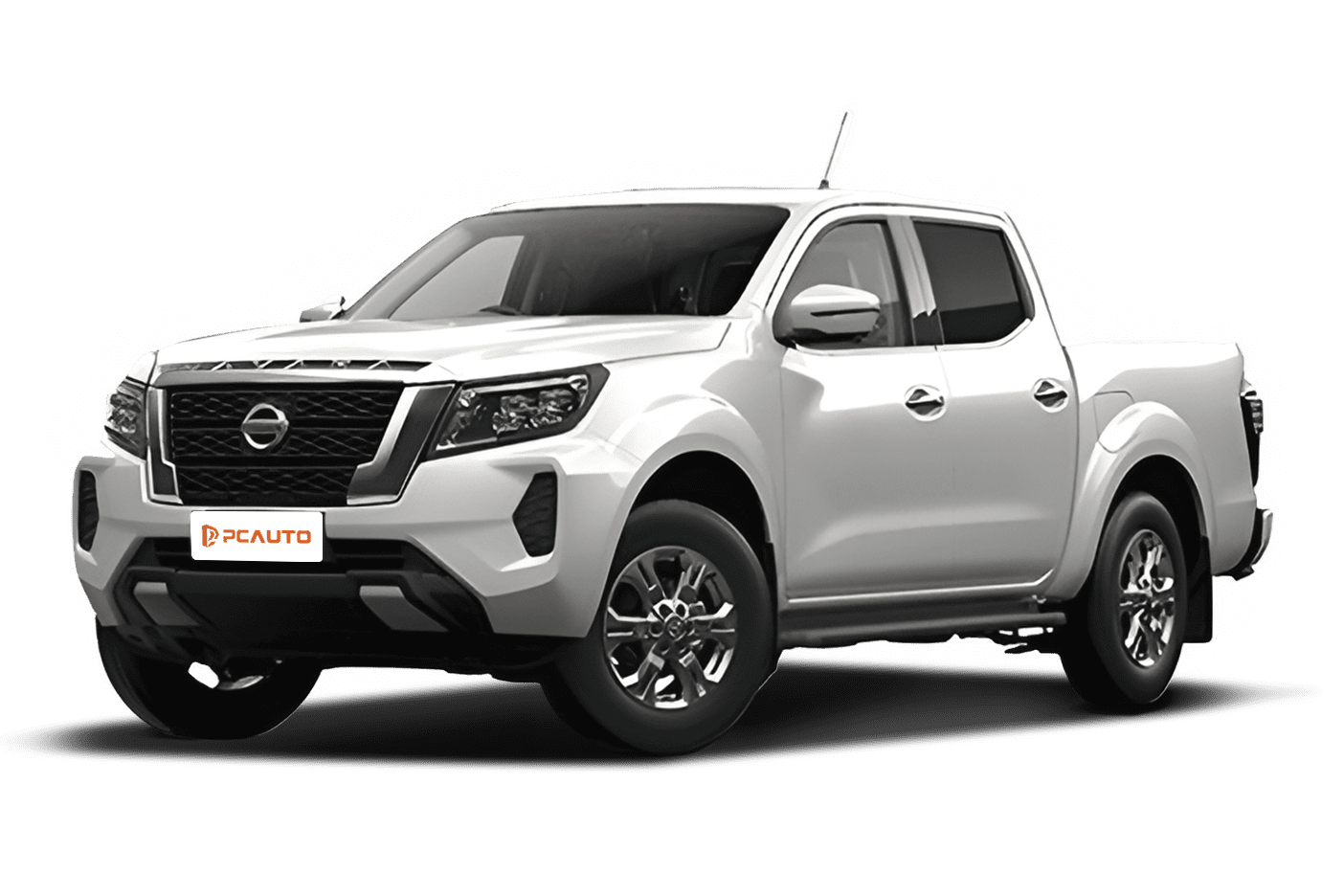
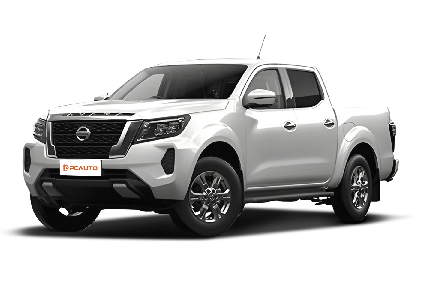
2023 Nissan Navara 2.5 VL Black Edition is a pickup truck that balances household comfort with light off-road capability, featuring exclusive black trims, a full suite of active safety features, and practical configurations, precisely catering to the needs of families and small business owners.
4
Rank in Pickup
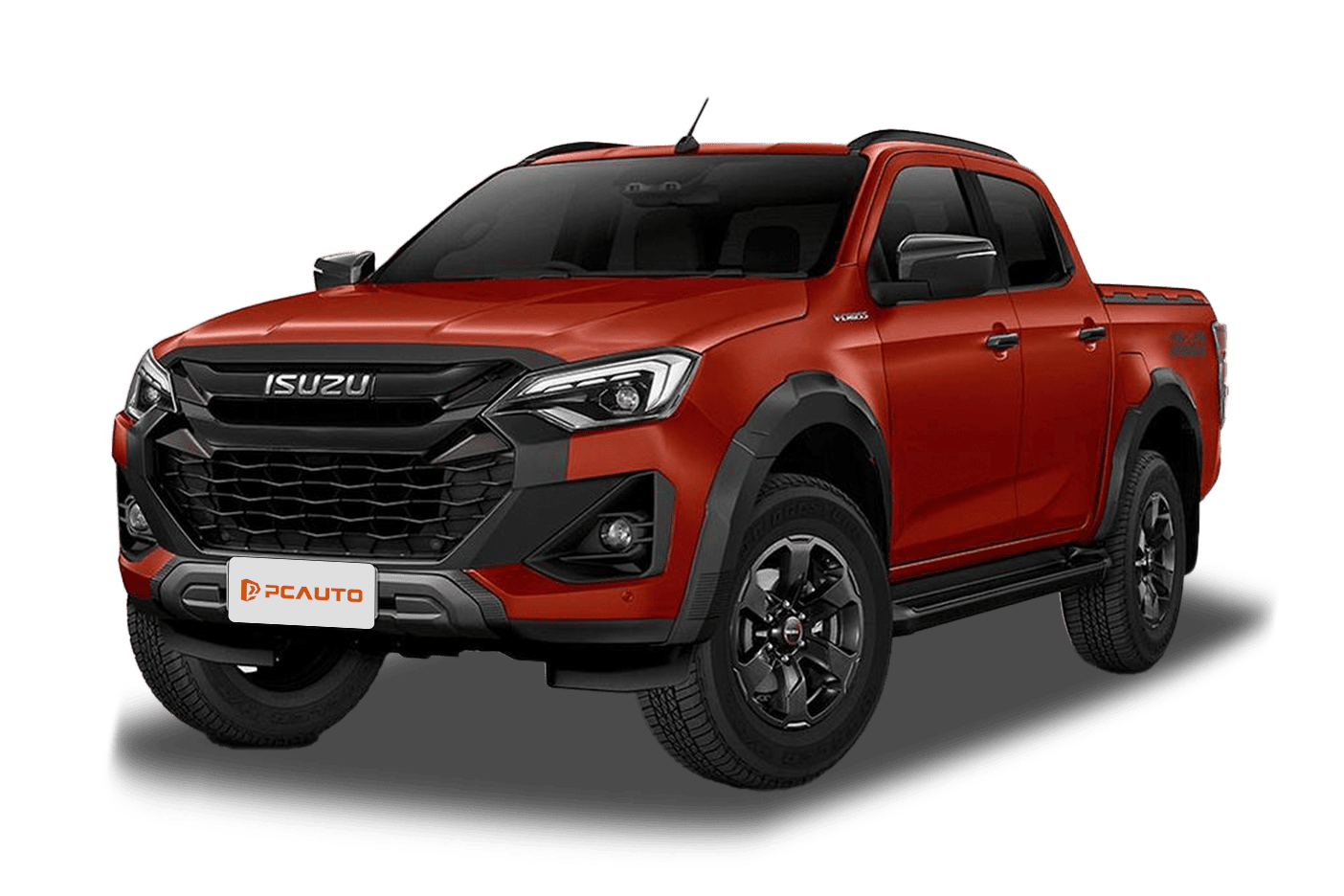
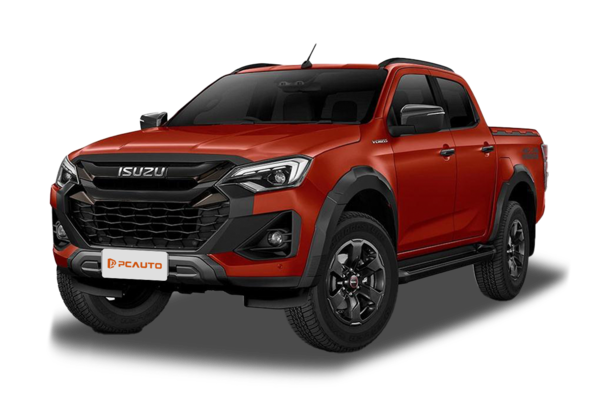
2025 Isuzu D-MAX 1.9L 4x2 Low Ride is an entry-level passenger pickup, offering a balance of practical space, reliable diesel performance, and fuel economy, suitable for family transport and small business cargo needs.
3
Rank in Pickup
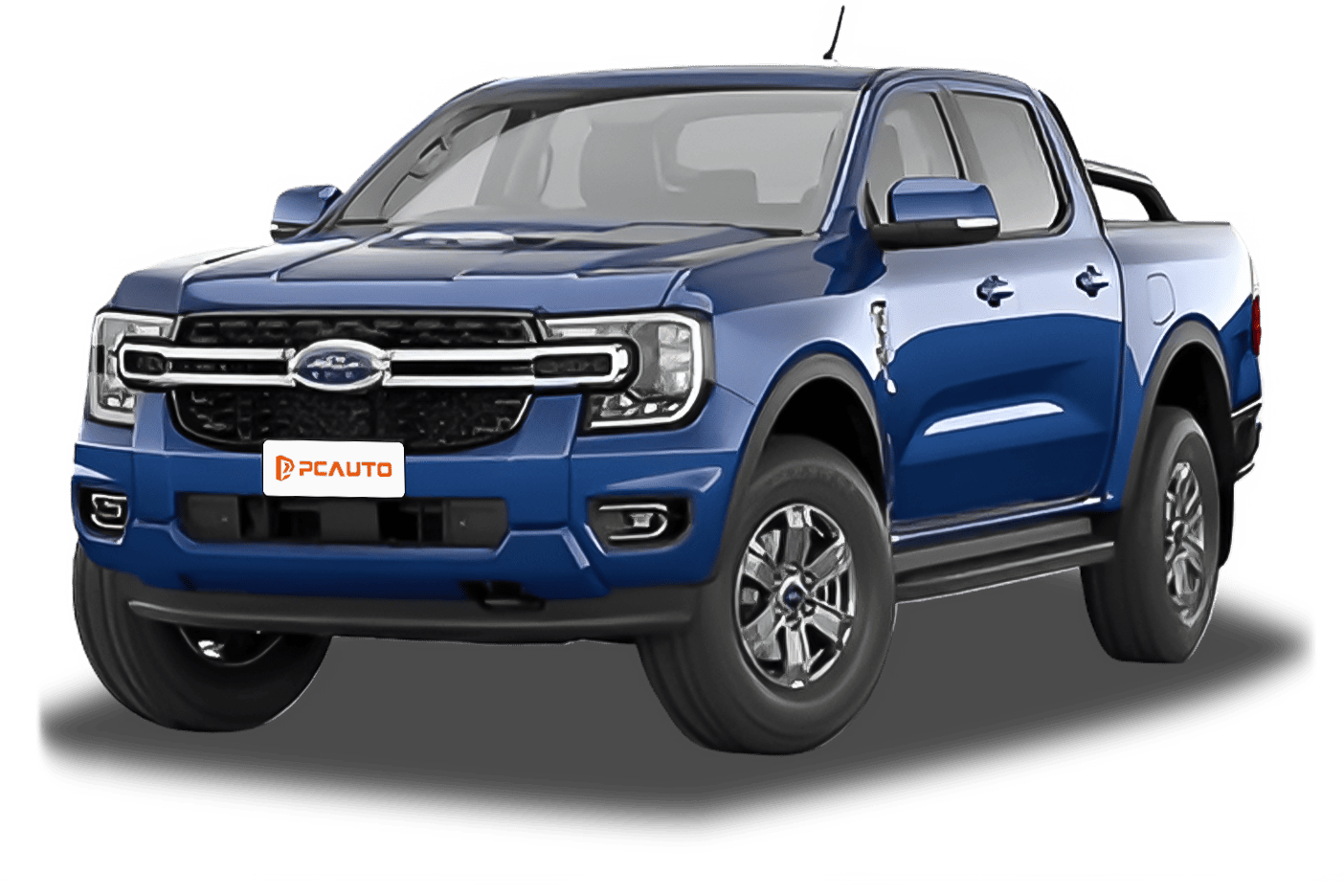
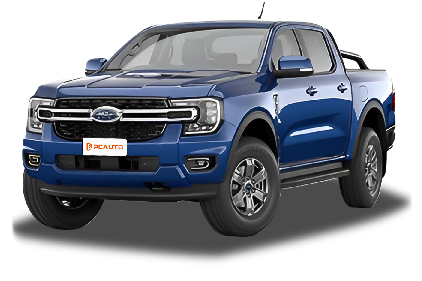
2023 Ford Ranger WildTrak is a mid-to-high-end pickup truck that balances the comfort of daily commuting with the practicality of cargo and off-road capabilities. It features powerful performance, ample space, and practical configurations, making it a versatile choice for both family and work scenarios.

2023 JMC Vigus Pro White Series 2.0L 4WD 8AT combines rugged design, practical features, and powerful diesel performance, balancing everyday durability and mild off-road needs, making it a high-value choice for pickup users.