

2019 Mitsubishi Triton VGT Adventure X Review

 Share
Share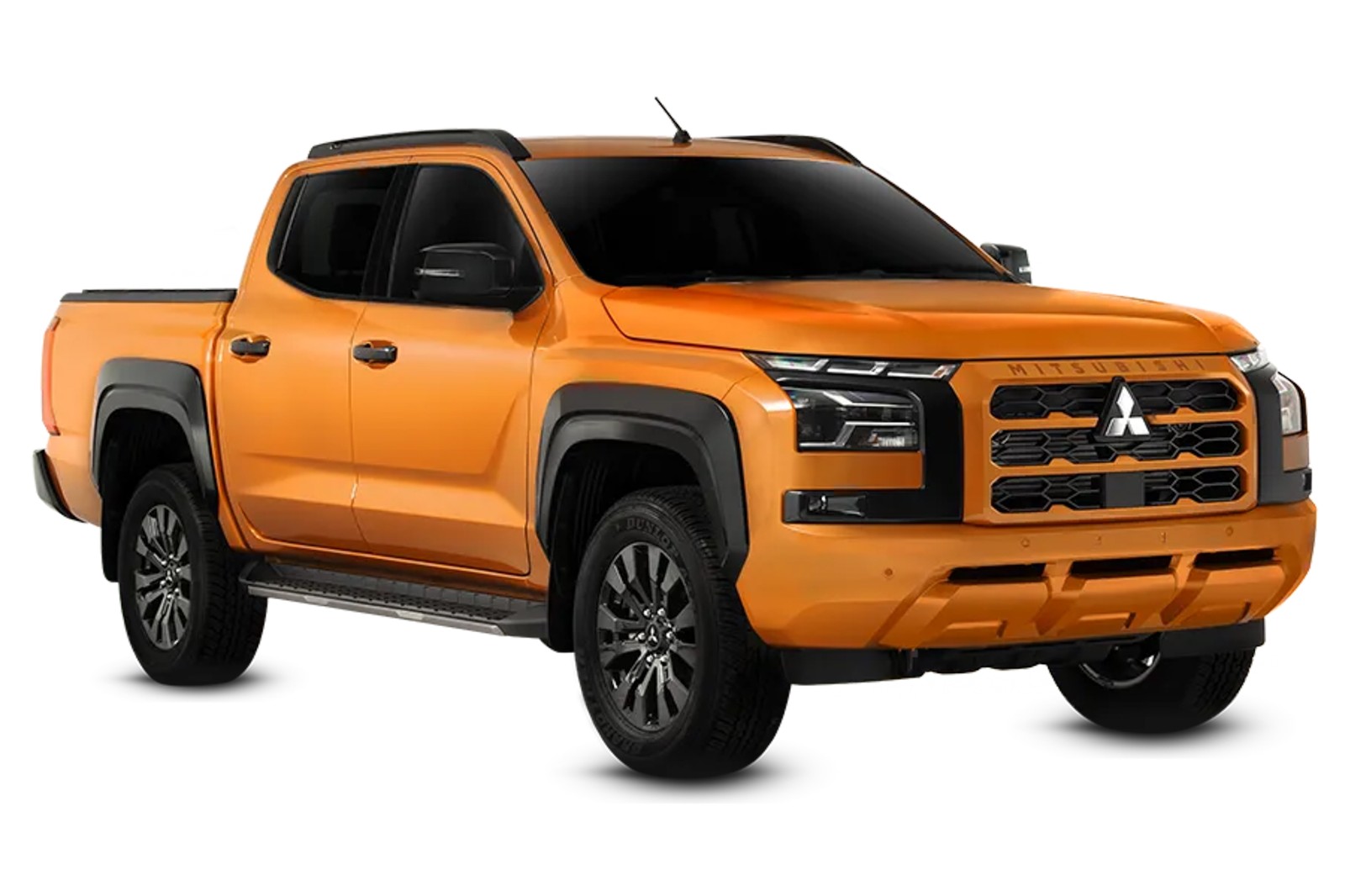
 Segment
 Body Type
 Capacity(L)
 Engine Power(PS)
 Transmission
 Driven Wheels
In recent years, competition in Malaysia's pickup truck market has become increasingly intense. Consumers are no longer satisfied with vehicles that only offer cargo-carrying capabilities; their demands for comfort, intelligent configurations, and design aesthetics are steadily increasing — the 2019 Mitsubishi Triton VGT Adventure X is precisely targeting this niche market. Positioned as a higher-tier pickup truck in the brand lineup, it not only continues the durability of the Triton series but also features targeted upgrades in configurations and exterior design. Its core selling points focus on the 7-airbag safety configuration, all-wheel-drive system, and the balanced performance of the 2.4L diesel engine. This test drive aims to verify whether it can simultaneously meet the requirements for daily commuting comfort and light off-road practicality, and whether it is worth its price tag of approximately RM130,000.
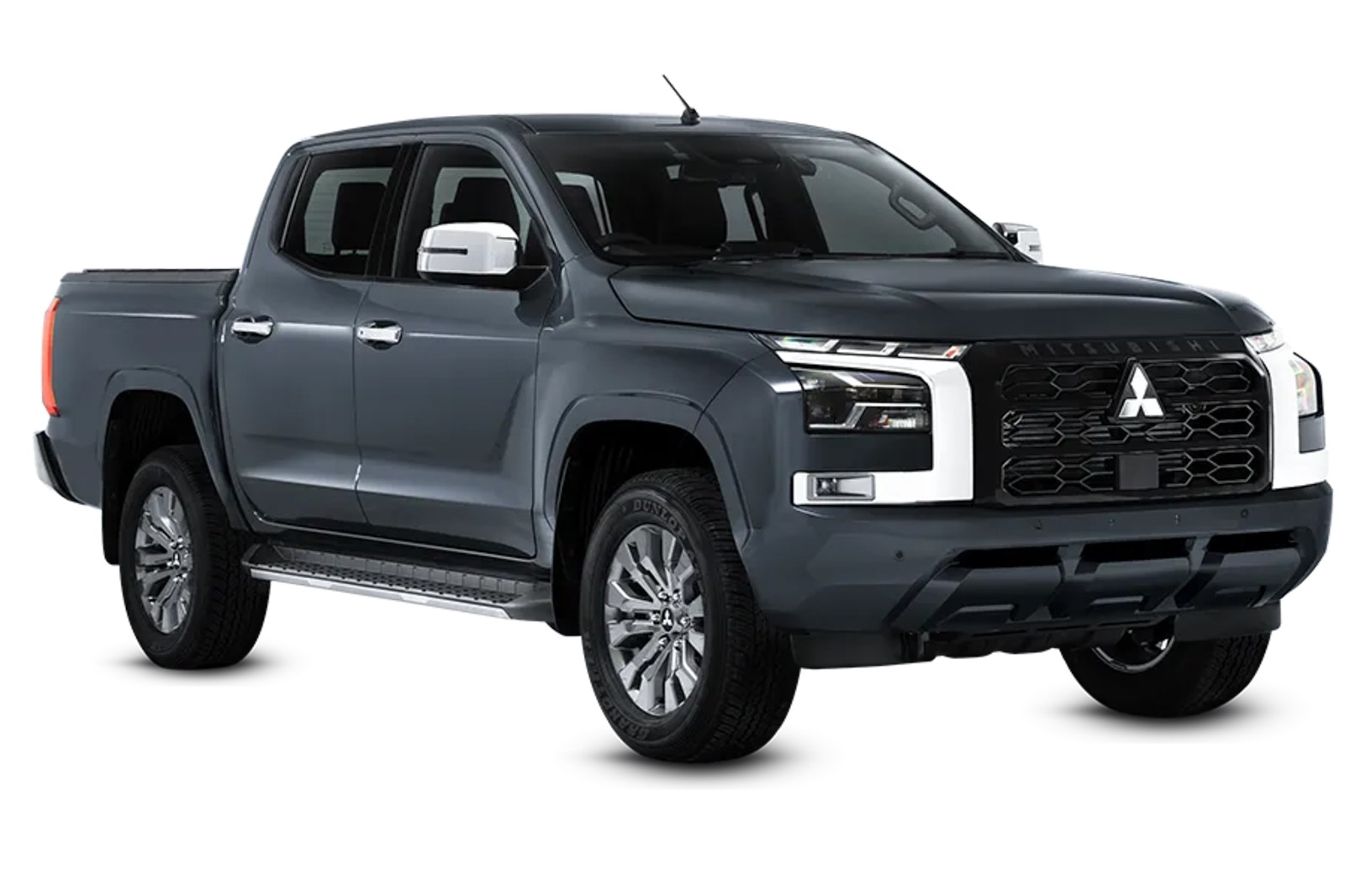
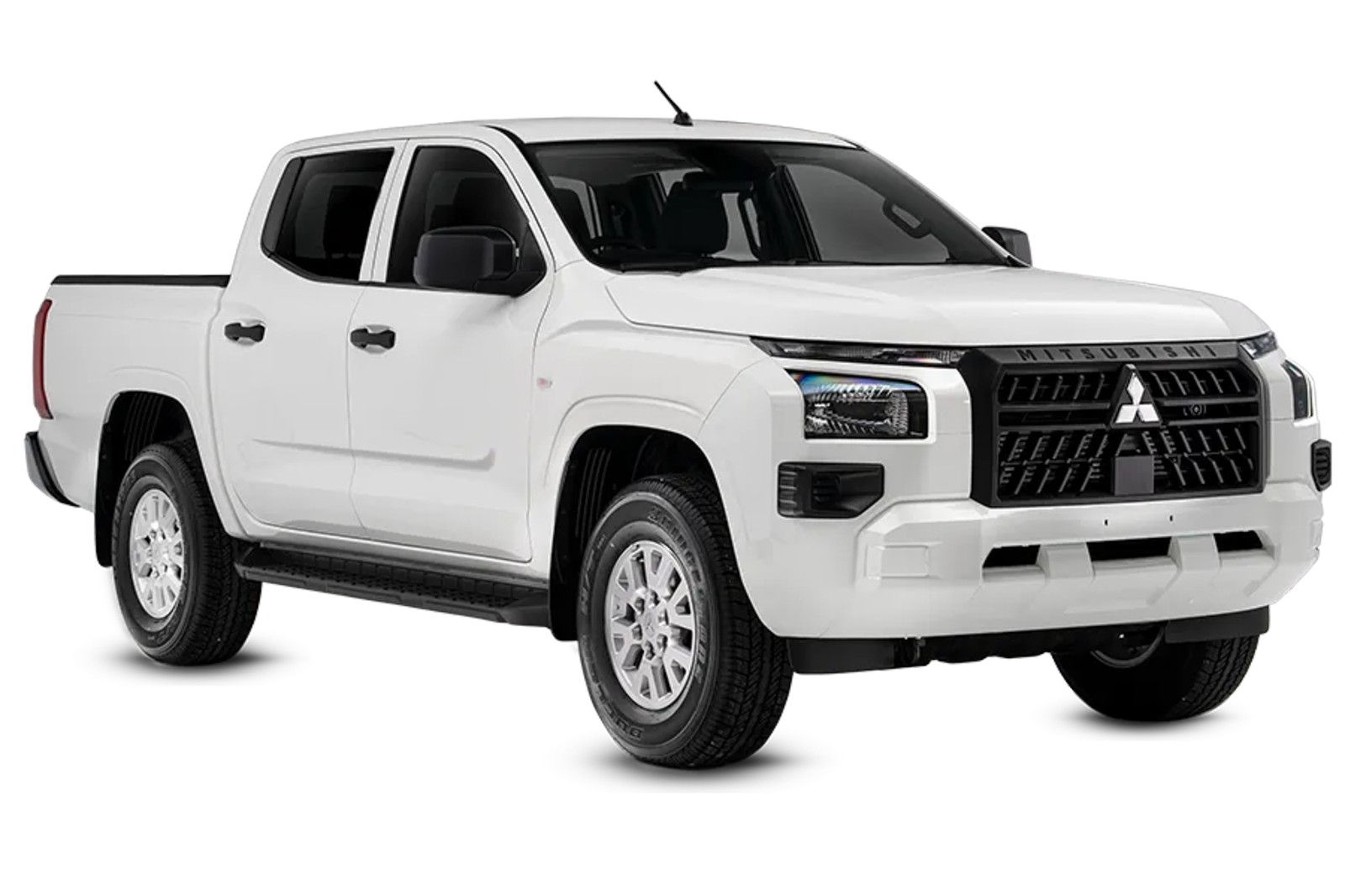
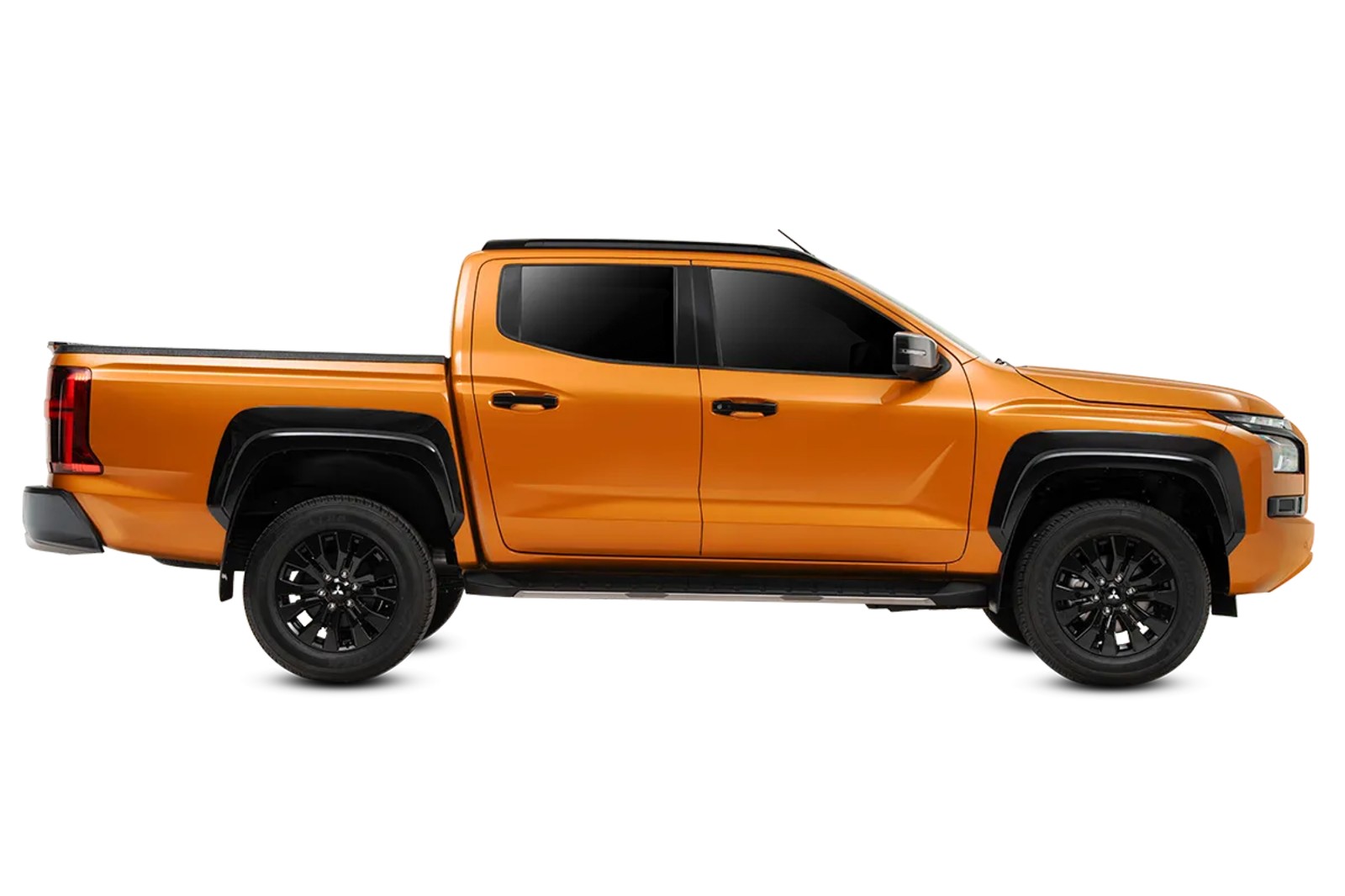
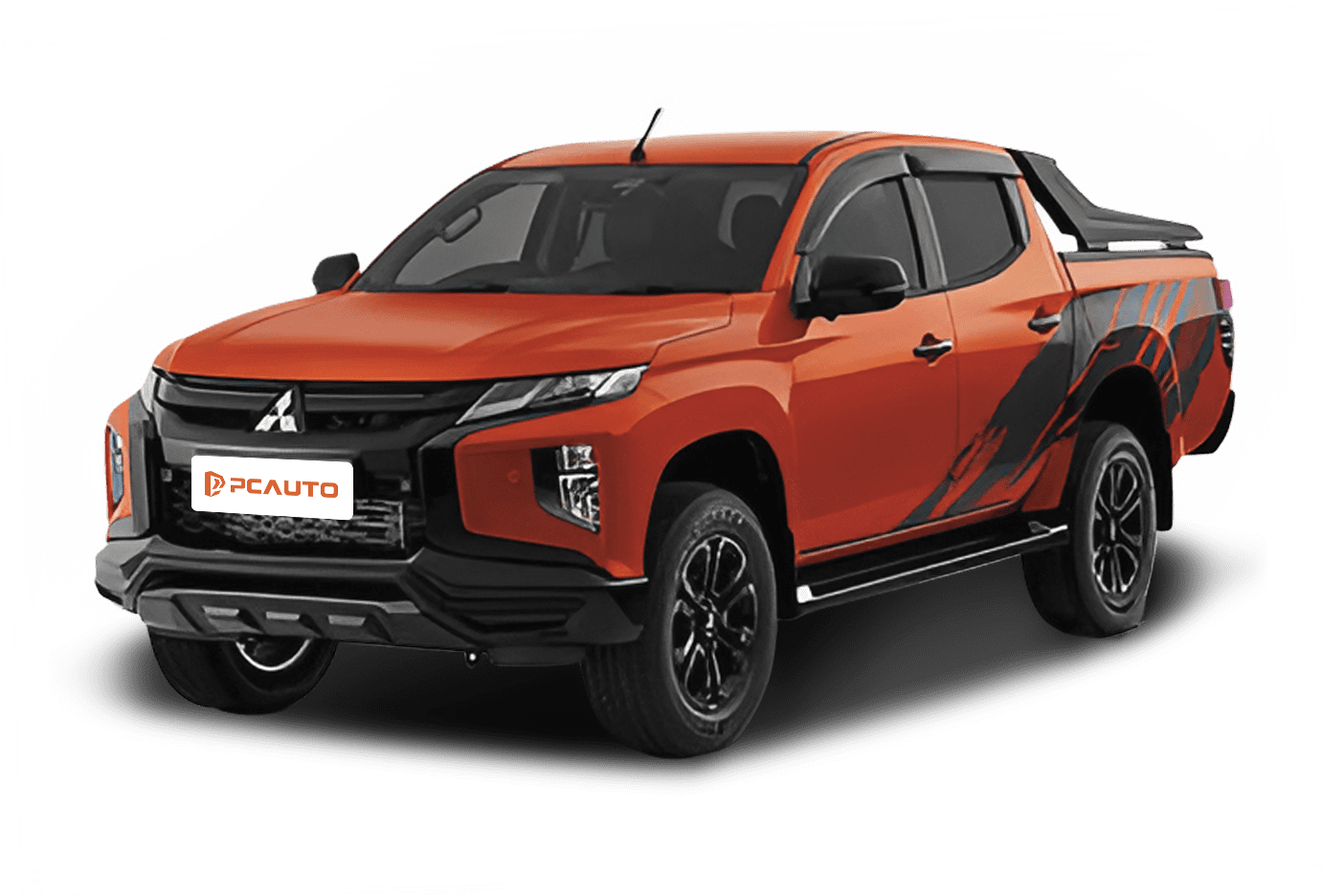
The first impression of the 2019 Triton VGT Adventure X is that it has greater recognition compared to the standard Triton. The front face adopts a large trapezoidal grille, accented by thick chrome trim, with LED headlights on both sides connected to the grille to create a seamless visual effect. A black scratch-resistant panel is added below the front bumper, enhancing its robust character. The body side features sharp lines, 18-inch alloy wheels paired with 265/60 R18 tires, and black plastic cladding at the wheel arches further reinforces the off-road feel. At the rear, the LED taillights echo the design of the front headlights. The rear bumper is also equipped with a scratch-resistant panel, and the cargo box sports bar is coated in black, achieving a balance between practicality and visual impact in its overall design.
Stepping inside, the interior design leans towards practicality but offers enhancements in detail. The center console is covered in soft-touch materials with silver trim accents. While it doesn’t reach luxury levels, the texture ranks above average among pickups in the same class. The 6.1-inch touchscreen sits atop the center console, supporting basic multimedia and Bluetooth connectivity with decent responsiveness. The instrument cluster adopts a backlit analog style, providing clear information display, including real-time fuel consumption, four-wheel-drive status, and other key data. In terms of features, keyless entry and start, single-zone automatic air conditioning, and rear air vents come as standard. The front seats support electric adjustments, and the rear features a foldable center armrest. The inclusion of a 220V/230V power output port also caters to outdoor electricity needs. Regarding space, its body measures 5305mm in length, 1815mm in width, and 1780mm in height, with a 3000mm wheelbase. The front seating area is spacious, with more than one fist of headroom and legroom for passengers up to 175cm tall. Rear legroom offers approximately two fists, and the horizontal space can accommodate three adults for short trips, with the nearly flat floor improving comfort levels. For storage, door pockets, a central armrest box, and rear cup holders meet everyday needs. Though the cargo dimensions are not specified, the typical capacity of a pickup bed is sufficient for household or light freight demands.
When the vehicle is started, the idle noise of the 2.4L diesel engine is well-controlled, with no noticeable vibration transmitted to the cabin. This engine delivers a maximum horsepower of 180 PS and peak torque is achieved at 2500 rpm, paired with an automatic transmission for smooth power output. During daily commutes, it responds promptly when starting, with no apparent jerks during low-speed gear shifts. After accelerating to 80km/h, pressing the accelerator further still provides a certain power reserve, ensuring smooth overtaking. When the driving mode switches to four-wheel drive, there is a noticeable improvement in handling muddy or gravel roads. The all-wheel-drive system prioritizes practicality, capable of traversing most terrains during light off-road conditions without additional adjustments. The suspension system employs a double wishbone independent front suspension. On paved roads, it effectively absorbs minor bumps. On speed bumps or uneven roads, the suspension’s rebound speed may feel slightly slow, but overall support remains sufficient, without feeling loose. The steering wheel offers moderate resistance and precise steering for a pickup. On highways, the vehicle maintains good stability with no noticeable swaying. Fuel consumption stands at approximately 8.5L per 100km in mixed driving conditions, which is reasonable given its 1930kg weight and diesel powertrain. In terms of noise control, wind and tire noise are somewhat noticeable at high speeds but do not interfere with normal conversations. Overall, its performance aligns with its market positioning.
Overall, the core advantage of the 2019 Mitsubishi Triton VGT Adventure X lies in its balance—it combines the load-carrying and off-road capabilities of a pickup with the comfort and features of an SUV. Compared to its class rival, the Toyota Hilux, it offers more comprehensive safety features (7 airbags + active braking) at a more value-for-money price; compared to the Ford Ranger, its interior design may not stand out, but its smoother power delivery and practicality make it more suitable for family users. The target audience for this vehicle is very clear: those who need a pickup for occasional cargo or outdoor purposes, while also demanding comfort for daily commuting, such as small business owners, outdoor enthusiasts, or families prioritizing versatility. If you're looking for a pickup that is both "work-ready and family-friendly," the 2019 Triton VGT Adventure X is a great choice.
Mitsubishi Triton Car Compare
Mitsubishi Triton Loan Calculator
More Mitsubishi Reviews
Cars With Similar Price And Features
5
Rank in Pickup
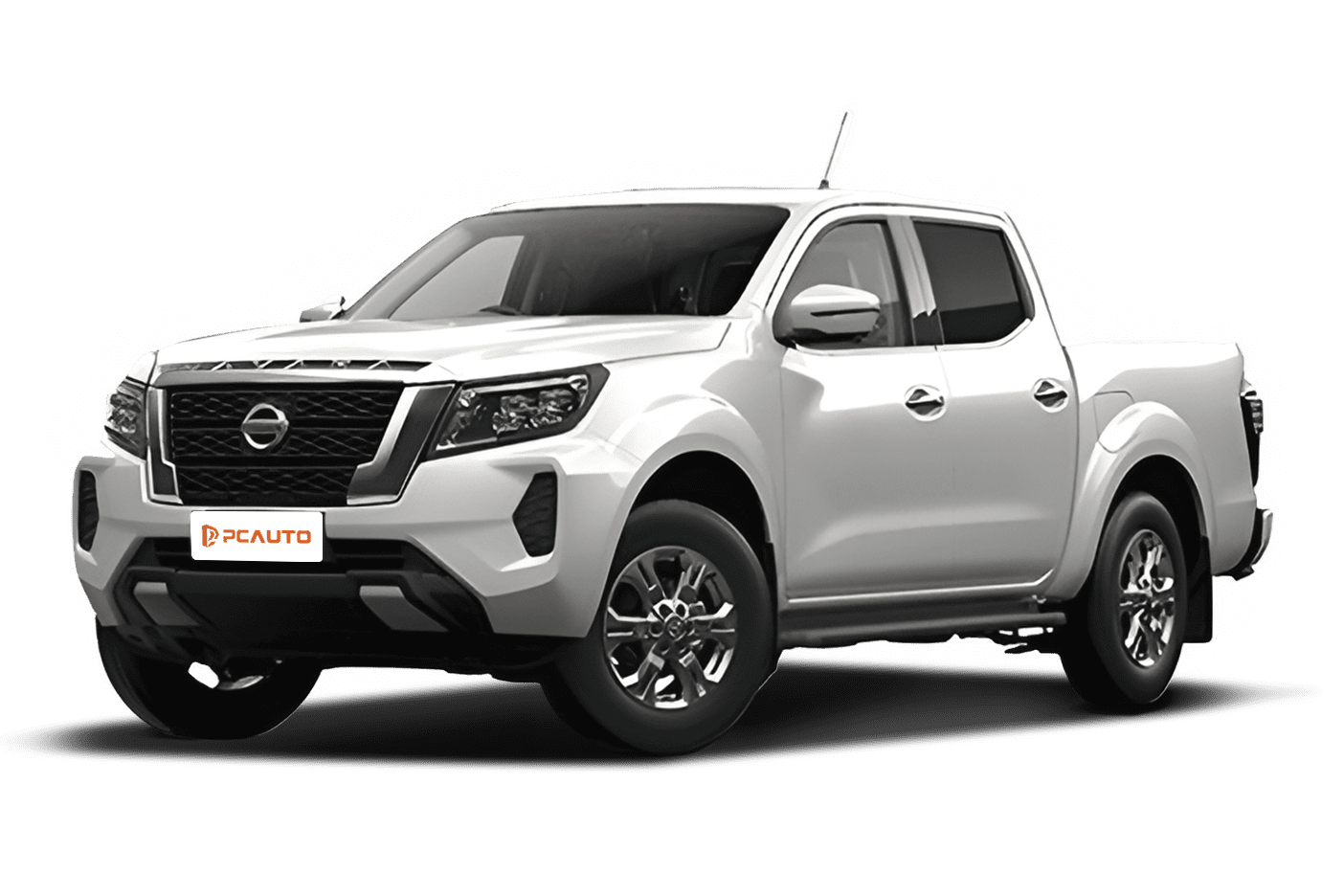
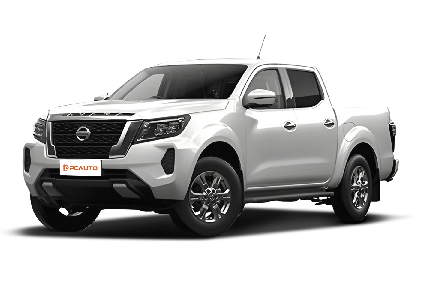
2023 Nissan Navara 2.5 VL Black Edition is a pickup truck that balances household comfort with light off-road capability, featuring exclusive black trims, a full suite of active safety features, and practical configurations, precisely catering to the needs of families and small business owners.
4
Rank in Pickup
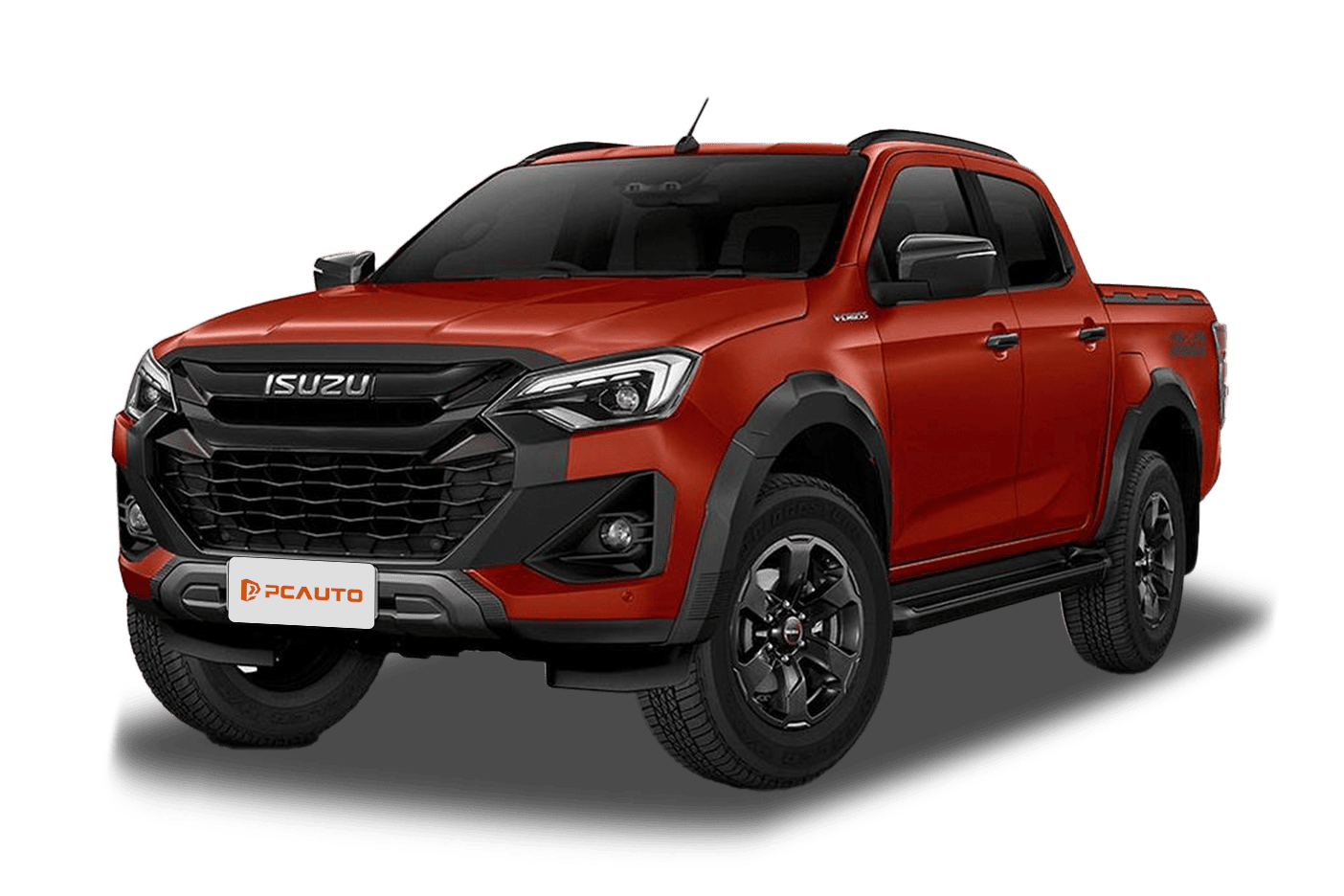
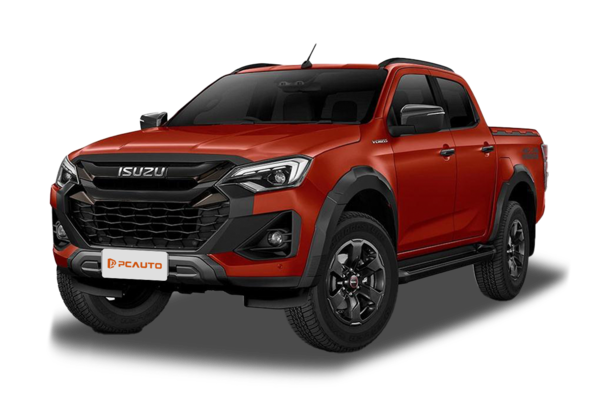
2025 Isuzu D-MAX 1.9L 4x2 Low Ride is an entry-level passenger pickup, offering a balance of practical space, reliable diesel performance, and fuel economy, suitable for family transport and small business cargo needs.
3
Rank in Pickup
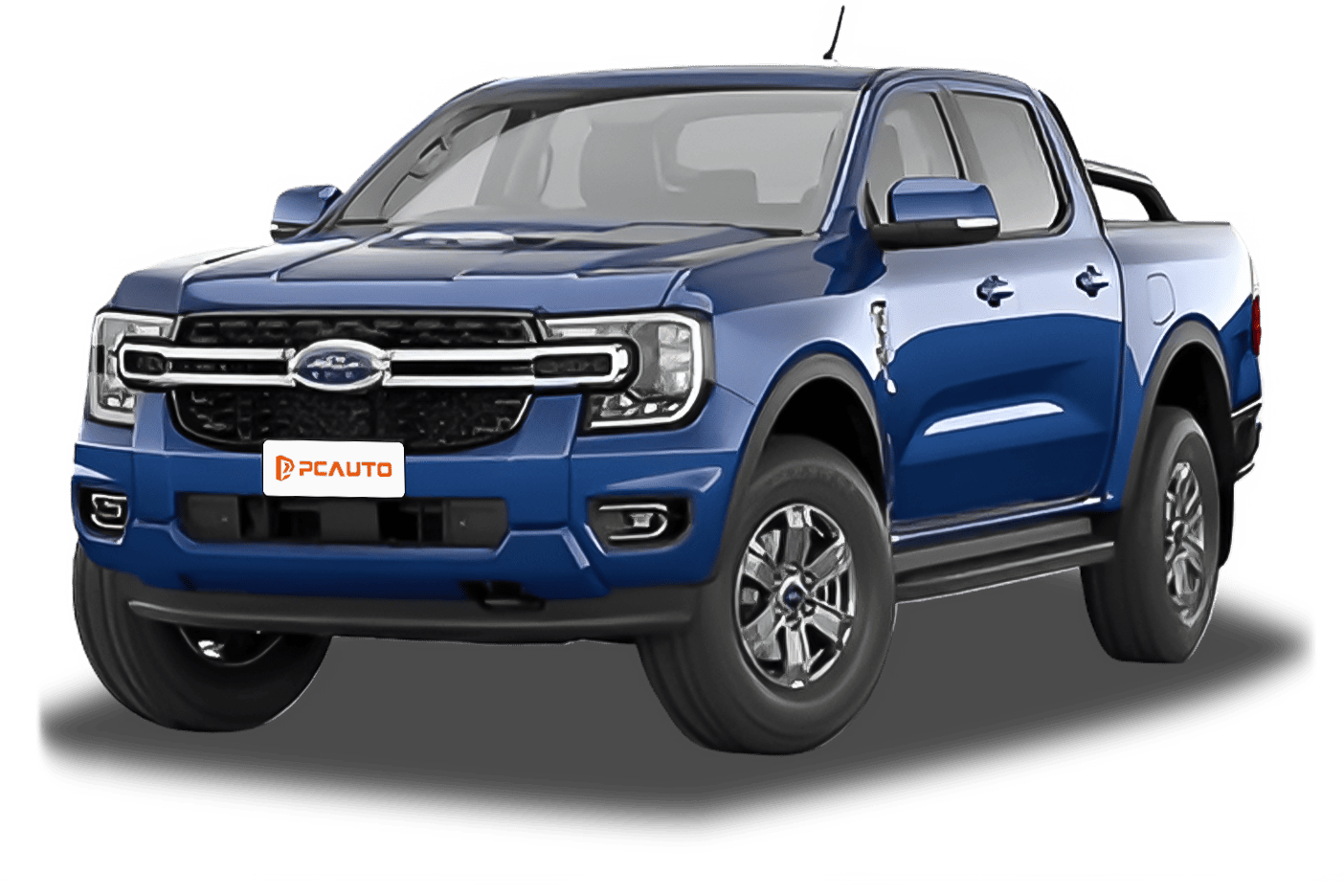
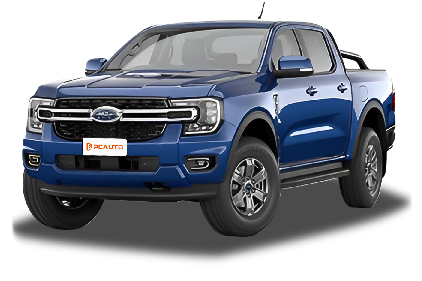
2023 Ford Ranger WildTrak is a mid-to-high-end pickup truck that balances the comfort of daily commuting with the practicality of cargo and off-road capabilities. It features powerful performance, ample space, and practical configurations, making it a versatile choice for both family and work scenarios.

2023 JMC Vigus Pro White Series 2.0L 4WD 8AT combines rugged design, practical features, and powerful diesel performance, balancing everyday durability and mild off-road needs, making it a high-value choice for pickup users.