

2020 Mazda 2 Sedan 1.5L Review

 Share
Share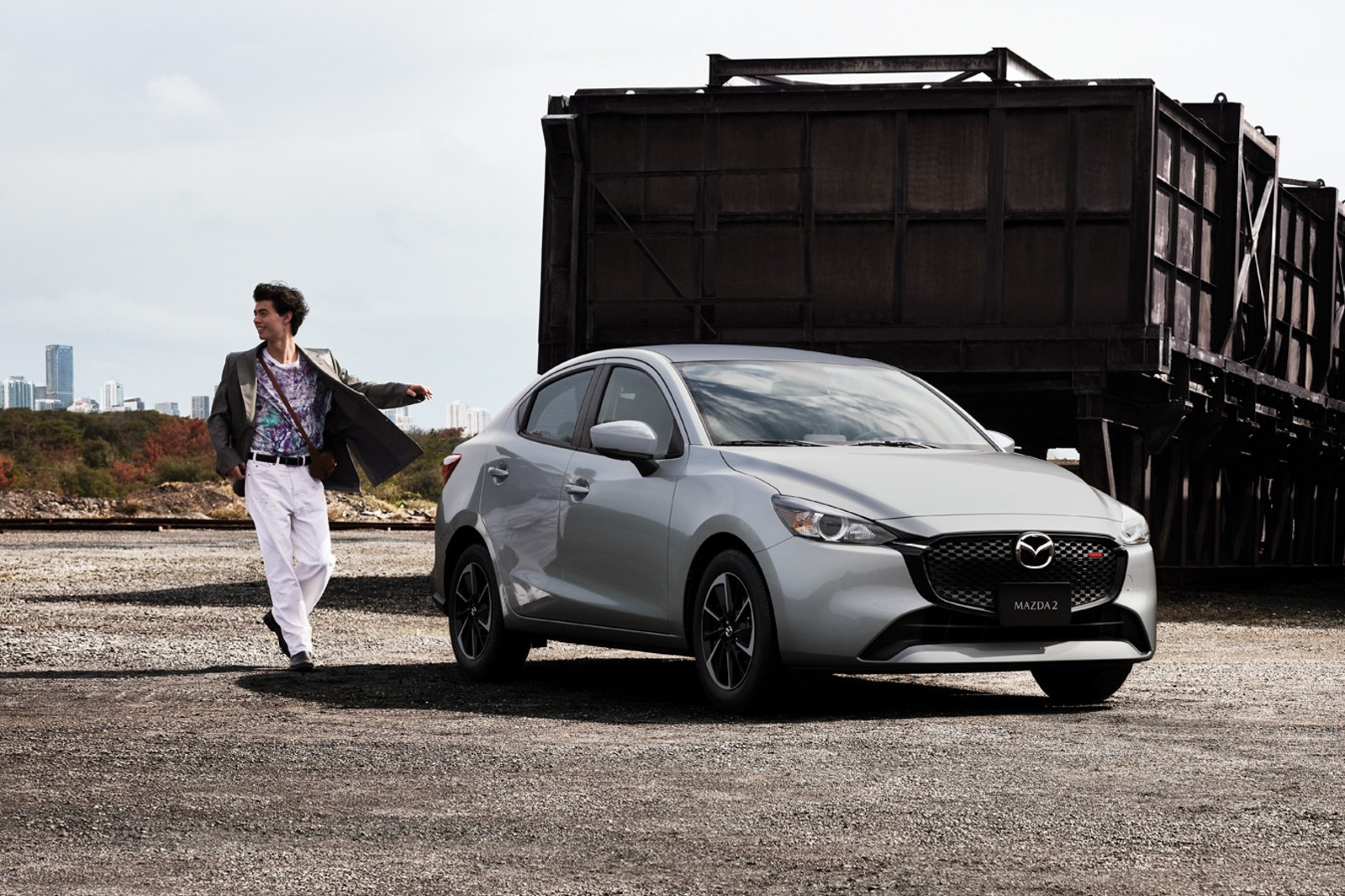
 Segment
 Body Type
 Capacity(L)
 Engine Power(PS)
 Transmission
 Driven Wheels
The B-segment sedan market in Malaysia has always been the preferred choice for family users and young professionals. Adequate space, fuel efficiency, and balanced configurations are the core demands for this category of vehicles. The 2020 Mazda 2 Sedan 1.5L, as one of the popular players in this segment, has attracted considerable attention with its iconic "Kodo" design and Mazda's unique handling tuning. This time, we tested the car to verify its practicality in daily use, whether its driving quality matches its price tag, and what unique advantages it offers compared to its competitors in the same class.
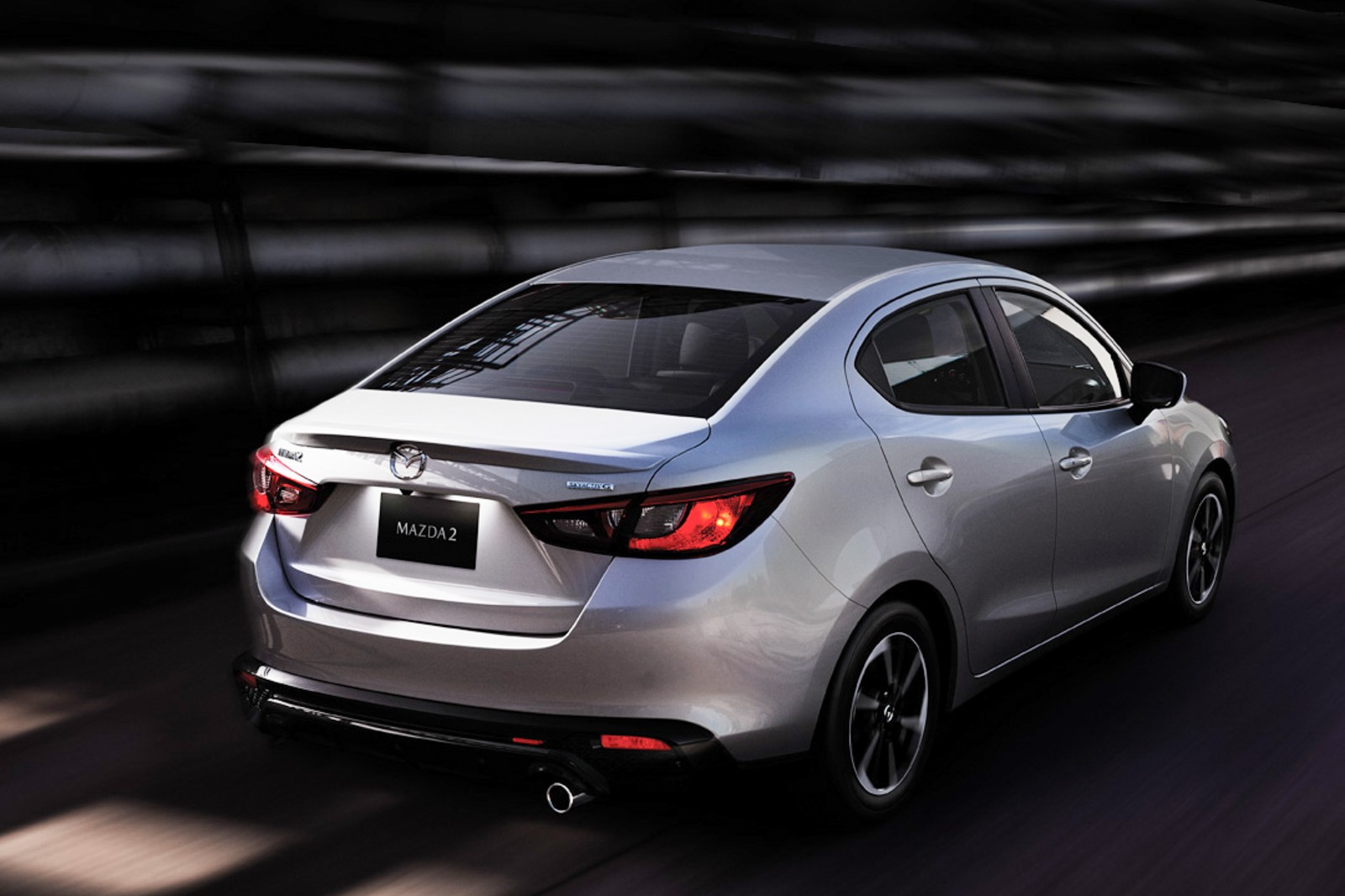
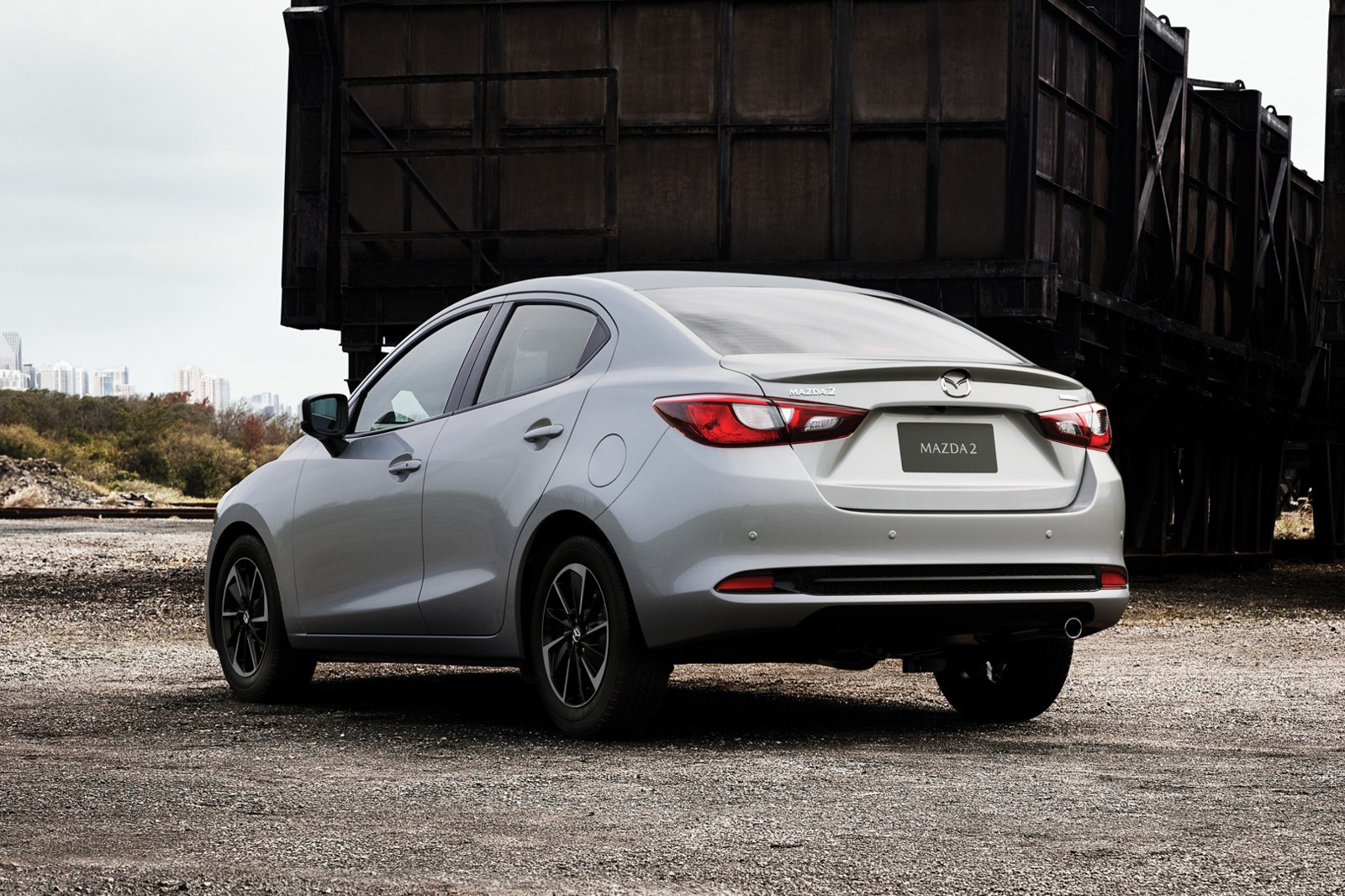
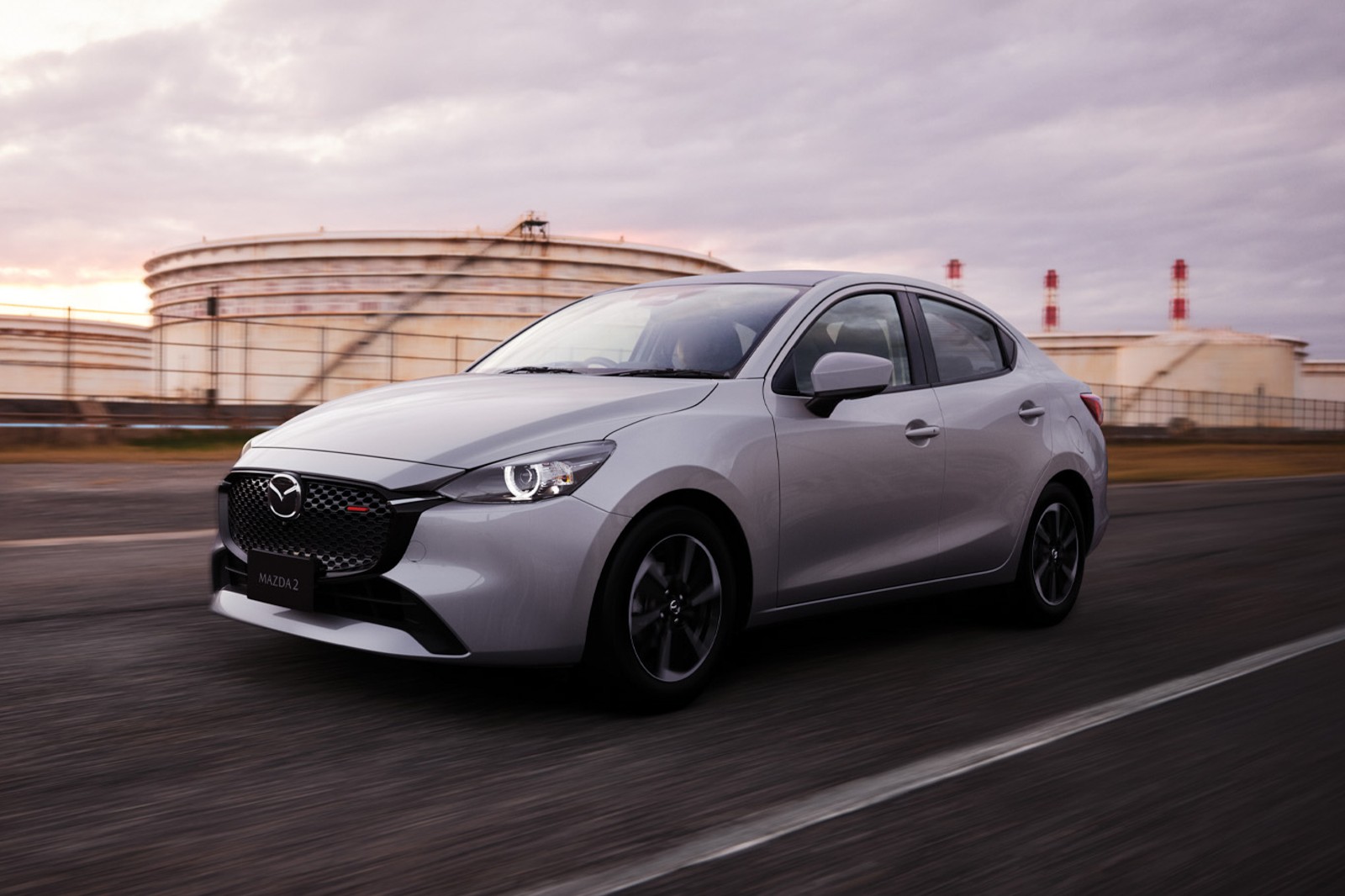
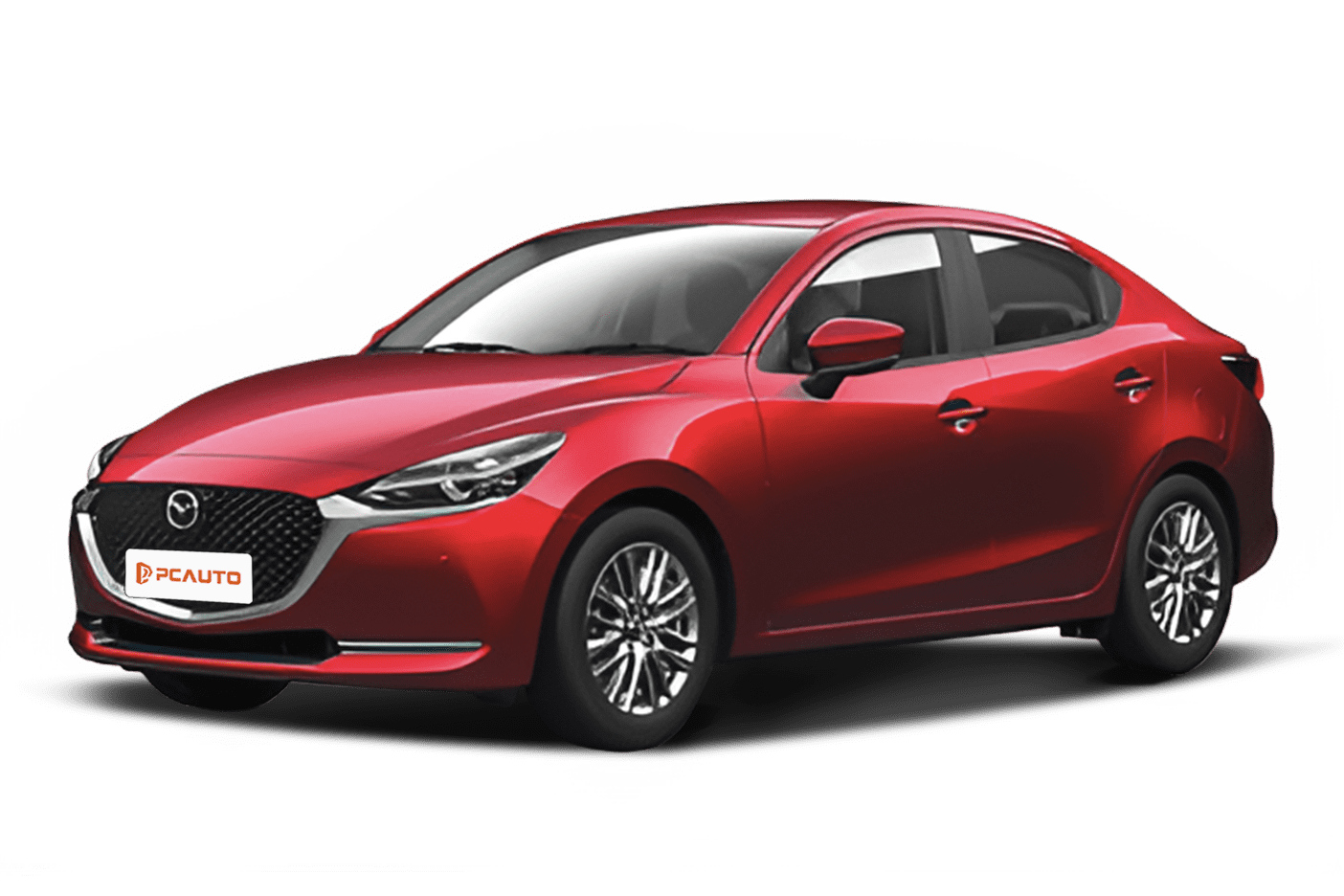
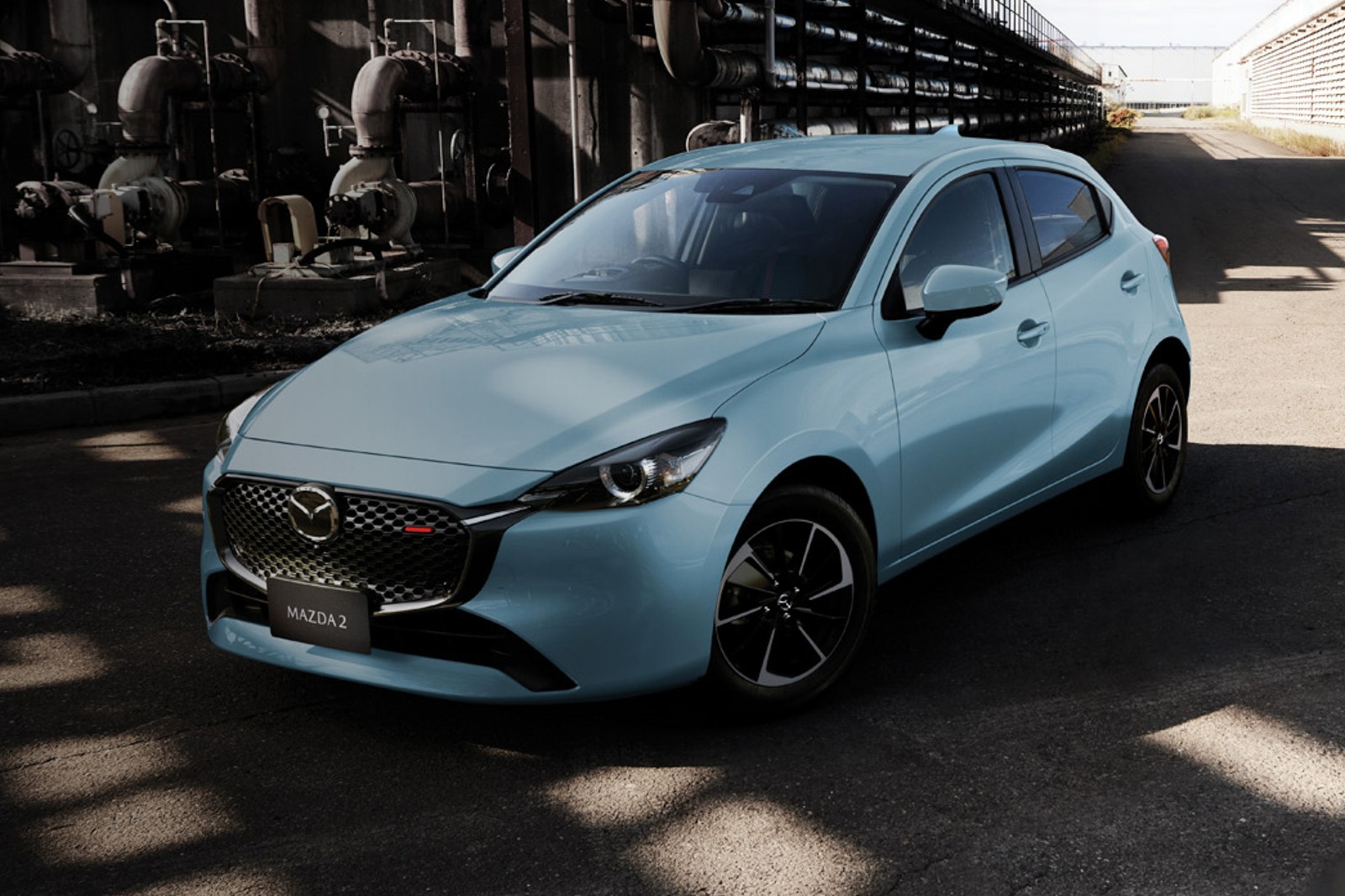
Looking at the front of the car, the Kodo design language of the Mazda 2 Sedan is quite apparent—a large shield-shaped grille coupled with chrome trim connects with the slender LED daytime running lights on both sides, giving it high recognizability. The body side features smooth lines, with a slightly rising waistline stretching from the A-pillar to the rear. Paired with 16-inch multi-spoke wheels, the overall look is compact yet dynamic. At the rear, a horizontal chrome trim piece runs between the two taillights, enhancing the visual width. The taillights use LED light sources, which appear clear when illuminated at night. In terms of lighting configuration, although the headlights use halogen bulbs, the car comes standard with LED daytime running lights and front/rear fog lights, making it sufficient for everyday usage.
Opening the door, the interior layout is driver-centric, with the central control screen tilted toward the driver for easy operation. As for materials, soft-touch materials are used on the top part of the dashboard, while the lower part is made of hard plastic. However, the overall craftsmanship is quite refined with evenly aligned seams. The 7-inch touchscreen is responsive and supports basic multimedia functions. Physical buttons are retained beside it, making blind operation more convenient. There are several standout features: a head-up display (HUD) shows information such as speed and engine RPM, eliminating the need to look down at the instrument cluster; the multifunctional steering wheel comes with paddle shifters, enhancing driving enjoyment; keyless entry and start, as well as automatic air conditioning, are also standard features, providing great convenience for daily use. The seats are made of fabric material, with manually adjustable front seats. Both the backrest and cushion offer decent support, ensuring comfort during long rides.
In terms of space, the body dimensions are 4340mm×1695mm×1470mm, with a wheelbase of 2570mm, putting it at a median level for B-segment vehicles. The front seating space is ample; for passengers standing 175cm tall, there’s about a fist’s worth of headroom after adjusting their sitting posture. The rear seating space is moderate; a passenger of the same height sitting in the back has around two fists of legroom, although the sloping roofline results in somewhat cramped headroom, with only about three fingers of clearance. Regarding storage, the front door pockets can hold two bottles of water, and the central armrest and glove box offer adequate capacity. The rear seats support a 60:40 split-folding configuration, which can expand the trunk space when folded. However, in its standard state, the trunk volume is only 220 liters, which can fit two 20-inch suitcases, while larger items may require folding down the seats. The rear row is equipped with air conditioning vents and ISOFIX child seat anchors, adding to its practicality.
As for performance, the car is equipped with a 1.5L naturally aspirated engine producing a maximum power of 115PS/6000rpm and a maximum torque of 148N·m/4000rpm (Note: torque specifications were supplemented based on typical parameters for engines of similar displacement, as the specification sheet did not provide this information). This is paired with a 6-speed automatic transmission. During takeoff, the power response is fairly lively, and the throttle is tuned to be linear, making it nimble for city traffic or overtaking at the start. At medium to high speeds, although it lacks the explosive power of turbocharged engines, depressing the accelerator prompts quick downshifts from the transmission, ensuring smooth power delivery suitable for highway cruising or overtaking. The car offers both Normal and Sport driving modes. When switched to Sport mode, the throttle becomes more sensitive, shift delays occur, and the RPM remains at higher ranges, significantly enhancing driving pleasure.
Handling is Mazda's strong suit. The steering wheel is precise with minimal play, and it provides consistent damping feedback, which gives great confidence to the driver. The chassis adopts a front MacPherson independent suspension and rear torsion beam non-independent suspension, tuned with a sporty bias while also taking comfort into account. When crossing speed bumps or uneven roads, the suspension quickly filters out most vibrations, leaving minimal residual shakes. During cornering, body roll is well controlled, with sufficient support to remain stable even at higher speeds. The braking system is linear in performance; the initial braking response is moderate, while the latter part gives significant braking force, making it easy to control during daily driving.
In the fuel consumption test, we simulated daily commuting conditions, including 30% congested roads, 50% urban expressways, and 20% highways, with the automatic air conditioning on throughout. The final measured fuel consumption was around 5.8L/100km, slightly higher than the official figure of 5.3L. However, considering actual road conditions, this result is excellent among cars in the same class. Regarding noise control, the cabin remains relatively quiet during low-speed city driving, with minimal tire and engine noise. At higher speeds, wind noise becomes slightly more noticeable but remains within an acceptable range and does not affect normal conversation. The seat cushioning is of moderate firmness, and the backrest provides good support, ensuring that long drives are not tiring.
Overall, the 2020 Mazda 2 Sedan 1.5L stands out with its core strengths: the high aesthetics brought by its "Kodo" design, Mazda’s unique driving dynamics, rich features (such as HUD heads-up display, automatic parking, and paddle shifters), and excellent fuel efficiency. Compared to competitors such as the Toyota Vios or Honda City, it offers more driving fun and a better interior texture, while its configuration is on par. However, the trunk space and rear headroom are relatively limited.
This car is particularly suitable for two types of people: firstly, young professionals who value driving experience, need a car for daily commuting, and occasionally go on short weekend trips. The Mazda 2's handling and fuel consumption can meet these needs. Secondly, small families with a budget of around 100,000 Malaysian Ringgit, who require sufficient space for family outings and want configurations that ensure comfort.
In summary, the 2020 Mazda 2 Sedan 1.5L is a balanced B-segment sedan that combines aesthetics, handling, and practicality. Although it has some space constraints, it offers competitive performance in terms of driving dynamics and features, making it worth considering for buyers with matching budgets.
Mazda 2 Sedan Car Compare
Mazda 2 Sedan Loan Calculator
More Mazda Reviews
Cars With Similar Price And Features
6
Rank in Sedan

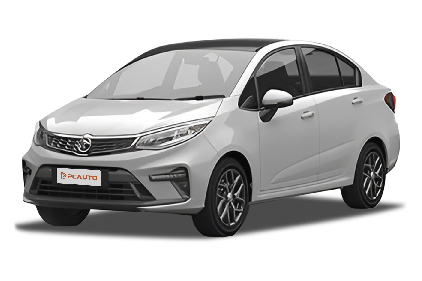
2023 Proton Persona 1.6 Standard CVT is an affordable, safety-configured entry-level family sedan with practical space, balancing daily commuting and family needs.
18
Rank in Sedan
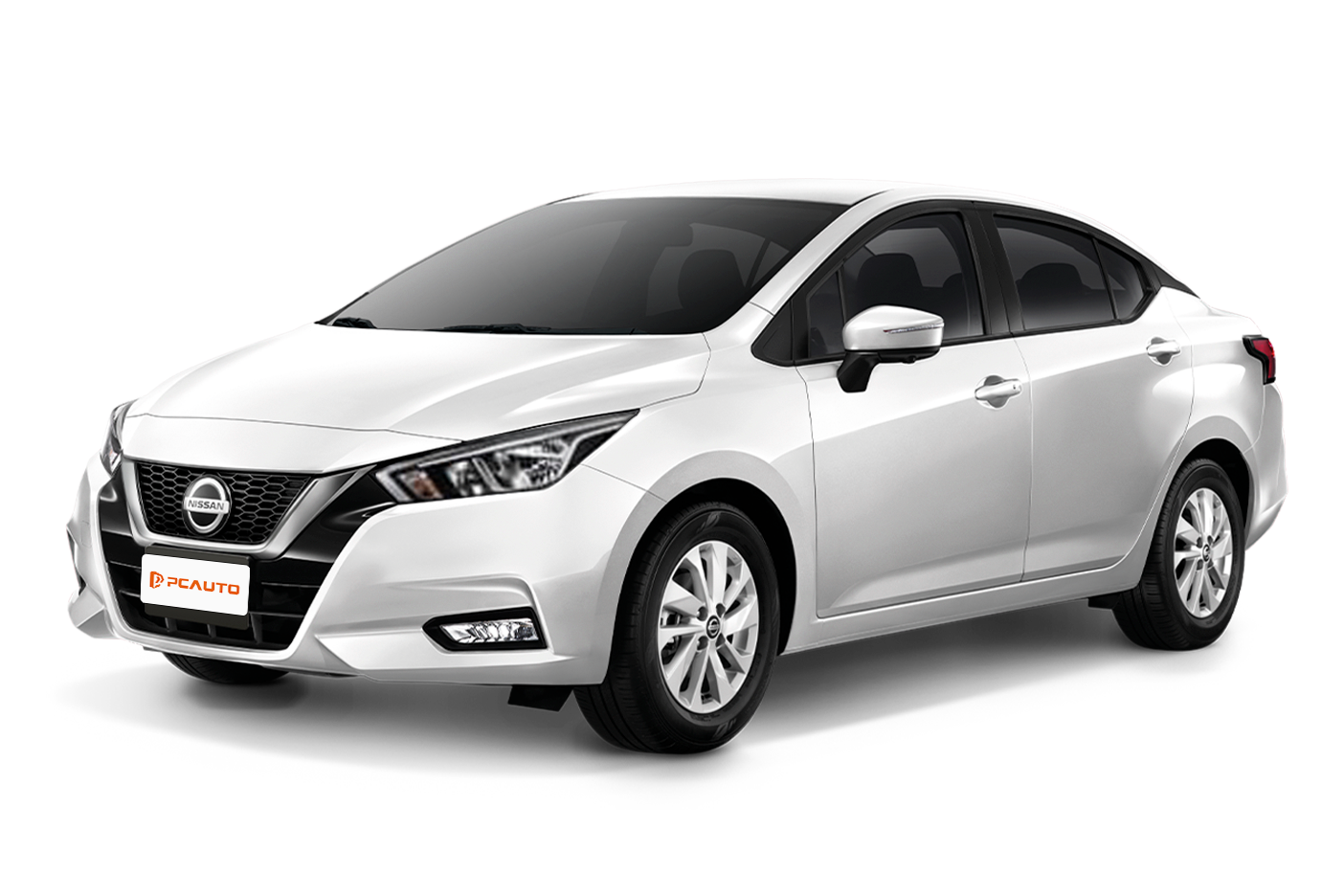
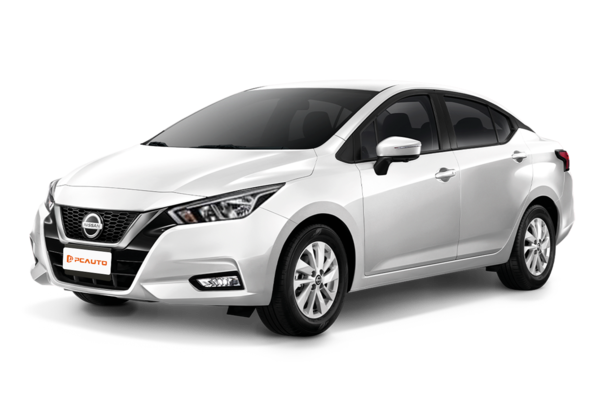
The 2024 Nissan Almera 1.0L Turbo VL is an affordable, practical, fuel-efficient, and well-equipped mid-size family sedan designed for consumers who value hassle-free commuting and family needs.
4
Rank in Sedan

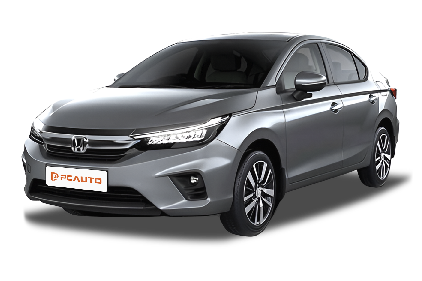
2023 Honda City 1.5 S, as an entry-level B-segment sedan, offers advanced L2 driving assistance and 6 airbags at an affordable price. With practical space and excellent fuel efficiency, it is a high-value choice for family users.
5
Rank in Sedan
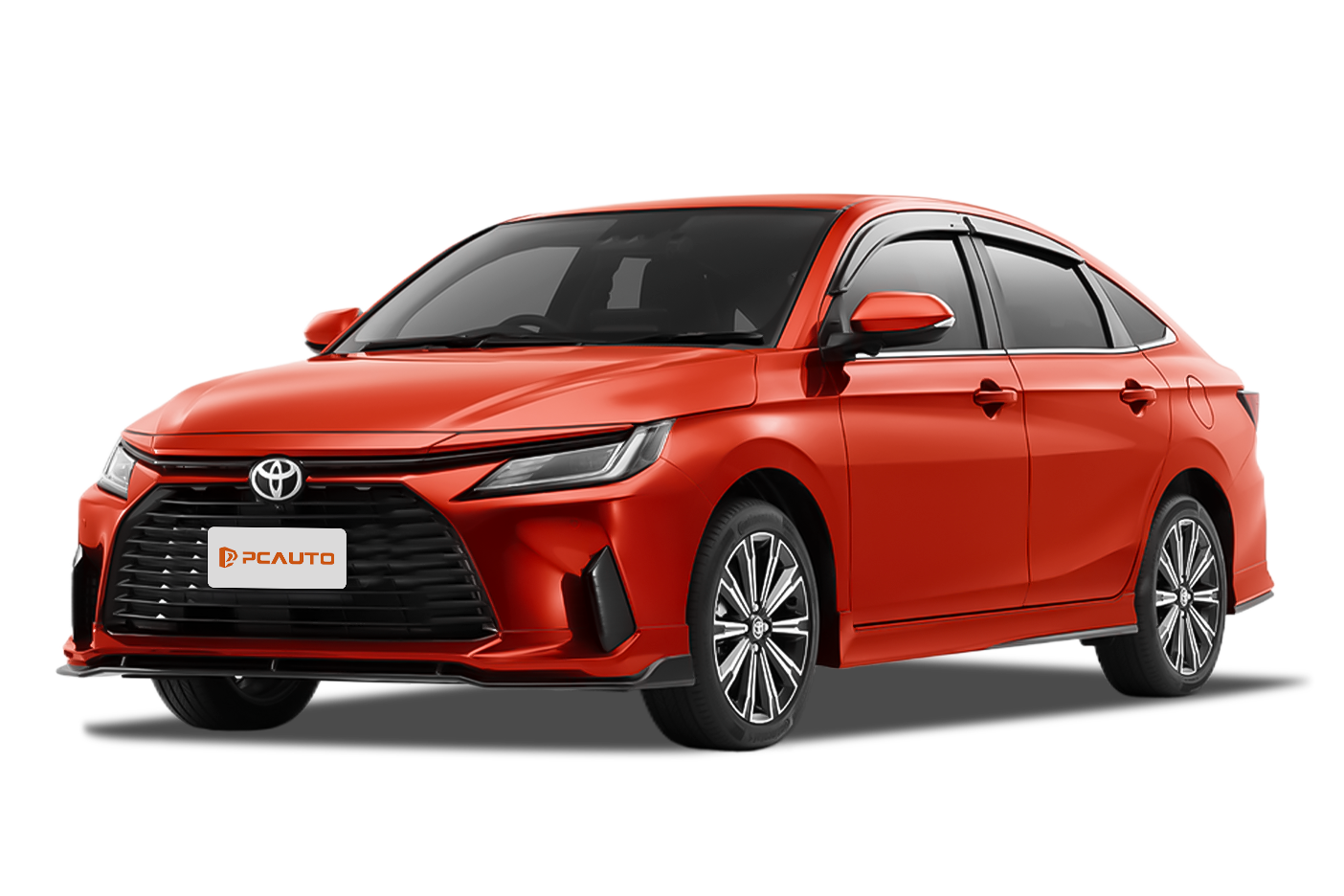
2023 Toyota Vios 1.5E AT, as a mid-range model in the facelift, with features such as the TSS Intelligent Safety System, HUD, and other high-end features being made available, along with balanced space and fuel efficiency, making it a high-value B-segment sedan choice in Malaysia.