

2020 Mitsubishi Triton Quest Review

 Share
Share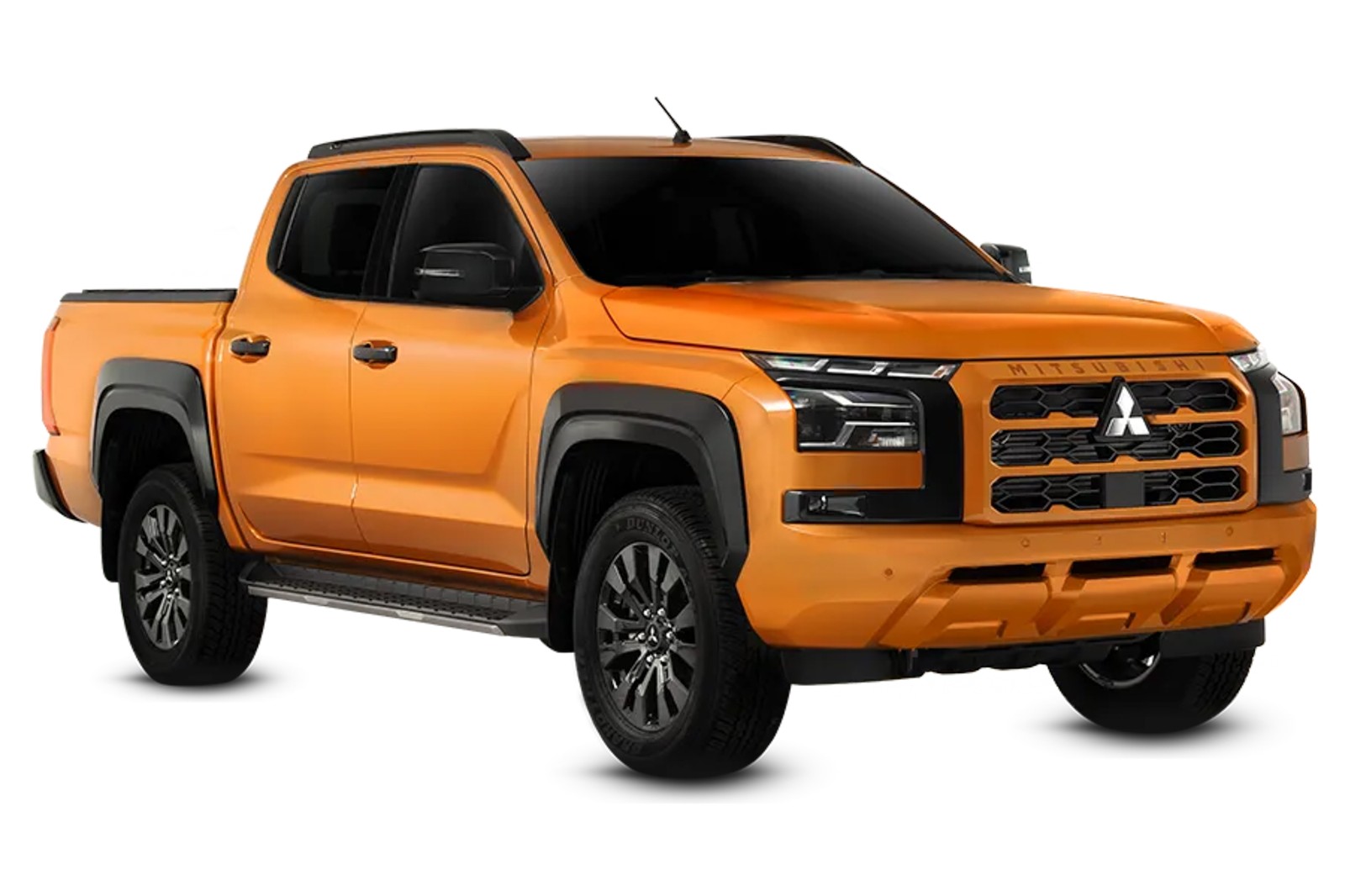
 Segment
 Body Type
 Capacity(L)
 Engine Power(PS)
 Transmission
 Driven Wheels
In Malaysia's pickup truck market, practical 4WD pickups have always been the essential choice for farm work, small-scale engineering, or outdoor enthusiasts—they need to haul cargo, handle rough roads, and stay within budget. The 2020 Mitsubishi Triton Quest targets this exact demand, offering a 2.5T diesel engine and a full-time 4WD system at a price under RM82,000, while still retaining basic comfort configurations for passengers. This time, we received a real vehicle mainly to test its balance between "work" and "passenger-carrying" capabilities to see whether it can truly cater to daily use and light off-road needs simultaneously.
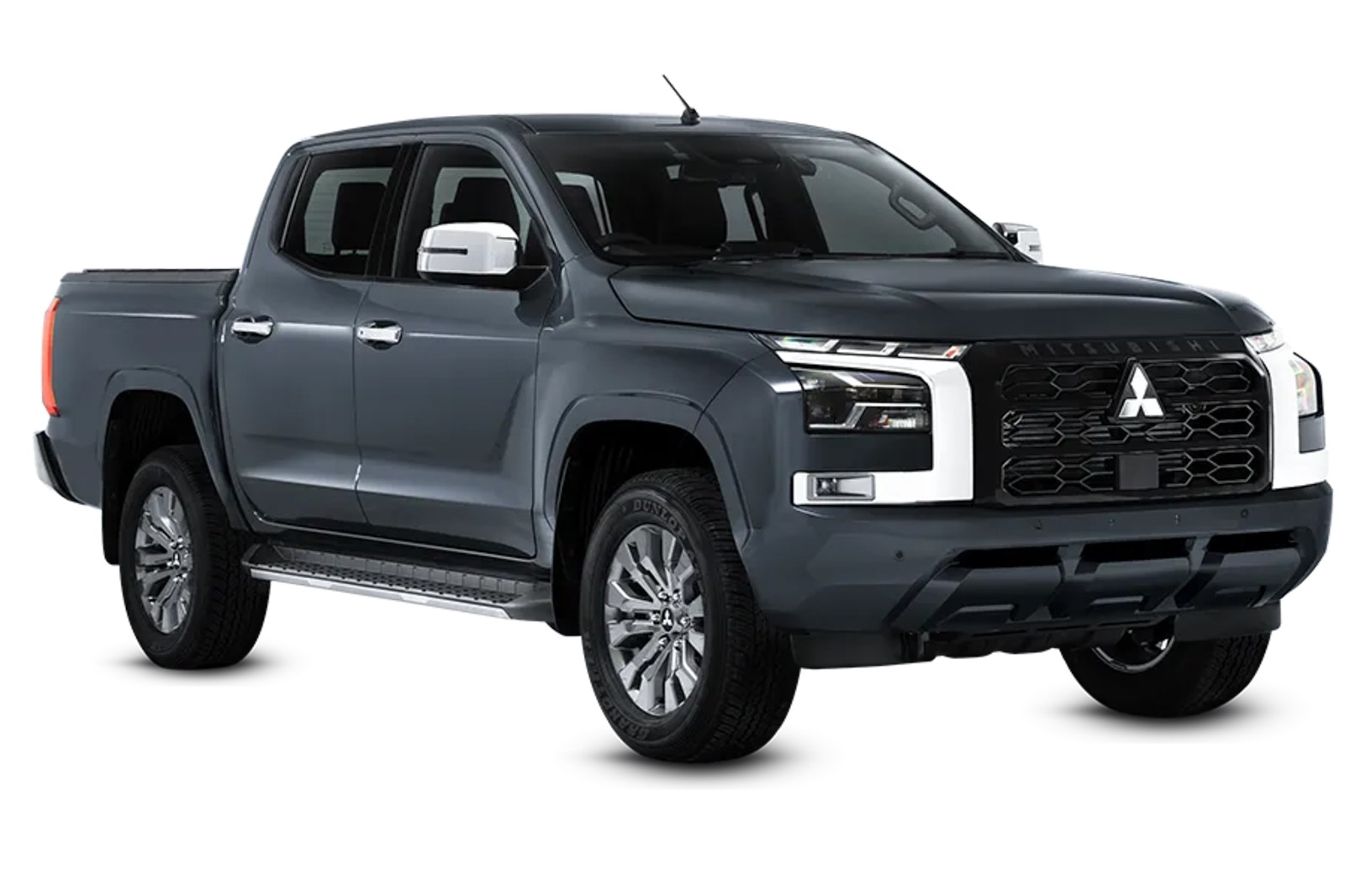
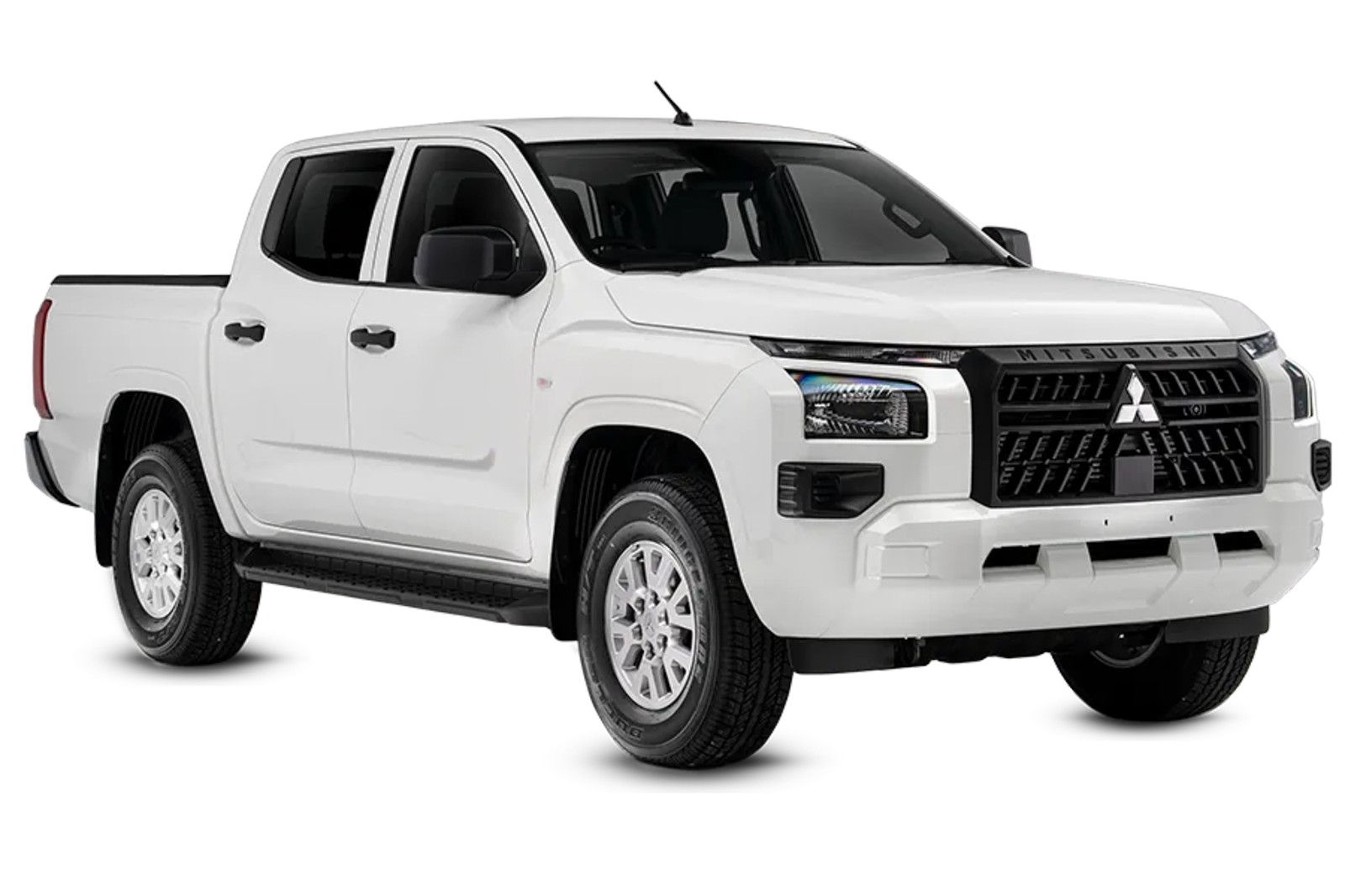
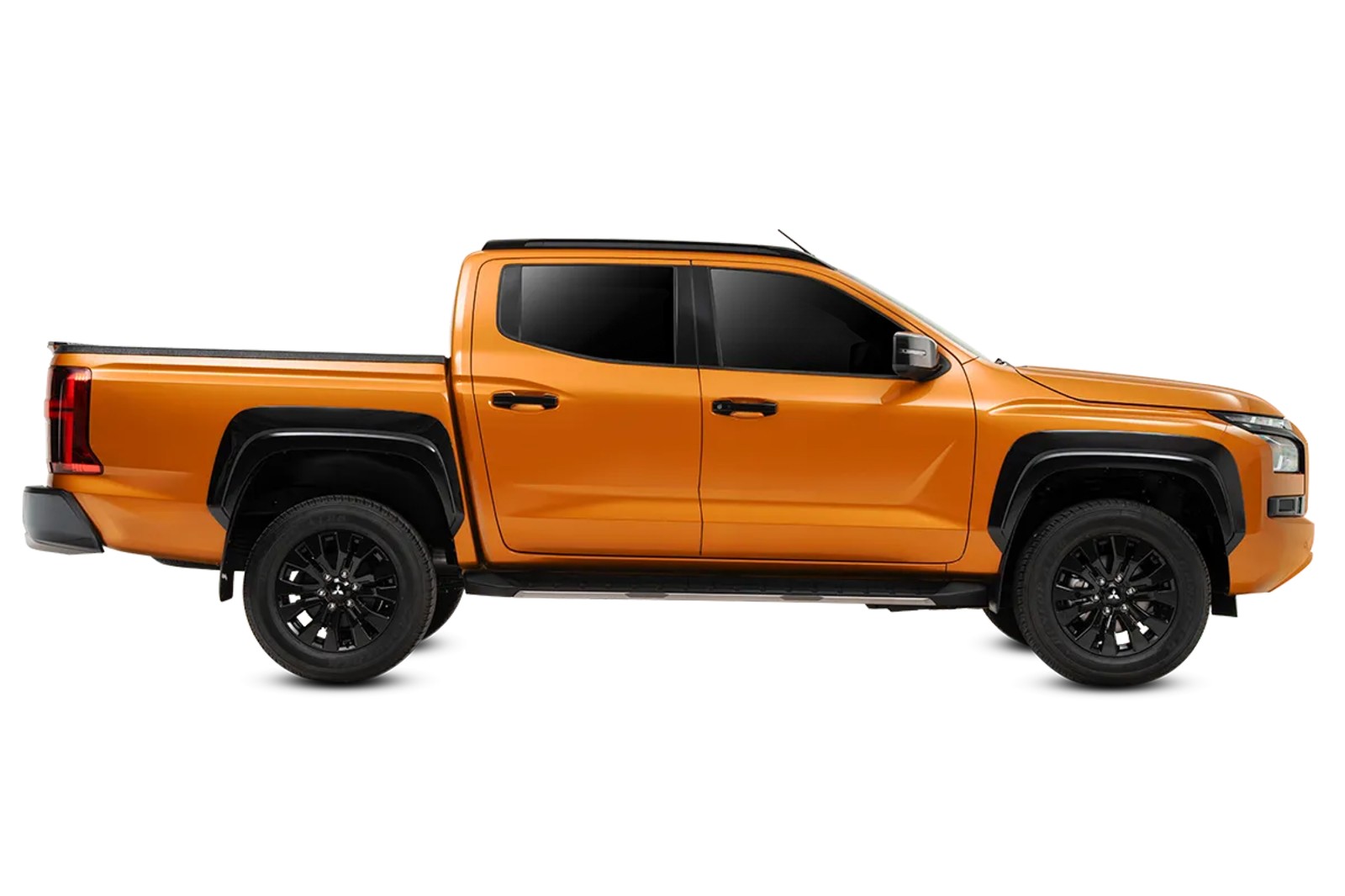
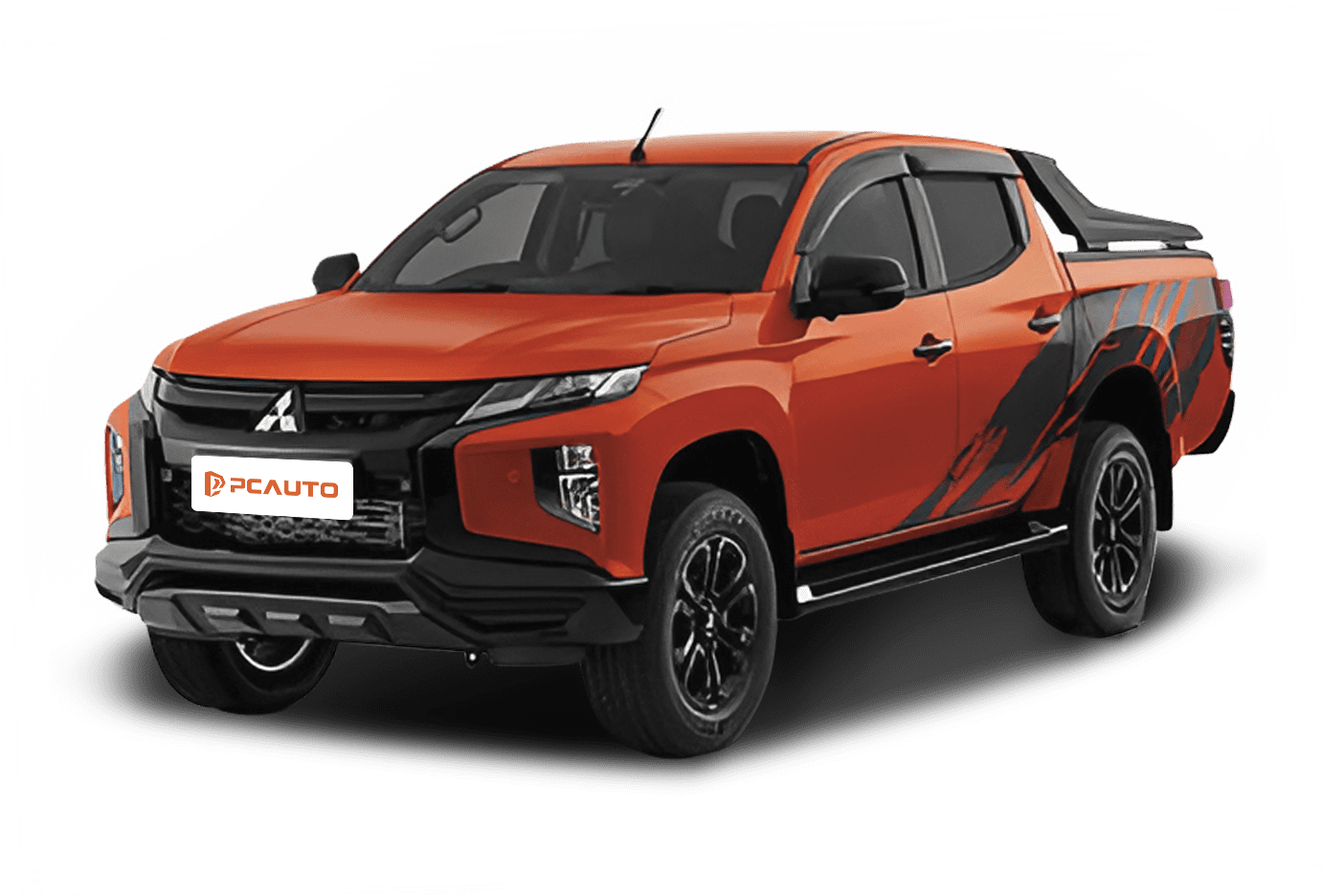
From the exterior, the Triton Quest's design follows a rugged and practical approach without excessive embellishments. The front end features Mitsubishi's signature trapezoidal grille, paired with square halogen headlights on both sides, providing sufficient recognition without being ostentatious. The side profile of the vehicle is straight, with a length of 5220mm and a width of 1815mm ensuring adequate cargo space. Door handles and side mirrors are made of black plastic material, prioritizing durability over aesthetics. The taillights at the rear are simple in shape, rear fog lights are standard, and the cargo box side panels lack additional decorative elements. The overall style is perfectly aligned with its positioning: function-oriented.
Sitting inside, the interior layout is clear but uses basic materials. The dashboard is made of hard plastic, but the joint alignment is relatively neat without obvious looseness. The standard 2-DIN head unit supports basic audio playback, and the multifunction steering wheel allows for volume control and track changes, making daily operation fairly convenient. The seats are fabric material, with the front seats supporting manual adjustments. The support from the backrest and seat cushion is sufficient, so long trips are not overly tiring; the rear seats come equipped with a folding armrest. Although the middle seat lacks a headrest, short-distance passenger comfort is better than some pickups in the same price range. In terms of space, the 3000mm wheelbase provides around two fists' worth of rear legroom, and the vehicle height of 1655mm ensures headroom is not cramped. Storage compartments are primarily located on the door panels and below the central control panel, which are sufficient for storing phones, water bottles, and other small items.
In terms of power, the Triton Quest is equipped with a 2.5T diesel engine delivering a maximum power of 110PS and achieving maximum torque as early as 2000rpm, paired with a 5-speed manual transmission. As long as the clutch bite point is appropriately engaged during takeoff, low-end torque is strong and feels reliable when fully loaded or climbing. During acceleration, power delivery is fairly linear between 2000rpm and 3500rpm, and downshifting a gear provides sufficient torque for overtaking. There's only one standard driving mode, but the characteristics of the diesel engine allow it to perform confidently at low speeds. Regarding fuel consumption, our tests on mixed road conditions showed a fuel consumption of about 8.5L per 100km, with a fuel tank capacity of 75L, enabling a range of approximately 850 kilometers on a full tank—ideal for long-distance trips to construction sites without frequent refueling.
The handling and chassis performance align with the positioning of a pickup truck. The steering wheel feels heavy, with average precision—it is not tiring to drive daily but doesn’t offer much driving pleasure. The combination of a double-wishbone independent front suspension and rear leaf springs performs well on rough roads: when driving over uneven surfaces, the suspension filters out most of the bumps, and the vehicle body doesn’t exhibit significant bouncing. The rear leaf springs have strong load-bearing capacity, and the rear doesn’t noticeably sag even when loaded with half a ton of cargo. The 4WD system is full-time, and while there’s no low-range 4WD mode, it performs significantly better than two-wheel-drive pickups on muddy or gravel roads. In our off-road tests on light trails in the countryside, it managed to navigate through all but the deepest ruts without difficulty.
In terms of comfort, the performance of the Triton Quest is considered average among pickups in the same price range. The noise of the diesel engine is quite noticeable at idle, but once driving, the wind noise and tire noise are fairly controlled, and conversations inside the car below 60km/h don’t require raising your voice deliberately. The fabric material of the seats has good breathability, so it doesn’t feel too stuffy even during long periods in the summer. Although there are no rear air conditioning vents, the cooling effect of the manual air conditioning in the front is adequate, and rear passengers can still feel the cool air. However, the manual key and lack of a reversing camera might take some getting used to, especially for new drivers. Fortunately, rear parking sensors come standard, which helps reduce the risk of scratches while reversing.
Overall, the core advantage of the 2020 Triton Quest is very clear: for a price under RM82,000, you can get a diesel pickup with four-wheel drive while maintaining basic passenger comfort. Compared to the base model of the Isuzu D-Max in the same class, it offers more rear space and additional features like a multifunction steering wheel and rear armrest. Compared to the entry-level Toyota Hilux, it is nearly RM10,000 cheaper, offering better value for money. It is ideal for specific groups of people such as farm owners, small construction business owners, or outdoor camping enthusiasts who need a vehicle capable of transporting goods, handling rough roads, and occasionally carrying family members on short trips.
In summary, the Triton Quest is not a pickup that aims for luxury or performance; rather, it is a practical tool that is “just enough.” Its power meets daily needs, the four-wheel-drive system can handle light off-road conditions, and its space and configurations are sufficient for everyday use, while the price is kept within a reasonable range. If you need a reliable “workhorse” and don’t want to sacrifice too much passenger comfort, the Triton Quest is a worthy choice in this price range.
Mitsubishi Triton Car Compare
Mitsubishi Triton Loan Calculator
More Mitsubishi Reviews
Cars With Similar Price And Features
5
Rank in Pickup
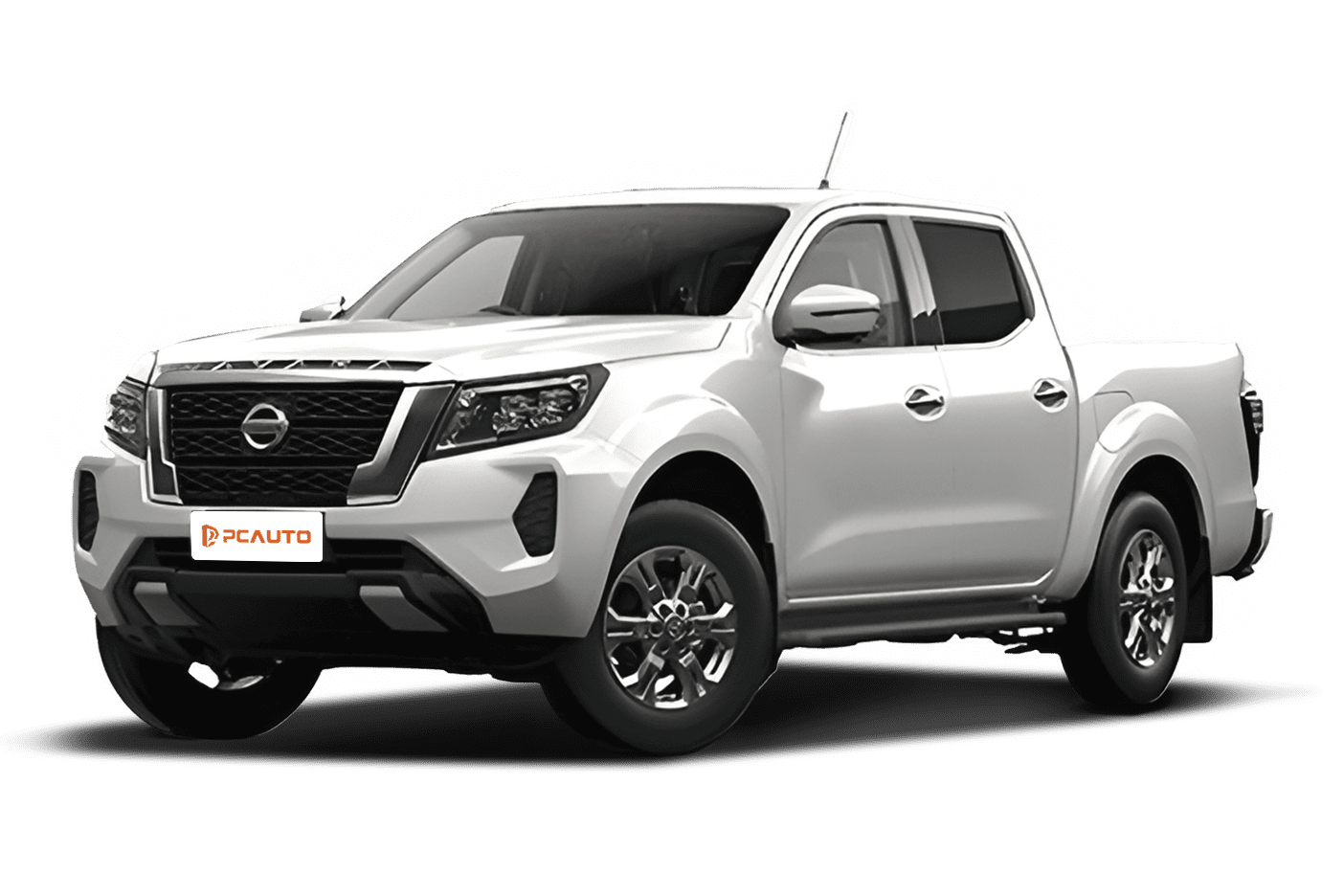
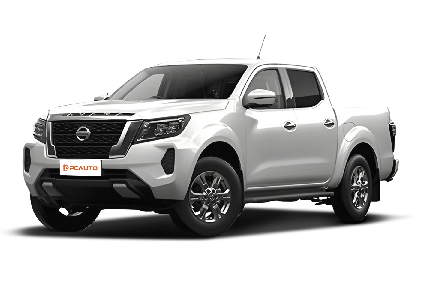
2023 Nissan Navara 2.5 VL Black Edition is a pickup truck that balances household comfort with light off-road capability, featuring exclusive black trims, a full suite of active safety features, and practical configurations, precisely catering to the needs of families and small business owners.
4
Rank in Pickup
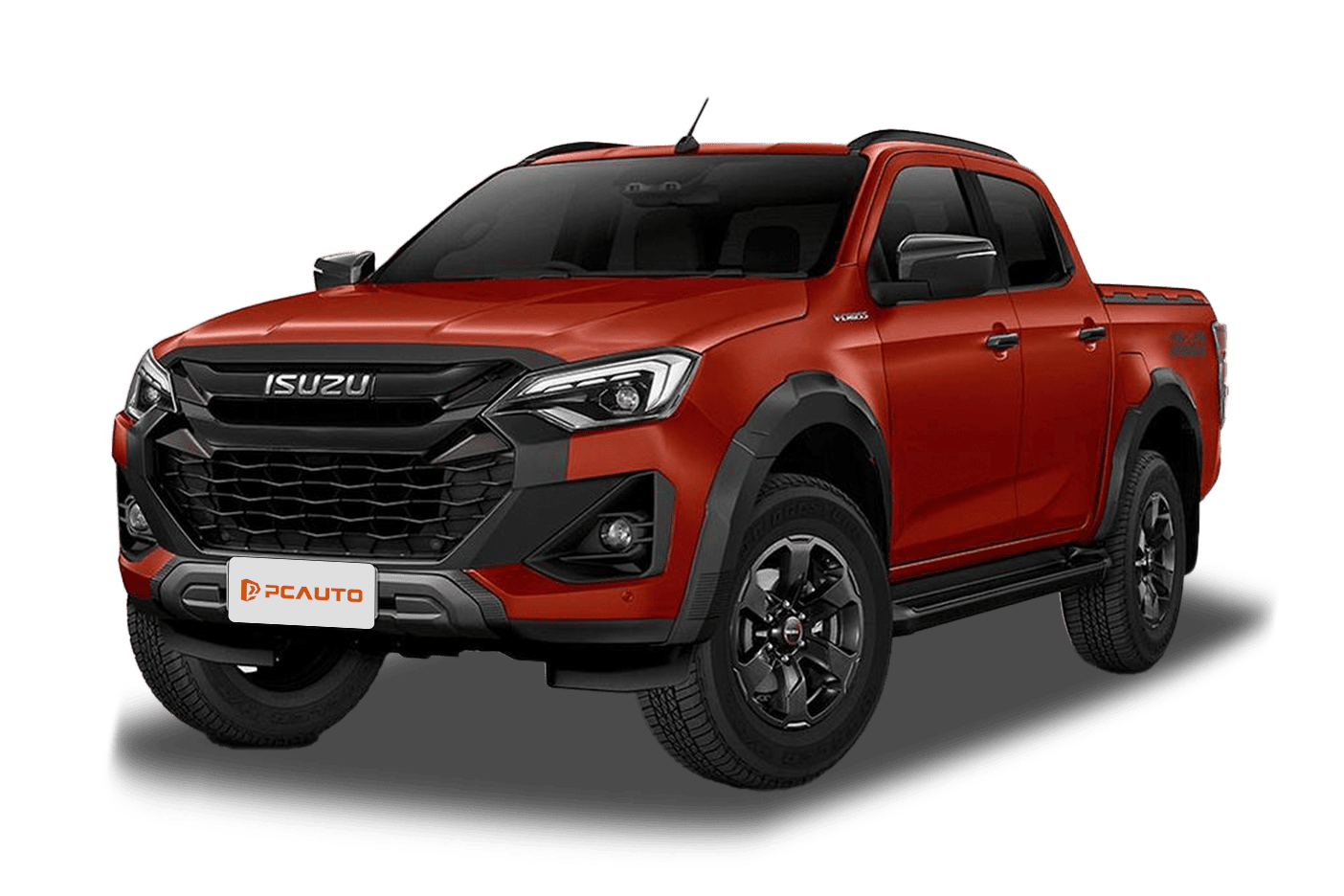
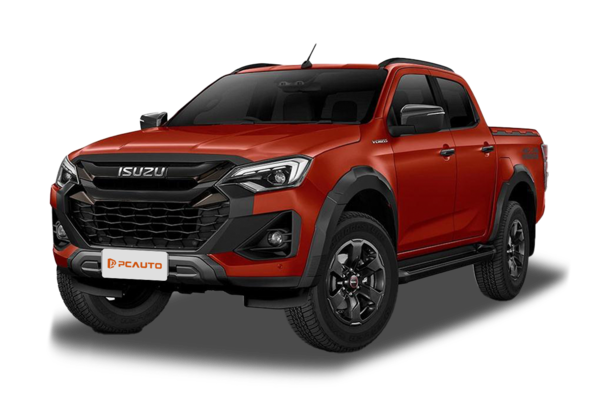
2025 Isuzu D-MAX 1.9L 4x2 Low Ride is an entry-level passenger pickup, offering a balance of practical space, reliable diesel performance, and fuel economy, suitable for family transport and small business cargo needs.
3
Rank in Pickup
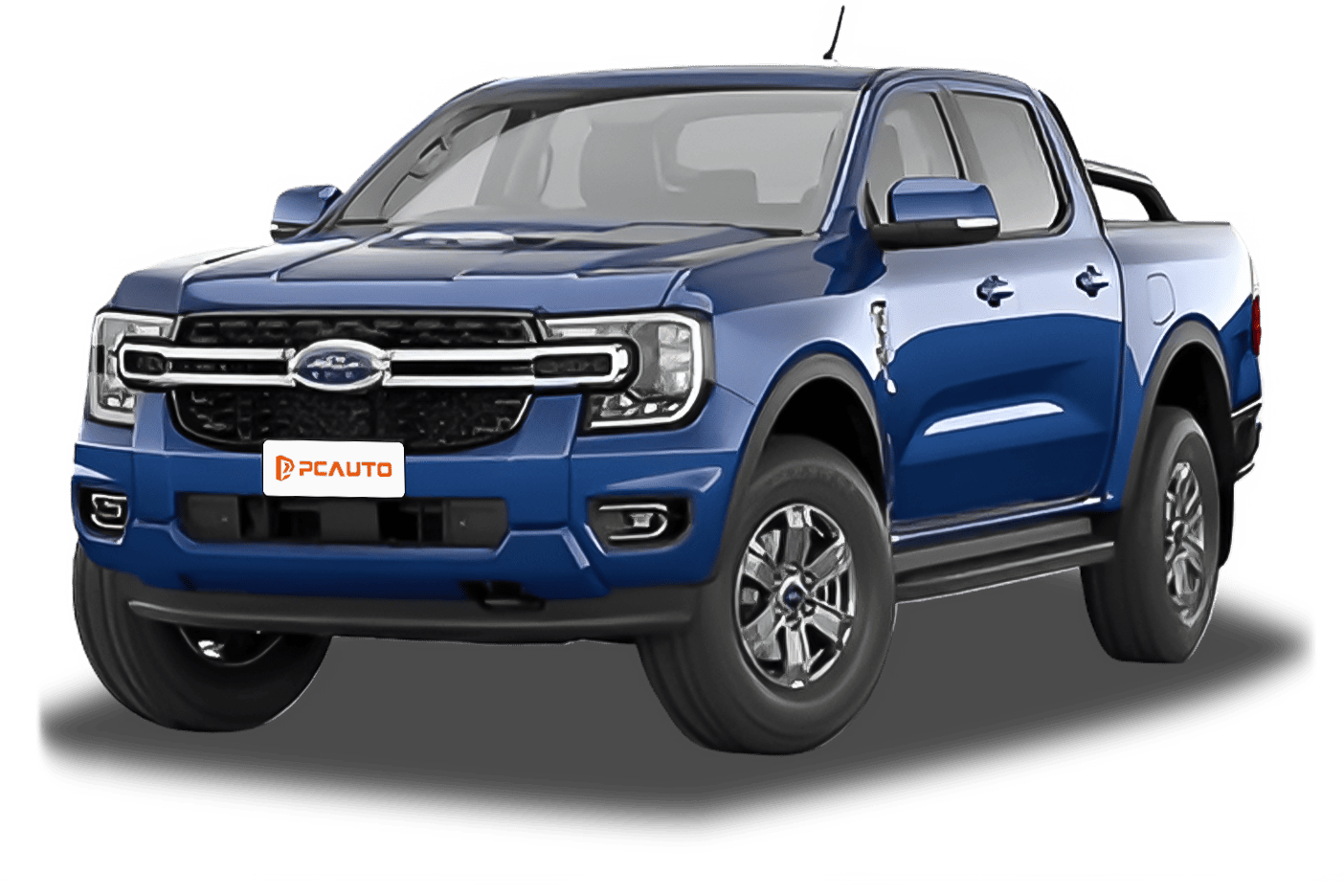
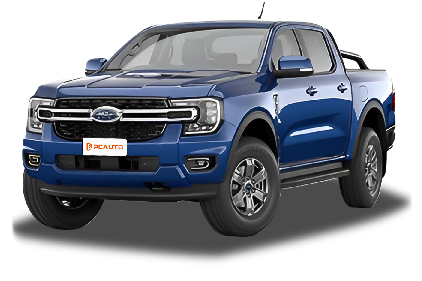
2023 Ford Ranger WildTrak is a mid-to-high-end pickup truck that balances the comfort of daily commuting with the practicality of cargo and off-road capabilities. It features powerful performance, ample space, and practical configurations, making it a versatile choice for both family and work scenarios.

2023 JMC Vigus Pro White Series 2.0L 4WD 8AT combines rugged design, practical features, and powerful diesel performance, balancing everyday durability and mild off-road needs, making it a high-value choice for pickup users.