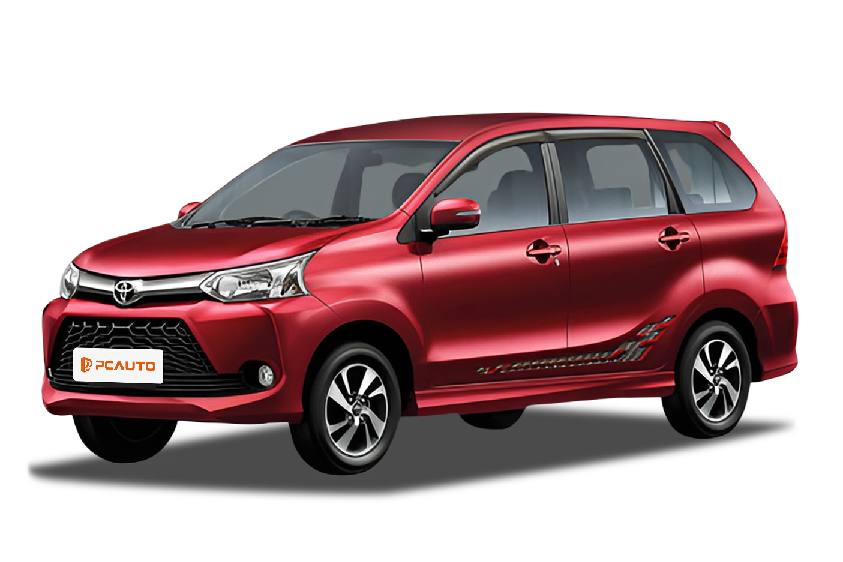
Toyota photo

2020 Toyota RAV4 2.0L Review

2020 Toyota RAV4 2.0L is a joint-venture C-SUV focusing on the all-series TSS intelligent safety system, flexible space, and balanced power, making it suitable for family users who value safety and practicality.
Toyota RAV4 photo
RM 196,436
2020 Toyota RAV4 2.0L
Segment
C-Segment
Body Type
SUV
Capacity(L)
2.0
Engine Power(PS)
173
Transmission
CVT
Driven Wheels
Front Wheel Drive
Review
User Review
Specs

The competition in Malaysia's C-Segment SUV market is currently fierce. Consumers not only demand practical space but also value safety configurations and fuel economy. As a popular choice in this segment, the 2020 Toyota RAV4 2.0L has attracted significant attention with its TSS intelligent safety system as standard across all models, flexible space layout, and balanced power performance. This time, we got the chance to test the car, focusing on verifying whether its daily driving experience meets the needs of family users and whether its configuration advantages truly stand out among competitors in the same class.

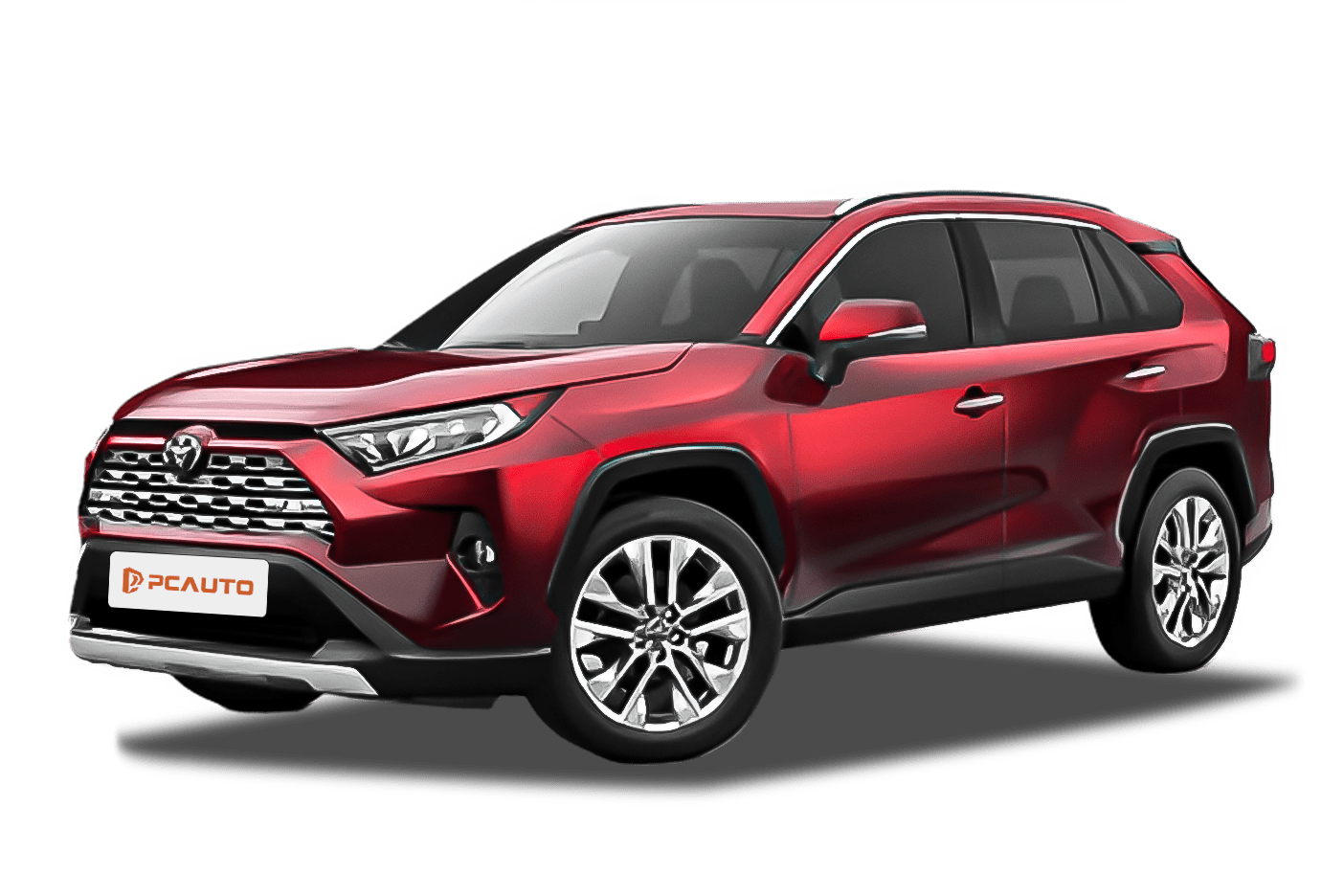
At first glance, the 2020 RAV4 2.0L exudes a tougher design style compared to its predecessor. The trapezoidal front grille, paired with a rugged lower bumper and sharp LED headlights, results in a highly recognizable appearance. The sides of the car feature lines extending from the fender to the rear, creating a strong sense of musculature, while the 18-inch wheels strike a perfect balance without looking too small. At the rear, the layered tail lights echo the design of the front, with a silver rear bumper skid plate adding a touch of off-road character. It's worth noting that the standard LED headlights and daytime running lights provided across all models have adequate brightness when turned on, and the automatic headlights function can quickly switch modes in tunnels or cloudy conditions, making them highly practical.

Once inside, the interior features a symmetrical layout. Although the central control screen is only 7 inches, its operational logic is clear, and the touchscreen response is quite sensitive. Regarding materials, the upper part of the dashboard is covered with soft plastic, complemented by silver trim accents, giving an overall quality above the average level in this class. The driver’s seat supports 8-way electric adjustment and comes with lumbar support and memory functions, allowing long-distance driving to be more comfortable; the passenger seat is manually adjustable. The rear seats can be folded in a 60:40 split and reclined. Once folded, the floor is nearly flat, making it convenient to transport larger items. In terms of features, dual-zone automatic air conditioning, keyless entry and start, and rain-sensing wipers are all standard, ensuring convenience for daily use.

In terms of space, the body dimensions of the 2020 RAV4 2.0L are 4600mm×1855mm×1685mm. Although the official axle space data is not explicitly mentioned, in actual experience, a 175cm tall passenger sitting in the rear still has about two fists of legroom, and there’s no sense of tightness around the head. The rear is equipped with air conditioning vents, and there’s also plenty of storage, with front door pockets capable of holding two water bottles and the central armrest box offering decent depth. However, the rear middle floor has a slight bulge, which might slightly affect the legroom of the middle passenger when the row is fully seated with three people.

In terms of power, the 2.0L naturally aspirated engine delivers a maximum horsepower of 173PS, with peak torque unleashed at 4500rpm, paired with a CVT gearbox. During daily commuting, the starting is quite smooth, with no significant jerking observed during acceleration. Pressing the accelerator harder allows the gearbox to simulate gear shifts, progressively enhancing power output. However, when overtaking, you may need to allow a bit of extra space beforehand. In normal and economy modes, the power response leans towards comfort, while the sport mode makes the throttle noticeably more responsive. Regarding handling, the steering is relatively precise with minimal play, and the suspension is tuned on the firmer side. Although bumps from speed bumps are noticeable, the vehicle maintains good stability during high-speed cornering, with body roll kept within an acceptable range.

In the fuel consumption test, we simulated typical commuting conditions, including 30% congested roads and 70% highways. The final fuel consumption was around 6.5L per 100 kilometers, slightly higher than the official 4.8L, but considering actual road conditions, this result is still quite satisfactory. In terms of noise control, wind and road noise become more noticeable at high speeds but remain within an acceptable range and do not interfere with normal conversations inside the car. The seat comfort is quite good, with the lumbar support of the driver's seat effectively alleviating fatigue during long drives.

Overall, the core strengths of the 2020 Toyota RAV4 2.0L lie in its extensive safety features and practical interior design. The standard inclusion of the TSS intelligent safety system throughout the range is relatively rare among competitors in its class and provides additional reassurance for family users. Compared to rival vehicles in the same segment, its configuration advantages are evident. Although its performance is average, it is entirely sufficient for daily use. This car is more suitable for families that prioritize safety and practicality or consumers with a limited budget who want to purchase a compact SUV from a joint venture brand. If you need a car with enough space, comprehensive features, and economical fuel consumption for everyday commuting, the 2020 Toyota RAV4 2.0L is a good choice.

Pros
The appearance is tough and unique, with pearl white paint that is dirt-resistant, eye-catching, and worry-free under tropical sunlight.
The CVT gearbox is smooth, with no jerking in city traffic jams, providing a good daily commute experience.
The interior is practical and comfortable, with dual-zone air conditioning cooling quickly, and electrically adjustable seats with lumbar support and memory function.
Cons
2.0L naturally aspirated engine shows insufficient power for uphill driving, deep throttle response is slow
The 7-inch central control screen is relatively small, and you need to get closer when using navigation, affecting user experience
Some interior plastic parts are relatively hard, especially in the door panel areas, lacking a premium touch
Overall Rating
4.4
Excellent
From 5 Reviews
Section Rating
Performance
4.4 / 5
Interior Design
4.2 / 5
Safety
4.4 / 5
Exterior Design
4.4 / 5
Showing 5 reviews
4 Excellent
CRV_4WD
Owner of 2020 Toyota RAV4 2.0L
As the owner of a 2020 RAV4 2.0L, I've been driving it in Malaysia for almost two years, and overall, I'm quite satisfied! First, the exterior—absolutely deserves a full 5 stars! The rugged lines stand out among the many rounded SUVs on the road here, and every time I park at Lalaport, it catches people’s attention. The pearl white paint is resistant to dirt under the tropical sun, and one wash keeps it shiny for a week, which is super convenient. Performance gets 4 stars—good enough for daily use but not surprising. During Kuala Lumpur's congested morning rush hour, the CVT gearbox is as smooth as silky milk tea, and stepping on the gas won't cause any jolts. On weekends, when I take my family to Genting Highlands, the 2.0L naturally aspirated engine feels a bit "weak" going uphill. Stepping hard on the accelerator increases the RPM, but the power takes a while to kick in. Still, it's absolutely sufficient for family use. Fuel consumption is about 7L in the city and 5L on the highway, which is slightly higher than the official rating of 4.8L. However, since fuel prices in Malaysia are not too expensive, my monthly fuel cost is around RM300, which is acceptable. The interior also gets 4 stars—Toyota's practicality is fully on display here. The dual-zone climate control cools down super quickly in 38-degree weather. The driver's seat has an 8-way electric adjustment with memory function, so my wife and I don't need to keep readjusting the seat when we take turns driving. The 60:40 split-folding rear seats can accommodate our kid's bike and camping gear. But the 7-inch center screen feels small; when using CarPlay for navigation, the text is hard to read without leaning in close. If it had a larger screen, it would be perfect. Safety deserves 4 stars! There are a lot of motorbikes in Malaysia, and the lane departure warning and forward collision warning have saved me twice. Once, a motorbike suddenly swerved out, and the system automatically braked for me. Another time, I briefly lost focus on the highway and drifted over the line, and the steering wheel immediately vibrated to alert me. With seven airbags and front/rear parking sensors, it feels very reassuring, especially when traveling with kids. The ISOFIX interface also makes installing a child seat convenient—Toyota has done a great job here. In conclusion, as a family SUV, the RAV4 performs well under Malaysian road conditions. If only it had stronger power and a bigger screen, it would be perfect. But as it stands, it can definitely score 80 points!
5 Excellent
FerrariF8
Owner of 2020 Toyota RAV4 2.0L
As a 2020 RAV4 2.0L owner, I have been driving it in Malaysia for almost two years, and the overall experience has been pretty good! Let's talk about the performance first, giving it 4 stars because it’s completely sufficient for daily commutes—during Kuala Lumpur's morning rush hour, the CVT transmission is very smooth, and the throttle response is timely; on weekends, when taking my family to Genting Highlands, although the 2.0L naturally aspirated engine isn't as powerful as a turbo, as long as you push the accelerator, the power is still adequate. The small regret is that when overtaking trucks on the highway, you have to step on the accelerator in advance. Safety deserves full marks! Malaysia has a lot of rainy days. Last time, on the North-South Expressway, I encountered a sudden downpour, and the lane departure warning system corrected the steering direction to prevent me from crossing the lane. On another occasion, on the LDP highway, the car ahead suddenly braked, and the forward collision warning alerted me immediately, allowing me to brake in time and avoid a rear-end collision. With 7 airbags + front and rear sensors, taking kids out becomes especially reassuring, and the ISOFIX interface makes installing a child seat super convenient. I’ll give the interior 4 stars because it's practical—power adjustable front seats with lumbar support ensure no sore back on long journeys; dual-zone air conditioning is crucial in Malaysia. I like it cool at 18 degrees, while my wife likes it warm at 24 degrees, and it doesn’t affect each other. However, the 7-inch central control screen is a bit small; you have to lean closer when viewing the navigation. It would be perfect if it were bigger. Overall, this car performs reliably on Malaysian roads, with top-notch safety features and practical interiors. It's really suitable as a family SUV!
5 Excellent
GT_R35
Owner of 2020 Toyota RAV4 2.0L
As the owner of a 2020 Toyota RAV4 2.0L, I've been driving it in Malaysia for almost two years, and the part I want to praise the most is the interior! The first feeling when you sit inside the car is comfort. The front seats are electrically adjustable, with lumbar support and memory functions. For someone like me who spends one to two hours daily stuck in traffic in Kuala Lumpur, my back doesn't hurt at all. The rear seats can be folded down and the angle can be adjusted. On weekends when I take my family to Genting Highlands, my parents can almost lie down and rest comfortably in the back, and the space is quite ample — it doesn’t feel cramped even with three adults sitting there. The dual-zone air conditioning is incredibly practical in Malaysia. I prefer it cooler while my wife dislikes the cold, so we adjust our own temperatures without affecting each other. The attention to detail is very thoughtful. I am also quite satisfied with the safety features. On Malaysian highways where motorcycles sometimes suddenly appear, the forward collision warning and lane departure alert have been immensely helpful. There were two instances where I almost got distracted, but the system's beeping reminded me immediately, snapping me back to attention. The 7 airbags also give me peace of mind, especially when traveling with children. The ISO FIX interface allows me to secure the child safety seat in place instantly without fumbling with the seatbelt. However, I would give it 4 stars because I feel it would be even better if it had a 360-degree panoramic camera. After all, parking lots in Kuala Lumpur can be really small, and it would be easier for new drivers to park. Now it only has front and rear sensors, so I still have to be extra careful at times. Overall, this car is truly well-suited for use in Malaysia. The interior is comfortable, the safety features are reliable, and it’s undoubtedly a great choice as a family car!
4 Excellent
Ioniq5
Owner of 2020 Toyota RAV4 2.0L
As the owner of a 2020 RAV4 2.0L in Malaysia, I've been driving it for almost two years and I'm overall quite satisfied! Let's start with the interior; giving it 4 stars is definitely fair. The central console layout is very clear, the 7-inch touchscreen responds quickly, and the dual-zone air conditioning is especially practical during the hot days in Kuala Lumpur. The front row can be set to 20 degrees while the passenger seat can be adjusted separately for more cooling. The seats are made of genuine leather, with an 8-way electric adjustment and lumbar support, so even long-distance drives (e.g., to Genting Highlands) don’t feel too tiring. The back seats can also fold down — last time during my move, I managed to fit three large boxes without any problems. However, there are slightly too many plastic components, especially on the door panels, which feel a bit stiff. If they were softer, it would be even better. In terms of safety, I also rate it 4 stars. It’s equipped with 7 airbags as standard, along with lane departure warning and forward collision alert. Last time on the highway in Penang, the car in front of me suddenly braked hard, and my RAV4 immediately alerted me and even helped brake, which truly saved my life! However, the lane-keeping assist warning sound is a bit too low; sometimes, when the music is on, it can be hard to hear. I hope this can be improved. As for performance, the 2.0L engine is entirely sufficient for city driving, and the CVT transmission is very smooth. During traffic jams (like during rush hour on Jalan Ampang), there’s no jarring or jerky feeling. Fuel consumption is quite impressive, too — the official figure is 4.8L/100km, and in my real-world experience, it’s around 5.5L. One full tank gets you about 1,000 kilometers, much more economical than my previous car. However, when driving up to Genting Highlands, it does feel a bit underpowered, and I need to press the accelerator harder. Still, for family use, it’s completely adequate! All in all, the RAV4 performs very reliably on Malaysian roads. It’s suitable for family use and occasional getaways to nearby places. Highly recommended!
5 Excellent
SonicRS
Owner of 2020 Toyota RAV4 2.0L
As the owner of a 2020 RAV4 2.0L, having driven it in Malaysia for almost two years, what I want to praise the most is its safety features! Malaysia has many highways and narrow rural roads. Several times on the North-South Expressway, I encountered cars suddenly changing lanes, and the forward collision warning immediately beeped and assisted in braking to slow down, which really saved me a few times. Last time, when taking my child to Cameron Highlands, the mountain roads had many bends, and the lane departure warning was also very sensitive, alerting whenever I slightly crossed the line. Plus, with 7 airbags, it’s especially reassuring when traveling with family. Safety definitely gets 5 stars—absolutely flawless! As for the exterior, I chose the dark grey color. The RAV4’s rugged lines look quite attractive under the Malaysian sunlight, especially the trapezoidal grille, which looks much sharper compared to the older models! However, I feel the rear design is a bit too boxy. The first time I saw it, it looked slightly “awkward,” but I got used to it over time, and now I find it quite acceptable. I’d give the exterior 4 stars—not perfect, but still decently stylish. In terms of performance, the 2.0L naturally aspirated engine paired with a CVT is especially smooth when commuting during rush hours in Kuala Lumpur. It doesn’t jerk when you step on the accelerator, making it easy to follow other vehicles. On weekends, driving to Genting Highlands, although it’s not as powerful as a turbo engine when climbing hills, the response is sufficient when you step harder on the accelerator. Surprisingly, the fuel consumption can go as low as around 5.2L, even better than the official figures. Given the rising fuel prices in Malaysia, this is very economical! Whether for city commuting or long-distance travel, this powertrain combination is very suitable for the road conditions here. Performance certainly gets 5 stars!
Engine
Capacity(L)
2.0
Capacity(cc)
1998
Aspiration Form
NA
Engine Power(PS)
173
Rpm at Max Hp(RPM)
6500
Rpm at Max torque(RPM)
4500
Number of Cylinders
4
Fuel Type
Petrol
General
Fuel Consumption
4.8
Transmission and Chassis
Transmission
CVT
Driven Wheels
Front Wheel Drive
Front Tyres
225/60R18
Rear Tyres
225/60R18
Parking Brake
Electric Parking Brake
Size&Capacity
Segment
C-Segment
Length(mm)
4600
Width(mm))
1855
Height(mm)
1685
Toyota RAV4 photo
Toyota RAV4
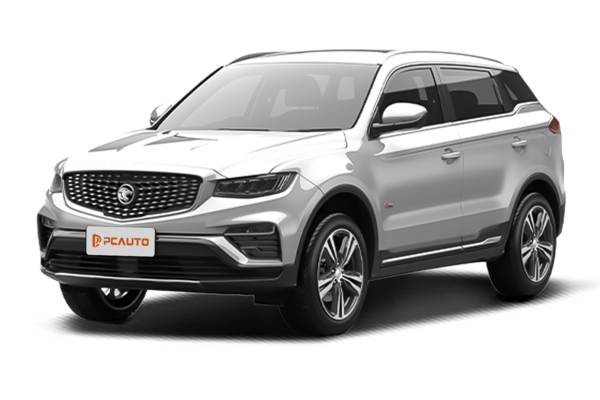
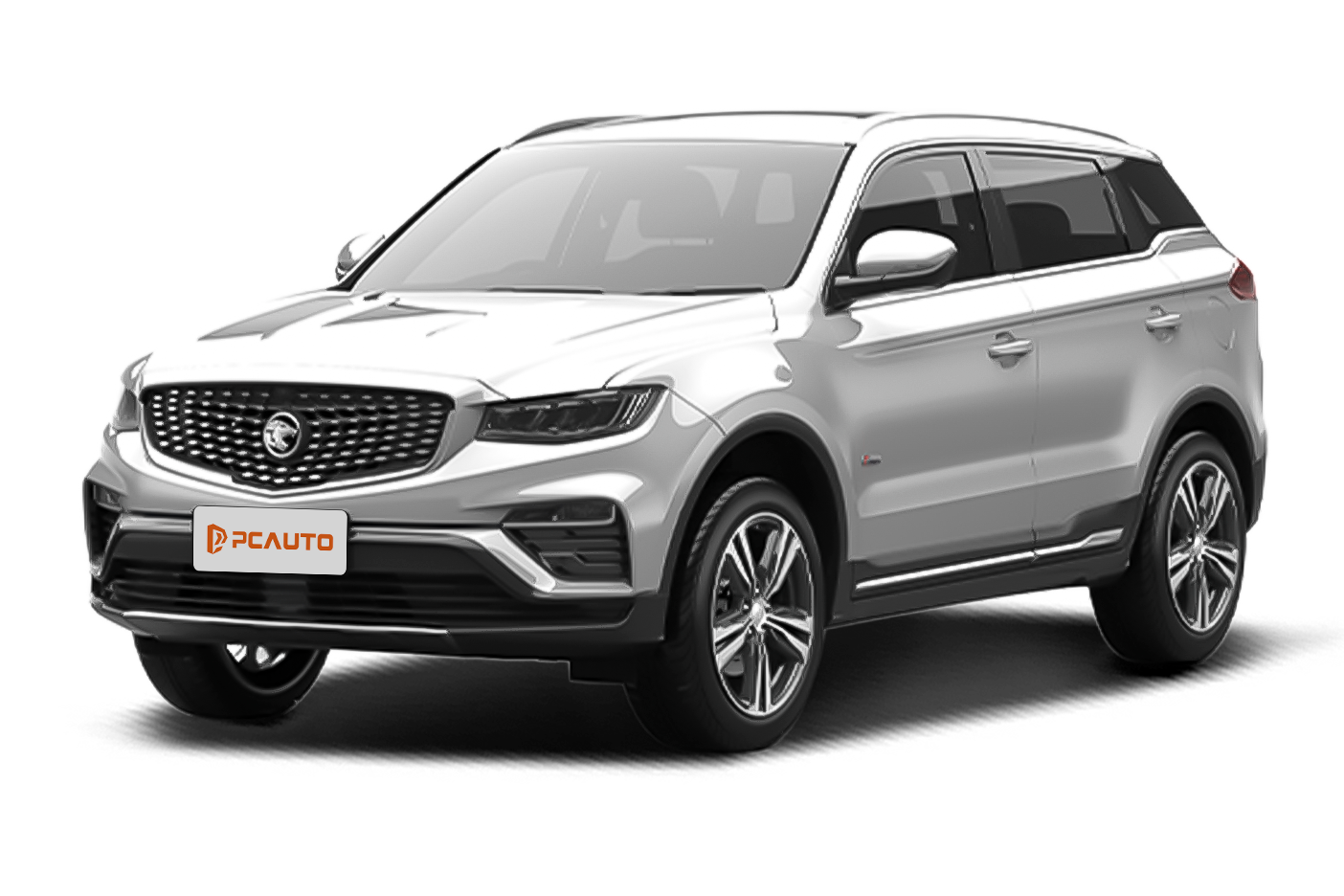
Proton X70 photo
Proton X70
Toyota RAV4
vs
Proton X70
Toyota RAV4 photo
Toyota RAV4
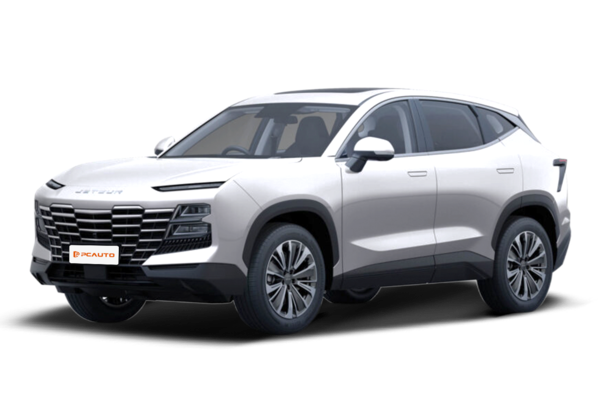
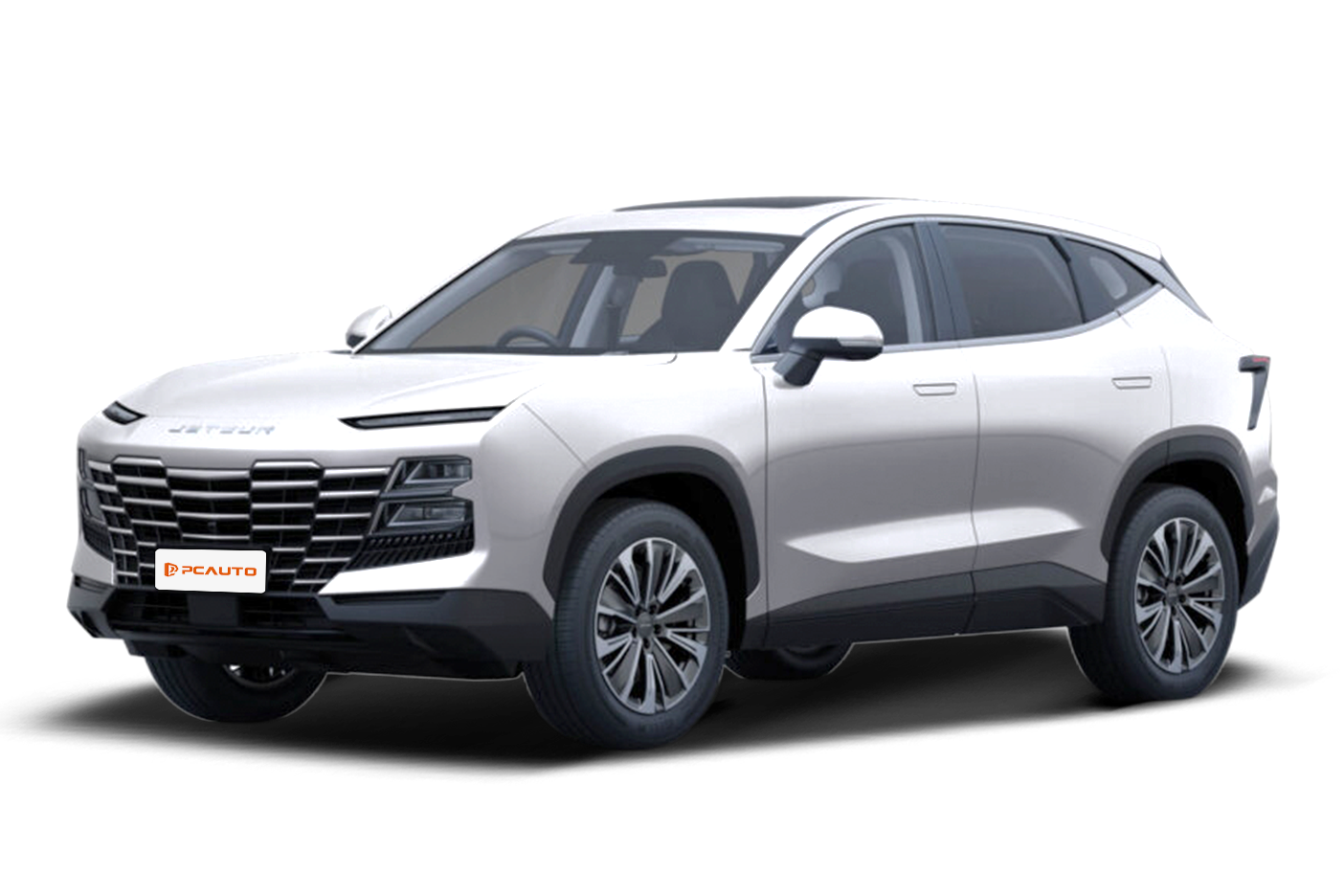
Jetour Dashing photo
Jetour Dashing
Toyota RAV4
vs
Jetour Dashing
Toyota RAV4 photo
Toyota RAV4
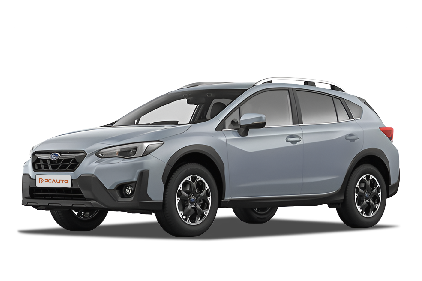
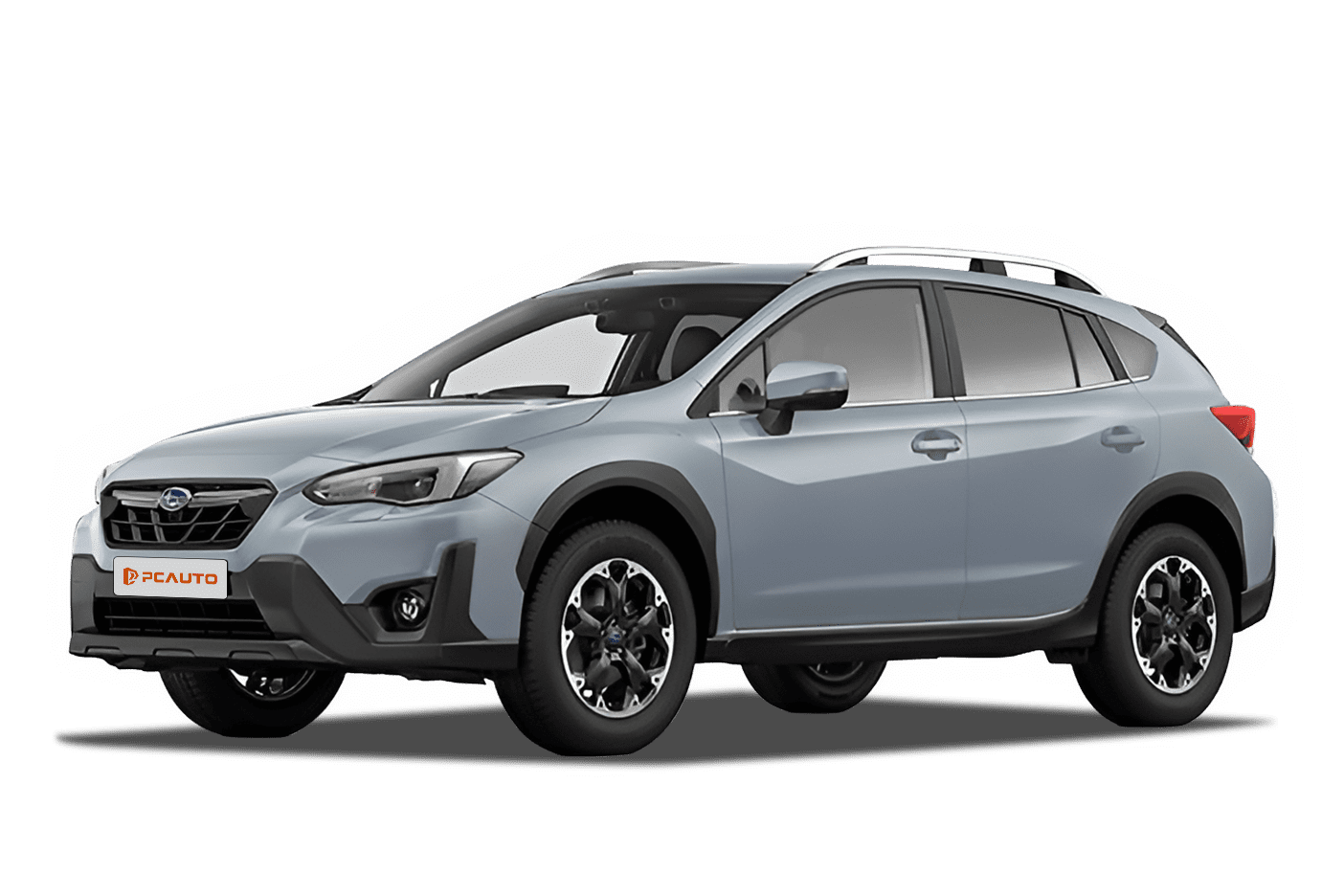
Subaru XV photo
Subaru XV
Toyota RAV4
vs
Subaru XV
Find out if you can afford your dream car using our user friendly car loan calculator.
Total Amount
Down Payment
Interest Rate(%)
Loan Period (In Years)
Monthly Payment
RM --
Calculate

What kind of maintenance does the 2020 RAV4 Hybrid need?

How long does a 2020 RAV4 Hybrid battery last?

Does the 2020 RAV4 Hybrid need to be plugged in?