

2020 Toyota RAV4 2.5L Review

 Share
Share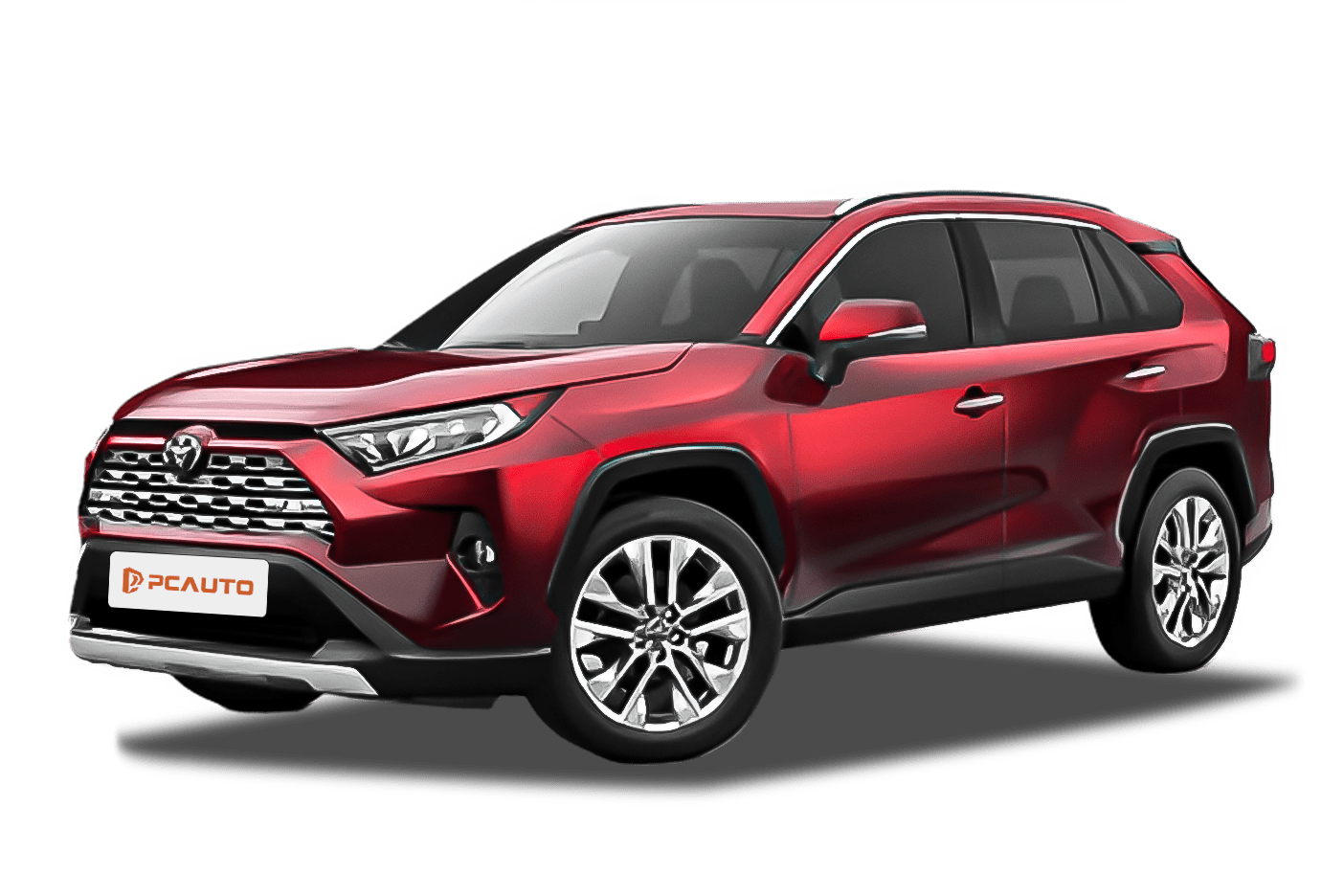
 Segment
 Body Type
 Capacity(L)
 Engine Power(PS)
 Transmission
 Driven Wheels
Today, Malaysia's C-segment SUV market is becoming increasingly competitive. When choosing a car, family users value both spatial practicality and have higher requirements for power and safety configurations. The 2020 Toyota RAV4 2.5L, as a popular model in this segment, features a naturally aspirated 207PS engine, a safety system with seven airbags, and a flexible rear seat space as its core selling points. Many consumers are curious to know whether it can balance the needs of daily commuting and weekend family outings. This review will examine its static design, dynamic driving experience, and practical usage details to provide potential buyers with a clear reference.
In terms of appearance, the 2020 RAV4 2.5L adopts Toyota's family-style robust design. The front features a large trapezoidal air intake grille paired with chrome accents for a high level of recognizability. The side profile of the vehicle showcases straight lines, with a waistline extending from the front fender to the rear, enhancing its muscular look. The 18-inch wheels are proportionate to the body and prevent the car from appearing too slender. At the rear, the smoked LED taillights with a horizontal layout complement the spoiler on the edge of the trunk, creating an overall stable look that aligns with the family-oriented SUV position. The lighting system across the entire lineup includes standard LED headlights and daytime running lights, while the automatic headlight feature conveniently shifts in tunnels or rainy conditions, making everyday use quite user-friendly.
Sitting inside, the interior features a primarily dark color scheme. The central control panel is wrapped in soft-touch materials, providing a decent tactile experience in reachable areas. The layout of the central control is driver-oriented, and the 7-inch touchscreen is positioned in the center with a clear operational logic, though its size is not outstanding compared to competitors in the same class. In terms of configuration, the driver seat supports 8-way electric adjustment, lumbar support, and memory function, allowing for a comfortable posture during long drives. The passenger seat is manually adjustable, which, although not as convenient as electric adjustments, is sufficient for everyday use. The rear seats support a 60:40 split-folding and reclining function. Once folded down, it can provide a relatively flat storage space, making it suitable for placing prams or camping gear. Regarding space, the vehicle's dimensions of 4600mm/1855mm/1685mm (L/W/H) result in plenty of room. Although the wheelbase is not explicitly stated, in practice, a 175cm passenger sitting in the rear still has a legroom of about two fists, with ample headroom as well. The center console storage box and door panel compartments offer sufficient capacity for daily small items, showcasing strong practicality.
In terms of power, the 2.5L naturally aspirated engine provides a maximum power of 207PS at 6500rpm and a maximum torque output at 5000rpm, paired with an AT gearbox. Upon starting, the power response is smooth without the abruptness typically associated with turbocharged models. Once accelerating to 60km/h, a deeper press of the accelerator reveals sustained power output, and the transmission shifts gears in a logical manner without noticeable lag during overtaking. The steering feel is moderate with minimal play, and the steering wheel offers precise response during cornering. The suspension system is tuned to prioritize comfort, efficiently filtering out most minor vibrations when passing over speed bumps or rough roads, ensuring minimal body bounce. As for fuel consumption, the officially reported combined fuel efficiency is 4.8L/100km. In actual urban commuting, fuel consumption is approximately 6.5L/100km, while highway cruising sees it drop to around 5.2L. For a 2.5L displacement SUV, the fuel economy performance is quite impressive.
In terms of ride comfort, the vehicle's noise control is commendable. Wind noise and tire noise do not noticeably interfere with in-car conversation during high-speed driving. The seats are well-padded and offer sufficient support, making long rides less tiring. For safety features, the car comes standard with active safety systems such as lane change assist, lane departure warning, and forward collision warning. It is equipped with 7 airbags covering both front and rear rows, along with front/rear parking sensors and hill-start assist, providing a strong sense of safety for daily driving.
Overall, the core strengths of the 2020 Toyota RAV4 2.5L are its smooth power delivery, practical space design, and comprehensive safety features. Compared to competitors in the same segment, its naturally aspirated engine offers higher reliability, and its fuel efficiency is above average, making it suitable for families focusing on long-term usage costs. If you are a consumer who needs to balance daily commuting and family outings, this car's well-rounded performance can meet most needs. All in all, the 2020 RAV4 2.5L is a "no significant weaknesses" C-Segment SUV and is well worth considering for family users.
Toyota RAV4 Car Compare
Toyota RAV4 Loan Calculator
More Toyota Reviews
Cars With Similar Price And Features
8
Rank in SUV
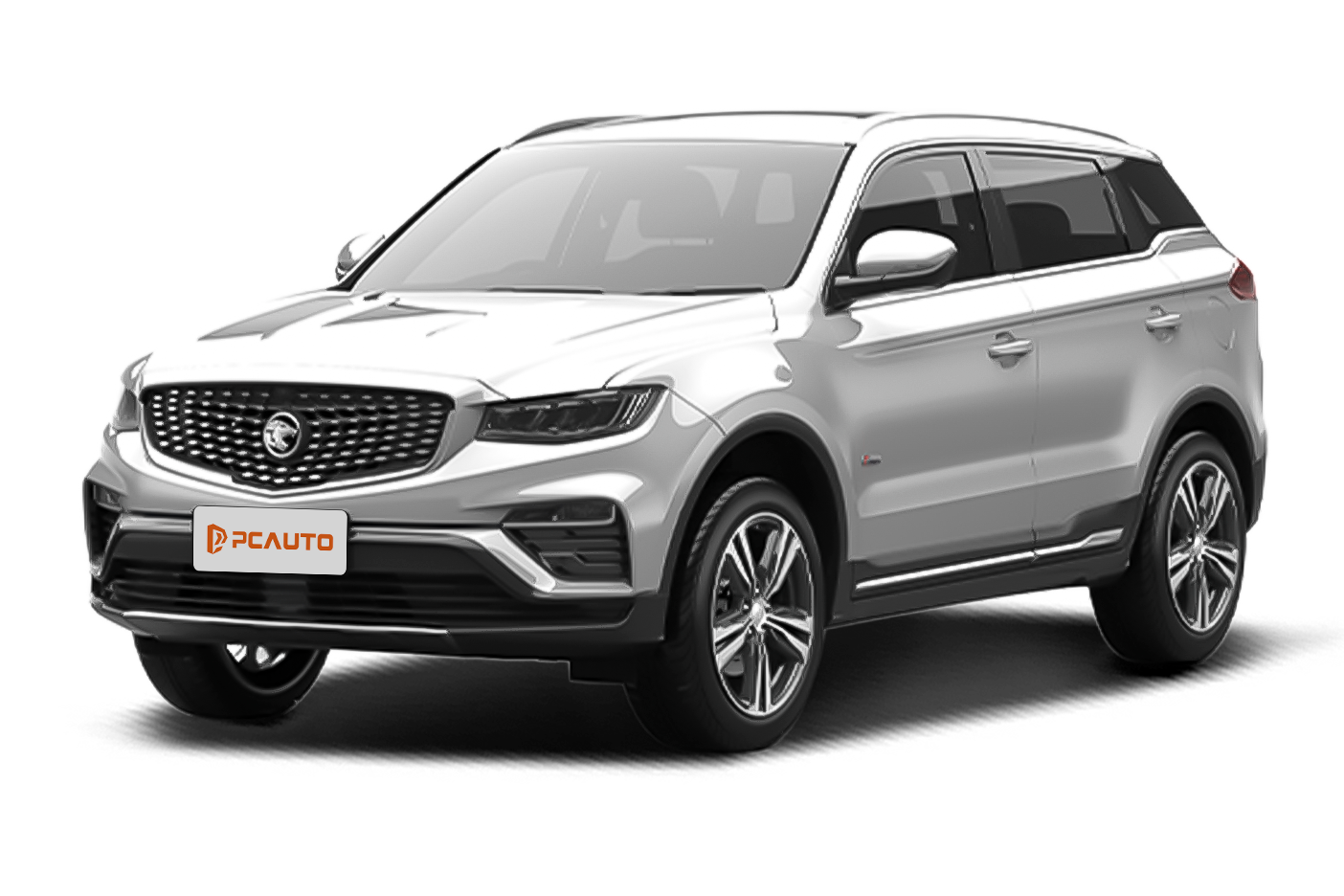
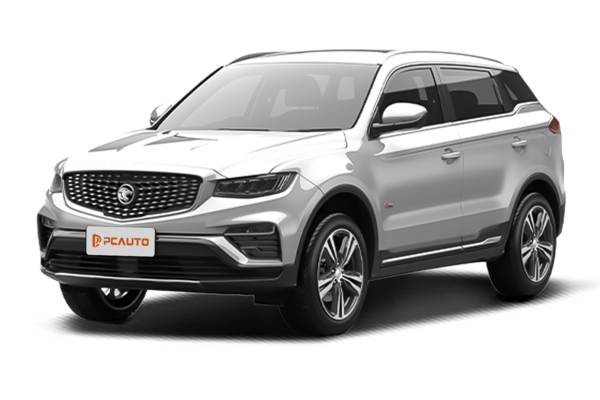
2026 Proton X70 1.5 TGDi Executive focuses on upgrading to a four-cylinder engine, practical configurations, and affordable pricing. It balances family commute practicality with value for money, making it a sensible choice among similarly priced C-segment SUVs.
10
Rank in SUV
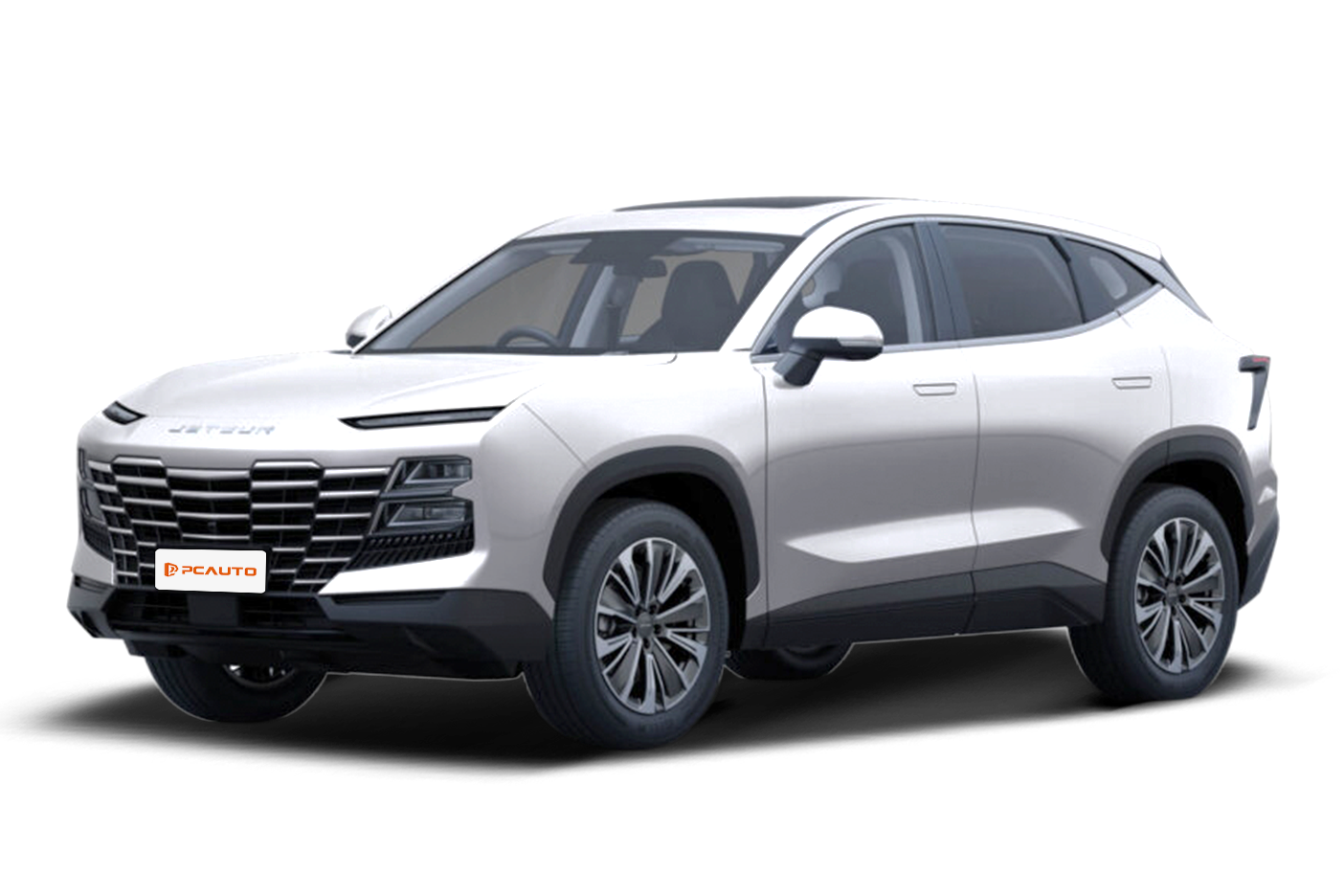
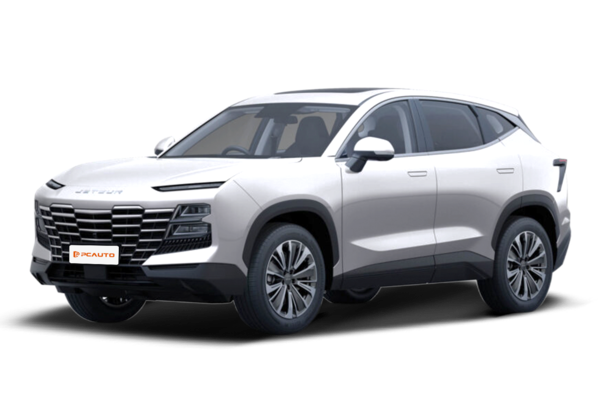
Jetour Dashing 1.5 TCI Comfort 2025 features a 2720mm long wheelbase and a 10.25-inch dual screen as its core, focusing on balanced cost performance to meet family practical needs.
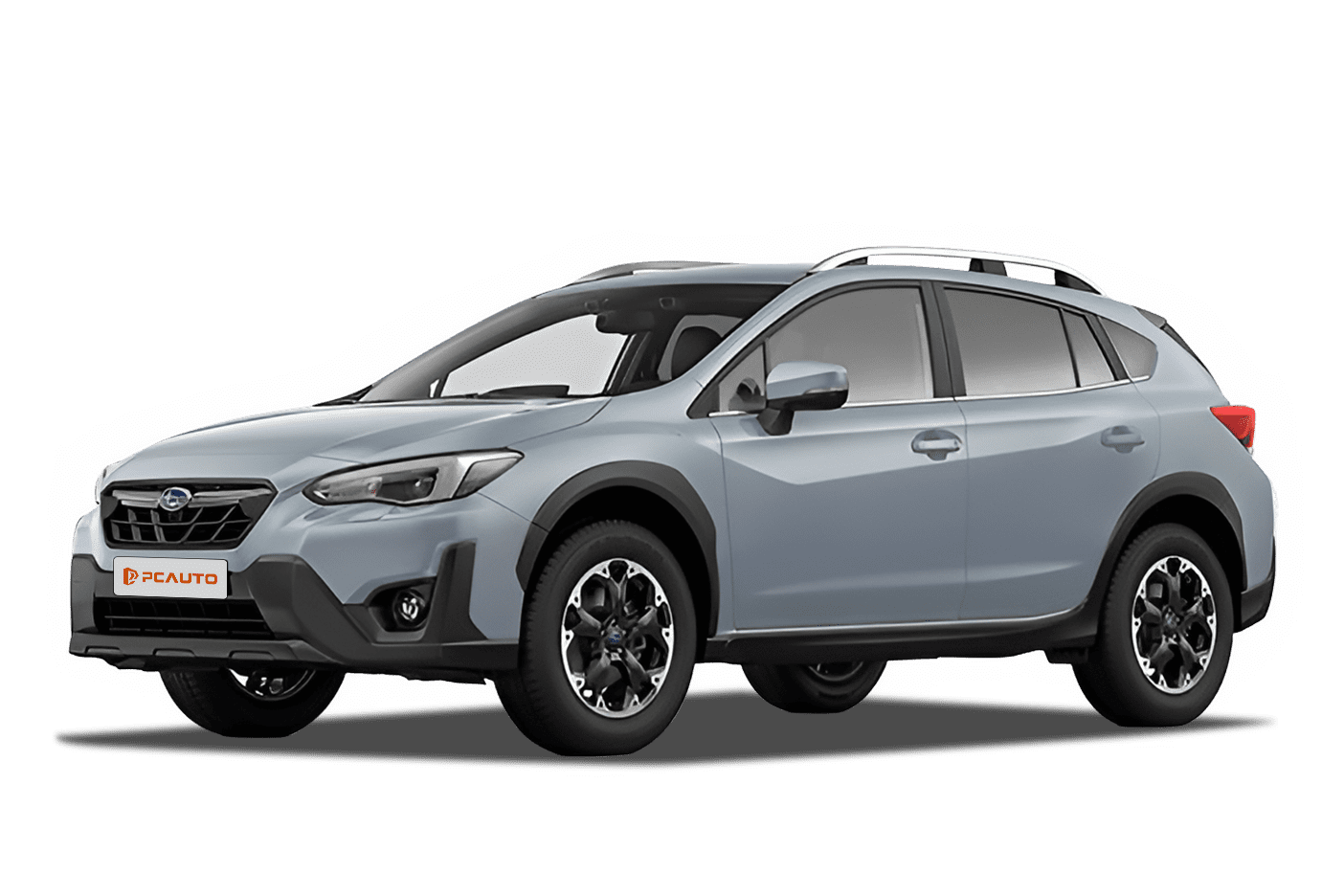
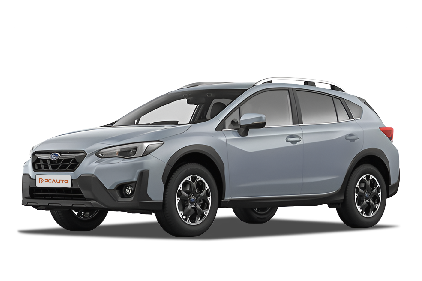
The 2021 Subaru XV 2.0i is a model targeting the C-segment crossover market, equipped with standard all-wheel drive and high safety features, balancing off-road capability and handling, with practical space.

2021 Hyundai Kona 2.0 Standard, as a high-value entry-level compact SUV, retains essential safety and practical features with an affordable price, meeting the daily commuting and loading needs of families.