

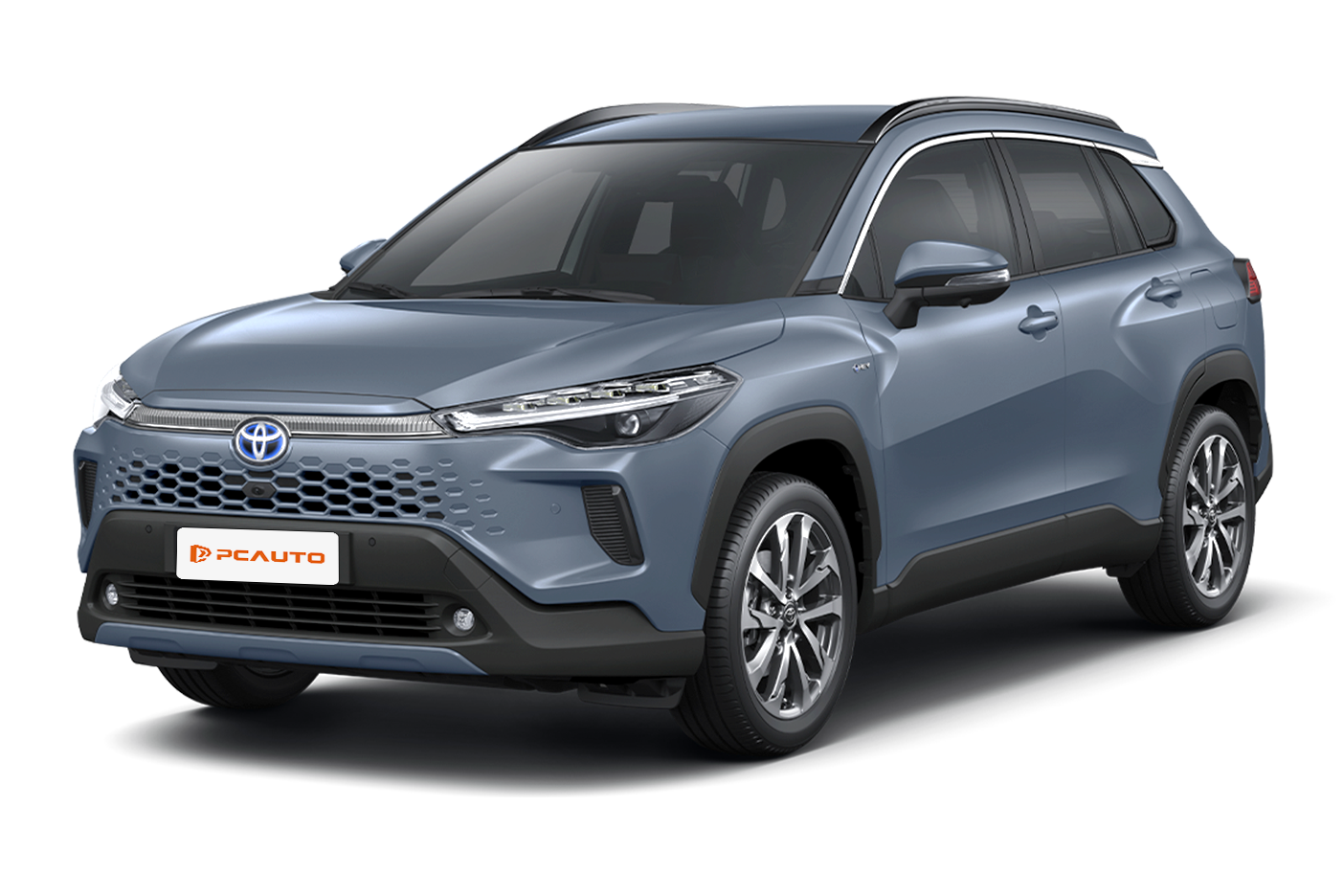
2021 Toyota Corolla Cross 1.8G Review

 Share
Share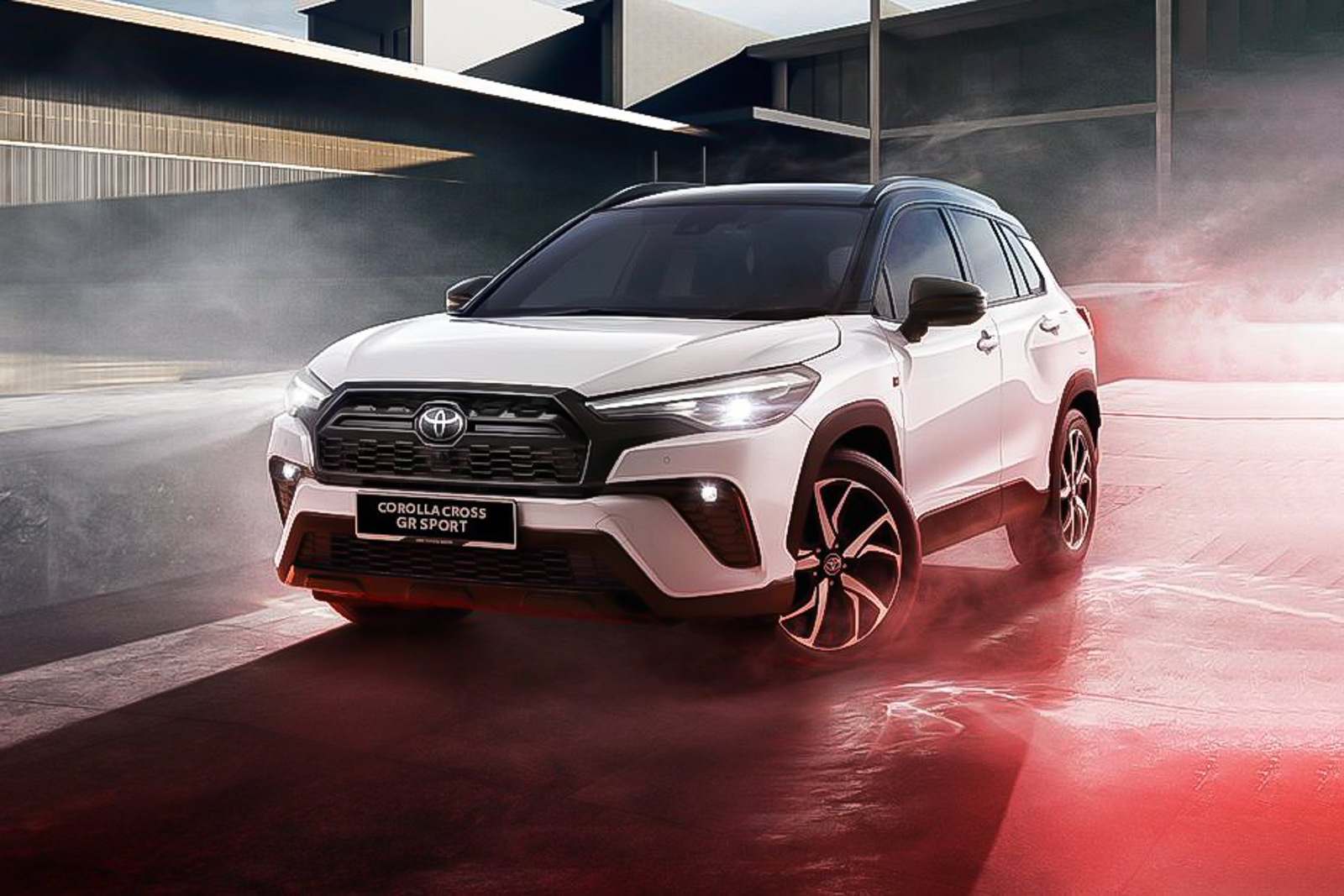
 Segment
 Body Type
 Capacity(L)
 Engine Power(PS)
 Transmission
 Driven Wheels
In 2021, Toyota launched the Corolla Cross 1.8G in Malaysia's C-Segment SUV market, precisely targeting the core needs of family users for space, practicality, and safety features. After all, consumers in this segment want the off-road capability of an SUV without compromising the fuel economy of a sedan. As the mid-range version of the lineup, it comes at a price of RM134,000 and offers 7 airbags, a full set of TSS Intelligent Safety System, and electric seats. This "feature sincerity" has made many wonder: Can it truly balance all the needs for daily commuting and family outings? This time, we will validate its static experience and dynamic performance through an actual test drive to see if it meets expectations.
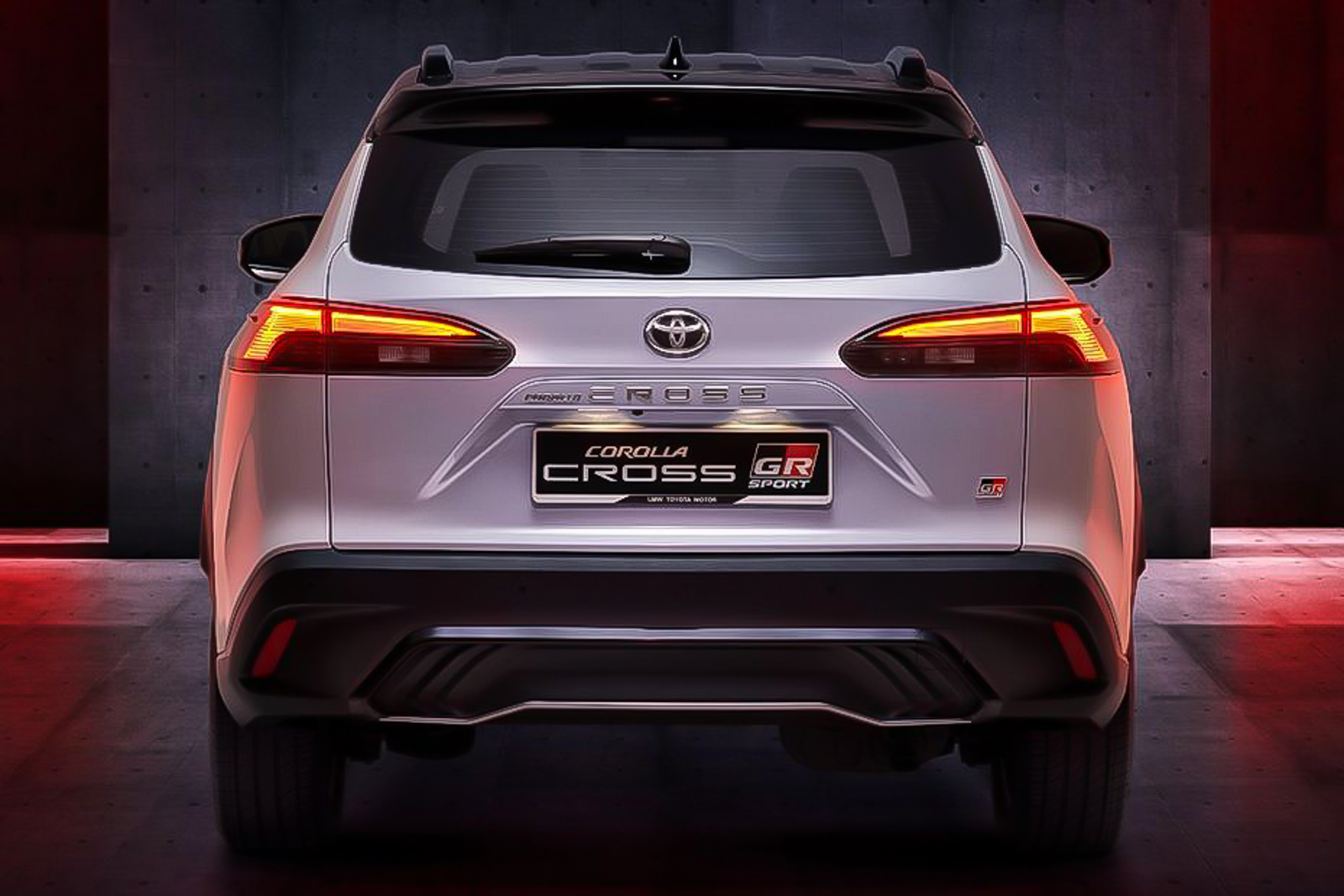
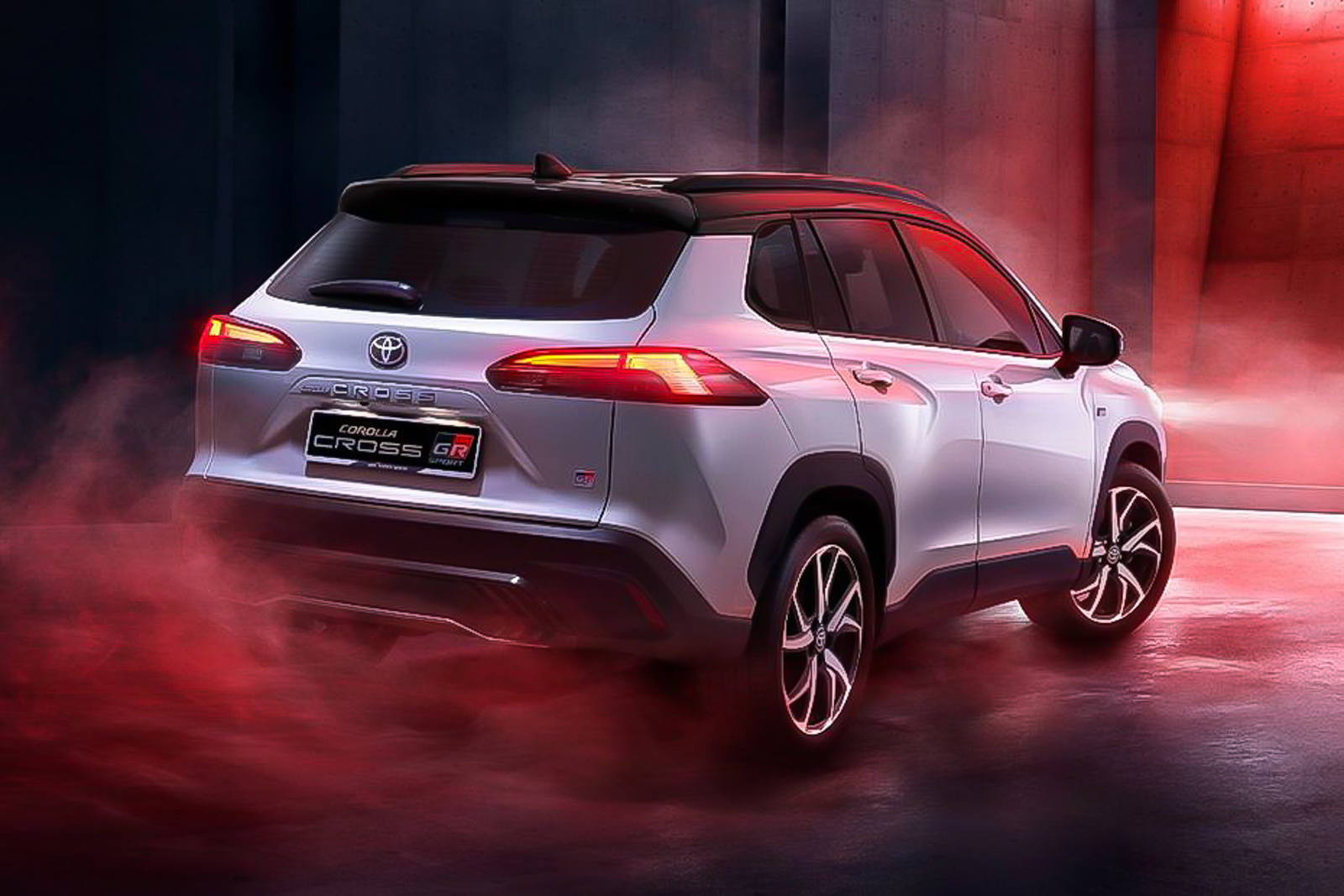
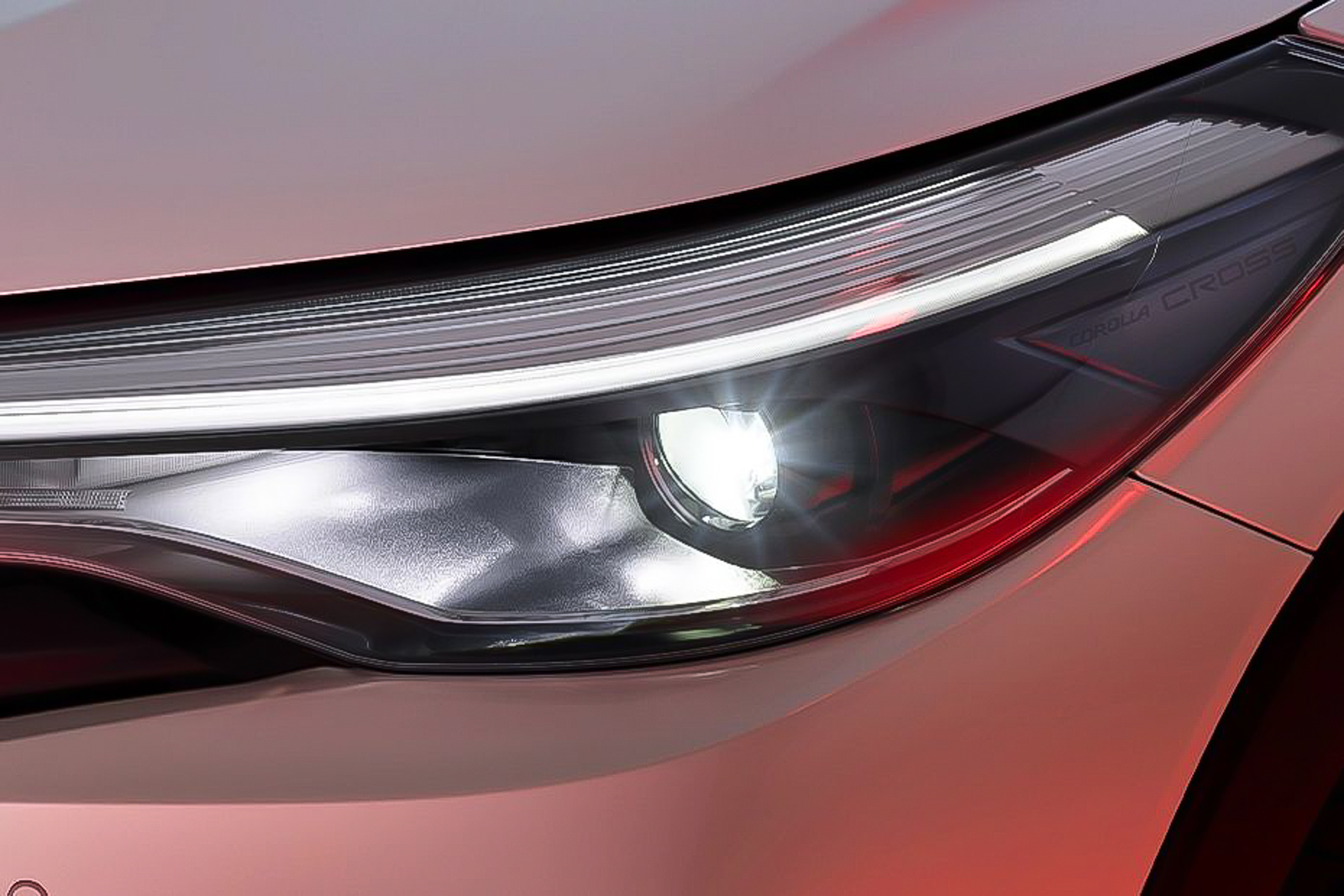
From a distance, the design of the Corolla Cross 1.8G continues Toyota's signature rugged style, with a large trapezoidal front grille complemented by chrome accents, offering high recognition. The side profile features clean lines, and the 17-inch wheels adequately support the SUV stance without appearing undersized. At the rear, the LED taillights use a through-type design; although it lacks the hybrid version's blue badge, the overall layering is still clear. In terms of lighting configuration, it comes standard with automatic headlights and front fog lamps, which are adequate for daily use. However, the halogen low beams are not as bright as the fully LED version on the high-end models, so extra attention is needed during night driving.
Inside the car, the interior layout is function-driven, with the center console tilted toward the driver. The placement of the 9-inch touchscreen is just right within easy reach, making it very convenient to operate. In terms of materials, though most of it is hard plastic, the door panels and seats are made of a fabric and leather combination, which doesn't feel cheap to the touch. The 4.2-inch LCD instrument panel can display information such as fuel consumption, speed, and safety system status, and the information is clear enough. There are quite a few standout features: the 8-way power-adjustable driver's seat allows you to quickly find a comfortable sitting position; rear air conditioning vents and a 220V power outlet cater to the needs of rear passengers; and keyless entry and ignition add convenience to daily use. Space performance meets the expectations of a C-Segment SUV, with a wheelbase of 2640mm providing about two fists of legroom in the rear, and a 175cm adult passenger won’t feel cramped in the headroom. The trunk capacity is 440L, which can be expanded by folding down the rear seats, making it suitable for carrying strollers or luggage.
In terms of performance, the 1.8L naturally aspirated engine has a maximum power output of 139PS and a peak torque of 172N·m, paired with a CVT transmission. The throttle response is not overly aggressive during start-ups, but once you step on the accelerator, the increase in RPM is smooth. Acceleration for daily commuting is sufficiently linear, but overtaking requires you to press the accelerator harder, revving the RPM above 4,000, at which point the power output becomes noticeably stronger. There are two driving modes to choose from: ECO and Normal. In ECO mode, the throttle becomes more "lazy," making it suitable for fuel-saving in city traffic; Normal mode is more balanced and suitable for highway cruising. The suspension system features a front MacPherson strut and rear torsion beam combination, with a comfort-oriented tuning. It filters out most bumps when driving over speed bumps or uneven roads, but the rear seats may still feel slight vibrations. The steering wheel has minimal play, and the body maintains stable posture when cornering, with no obvious body roll. Overall, the handling performance falls within the medium-to-standard level among SUVs.
Fuel consumption testing was a key focus this time. We drove 50km each on congested urban roads and highways, with the air conditioning on throughout. The final displayed fuel consumption was 6.9L/100km, almost identical to the official 6.8L, showcasing impressive fuel efficiency. In terms of braking, the performance of the front and rear ventilated discs was stable, and there was no noticeable veering of the car during emergency braking. The braking distance is within the normal range for this class. Noise insulation is decent as well — at 60km/h in urban areas, only slight tire noise enters the cabin, while at 120km/h on highways, wind noise becomes more noticeable but does not affect normal conversations.
In summary, the core strength of the 2021 Corolla Cross 1.8G lies in its "balance." It doesn't have particularly standout performance, but its safety features (7 airbags + TSS), practical space, and fuel efficiency meet the needs of family users. Compared to the Honda HR-V in the same segment, its safety features are more comprehensive and its price more budget-friendly. Although its performance is not as strong as the HR-V's 1.5T, its fuel consumption is lower, and the maintenance costs are more economical in the long run. It’s suitable for consumers who prioritize cost-performance and are looking for a "trouble-free" family SUV for daily commutes — after all, for most people, reliability and practicality are more important than aggressive performance. If you’re looking for a spacious, well-equipped, and low-maintenance C-Segment SUV, the Corolla Cross 1.8G is worth considering.
Toyota Corolla Cross Car Compare
Toyota Corolla Cross Loan Calculator
More Toyota Reviews
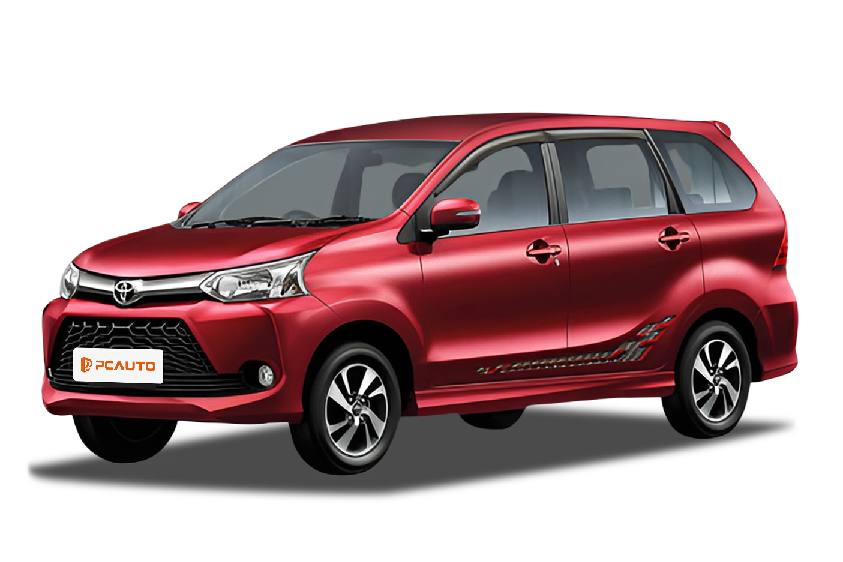
Cars With Similar Price And Features
8
Rank in SUV
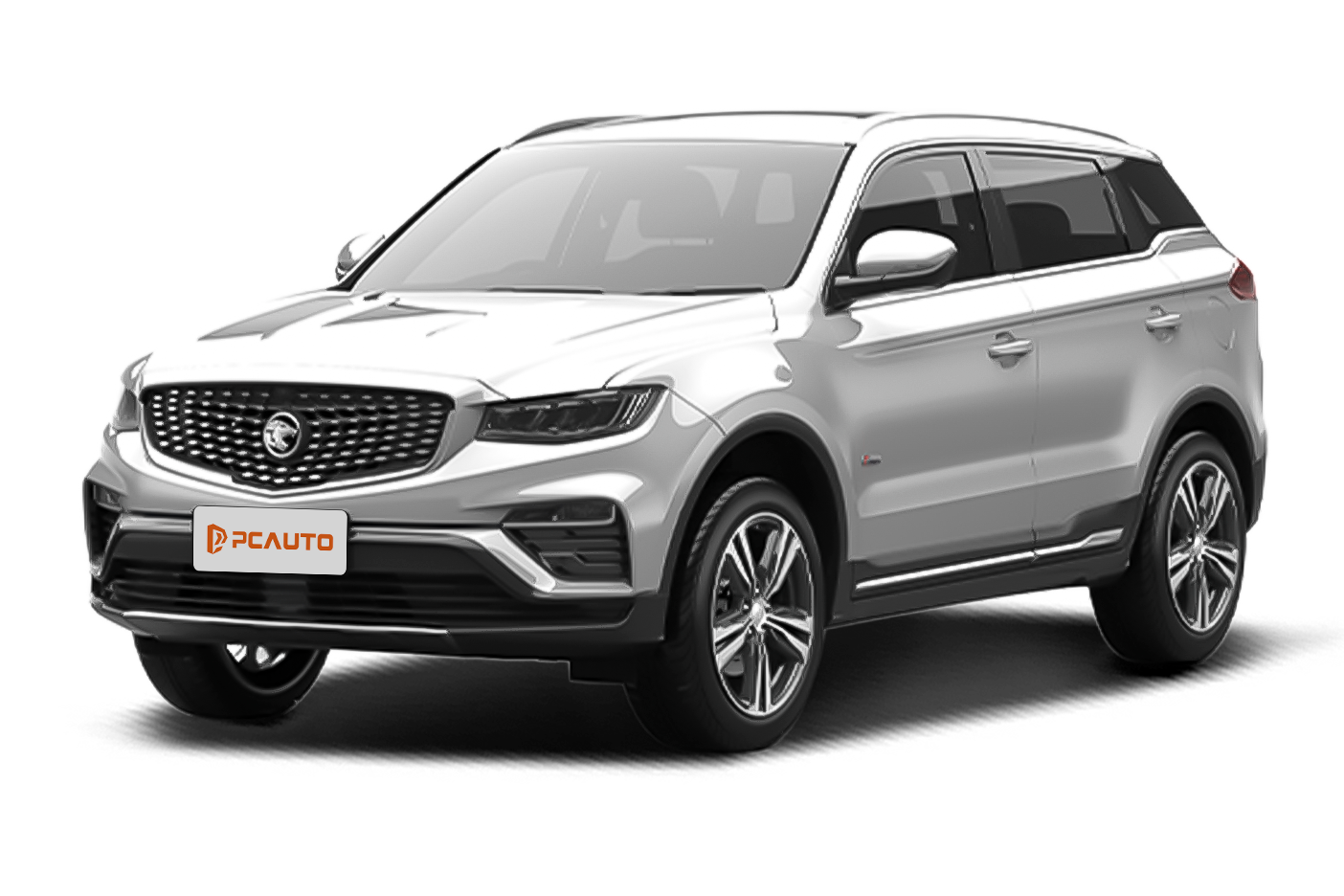
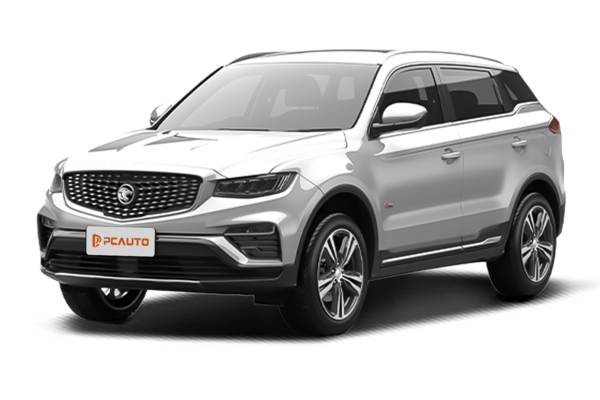
2026 Proton X70 1.5 TGDi Executive focuses on upgrading to a four-cylinder engine, practical configurations, and affordable pricing. It balances family commute practicality with value for money, making it a sensible choice among similarly priced C-segment SUVs.
10
Rank in SUV
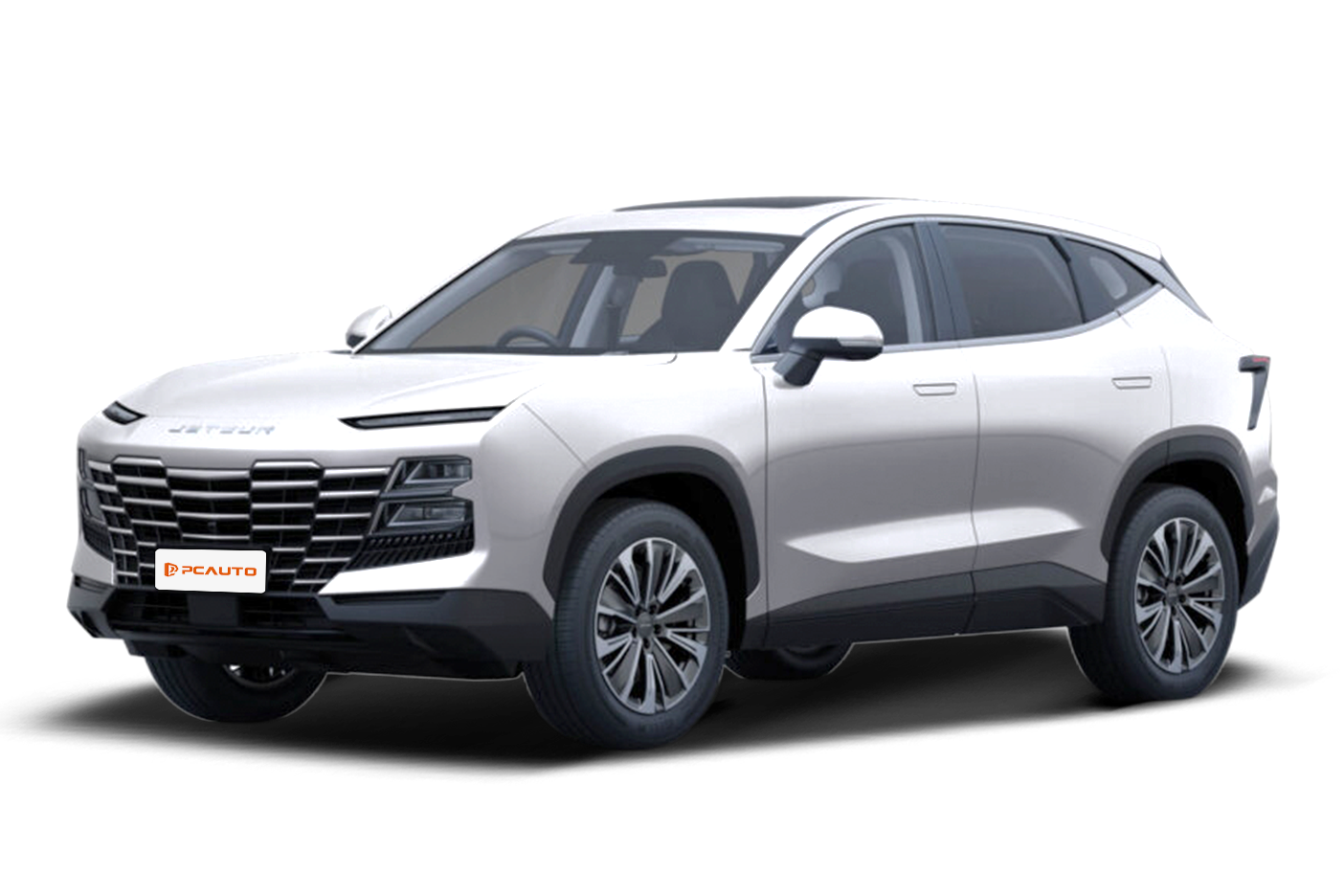
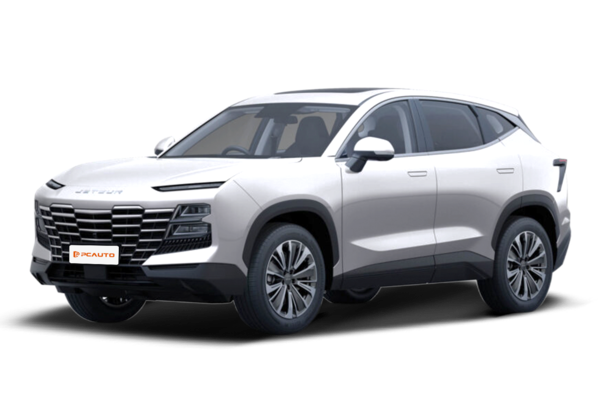
Jetour Dashing 1.5 TCI Comfort 2025 features a 2720mm long wheelbase and a 10.25-inch dual screen as its core, focusing on balanced cost performance to meet family practical needs.
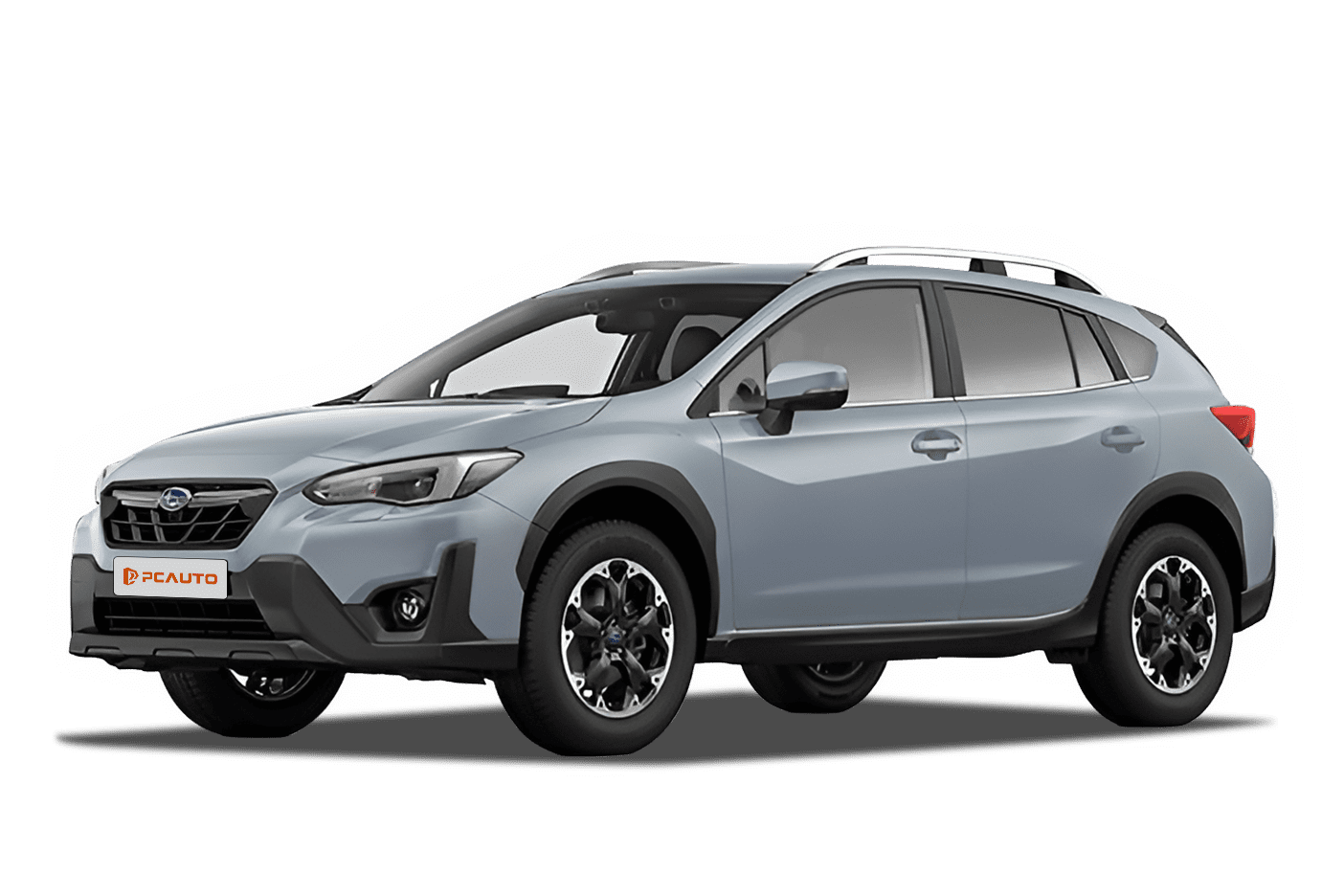
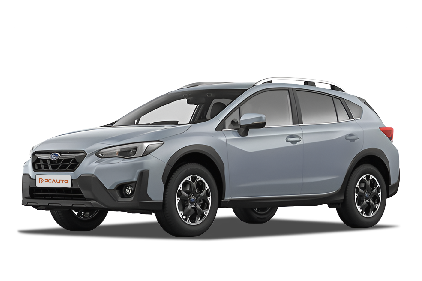
The 2021 Subaru XV 2.0i is a model targeting the C-segment crossover market, equipped with standard all-wheel drive and high safety features, balancing off-road capability and handling, with practical space.

2021 Hyundai Kona 2.0 Standard, as a high-value entry-level compact SUV, retains essential safety and practical features with an affordable price, meeting the daily commuting and loading needs of families.