

2023 Bugatti La Voiture Noire 8.0 L Quad Turbo Review

 Share
Share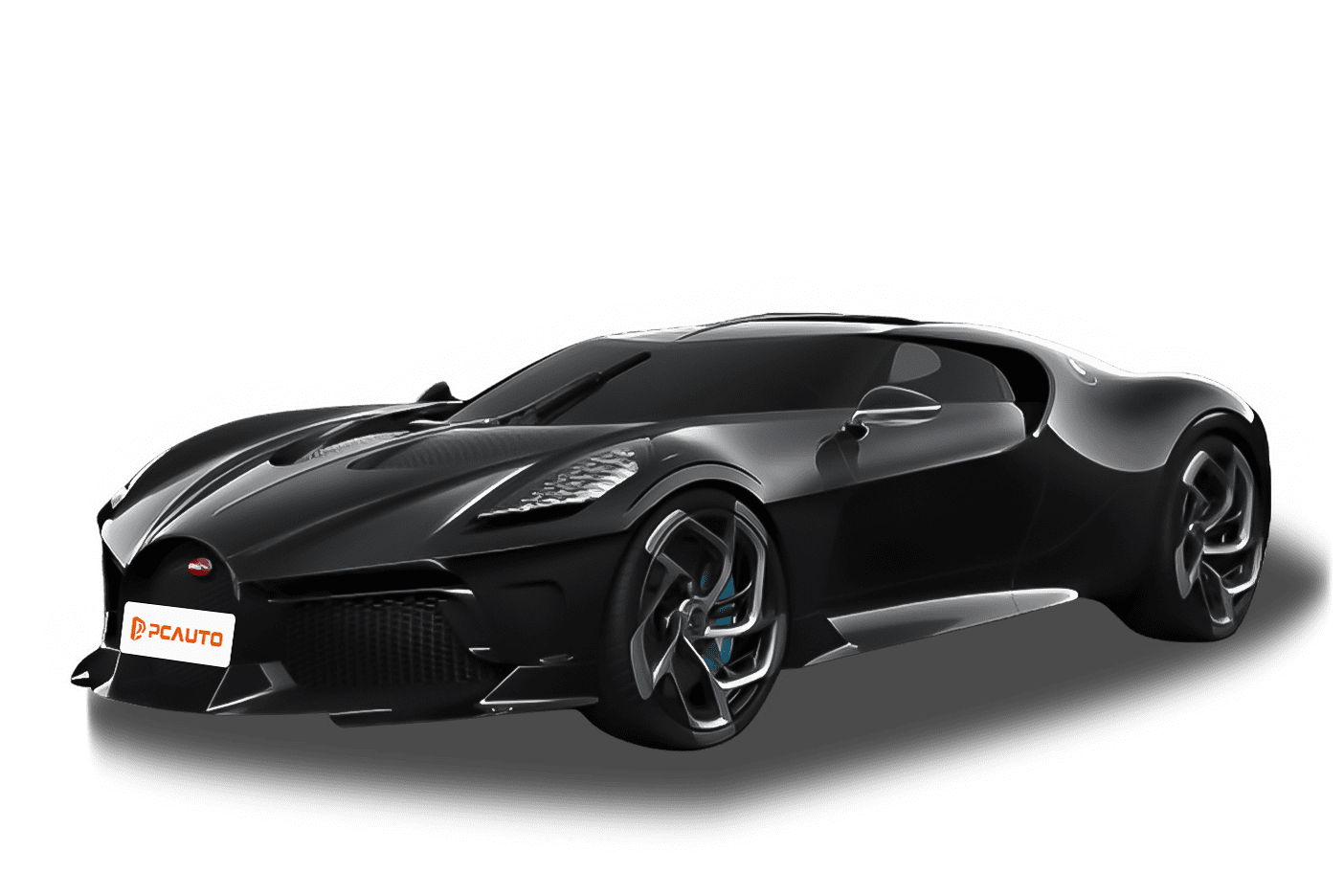
 Segment
 Body Type
 Capacity(L)
 Engine Power(PS)
 Transmission
 Driven Wheels
While the supercar market is still focused on a horsepower of over 1,000 and 2-second acceleration battles, Bugatti redefined the standard of "top-tier performance totem" in 2023 with the La Voiture Noire 8.0L Quad Turbo, featuring a "16-cylinder + quad-turbo" combination. The globally limited flagship supercar is not only a condensation of the brand's hundred-year craftsmanship but also elevates the mechanical peak of fuel-powered supercars to new heights. Our test this time is to go beyond the "data worship" and examine how it balances the performance of being the "fastest on land" with the "artistic-grade" daily driving experience.
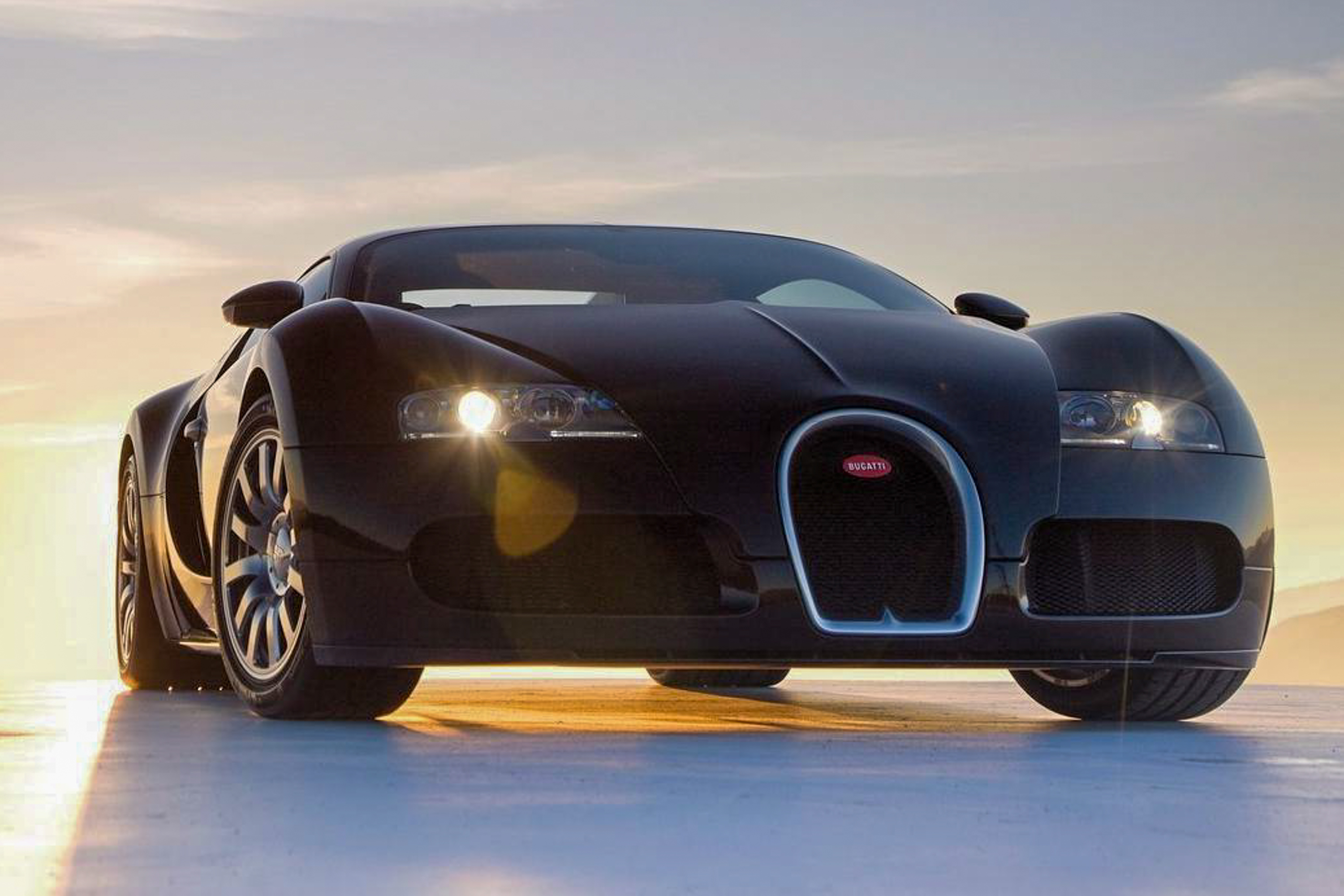
From the first glance, the La Voiture Noire never disappoints in terms of "supercar recognizability." Its 4544mm length and 2038mm wide-body design, combined with its low-slung stance like an arrow grazing the ground, create an impression that is hard to ignore. The car's curves stretch seamlessly from the hood to the rear, exuding a sense of muscle through the play of light and shadow, without any excessive edges—especially the swell of the front wheel arches, which perfectly echo the "lung capacity" of the 16-cylinder engine. The signature horseshoe-shaped front grille, filled with black carbon fiber strips, is a hallmark of Bugatti's design. On either side, the slim and sharp LED headlights light up like piercing eagle eyes; the two ridges on the hood extend forward from the A-pillars directly to the top edge of the grille, engraving a sense of "speed" into the front end.
On the vehicle's side, the most eye-catching features are the custom 20-inch front and 21-inch rear wheels, with tire sizes 285/30 R20 and 355/25 R21, providing a strong grip on the ground. The door handles adopt a hidden design, blending seamlessly with the doorlines and only popping out when unlocked. The rear design is more "restrained": instead of an exaggerated large rear wing, the sloping roofline naturally transitions into a short tail. The quad round exhaust layout is positioned at the center of the diffuser, while the LED taillight forms a continuous light strip, with Bugatti's 3D logo embedded in the middle. When lit up at night, its recognizability is undeniable.
Opening the door and stepping into the cockpit, the first impression is that "luxury outweighs the performance feel." The entire interior primarily uses black carbon fiber and Alcantara materials. The seats are sporty bucket seats with perforated leather surfaces, offering strong lumbar and leg support for a comfortable experience even during long rides—unlike traditional racing seats that can cause discomfort. The flat-bottomed steering wheel has a clear layout of multi-function buttons, and the metallic paddle shifters behind it offer a weighty feel. A HUD head-up display comes as standard, projecting real-time information such as speed, RPMs, and navigation, allowing you to access key data without looking down.
The 10-inch touchscreen in the central control area is just the right size, with a responsive interface and a simple design featuring no unnecessary functions. Some physical buttons remain below, such as the air conditioning knobs, which have a finely tuned resistance, making blind operation easy. Notably, the 15-speaker audio system delivers clear, rich sound quality even at high speeds, effectively masking tire noise and wind noise. Though storage space is limited, the glove compartment and central armrest box are sufficient for holding small items like phones and wallets. The doors feature keyless entry, and a 220V power outlet is also included, with everyday convenience that exceeds expectations for a "track-focused supercar."
Although it features a two-door, two-seat layout, the seating space in La Voiture Noire is not cramped. A 190cm tall individual sitting in the driver's seat, after adjusting the seat, still has three fingers of headroom, and the legs won’t press against the steering wheel—this is considered “spacious” for a supercar. The highlight is the seat's support: the lumbar support can be adjusted in three levels, preventing backache even after driving for an hour; the front air conditioning offers automatic dual-zone control, with hidden air vents that provide a gentle airflow without direct blowing. As for storage, besides the conventional door panel storage slots, the central armrest box is large enough to fit a foldable portable camera, making it more practical than expected.
When the engine starts, the idle sound of the 16-cylinder engine is not noisy but resembles a deep “heartbeat” — quite different from the high-pitched roars of many supercars. Step on the accelerator, and the maximum torque of 1600 N·m kicks in at 2000 rpm. The official 0-100km/h acceleration is 2.4 seconds, and in actual tests, even in normal mode, the initial push-back sensation is strong, pinning your body firmly against the seat. Switching to sport mode makes the throttle response even quicker, while the gearbox (7-speed dual-clutch) shifts so fast it’s almost imperceptible. From 80-120km/h, mid-range acceleration is remarkably efficient, requiring just a slight tap on the accelerator to overtake.
In terms of handling, the double-wishbone independent suspension exceeds expectations. On mountain road curves, the steering precision leaves no slack, and even during high-speed cornering, body roll is minimal. On bumpy roads, the suspension filters out most of the finer vibrations, ensuring it doesn’t jolt you like a stiff racing car. The full-time four-wheel-drive system has excellent grip, and during acceleration on slippery roads, the tires show virtually no slippage, delivering a stable power output that's hard to believe belongs to a 1500-horsepower car.
Regarding fuel consumption, the official combined fuel consumption is 22.32L/100km. In actual tests, urban commuting (with frequent starts and stops) yielded roughly 28L, while highway cruising (at a steady 120km/h) dropped to 18L. For an 8.0L quad-turbo engine, these figures can be considered “reasonable.” As for braking performance, it really stands out: from 100km/h, the stopping distance is under 30 meters. The brake pedal feels linear, with no slack, inspiring great confidence.
As for driving comfort, La Voiture Noire breaks the stereotype of “supercars = uncomfortable.” Even at speeds of 150km/h, wind and tire noise are well-managed, with most of the sound coming from the engine. However, this engine noise is “rich and textured,” far from being annoying. The ventilated seat function is particularly practical in Malaysia’s weather, ensuring long durations of sitting remain comfortable without feeling stuffy.
In summary, the core advantage of La Voiture Noire 8.0L Quad Turbo is not about being “the fastest,” but combining “16-cylinder mechanical totem,” “artistic luxury,” and “daily driving practicality.” Compared to other supercars in the same class (such as the Koenigsegg Jesko), it may slightly lag in top speed, but its sense of luxury and driving comfort is noticeably superior. When compared to the Bugatti Chiron, its design is more understated and reserved, yet it offers a greater sense of exclusivity in details.
The target audience for this car is very clear: not track players pursuing "lap times," but collectors or high-net-worth individuals who truly understand supercar culture, seeking both a "top-tier performance experience" and the occasional ability for it to replace an executive car for commuting. It is not just a car but the "ultimate tribute" to fuel-powered supercars — capturing the most moving pulse of the mechanical era with its 16-cylinder roar.
If you ask whether La Voiture Noire is worth buying? The answer is: it is not a "cost-effective choice," but a "faithful choice." As electric supercars become more common, opportunities to drive a 16-cylinder quad-turbo will only become increasingly rare.
Bugatti La Voiture Noire Car Compare
More Bugatti Reviews
Cars With Similar Price And Features
8
Rank in Coupe
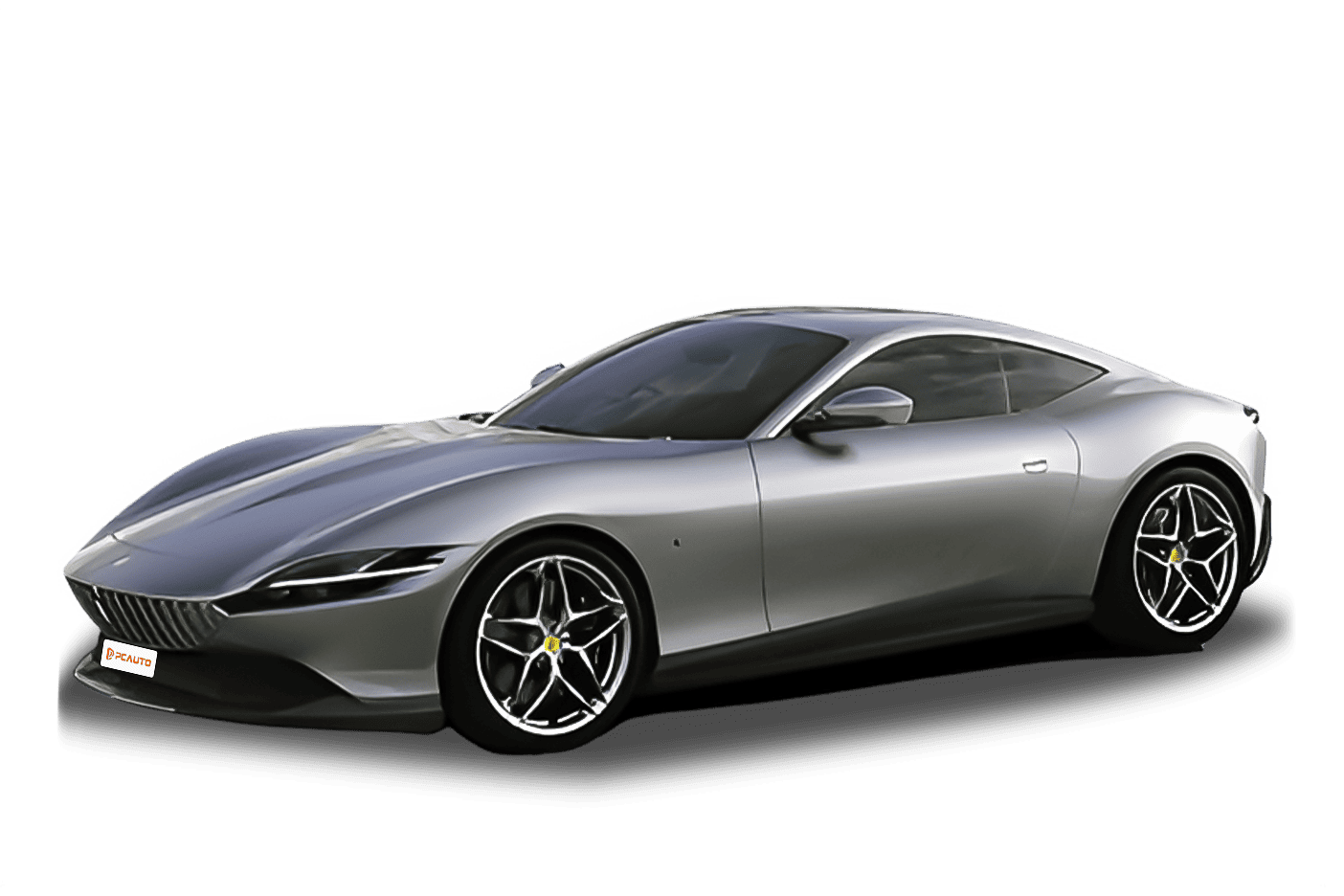
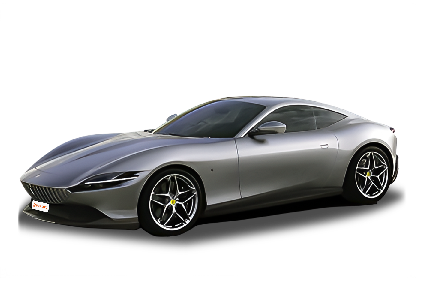
2023 Ferrari Roma Spider is a hardtop convertible GT supercar that combines elegant style with powerful performance, 13.5-second fast-opening soft top + 620PS power, practical for daily use and full of driving pleasure.

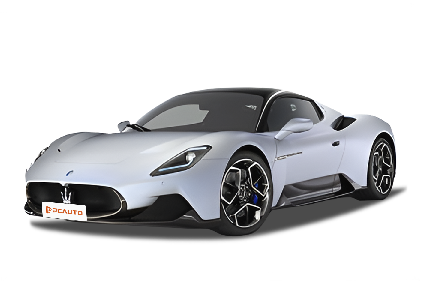
2023 Maserati MC20 Cielo is a two-seater supercar that combines track-level performance with convertible romance, equipped with a 630PS 3.0T V6 engine, a glass hardtop that opens and closes in 12 seconds, and accelerates to 100 km/h in 2.9 seconds.
2
Rank in Coupe
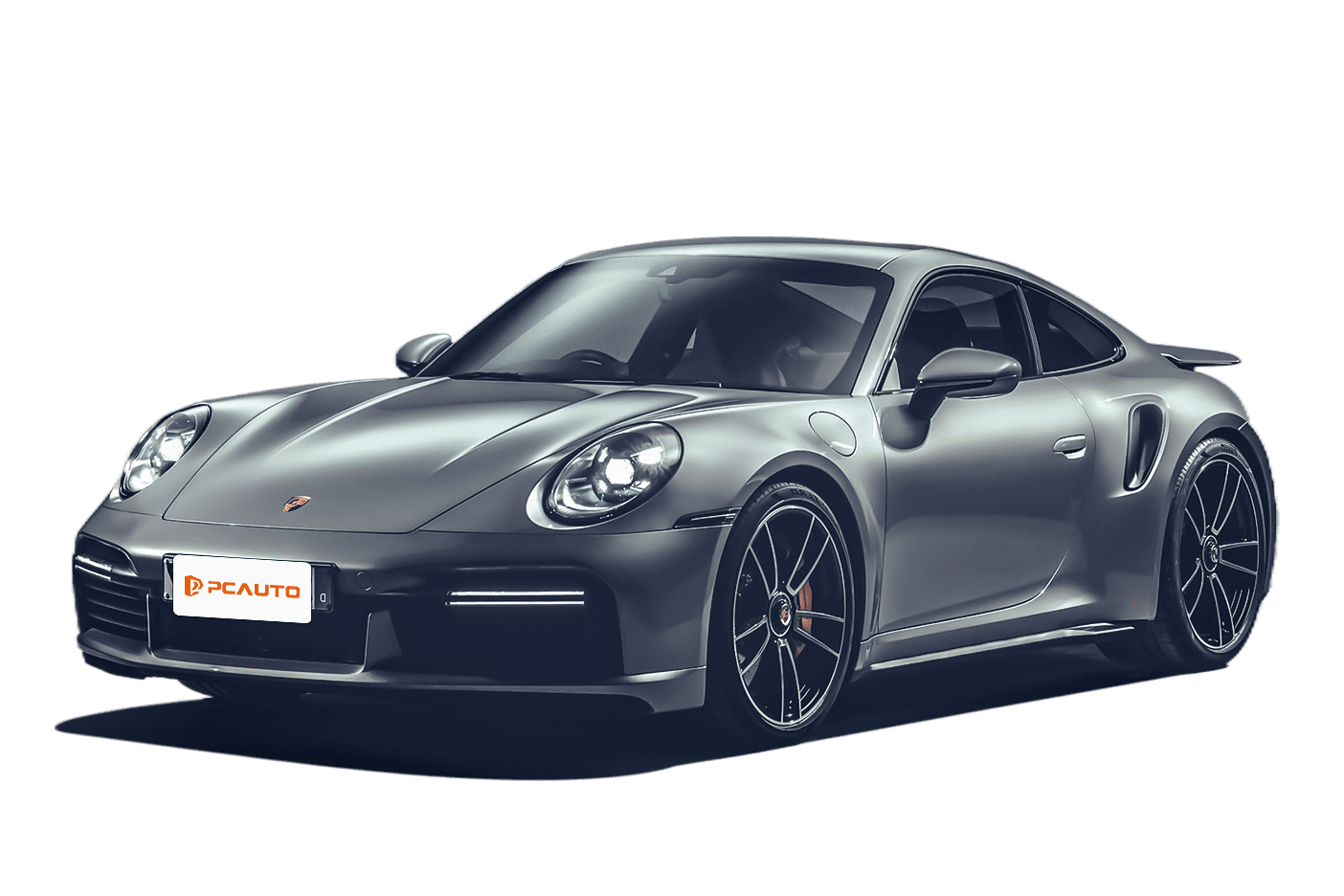
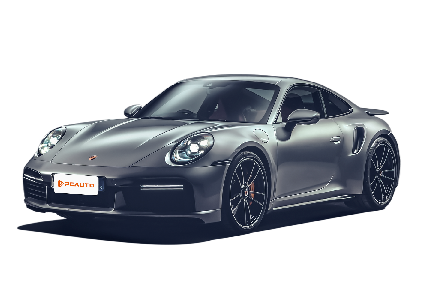
The 2025 Porsche 911 Carrera, as a classic entry-level coupe, features a 0-100 km/h acceleration in 3.9 seconds with its 3.0T+PDK performance, combining practical daily configurations and iconic design to balance track excitement with commuting convenience.
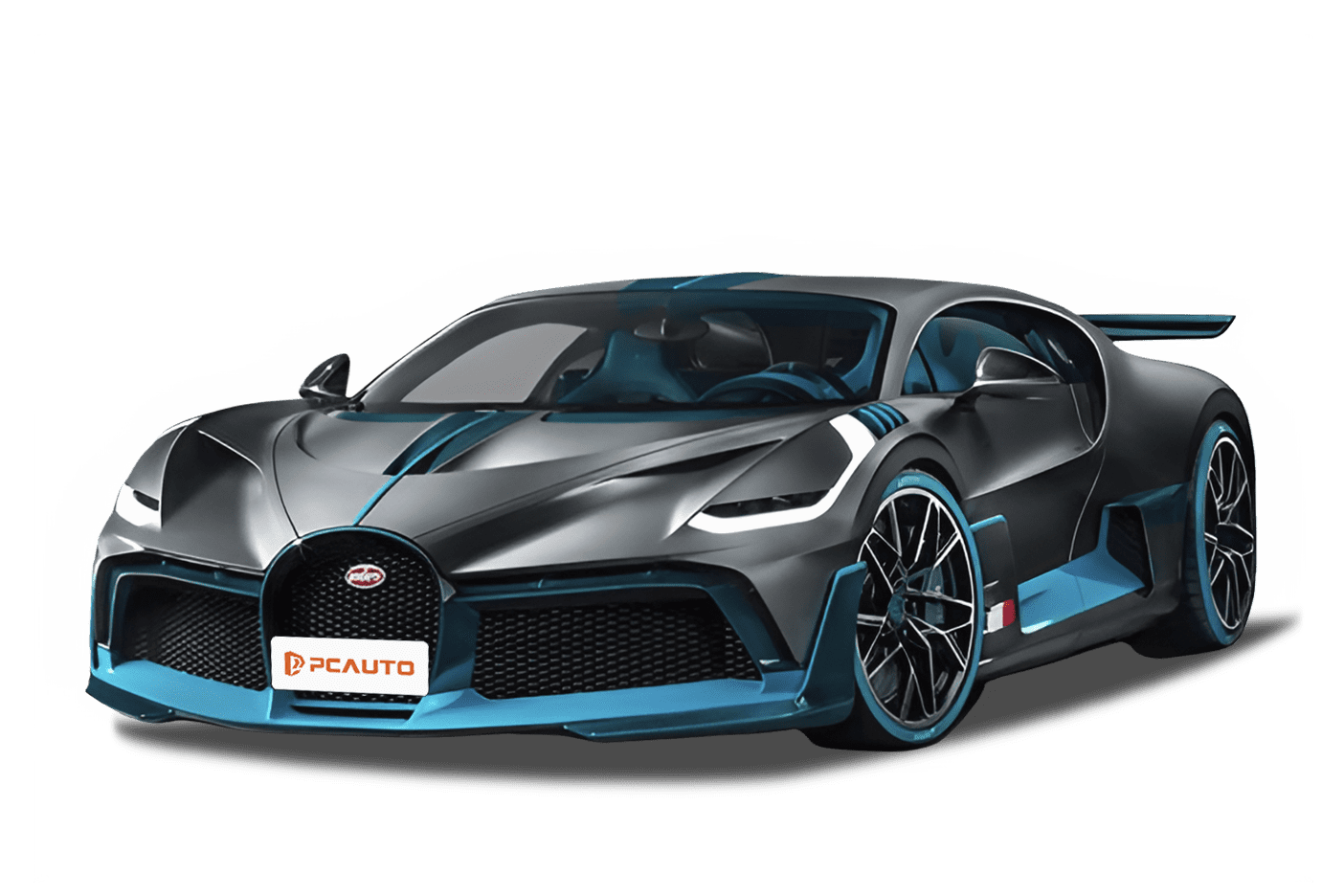
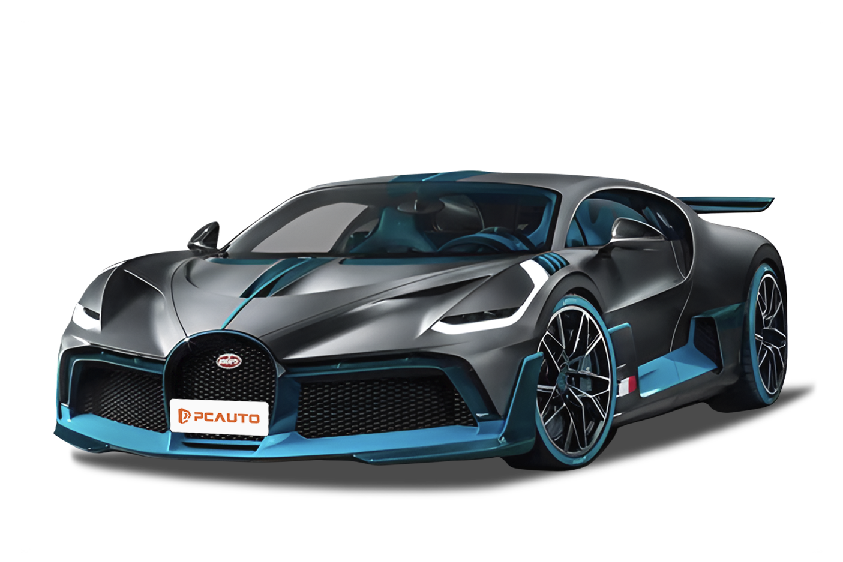
2023 Bugatti Divo, as a limited-edition hypercar and an advanced version of the Chiron, features track-focused aerodynamic design, 1520PS of brutal power, and precise handling, embodying the ultimate performance of being "born for the curves."