

2023 Mazda CX-3 2.0 Plus Review

 Share
Share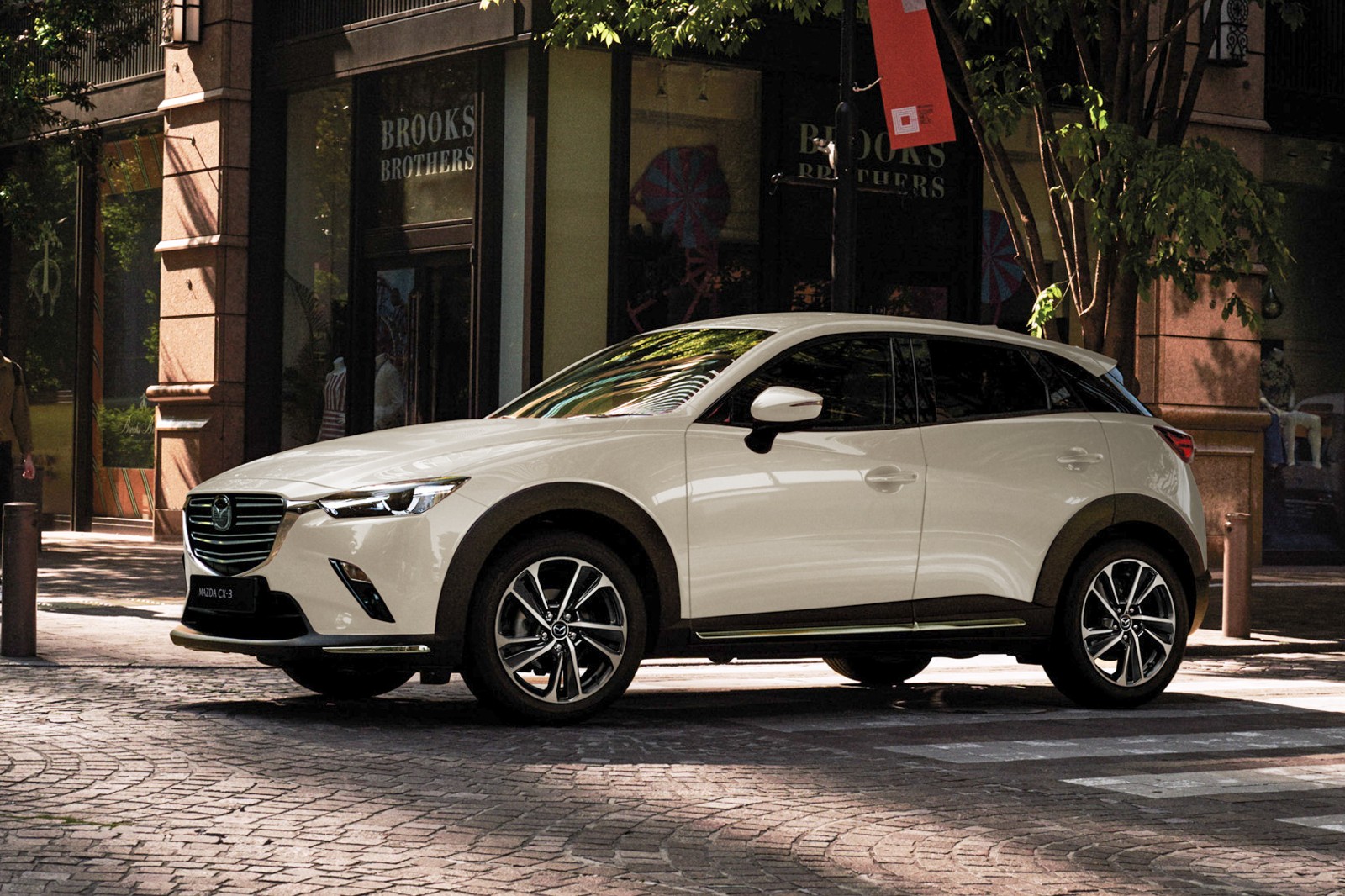
 Segment
 Body Type
 Capacity(L)
 Engine Power(PS)
 Engine Torque(Nm)
 Transmission
The B-segment SUV market in Malaysia has always been highly competitive, with consumers pursuing the practicality for daily commuting as well as a balance between features and driving quality. The 2023 Mazda CX-3 2.0 Plus, as a popular choice in this segment, enters the market this time with more comprehensive safety features and upgraded comfort functionality. Its core selling points focus on "high safety specifications + smart features + Mazda's consistent handling tuning." This article will analyze through static experience and dynamic test drives to determine whether this car can meet the dual needs of local family users and young groups.
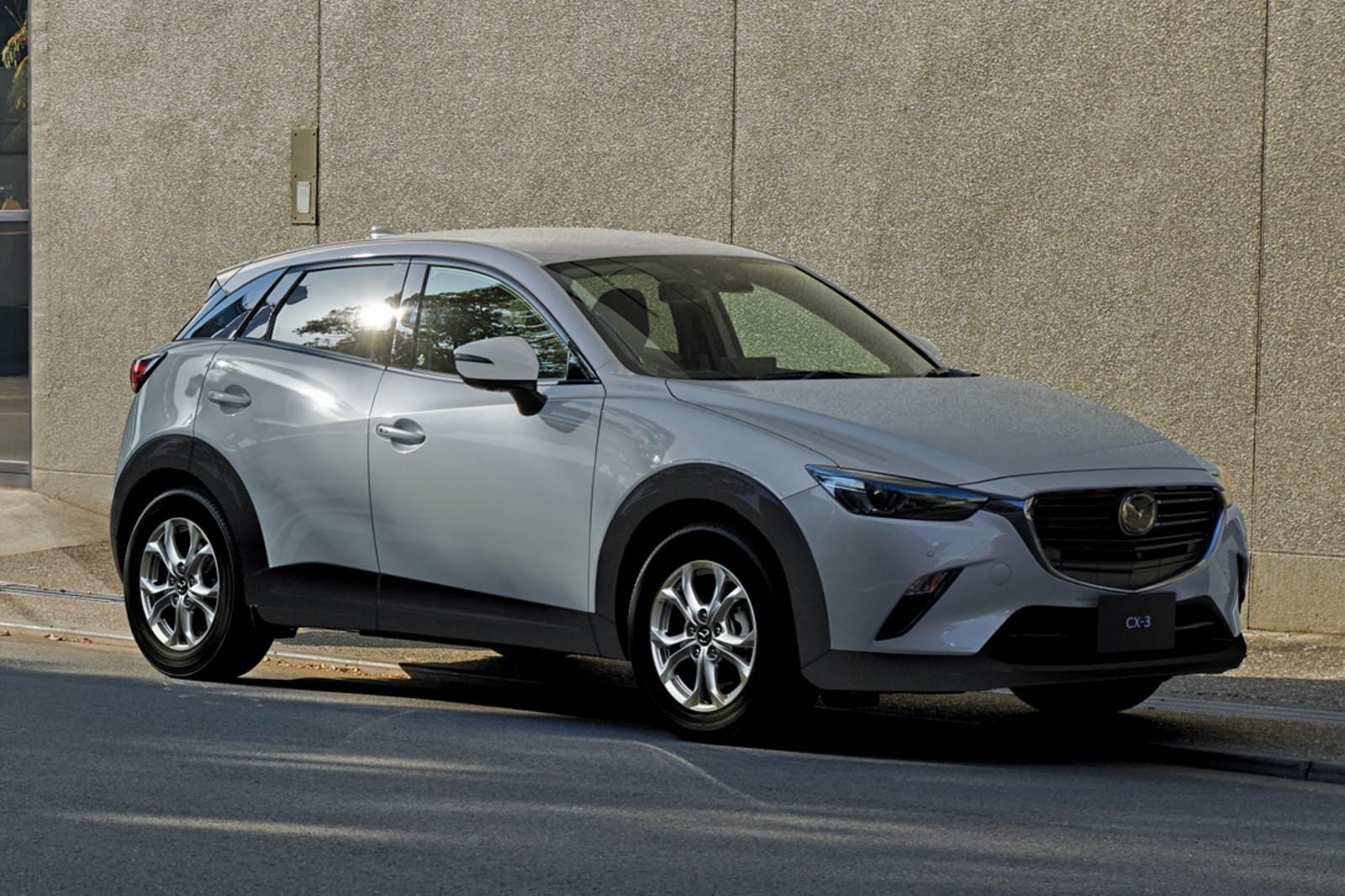
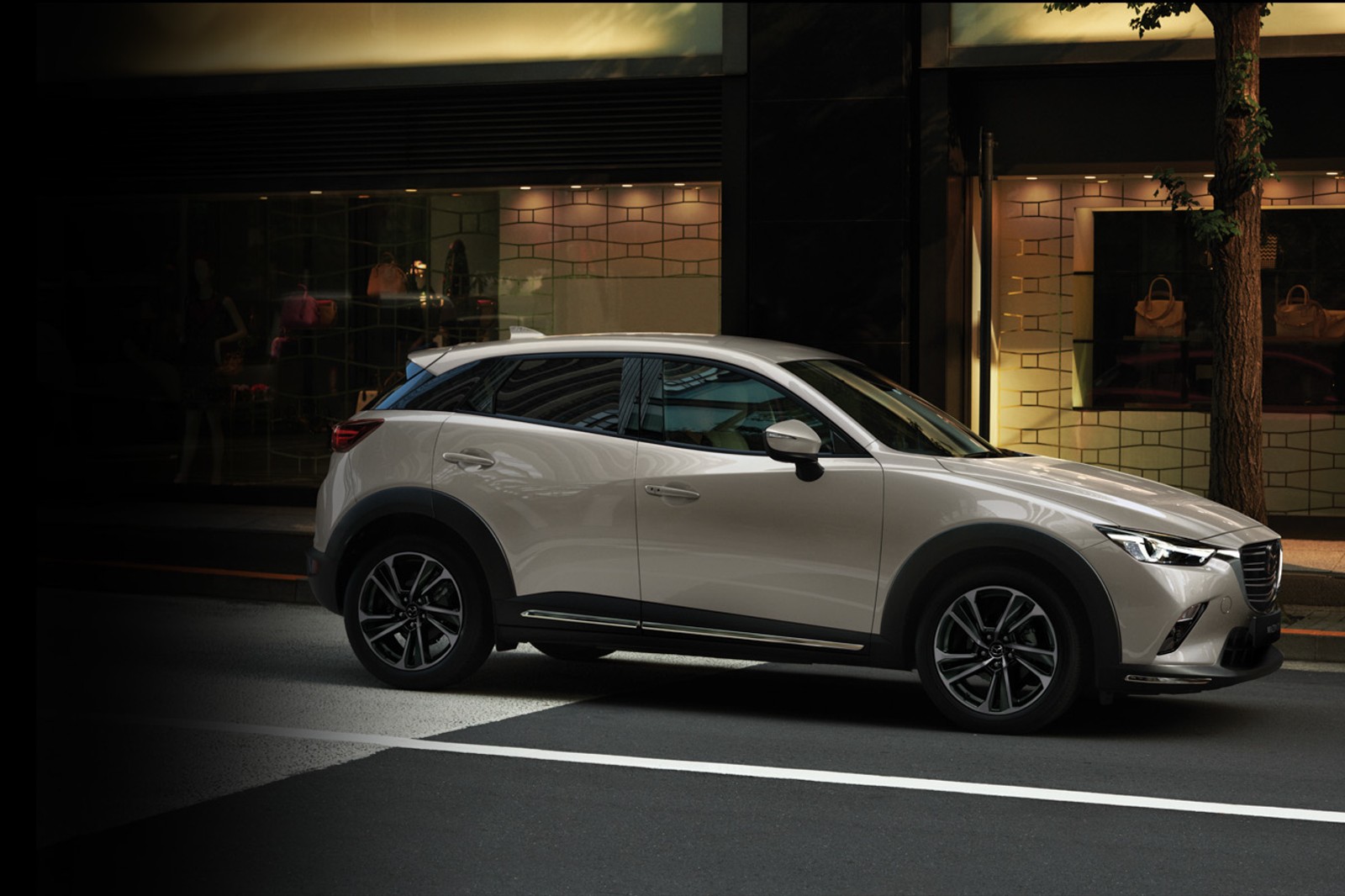
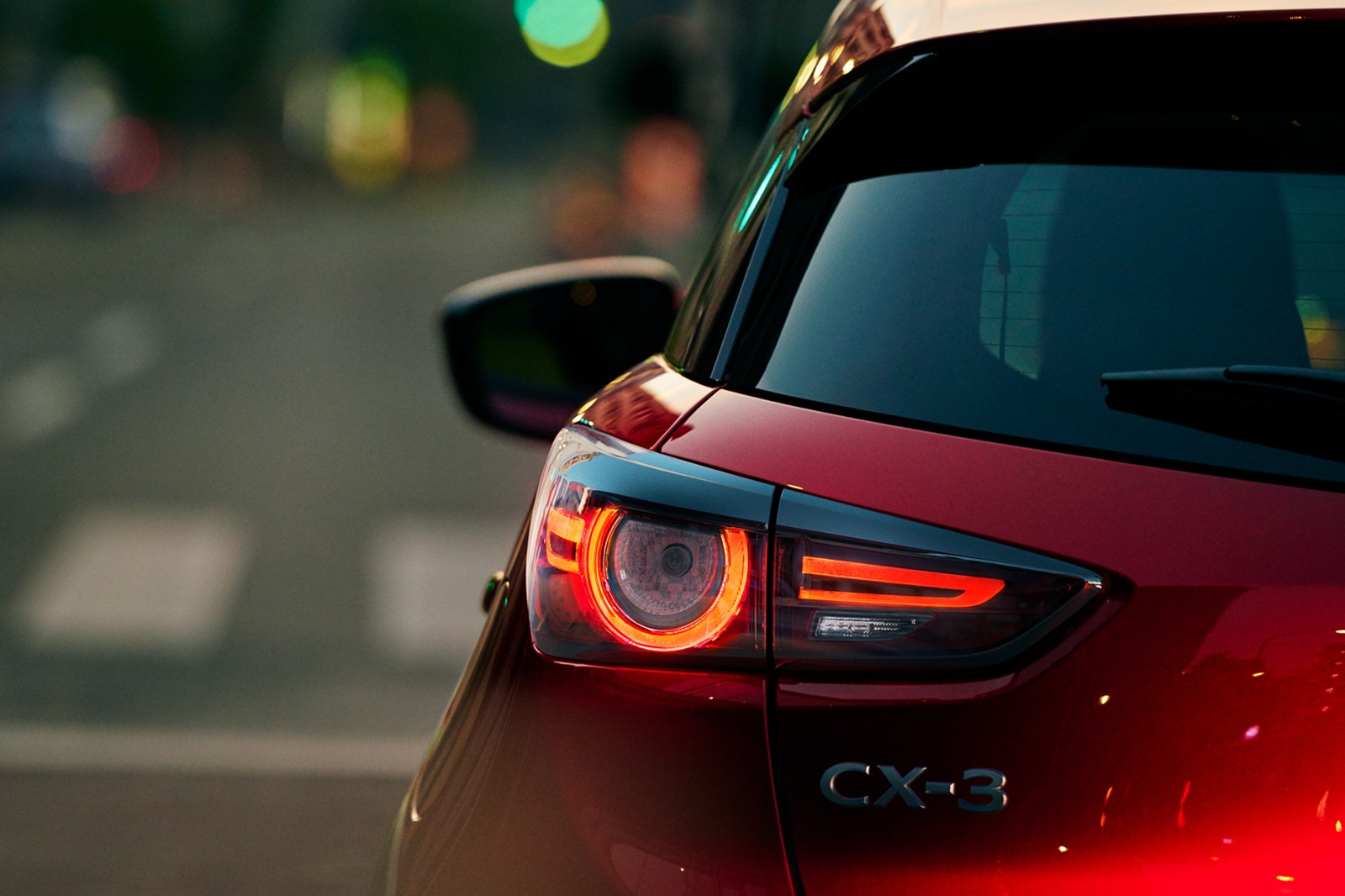
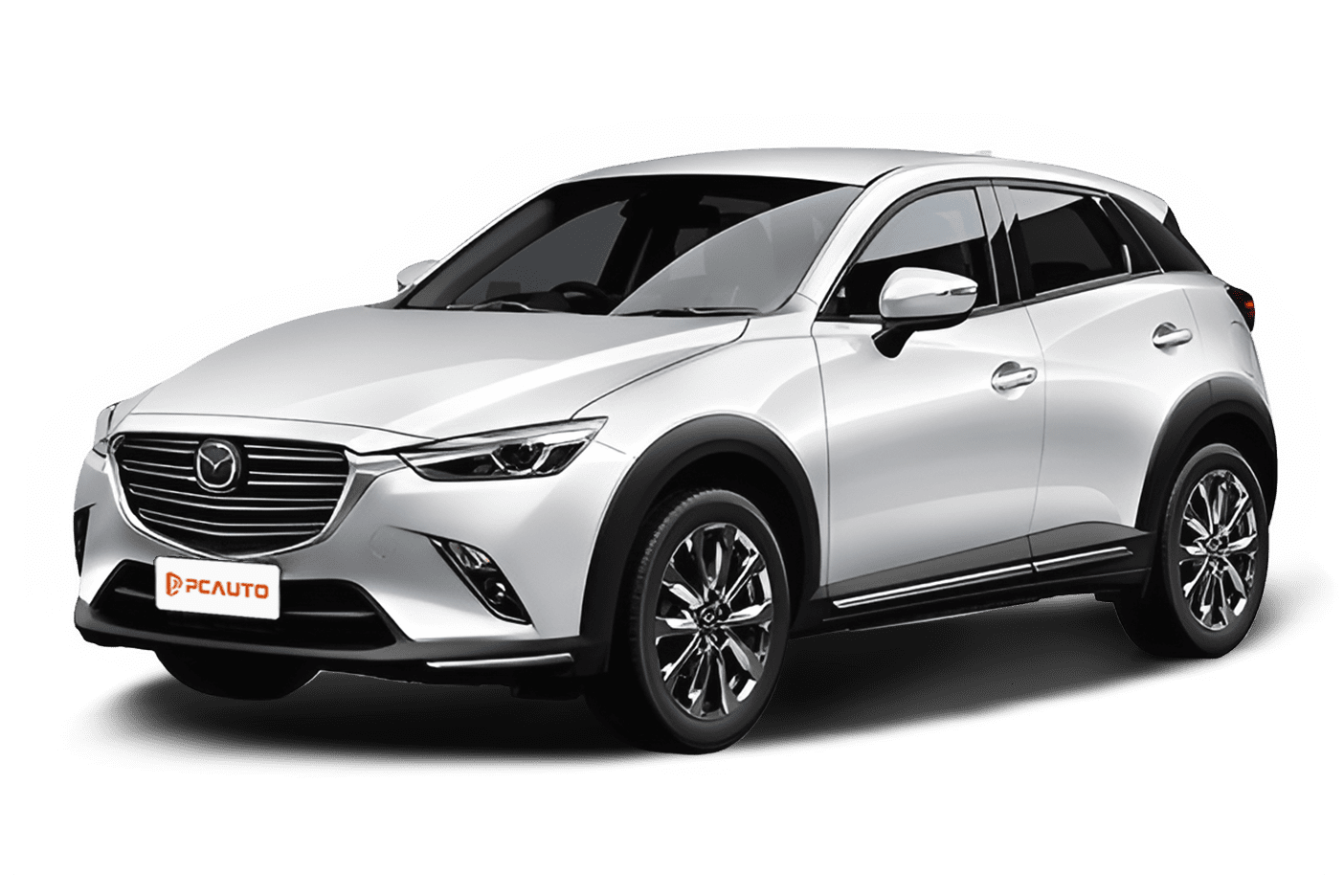
The exterior design continues Mazda's Kodo design language, with smooth and tension-filled lines. The front features a large shield-shaped grille, connected with chrome trim and sharp LED headlight groups on both sides, offering high recognizability; the black plastic cladding and silver skid plate on the lower part of the bumper add a rugged SUV character. The car's side profile has well-proportioned dimensions, with 18-inch multi-spoke wheels paired with 215/50 R18 tires for a full visual impact; the waistline stretches from the front to the rear, combined with a slightly upturned roofline to create a sporty, poised stance. At the rear, the LED taillights adopt a horizontal layout that echoes the front design; the rear bumper also features black cladding with a silver skid plate, and the dual exhaust setup emphasizes its sporty nature. The lighting system comes standard with LED light sources across the lineup, and the inclusion of automatic headlights and daytime running lights enhances everyday convenience.
Inside the cabin, the interior adopts a dark-toned theme with silver trim accents, creating a simple yet refined ambience. The dashboard uses a symmetrical layout, with a floating 8-inch touchscreen in the center, while retaining physical buttons and knobs below for clearer operation logic. In terms of materials, the upper part of the dashboard is wrapped in soft-touch materials, offering a comfortable feel; the door panels also feature leather wrapping and stitching, enhancing the interior quality. For features, essentials like a Heads-Up Display (HUD), a combination of digital and analog instrument cluster, a multifunction steering wheel, and paddle shifters are all standard, balancing technology and practicality. For the seats, the driver’s seat comes with electric adjustment and memory functions, while the passenger seat also supports electric adjustment. The seat padding is soft yet provides good support; the rear seats can be folded down in a 60:40 split, which expands the trunk capacity from 350L to accommodate larger items. In terms of space performance, the 2570mm wheelbase design ensures enough legroom for rear passengers around 175cm tall, and headroom doesn’t feel cramped either. As for storage capacity, the central armrest console, door storage compartments, and cup holders are well-designed to meet daily needs for storing personal items.
The powertrain features a 2.0L naturally aspirated engine with a maximum output of 154PS/6000rpm and a peak torque of 206N·m/2800rpm, paired with a 6-speed automatic transmission (6AT). During actual driving, the power response in the initial stage is linear, and the light tuning of the accelerator makes it suitable for urban traffic conditions. During mid-to-high acceleration, the engine can deliver sufficient torque from 2800rpm, and overtaking requires just a deeper press of the accelerator, with the transmission responding quickly by shifting gears and delivering direct power output. There are two driving modes available: Normal and Sport. In Sport mode, throttle sensitivity is increased, and the shift logic becomes more aggressive, suitable for users seeking driving pleasure. In terms of handling, the steering wheel offers precise steering with minimal slack and moderate feedback. The chassis uses a front MacPherson strut and rear torsion beam suspension setup, tuned to prioritize sportiness. The body roll is well-contained during cornering, and the stability is excellent. On bumpy roads, the suspension effectively absorbs minor vibrations while retaining some road feedback, balancing handling and comfort. Fuel consumption is approximately 7.5L/100km in urban conditions, dropping to around 6.2L/100km on highways, placing its fuel economy in the upper-middle range within the segment.
In terms of ride comfort, the noise control inside the cabin performs well, and both wind and tire noise remain within an acceptable range during high-speed driving. The seats offer good support and cushioning, making long rides less fatiguing. Safety features are a highlight of the CX-3 2.0 Plus, with the entire lineup coming standard with 6 airbags, ABS, electronic stability control, blind-spot monitoring, lane departure warning, autonomous emergency braking, and other functions. The addition of a 360-degree surround-view camera and front and rear parking sensors also make parking much easier.
Overall, the core strengths of the 2023 Mazda CX-3 2.0 Plus lie in its comprehensive safety features, balanced power and handling, and comfortable interior space. Compared to competitors in the same segment like the Honda HR-V and Toyota C-HR, the CX-3 stands out with its superior safety configurations, while Mazda's tuning for handling also caters to young drivers' needs. It's suitable for consumers who value safety and driving dynamics while also requiring a vehicle that accommodates family use. Whether for daily commuting or short weekend getaways, it can handle both with ease. If you're looking for a B-segment SUV with comprehensive features and outstanding driving quality, the CX-3 2.0 Plus is worth considering.
Mazda CX-3 Car Compare
Mazda CX-3 Loan Calculator
More Mazda Reviews
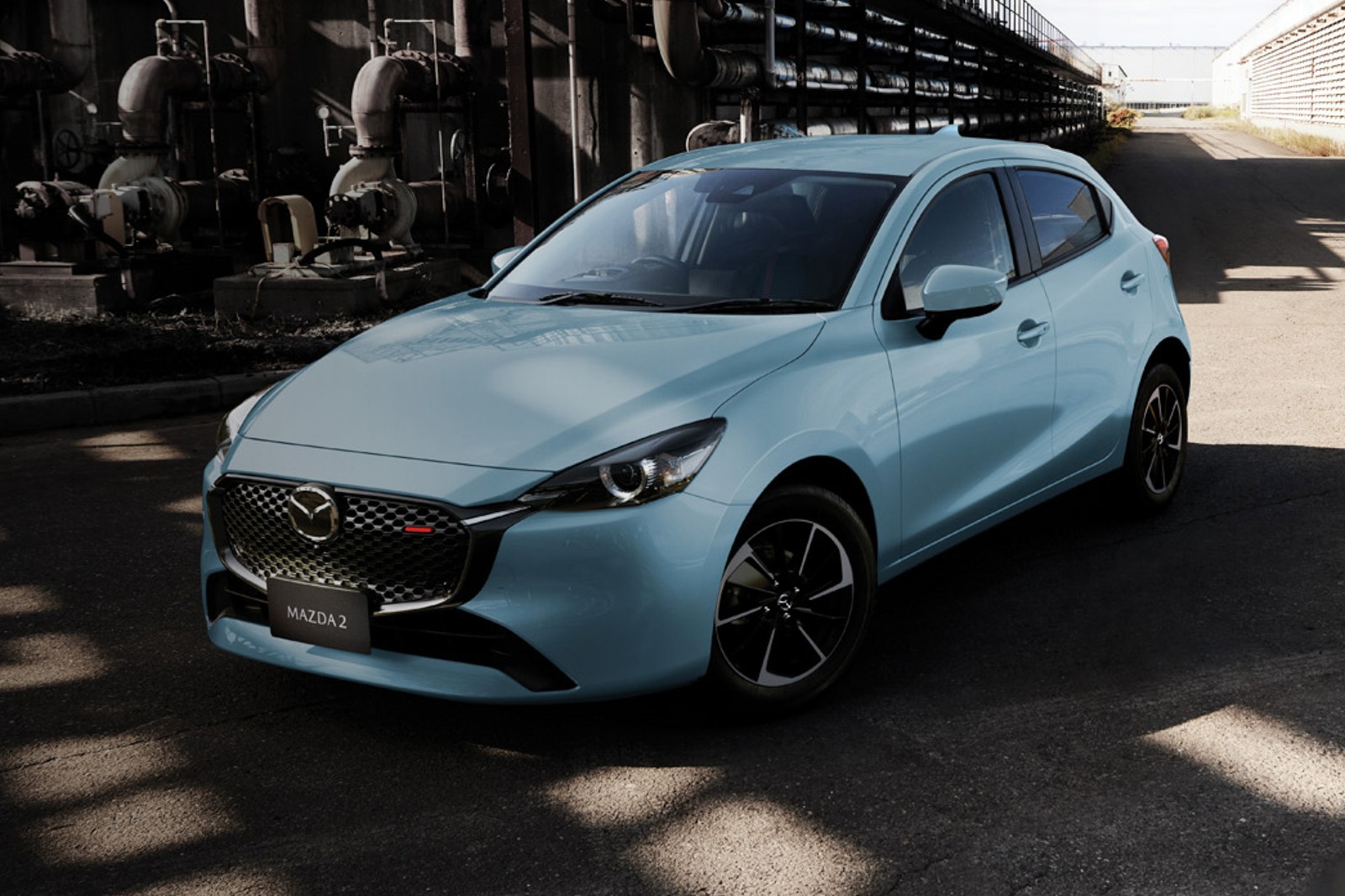
Cars With Similar Price And Features
4
Rank in SUV
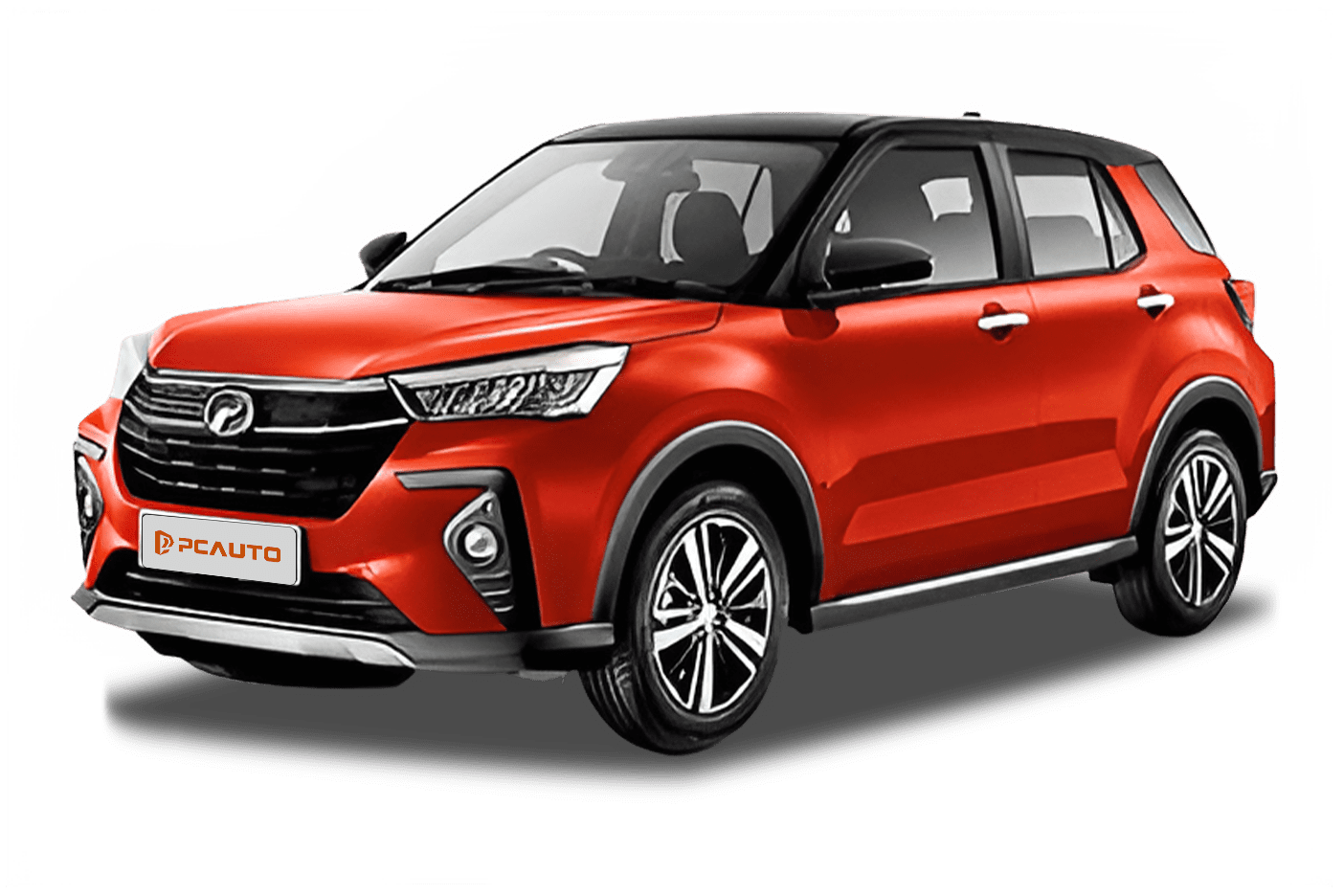
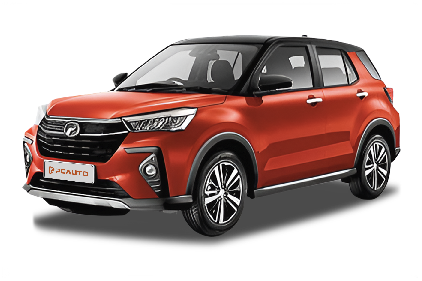
2023 Perodua Ativa 1.0L Turbo X, as a high-value-for-money entry-level B-SUV, meets the commuting and short-distance travel needs of family users with advanced safety features, practical space, and economical fuel consumption.
15
Rank in SUV
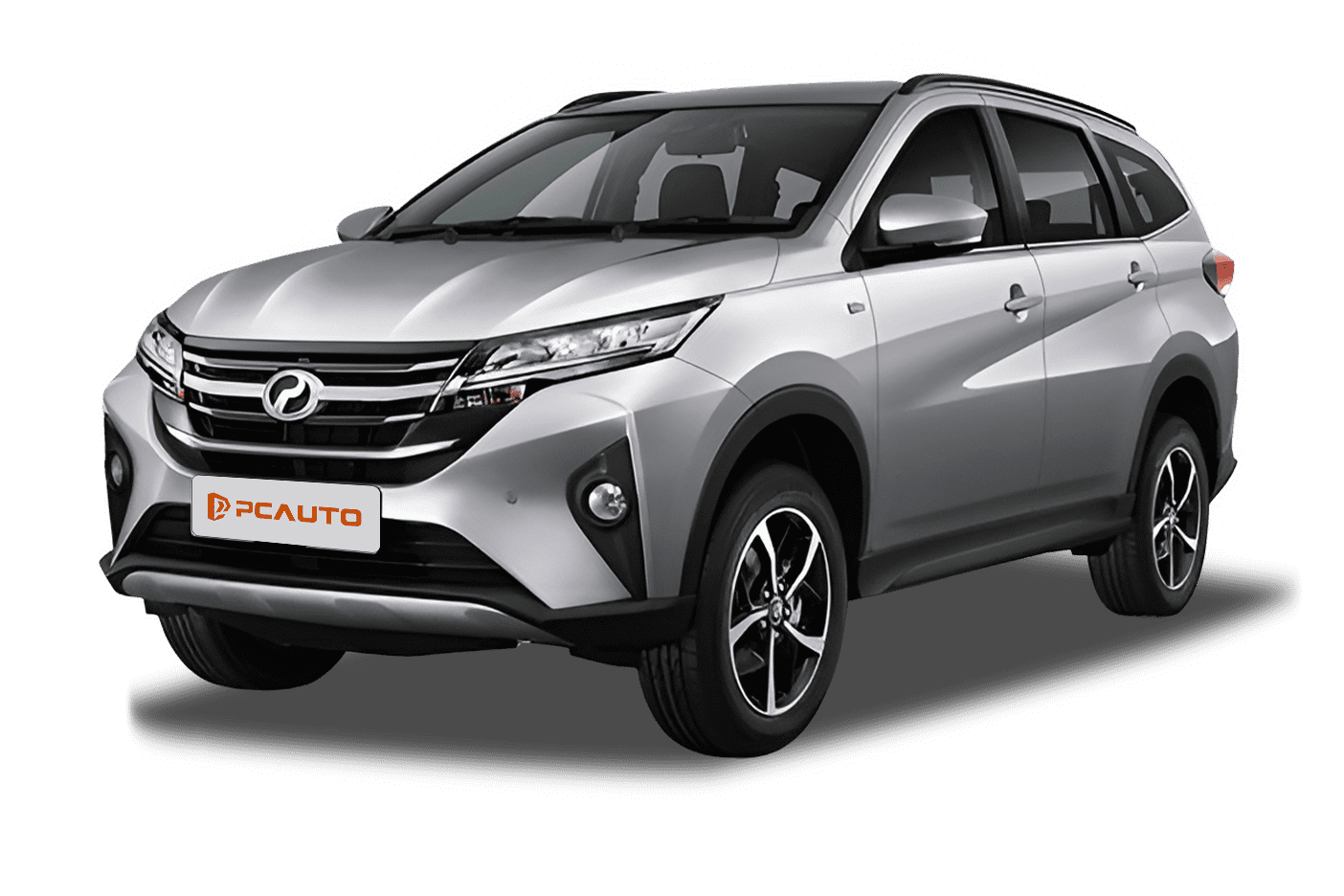
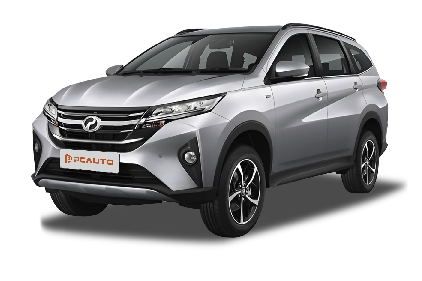
The 2023 Perodua Aruz 1.5L X is a high-value-for-money B-segment 7-seater SUV, offering 6 airbags and active safety systems as standard equipment for under RM63k. It balances practical space and daily commuting needs, making it a pragmatic choice for budget-conscious families.
3
Rank in SUV
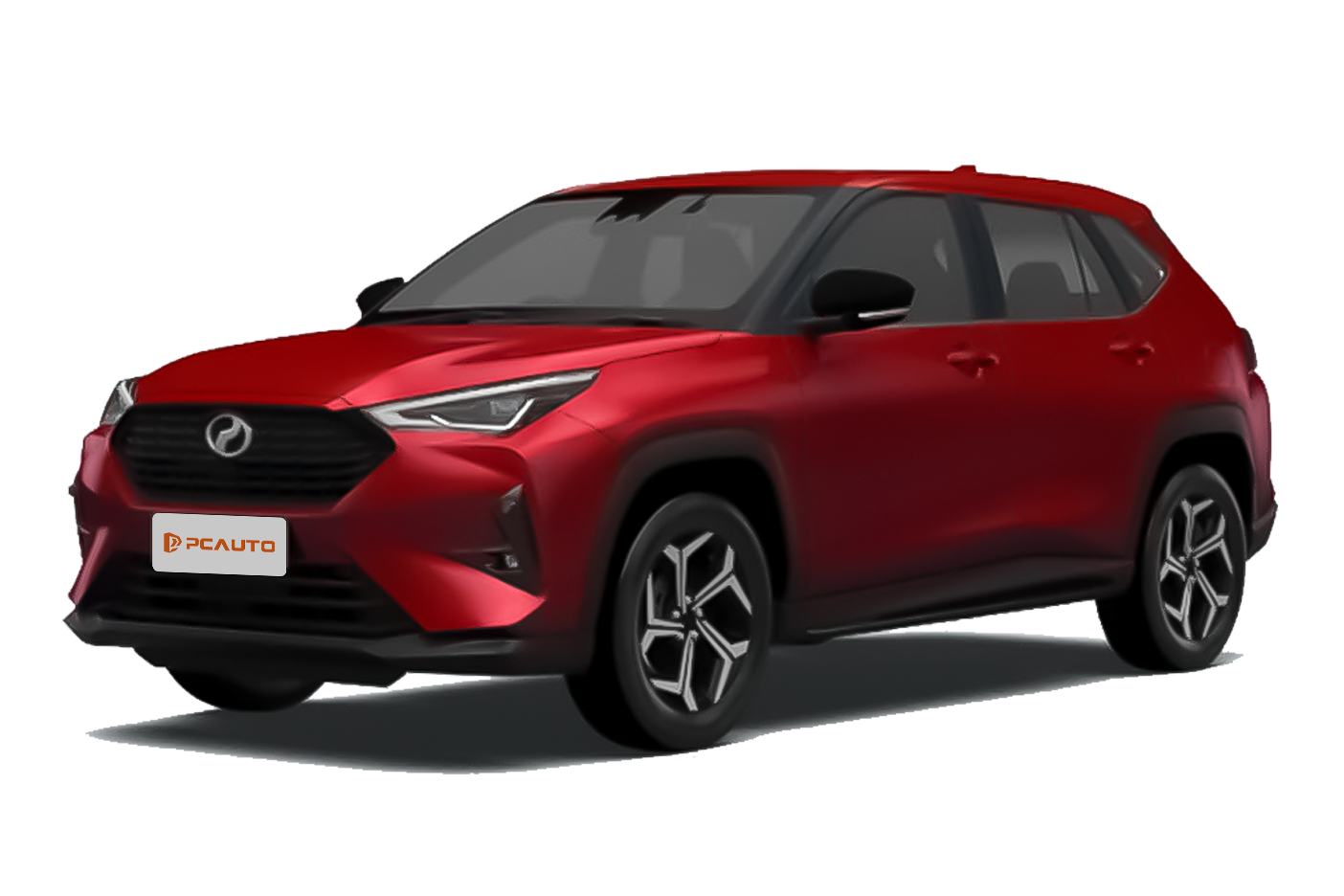
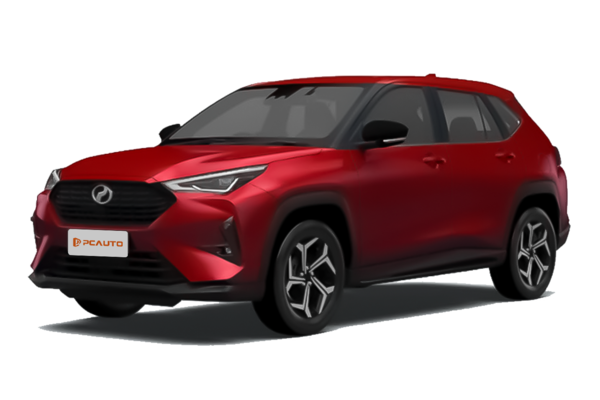
2025 Perodua Traz X, positioned as a B-segment SUV for family users, highlights advanced safety features, 210mm high ground clearance, and practical spaciousness as its main selling points, balancing flexibility and practicality.
2
Rank in SUV
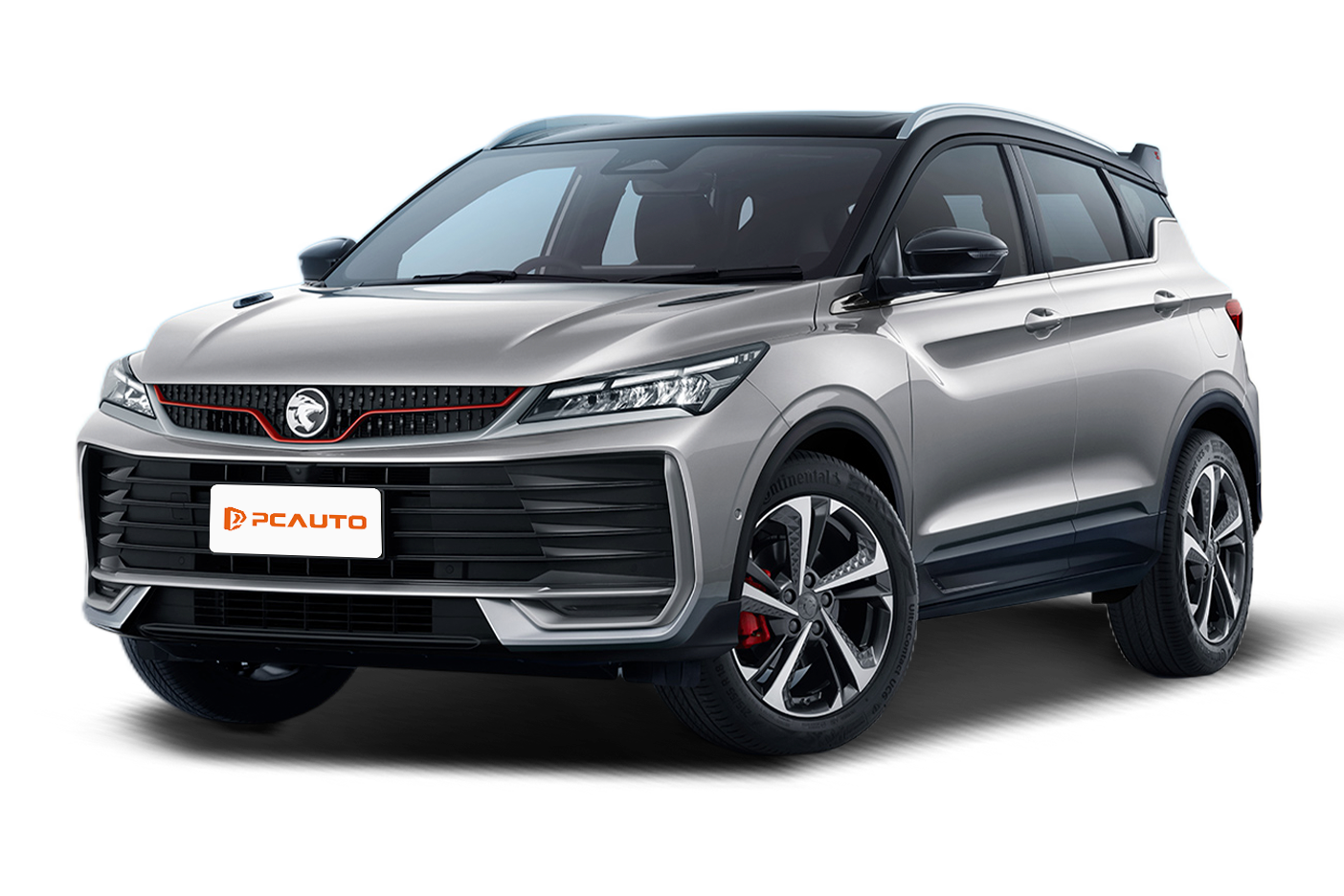
2025 Proton X50 Executive is an upgraded and price-reduced mid-size SUV that combines refined exterior, tech-savvy interior, powerful performance, and practical space, offering exceptional value for money.