

2023 Mitsubishi Triton 4x4 VGT MT Review

 Share
Share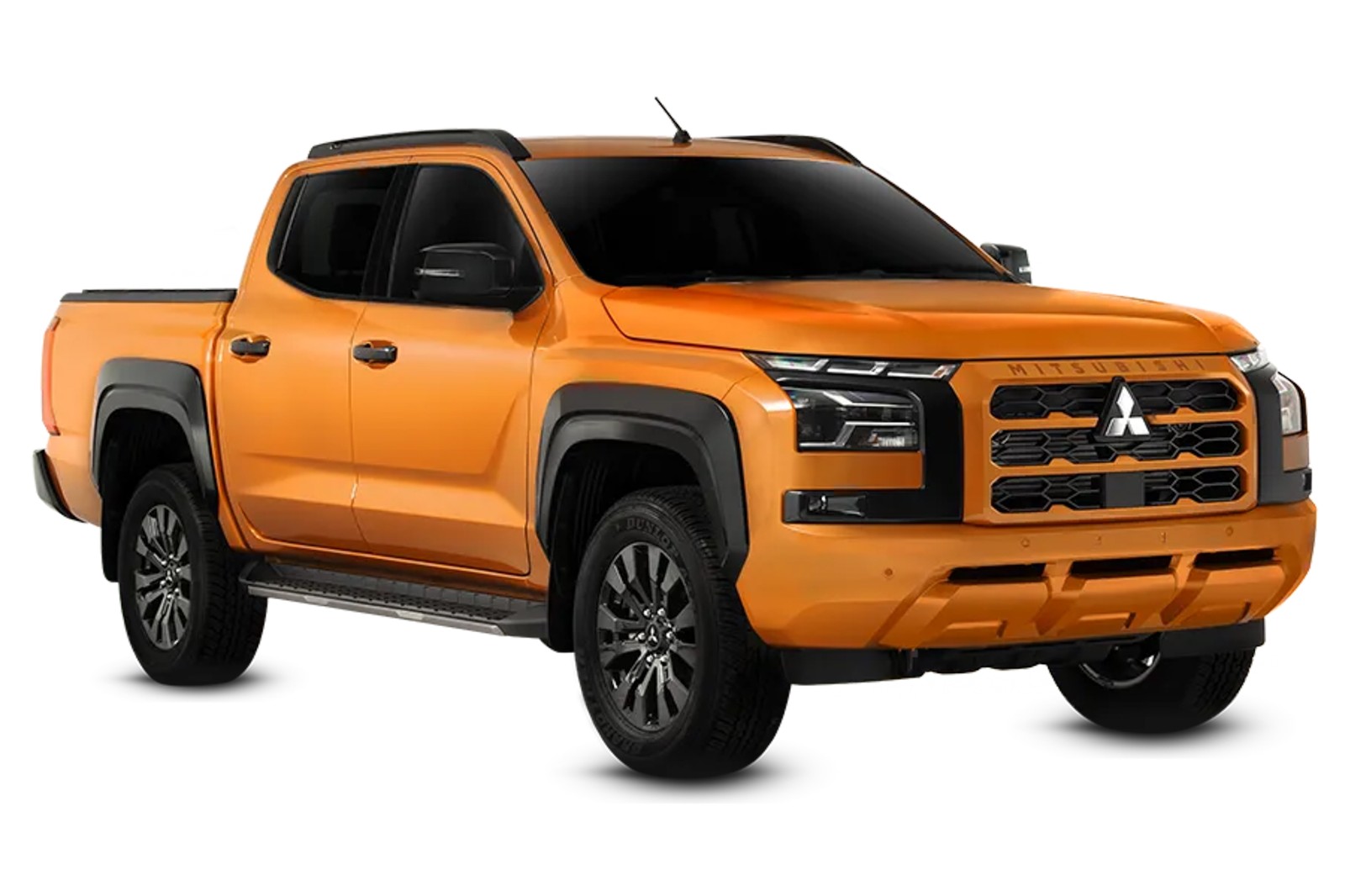
 Segment
 Body Type
 Capacity(L)
 Engine Power(PS)
 Engine Torque(Nm)
 Transmission
In Malaysia's pickup truck market, models that balance daily household use and light off-road demands have always been the mainstream. An increasing number of consumers are looking forward to an "all-rounder" pickup—the kind that needs to satisfy the practicality of loading goods and running construction sites, while also providing enough comfort for family outings. The 2023 Mitsubishi Triton 4x4 VGT MT is aimed at this niche market, priced at RM110,000, equipped with a 2.4T diesel engine, full-time four-wheel drive, and paired with a 6-speed manual transmission, making it particularly targeted among models in the same price range. The focus of this test drive is to see if it can truly balance dual needs of work and life and to discover any practical details that might be hidden behind the spec sheet.
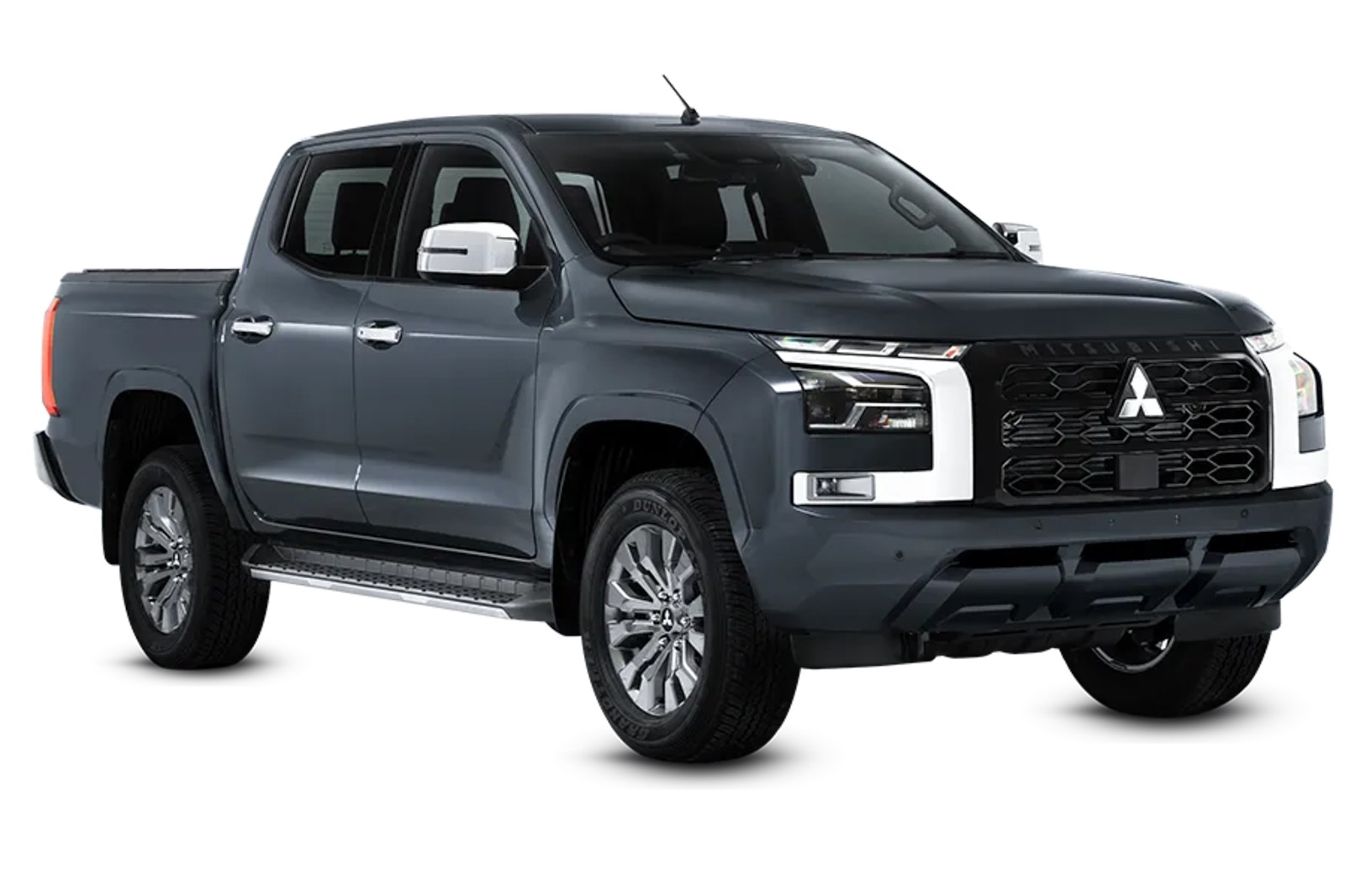
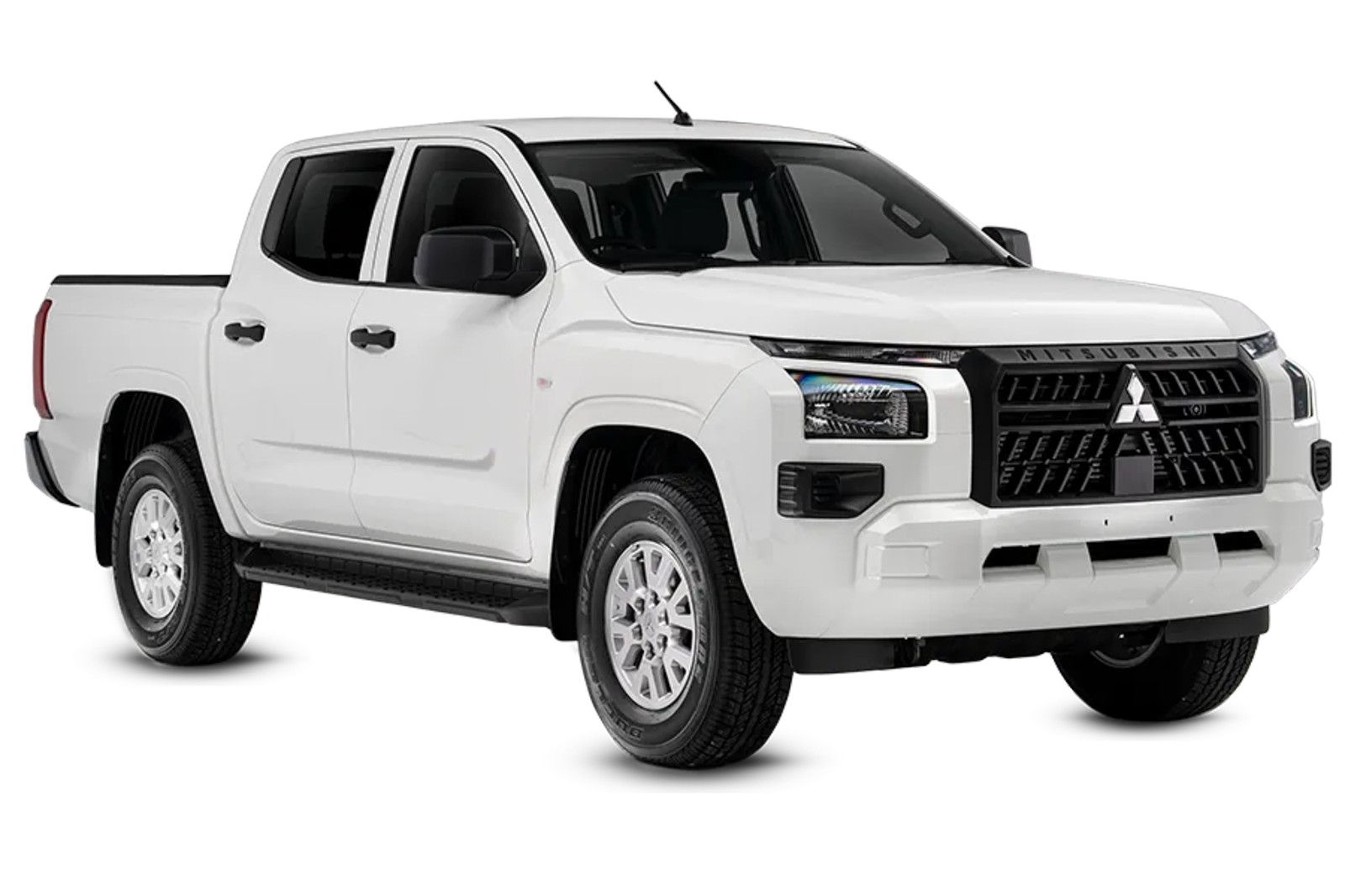
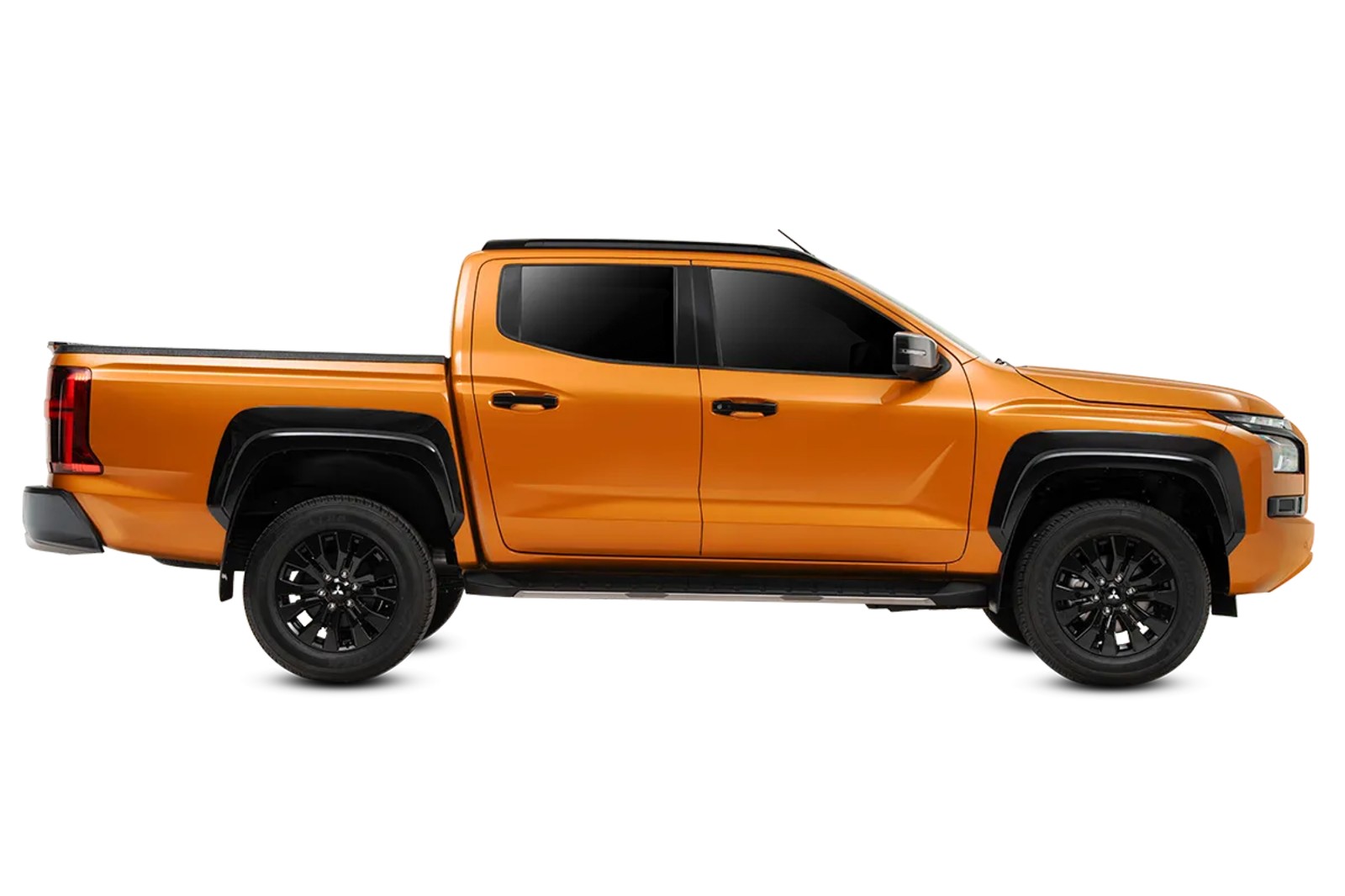
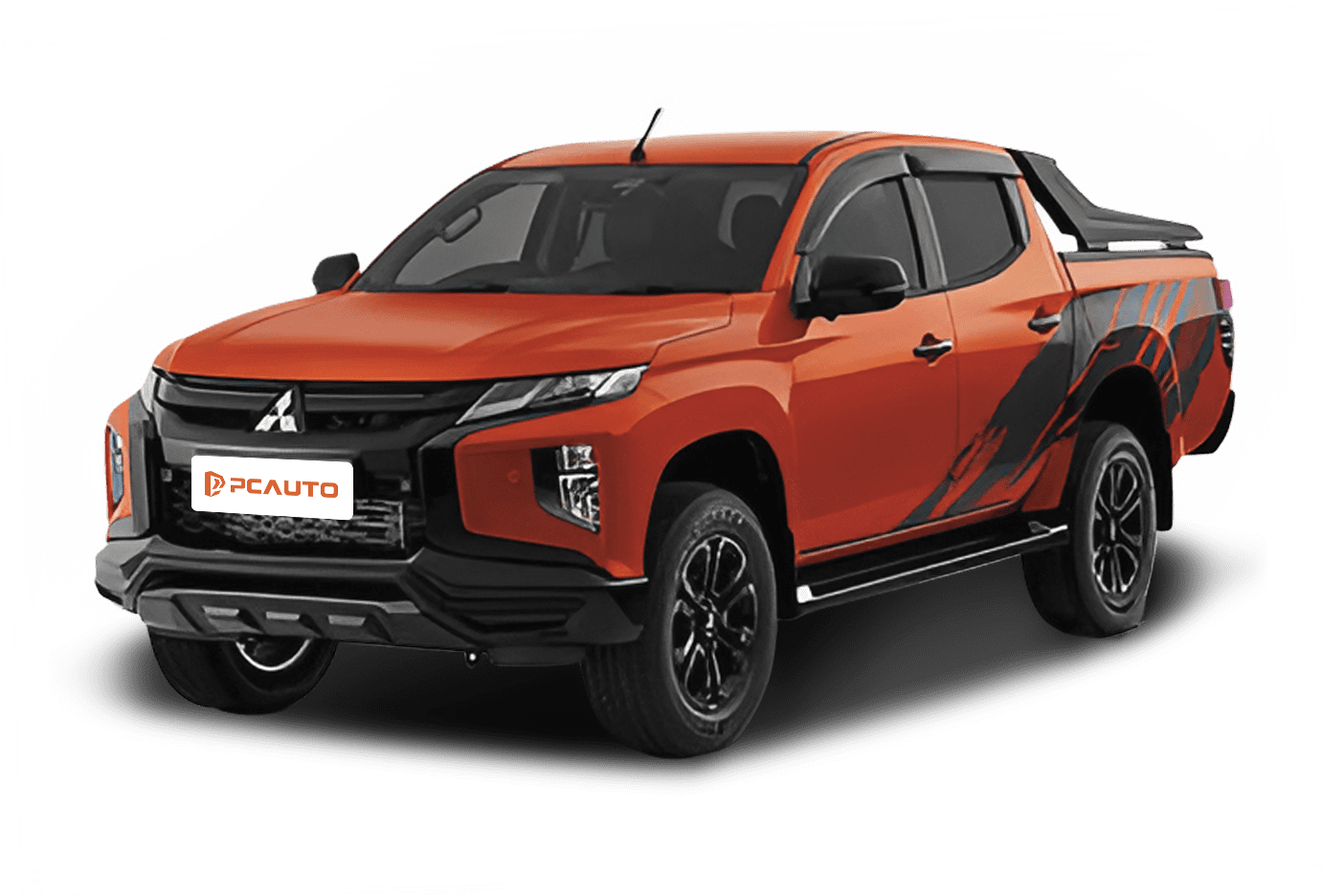
At first glance, this Triton retains Mitsubishi's consistent tough truck styling, but with added modern touches in the details. The large front grille is adorned with chrome strips, preventing it from looking too monotonous; the headlights combine halogen with LED elements, and the inclusion of LED daytime running lights enhances its visibility—recognizable even under Malaysia’s strong afternoon sunlight. The body side lines are straight, with a 3000mm wheelbase visually elongating the body, while the muscular wheel arches paired with 245/70 R16 tires give off a strong off-road vibe. The rear design is relatively simple, with vertically arranged tail lights and standard rear fog lights. The "TRITON" badge on the cargo bed rail is clearly displayed, making it look steady yet not bulky, whether it's parked at a construction site or in a residential area.
Opening the door, the interior carries a functionalist style without excessive fancy designs. The layout of the center console is clear, with solid tactile feedback from physical buttons and knobs that can be operated easily even while wearing gloves. The materials mainly consist of hard plastics, but key areas like the steering wheel and seat edges are wrapped in soft materials, avoiding too much of a cheap feel. A multifunction steering wheel comes standard, allowing control of audio and phone calls, eliminating the need to look down for adjustments; the instrument panel is a backlit analog design with clear display of information such as RPM, speed, and fuel level, all apparent at a glance. The seats are manually adjustable and made of durable fabric material. While they lack the premium feel of leather, they provide decent support for long rides. The rear seats come with foldable armrests, ensuring comfort even for the middle passenger. Space is one of its strengths: after adjusting the front seats to a suitable position, a 175cm tall passenger still has a fist's worth of headroom; the rear legroom provides up to two fists, ensuring three adults can sit comfortably without feeling cramped. As for storage, the door pockets can hold two large bottles of water, the depth of the central armrest box is adequate for storing documents and small tools, and there are cup holders in the rear, so there is storage space for everyday small items. In terms of configurations, the single-zone manual air conditioning, though not automatic, is straightforward to operate. The addition of a 220V/230V power outlet is very practical, allowing laptops or air pumps to be powered during long journeys. However, the central display screen is non-touch, requiring physical buttons for operation, which might take some getting used to for those accustomed to touchscreens.
Sitting in the driver’s seat, the first thing noticeable is the tactile engagement of the manual transmission—gear slots are clear, the clutch pedal has a moderate travel distance, and the biting point is easy to find, making it quick to get used to even for beginners. The 2.4T diesel engine boasts impressive specs: 181PS horsepower and 430Nm of torque, with maximum torque available at 2500rpm. During starts, there’s no need to intentionally rev high; lightly pressing the accelerator delivers adequate power. This is particularly evident when the vehicle is fully loaded or climbing hills, where the diesel engine's low-end torque advantage is apparent. After switching to four-wheel drive mode, the full-time 4WD system responds quickly. On Malaysia's common muddy roads or small inclines, the wheels hardly slip, and the hill-start assist feature is very thoughtful, negating the need for frantic handbrake pulls during hill starts. As for the suspension, the combination of front MacPherson independent suspension and rear leaf springs balances both comfort and load-bearing needs. On flat urban roads, the suspension absorbs most minor bumps; when encountering potholes or speed bumps, the rear suspension is sufficiently resilient, without noticeable bouncing. In corners, the body roll is kept within a reasonable range, the steering wheel feels adequately weighted, and the steering is reasonably precise, avoiding the common "floating" feeling of pickups. Regarding fuel consumption, this test drive included city traffic, highway cruising, and light off-road conditions, resulting in an average fuel consumption of approximately 8.5L per 100 kilometers. For a 2.4T diesel pickup, this performance is as expected, and the 75L fuel tank capacity ensures adequate range for long trips, avoiding frequent refueling. However, one point to note is that the drum brakes on the rear wheels provide relatively soft feedback, requiring a firmer press during sudden braking to feel more secure.
The comfort details of daily driving are also worth mentioning. The noise control inside the car is quite good; within a speed of 80km/h, engine noise and tire noise are within an acceptable range. On highways exceeding 100km/h, wind noise becomes slightly noticeable but doesn't affect normal conversation. The fabric material of the seats is breathable, making long-term sitting in Malaysia's weather not too stuffy. The reclining angle of the rear seats is quite reasonable, so long-distance rides don't feel tiring. The side mirrors are electrically foldable, which is very convenient when parking in narrow spaces without the need to fold them manually. The brightness of the interior lighting is sufficient, and you don't have to fumble in the dark when looking for something at night. However, the manual key for opening doors feels a bit retro. If it could be replaced with a remote key, it would be more convenient.
In general, the core advantages of the 2023 Mitsubishi Triton 4x4 VGT MT are clear: robust four-wheel-drive capability, practical space, reliable diesel power, and with a price tag of RM110,000, it offers high cost-effectiveness among pickups in the same price range. Compared to the same-class Toyota Hilux 2.4G MT or Ford Ranger 2.2 XL MT, it offers greater torque, and its configuration includes added features like a 220V power outlet and a rear armrest, making it more practical. However, it also has some shortcomings, such as the plastic feel of the interior, the non-touchscreen center console, and the drum brakes at the rear, which are all compromises leaning toward practicality.
This vehicle is best suited for consumers who need a "multi-purpose" vehicle—for example, someone running a small business, needing to carry goods to construction sites, and also planning weekend family camping trips; or someone who enjoys light off-roading but doesn't want daily commuting to be too troublesome. It's not a vehicle that pursues luxury or extreme performance, but it is definitely one that reliably solves practical problems.
In conclusion, the 2023 Mitsubishi Triton 4x4 VGT MT is a pickup truck that is "practical and reliable enough." It does not come with flashy features, but it spends money where it matters—fulfilling core needs like power, four-wheel drive, and space. If you're looking for a partner that can balance work and life, it is a very pragmatic choice in this price range.
Mitsubishi Triton Car Compare
Mitsubishi Triton Loan Calculator
More Mitsubishi Reviews
Cars With Similar Price And Features
5
Rank in Pickup
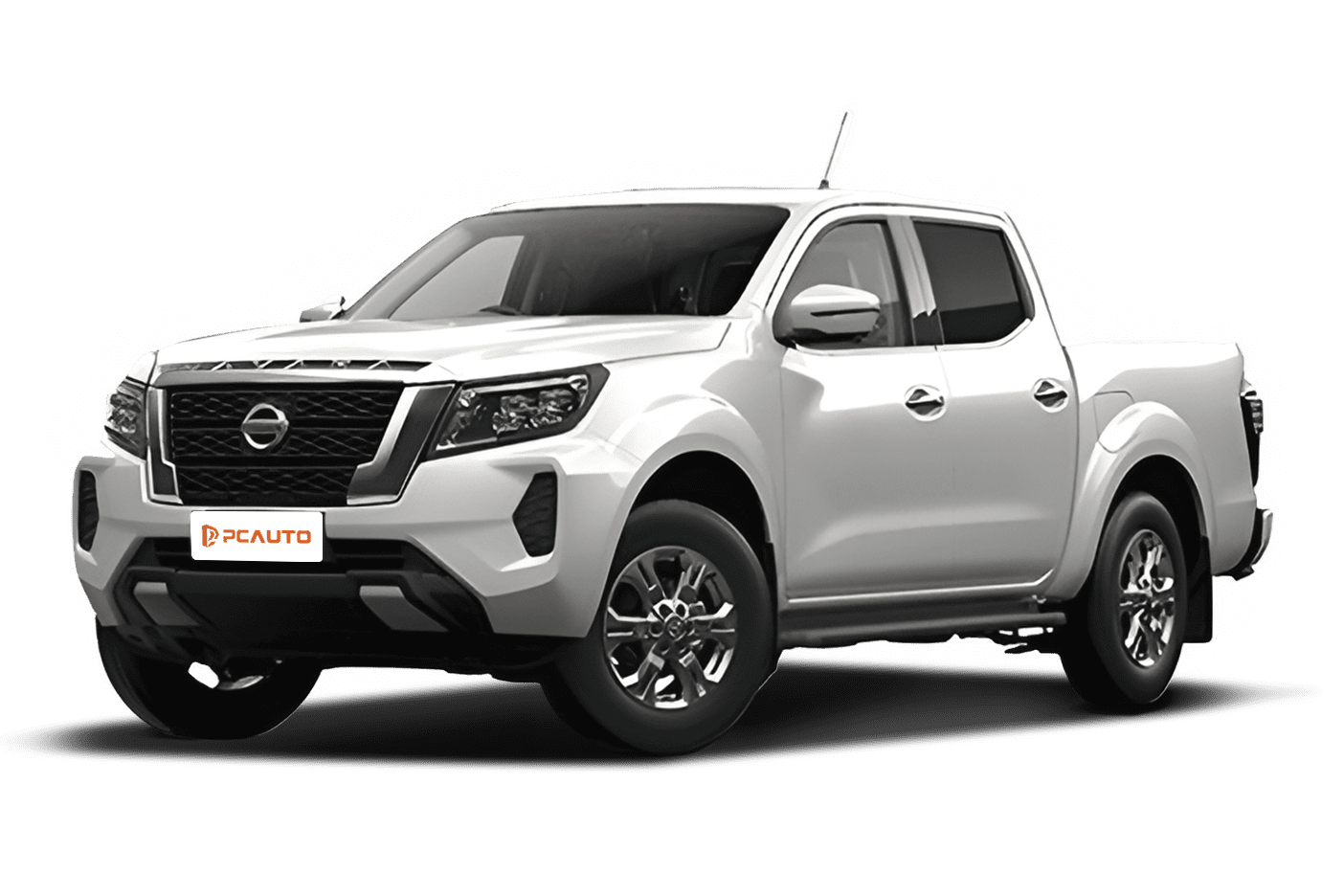
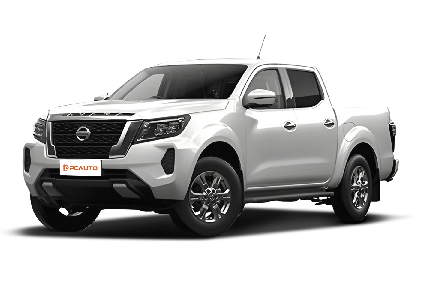
2023 Nissan Navara 2.5 VL Black Edition is a pickup truck that balances household comfort with light off-road capability, featuring exclusive black trims, a full suite of active safety features, and practical configurations, precisely catering to the needs of families and small business owners.
4
Rank in Pickup

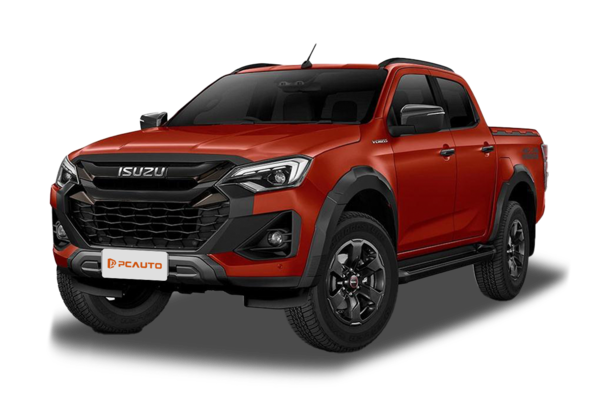
2025 Isuzu D-MAX 1.9L 4x2 Low Ride is an entry-level passenger pickup, offering a balance of practical space, reliable diesel performance, and fuel economy, suitable for family transport and small business cargo needs.
3
Rank in Pickup
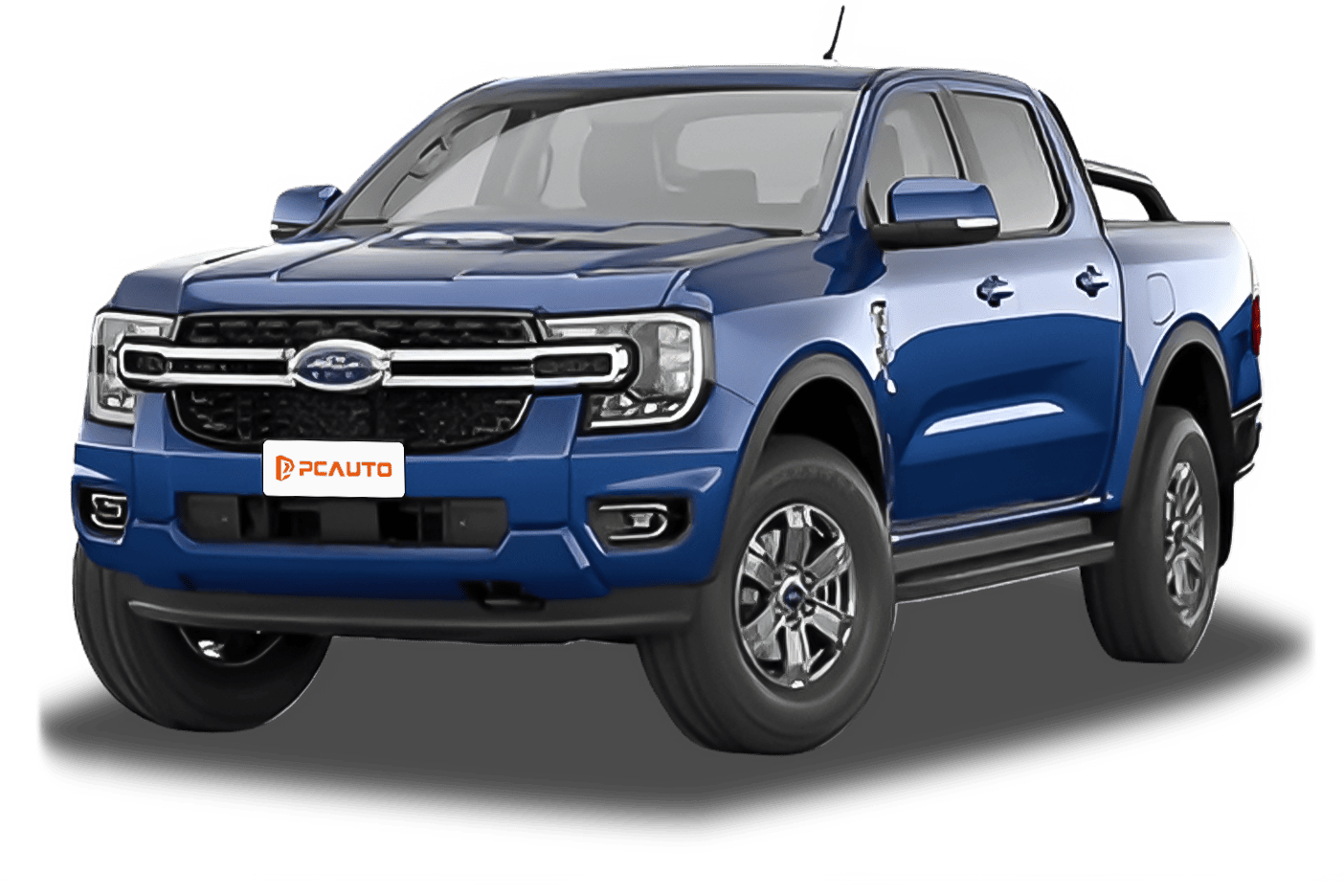
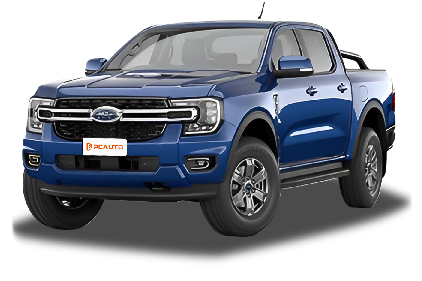
2023 Ford Ranger WildTrak is a mid-to-high-end pickup truck that balances the comfort of daily commuting with the practicality of cargo and off-road capabilities. It features powerful performance, ample space, and practical configurations, making it a versatile choice for both family and work scenarios.

2023 JMC Vigus Pro White Series 2.0L 4WD 8AT combines rugged design, practical features, and powerful diesel performance, balancing everyday durability and mild off-road needs, making it a high-value choice for pickup users.