

2023 Proton Iriz 1.3 Standard CVT Review

 Share
Share
 Segment
 Body Type
 Capacity(L)
 Engine Power(PS)
 Engine Torque(Nm)
 Transmission
In Malaysia's B-Segment market, 1.3L hatchbacks have always been the top choice for budget-conscious family users. These vehicles typically need to strike a precise balance between price, space, and features. The 2023 Proton Iriz 1.3 Standard CVT enters the market with a starting price of RM 42,800. Its core selling points focus on comprehensive basic configurations and a long warranty of 5 years/150,000 kilometers. In this test drive, we primarily evaluate whether its static practicality and dynamic performance can meet the needs of daily commuting.
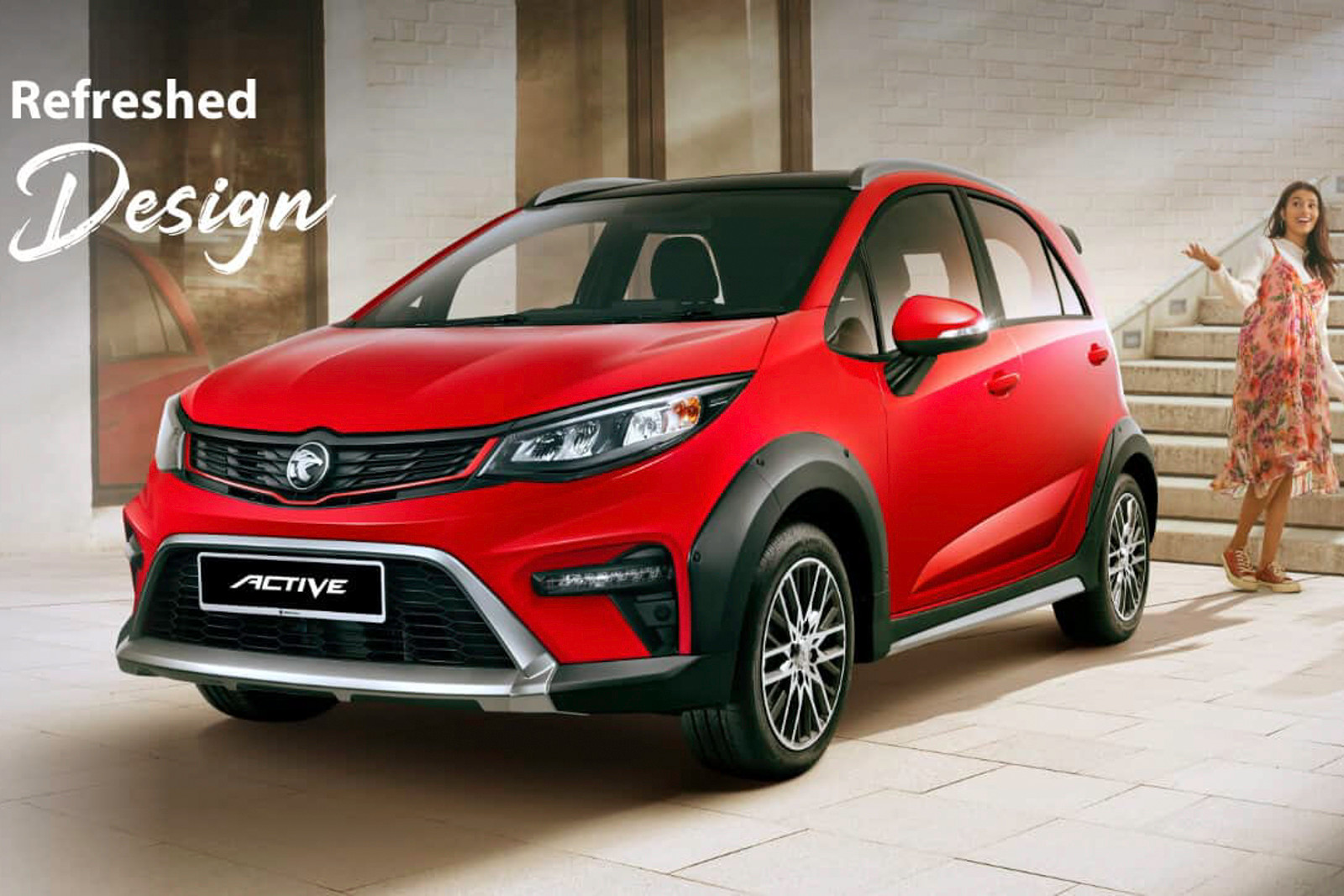
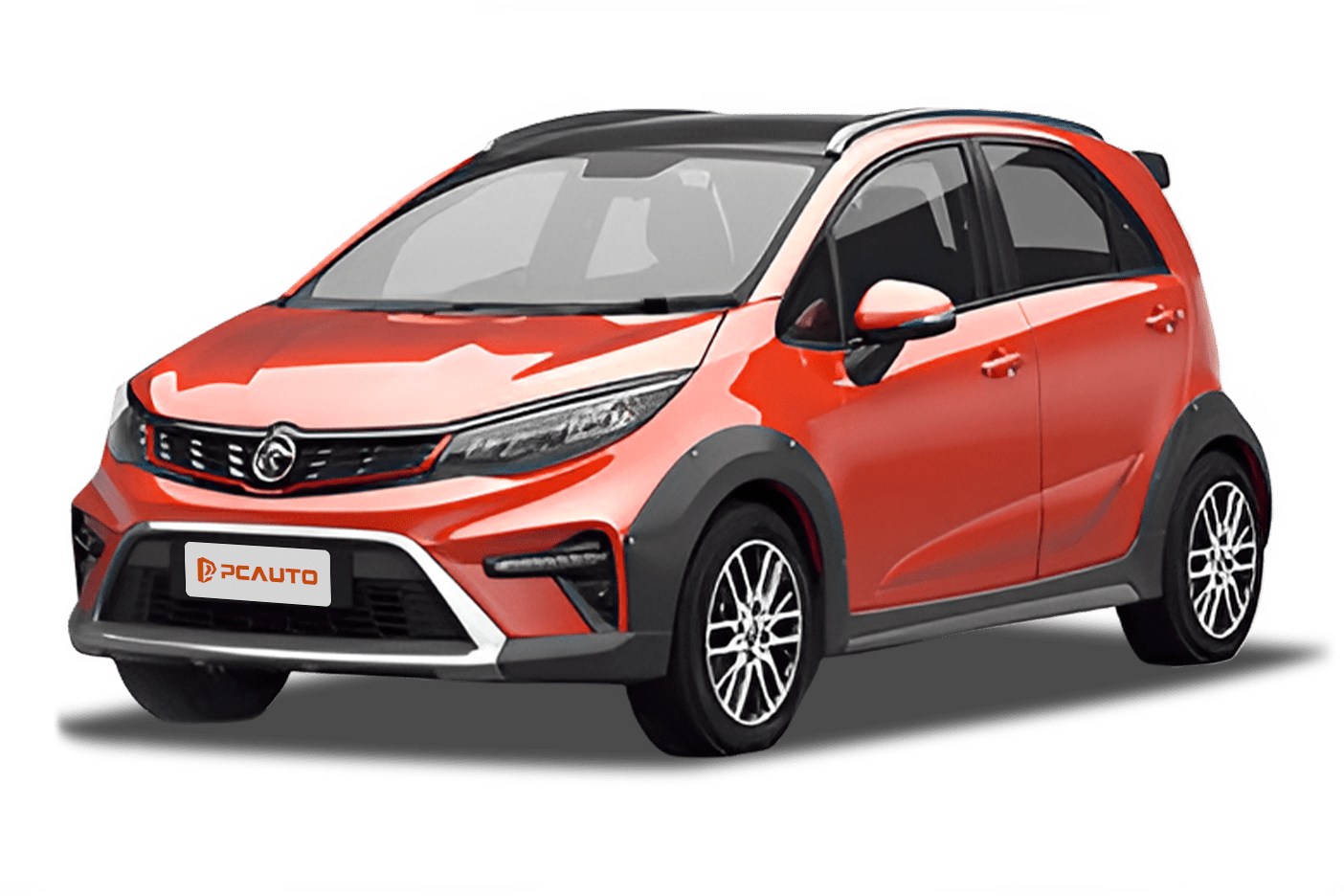
From the exterior, this entry-level Iriz retains the family design style, with compact and smooth overall lines. The front features a large black grille paired with Proton's signature shield-shaped logo, providing good recognition. The side profile of the car has lines extending from the A-pillar to the rear, with a straight waistline. The 15-inch wheels use a multi-spoke design, appearing modest yet suitable for an entry-level model. At the rear, the LED taillight assembly adopts a smoked treatment, complementing the black trim of the rear bumper for a harmonious overall visual effect. The lighting system comes standard with halogen headlights and LED daytime running lights to meet everyday lighting needs.
Sitting inside, the interior is predominantly black, with a hard plastic material used for the dashboard, which is typical for this price range. The instrument panel features illuminated mechanical needle indicators, providing clear displays including basic information like RPM, speed, and fuel level. The central control area has a simple layout, equipped with a manual single-zone air conditioning system. The knobs and buttons have moderate resistance for easy and intuitive operation. The seats are made of fabric material, with the front ones offering manual adjustment. The backrest and seat cushion provide decent support, ensuring comfort over long durations. The rear seats support a 60:40 split-folding configuration, expanding the trunk space from 215L to accommodate larger items. In terms of storage options, the front door panels, central armrest console, and glove box are spacious enough to hold daily smaller items. Although no rear air conditioning vents are provided, there are two USB ports for passenger charging convenience.
In the power department, the 1.3L naturally aspirated engine delivers a maximum power of 95PS and a peak torque of 120N·m, paired with a CVT transmission. The power output is smooth during startup, suitable for low-speed city driving. At speeds of up to 60km/h, responsiveness is adequate. For overtaking, you need to press harder on the accelerator, and the transmission will simulate shifts. When the RPM exceeds 4000, power delivery becomes more apparent; however, power reserves for further acceleration above 100km/h are average. There is only one driving mode—standard—and the overall tuning leans towards comfort. The steering wheel has moderate weight and minimal play, allowing for agile handling in daily scenarios. The suspension system uses a front MacPherson strut and a rear torsion beam setup. When driving over common city-speed bumps and potholes, the suspension filters out most of the jolts, though the rear suspension exhibits slight bouncing over speed bumps. The vehicle maintains good stability at high speeds, with reasonable body roll control during cornering, aligning with the characteristics of a family car.
In terms of fuel consumption, after a combined test of urban traffic and highway segments, the fuel consumption is about 7.2L per 100 km, slightly higher than the official claim of 6.9L, mainly due to a higher proportion of city driving. Its overall performance meets the expectations of a 1.3L vehicle. The braking system features ventilated front discs and rear drum brakes. The brake pedal offers linear feedback, and during emergency braking, the vehicle remains stable with adequate stopping distances. For noise control, below 60km/h, most cabin noise comes from the tires. During high-speed driving, wind noise and engine noise become more noticeable but do not affect normal conversations. The seats perform well in everyday commuting, as the fabric material provides good breathability, reducing fatigue during extended periods of sitting.
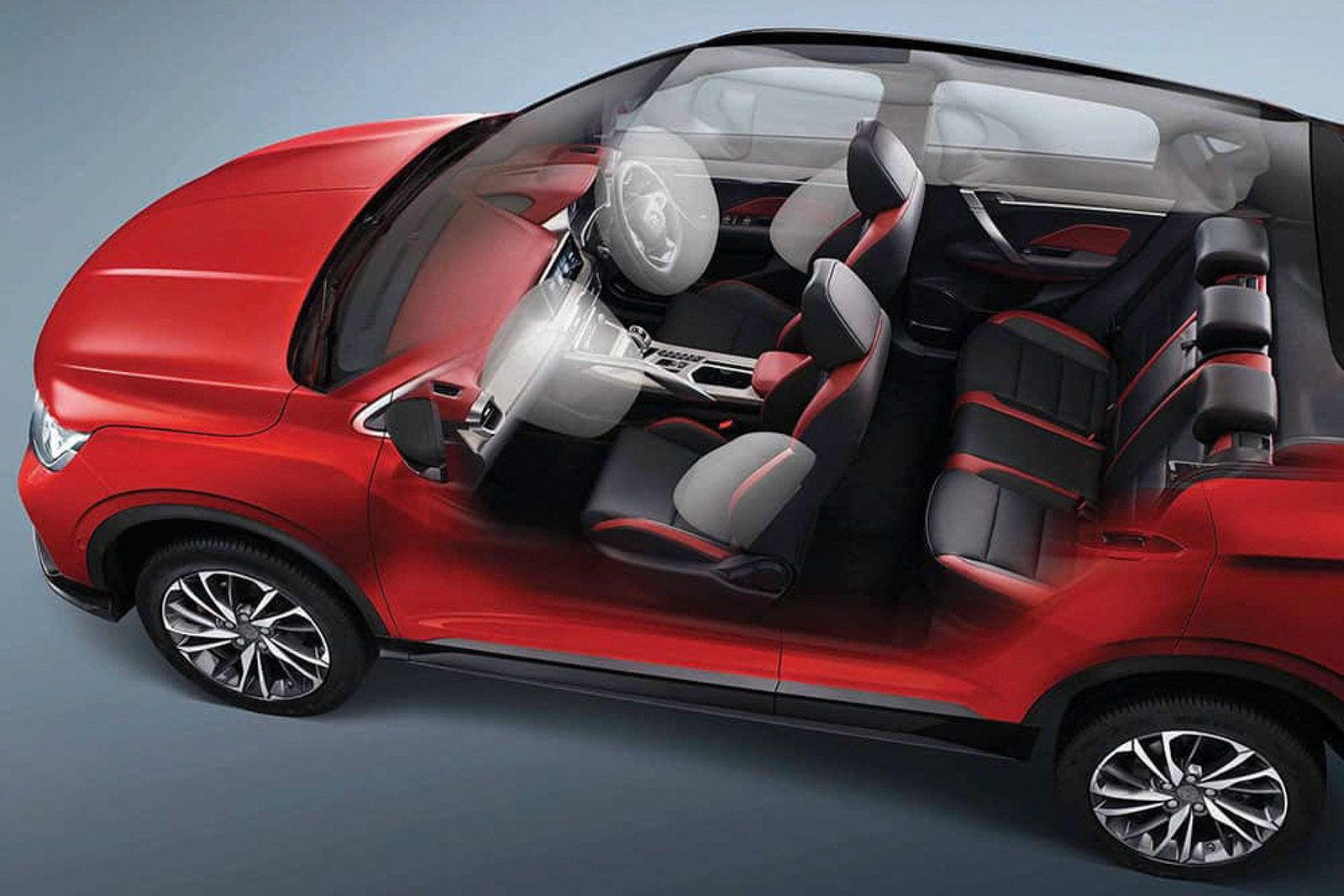
In terms of safety configuration, this entry-level Iriz comes standard with 4 airbags, ABS, vehicle stability control, hill-start assist, and reverse sensors. Compared to some models in the same class that only come with 2 airbags, its safety performance is more comprehensive. The 5-year/150,000 km warranty policy also reduces users' concerns about maintenance costs.
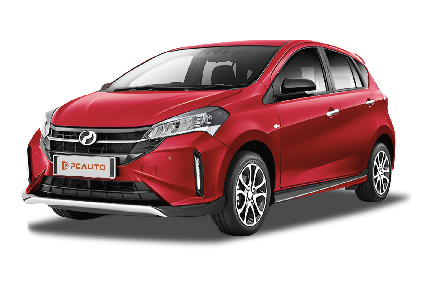
Overall, the core advantages of the 2023 Proton Iriz 1.3 Standard CVT lie in its affordable price, comprehensive safety equipment, and long warranty. Compared with its class rival, the Perodua Myvi 1.3, it offers more airbags, a longer wheelbase (2555mm), and a more spacious rear seat; however, the Myvi performs slightly better in terms of fuel efficiency. It is suitable for families with a budget of RM40,000 to RM50,000 who value basic features and safety, especially for daily city commuting and short family trips. If you don't have high performance demands and prioritize practicality and value for money, this car is worth considering.
Proton Iriz Car Compare
Proton Iriz Loan Calculator
More Proton Reviews
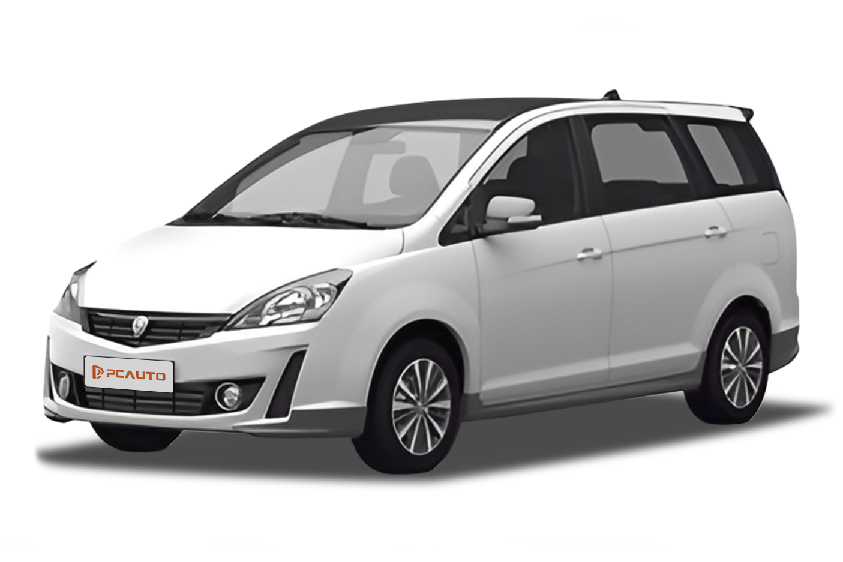
Cars With Similar Price And Features
2
Rank in Hatchback

2023 Perodua Myvi 1.3 G with PSDA is an affordable B-segment hatchback, combining practical space, basic features, and PSDA safety assistance, suitable for family commuting.

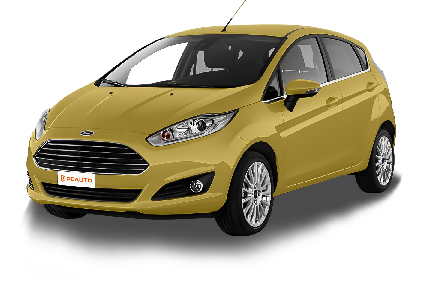
2022 Ford Fiesta public is a B-Segment model with responsive power, economical fuel consumption, and rich safety features, suitable for young families or individual users who prioritize driving experience and safety.
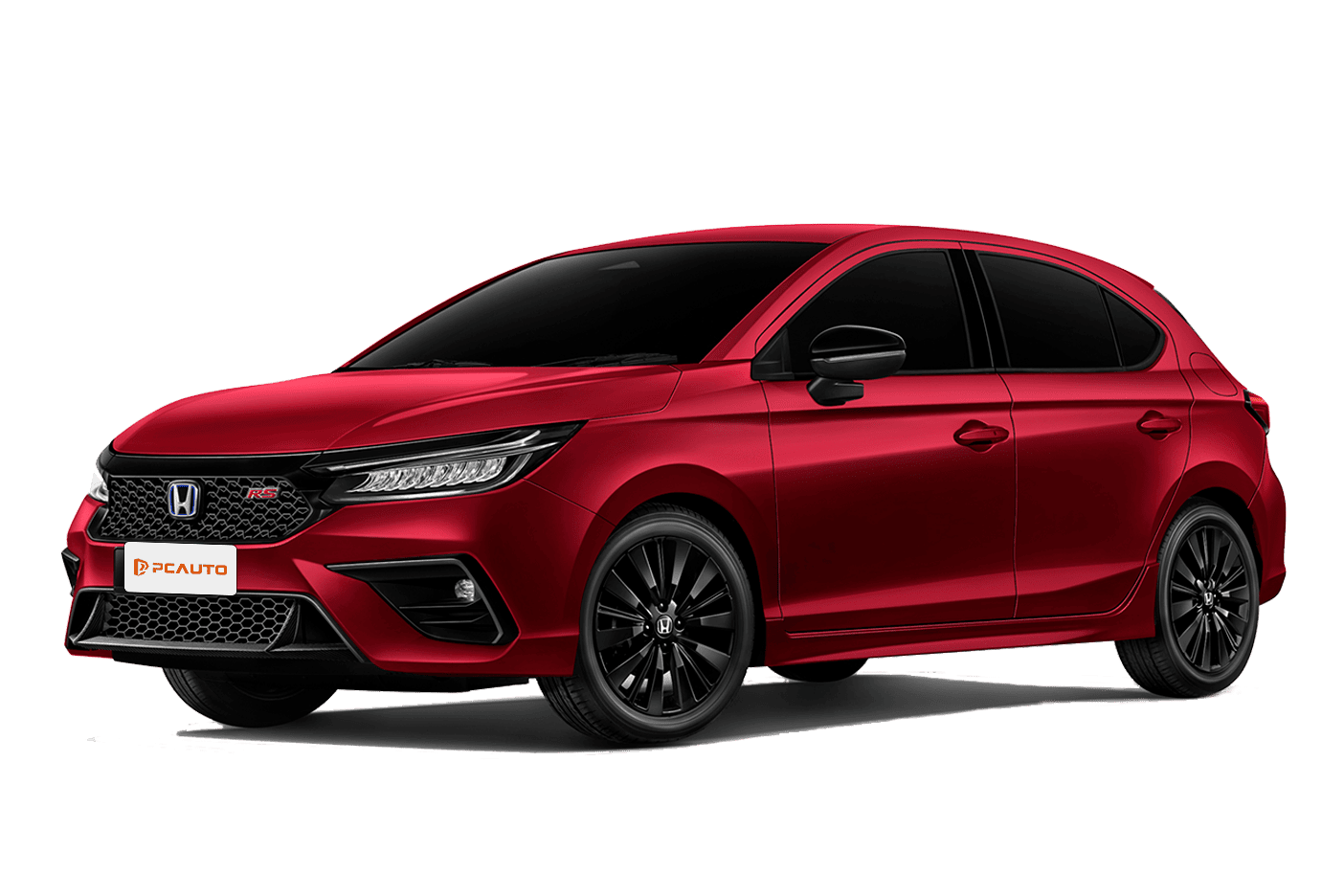
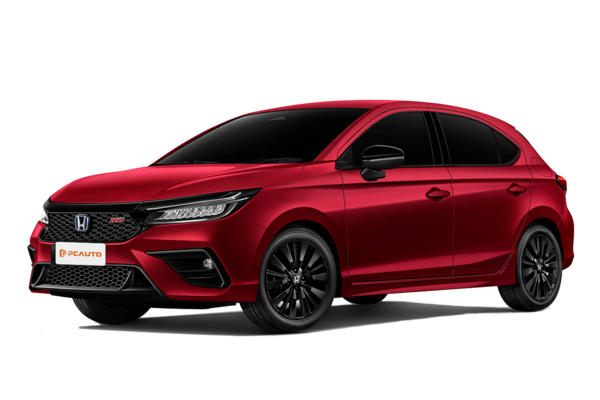
2024 Honda City Hatchback 1.5 S, as a high-value entry-level hatchback, comes standard with Honda Sensing and 6 airbags, offering practical space, economical fuel consumption, and balancing safety with daily commuting needs.
3
Rank in Hatchback
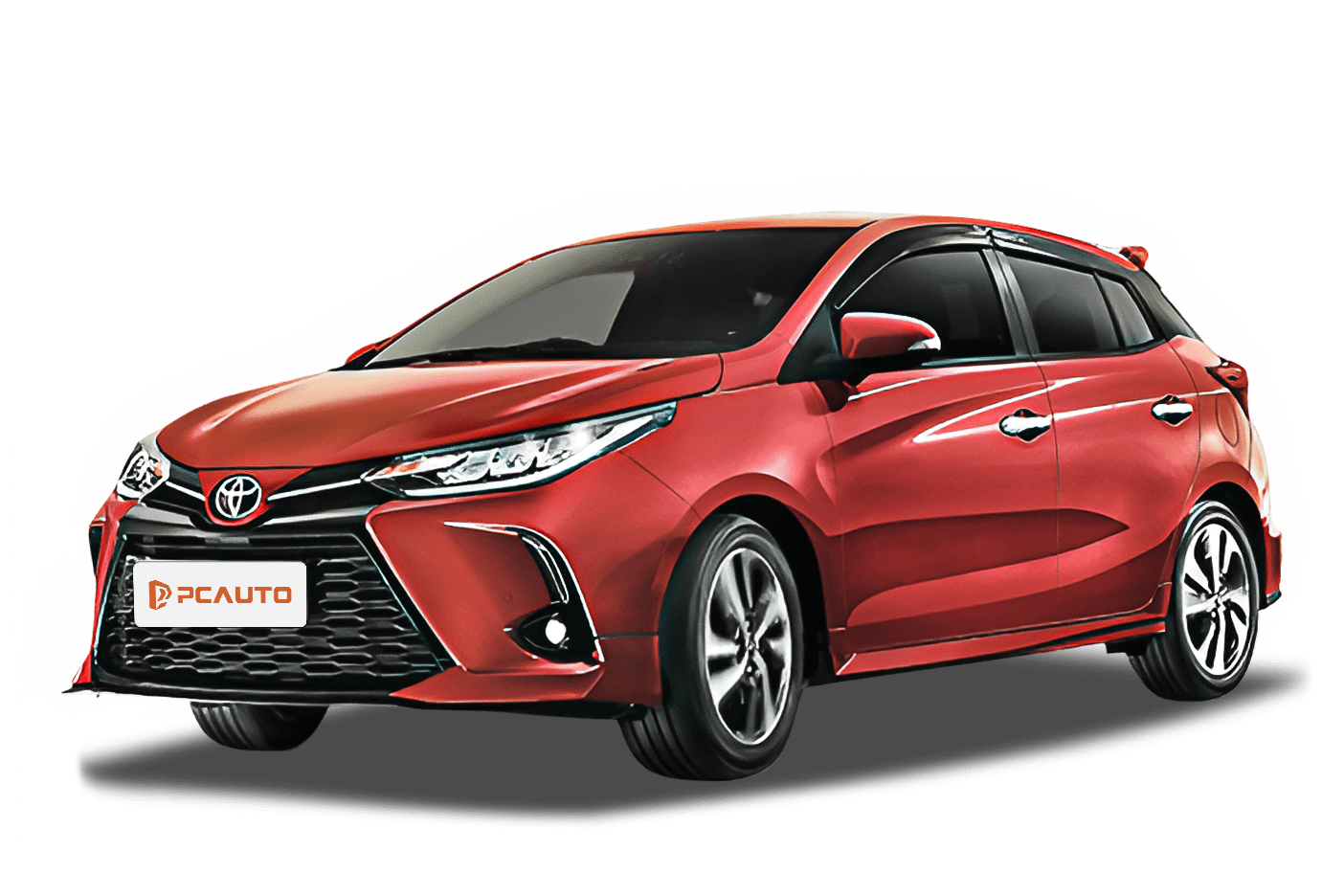
2024 Toyota Yaris 1.5E serves as the main entry-level household model, emphasizing durability, upgraded with a 360-degree parking camera and Optitron instrument panel. Its practical space, smooth power delivery, and high cost-performance ratio align well with family commuting needs.