

2024 Mitsubishi Triton Single Cab Review

 Share
Share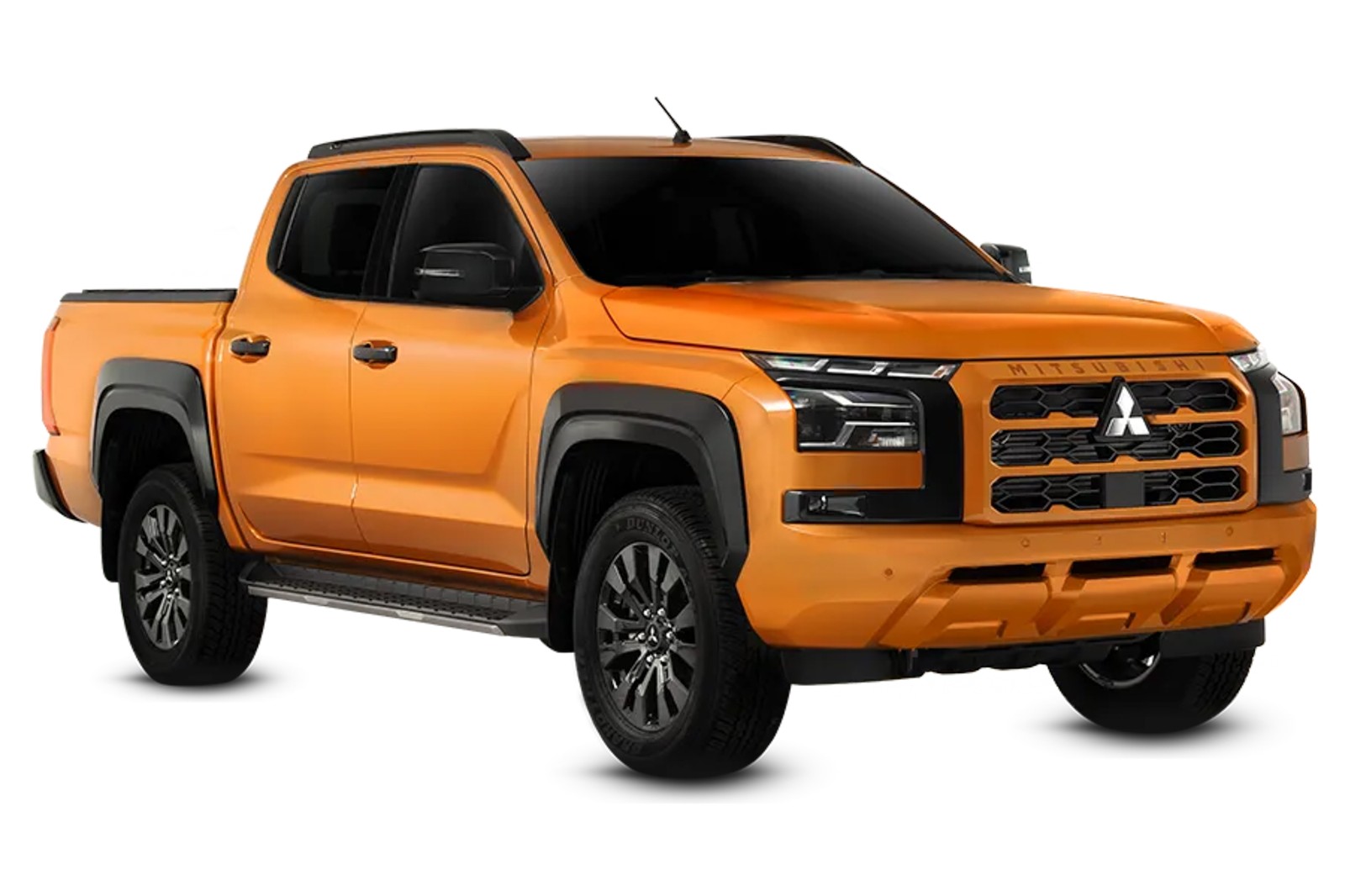
 Segment
 Body Type
 Capacity(L)
 Engine Power(PS)
 Engine Torque(Nm)
 Transmission
Pickup trucks have always been the practical choice in the Malaysian market, especially 4x4 models, which can handle city commuting as well as cargo needs in construction sites, farms, and other scenarios. The 2024 Mitsubishi Triton Single Cab, as the latest offering from the brand, with a price tag slightly over RM100,000 and upgraded power configurations, targets users seeking a balance between performance and cost-effectiveness. We got a test drive of this vehicle, and the main purpose is to validate whether its actual performance in daily use, cargo loading, and off-road conditions meets expectations.
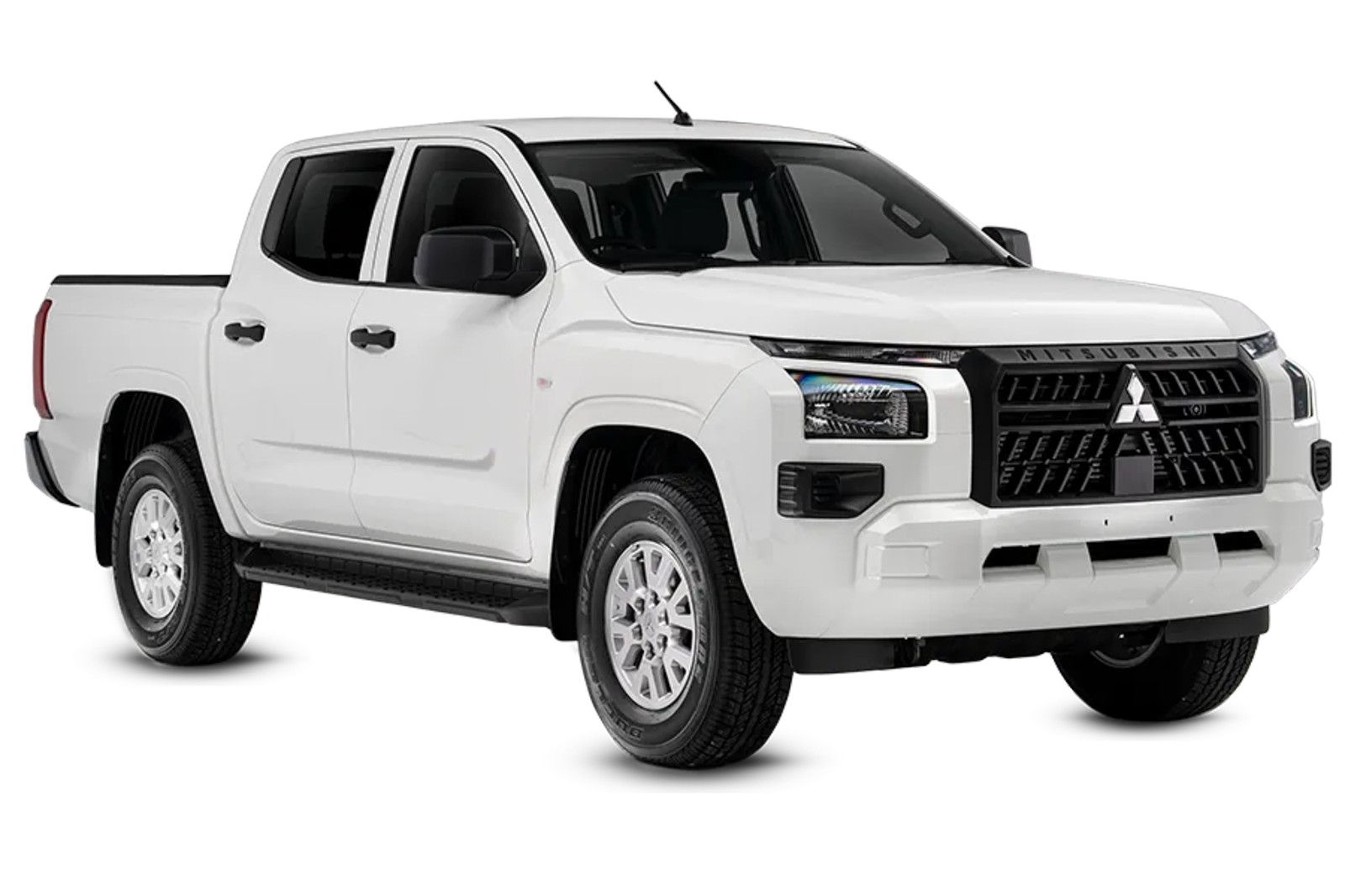
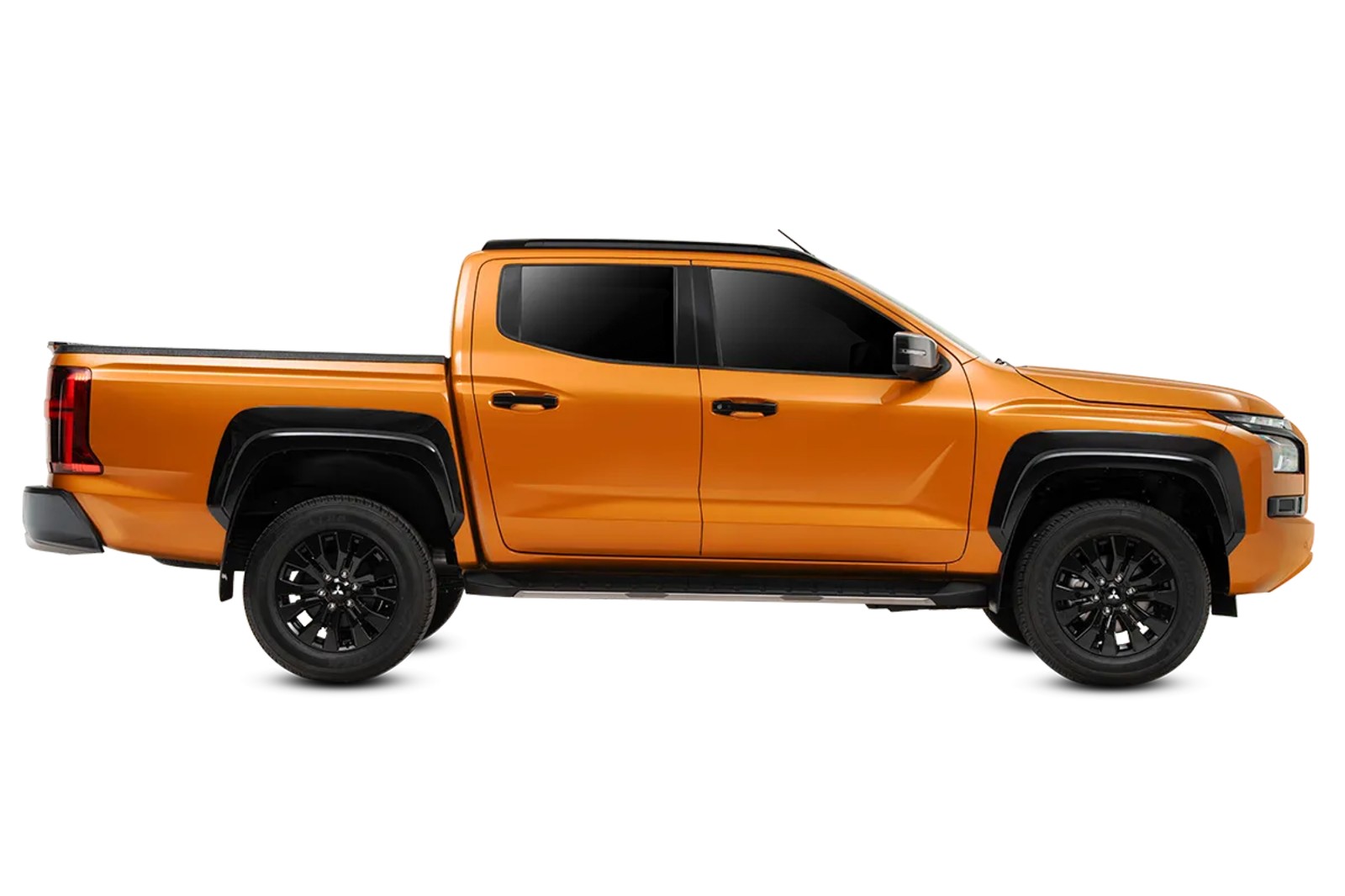
From the exterior, the 2024 Triton Single Cab continues the family-styled rugged design. The front features a large blacked-out grille, paired with sharp-edged halogen headlights. Automatic headlights come standard, automatically turning on in tunnels or rainy conditions, enhancing convenience. The side profile is simple, with a length of 5320mm and a wheelbase of 3130mm ensuring cargo bed space, while the width of 1865mm enables flexibility on narrow roads. At the rear, highly recognizable LED taillights, standard rear fog lights, and cargo railings provide a combination of practicality and basic aesthetics.
Sitting inside, the interior design focuses on practicality without too many fancy elements. The center console uses hard plastic materials, which may feel ordinary but match the durable nature of a pickup truck. The multifunction steering wheel supports volume adjustment and phone answering, making it easy to operate. The instrument cluster features a backlit analog design, displaying information like RPM and speed clearly and intuitively. The seats are manually adjustable, with firm but supportive padding, which helps reduce fatigue during long drives. In terms of features, basic functions like manual air conditioning, rain-sensing wipers, and two speakers are available. The inclusion of ISOFIX mounts and three airbags (driver, passenger, and knee airbags) also enhances basic safety. However, the door lock still uses a mechanical key, which is slightly less convenient compared to models with remote key systems.
In terms of space performance, the single-cab design ensures ample front-row seating space, while the 1785mm vehicle height guarantees sufficient headroom, so even passengers up to 180cm tall won’t feel cramped. Although the official cargo bed dimensions are not specified, with a 3130mm wheelbase, the payload capacity is sufficient for transporting items like construction materials and tools. For storage, there are a few storage compartments in the front door panels and below the center console, allowing basic items like phones and water bottles to be stored, meeting basic needs.
For performance, this vehicle is equipped with a 2.4L turbocharged diesel engine, delivering a maximum output of 184PS and a peak torque of 430N·m, paired with a 6-speed manual transmission. During actual driving, the maximum torque can be achieved in the lower rev range (2250-2500rpm), providing quick power delivery at start-up. Even when fully loaded, it does not feel strained. When switched to 4H mode, its grip on muddy or gravel roads significantly improves, making it suitable for occasional light off-road usage. Fuel efficiency is fairly standard, with an official combined fuel consumption of 8.8L/100km. In actual city commutes, it is about 9.5L, dropping to 8L on highways. The 75L fuel tank capacity ensures a reasonable driving range.
The handling and chassis performance are in line with the positioning of a pickup truck. The front double-wishbone independent suspension and rear leaf spring design result in a slight bounce when driving on bumpy roads while unloaded, but stability improves significantly when carrying a load. The steering wheel requires relatively more effort to turn, the steering accuracy is acceptable, and body roll is controlled within an acceptable range during cornering. In terms of braking, the combination of front ventilated discs and rear drum brakes provides a moderate stopping distance, which is sufficiently safe for daily driving. Noise control performance is average, with diesel engine noise and wind noise audible inside the cabin at high speeds, but it is typical for pickup models.
Overall, the 2024 Mitsubishi Triton Single Cab's core strengths lie in its ample power, practical 4x4 system, and affordable price. Compared to its counterpart, the Toyota Hilux Single Cab, it has slightly better torque output and offers more airbags, while being priced lower. This vehicle is suitable for users who need to balance urban commuting and cargo transport, with occasional light off-road use, such as small business owners, farmers, or engineering professionals.
In conclusion, the 2024 Triton Single Cab is a pragmatic workhorse pickup that does not offer excessive luxury features but strikes a balance in power, practicality, and cost-effectiveness. If you need a reliable partner that can handle various scenarios, it is a worthwhile choice to consider.
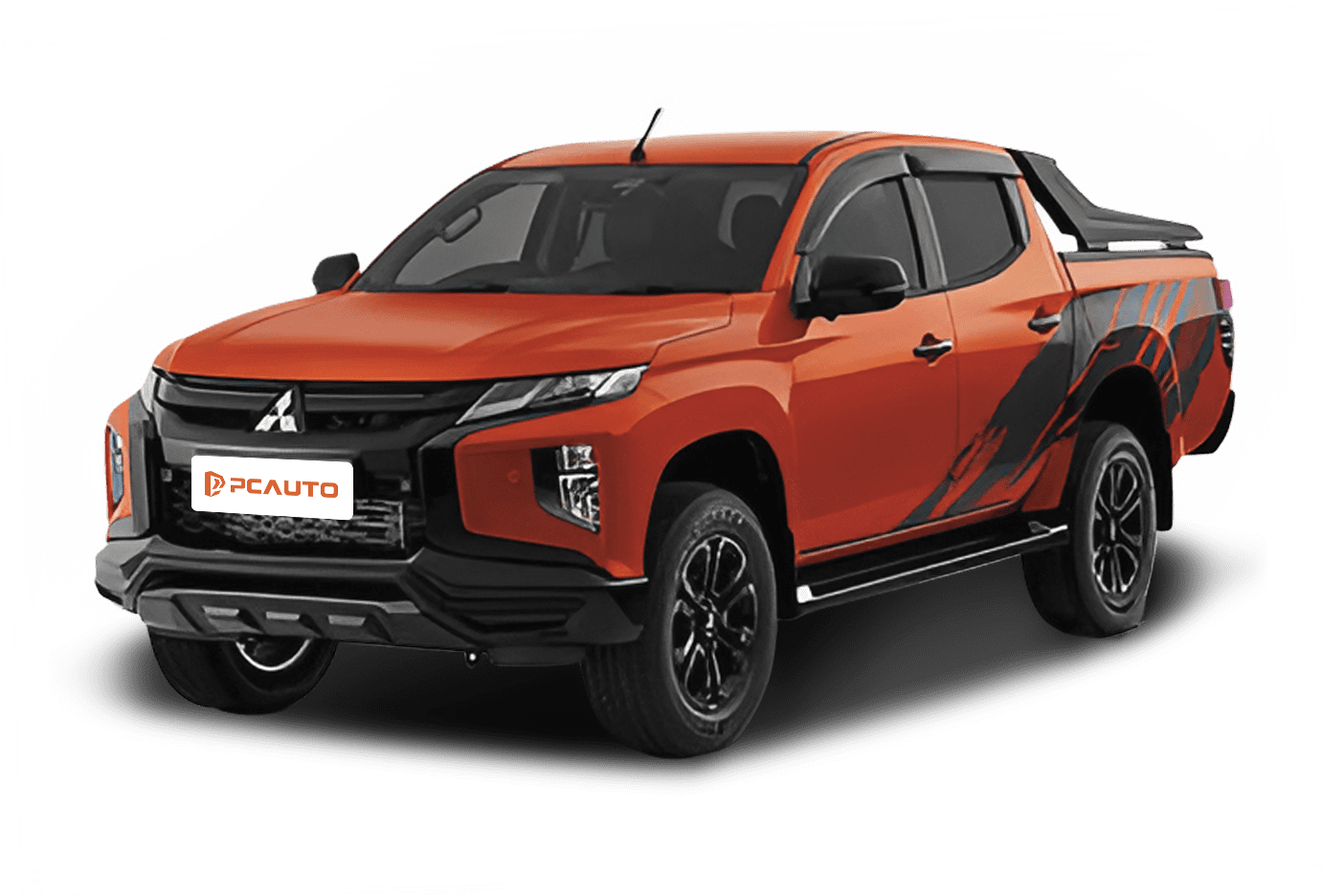
Mitsubishi Triton Car Compare
Mitsubishi Triton Loan Calculator
More Mitsubishi Reviews
Cars With Similar Price And Features
5
Rank in Pickup
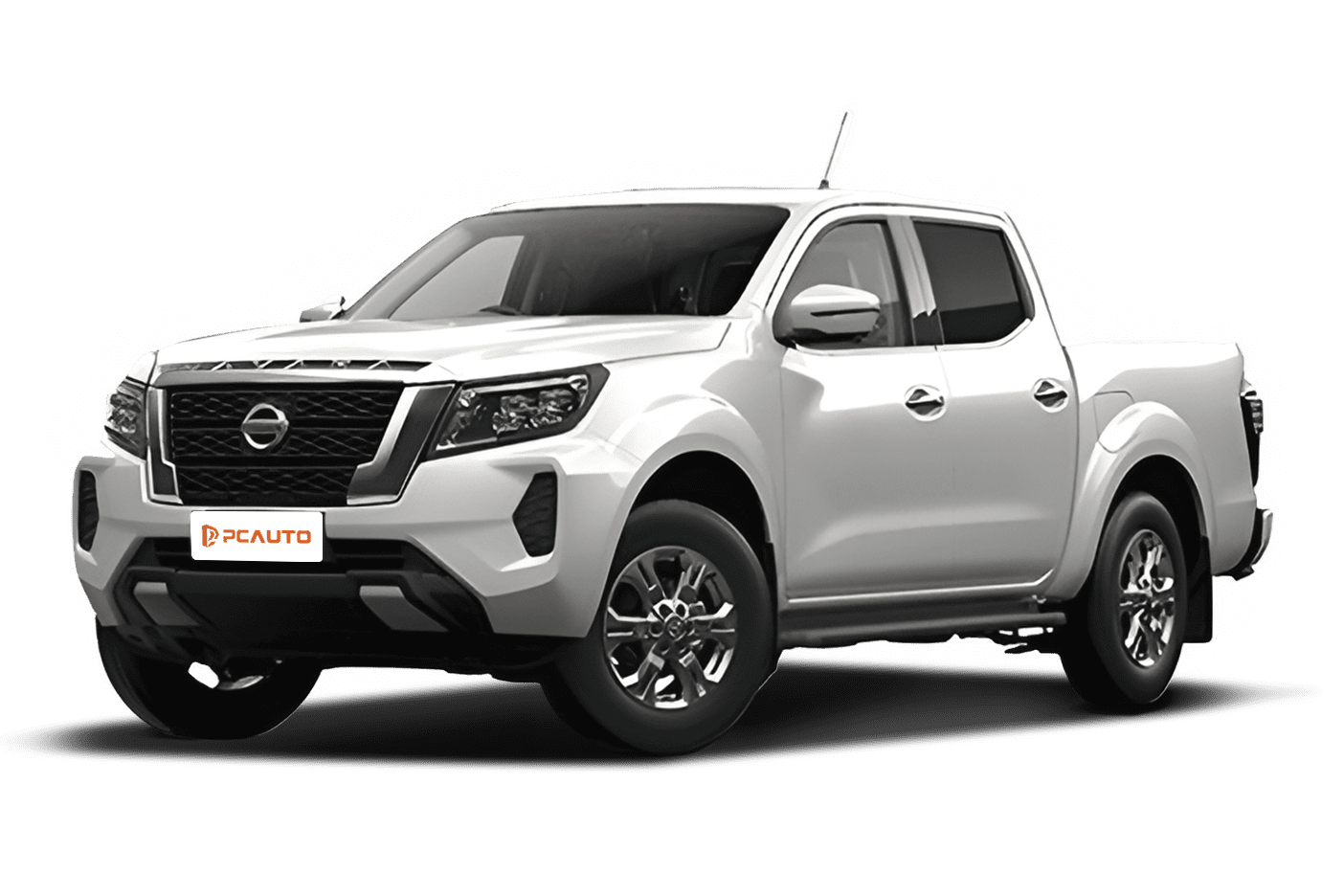
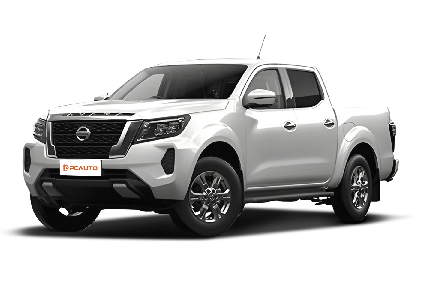
2023 Nissan Navara 2.5 VL Black Edition is a pickup truck that balances household comfort with light off-road capability, featuring exclusive black trims, a full suite of active safety features, and practical configurations, precisely catering to the needs of families and small business owners.
4
Rank in Pickup

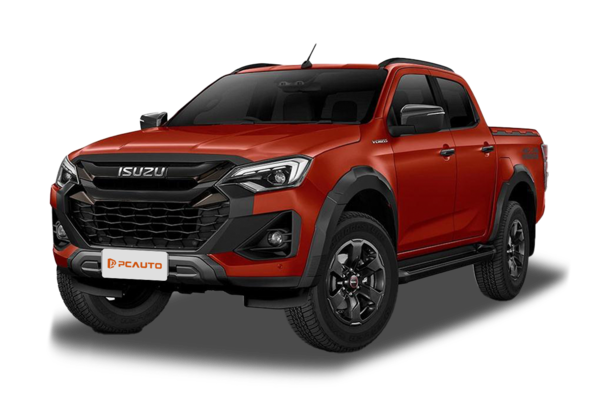
2025 Isuzu D-MAX 1.9L 4x2 Low Ride is an entry-level passenger pickup, offering a balance of practical space, reliable diesel performance, and fuel economy, suitable for family transport and small business cargo needs.
3
Rank in Pickup
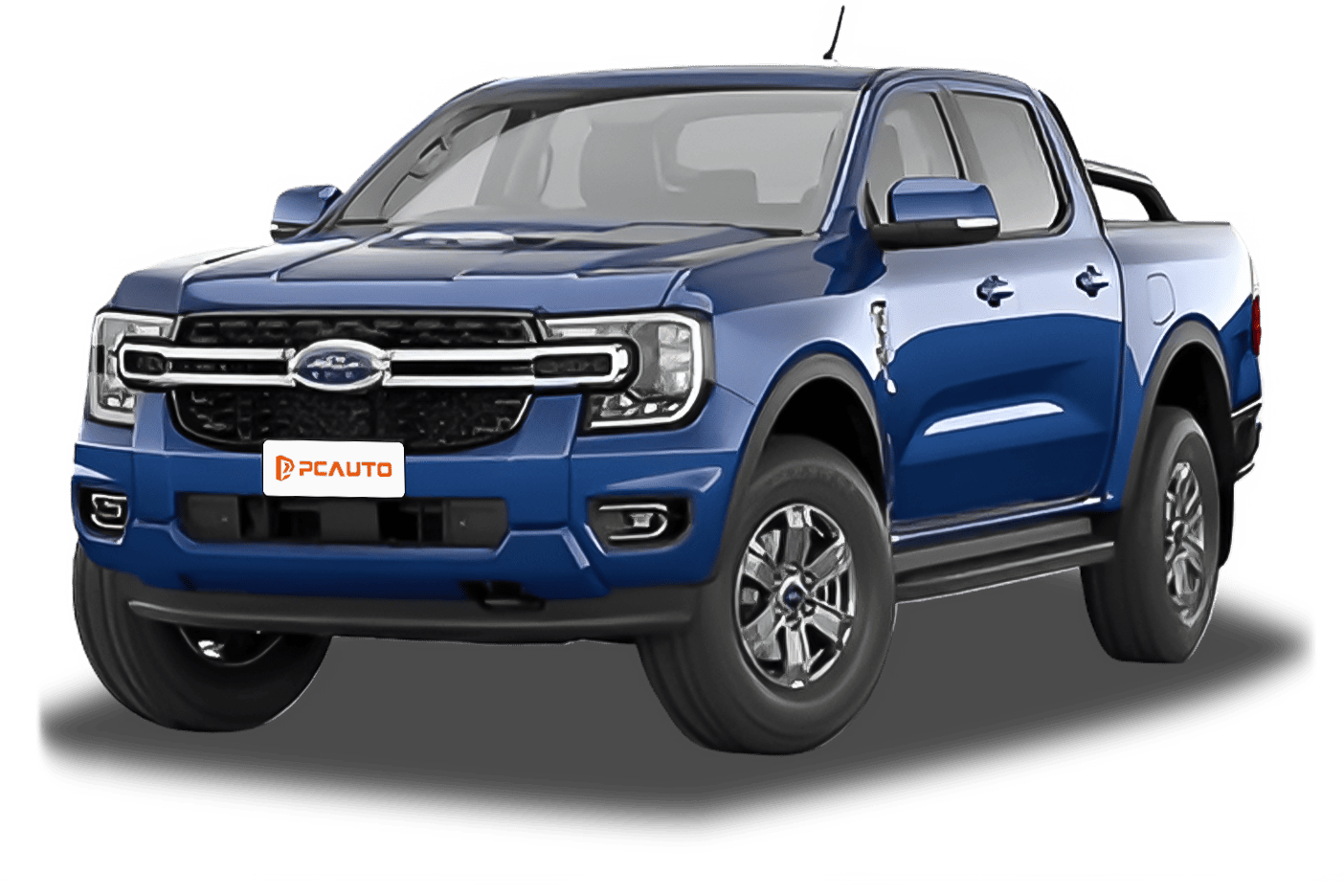
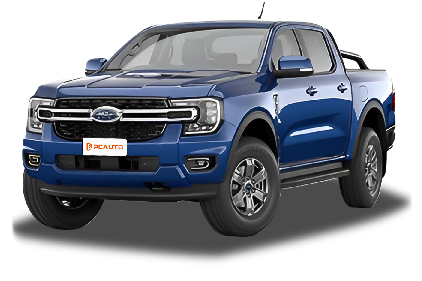
2023 Ford Ranger WildTrak is a mid-to-high-end pickup truck that balances the comfort of daily commuting with the practicality of cargo and off-road capabilities. It features powerful performance, ample space, and practical configurations, making it a versatile choice for both family and work scenarios.

2023 JMC Vigus Pro White Series 2.0L 4WD 8AT combines rugged design, practical features, and powerful diesel performance, balancing everyday durability and mild off-road needs, making it a high-value choice for pickup users.