

2024 Peugeot Landtrek SE Review

 Share
Share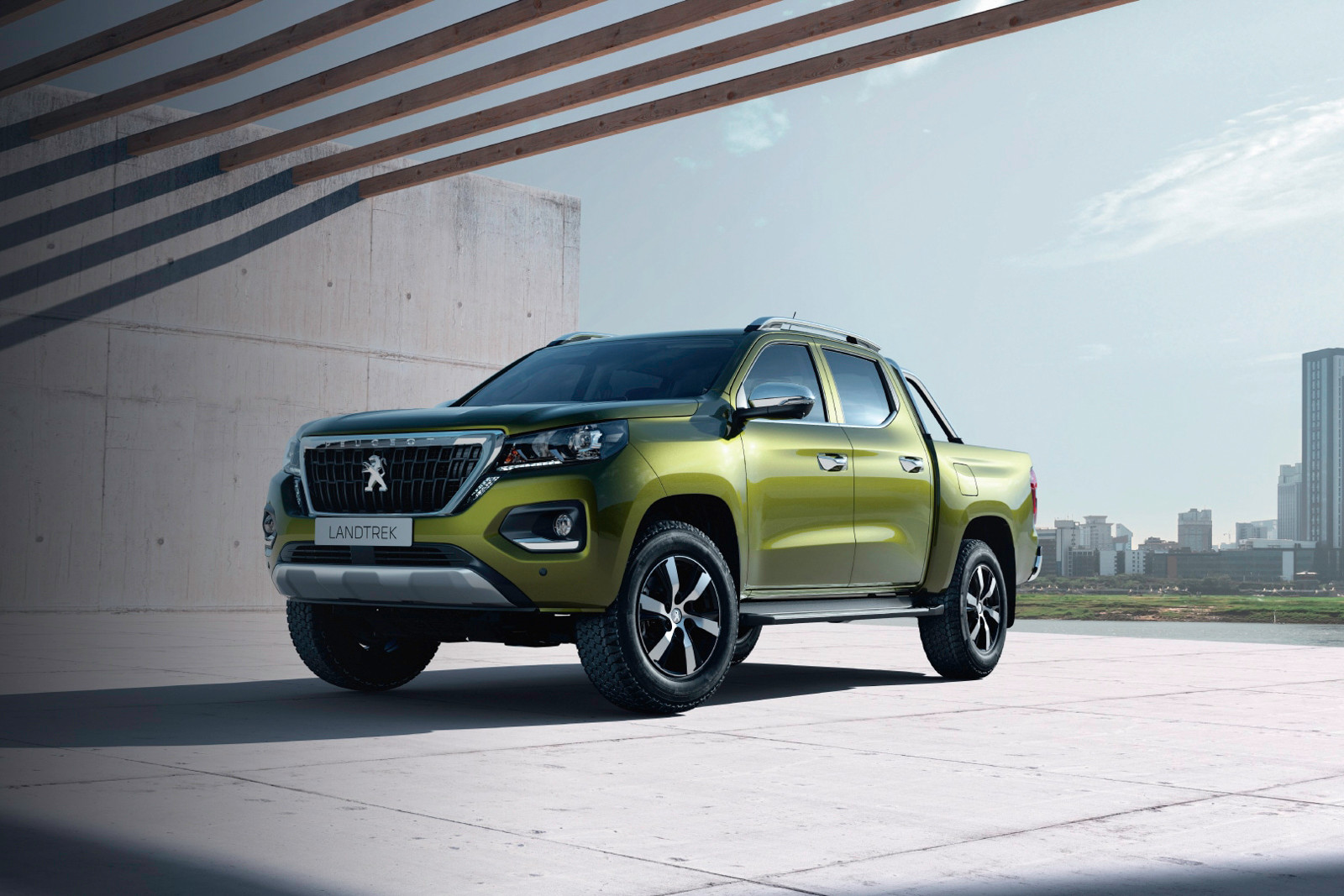
 Segment
 Body Type
 Capacity(L)
 Engine Power(PS)
 Engine Torque(Nm)
 Transmission
In the local pickup truck market, mid-size pickups that combine household practicality with light off-road capability have always been in demand—they need to carry loads, handle rough roads, and not sacrifice daily driving comfort. The 2024 Peugeot Landtrek SE targets this niche market, featuring high-level configurations like 6 airbags, a 10-inch central control screen, and power seats for both front and rear rows. It's powered by a 150PS diesel engine combined with a 4WD system, all for a price of 129,000 MYR. This time, we got hold of the actual vehicle to verify whether it can strike a balance between "work functions" and "family needs," and to assess the practicality of its features, as well as its performance in terms of power and chassis, to see if it justifies the price tag.
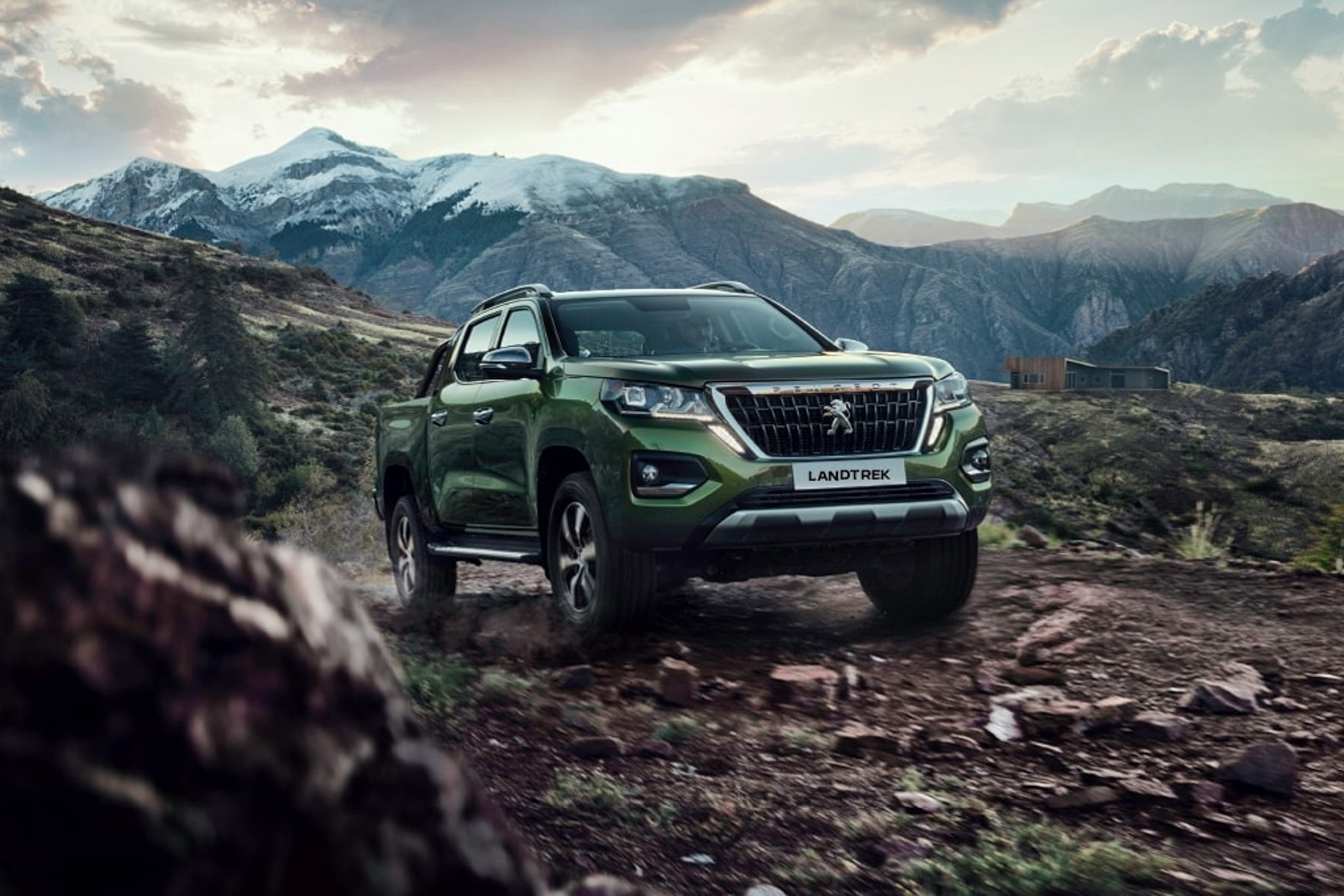
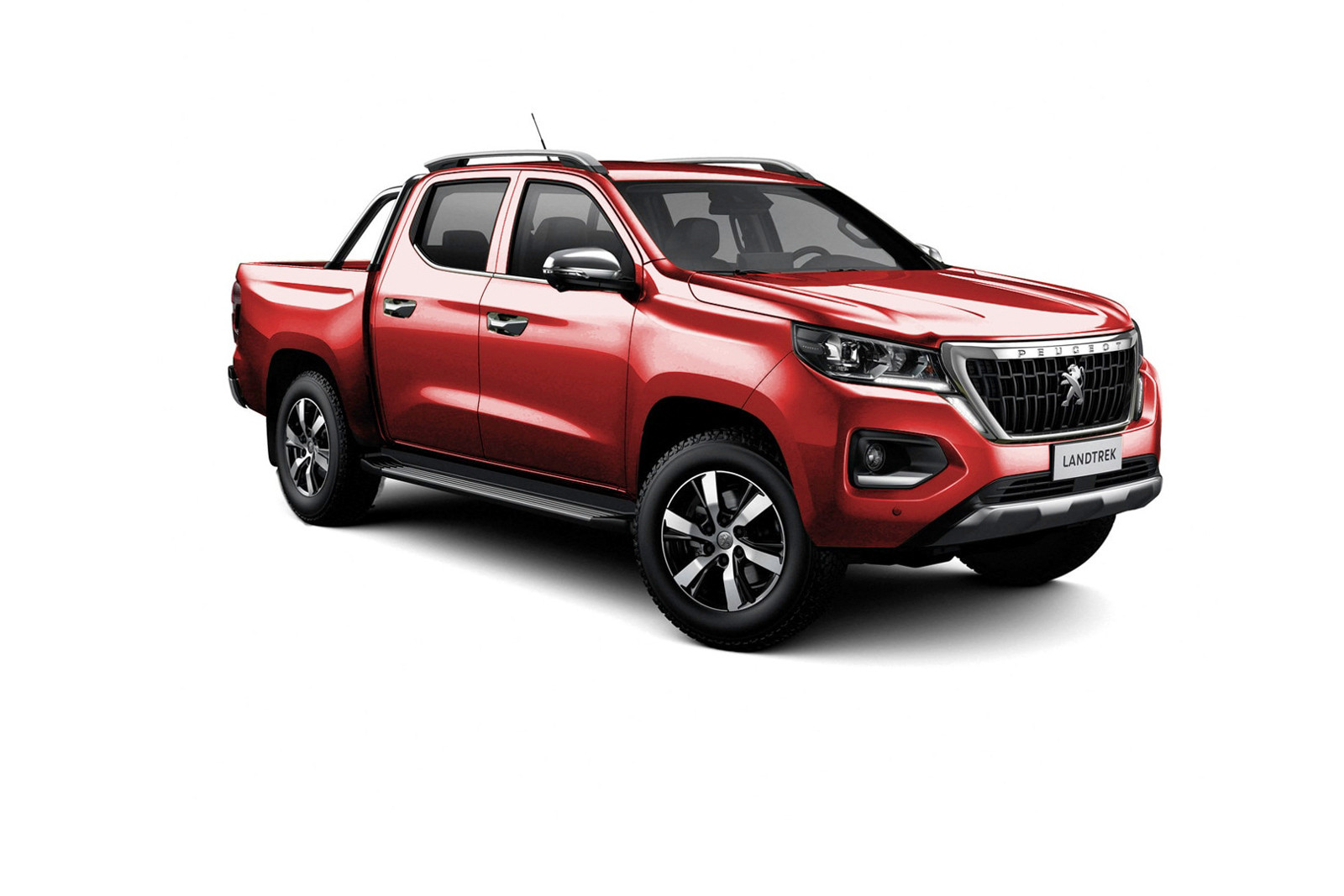
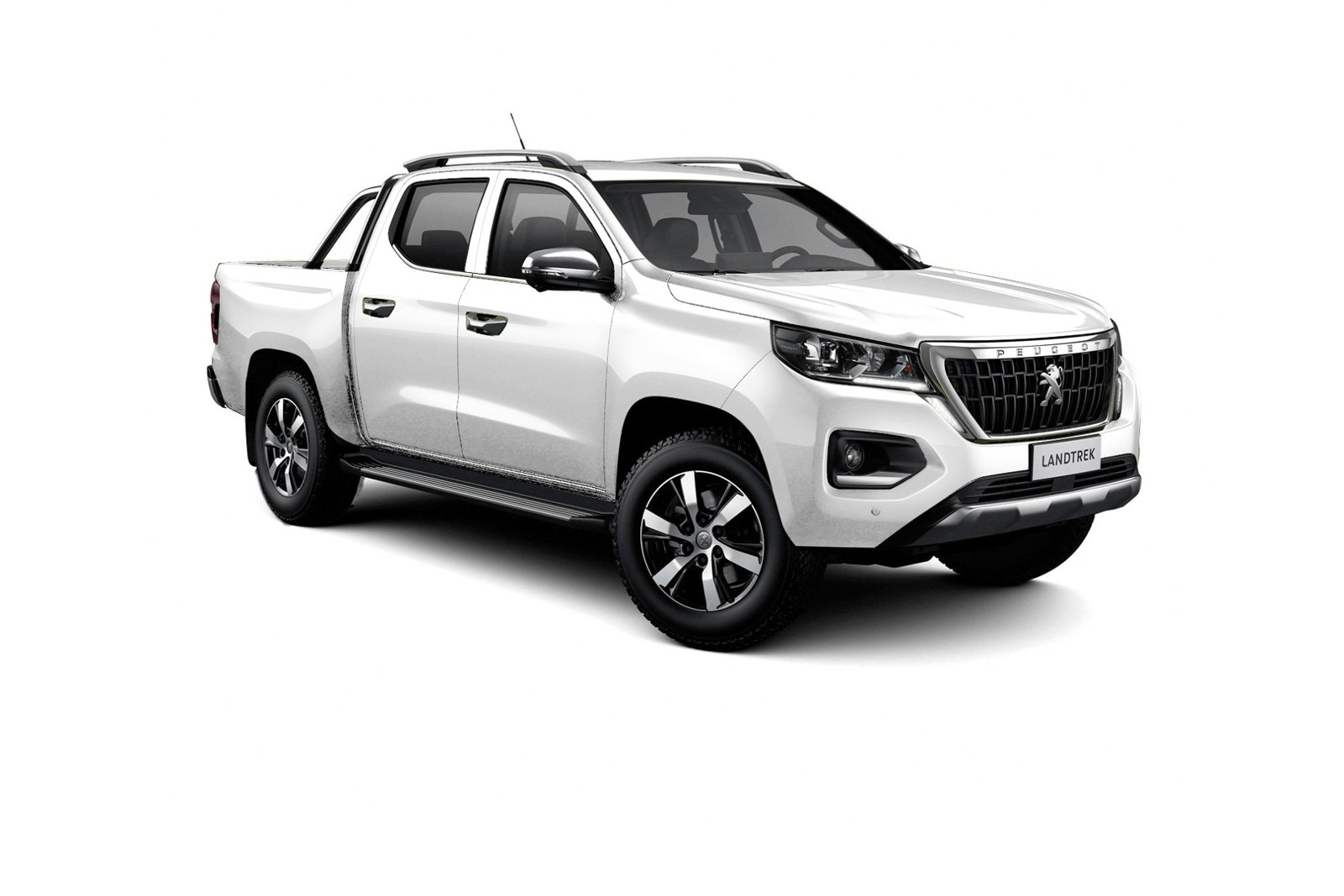
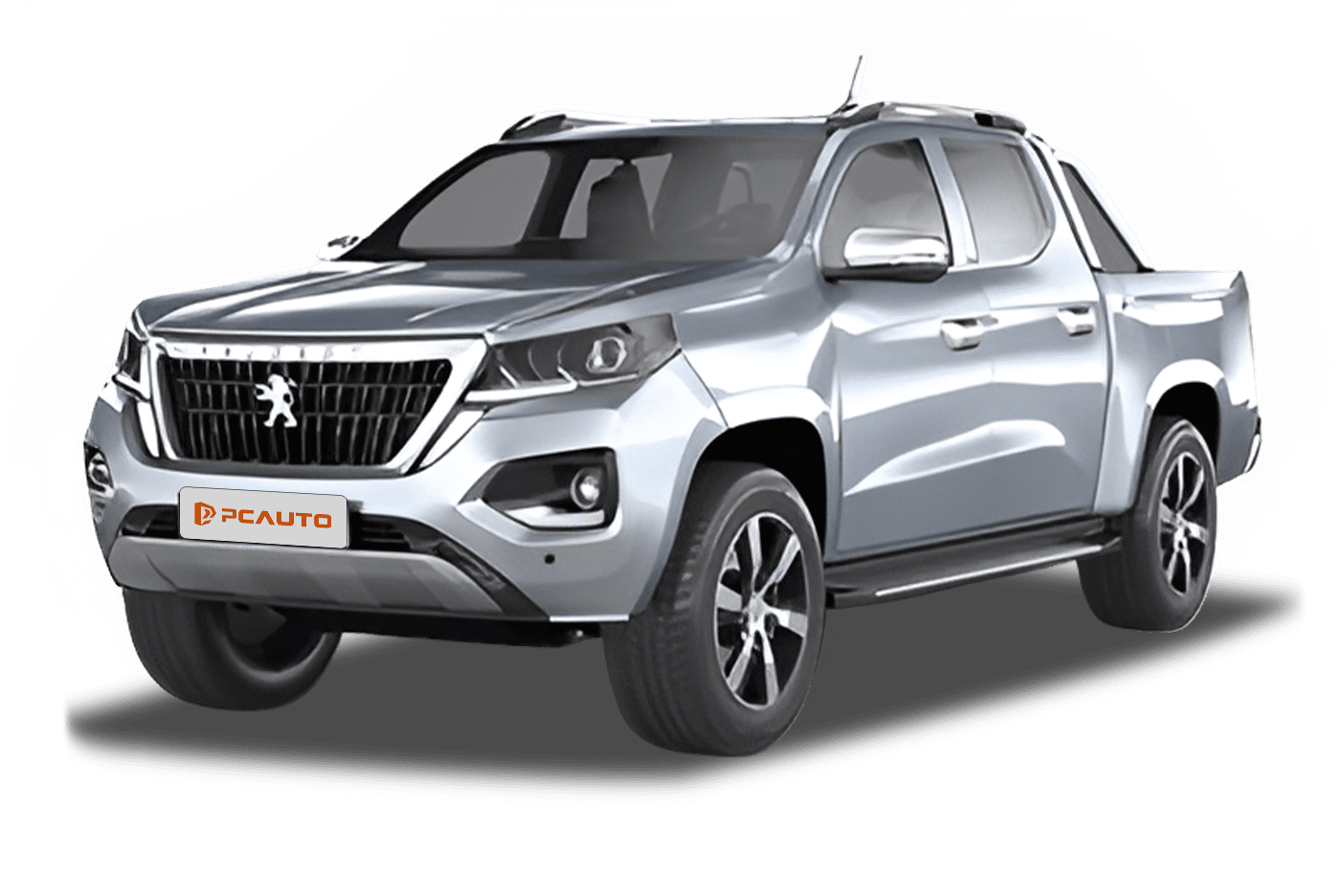
Let’s start with the exterior. The design of the Landtrek SE does not follow the traditional rugged style of pickups; instead, it exudes the signature sophistication of the Peugeot family. The front fascia features a large chrome grille, with the brand’s lion logo embedded in the center, offering high recognizability. The LED headlamp units on both sides come standard across all variants, with sharp styling and automatic lighting functionality. The body side profile is well-proportioned, with a length of 5,331mm and a width of 1,925mm, giving it a solid stance. The 18-inch alloy wheels fitted with 265/60R18 tires ensure sufficient ground clearance (235mm) without appearing cumbersome. The rear design is relatively simple, with vertically arranged LED taillights. While the cargo bed was not a key focus of this test, based on its dimensions, it should be able to handle daily cargo or sports equipment with ease. Overall, the exterior can be described as "low-profile but not cheap," suitable for users who prefer not to be overly ostentatious.
Sitting inside, the initial impression is that the materials are better than expected—the dashboard is made of soft-touch materials, and the door panels are wrapped in leather, giving a refined feel. The central control layout is very intuitive, with a 10-inch touchscreen in the middle that offers good resolution and smooth operation, supporting Bluetooth and phone connectivity (although CarPlay/Android Auto is not mentioned, basic functionalities suffice). The instrument panel features a 4.2-inch color display that can show fuel consumption, 4WD status, and other information. However, replacing it with a fully digital panel would elevate its premium feel. There are many noteworthy features: the front seats come with 6-way electric adjustment plus 2-way lumbar support, and I didn't feel any back discomfort after adjusting it to a comfortable position during long drives. The rear seats have a 60:40 split-folding design, with central air vents. Although the floor is not completely flat, the middle passenger can still place their feet comfortably. Storage spaces are also adequate—door panels can hold two bottles of water, the center armrest box is deep, and the front even includes a wireless charging pad (even though it's not listed in the spec sheet, the physical car has it). Keyless entry and push-start are worth mentioning as they are very convenient for daily use, eliminating the need to take out the key.
Space is one of the Landtrek SE's strong points. The 3,180mm wheelbase is relatively long in its class. Sitting in the front row with my height of 175cm, there are two fists of headroom, and legroom is very ample. The rear row is even more impressive; with passengers of the same height, there’s 2.5 fists of legroom and one fist of headroom, making it comfortable even for three people. In terms of storage, in addition to those previously mentioned, the glovebox is sizable, and there are pockets on the back of the rear seats, which are convenient for placing phones or magazines. If you need to carry larger items, the rear seats can be folded down to form a relatively flat area with the cargo bed (although the cargo bed wasn't tested this time, the space created after folding the rear seats is quite practical).
Powertrain-wise, it is equipped with a 1.9T diesel engine, 150PS horsepower, 350N·m torque, paired with a 6AT gearbox. In actual driving, the low torque performance is good, and you don't need to press the accelerator hard to move during starting, making stop-and-go traffic easy to deal with. When switched to Sport mode, the throttle response becomes more sensitive, and the downshifting speed is also quick when overtaking. Accelerating from 100km/h to 120km/h on the highway shows adequate power reserves. However, it is a diesel vehicle, so noise becomes noticeably louder when the engine exceeds 3000 rpm. For daily driving, it's best to keep it between 2000-2500 rpm for optimal comfort. Regarding fuel consumption, we tested a mix of urban and highway conditions, with a combined fuel consumption of approximately 8.5L/100km, slightly lower than the official figure of 9.8L. For a vehicle weighing over 2 tons, this performance is considered excellent.
As for handling and suspension, the front suspension adopts a double-wishbone independent suspension, while the rear uses leaf springs, which are typical for pickups. On regular asphalt roads, the suspension can absorb most minor bumps such as speed bumps or uneven surfaces, so rear passengers won't find it too bumpy. When cornering, the body tilt is noticeable but not excessive, and the steering wheel is quite precise with minimal play. However, when driving on rough roads, the advantage of the rear suspension becomes apparent. The vehicle maintains good stability when passing through gravel paths or muddy roads, without feeling loose. The four-wheel-drive system is a part-time 4WD. Although we didn’t test it in extreme conditions this time, it should handle rural dirt roads or light off-road conditions without any problems. On braking, the combination of ventilated front discs and rear drum brakes offers a linear pedal feel, and the body maintains stability during emergency brakes without veering off course.
The details in driving comfort are well-executed: In terms of noise insulation, aside from wind noise at high speeds and diesel engine noise, it is relatively quiet in urban driving, and tire noise is also well controlled. Regarding seat comfort, as mentioned earlier, the electric adjustment is quite convenient, and the padding in the rear seats is soft enough to prevent fatigue during long trips. The dual-zone automatic air conditioning, with rear vents, cools quickly in summer. Features like rain-sensing wipers and automatic headlights may not seem luxurious but are user-friendly, eliminating the need for frequent manual adjustments.
In summary, the 2024 Peugeot Landtrek SE's core advantages are evident: high configuration (6 airbags, electric seats, 360-degree camera as standard), spacious interior, low fuel consumption, and a price of 129,000 MYR, which is significantly cheaper than competitors like the Toyota Hilux or Ford Ranger, offering excellent value for money. Compared to its rivals, it has stronger family-oriented attributes — such as rear space and comfort-oriented features, making it suitable for users who need to balance family use and light off-road adventures. However, for those regularly driving on rough roads or doing heavy-duty off-roading, a more rugged vehicle may be necessary. Overall, the Landtrek SE is an "all-purpose" pickup truck that is suitable for daily commuting, family outings, and occasional cargo hauling or outdoor adventures, targeting 30-45-year-old family users who prioritize practicality and value for money. If this matches your needs, the Landtrek SE is worth considering.
Peugeot Landtrek Car Compare
Peugeot Landtrek Loan Calculator
More Peugeot Reviews
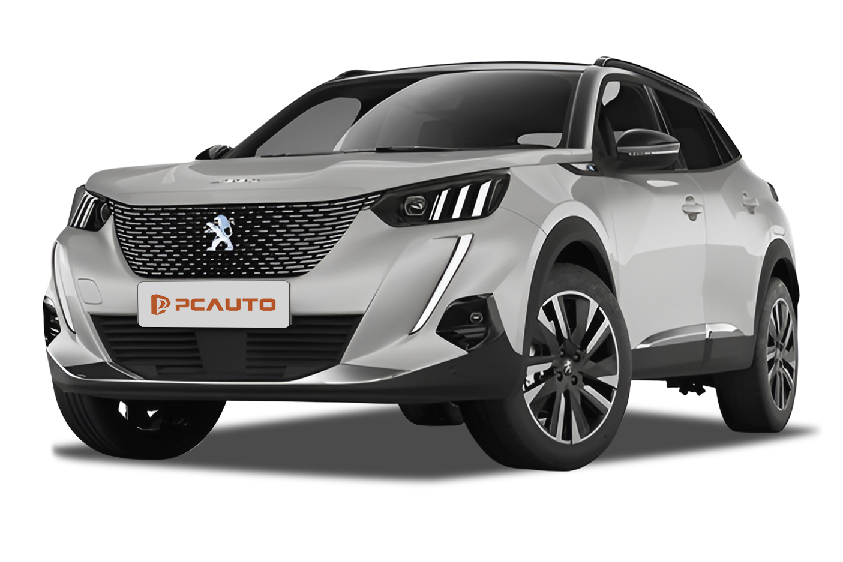
Cars With Similar Price And Features
5
Rank in Pickup
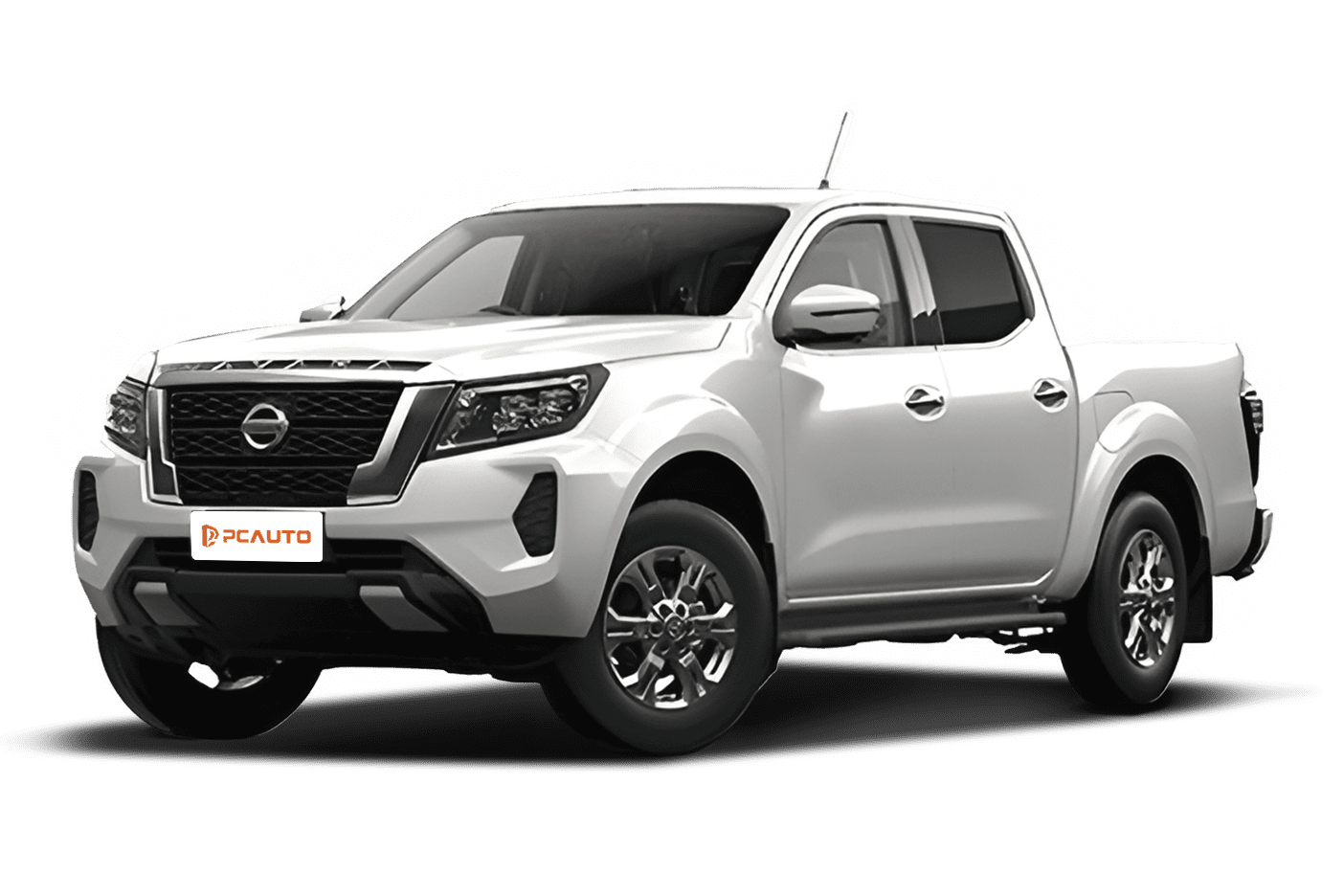
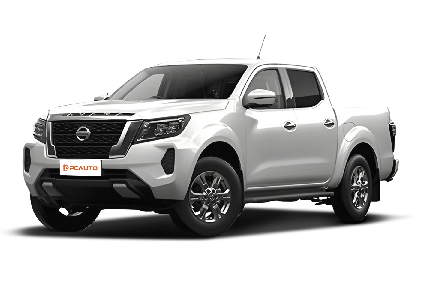
2023 Nissan Navara 2.5 VL Black Edition is a pickup truck that balances household comfort with light off-road capability, featuring exclusive black trims, a full suite of active safety features, and practical configurations, precisely catering to the needs of families and small business owners.
4
Rank in Pickup
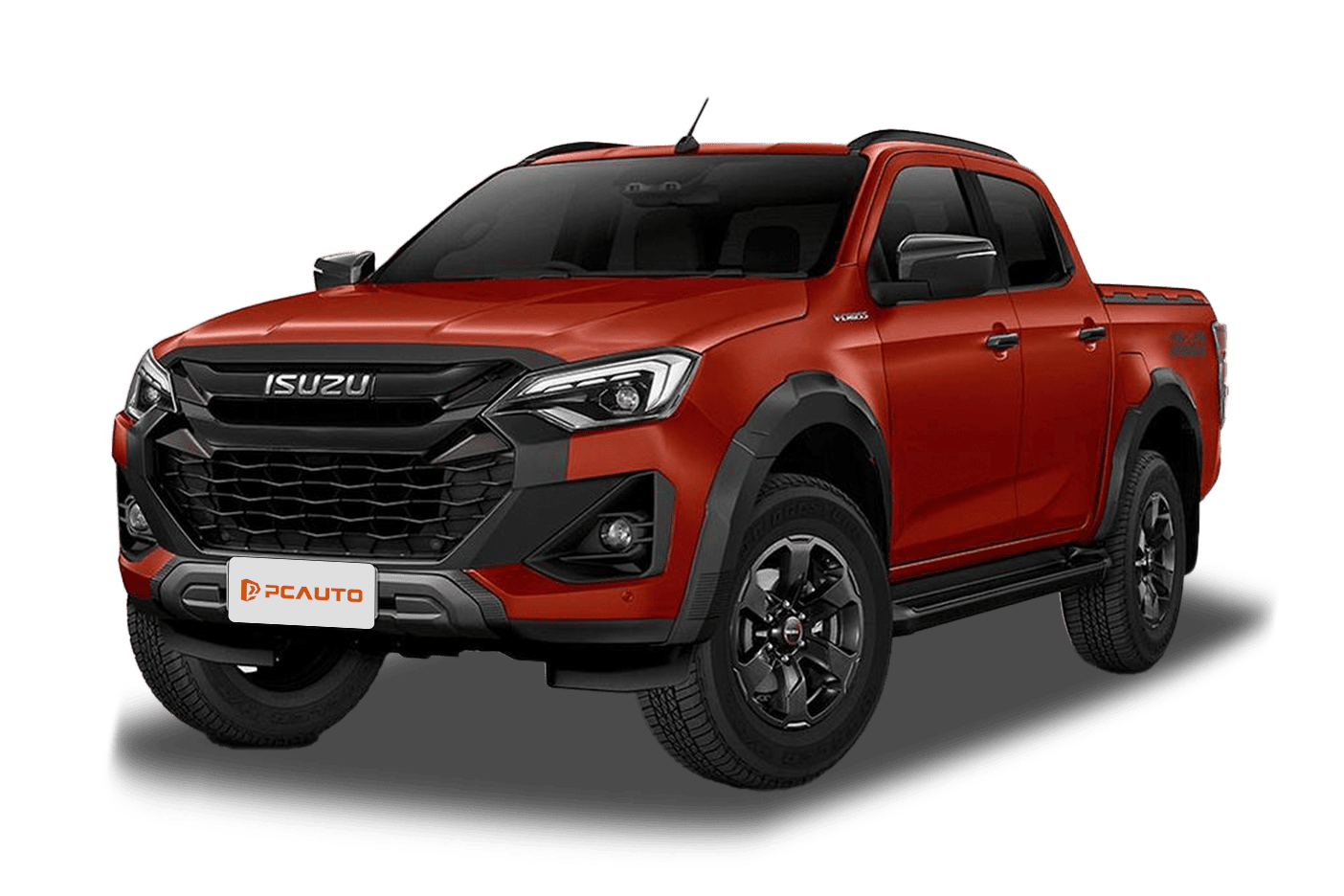
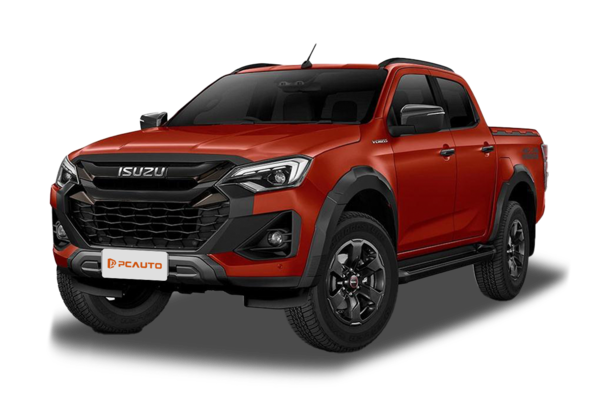
2025 Isuzu D-MAX 1.9L 4x2 Low Ride is an entry-level passenger pickup, offering a balance of practical space, reliable diesel performance, and fuel economy, suitable for family transport and small business cargo needs.
3
Rank in Pickup
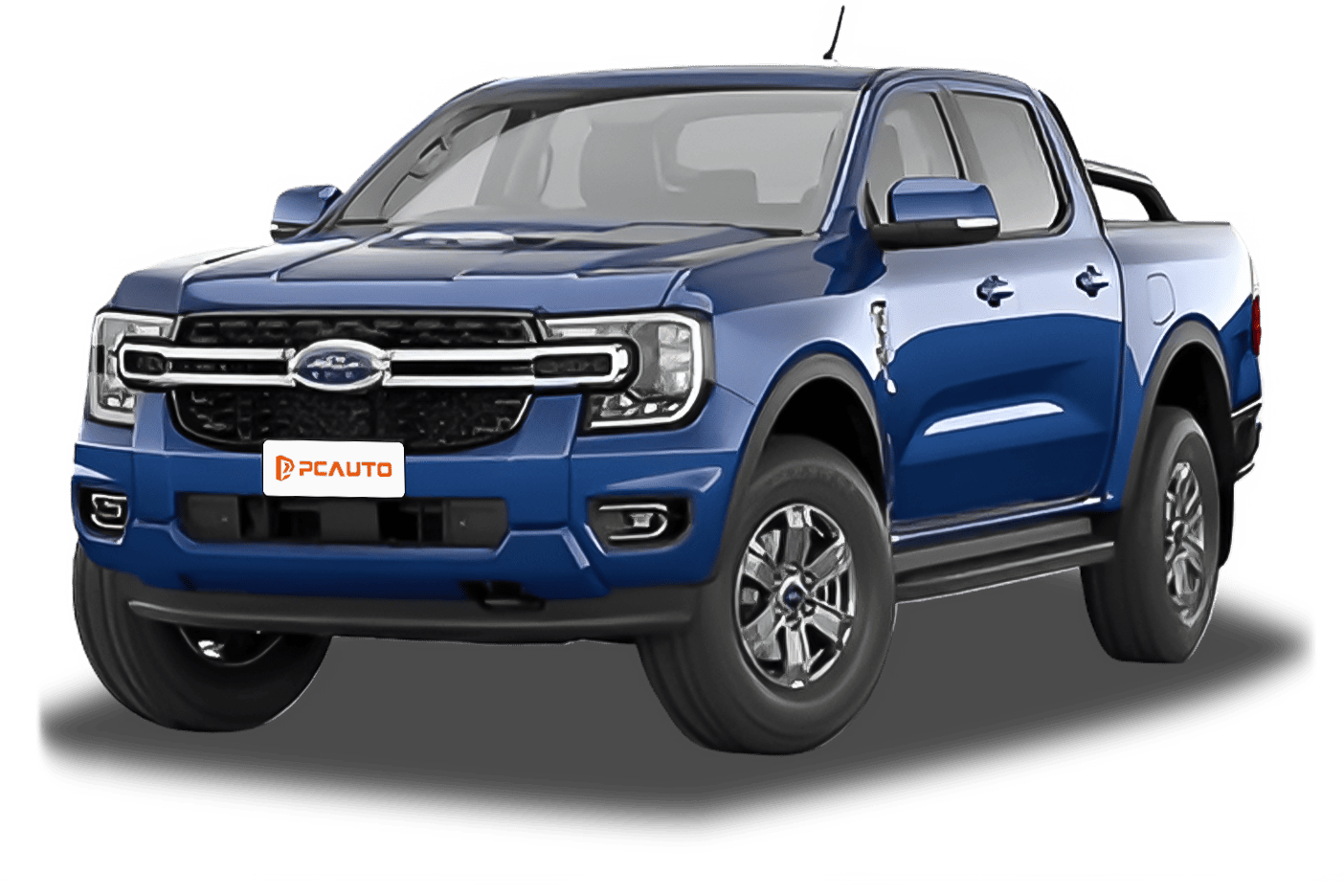
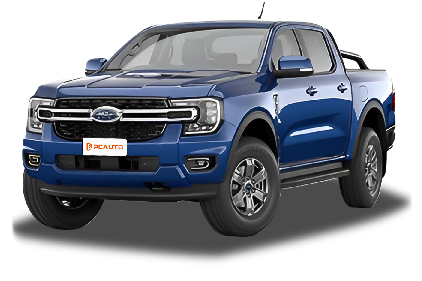
2023 Ford Ranger WildTrak is a mid-to-high-end pickup truck that balances the comfort of daily commuting with the practicality of cargo and off-road capabilities. It features powerful performance, ample space, and practical configurations, making it a versatile choice for both family and work scenarios.

2023 JMC Vigus Pro White Series 2.0L 4WD 8AT combines rugged design, practical features, and powerful diesel performance, balancing everyday durability and mild off-road needs, making it a high-value choice for pickup users.