

2025 Jaecoo J7 PHEV 4WD Review

 Share
Share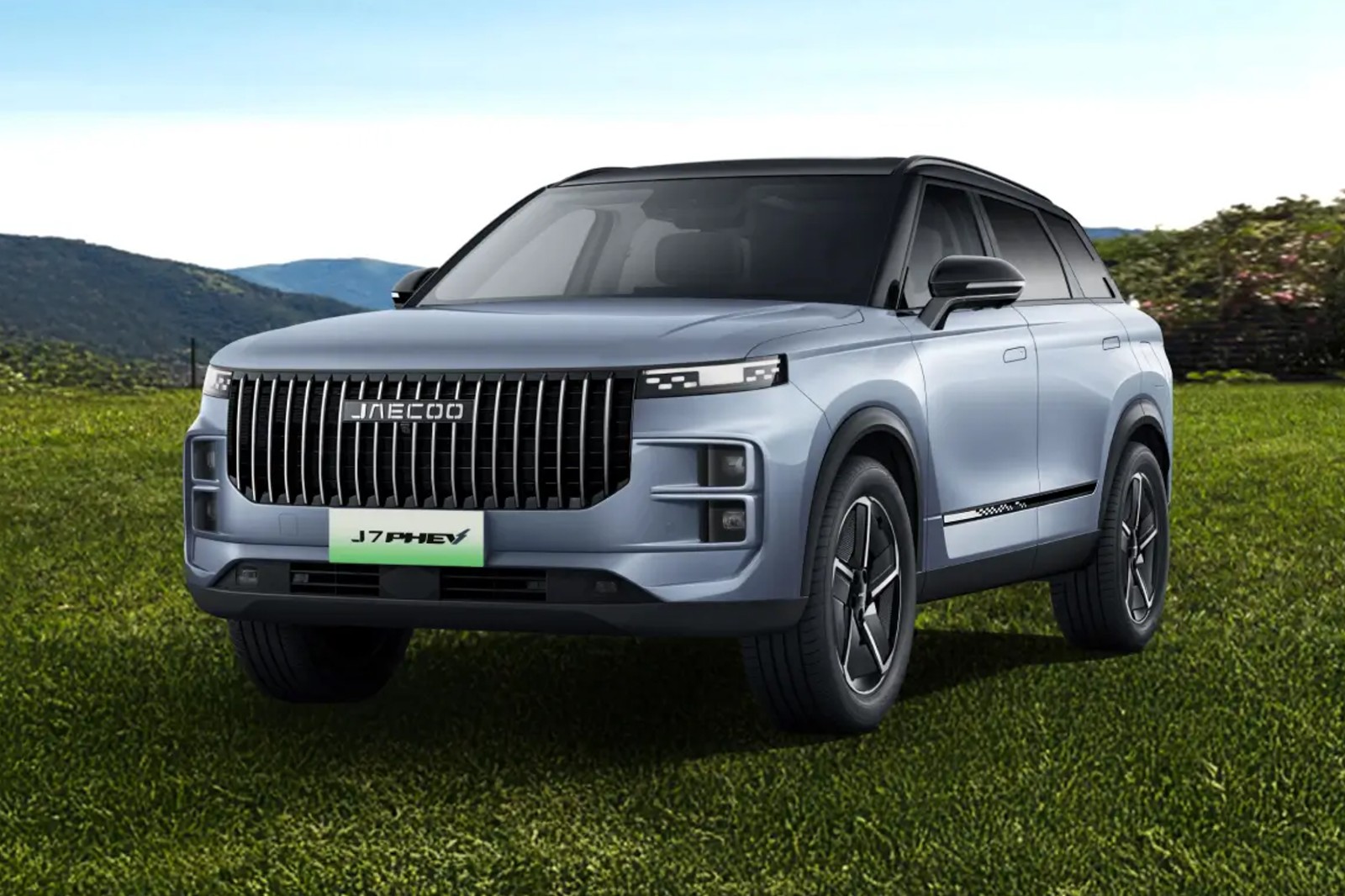
 Segment
 Body Type
 EV Range(km)
 Capacity(L)
 Combined System Output(PS)
 Combined System Torque(Nm)
In Malaysia's C-Segment SUV market, consumers are increasingly demanding "balanced practicality" — they want a vehicle that can handle urban commuting efficiently, provide good off-road capabilities for weekend trips, and come equipped with sufficient features. The arrival of the Jaecoo J7 PHEV 4WD addresses these needs perfectly by combining plug-in hybrid power, a four-wheel-drive system, and practical space in one package. Coupled with Jaecoo's distinctive rugged design, it naturally raises curiosity: can this soon-to-be-launched vehicle meet the needs of multiple scenarios? This test drive focuses on three core questions: Is the performance of the plug-in hybrid system sufficient? Is the space suitable for family use? And does the four-wheel-drive system have practical value?
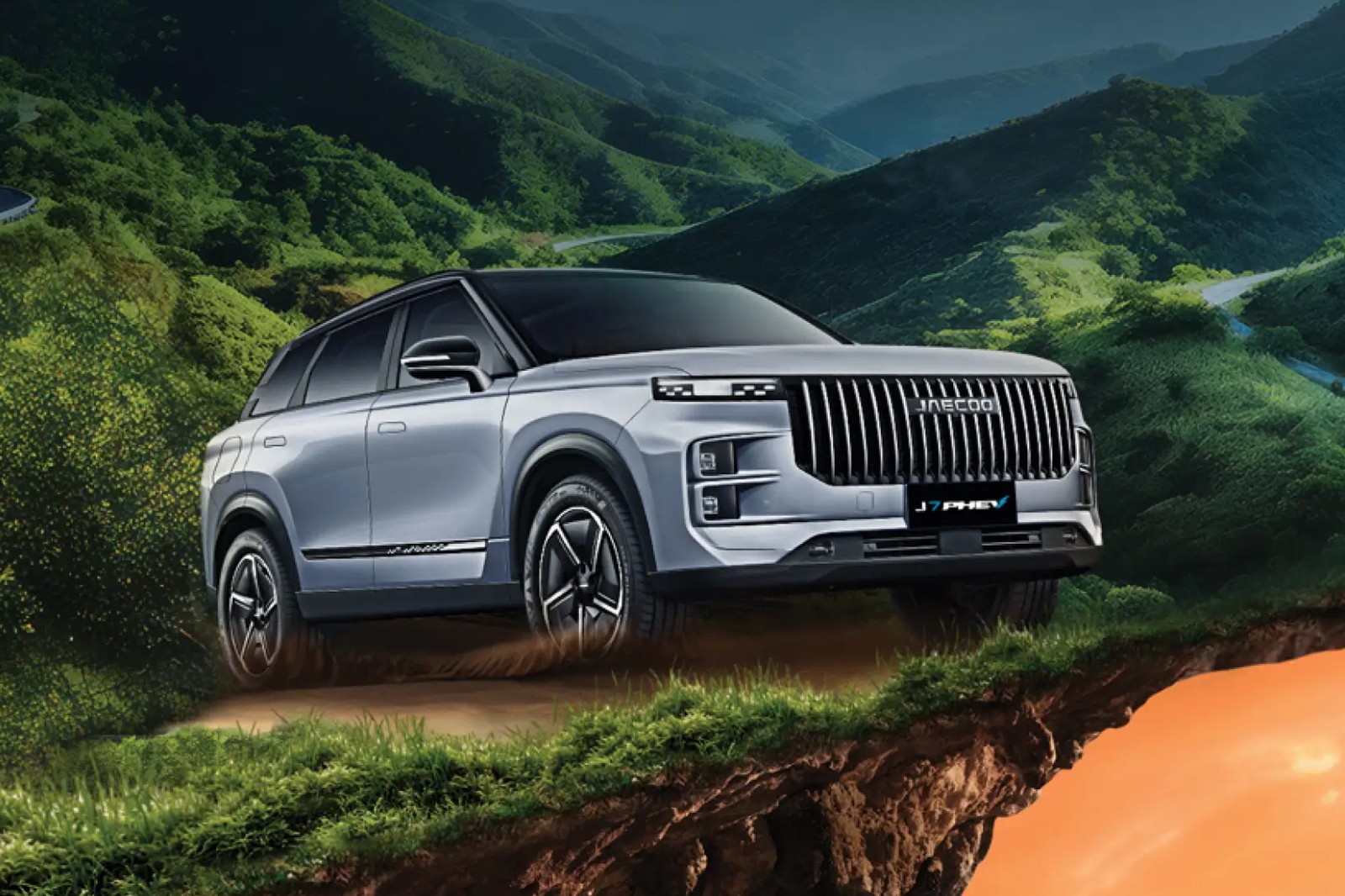
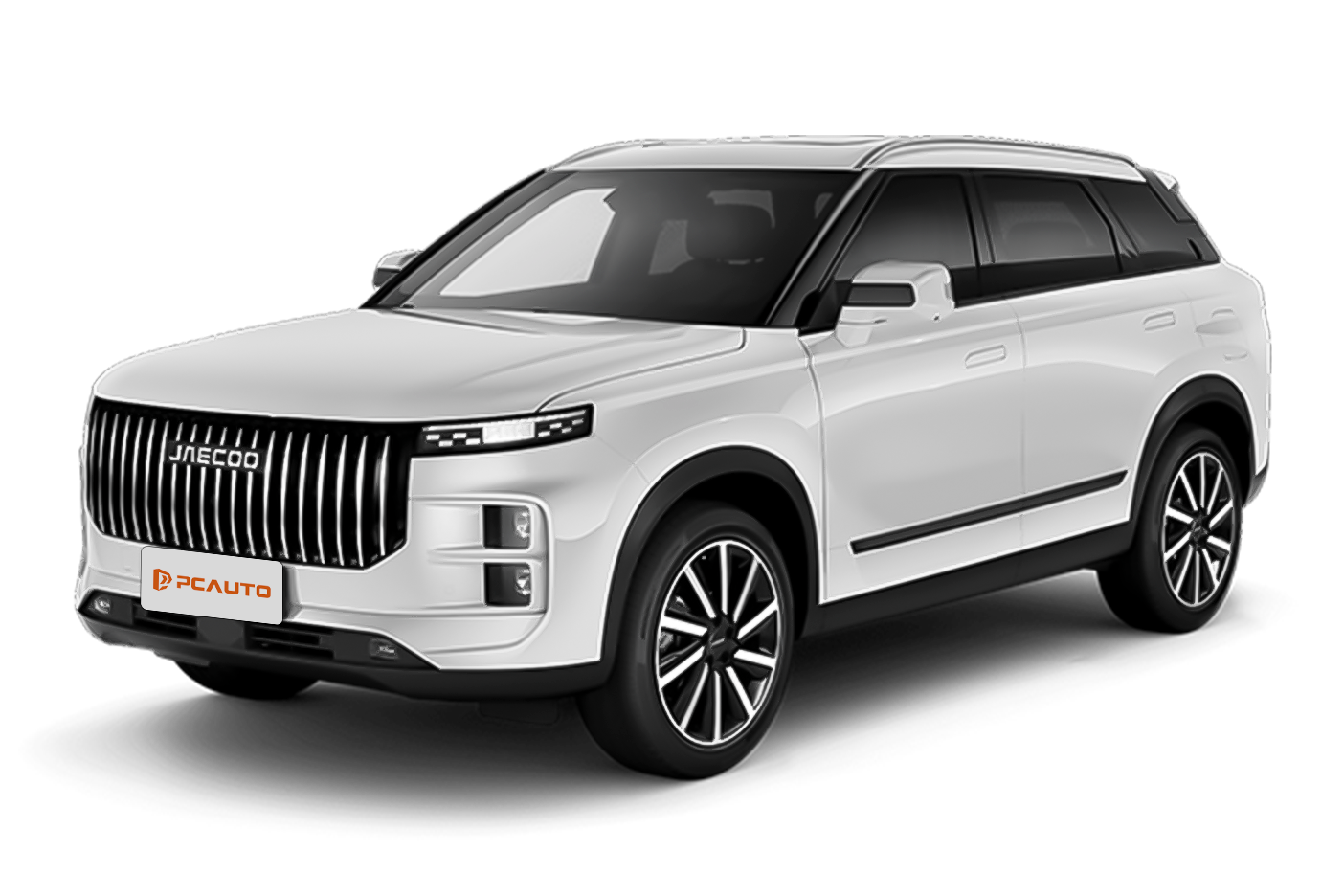
At first glance, the Jaecoo J7 PHEV 4WD immediately stands out from the other compact urban SUVs in its class. The overall design skews towards ruggedness, with a large rectangular grille at the front featuring black vertical slats and sharp LED headlights on both sides, giving it high visual recognition. The side profile has straight lines, with a waistline running from the front to the rear, giving the body a stretched appearance. The 18-inch multi-spoke wheels and relatively high ground clearance maintain the SUV's robust character. The rear design is relatively simple, with smoked taillights echoing the front design, and a silver skid plate under the rear bumper that enhances its off-road vibe. The lighting system comes standard with LED sources across all variants, providing sufficient brightness and uniformity for everyday use without any problems.
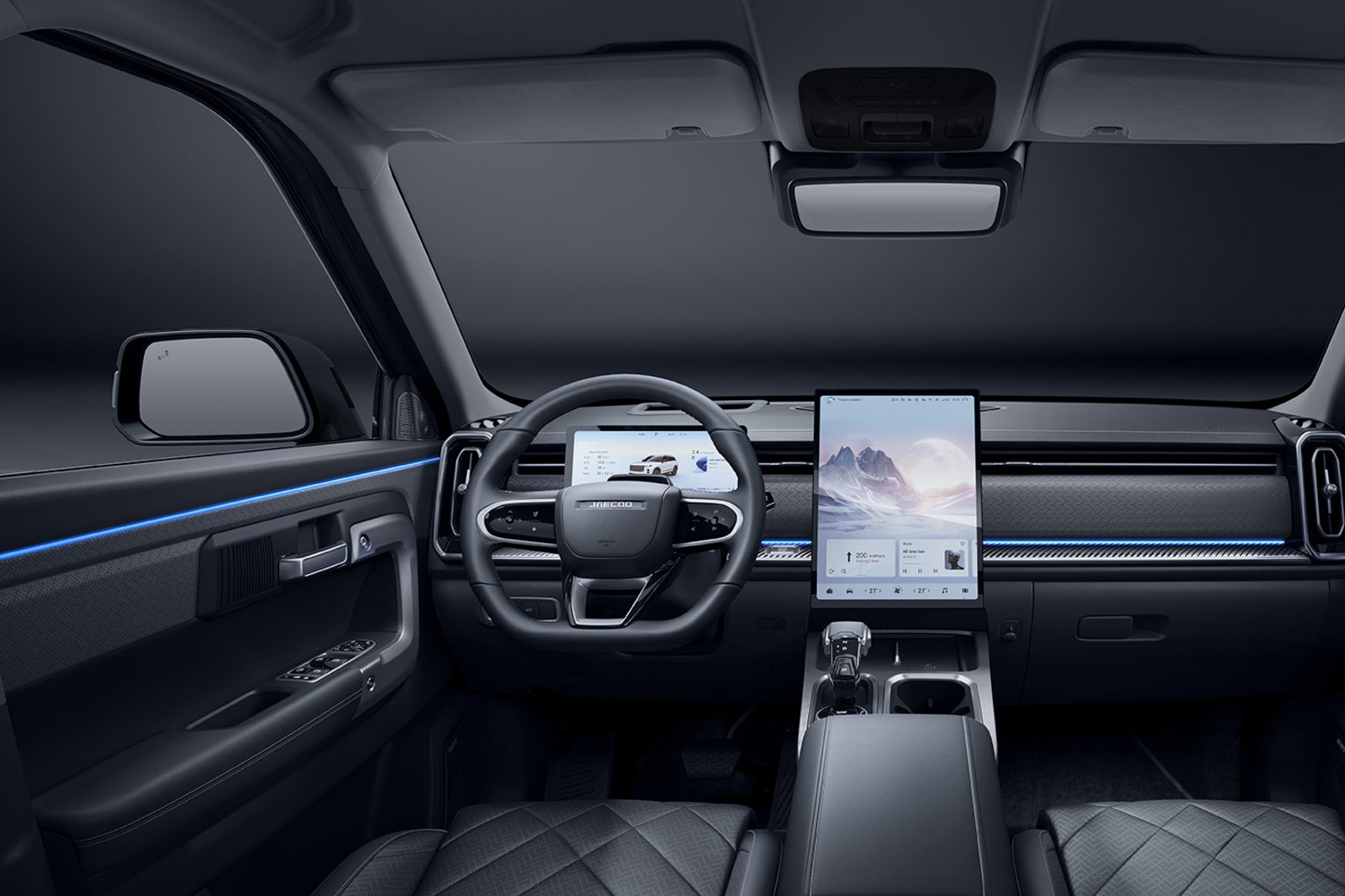
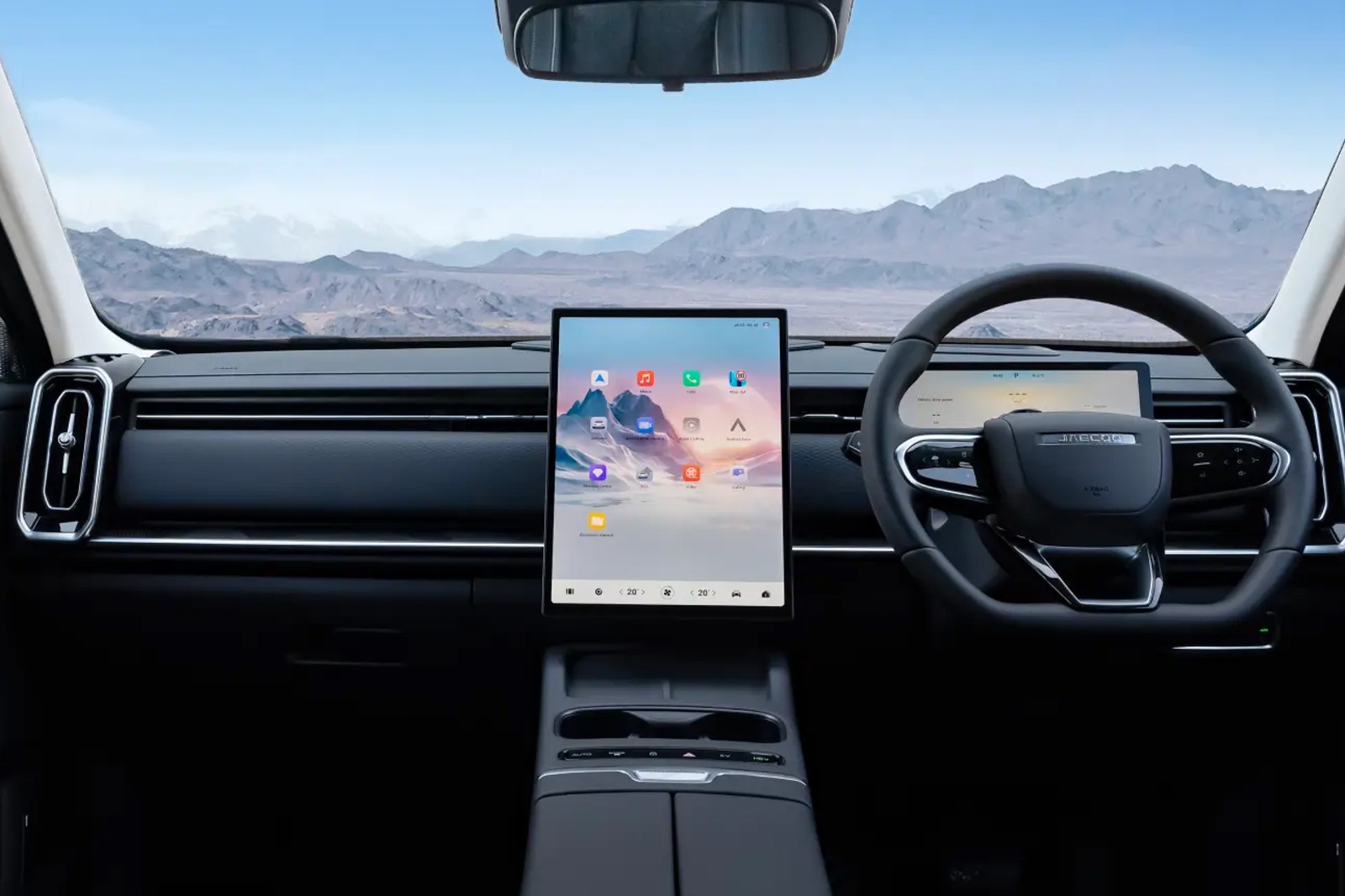
Opening the doors, the interior layout is neatly arranged, primarily using dark tones. The soft-touch materials on the dashboard paired with piano black trim give the cabin an upper-middle-level quality for this class. The 10.25-inch central touchscreen is the visual centerpiece, and the system supports CarPlay and Android Auto, offering decent smoothness in operation. Frequently-used functions like navigation and music can be accessed quickly. The steering wheel is wrapped in leather, providing a comfortable grip, and the physical buttons on both sides are logically arranged for easy blind operation. In terms of features, this car comes standard with an electronic parking brake, auto hold, a panoramic sunroof, and rear air vents. Mid-to-high trim levels also include seat heating and a 360-degree panoramic camera, all of which add practicality for daily use.
Space performance is a key concern for family users. The Jaecoo J7 PHEV 4WD has body dimensions of 4500mm x 1865mm x 1670mm, with a wheelbase of 2672mm, which is standard for C-Segment SUVs. The front seats offer good support, leaving 175cm-tall passengers with a headroom of one fist and two fingers when adjusted to a comfortable position. Rear space is even more impressive, with the same height passenger enjoying two fist-lengths of legroom and one fist of headspace; even three passengers won't feel cramped. For storage, the front center armrest box has a large capacity to hold four bottles of mineral water, door panel pockets can store three bottles of drinks, and the rear armrest and seatback pockets meet daily needs as well. The trunk has a standard capacity of 402L, which can be expanded to 1180L by folding down the rear seats, making it practical for holding strollers or suitcases.
The Jaecoo J7 PHEV 4WD is equipped with a 1.5L naturally aspirated engine + a permanent magnet synchronous motor plug-in hybrid system. The engine has a maximum power of 85kW, and the motor has a maximum power of 110kW, with a combined system torque of 375N·m, paired with a DHT hybrid-specific transmission. During actual driving, the motor delivers power directly at the start, providing a good throttle response with a light pedal press. The 0-60km/h acceleration is very brisk, suitable for urban commuting. When pressing the accelerator deeply, the engine intervention timing is quite smooth, with almost no noticeable jerks. Its official 0-100km/h acceleration time of 8.5 seconds is considered above average among the same-class plug-in hybrid SUVs, with sufficient power reserves for overtaking. There are three driving modes: Eco, Standard, and Sport. In Eco mode, the power output is softer, suitable for daily commuting; in Sport mode, the throttle response is more sensitive, matching scenarios requiring rapid acceleration.
The steering wheel has moderate weight with minimal play, offering precise directionality; it is very agile for city lane changes or U-turns. The chassis combines a front MacPherson independent suspension and a rear multi-link independent suspension with a tuning bias toward comfort. When passing over speed bumps or uneven roads, the suspension can filter out most small vibrations, and the body roll is well-controlled. However, during sharp turns at high speed, the body tilt is noticeable, which is common in family SUVs. The four-wheel-drive system is a standout feature, equipped with an intelligent AWD system that automatically adjusts the torque distribution between the front and rear wheels based on road conditions. On wet, slippery roads or light off-road scenarios (such as muddy or gravel paths), the AWD system enhances vehicle stability and passability, making it more suitable for weekend getaways than the two-wheel-drive version.
In terms of fuel efficiency, we drove 50km each on urban roads and highways. In urban areas, it primarily uses pure electric mode, with electricity consumption around 15kWh/100km. On the highway, it switches to hybrid mode with a combined fuel consumption of approximately 5.2L/100km, which outperformed the official figure of 5.99L/100km. The official pure electric range is 106km, and during our test at a constant speed of about 60km/h on urban roads, the actual range reached around 95km, achieving about 90% of the official figure. This is sufficient to cover daily commuting needs, thus reducing usage costs. The noise control is well-executed, with the cabin remaining quiet at speeds below 60km/h. When driving at 120km/h on the highway, wind and tire noise are noticeable but do not interfere with normal conversations. Energy recovery has three adjustable levels, with the lowest level offering a coasting sensation similar to a gasoline-powered car, making it easy to get accustomed to. The seats are softly cushioned with adequate lumbar support, ensuring a comfortable experience even during long drives.
Overall, the Jaecoo J7 PHEV 4WD has distinctive core advantages: the plug-in hybrid system balances fuel consumption and performance, the 106km pure electric range covers daily commutes, and the four-wheel-drive system enhances passability, making it more suitable for diverse scenarios compared to same-class two-wheel-drive SUVs. The space meets the needs of family users, and the configurations are quite practical. Compared with the same-class Haval H6 PHEV, the Jaecoo J7 stands out with its rugged design and the added advantage of the four-wheel-drive system; compared to the Song Pro DM-i, it may offer a more competitive price point (to be confirmed upon official release). This vehicle is suitable for two types of users: families who focus on fuel efficiency and practicality, utilizing electricity for daily commuting and the hybrid + AWD system for weekend trips; and young people who prefer rugged designs, seeking a car that meets urban commuting needs while also allowing for occasional light off-roading. Overall, the Jaecoo J7 PHEV 4WD is a well-balanced C-Segment plug-in hybrid SUV and is worth looking forward to among upcoming new car releases.
Jaecoo J7 Car Compare
More Jaecoo Reviews
Cars With Similar Price And Features

9
Rank in SUV
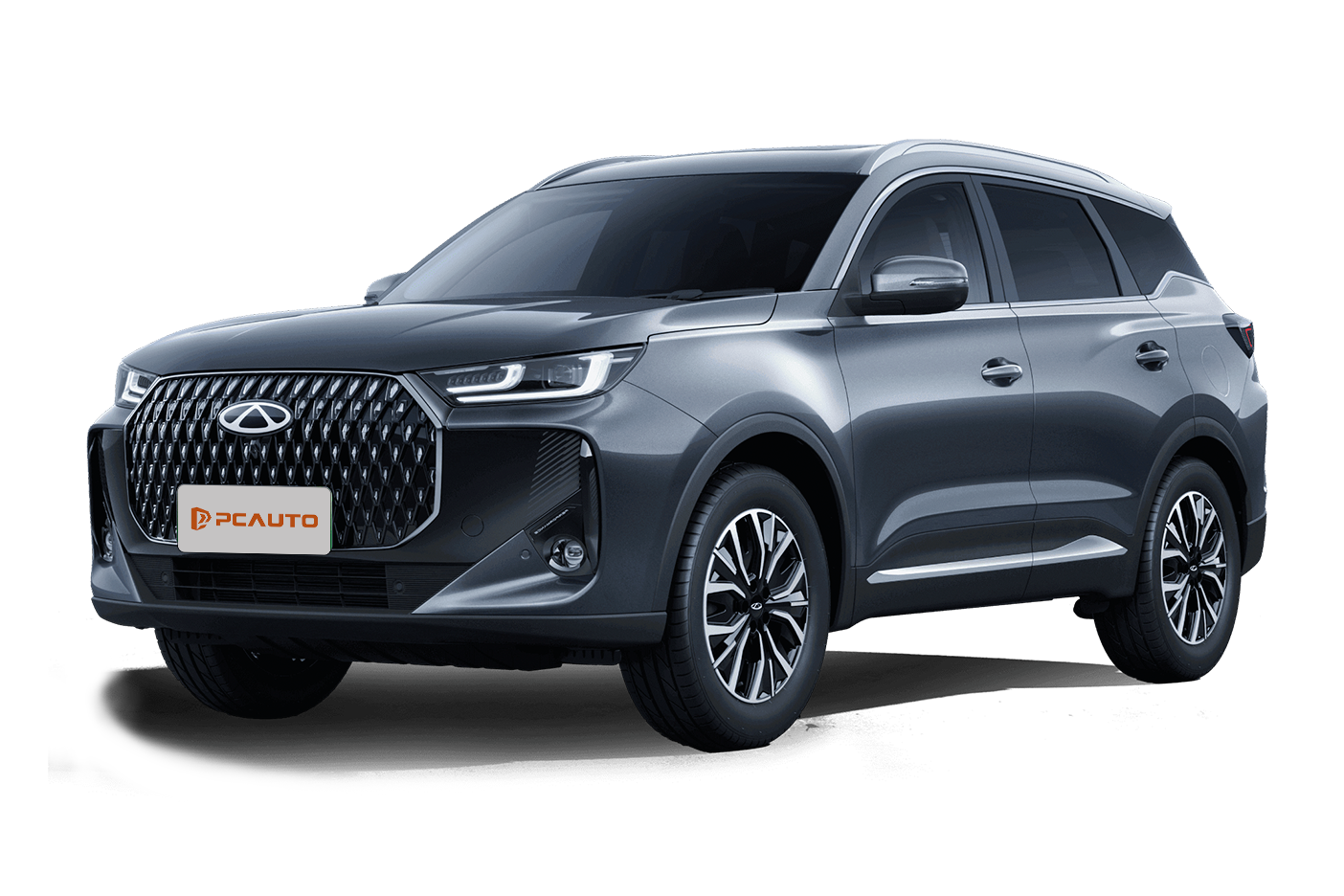
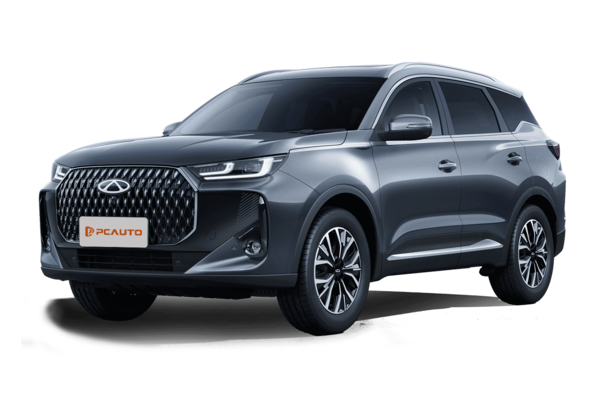
2025 Chery Tiggo 7 PHEV is a C-segment plug-in hybrid SUV designed for family use, combining 90 kilometers of pure electric range, low operating costs, and high configuration balance with outstanding value for money.
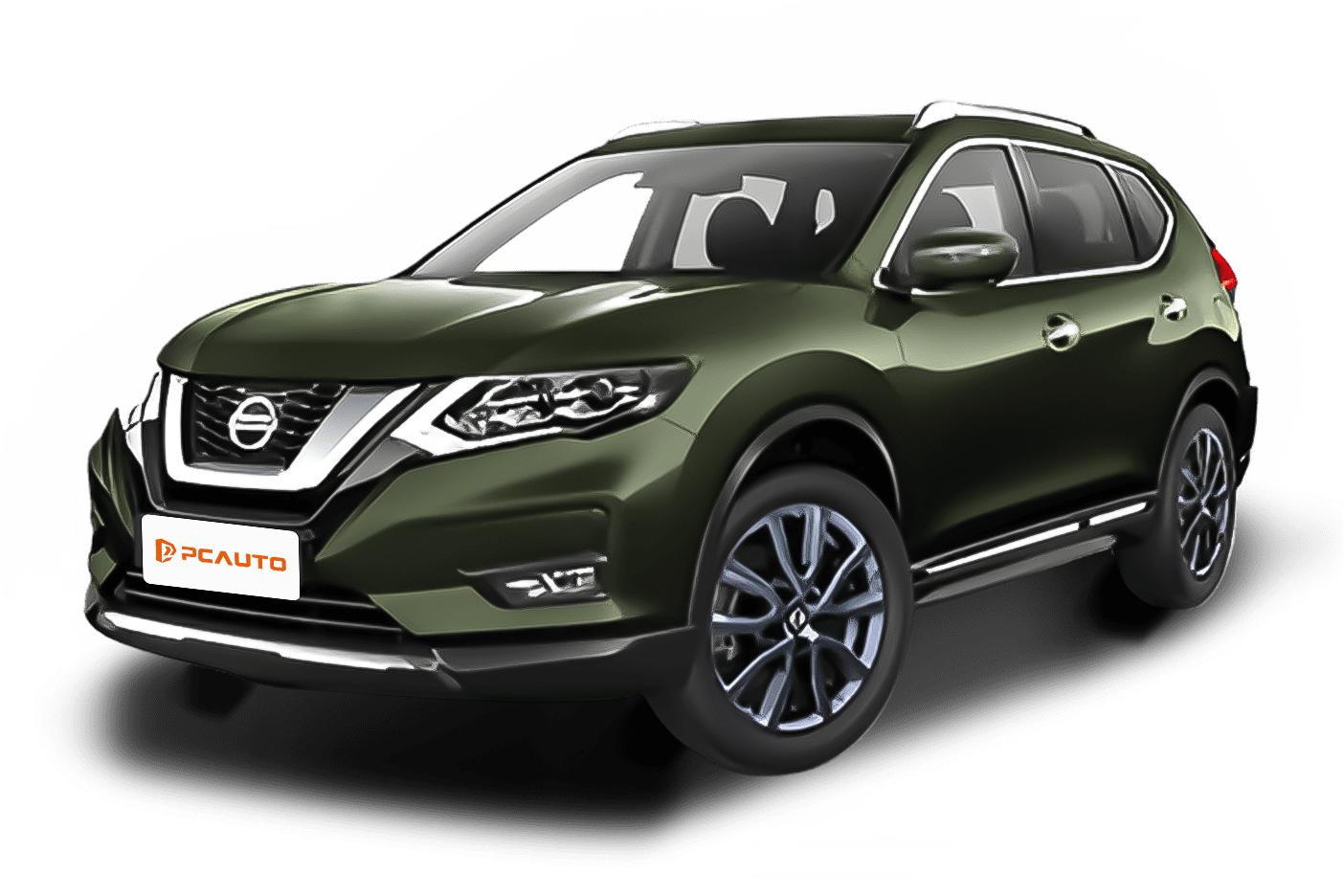
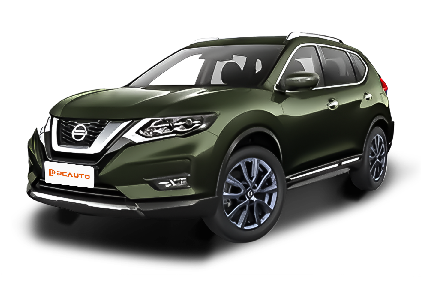
2023 Nissan X-Trail public is a 7-seater C-Segment SUV designed primarily for family use, focusing on flexible space, balanced configurations, and comfortable tuning to meet the needs of family users.
5
Rank in SUV
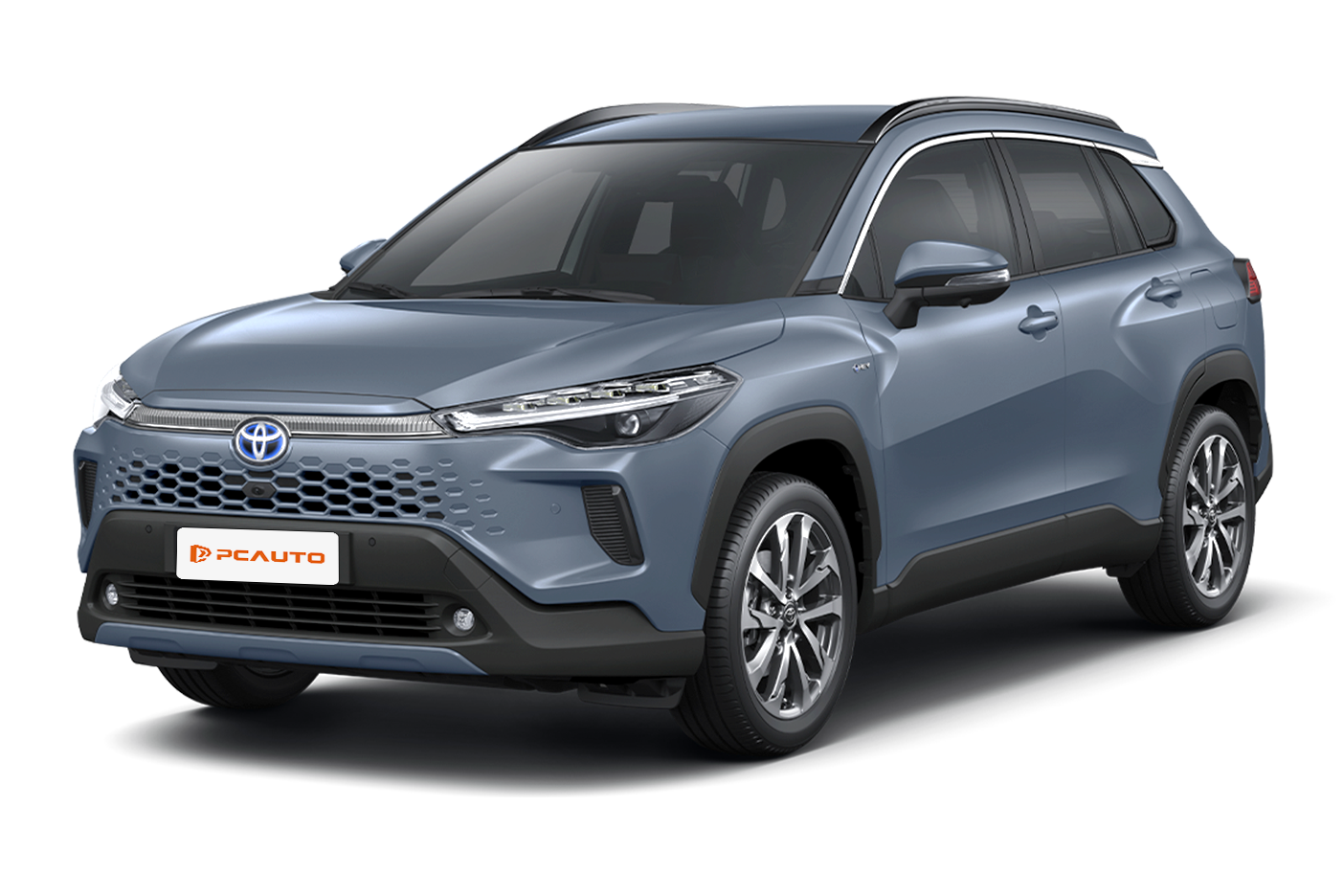
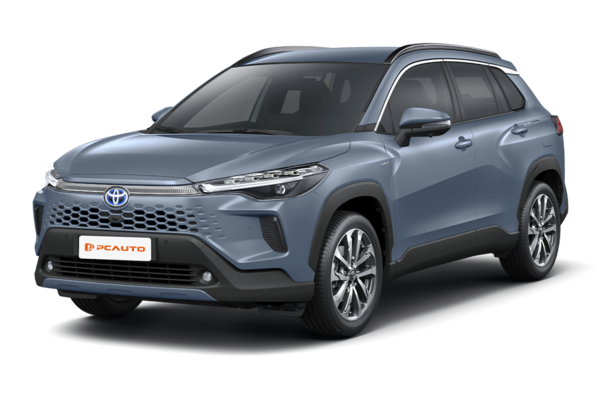
2025 Toyota Corolla Cross 1.8 V, as a mid-cycle facelift compact SUV for family use, balances durability and cost-effectiveness, with practical space and rich configurations, making it suitable for daily family commuting.
17
Rank in SUV
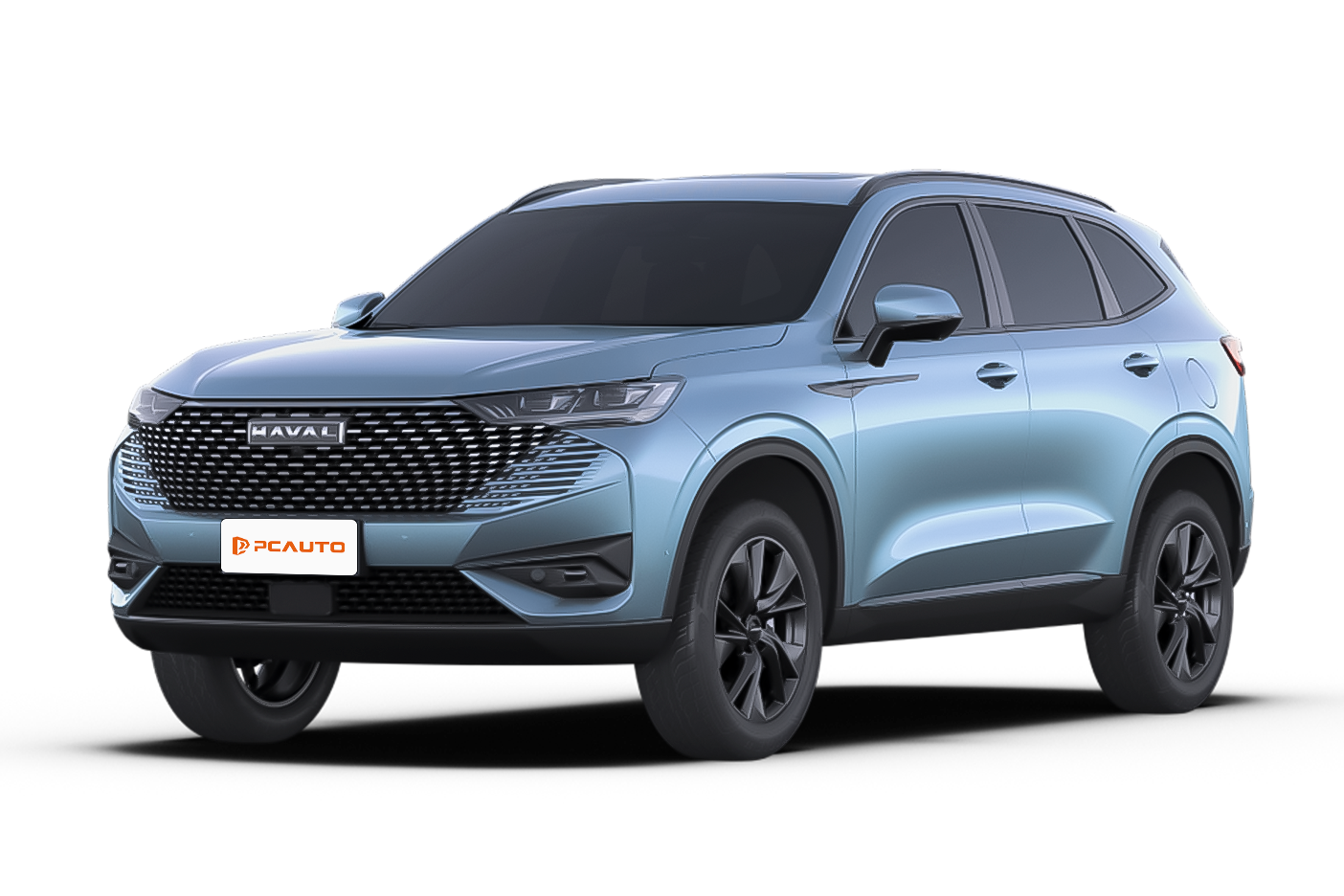
2024 HAVAL H6 HEV is a C-segment SUV, the preferred choice for Malaysian families, combining 243PS strong performance with 5.8L low fuel consumption, spacious interior, and full-featured intelligent safety.