

Jaecoo J7 2025 Review

 Share
Share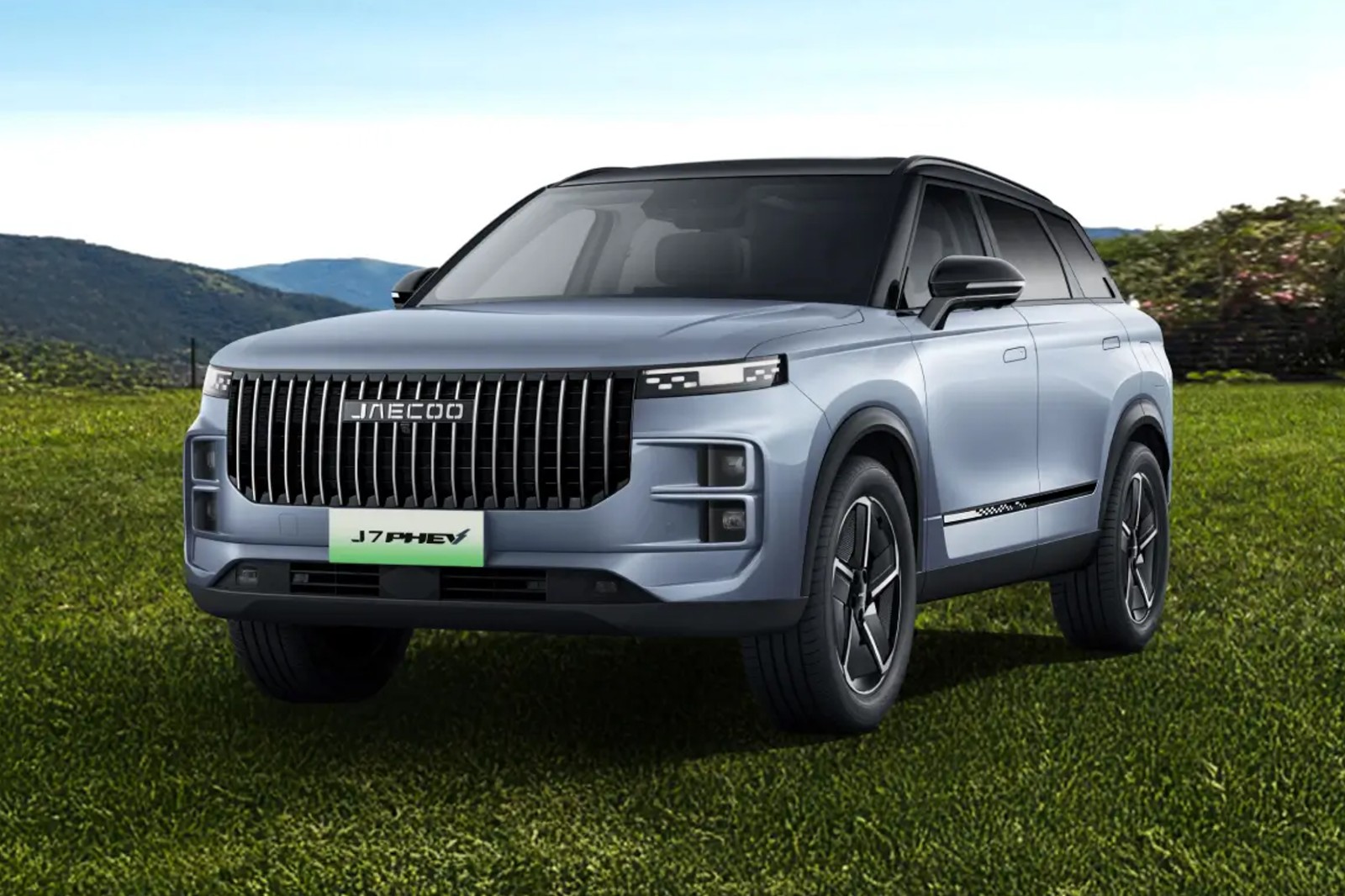
 Segment
 Body Type
 Capacity(L)
 Combined System Output(PS)
 EV Range(km)
 Driven Wheels
In recent years, the competition in Malaysia's C-SUV market has become increasingly intense. Consumers demand both space practicality and a balance of low energy consumption and configuration experience. Many brands are introducing plug-in hybrid models in this segment. The 2025 Jaecoo J7 PHEV 2WD was officially launched at the end of February, directly targeting users who seek "multi-purpose vehicles" — it offers 106km of pure electric range to cover daily commuting needs, while its combined 347PS horsepower can meet occasional power demands. Furthermore, its configuration is packed with advanced intelligent safety features. In this test drive, we focus on evaluating its pure electric range achievement rate, power response, as well as its performance in space and comfort as a family SUV to see if it can stand out in its class.
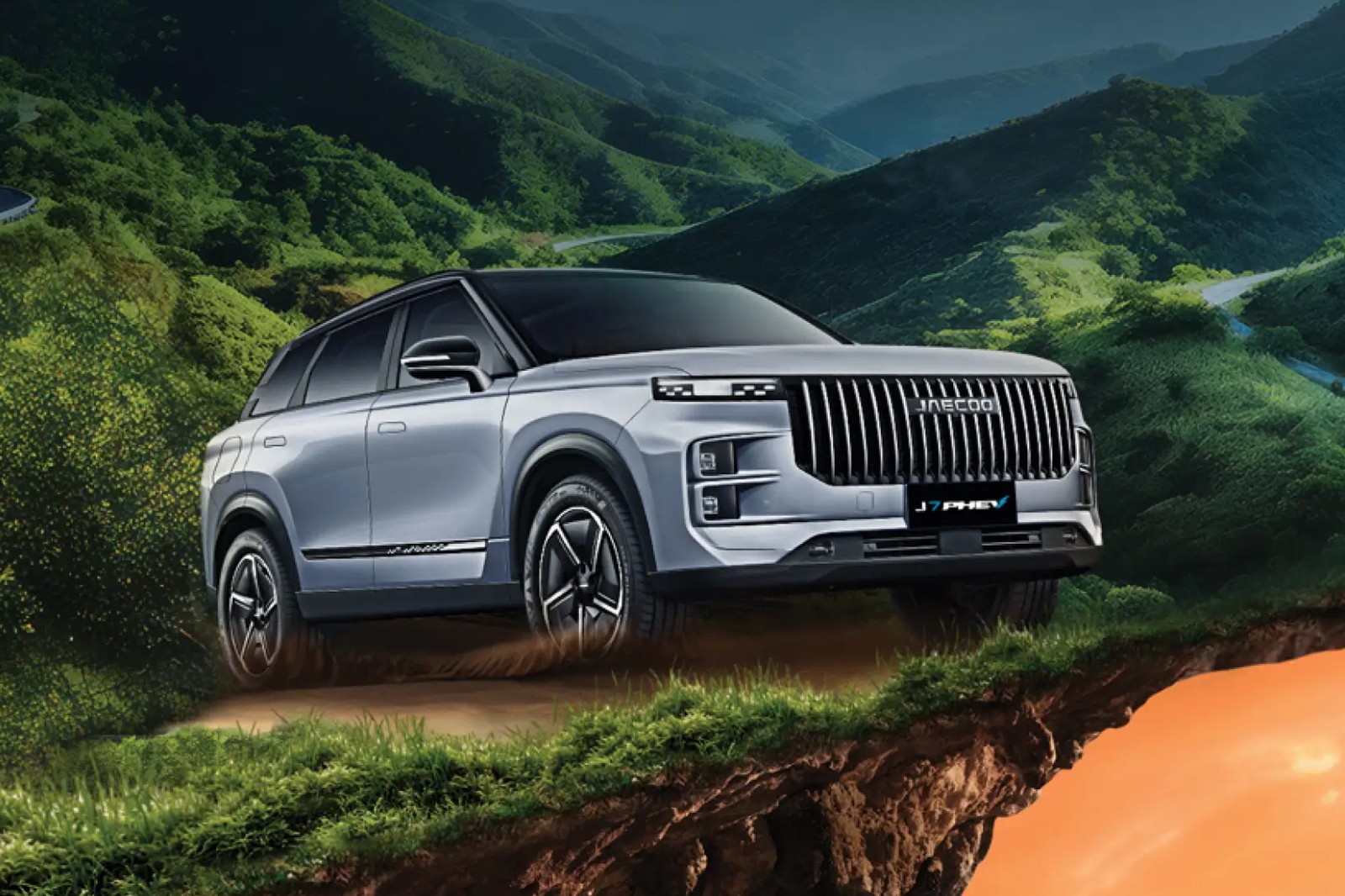
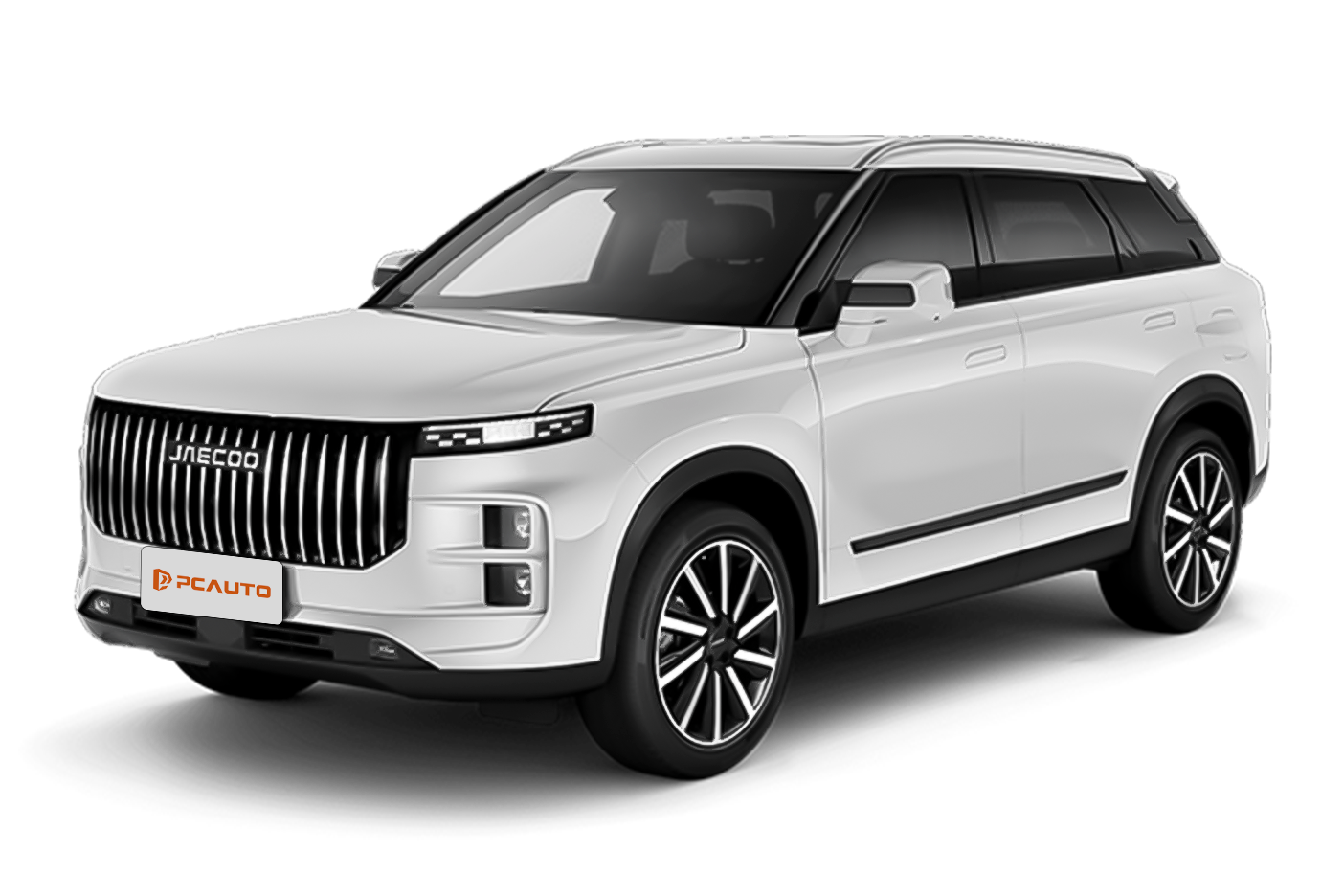
From a distance, the design of the Jaecoo J7 PHEV 2WD leans towards a rugged style, with simple yet strong body lines. The front features a large-sized vertical grille paired with sharp LED headlights on both sides, offering high recognition. The headlights integrate daytime running lights, with a refined lighting effect upon activation. The side of the vehicle retains a standard SUV posture, and the minimum ground clearance of 200mm makes the body appear tall. The 19-inch rims paired with 235/50 R19 tires create a visually balanced proportion. The rear LED taillights feature a through-type design, forming a straight line when lit up, complemented by a silver trim at the bottom, giving it a youthful but not overly flamboyant style. However, the paint thickness is average; during the test drive, the car door accidentally brushed against a branch, leaving minor scratches. Users who value details might need to consider adding a protective film to the car.
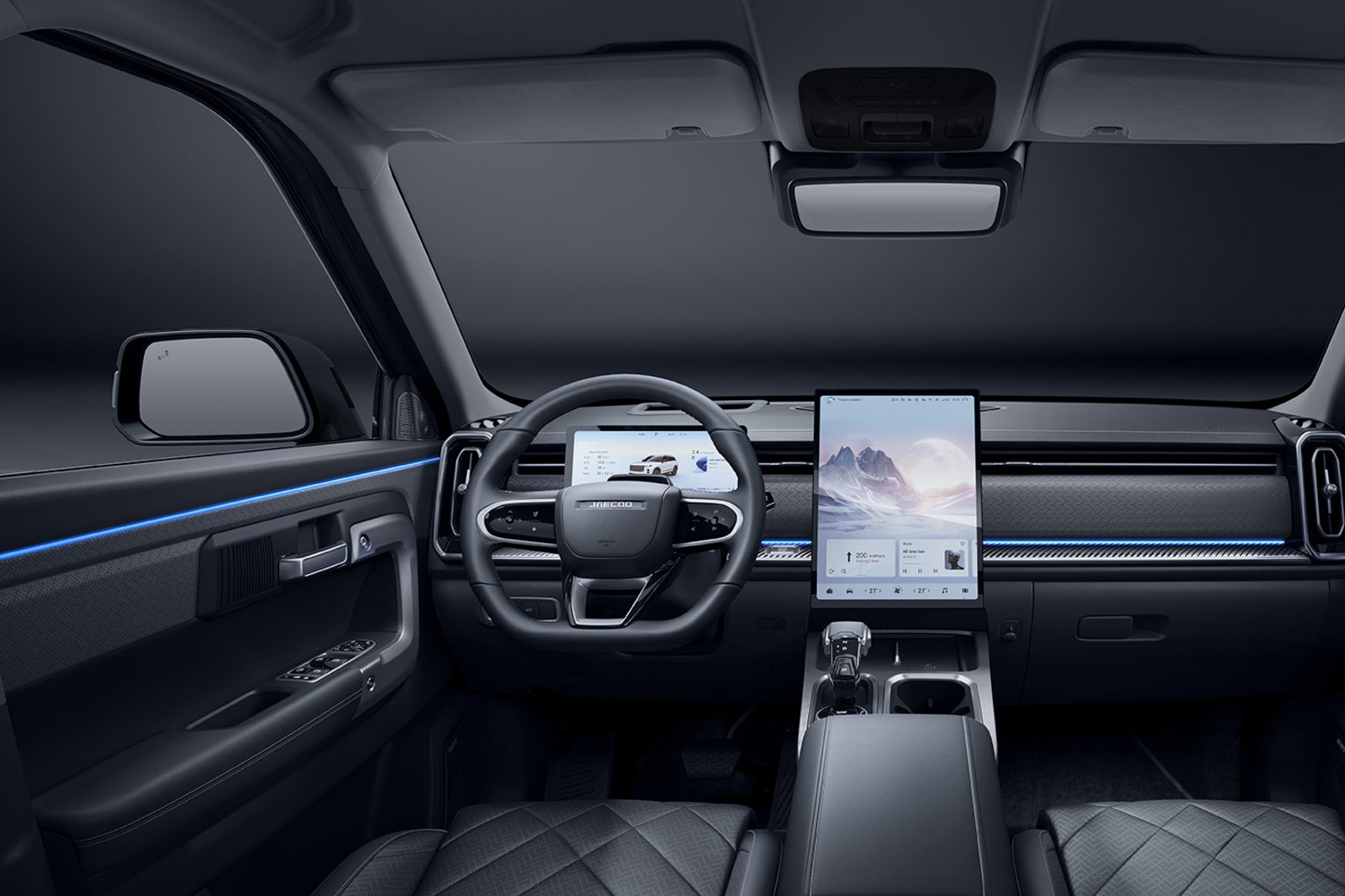
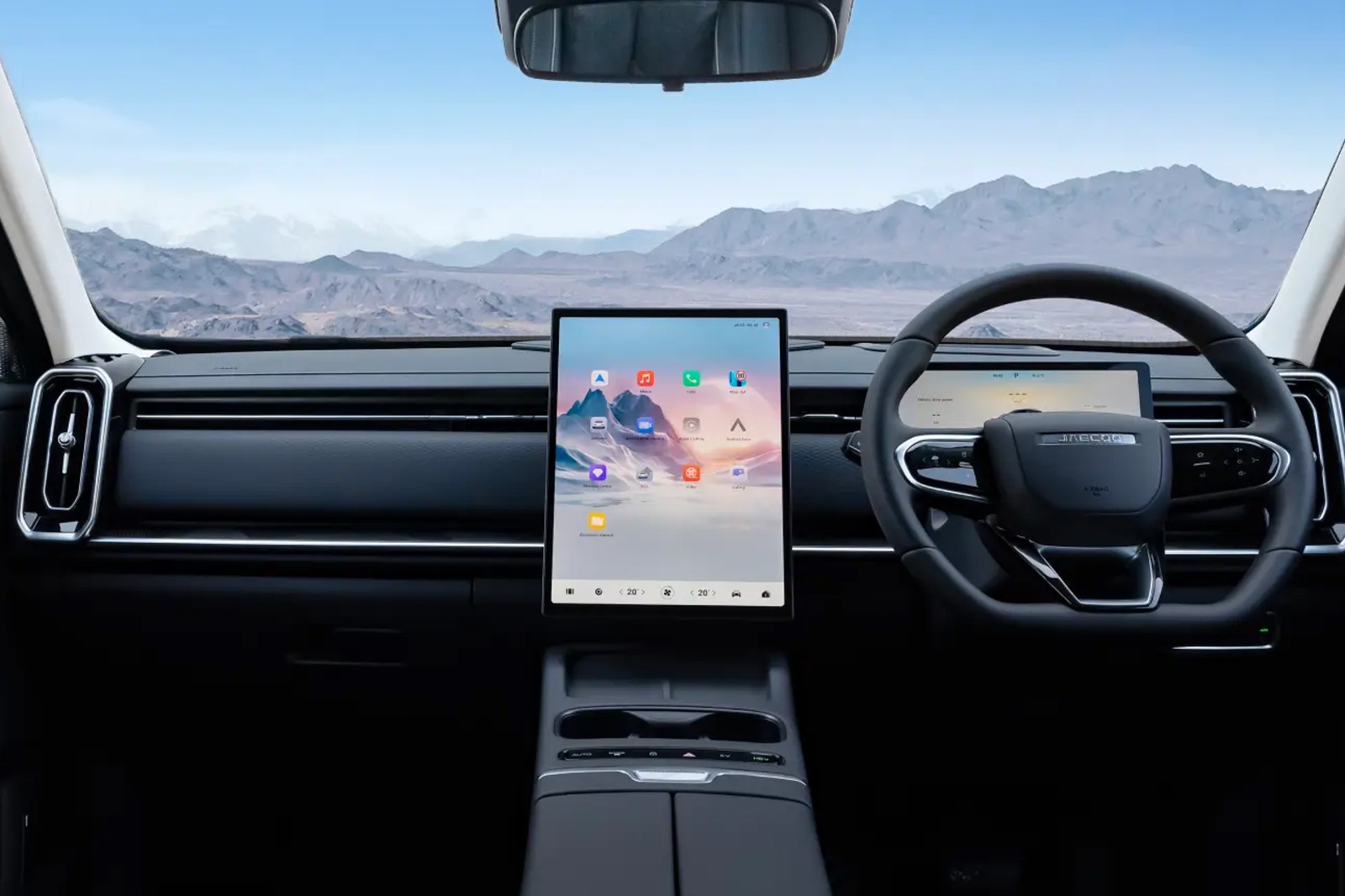
Sitting inside the car, the first thing noticeable is the 14.8-inch central touchscreen, which is larger than most models in its class. The interface operates smoothly, with no lag during basic operations. The interior materials mainly consist of soft plastic and leather wrapping. The upper part of the dashboard and the armrests of the door panels utilize soft padding with stitching, offering a solid feel that matches the standard for its price range. The instrument cluster features a 10.25-inch full LCD display with a clear layout, which can switch between different modes such as pure electric and hybrid displays. In terms of configuration, HUD (head-up display) is standard, allowing the driver to keep their eyes on the road without looking down at the instrument panel, which is very convenient. The front seats support 6-way electric adjustment, while the co-pilot seat enables 4-way electric adjustment, with a wide range of adjustments. At my height of 178cm, with the seat adjusted to a comfortable position, there is still enough headroom for one fist and two fingers. The rear space is decent, with about two fist lengths of legroom, though the center floor has a slight protrusion, and three passengers in the back for a long journey might feel a bit cramped. In terms of storage space, the door slots can fit two 500ml water bottles, the center armrest box is deep enough to hold a folded umbrella and a phone, and the trunk offers a standard volume of 500L, which can be expanded by folding the rear seats down—adequate for storing strollers or suitcases.
Once the vehicle is started, it defaults to pure electric mode. Pressing the accelerator immediately allows you to feel the torque output of the electric motor, with a light and quick start suitable for city driving. When switching to hybrid mode, the 1.5L engine and electric motor work together to deliver a combined torque of 525N·m. The acceleration provides a noticeable push-back feeling, with the official 0-100km/h acceleration rated at 8.5 seconds. During actual testing in sport mode, the acceleration process was smooth and powerful. When overtaking and pressing the accelerator hard, there was no noticeable delay in power response. Even at highway speeds of 120km/h, further acceleration was effortless. Regarding the chassis, the independent suspension system consists of a front MacPherson strut and a rear multi-link setup, tuned towards comfort. When passing speed bumps or uneven roads, the suspension absorbs most of the jolts, ensuring rear passengers do not feel significant bouncing. However, the body leans noticeably in continuous curves, as handling is not its strong point due to the nature of an SUV model. The steering feel is moderate, with no dead zone; it feels light at low speeds and heavier at high speeds, making daily driving very user-friendly.
Pure electric range is one of the key indicators for PHEV models. Our test drive route this time included a 30km urban congested section, 40km highway segment, and 36km suburban mountain road, with the air conditioning set to 24°C throughout and driving mode in pure electric. The official pure electric range is 106km, and in reality, we managed 98km before switching to hybrid mode, achieving a rate close to 93%, which is quite good. During the highway segment at speeds of 100-120km/h, electricity consumption was around 19.2kWh/100km, slightly higher than the official 18.5kWh, but still within an acceptable range. Slow charging takes 8 hours, making it suitable for overnight charging, while fast charging can charge to 80% in 0.3 hours, making emergency recharging convenient. In terms of fuel consumption, after switching to hybrid mode, we tested on a 100km mixed-route condition and recorded a fuel consumption of 4.9L/100km, which is almost consistent with the official 4.7L, showcasing acceptable fuel economy. Regarding noise control, in pure electric mode, there's only a slight electric motor sound. On the highway, tire and wind noise become more noticeable, but the volume remains within an acceptable range and does not interfere with conversations inside the car.
Overall, the 2025 Jaecoo J7 PHEV 2WD has distinctive core advantages: a pure electric range of 106km can cover the daily commute of most users, a combined power of 347PS ranks among the top in the same price range of PHEV SUVs, and standard features like HUD, 14.8-inch large screen, and L2-level intelligent driving (lane change assist, active braking, etc.) offer excellent value for money. Compared to its peer Haval H6 PHEV, the Jaecoo J7 offers a longer pure electric range, richer configurations, and a price lower by about RM 5,000. In contrast to the Geely Boyue L PHEV, its smaller body size provides better maneuverability, making it more suitable for urban driving.
This car is best suited for family users: the pure electric mode saves money, the hybrid mode handles long-distance trips, and its ample space can accommodate strollers and family essentials. The full suite of intelligent safety features provides greater peace of mind for the family. For those who frequently drive on highways or need all-wheel drive, the upcoming 4WD version might be more suitable, but the current 2WD version already meets the needs of most daily scenarios.
In conclusion, the 2025 Jaecoo J7 PHEV 2WD is a "well-rounded" plug-in hybrid SUV, balancing the cost-effectiveness of pure electric commuting, the power of hybrid driving, and the practicality of a family car. Its configuration shows great sincerity as well. If your budget is around RM 160,000 and you're looking for a family SUV that can cater to both daily commuting and occasional long-distance trips, it is definitely worth adding to your shortlist.
Jaecoo J7 Car Compare
Jaecoo J7 Loan Calculator
More Jaecoo Reviews
Cars With Similar Price And Features

9
Rank in SUV
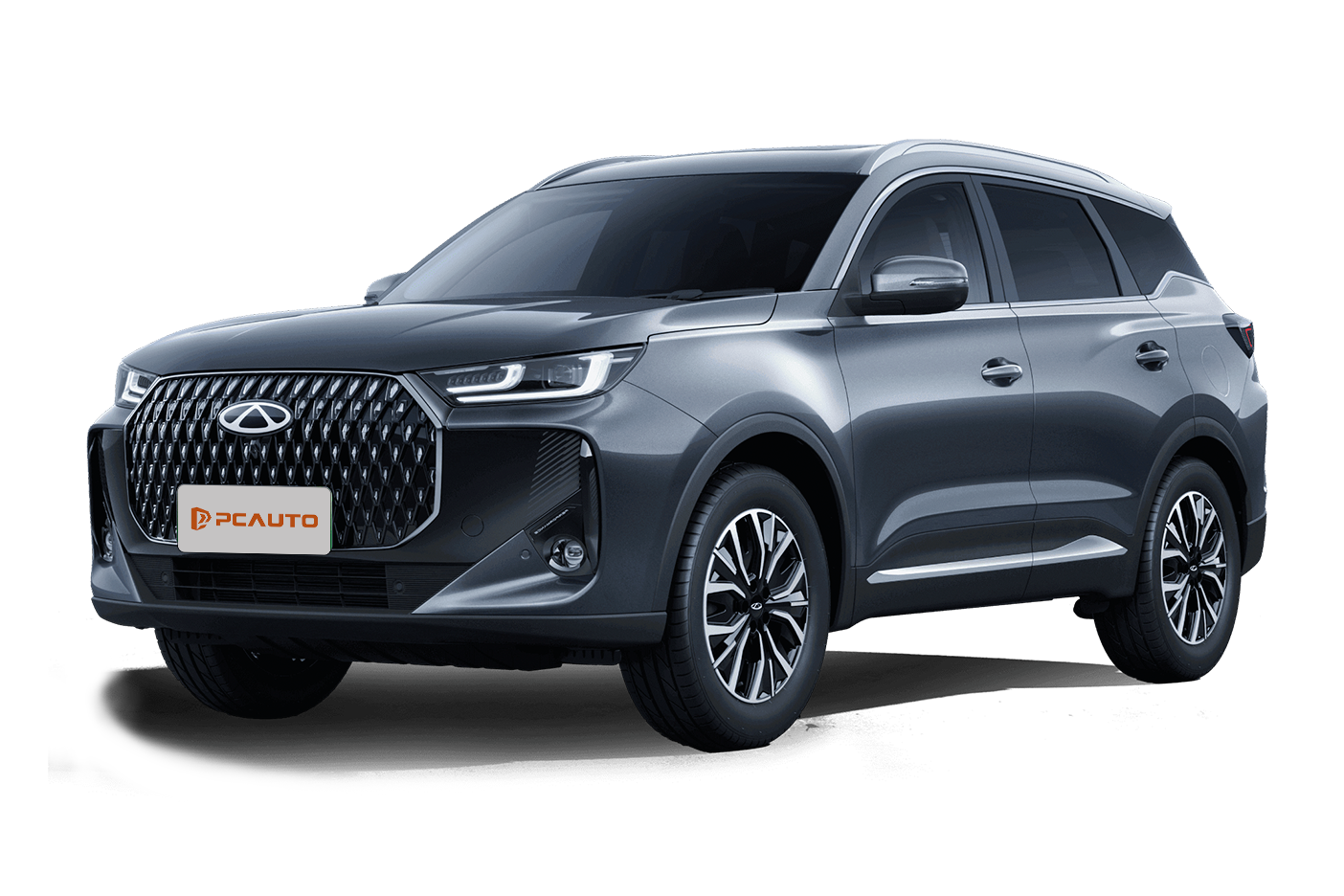
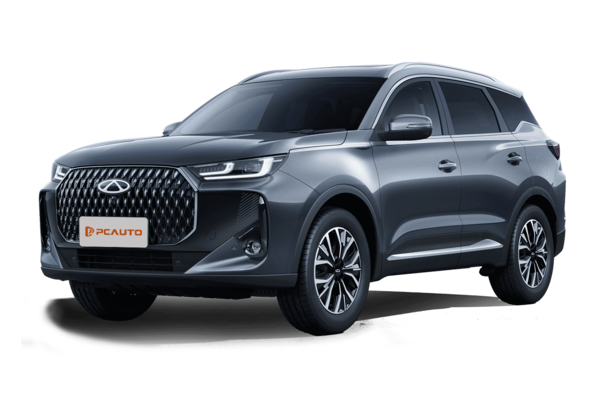
2025 Chery Tiggo 7 PHEV is a C-segment plug-in hybrid SUV designed for family use, combining 90 kilometers of pure electric range, low operating costs, and high configuration balance with outstanding value for money.
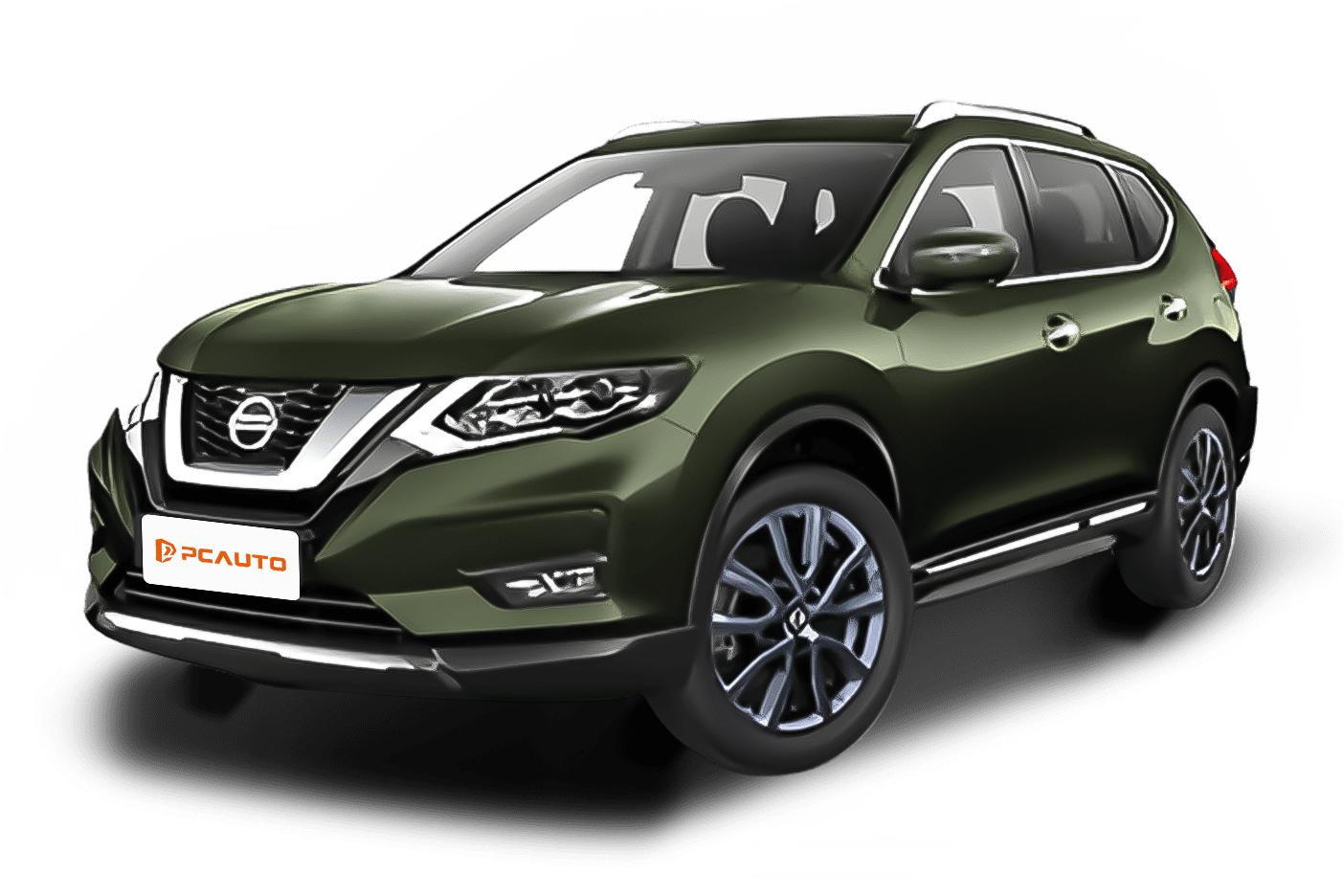
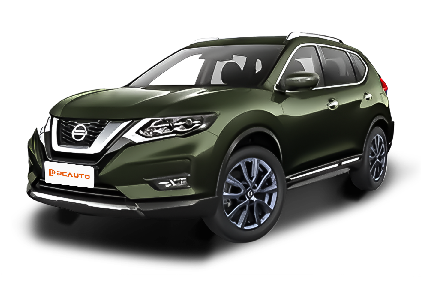
2023 Nissan X-Trail public is a 7-seater C-Segment SUV designed primarily for family use, focusing on flexible space, balanced configurations, and comfortable tuning to meet the needs of family users.
5
Rank in SUV
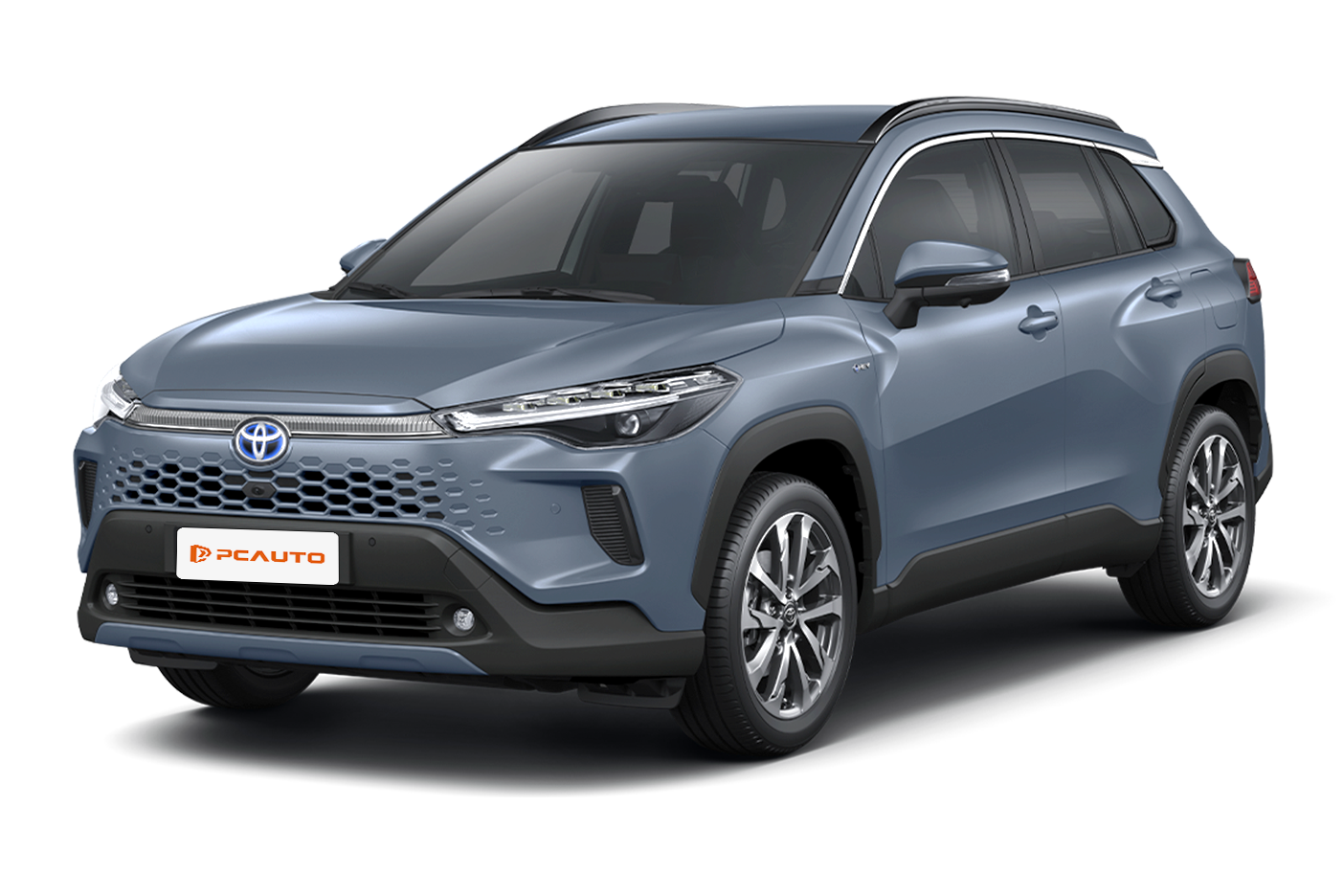
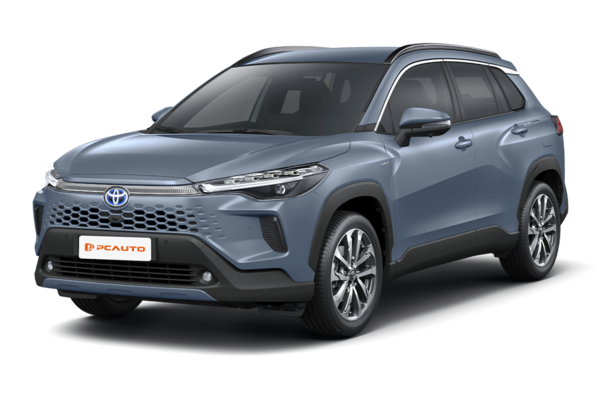
2025 Toyota Corolla Cross 1.8 V, as a mid-cycle facelift compact SUV for family use, balances durability and cost-effectiveness, with practical space and rich configurations, making it suitable for daily family commuting.
17
Rank in SUV
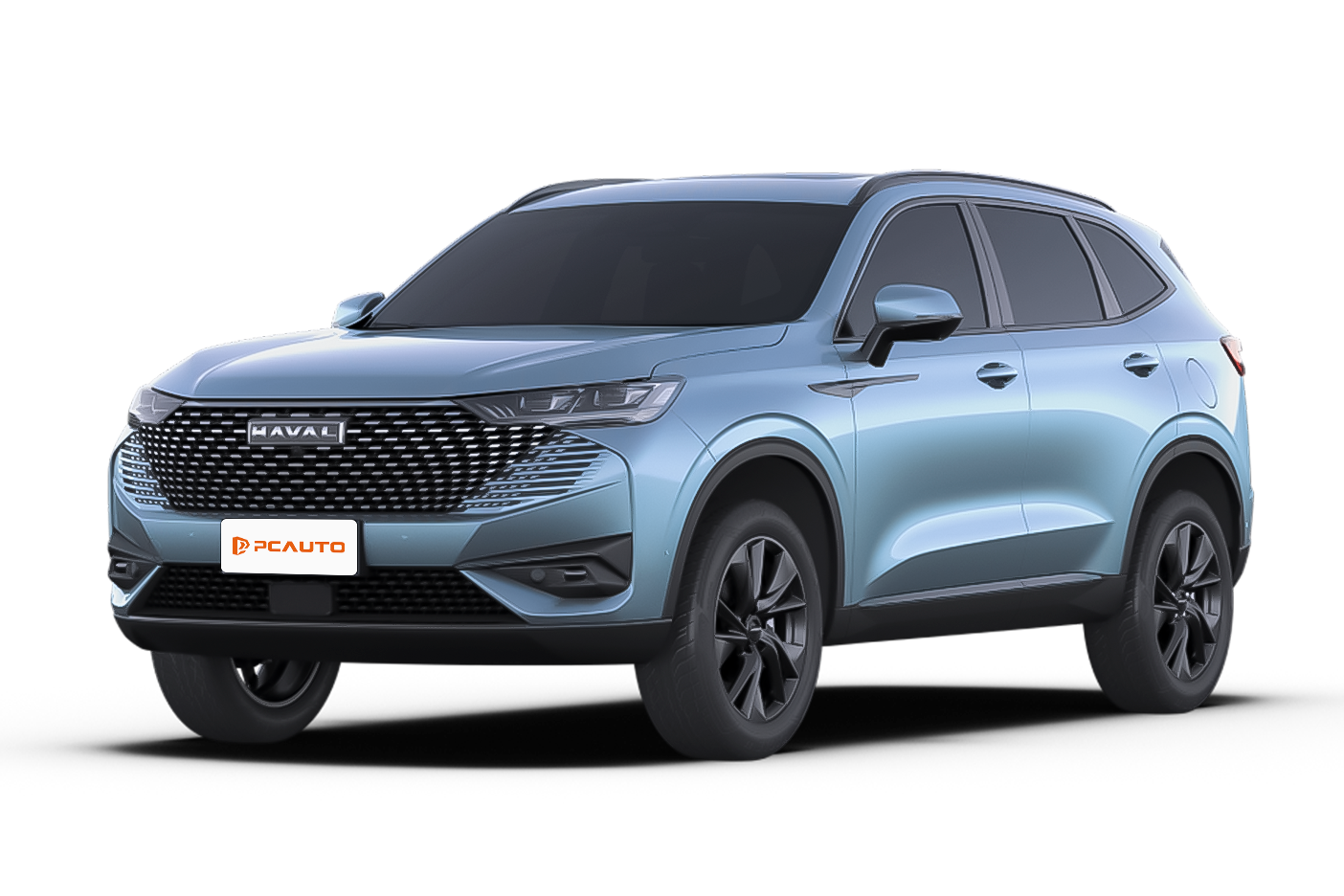
2024 HAVAL H6 HEV is a C-segment SUV, the preferred choice for Malaysian families, combining 243PS strong performance with 5.8L low fuel consumption, spacious interior, and full-featured intelligent safety.