

Chery Tiggo 7 Review

 Share
Share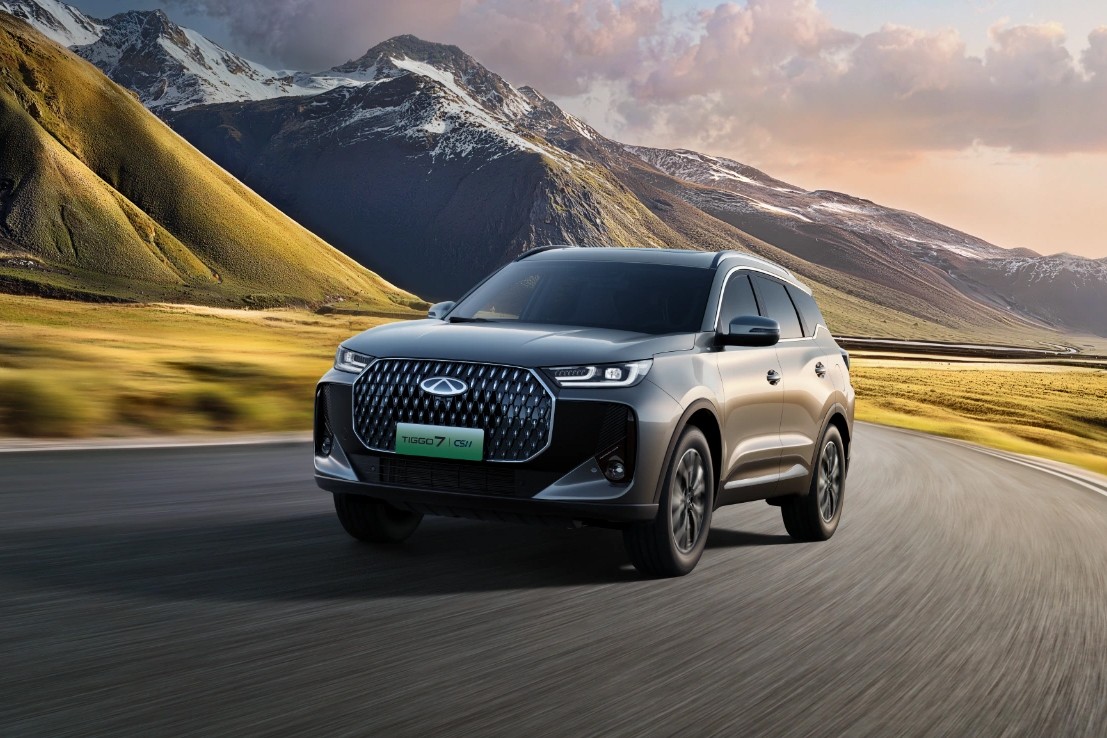

 Segment
 Body Type
 Capacity(L)
 Combined System Output(PS)
 EV Range(km)
 Driven Wheels
In Malaysia's C-Segment SUV market, family users and young consumers are increasingly inclined towards "multi-purpose vehicles" – a car that is fuel-efficient for daily commuting and spacious and well-equipped for weekend family trips. The arrival of the 2025 Chery Tiggo 7 PHEV perfectly meets these demands. It not only retains the practicality and space of the petrol version but also adds 90 km of pure electric range and a plug-in hybrid system, with core selling points focused on "low operating costs + high configuration balance." In this test drive, we primarily evaluated its daily usability in pure electric mode, performance, and whether its upgrades compared to the petrol version Tiggo 7 Pro are worth the additional RM6,000.
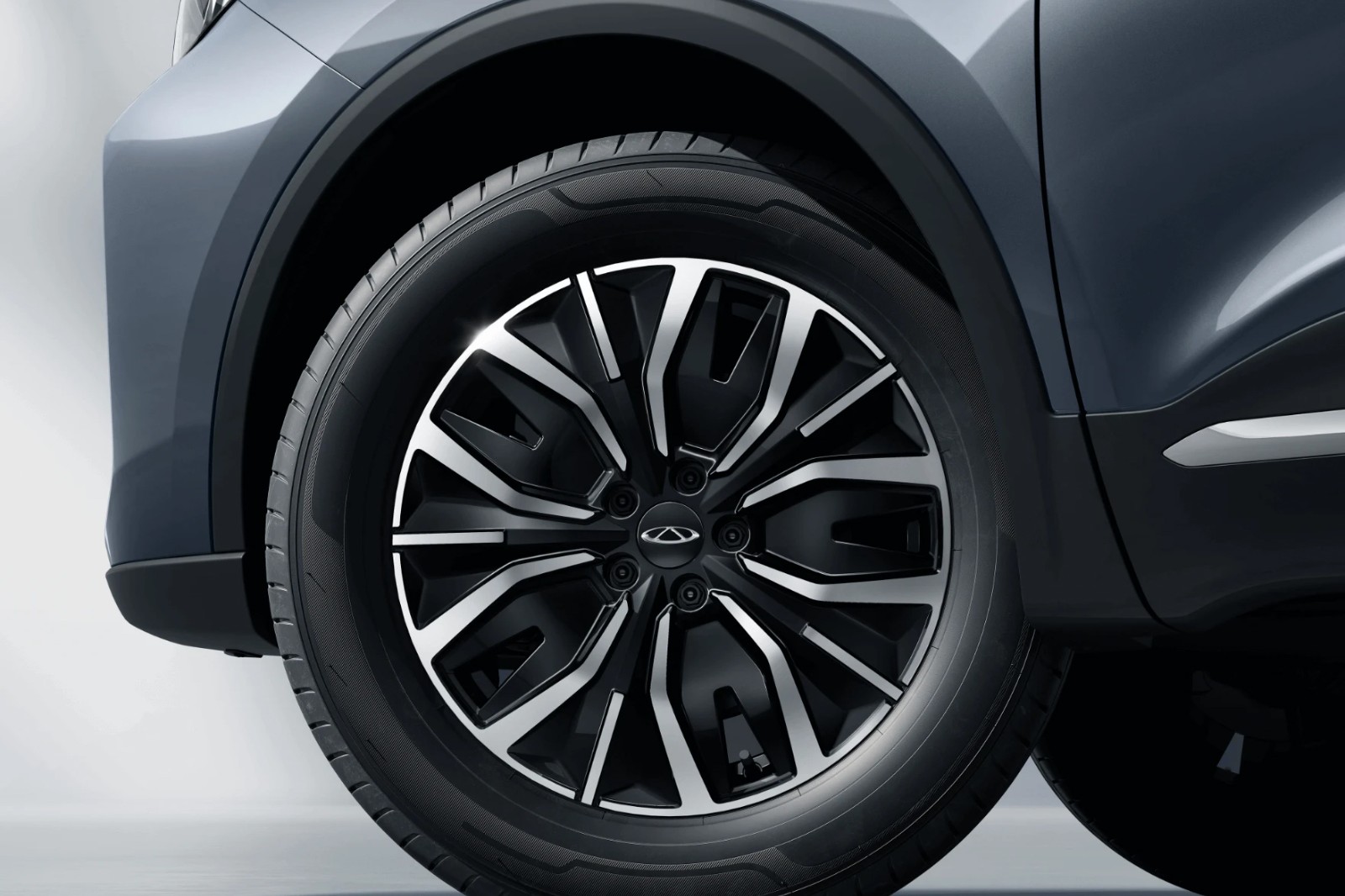
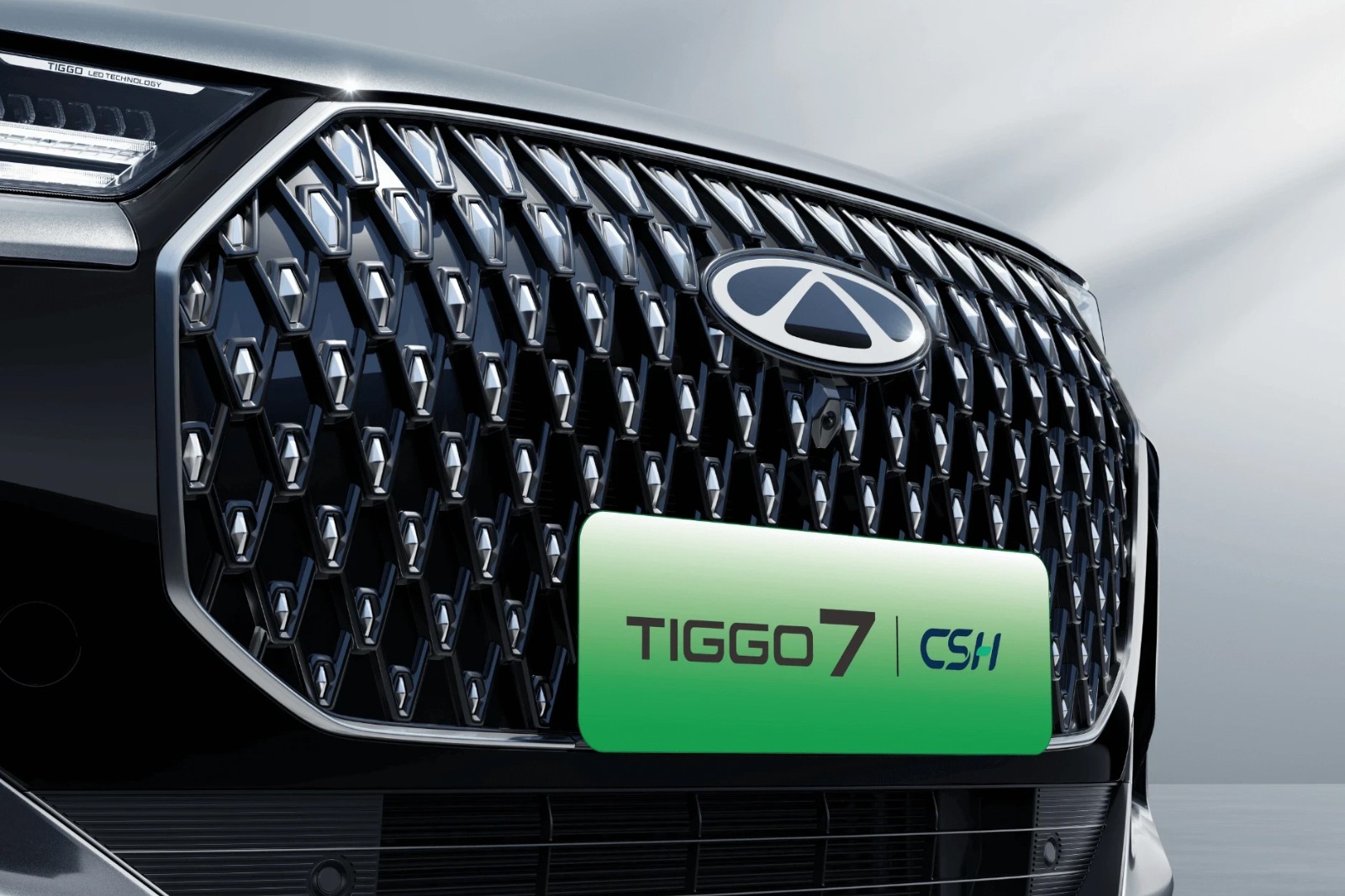
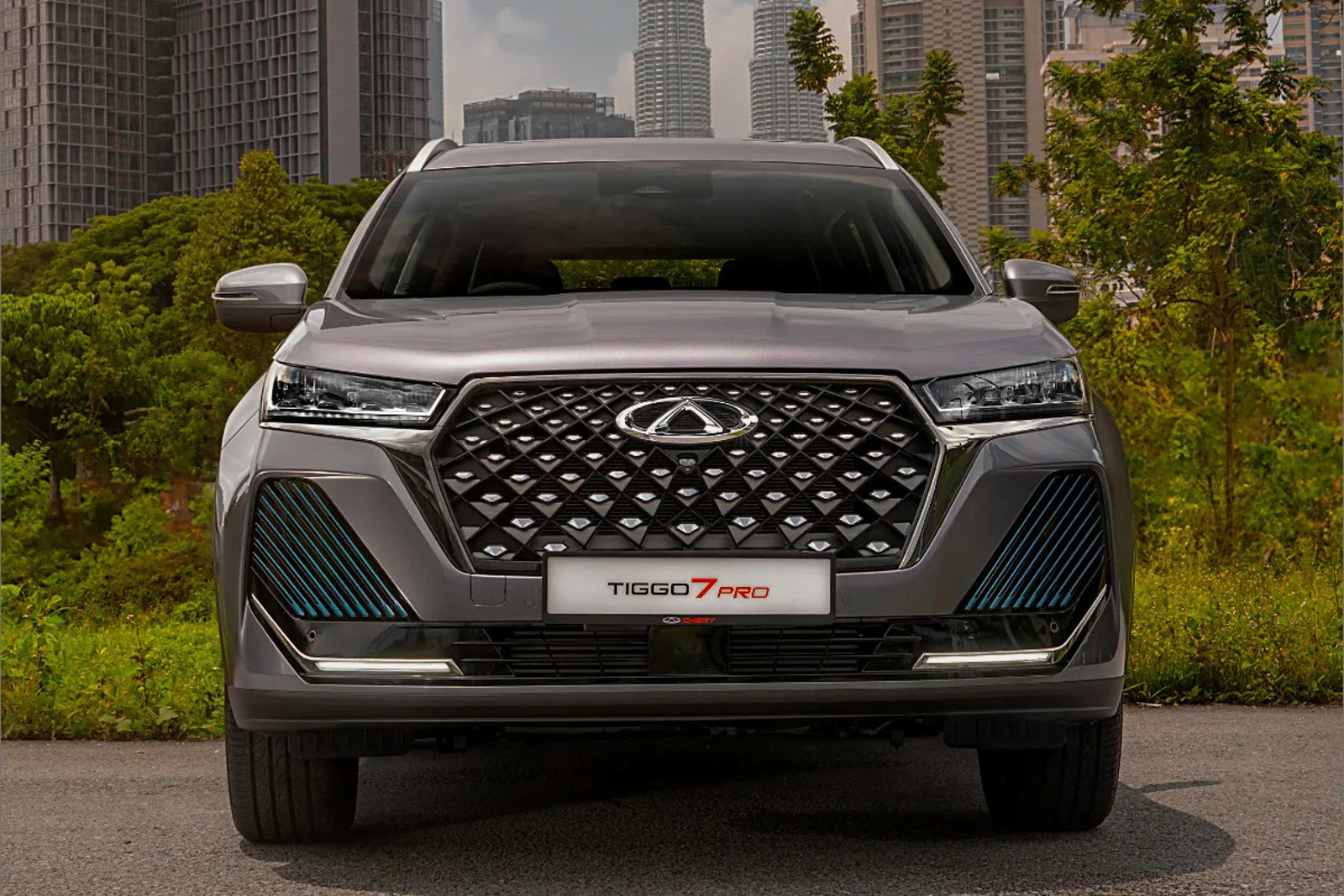
At first glance, the most noticeable change on the Tiggo 7 PHEV is the front design. It features a closed front grille, replacing the dot-matrix design of the petrol version, complemented by sharp LED headlight groups on both sides, which offer higher recognition than the petrol version. The body lines remain compact and smooth, with a side waistline extending from the front to the rear, paired with 255/60 R18 tires (wider than the petrol version's 225/55 R18), giving it a more stable visual appearance. At the rear, the taillight assembly features a through-type design, providing clear illumination, and the diffuser design below the rear bumper remains consistent with the petrol version, with the addition of a "PHEV" badge to indicate its identity. The overall design avoids being overly flashy, aligning with the family-oriented positioning of a C-Segment SUV.
Stepping inside, the 24.6-inch integrated curved dual screen is the most eye-catching feature, similar to the petrol version but with improved system smoothness and a faster touch response. It supports CarPlay and Android Auto. The interior materials mainly consist of soft-touch plastic and leather wrapping, and the lower part of the center console retains some physical buttons for easier operation while driving. The seat configurations are more comprehensive than the petrol version: the driver's seat comes with 6-way electronic adjustment and memory function, the front seats are ventilated, and the passenger seat offers 4-way electronic adjustment, which are rare features in vehicles of the same price range. The rear space is commendable, with a wheelbase of 2670mm matching the petrol version. A 175cm passenger seated in the rear has two fistfuls of legroom and sufficient headroom, while the nearly flat middle floor ensures comfort even for the middle passenger on long rides. In terms of storage, the trunk offers a capacity of 475L, the same as the petrol version. The rear seats support a 60:40 split folding design, expanding to about 1300L when folded down, making it easy to fit a stroller or camping gear.
Starting the vehicle, it defaults to pure electric mode. Pressing the accelerator pedal offers an immediate power response, with the motor's 204PS output sufficient for daily commuting. The start-up and low-speed following are swift and smooth. Switching to hybrid mode combines the 1.5T turbocharged engine and motor for a total output of 279PS and 365Nm of torque, achieving a 0-100 km/h acceleration of 8.3 seconds – the same as the petrol version. However, mid-to-high-speed acceleration is smoother, without the jerky shifts often experienced with the dual-clutch gearbox in the petrol version. The steering wheel provides moderate weight and precise direction, making daily driving comfortable. The chassis features front McPherson and rear multi-link independent suspension, tuned for comfort. When going over speed bumps or uneven roads, the suspension absorbs most of the jolts, keeping the body stable without significant shaking. At high-speed cornering, the suspension offers sufficient support, with better-than-expected body roll control. Together with the wider tires, the grip is enhanced compared to the petrol version.
We tested the pure electric range: under a fully charged state, commuting within the city with the air conditioning on, it achieved an actual distance of 82 kilometers, a completion rate of 91%, which aligns with the official data. The highway pure electric range is about 75 kilometers, with a completion rate of 83%. Fast charging takes 30 minutes to charge from 30% to 80%, while slow charging fully charges in 8.5 hours. For daily use, a home charging station is more than sufficient for overnight charging. In terms of overall fuel consumption, we drove 100 kilometers in hybrid mode, with an equal mix of city and highway driving, resulting in an actual fuel consumption of 5.2L/100km, which is notably lower than the 7L/100km of the fuel-powered version, making long-term usage costs significantly lower. Noise control has been done well; in pure electric mode, there is almost no noise, and when the engine engages in hybrid mode, only during aggressive acceleration is there slight noise audible in the cabin. At highway speeds of 110km/h, wind and road noise remain within an acceptable range.
In summary, the core advantages of the 2025 Chery Tiggo 7 PHEV are clear: compared to the fuel-powered Tiggo 7 Pro, it offers pure electric driving, lower usage costs, and enhanced features such as a driver's seat with memory, seatbelt reminders for all seats, and 8 airbags (versus 7 in the fuel version), which are all positive additions. With a price difference of only 6,000 MYR, it has a very high cost-performance ratio. Compared to other vehicles in the same segment, like the Honda HR-V e:HEV or Toyota Corolla Cross Hybrid, it offers a longer pure electric range, richer configurations, and a more affordable price.
This car is most suitable for two types of users: first, families with a daily commuting distance of less than 50 kilometers, where pure electric mode can meet most needs, and hybrid mode eliminates range anxiety for weekend family outings; second, young people who value features and comfort, as the dual screens, ventilated seats, and Sony audio system provide a quality user experience.
Overall, the 2025 Chery Tiggo 7 PHEV is a well-balanced plug-in hybrid SUV for family use. It has no significant shortcomings, with practical electric range, fuel-efficient hybrid mode, and comprehensive features. It is suitable for consumers looking to balance daily commuting and family outings. If your budget is around 130,000 MYR and you want to experience the convenience of new energy, it is worth considering.
Chery Tiggo 7 Car Compare
Chery Tiggo 7 Loan Calculator
Cars With Similar Price And Features
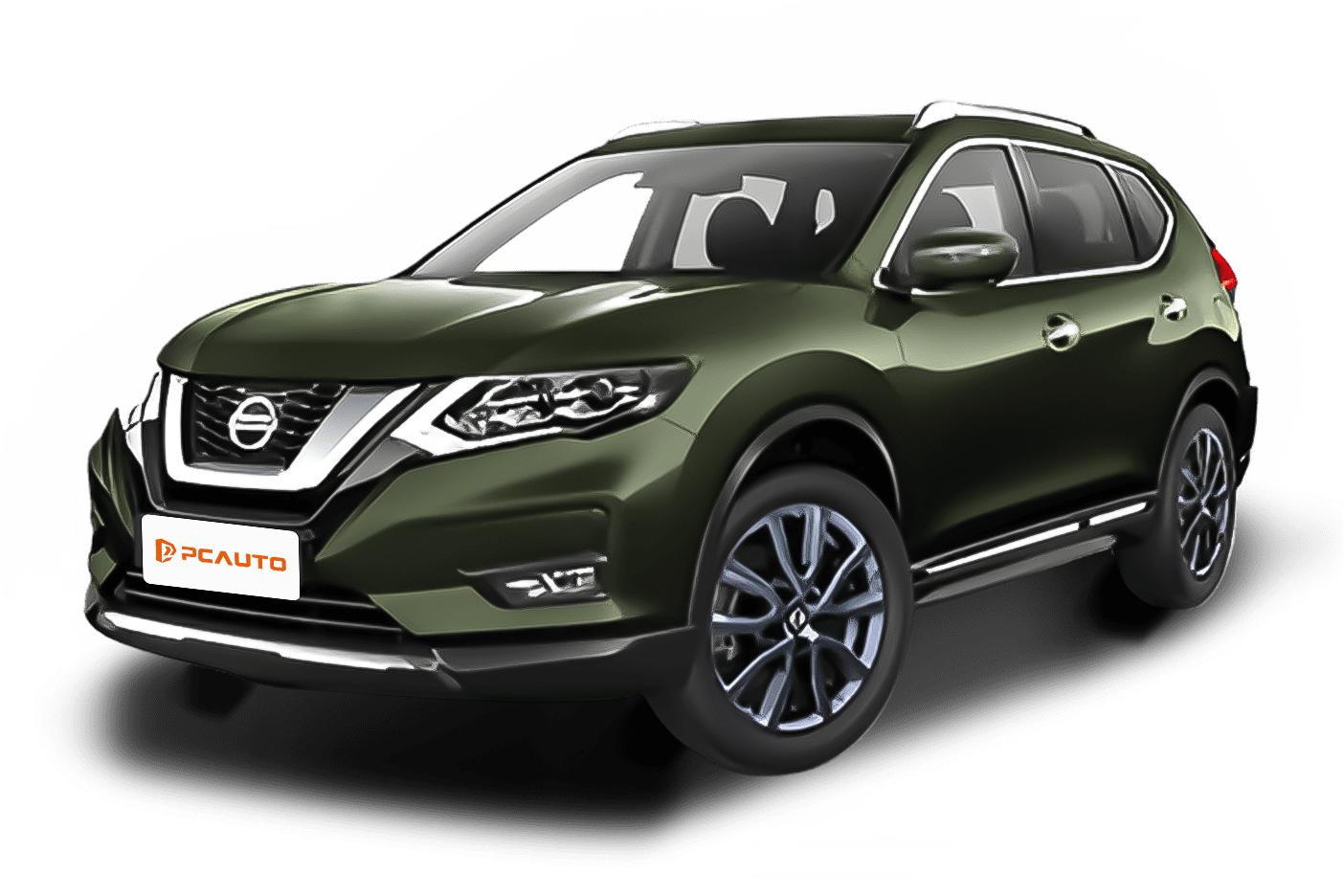
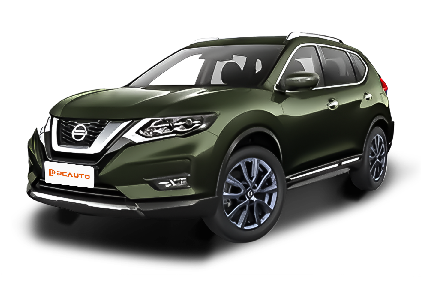
2023 Nissan X-Trail public is a 7-seater C-Segment SUV designed primarily for family use, focusing on flexible space, balanced configurations, and comfortable tuning to meet the needs of family users.
5
Rank in SUV
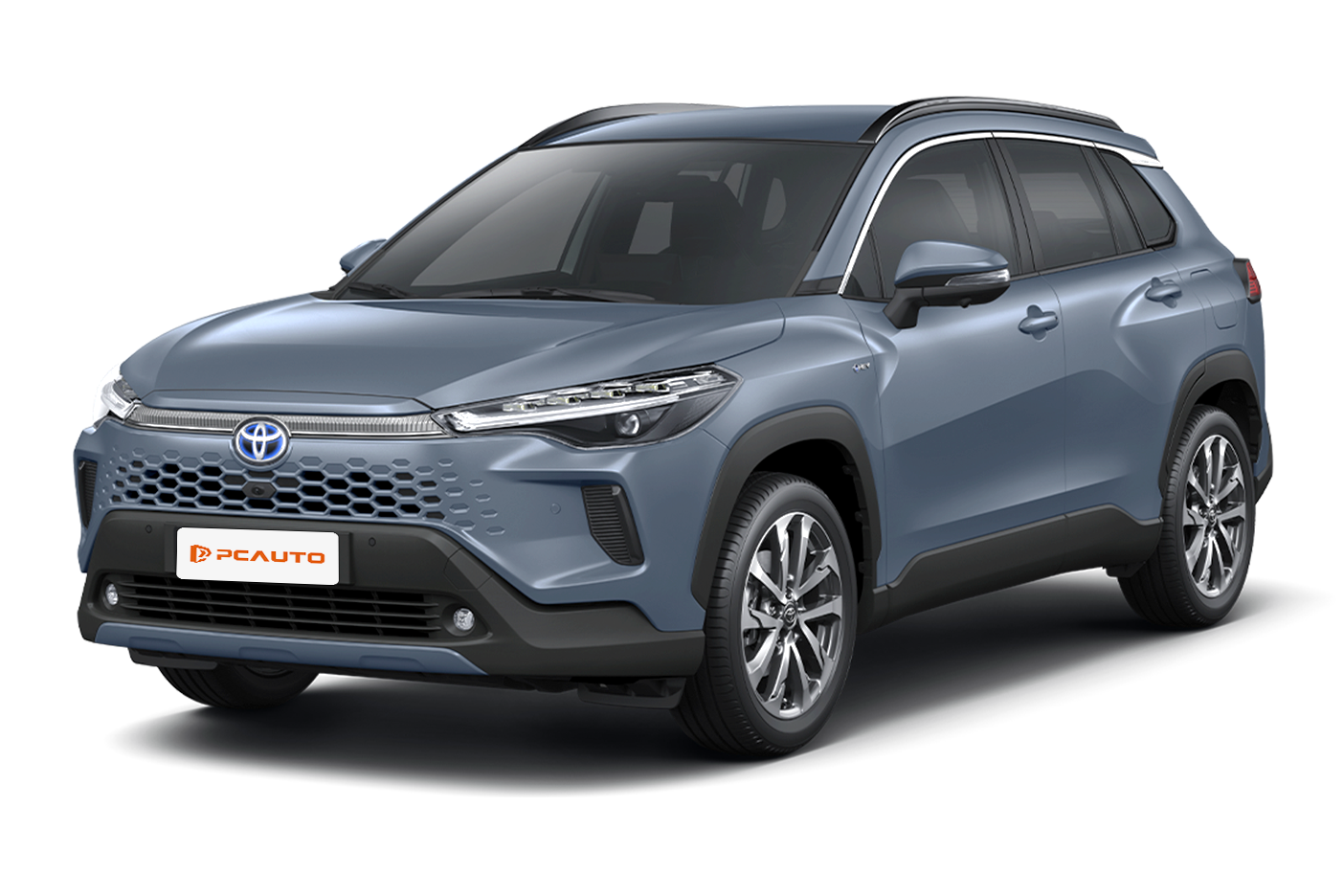
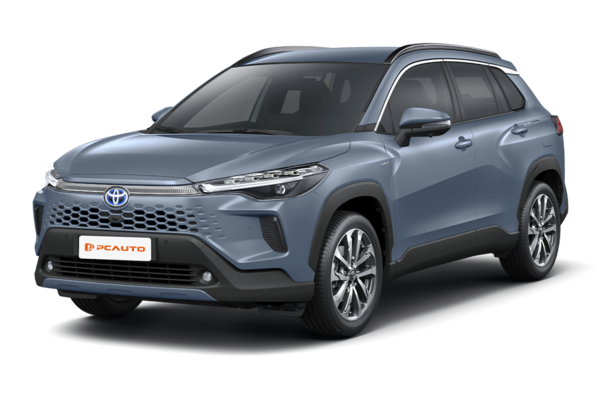
2025 Toyota Corolla Cross 1.8 V, as a mid-cycle facelift compact SUV for family use, balances durability and cost-effectiveness, with practical space and rich configurations, making it suitable for daily family commuting.

7
Rank in SUV

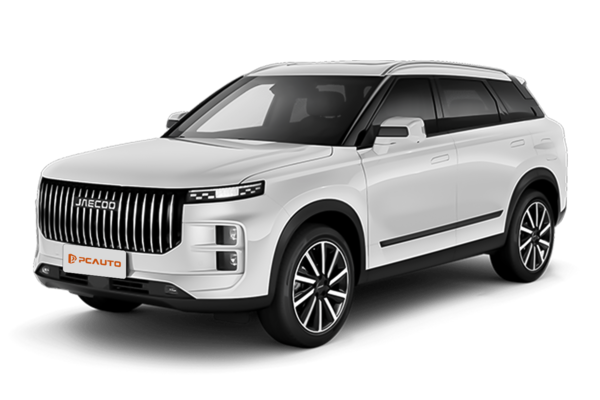
2025 Jaecoo J7 PHEV 2WD is a C-segment SUV in the 150,000 yuan class, featuring a comprehensive power of 347PS + 106km pure electric range as its core, with rich configuration, practical space, balancing household use and driving pleasure.
17
Rank in SUV
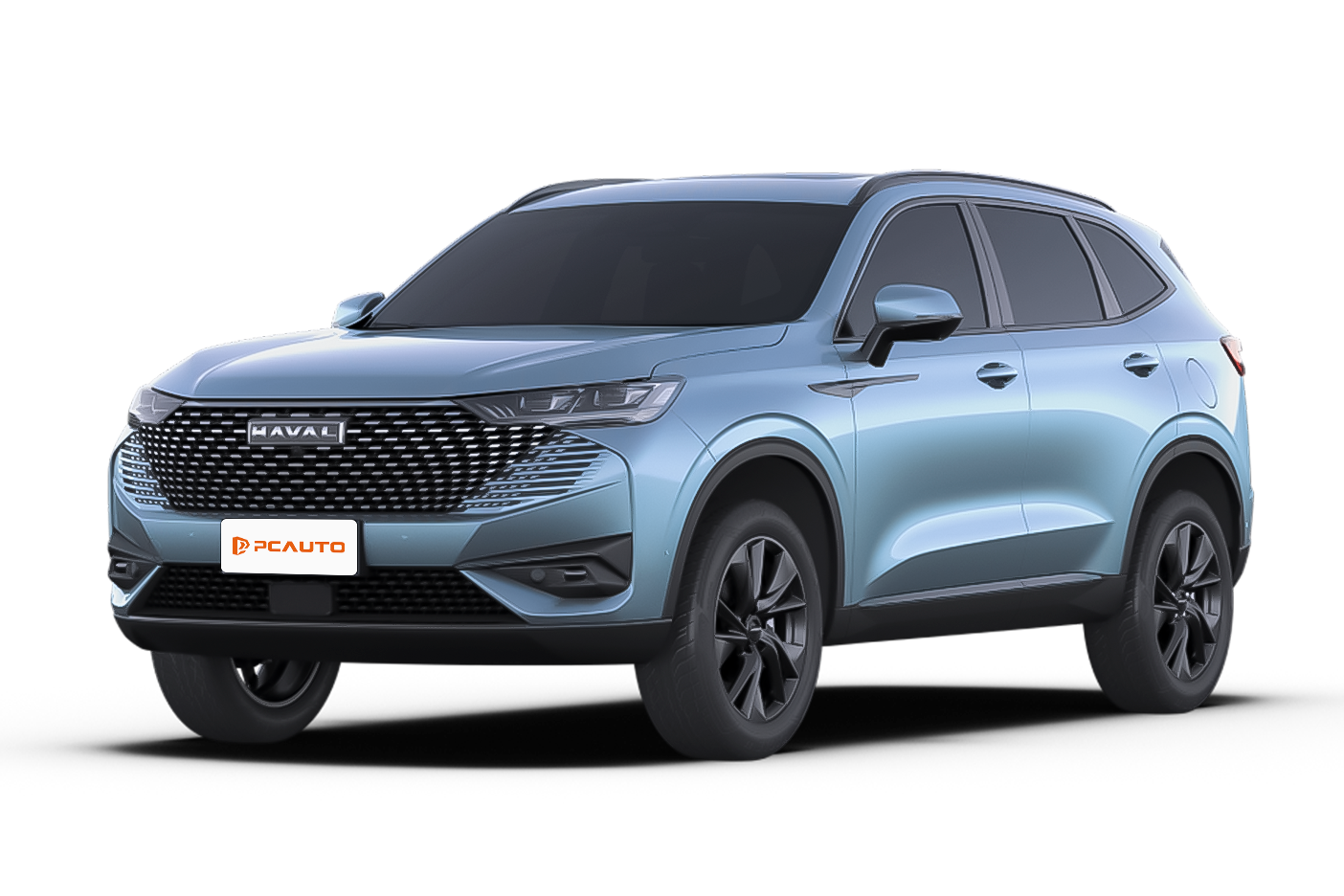
2024 HAVAL H6 HEV is a C-segment SUV, the preferred choice for Malaysian families, combining 243PS strong performance with 5.8L low fuel consumption, spacious interior, and full-featured intelligent safety.