

2025 Toyota Corolla Cross 1.8 HEV Review

 Share
Share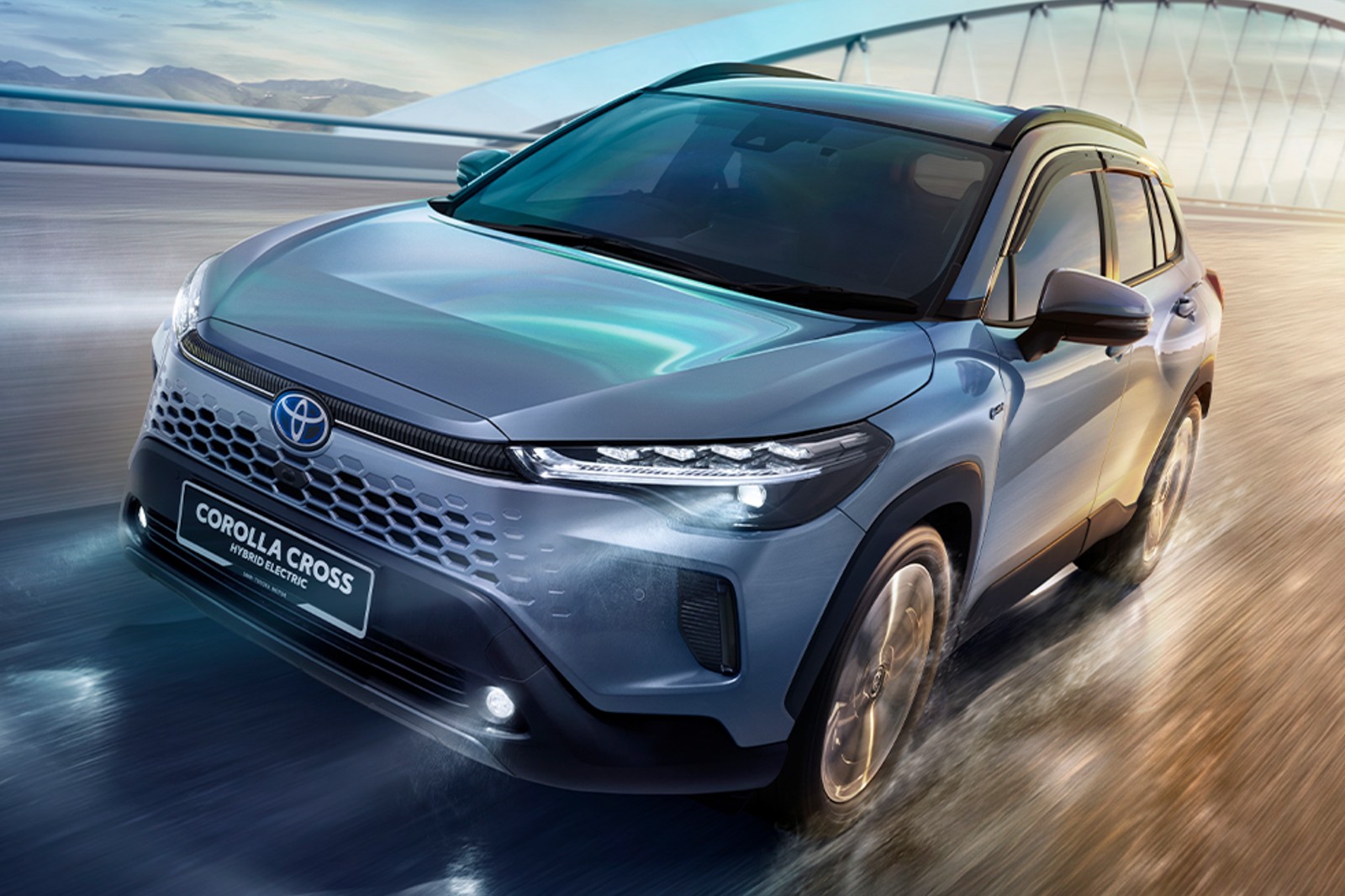
 Segment
 Body Type
 Capacity(L)
 Engine Power(PS)
 Engine Torque(Nm)
 Transmission
In the compact SUV market, the Toyota Corolla Cross has always been a popular choice for family users due to its adequate space, fuel economy, and Toyota's reputation for reliability, attracting a wide audience. The 2025 1.8 HEV model comes with updated features and an optimized powertrain. Our main concern is whether it can maintain practicality while further improving intelligent features and driving quality. In the following review, we will thoroughly analyze this vehicle's static design and dynamic performance to determine if it deserves priority consideration for family users.
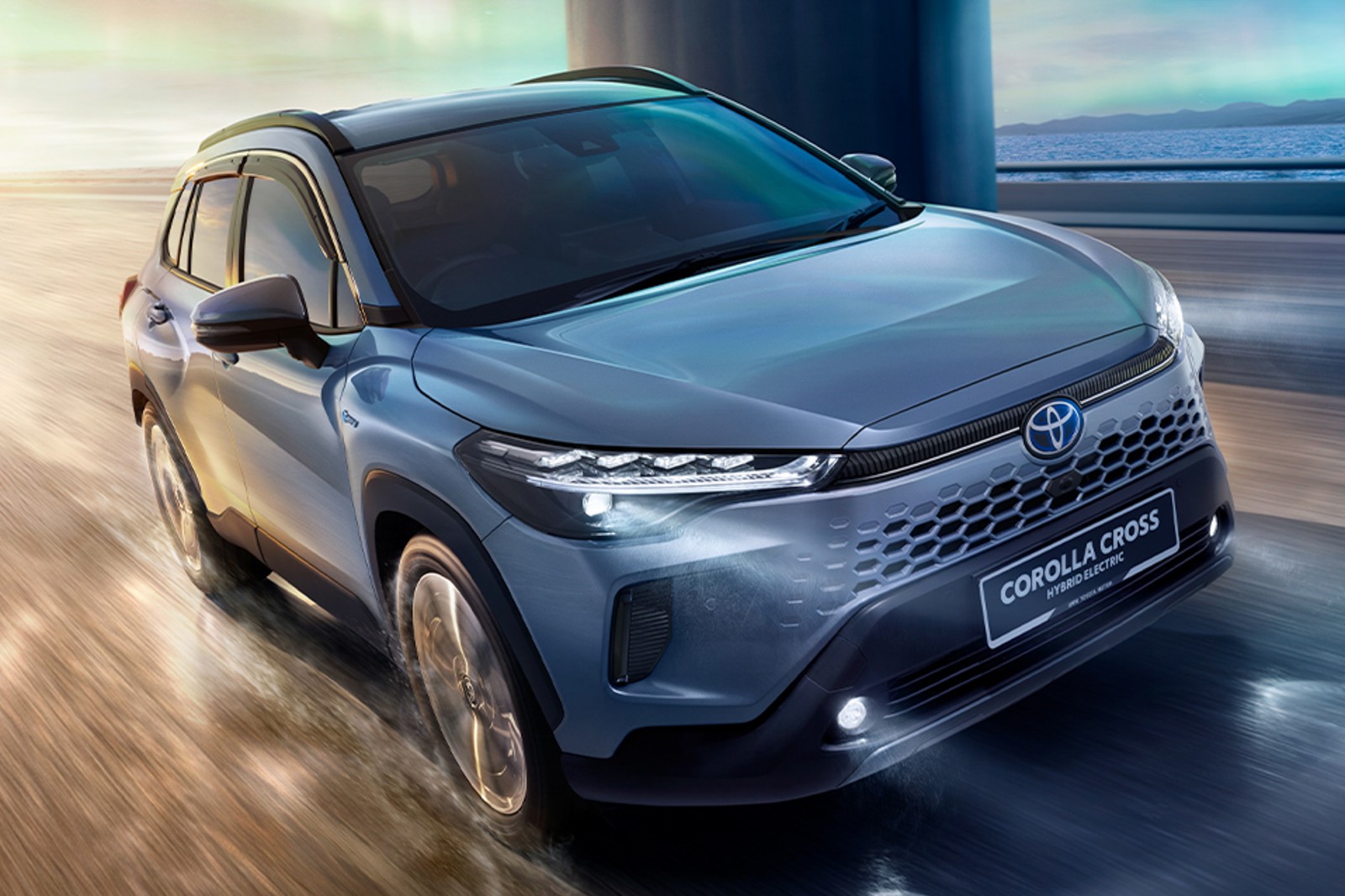
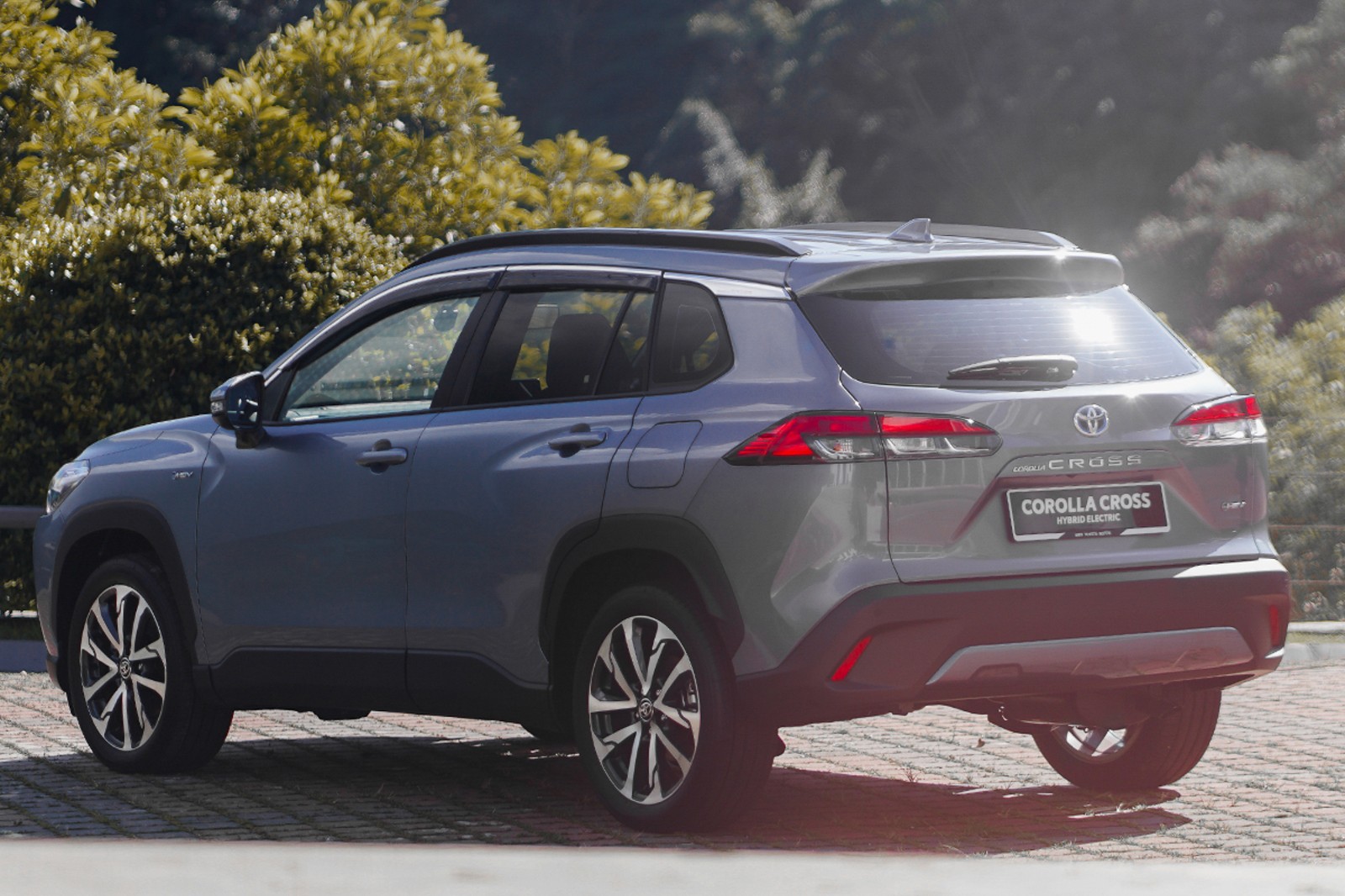
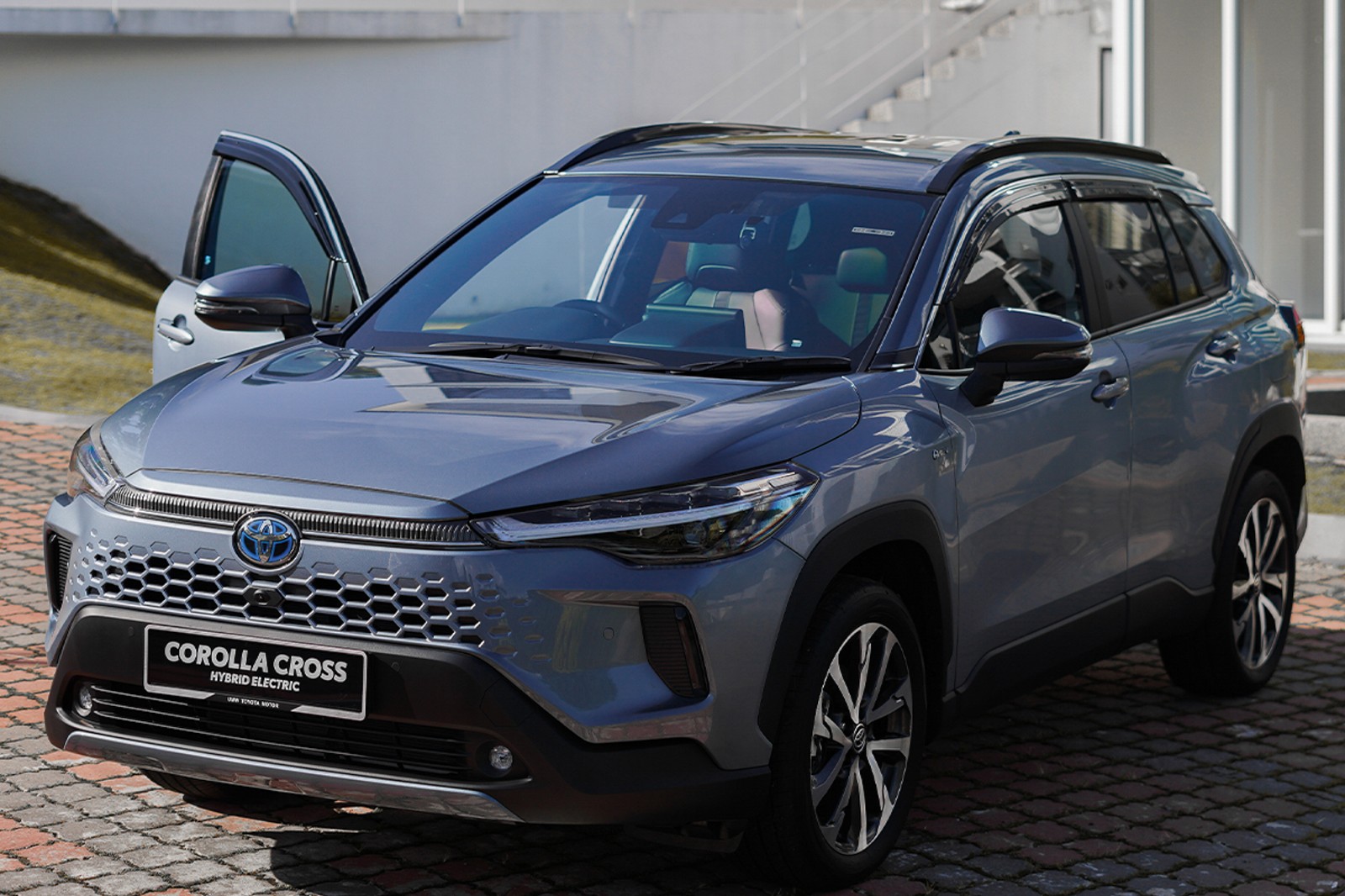
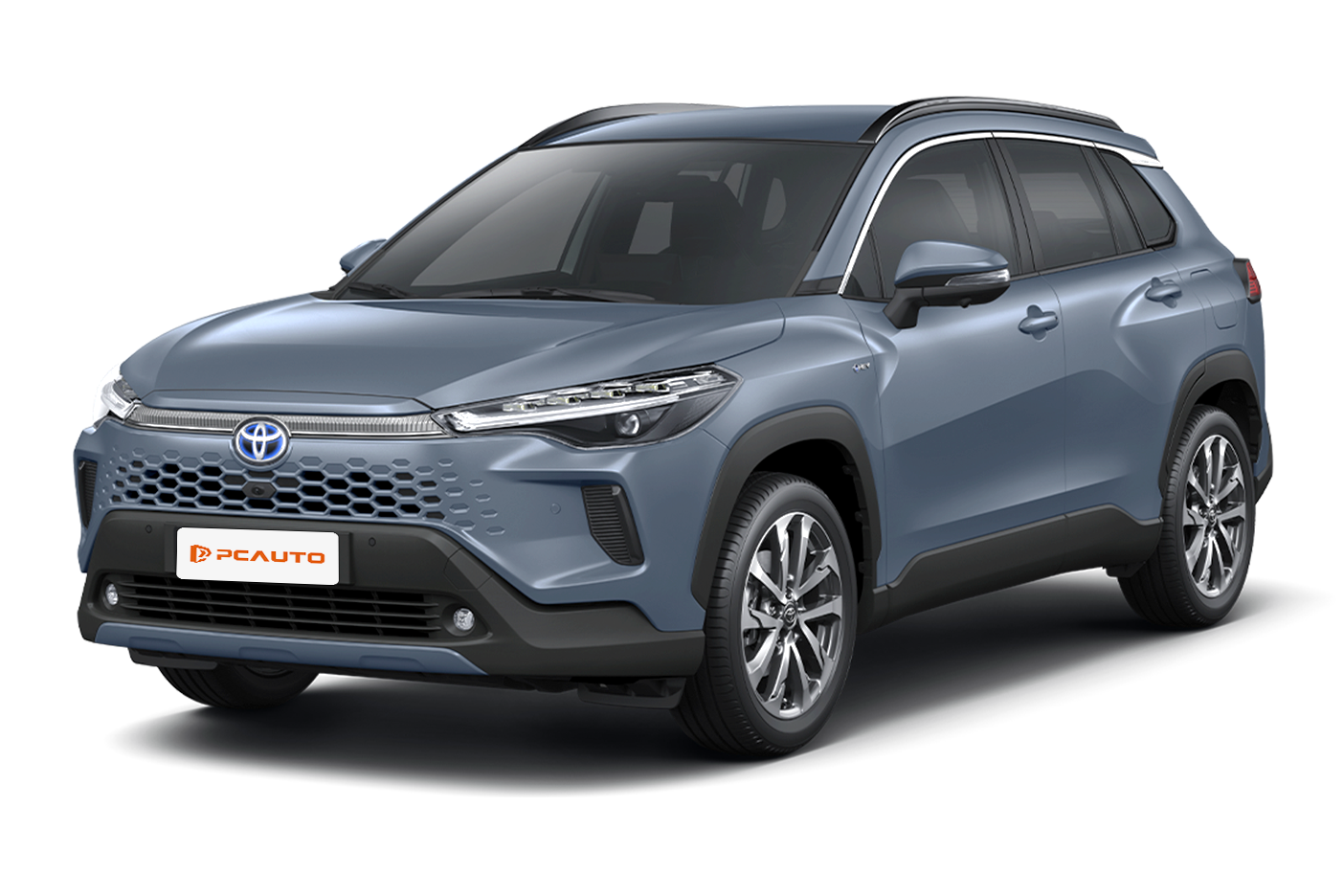
The new car's dimensions are not significantly different from the previous generation, measuring 4460mm in length, 1825mm in width, 1620mm in height, with a wheelbase of 2640mm, maintaining the standard compact SUV proportions. The front fascia shows obvious adjustments, with a new large trapezoidal grille paired with horizontal blackened trim strips, creating a wider and more pronounced visual impact compared to the older model. The headlight units have been upgraded to full LED lights with a slim design extending towards the grille. Combined with the LED daytime running lights below, the entire front fascia has significantly improved recognition. The side profile retains a straight waistline extending from the front fender to the taillights, complemented by 18-inch dual-tone multi-spoke wheels, achieving a well-balanced side proportion. Changes at the rear focus on the taillights, with new LED taillight assemblies adopting a through-type design, joined by a chrome trim in the middle. When illuminated, the effect is clear. The lower rear bumper is equipped with silver protective detailing, enhancing the SUV's rugged feel. Overall, the 2025 model's exterior is younger and more refined compared to the previous version, meeting the aesthetic and recognition preferences of modern family users.
Stepping inside, the interior layout hasn't changed much, but the materials and features have been significantly upgraded. The dashboard uses soft-touch materials with silver accents, presenting an improved touch and visual texture compared to the previous model. The most eye-catching feature is the 12.3-inch central touchscreen, tilted towards the driver for easier operation. Beneath the screen, some physical buttons, such as the air conditioner adjustment knobs, have been retained, making blind operation very convenient. The steering wheel is an electrically adjustable multifunctional design, with the left side controlling multimedia and voice assistant features, and the right side controlling the ACC adaptive cruise control. The button layout is clear and user-friendly. The driver's seat supports 8-way electronic adjustment, while the passenger seat is manually adjustable. However, the seat padding is substantial, offering good support. As for the rear seat space, the 2640mm wheelbase is not remarkable among competitors in its class, but in practice, a 175cm-tall passenger has about two fist-widths of legroom and one fist-width of headroom, which is average. The rear seats support a 60:40 split-fold configuration, which can expand the trunk capacity to 1122L when folded down, providing enough space for items such as strollers or suitcases. In terms of features, the rear row is equipped with independent air conditioning outlets and USB charging ports, catering to the needs of rear passengers. The cabin also includes multiple storage compartments, such as the central armrest box and door panel storage slots, making it highly practical.
In terms of performance, the 2025 Corolla Cross 1.8 HEV still uses the combination of a 1.8L naturally aspirated engine and a permanent magnet synchronous motor. The engine delivers a maximum horsepower of 98PS, and the motor provides a maximum horsepower of 72PS, with a total system output of 122PS. The transmission is an E-CVT, offering excellent smoothness during daily driving with almost no detectable gear shift shock. At startup and low speeds, the motor drives the car independently, providing a direct power response. Pressing the accelerator pedal results in a noticeable acceleration, making it easy to follow or overtake other vehicles in the city. When the speed exceeds 60km/h, the engine engages, with vibrations and noise well controlled to maintain cabin quietness. We tested different driving modes; the Eco mode offers relatively gentle power output, suitable for daily commuting, while the standard mode provides more responsive power, making it better suited for highway driving.
In terms of handling, the steering wheel is precise with minimal play, and it becomes heavier during high-speed driving, enhancing stability. The combination of front MacPherson independent suspension and rear torsion beam non-independent suspension performs well in absorbing small bumps on urban roads, filtering out vibrations effectively. However, when encountering larger speed bumps or uneven roads, the rear suspension tends to bounce more noticeably, affecting rear passenger comfort. The vehicle stability system responds promptly, and body roll during cornering is minimal. Overall, the handling leans towards a family-friendly style, making it easy to drive but not particularly aggressive.
Fuel consumption is a major advantage of this car. In our tests under mixed driving conditions, including congested city roads and highways, the fuel consumption was approximately 4.2 liters per 100 kilometers, which is much better than other fuel-powered cars in the same segment. With a fuel tank capacity of 36 liters, the range on a full tank is around 850km, which means less frequent refueling during long trips. Regarding braking performance, the combination of front ventilated disc brakes and rear disc brakes provides moderate stopping distances, with linear feedback from the brake pedal, giving confidence in daily driving.
As for driving comfort, the seats offer good wrapping and support, ensuring that long drives are not tiring. Noise control is well-managed; the cabin remains quiet when driving in urban areas, and while some wind and tire noise are noticeable at higher speeds, they are within acceptable levels. The energy recovery system has three adjustable levels. The highest level provides a regeneration force close to a single-pedal driving mode, effectively extending the range, while the lowest level feels almost unnoticeable, similar to the driving experience of a conventional fuel-powered car.
In summary, the core advantages of the 2025 Toyota Corolla Cross 1.8 HEV include low fuel consumption, rich configurations, and high reliability. Compared to the Honda HR-V 1.5L Hybrid in the same class, it achieves better fuel efficiency and offers more comprehensive features, such as standard 7 airbags, ACC adaptive cruise control, and lane-keeping assistance. In comparison with the Mazda CX-30 2.0L, it provides more space and better fuel economy. The target audience for this car is clear—practical and economical family users, especially those who need frequent urban commutes and value space and configurations. If you're looking for a fuel-efficient, reliable, and well-equipped family SUV, the 2025 Corolla Cross 1.8 HEV is an excellent choice.
Toyota Corolla Cross Car Compare
Toyota Corolla Cross Loan Calculator
More Toyota Reviews
Cars With Similar Price And Features
8
Rank in SUV
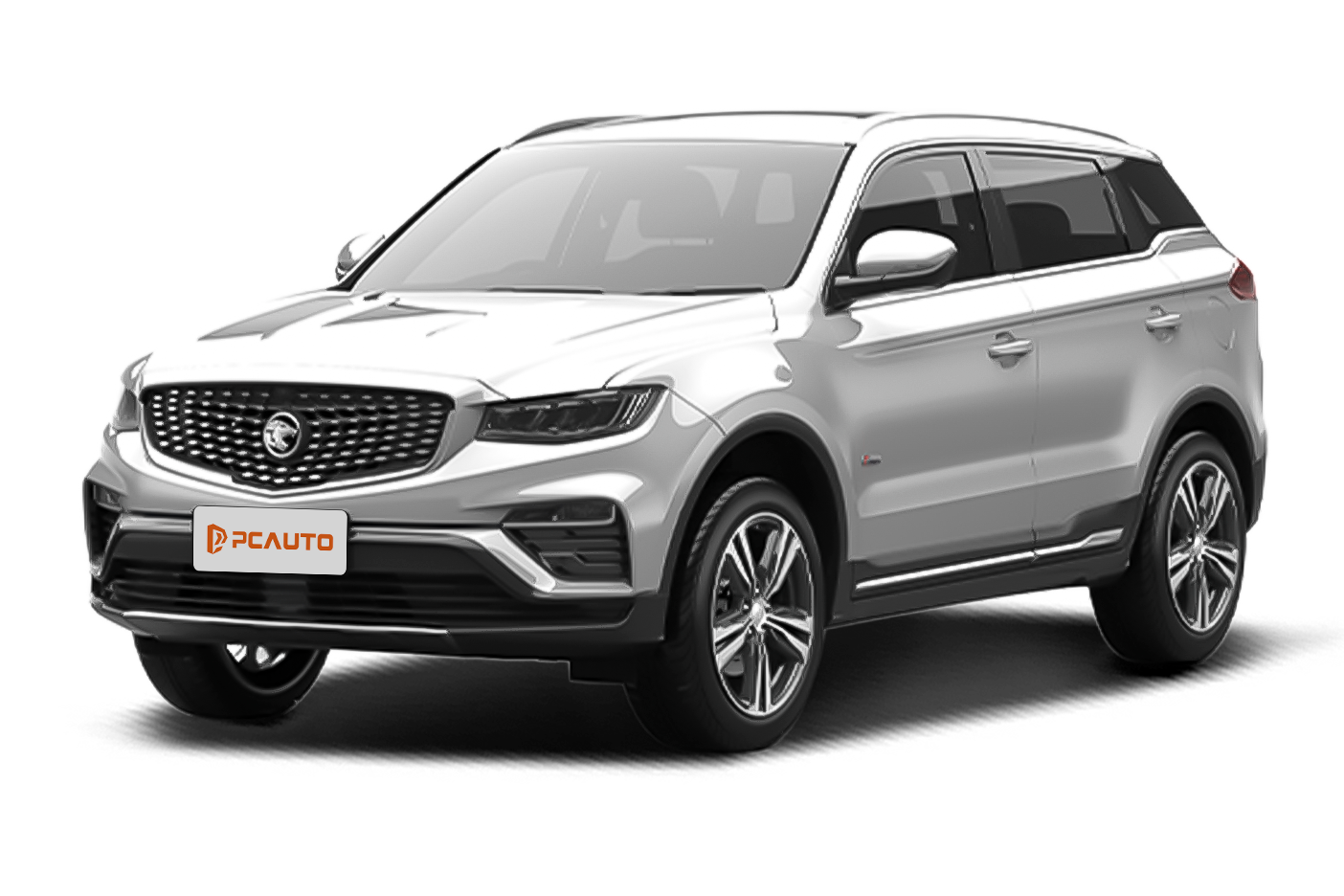
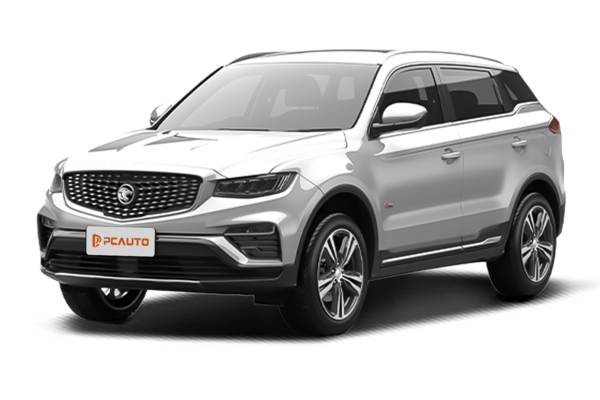
2026 Proton X70 1.5 TGDi Executive focuses on upgrading to a four-cylinder engine, practical configurations, and affordable pricing. It balances family commute practicality with value for money, making it a sensible choice among similarly priced C-segment SUVs.
10
Rank in SUV
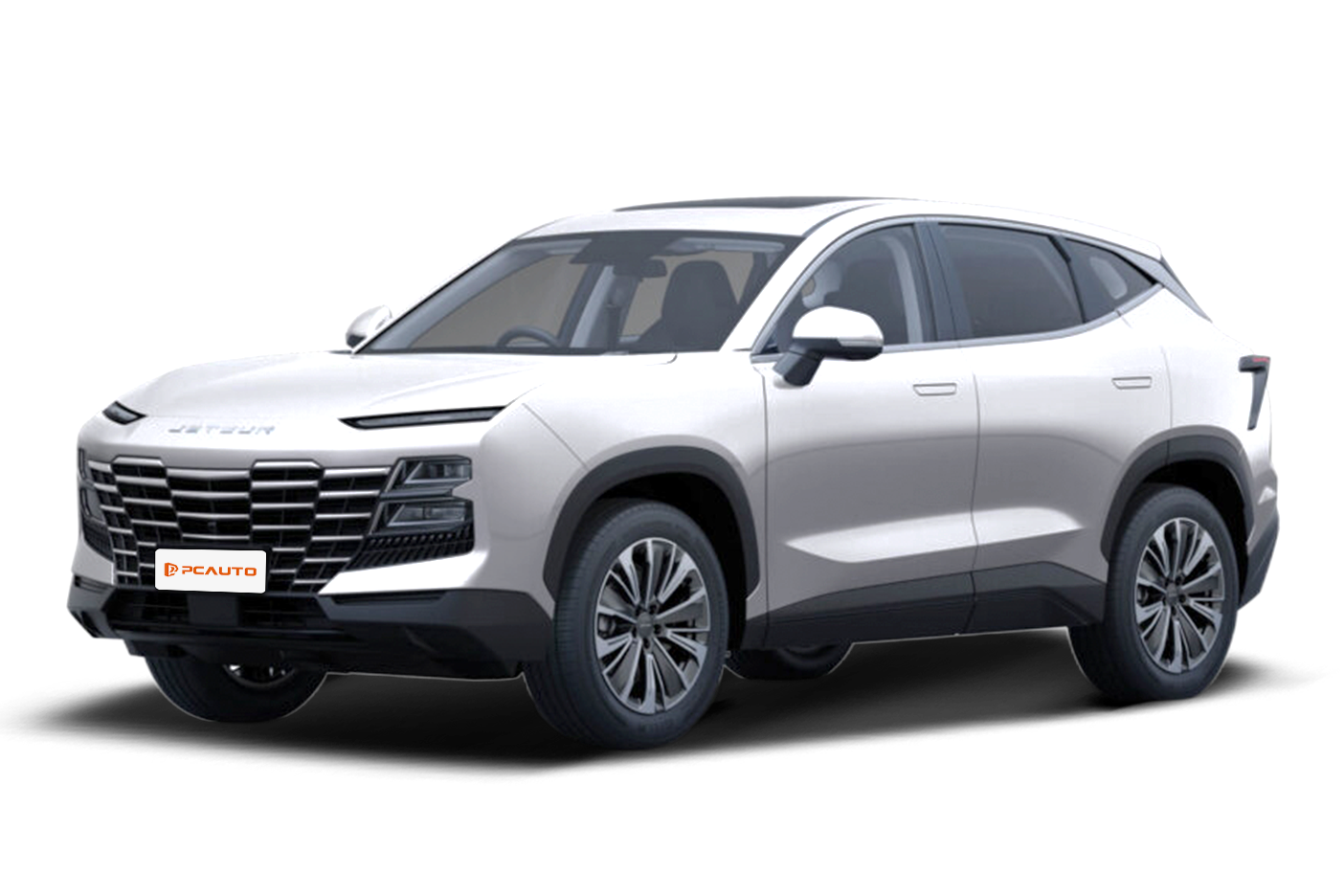
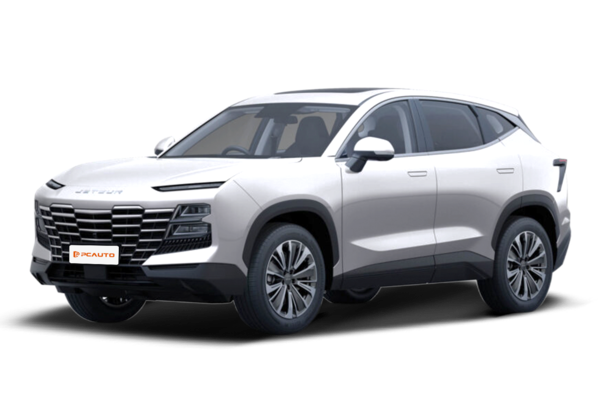
Jetour Dashing 1.5 TCI Comfort 2025 features a 2720mm long wheelbase and a 10.25-inch dual screen as its core, focusing on balanced cost performance to meet family practical needs.
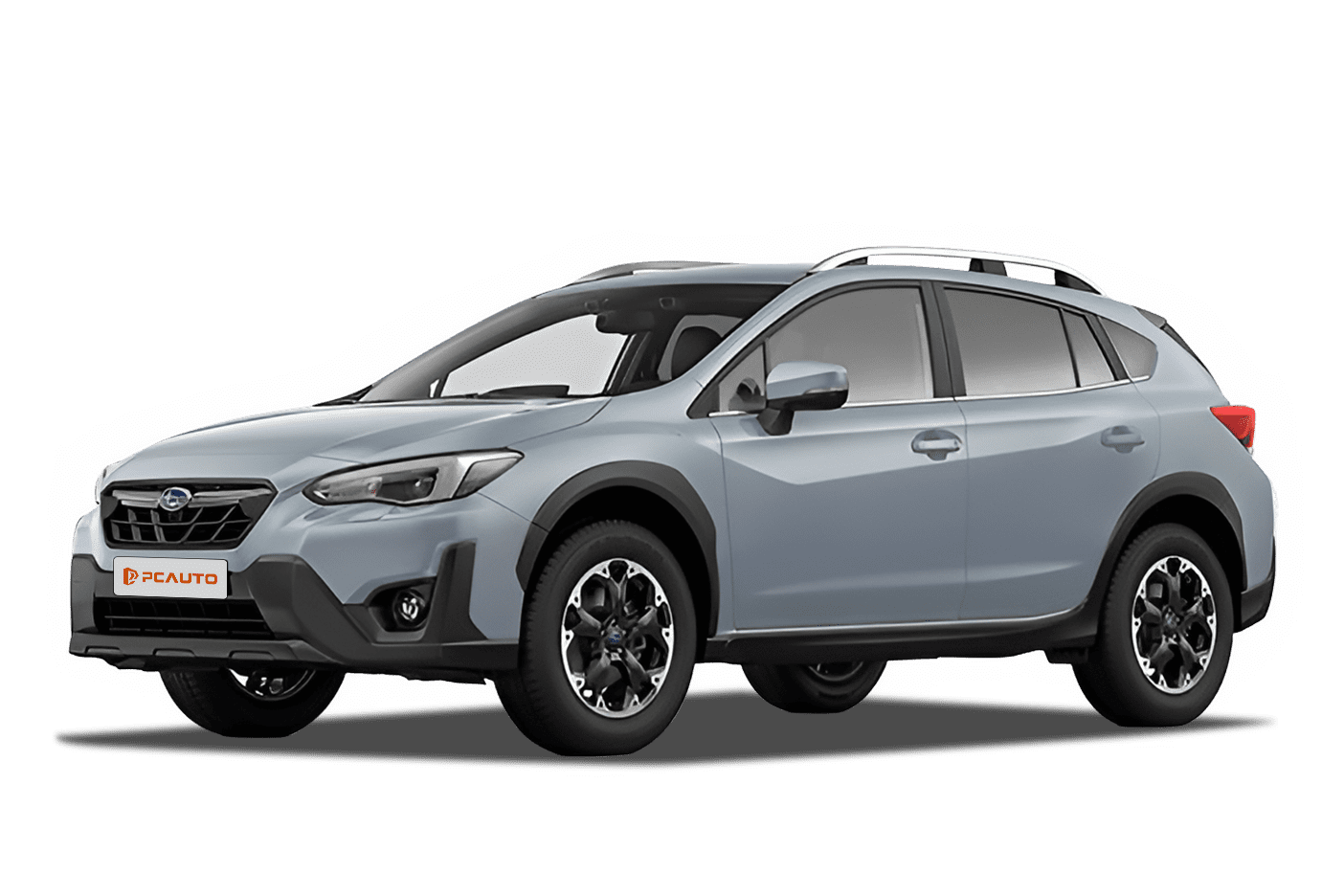
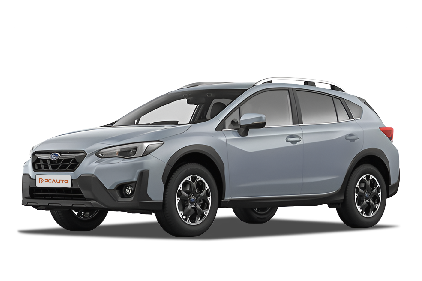
The 2021 Subaru XV 2.0i is a model targeting the C-segment crossover market, equipped with standard all-wheel drive and high safety features, balancing off-road capability and handling, with practical space.

2021 Hyundai Kona 2.0 Standard, as a high-value entry-level compact SUV, retains essential safety and practical features with an affordable price, meeting the daily commuting and loading needs of families.