

Audi A7 Sportback Review

 Share
Share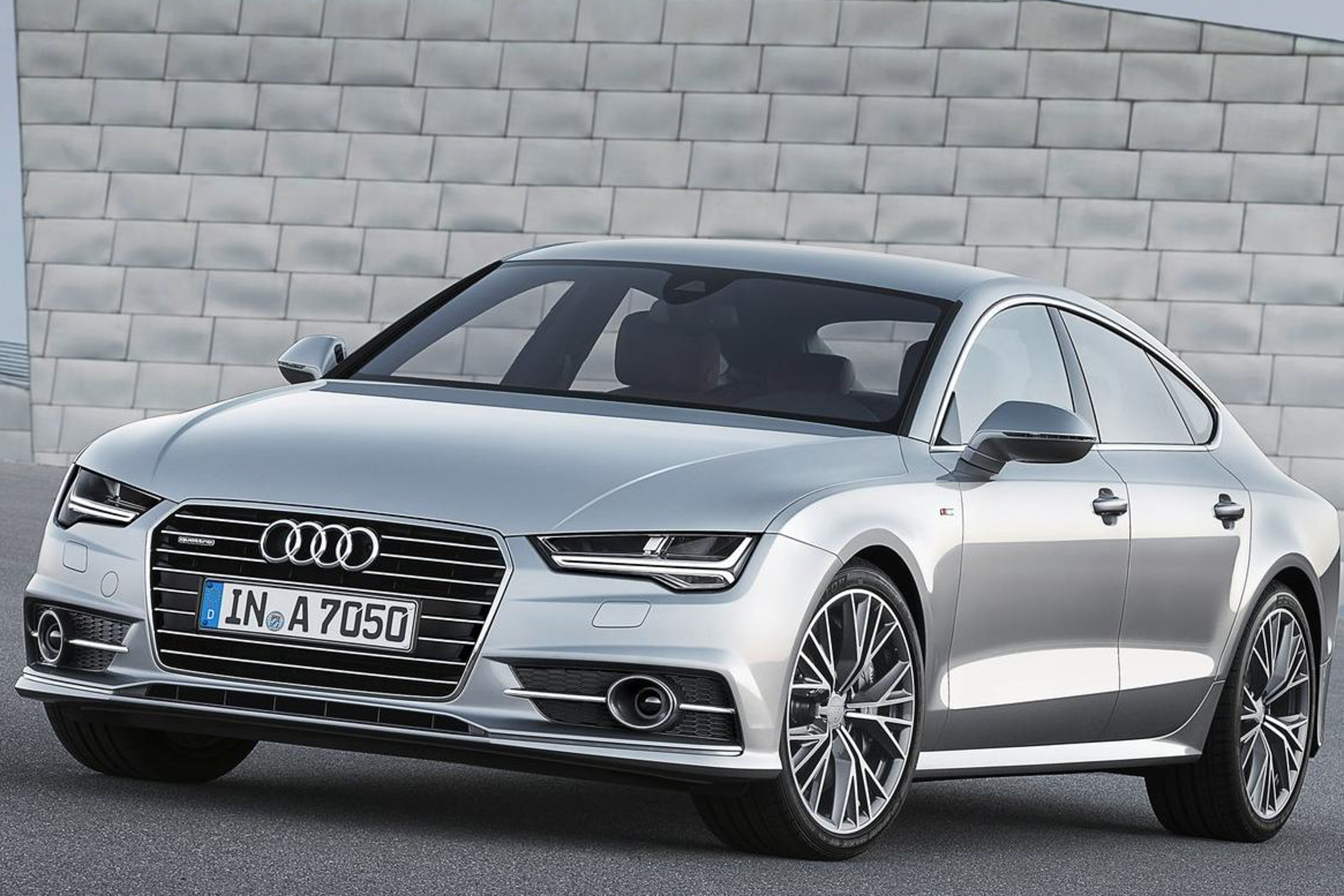
 Segment
 Body Type
 Capacity(L)
 Engine Power(PS)
 Transmission
 Driven Wheels
The executive sedan market in Malaysia has always been an arena where luxury and performance compete. Customers are not only pursuing the sense of identity brought by brand positioning but also value practicality and dynamic performance for daily use. The 2019 Audi A7 Sportback 3.0 TFSI quattro, as a mid-cycle facelift model of the family, directly targets these demands—it not only retains the iconic coupe-like fastback design but also upgrades the 3.0T V6 engine and enriches its intelligent configurations. This has caused many consumers previously considering the old 2.0T model to hesitate. The core goal of this test drive is to verify whether its upgrades can justify the price difference of nearly 160,000 MYR and whether its actual performance aligns with the positioning of an executive sedan.
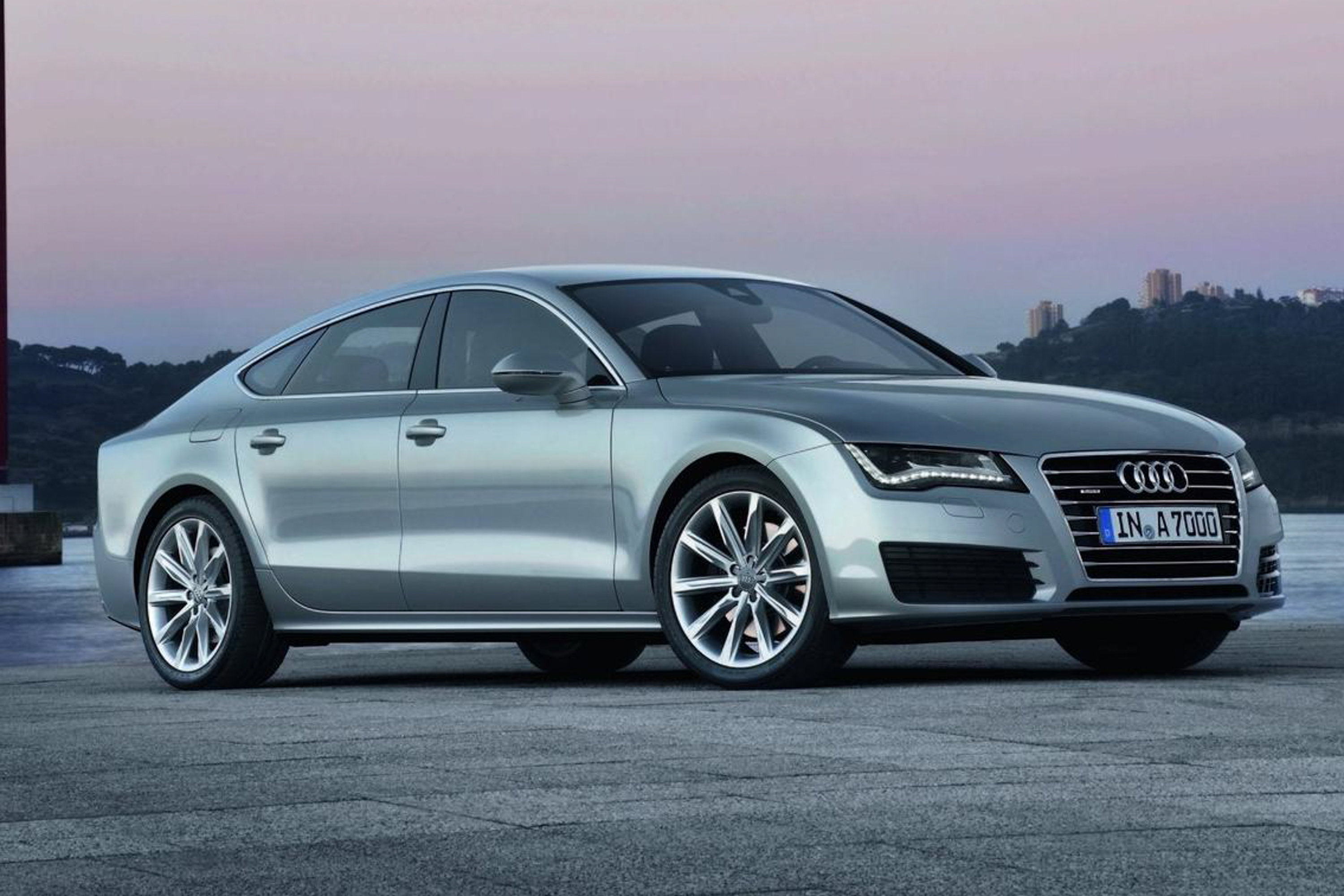
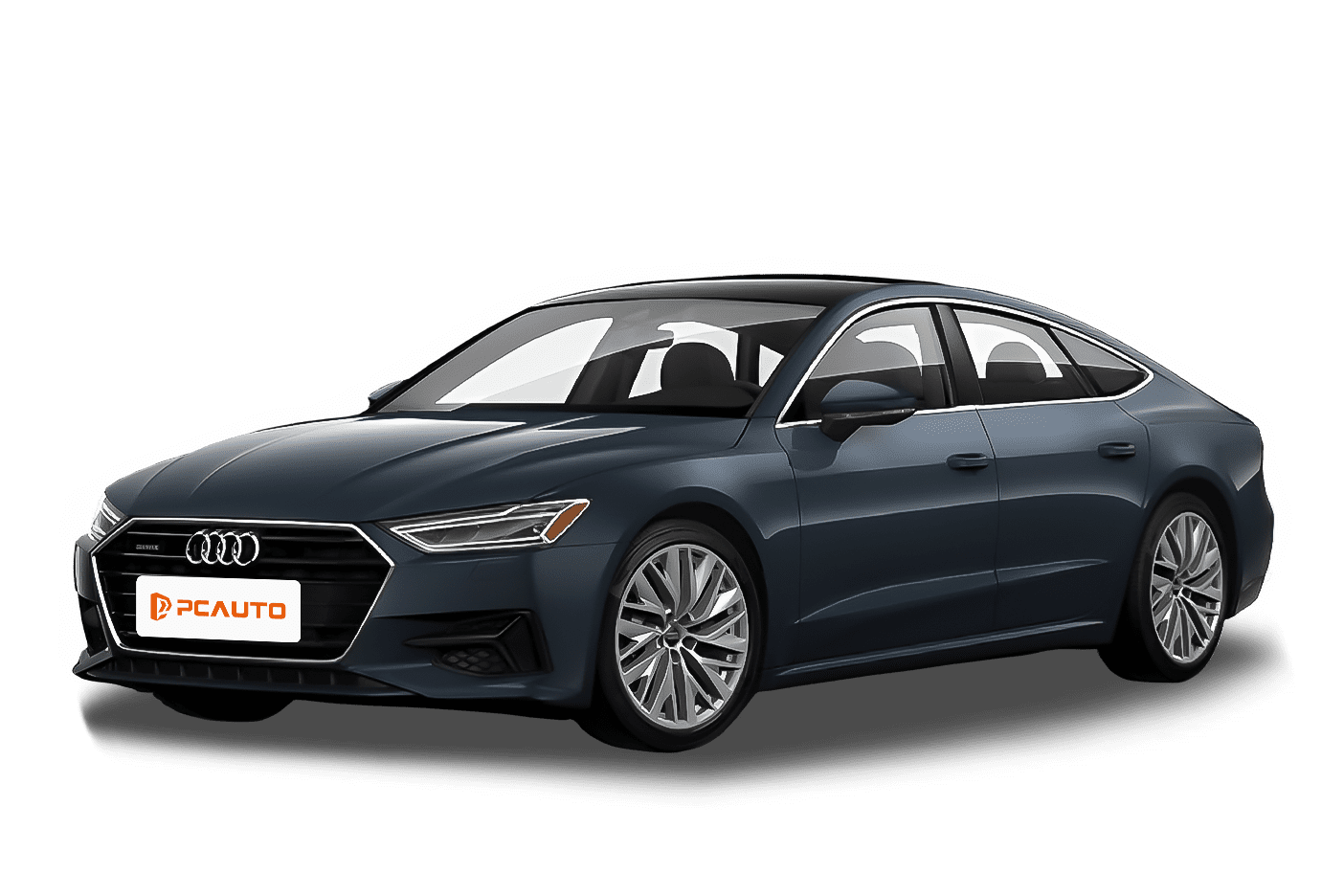
From a distance, the silhouette of the 2019 A7 Sportback remains sleek, with the fastback lines extending from the B-pillar to the rear, maintaining the classic coupe stance. The most noticeable changes are at the front, where the hexagonal grille now features sturdier chrome trim, paired with smokey black air vents on both sides, adding a sense of sportiness compared to the old 2.0T model. The headlights use all-LED lighting, with a "arrow-shaped" design for the daytime running lights that sequentially illuminate upon startup, ensuring high recognizability; the LED tail lights also feature a through-type design, making the rear visually wider when lit at night. The dual exhaust outlets with chrome finish further enhance the performance impression. The dimensions remain the same as the previous model, measuring 4969mm in length, 1908mm in width, and 1422mm in height, with a wheelbase of 2914mm. However, the weight has increased to 1890kg, presumably due to the upgraded powertrain.
Opening the door, the interior's technological feel is significantly enhanced compared to the old version. The center console adopts a dual-touchscreen design, with a 10.1-inch upper screen for navigation, multimedia, and other functions, and an 8.6-inch lower screen (not specifically listed in the configuration sheet but present during actual experience) for air conditioning and seat settings; physical buttons are reduced significantly, making it overall very simplistic. In terms of materials, the top of the dashboard and the inner sides of the door panels are covered in soft leather, complemented by metallic trims, which align with its luxury positioning. Although the instrument cluster remains a traditional electronic simulated display, it provides clear information. HUD heads-up display is standard, capable of projecting speed, navigation, and other information, making daily driving very convenient. Seat configurations are more comprehensive than the previous model; the driver’s seat supports electric adjustment with memory function, and the passenger seat has also been upgraded to electric adjustment. The front seats offer good support and remain comfortable during long rides. The rear seats support a 60:40 split folding configuration, with a slightly raised center floor that does not significantly affect short-term middle seat passengers. Rear AC vents and USB ports (not explicitly mentioned in the configuration sheet but observed during actual experience) are also present.
The spatial performance meets the requirements of an executive sedan. With the front seat adjusted to a proper driving position, passengers with a height of 175cm still have a head clearance of one fist and two fingers; rear legroom offers two fists' space, while headroom is slightly reduced due to the fastback design but still leaves about one fist of space, making it suitable for family or business use. The trunk offers a default capacity of 535L, which is slightly larger than the 530L of the old 2.0T model. Folding down the rear seats provides even more space, making it easy to accommodate strollers or suitcases. In terms of storage space, the door compartments can hold two bottles of water, the center armrest box has decent depth, and there's a wireless charging pad in the front (observed during actual experience), making it convenient for storing daily items.
The powertrain is the core upgrade point of the 2019 Audi A7 Sportback. The 3.0T V6 turbocharged engine produces a maximum horsepower of 340PS and a peak torque of 500N·m (not explicitly stated in the specification sheet, but deduced based on displacement and horsepower). It is paired with a 7-speed DCT transmission and a quattro permanent all-wheel-drive system. The official 0-100km/h acceleration time is 5.3 seconds, which is 1.4 seconds faster than the old 2.0T model's 6.7 seconds. During actual driving, the power response is very agile at the start, and pressing the accelerator pedal by one-third provides a noticeable thrust-back sensation. The mid-to-late acceleration is even stronger; when accelerating beyond 100km/h, the transmission downshifts quickly, making overtaking effortless. There are three driving modes: Comfort, Auto, and Dynamic. In Comfort mode, the power output is gentle and suitable for daily commuting. In Dynamic mode, the throttle sensitivity increases, the transmission maintains lower gears, and the engine rpm stays above 2000rpm, delivering power instantaneously.
The handling performance is well-balanced. The steering wheel offers precise turning with minimal slack, feeling light at low speeds and weighted at high speeds, providing good feedback. The chassis adopts a front double-wishbone and rear multi-link independent suspension setup, tuned more towards comfort but still offers moderate support. When passing speed bumps, the suspension filters out most bumps without significant impact. When cornering, the body roll is well controlled, and the quattro all-wheel-drive system distributes torque between the front and rear wheels, offering decent stability. Regarding braking, the combination of front ventilated discs and rear ventilated discs delivers linear braking performance. The braking force gradually engages when the pedal is pressed, avoiding abruptness.
Fuel efficiency performance is moderate. The official combined fuel consumption is 7.3L/100km. During actual testing in congested urban areas, fuel consumption was around 9-10L/100km. On highways at a constant 120km/h cruise, fuel efficiency dropped to about 6.5L/100km, which aligns with expectations for a 3.0T vehicle. Noise control is well done. At high speeds, wind and tire noise are minimal, and engine noise only penetrates the cabin when the accelerator is pressed hard. For daily driving, the cabin remains very quiet.
The safety features are more comprehensive than the older model. In addition to the standard 8 airbags, ABS, and ESP, the car comes equipped with standard features such as lane change assist, lane departure warning, automatic emergency braking, and forward collision warning. During actual tests, the forward collision warning emitted an alert when approaching the vehicle ahead, and the automatic emergency braking system intervened during emergencies, ensuring safety. Regarding parking assistance, although there’s only a rear-view camera, the front and rear sensors are very responsive, making daily parking manageable.
In summary, the core advantages of the 2019 Audi A7 Sportback 3.0 TFSI quattro lie in its power upgrades and enhancement of tech features. Compared to the old 2.0T model, it accelerates faster and has richer configurations, but its price is nearly 160,000 MYR higher. Compared to competitors in the same class, such as the BMW 6 Series GT 3.0T, its quattro all-wheel-drive system and interior tech feel are stronger points, although the brand character differs somewhat. This car is suitable for two types of people: young consumers prioritizing power and technology, and middle-aged users needing a balance of business and family usage. If you are pursuing a balance of luxury, performance, and practicality with a sufficient budget, the 2019 Audi A7 Sportback 3.0 TFSI quattro is worth considering.
Audi A7 Sportback Car Compare

Audi A7 Sportback Loan Calculator
More Audi Reviews
Cars With Similar Price And Features
12
Rank in Sedan
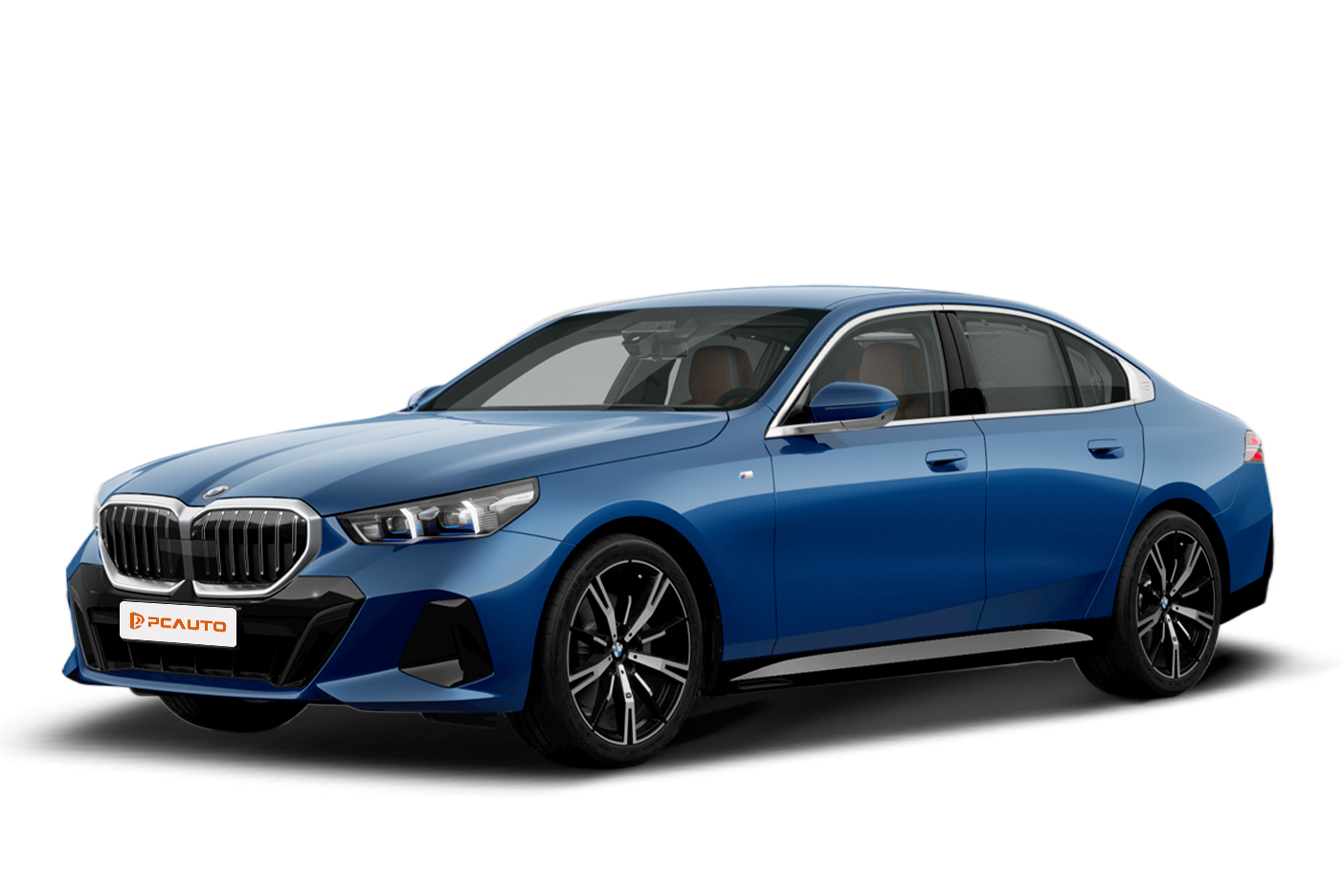
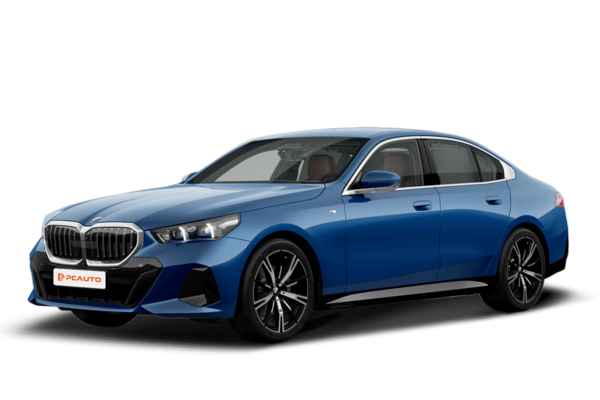
2025 BMW 5 Series 530i M Sport combines executive stability with youthful vitality through the M Sport package, featuring a powerful 2.0T mild hybrid system, enhanced by connected screen technology, balancing luxury, practicality, and driving pleasure.
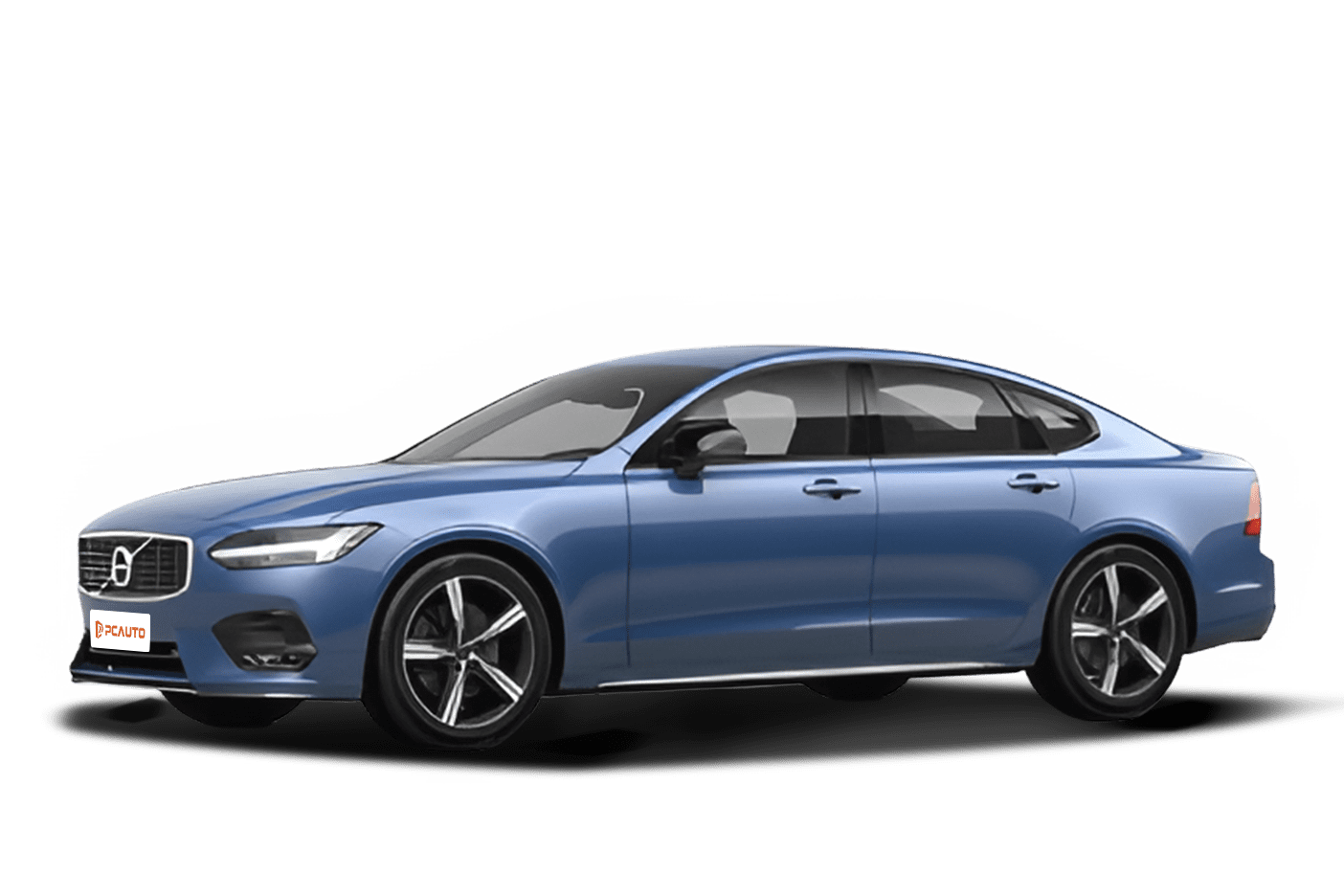
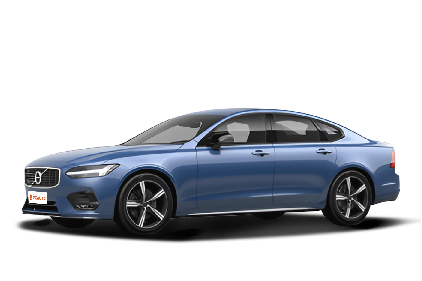
2021 Volvo S90 T5 Momentum is a mid-to-high-end sedan that combines safety DNA, family-friendly features, and executive-level comfort. It offers practical space, smooth power delivery, and is suitable for families and business users who value quality.

15
Rank in Sedan
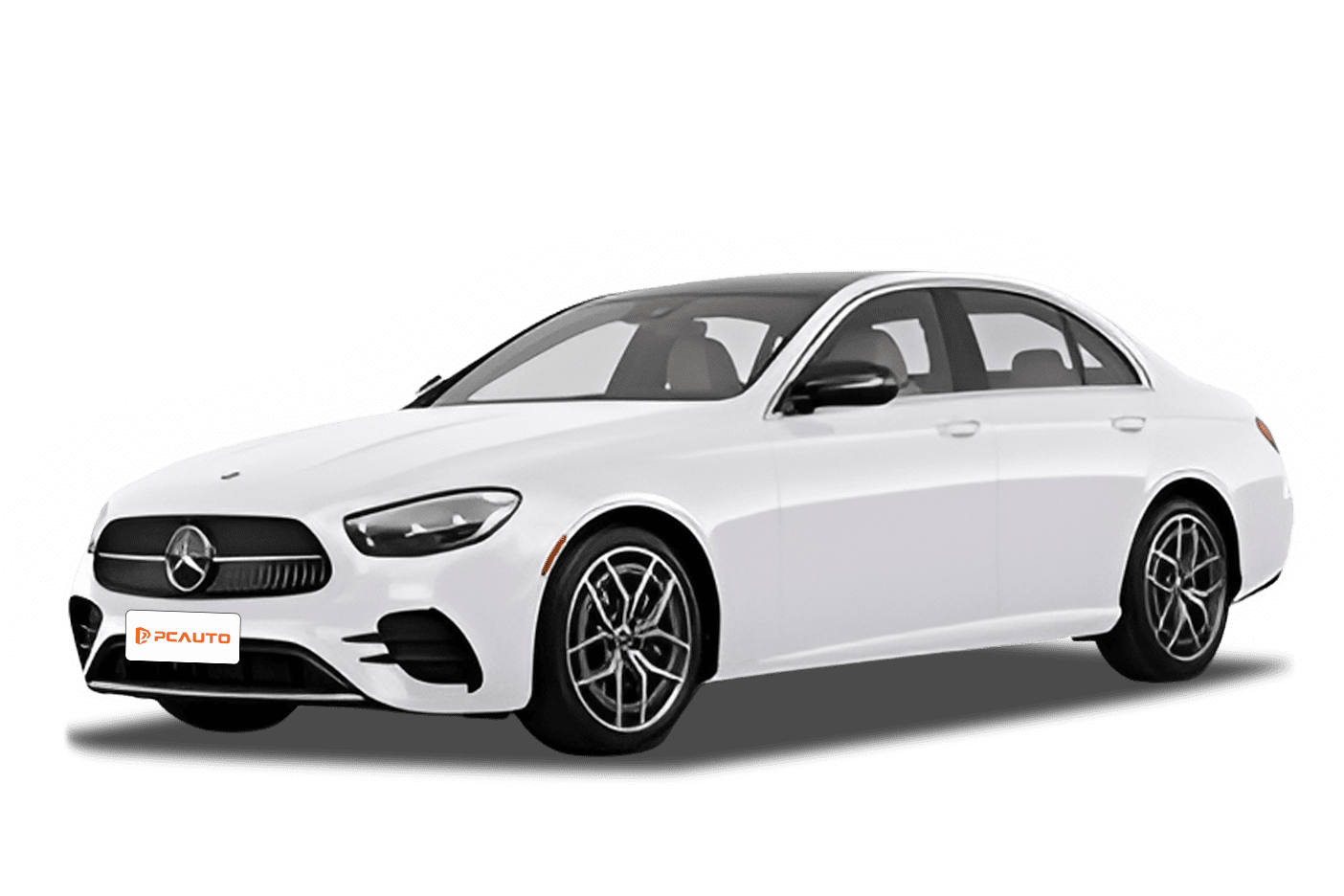
2024 Mercedes-Benz E-Class E200, as a luxury executive sedan, upgrades its mild-hybrid system to balance power and fuel efficiency, enhances intelligent configurations, offers practical space, and highlights a comfortable driving experience.
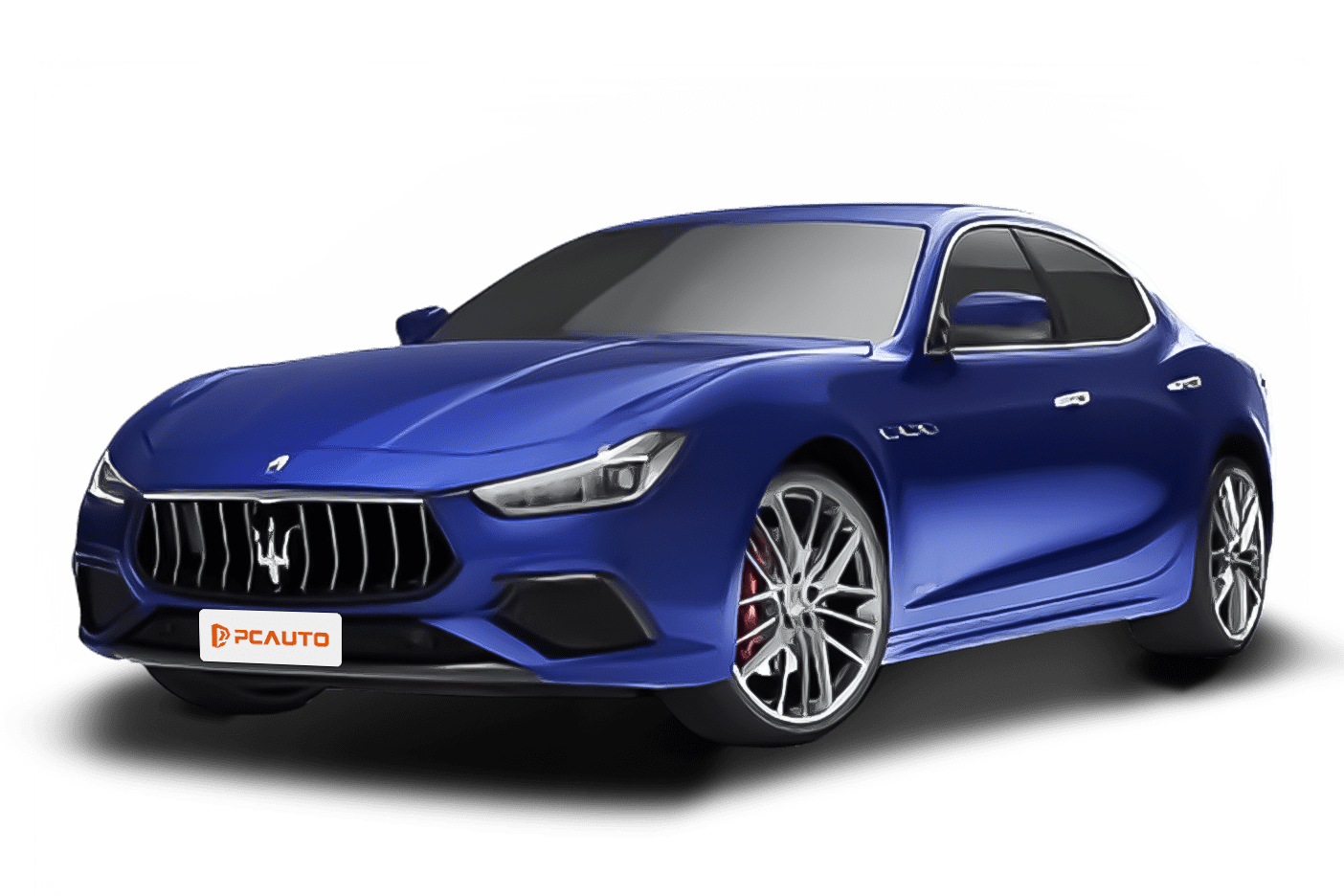
2022 Maserati Ghibli Hybrid is a model that combines luxurious executive appeal with efficient hybrid economy, retaining the brand's classic design and driving pleasure, and is more budget-friendly.