

Bugatti Divo 2023 Review

 Share
Share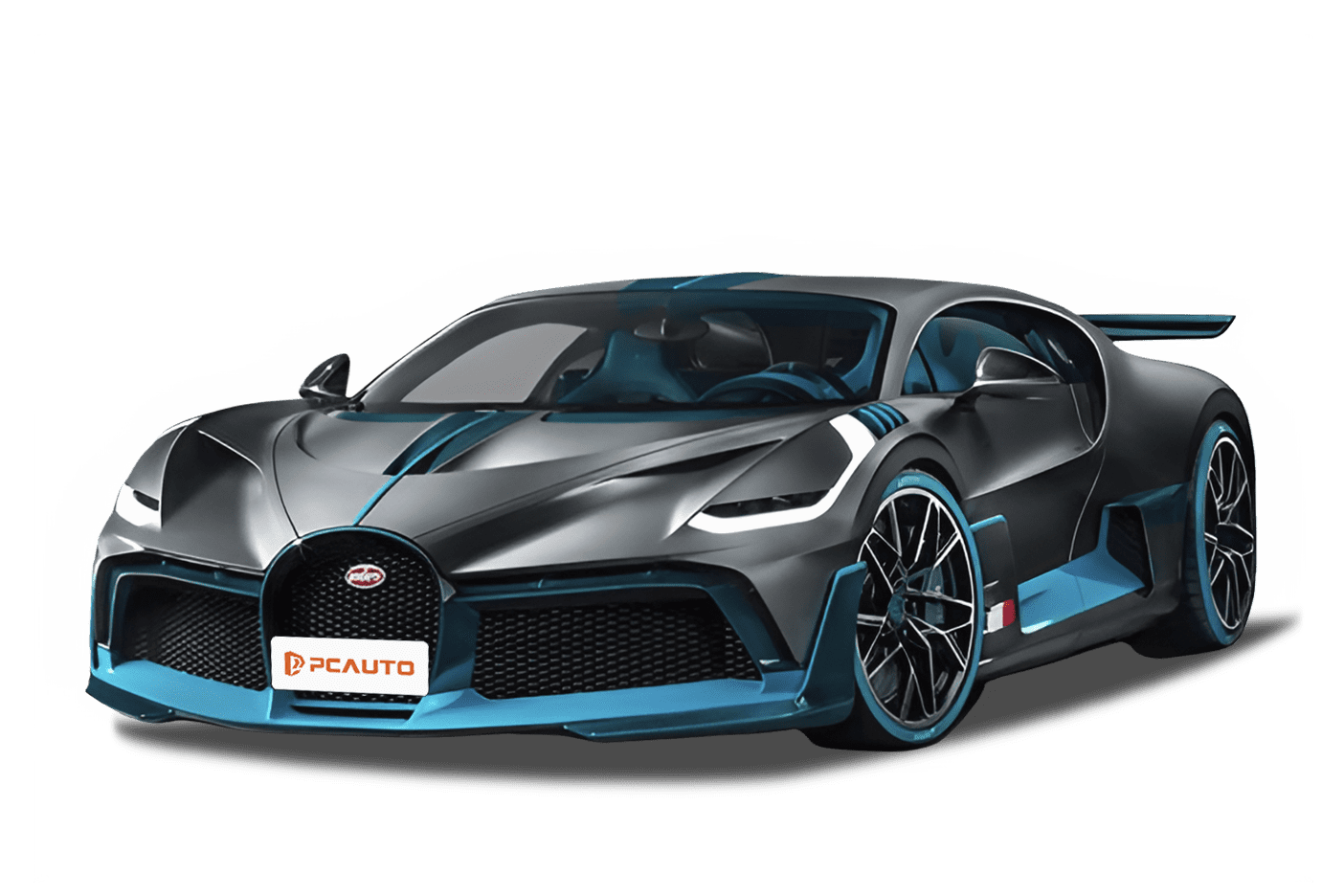
 Segment
 Body Type
 Capacity(L)
 Engine Power(PS)
 Transmission
 Driven Wheels
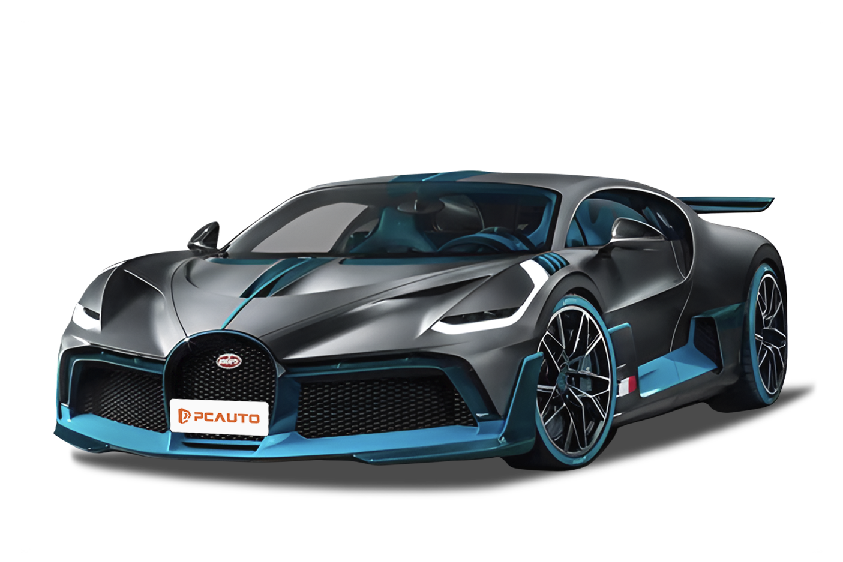
While the supercar market continues to pursue the limits of horsepower and speed, the Bugatti Divo differentiates itself as a "track-focused custom hypercar," breaking free from the comfort zone of traditional flagships. It is not a mere replica of the Chiron but a deeply optimized version targeting aerodynamics and handling precision. With an 8.0-liter W16 engine featuring quad turbochargers producing 1,520 horsepower, an all-wheel-drive system, and a weight of only 1,295kg, these numbers are enough to make any performance enthusiast's heart race. The core of this test drive is to verify whether it can truly achieve a balance between being a "track beast" and "road usability" beyond just impressive figures.
From a distance, the Divo retains the wide-body stance characteristic of the Bugatti family, but the aggressive detailing is noticeably more pronounced. The front grille is smaller than that of the Chiron, paired with sharp LED daytime running lights on both sides, lowering the visual center of gravity. The body side is the design's core—the 2018mm width (90mm wider than the Chiron) is complemented by exaggerated front fender vents and air channels running through the body, with every line guiding airflow towards the large fixed rear wing. The rear diffuser nearly spans the full width of the rear bumper, and the LED taillights are connected by a slim light strip, creating highly recognizable nighttime visibility. Notably, the car extensively utilizes carbon fiber components, including the front lip, side skirts, and rear wing, which not only reduce weight but also reinforce its track-centric DNA.
Open the frameless door and sit in the cockpit, the two-seat layout clearly emphasizes its "driver-first" orientation. The interior primarily uses carbon fiber and Alcantara materials, giving it a matte texture. It has less of Chiron's luxury feel and more of the purity found in racing cars. The 12.3-inch full LCD instrument cluster is highly customizable, allowing switching between track and road modes, while the HUD head-up display projects real-time speed and RPM. The central control screen is not large, but it has smooth touch response and supports Bluetooth connectivity and basic navigation. The seats are racing-style electric-adjustable bucket seats with strong wraparound support. Lumbar and thigh support can be precisely adjusted, ensuring comfort even during long drives. Storage space, a common shortfall of hypercars, is minimal—the trunk is only 60 liters, enough to fit a small backpack, making everyday practicality almost negligible.
The dynamic experience is the essence of the Divo. When starting the 8.0L W16 engine, the roar of the quad turbochargers is deeper than that of the Chiron and lacks excessive electronic noise-canceling. The DCT gearbox shifts smoothly in normal mode, but in track mode, shift speeds increase by 50%, and the impact of each gear change can be distinctly felt in the seat. During acceleration, the all-wheel-drive system evenly distributes the 1,600Nm of torque to all four wheels, leaving no noticeable slippage. Although the official 0-100km/h acceleration data has not been released, the feel is more rapid compared to the Chiron—thanks to a 35kg weight reduction. When overtaking, simply flooring the accelerator pushes the RPM above 6,000, unleashing a flood of power that delivers a nearly suffocating sense of thrust.
In terms of handling, the double-wishbone independent suspension is tuned at least two levels harder than the Chiron. On the track, the precision of the steering is the biggest highlight — there is no play in the steering wheel, and every turn directly translates into changes in the wheel angle. Body roll is minimized to the extreme during cornering, and the grip of the 285/30 R20 front tires and 355/25 R21 rear tires is excellent. Even when taking corners at relatively high speeds, the car maintains a stable line. On public roads, the suspension does not completely filter out minor bumps, but it handles larger bumps like speed bumps quite cleanly, with no unnecessary bouncing. The braking system uses carbon-ceramic materials with a linear brake feel, and the estimated stopping distance from 100km/h is less than 30 meters, providing great confidence.
Fuel consumption and range are not the main focus of the Divo, but the measured data is still worth referencing: in track mode, fuel consumption exceeds 30L per 100 kilometers; during steady highway driving, it’s about 22L per 100 kilometers. With a 100L fuel tank, the range is approximately 400 kilometers. As for noise control, wind noise is acceptable below 150km/h, but becomes noticeably louder beyond 200km/h. However, for users seeking driving pleasure, this might actually enhance the immersive experience.
In summary, the core advantage of the Bugatti Divo lies in the "extreme optimization of track performance" — more precise handling than the Chiron, stronger aerodynamic performance, and a purer driving experience. Compared to other hypercars in its class, it does not aim for top speed like the Koenigsegg Jesko, nor does it prioritize handcrafted luxury like the Pagani Huayra, but instead focuses on delivering pure track enjoyment that integrates the driver and car seamlessly.
The target audience for this car is very specific: it is not aimed at regular supercar enthusiasts but is intended for collectors who own multiple hypercars and truly love track driving. They don’t need the practicality of the Divo for daily use but seek its dominance on the track. If you are looking for a hypercar that showcases your status on the road while pushing limits on the track, the Divo is undoubtedly one of the best choices on the market today.
Bugatti Divo Car Compare
Bugatti Divo Loan Calculator
More Bugatti Reviews
Cars With Similar Price And Features
8
Rank in Coupe
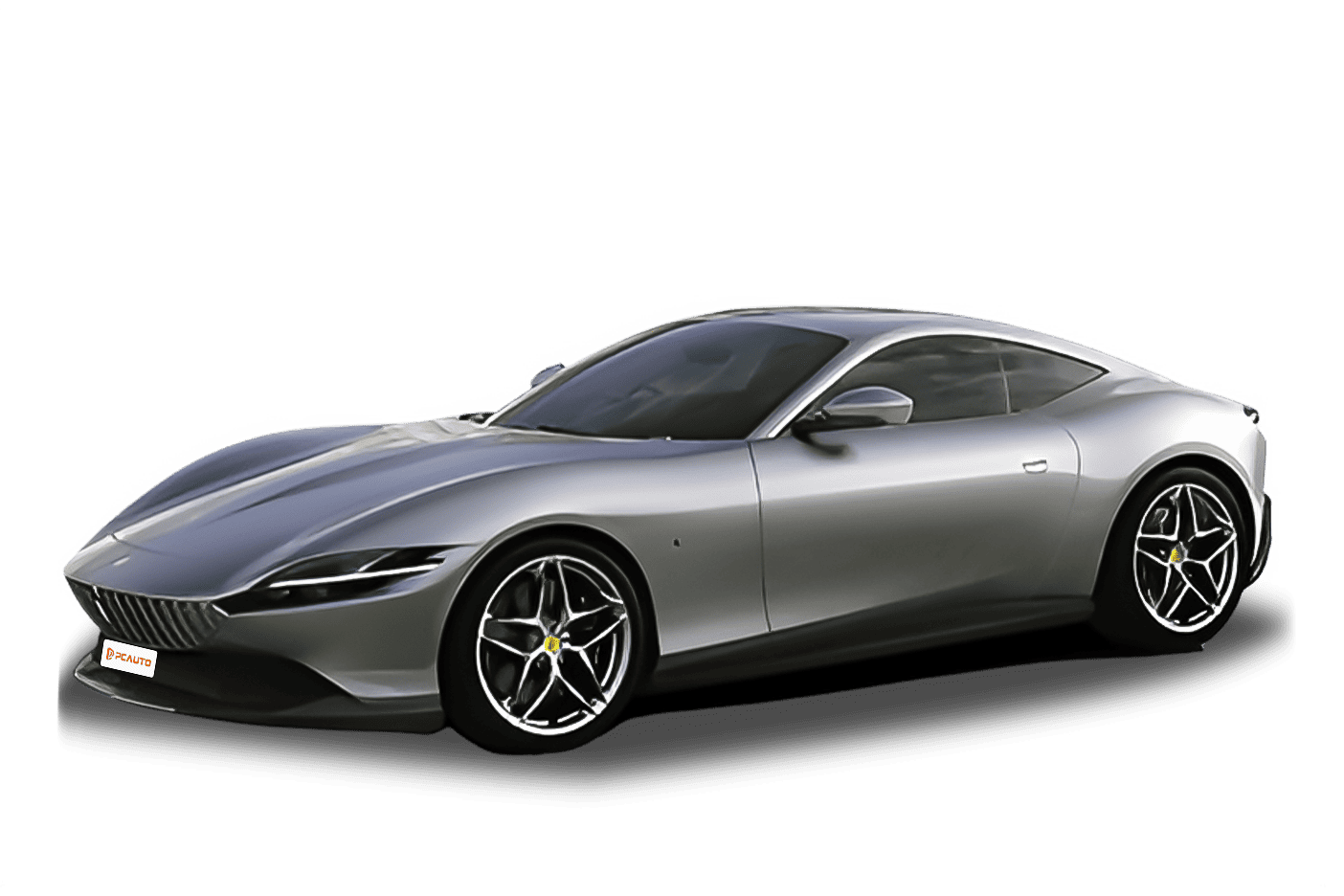
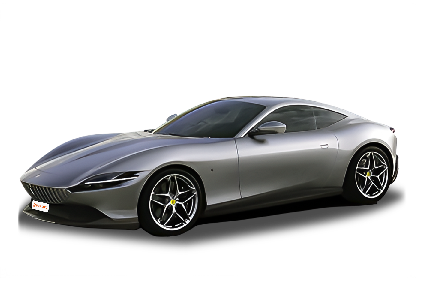
2023 Ferrari Roma Spider is a hardtop convertible GT supercar that combines elegant style with powerful performance, 13.5-second fast-opening soft top + 620PS power, practical for daily use and full of driving pleasure.

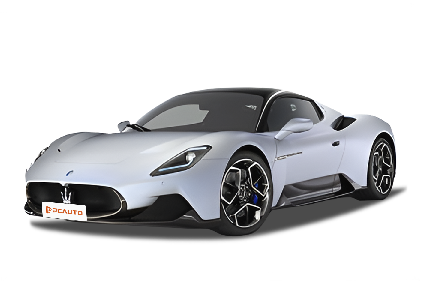
2023 Maserati MC20 Cielo is a two-seater supercar that combines track-level performance with convertible romance, equipped with a 630PS 3.0T V6 engine, a glass hardtop that opens and closes in 12 seconds, and accelerates to 100 km/h in 2.9 seconds.
2
Rank in Coupe
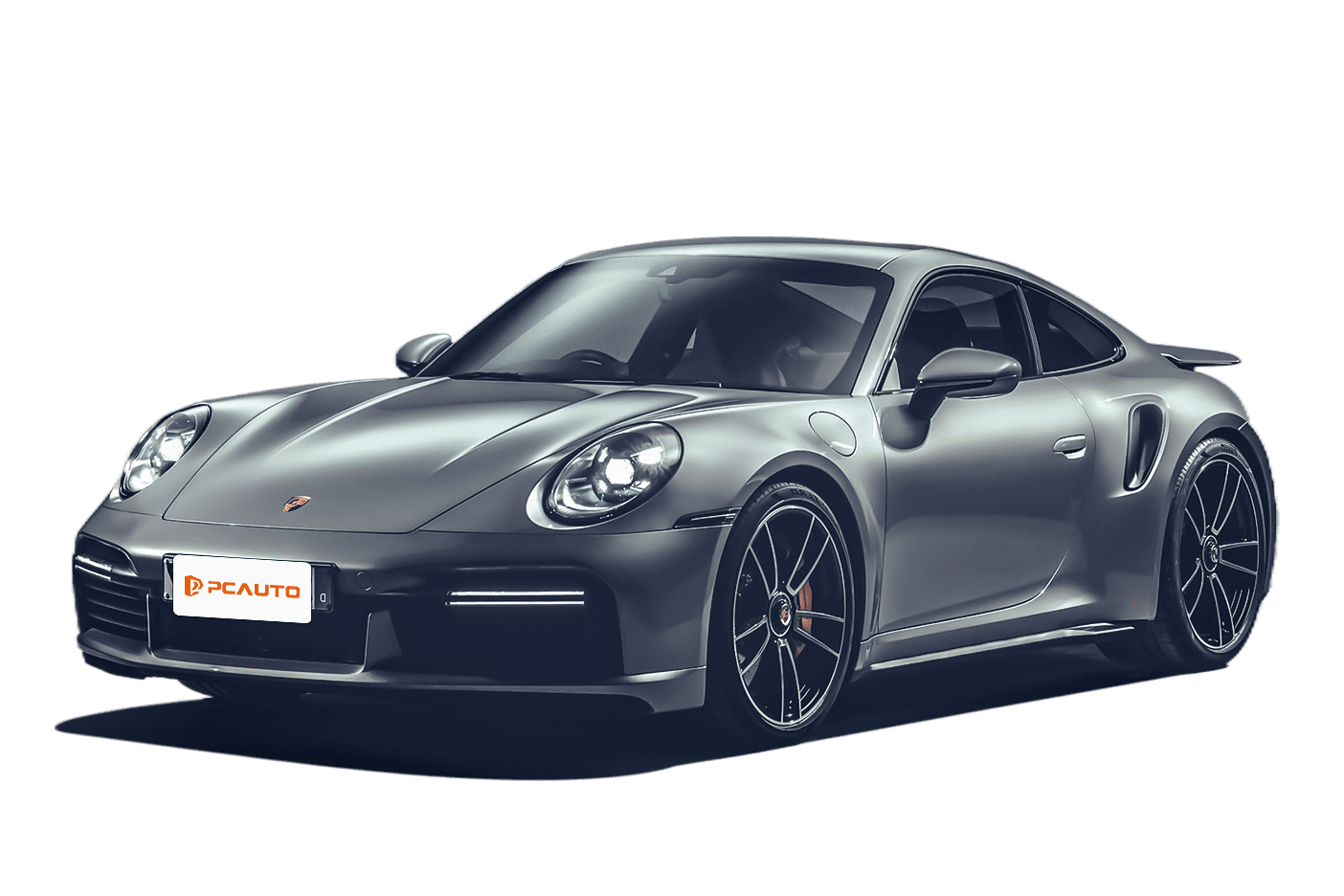
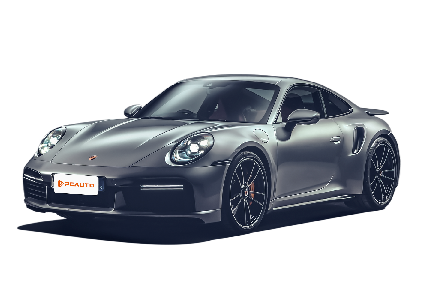
The 2025 Porsche 911 Carrera, as a classic entry-level coupe, features a 0-100 km/h acceleration in 3.9 seconds with its 3.0T+PDK performance, combining practical daily configurations and iconic design to balance track excitement with commuting convenience.
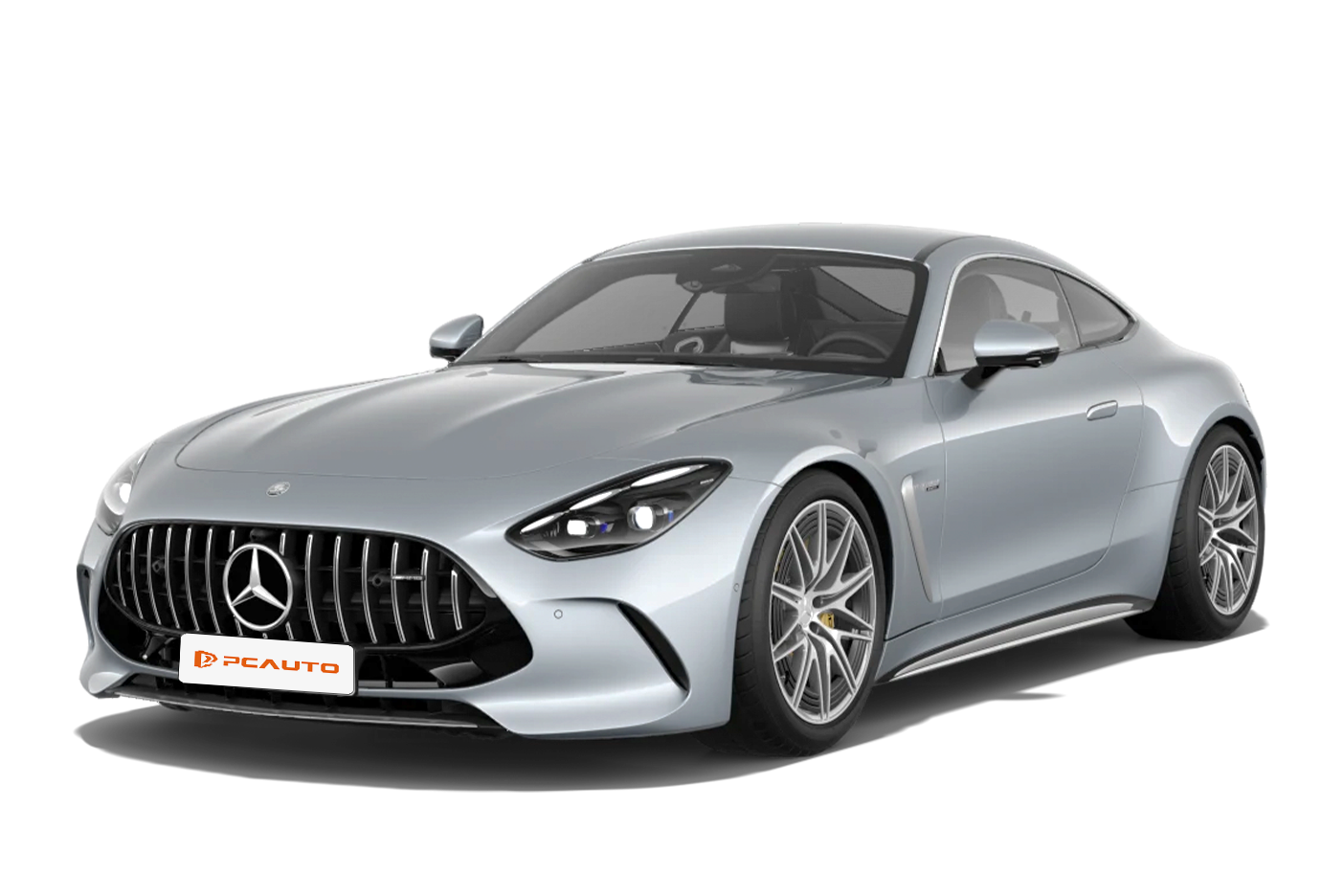
2025 Mercedes-Benz AMG GT 63 4Matic+ Coupe is a luxurious two-door sports car that combines 585PS 4.0T V8 performance (0-100 km/h in 3.2 seconds) with 351L of practical storage, balancing track excitement and daily commuting.